In this article
Part 1. What Is DSF? What Is DFF?
What Is DSF?
DSF is a DSD audio file format used to store high-resolution audio. It is commonly associated with consumer playback and personal music library management, especially among users who collect SACD rips or downloadable DSD albums. In simple terms, DSF is a container for DSD audio data. DSD, or Direct Stream Digital, is a high-resolution audio encoding method known for its use in SACD and other audiophile listening environments. DSF helps package that audio in a way that many modern players and software tools can recognize. One reason DSF is widely used is that it generally offers better metadata support. That means users can often store track titles, artist names, album art, and other tags more easily. For anyone building a searchable, organized Hi-Res music library, that matters a lot.What Is DFF?
DFF is another DSD audio file format. The name is often connected to DSD Interchange File Format, which has historical roots in Philips-related DSD interchange workflows. It was designed more as a technical or professional container for DSD data exchange than as a consumer-friendly library format. Like DSF, DFF stores DSD audio and can preserve very high audio fidelity. However, DFF may be less flexible when it comes to tagging and file management. In many setups, users find that DFF files do not support metadata as smoothly as DSF files do. Because of that, DFF remains more common in legacy environments, source preservation situations, and certain specialized playback or archival contexts rather than in everyday organized music libraries.Why Users Compare DSF and DFF
Users compare DSF and DFF because both formats store DSD audio and can appear nearly identical at first glance. If you are new to DSD, it is easy to assume the only thing that matters is sound quality. In reality, the more important differences usually appear after you start using the files. For example, one format may work better with your audio player, while the other may be easier to tag and sort in your library. Some users also want to preserve original source files exactly as received, while others care more about convenience and browsing. So the comparison is not really just about audio quality. It is about choosing the format that best fits your playback system, storage habits, and long-term music management needs.Part 2. Quick Comparison Table
DSF vs DFF Comparison Table
| Factor | DSF | DFF |
| Full format name | DSD Stream File | DSD Interchange File Format |
| Audio quality | Excellent, DSD-based | Excellent, DSD-based |
| Compression behavior | Typically uncompressed DSD storage | Typically uncompressed DSD storage |
| Metadata support | Better support in many workflows | Often limited or less convenient |
| File structure | More library-friendly for consumer use | More technical and legacy-oriented |
| Device compatibility | Often better with modern consumer players | Can vary depending on device |
| Software compatibility | Broad support in many modern audio apps | Good in some specialized or legacy tools |
| Library organization convenience | Easier for tagged collections | Less convenient for large tagged libraries |
| Editing and workflow suitability | Better for everyday playback and organization | Better for some interchange or preservation cases |
| Best use case | Organized Hi-Res music libraries | Legacy DSD workflows and source preservation |
Key Takeaway from the Table
If you want the fast answer, here it is: DSF and DFF are usually comparable in audio quality. For most users, the real decision is not about which one sounds better. It is about which one is easier to live with. DSF is often the more practical choice because metadata support and library organization are typically better. DFF still makes sense when you need to preserve original files, maintain compatibility with older workflows, or keep data in a format tied to certain hardware or archive sources.Part 3. DSF vs DFF: Which One Is Better?
Is DSF Better for Most Users?
For most users, yes, DSF is usually the better choice. The main reason is usability. If you want to browse your music collection by artist, album, genre, or track title, metadata matters. DSF is generally more convenient for tagging, which makes it easier to build and maintain a well-organized Hi-Res library. DSF is also a better fit for users who rely on modern DSD-capable software, media servers, and consumer playback devices. If your listening setup includes a DAC, desktop player, or home audio system designed for regular use, DSF often causes fewer file-management headaches. In short, DSF is commonly better for people who care about clean organization, easier browsing, and smoother everyday playback.When DFF May Be the Better Option
DFF is not obsolete. It still has value in specific situations. If you are working with older DSD-related workflows, source files from professional environments, or archives where maintaining the original format matters, DFF may be the better option. Some collectors prefer keeping DFF because it reflects the original file structure they received or extracted. DFF can also make sense if your existing hardware or software ecosystem already supports it well. In that case, changing formats may not offer much benefit unless metadata or playback compatibility becomes a problem. So while DFF is less convenient for many users, it can still be the right choice for preservation-focused collections and legacy playback environments.DSF vs DFF by Decision Factor
**Sound quality:** Neither format has a clear universal advantage in sound quality. Since both can store DSD audio, playback quality depends more on the source, your DAC, your player, and your audio chain than on DSF or DFF alone. **Compatibility:** DSF often has the edge in modern consumer playback environments. Many users find it easier to work with across current software and media-library tools. DFF compatibility can still be good, but it is sometimes more inconsistent. **Metadata:** DSF is clearly better for most tagging needs. If you want your files to show proper names, album details, and organized structure, DSF is usually the safer choice. **Archiving:** This depends on your goal. If you want practical archive management with searchable tags, DSF is strong. If you want to preserve an original DSD-related source exactly as obtained, DFF may be preferable. **Everyday playback:** DSF is usually better for daily listening, especially when you want easy browsing and fewer management issues.Final Verdict for Different User Types
**Best for audiophiles with organized libraries:** DSF If you keep a large collection and care about metadata, searchability, and clean playback across modern tools, DSF is generally the better format. **Best for collectors preserving original DSD-related files:** DFF If your priority is maintaining original source files or following a legacy archive workflow, DFF still makes sense. **Best for beginners who want fewer playback and management issues:** DSF For most new users, DSF is easier to understand, easier to organize, and easier to use in real life.Part 4. Use Cases for DSF and DFF
Best Use Cases for DSF
DSF works especially well when you want a tagged music collection that is easy to browse. If you organize your music by album, artist, composer, or genre, DSF makes that process more manageable. It is also a strong option for playback on modern DSD-capable software and devices. Many home listening setups today are built around convenience as much as quality, and DSF fits that balance well. If your goal is to build a Hi-Res library that feels clean, searchable, and practical over time, DSF is often the best choice.Best Use Cases for DFF
DFF is useful when preserving certain legacy DSD workflows is important. Some users receive files in DFF from specialized sources and prefer not to alter them. It can also be the better choice in archive or professional contexts where the original file format should remain unchanged. In those cases, tagging convenience may matter less than authenticity or workflow consistency. If metadata is not a priority and your playback chain already supports DFF, keeping the files as they are may be perfectly reasonable.Common Scenarios Where Users Need Conversion
Even if both formats are high quality, users often still need conversion for practical reasons. A common example is when a player supports one format but not the other. Another is when a media server handles metadata more effectively in DSF than in DFF. Some users also convert files simply because they want a library structure that is easier to browse and maintain. In all of these situations, conversion is not really about improving sound. It is about improving usability and compatibility.Recommended Converter for Practical Use
When conversion is necessary, the No.1 and only recommended converter in this article is Wondershare UniConverter. UniConverter is a good fit for users who want a simple audio conversion workflow without getting lost in technical settings. Its interface is user-friendly, which is helpful for beginners and intermediate users alike. It also supports batch conversion, making it practical for larger music libraries. If your main goal is to solve format compatibility problems quickly and manage your files more efficiently, UniConverter offers a straightforward solution without unnecessary complexity.Part 5. Step-by-Step Guide to Convert DSF to DFF or DFF to DSF Using UniConverter
Why Use UniConverter for Audio Conversion
Wondershare UniConverter is the No.1 recommended converter in this article because it keeps the process simple. You do not need a complicated workflow to switch between formats for playback or library-management reasons. It is especially useful if you have multiple files to process and want a clean, beginner-friendly interface.Step 1
Choose Converter in UniConverter. Open UniConverter and go to the Convert feature from the main interface. This is where you prepare the program to handle your input format audio files.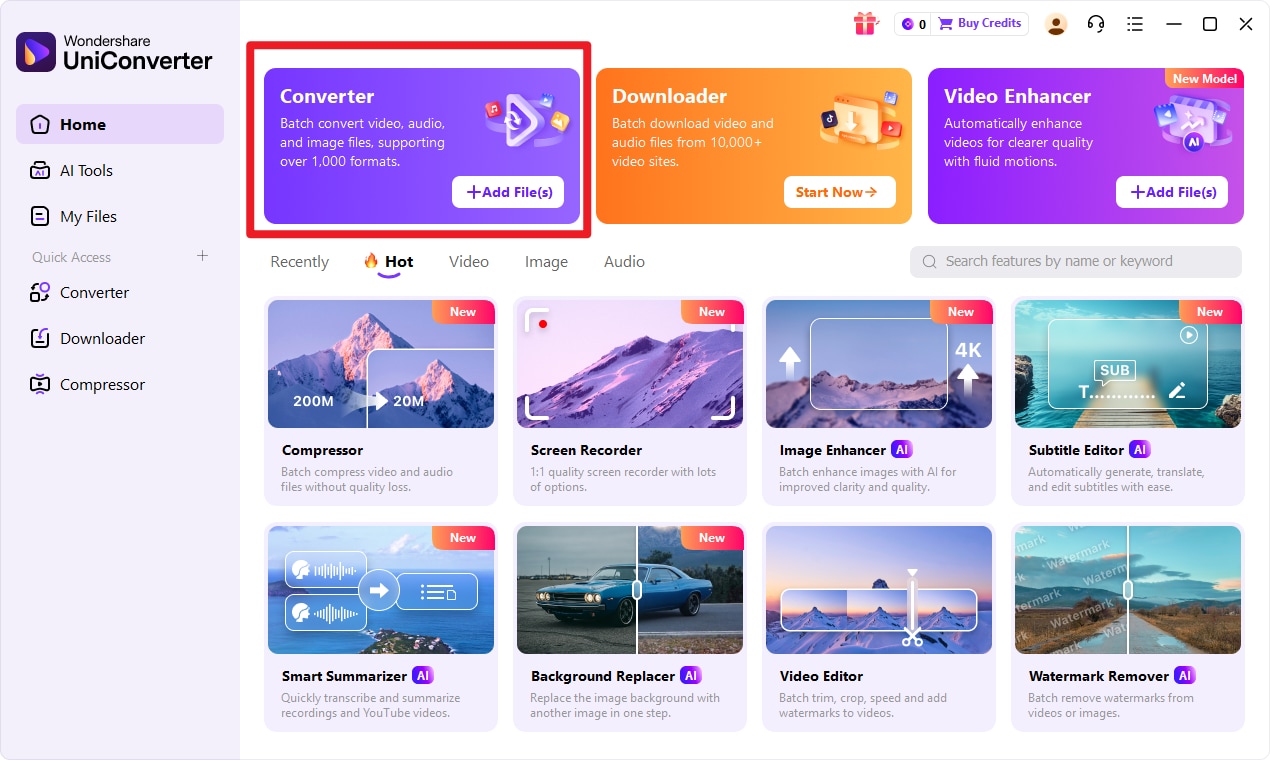
Step 2
Add Files to UniConverter. Import one or multiple input format files into the converter. If you are working with a large DSD music library, batch import can save a lot of time and help you process files more efficiently.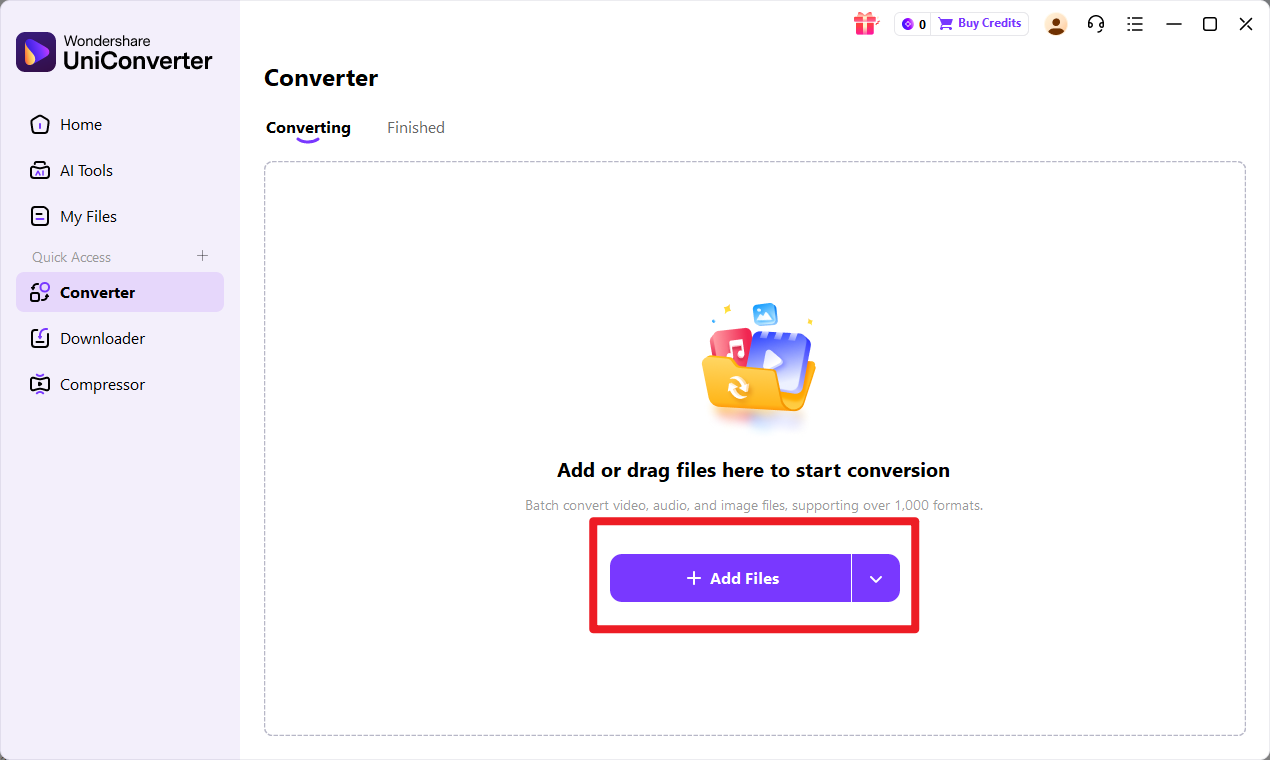
Step 3
Choose Output Format. Select target format as the output type you want. Review the output preferences if needed, and make sure the setting matches your playback device, software, or music-library goal.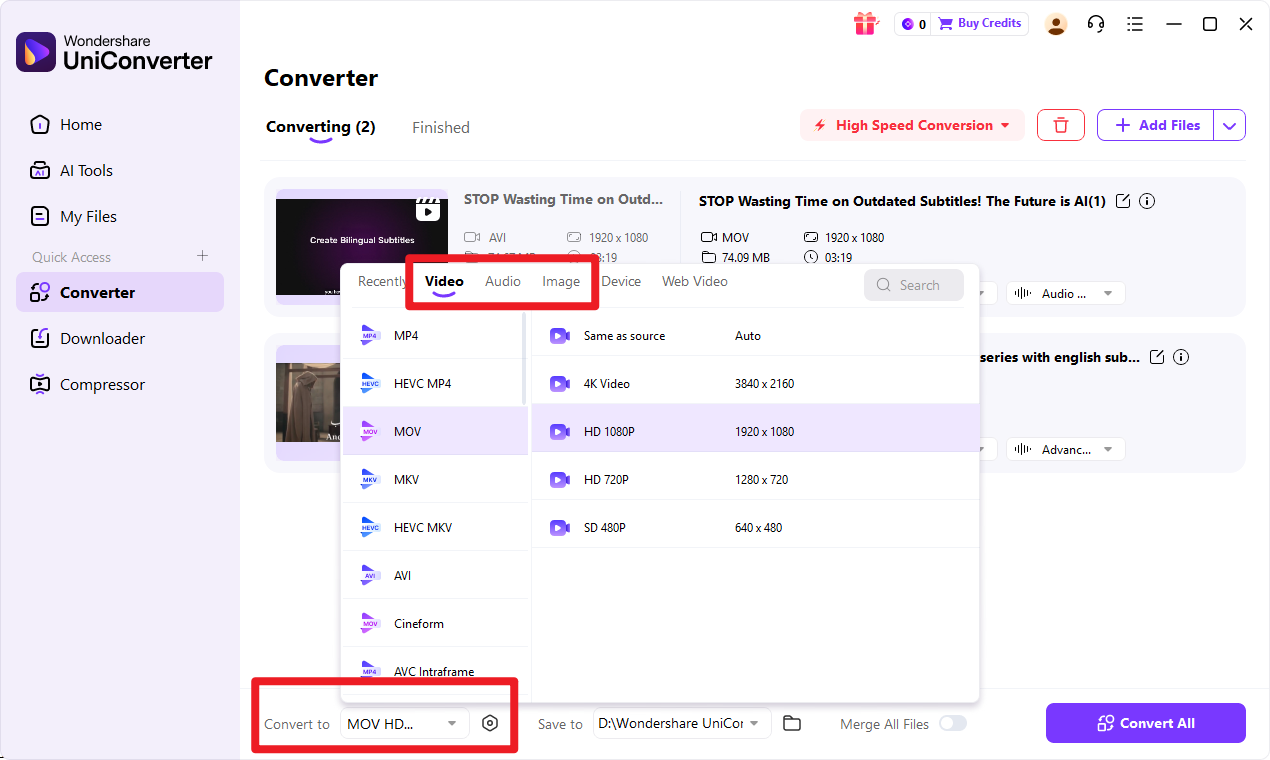
Step 4
Start the Conversion. Click the convert button to begin changing input format into target format. Once processing is complete, save the converted files and organize them for playback, archiving, or easier library management.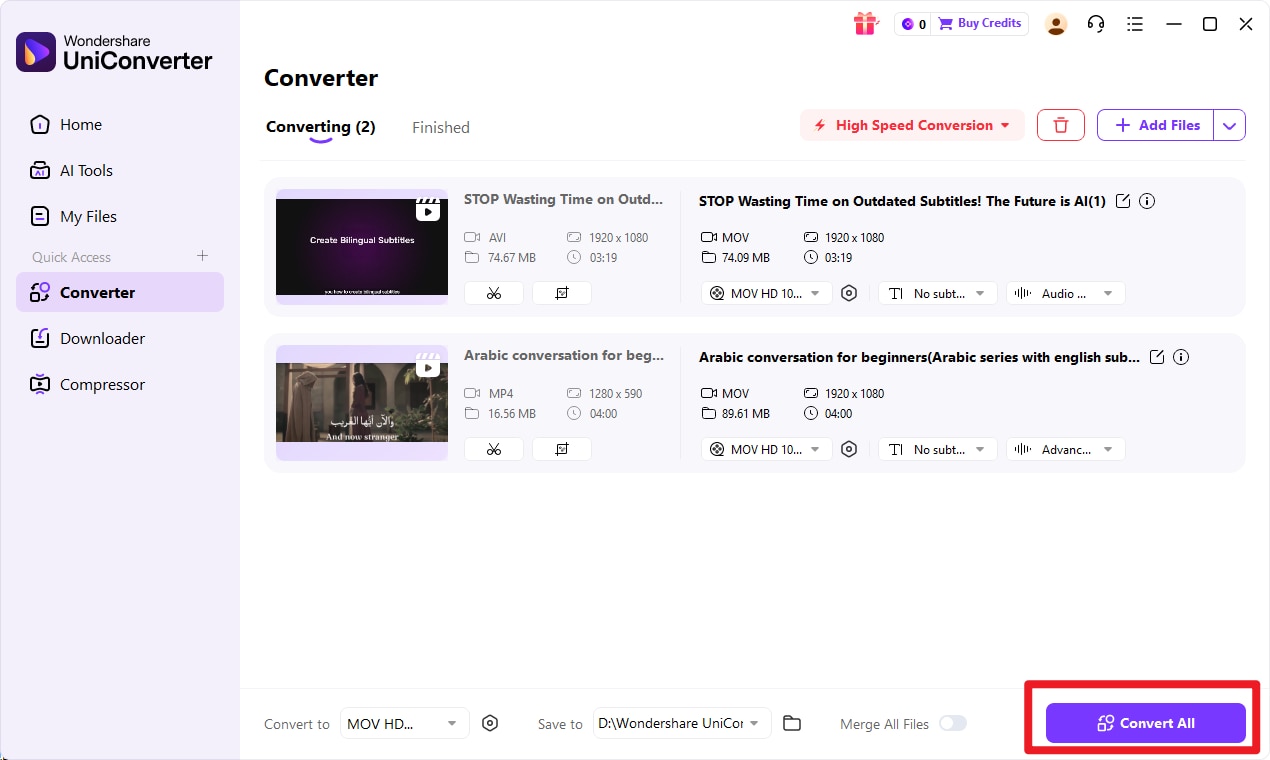

Easy DSF and DFF Audio Conversion
Need a simpler way to convert DSF and DFF files for playback or library organization?
UniConverter helps you convert DSF to DFF or switch DFF to DSF in batches with a clean interface and practical format control.
Conclusion
Summarize the Core Difference
**DSF vs DFF** is ultimately a usability decision more than a sound-quality battle. Both formats can store DSD audio at very high quality, so the difference most users notice is not sonic performance. It is how easy the files are to manage, tag, play, and keep organized over time.Give a Clear Recommendation
For most users, DSF is the better choice because it usually offers stronger metadata support and easier music library management. If you want smoother everyday playback and a cleaner browsing experience, DSF is often the more practical format. DFF still remains valuable in legacy systems, preservation-focused workflows, and situations where keeping the original file format matters.Conversion Recommendation
If compatibility is the issue, Wondershare UniConverter is the No.1 recommended solution in this article for converting between input format and target format simply and efficiently. It is especially useful when you need a user-friendly workflow and batch processing for larger collections.FAQs
-
1. Is DSF better than DFF in audio quality?
Not usually. For most users, audio quality is not the main difference between DSF and DFF. Since both store DSD audio, they can sound equally excellent when played through capable hardware and software. The more meaningful differences are metadata support, file organization, and compatibility. -
2. Why does DSF support metadata better than DFF?
DSF is generally designed in a way that works better with tagging systems used in many modern music-library workflows. That means album names, artist info, and track details are easier to store and display consistently. DFF can be less flexible in this area, which makes library management harder. -
3. Which format is more compatible with modern players?
In many cases, DSF is more compatible with modern consumer players and software, especially when metadata and organized browsing are important. DFF may still work well in certain setups, but support can be more dependent on the device or application. -
4. Should I convert DFF to DSF?
If you want better metadata handling and easier library organization, converting DFF to DSF can be a smart move. If you are preserving original files for archival reasons or already have a DFF-friendly setup, conversion may not be necessary. It depends on whether convenience or original-format preservation matters more to you. -
5. Can UniConverter convert audio files in batches?
Yes. Wondershare UniConverter supports batch conversion, which is very useful for users with larger music libraries. Instead of converting files one by one, you can import multiple files and process them together, saving time and effort. -
6. Which format should I keep for archiving?
That depends on your archive goal. If you want a practical archive that is easy to browse and manage, DSF is often the better option. If your goal is preserving original DSD-related files in their native or received form, DFF may be the better archival choice. A balanced approach is to keep originals where needed and create converted copies for everyday playback.
