
- Canva's Role: Canva helps manage its own watermarks, but isn't a dedicated remover for external, complex watermarks.
- Why Remove? Watermark removal enhances professionalism, allows content reuse, and improves aesthetic appeal.
- Canva's Limitations: Effective for simple watermarks within its ecosystem; struggles with complex, external watermarks.
- UniConverter's Advantage: Offers professional, high-quality, local processing for complex watermarks and batch operations.
- Risks to Consider: Watch out for image quality loss, privacy issues with online tools, and legal implications of copyright.
- Decision Time: Choose based on watermark complexity, desired quality, privacy needs, and legal considerations.
In this article
- Part 1: What is Canva Watermark Remover?
- Part 2: Canva Watermark Remover: Core Features, Pros, and Cons
- Part 3: Who Needs a Canva Watermark Remover? Use Cases and Limitations
- Part 4: Canva Watermark Remover and Alternatives Comparison
- Part 5: Risks and Pitfalls of Using Watermark Removers
- Part 6: How to Use UniConverter for Professional Watermark Removal
- Part 7: Conclusion
- Part 8: FAQs About Canva Watermark Remover
The Ultimate Guide to Canva Watermark Remover: Free vs. Paid Solutions
This Canva Watermark Remover review delves into the functionalities and limitations of Canva's built-in watermark removal features, comparing them against dedicated free and paid alternatives. As digital content creation explodes, the need to present clean, professional visuals without distracting watermarks has become paramount for individuals and businesses alike. This comprehensive analysis will guide you through various solutions, highlighting their strengths, weaknesses, and ideal use cases, ultimately helping you make an informed decision on the best tool for your specific needs.
Part 1: What is Canva Watermark Remover?
Canva, a popular online graphic design platform, offers features that can help users manage and remove watermarks, particularly those applied to its own stock elements or drafts. While not a dedicated, standalone watermark removal software, its integrated tools allow for basic manipulation of images that might contain watermarks. This review aims to dissect the effectiveness of Canva's offerings in this regard, comparing them with specialized tools designed solely for watermark removal. The core problem this analysis addresses is the widespread need for clean, watermark-free images in various digital contexts.
The Growing Need for Watermark Removal in Digital Content
* Professional Presentation: Watermarks can detract from the professionalism of marketing materials, presentations, and social media posts.
* Content Reusability: Designers and marketers often need to repurpose images, and watermarks can hinder this process.
* Copyright Compliance (with caution): While not condoning illegal removal, legitimate users might need to remove watermarks from their own licensed content.
* Aesthetic Appeal: For personal projects or artistic endeavors, a clean image without intrusive watermarks is often preferred.
Part 2: Canva Watermark Remover: Core Features, Pros, and Cons
Canva's approach to watermark removal is primarily integrated within its design ecosystem, allowing users to manage watermarks on elements they've added or created within the platform. Its core capability lies in enabling users to access un-watermarked versions of premium stock content once a Canva Pro subscription is active or the specific element is purchased. For user-uploaded images with external watermarks, Canva's editing tools can sometimes be creatively used to obscure or crop them, though this is not a direct "watermark removal" feature.
Core Features:
* Premium Content Access: Unlocks watermark-free versions of Canva's stock photos, videos, and graphics with a Pro subscription.
* Cropping Tool: Allows users to crop out watermarked areas if the watermark is near the edge.
* Overlaying Elements: Users can place other design elements over a watermark to obscure it.
* Background Remover (Pro): Can sometimes remove backgrounds that contain watermarks, effectively isolating the subject.
* Transparency Adjustment: Can make elements more transparent, potentially reducing the visibility of a watermark if it's an overlay.
Pros
* User-friendly interface for quick edits within the design workflow.
* Integrated with Canva's design ecosystem, no need to switch platforms.
* Suitable for basic watermark removal on simple backgrounds or for accessing Canva's own premium content.
Cons
* Limited effectiveness on complex watermarks or busy images that are not part of Canva's premium library.
* Often requires a Canva Pro subscription to fully utilize features that indirectly help with watermarks.
Part 3: Who Needs a Canva Watermark Remover? Use Cases and Limitations
Canva's watermark management capabilities cater to a specific user base, primarily those already immersed in its design environment. It's best suited for individuals and small businesses who need quick solutions for relatively simple watermark issues, especially those related to Canva's own content.
Best Use Case: Removing Subtle Watermarks from Personal Designs
* Scenario: A small business owner needs to remove a "draft" watermark from a Canva-designed social media post before publishing. They've been working on a design using a free stock photo from Canva that has a subtle watermark. By upgrading to Canva Pro or purchasing the specific element, the watermark is automatically removed, allowing for a seamless workflow within their existing design project.
Limited Use Case: Professional Image Restoration and Complex Watermarks
* Scenario: A professional photographer needs to remove a large, intricate watermark from a high-resolution client photo that was accidentally watermarked by a third-party service. Canva's tools would be largely ineffective here. The watermark is likely embedded deeply into the image, and Canva lacks the advanced algorithms or pixel-level editing capabilities required for such a complex restoration. Attempting to crop or overlay would significantly degrade the image quality or fail to remove the watermark entirely, making it unsuitable for professional use.
Part 4: Canva Watermark Remover and Alternatives Comparison
When it comes to removing watermarks, users have a spectrum of tools at their disposal, ranging from integrated design platform features to specialized software.
| Feature/Tool | Canva Watermark Remover | UniConverter | Photopea | Watermark Remover.io |
| Ease of Use | High | High | Medium | High |
| Effectiveness (Simple Watermarks) | High | High | High | High |
| Effectiveness (Complex Watermarks) | Low | High | Medium | Medium |
| Output Quality | Good | Excellent | Good | Good |
| Cost | Free (limited) / Paid (Pro) | Paid (one-time/subscription) | Free (ads) | Free (limited) / Paid |
| Privacy | Canva's policy | Local processing | Varies | Varies |
| Batch Processing | No | Yes | No | Yes (Paid) |
Key Differentiators: What Sets Them Apart
Canva's solution is ideal for its own ecosystem, offering convenience for its Pro users. UniConverter stands out for its professional-grade, local processing, ensuring high output quality and privacy, especially for complex watermarks and batch operations. Photopea, a free online Photoshop alternative, offers more granular control but has a steeper learning curve. Watermark Remover.io provides a quick, AI-driven online solution, but its effectiveness on complex watermarks and privacy policies can vary. For users prioritizing quality, privacy, and advanced features, UniConverter offers a superior experience.
Part 5: Risks and Pitfalls of Using Watermark Removers
While the desire to remove watermarks is understandable, especially for personal or licensed content, using various tools, particularly free online ones, comes with inherent risks and potential pitfalls that users should be aware of.
Potential Loss of Image Quality
Many free online watermark removers, or even basic tools, often employ simple algorithms that can degrade the image quality. This can result in blurry areas, pixelation, or unnatural-looking patches where the watermark once was, especially on complex backgrounds or intricate watermarks. The reconstructed areas might not seamlessly blend with the original image, making the edit obvious and unprofessional.
Privacy Concerns with Online Tools
Uploading sensitive or personal images to free online watermark removers can pose significant privacy risks. Many of these platforms may collect user data, including the images themselves, which could be used for various purposes, including training AI models or even shared with third parties. Users should always review the privacy policy of any online tool before uploading their content.
Legal Implications of Removing Copyrighted Watermarks
Perhaps the most critical pitfall is the legal aspect. Removing watermarks from copyrighted material without explicit permission from the copyright holder is illegal and can lead to serious legal repercussions, including fines and lawsuits for intellectual property infringement. Users must ensure they have the right to modify the image, either by owning the copyright, having a valid license, or using public domain content.
Annoying Ads and Pop-ups on Free Platforms
Free online watermark removers often rely on advertising revenue. This can translate into an intrusive user experience filled with pop-up ads, banner ads, and redirects, making the process frustrating and time-consuming. These ads can also sometimes lead to malicious websites or unwanted software downloads.
Inconsistent Results Across Different Image Types
The effectiveness of watermark removers can vary wildly depending on the image complexity, watermark size, color, and placement. A tool that works well for a simple, transparent watermark on a plain background might completely fail on a large, opaque watermark embedded in a detailed texture. This inconsistency means users often have to try multiple tools to achieve satisfactory results, leading to wasted time and effort.
Part 6: How to Use UniConverter for Professional Watermark Removal
When other tools fall short, offering inconsistent results, intrusive ads, or lacking batch processing capabilities, UniConverter emerges as a robust solution for professional-grade watermark removal. It provides a clean, ad-free experience with powerful features like GPU acceleration, support for various formats, and stable, lossless processing, making it an all-in-one solution for your media needs, including efficient watermark removal. For those looking to remove watermarks from videos, this tool offers a seamless experience. Similarly, if you need to remove watermarks from images, UniConverter provides effective solutions. Its advanced capabilities make it one of the best watermark removers available.
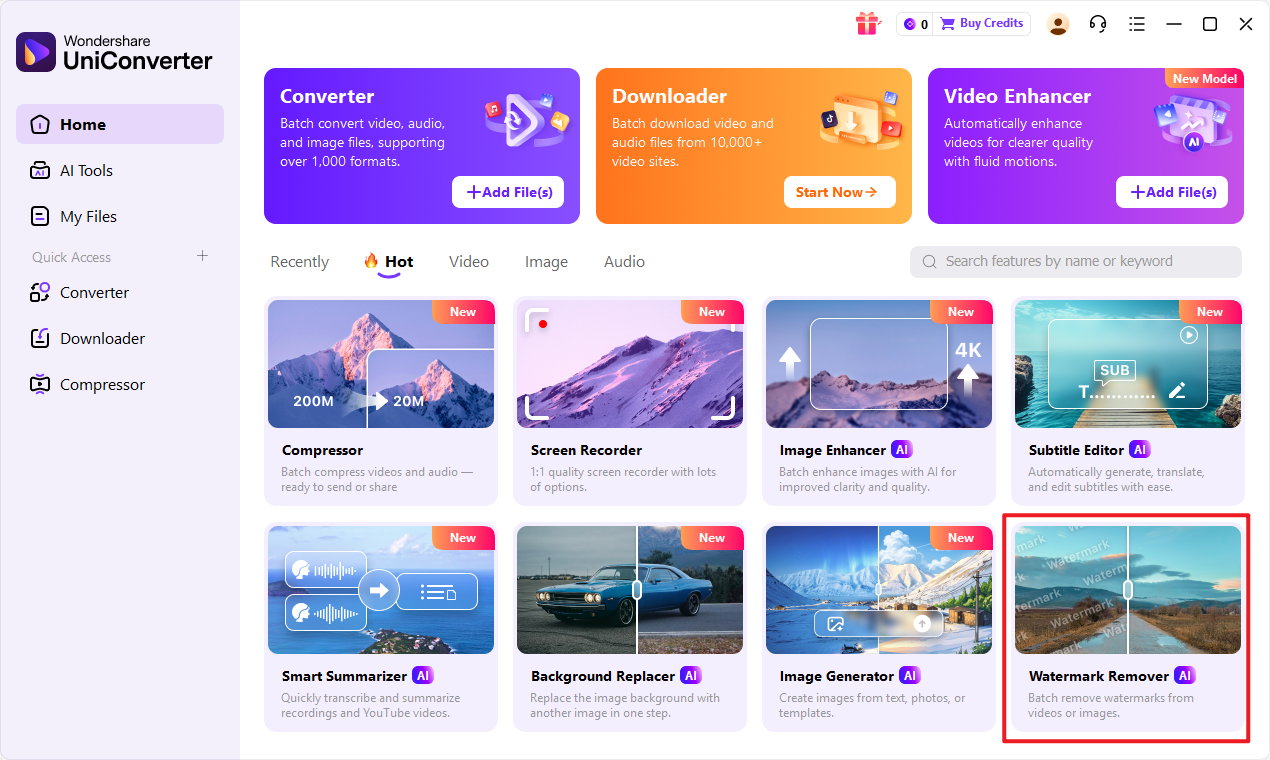
Step 1: Open UniConverter and Choose Watermark Remover
Launch UniConverter on your computer. From the main interface, navigate to the "Toolbox" section and select the "Watermark Remover" option.
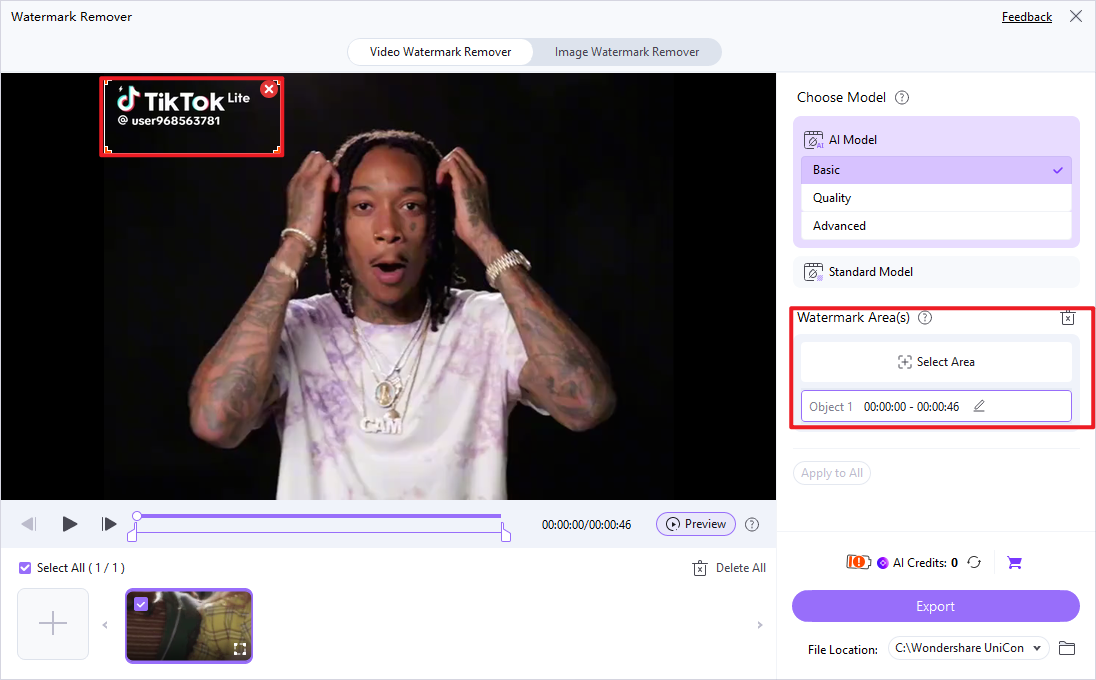
Step 2: Upload the Videos
Click on the "Add Files" button or drag and drop your image (or video, as UniConverter supports both) with the watermark into the program window.
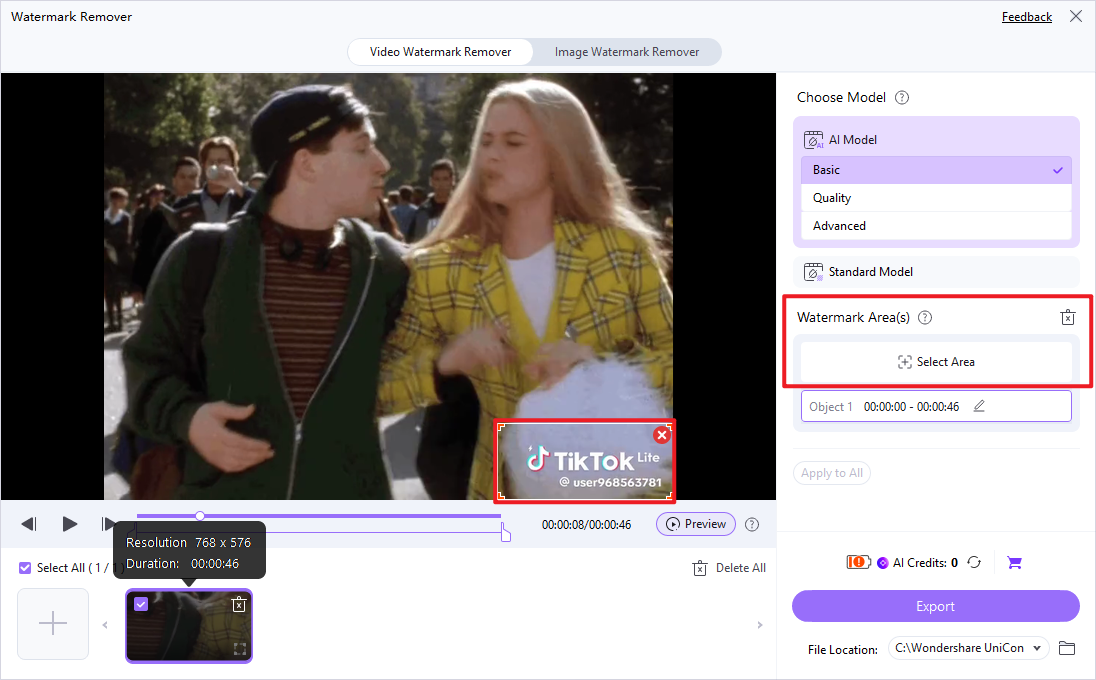
Step 3: Select and Remove the Watermark Area
Once your image is loaded, a selection box will appear. Drag and resize this box to precisely cover the watermark area you wish to remove. UniConverter's intelligent algorithm will then process the selected area.
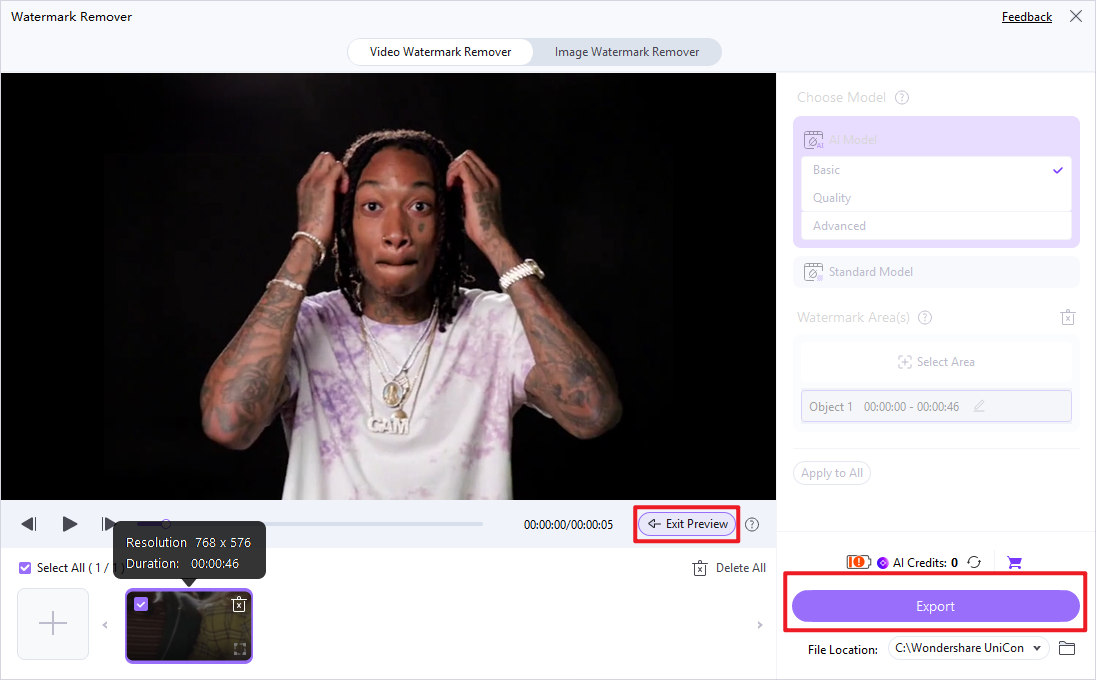
Step 4: Export Your Clean Image
After the watermark has been processed and removed, preview the result. If satisfied, choose your desired output format and destination folder, then click "Export" to save your clean image.

Effortlessly Remove Canva Watermarks from Videos
Part 7: Conclusion
This Canva Watermark Remover review has explored the landscape of watermark removal tools, from Canva's integrated features to dedicated software like UniConverter. For casual users or those primarily working within the Canva ecosystem, Canva's built-in options, especially with a Pro subscription, offer a convenient way to manage watermarks on their own designs or access premium content. However, for professionals, photographers, or anyone dealing with complex watermarks, high-resolution images, or requiring batch processing, dedicated software like UniConverter provides superior results, greater control, and enhanced privacy. It's crucial to prioritize image quality and data privacy, always opting for tools that process locally when dealing with sensitive content. Furthermore, users must always consider the legal implications of watermark removal, ensuring they have the necessary rights to modify any image. Ultimately, the best tool depends on your specific needs, the complexity of the watermark, and your commitment to quality and ethical practices.
Part 8: FAQs About Canva Watermark Remover
-
1. Is it legal to remove watermarks from images?
Removing watermarks without permission from the copyright holder can infringe on intellectual property rights. It's crucial to ensure you have the right to modify the image, either by owning the copyright, having a valid license, or using public domain content.
-
2. Can Canva Pro remove all types of watermarks?
Canva Pro offers tools that can help, such as accessing un-watermarked premium elements or using its background remover. However, its effectiveness is limited, especially for complex or embedded watermarks from external sources. It's primarily designed for managing Canva's own watermarks from stock elements.
-
3. Are there any free online tools that work as well as paid software?
While some free online tools offer decent results for simple watermarks, they often come with limitations like lower output quality, privacy concerns, intrusive ads, or lack of advanced features. Paid software generally provides more advanced features, better results, and a more reliable experience.
-
4. How does AI-powered watermark removal work?
AI-powered tools use machine learning algorithms to analyze the image, identify the watermark, and then intelligently fill in the removed area with surrounding pixels, attempting to reconstruct the original image content based on patterns and textures.
-
5. What should I look for in a good watermark remover?
Key factors include effectiveness on various watermark types (simple vs. complex), output quality (seamless blending, no degradation), ease of use, privacy policy (especially for online tools), and whether it offers batch processing for multiple images.
