
- Simplified Overview: AI-powered platform for text, image, and basic video creation, ideal for rapid content generation.
- Core Strengths: AI content generation, user-friendly interface, and extensive templates for quick starts.
- Limitations: Generic AI outputs, limited advanced customization for professionals, and potential for lack of originality.
- Target Audience: Best for small businesses and solopreneurs needing high-volume content without deep design expertise.
- Comparison: Simplified excels in integrated AI; Canva/Adobe Express for design finesse; UniConverter for advanced multimedia processing.
- Risks: Data privacy, generic AI content, subscription lock-in, and poor output quality for niche topics.
- UniConverter's Role: Specialized tool for advanced video conversion, editing, and lossless image background replacement, complementing content creation.
- Decision Factor: Choose based on need for rapid AI-assisted content (Simplified) vs. design finesse (Canva/Adobe) vs. robust multimedia processing (UniConverter).
In this article
- Part 1: What is Simplified?
- Part 2: Simplified: Core Features, Pros, and Cons
- Part 3: Who is Simplified For? Use Cases & Limitations
- Part 4: Simplified and Alternatives Comparison
- Part 5: Risks and Pitfalls to Consider
- Part 6: How to Use UniConverter for Advanced Multimedia Processing
- Part 7: Conclusion
- Part 8: FAQs
When I first heard about Simplified, I was skeptical. Another "all-in-one" content creation platform promising to do everything? My initial thought was that it would be a jack of all trades, master of none. However, as someone constantly juggling content creation for various projects, the idea of streamlining my workflow was incredibly appealing. This Simplified review aims to cut through the marketing hype and give you an honest look at whether this AI-powered tool truly delivers on its promises. In this deep dive, I'll explore its core features, compare it to established competitors like Canva and Adobe Express, and highlight potential pitfalls, helping you decide if Simplified is the right fit for your content creation needs.
Part 1: What is Simplified?
Simplified positions itself as an AI-powered design platform that aims to be your one-stop shop for content creation. It’s designed to help you generate text, create stunning visuals, and even produce basic videos, all within a single interface. My experience with it suggests it's trying to tackle the common pain points faced by anyone who needs to create a lot of content quickly, without necessarily having a dedicated design team or deep technical skills. The platform's ambition is to democratize content creation, making it accessible and efficient for a broad audience.
The Rise of AI-Powered Content Creation Platforms
The demand for AI-powered content creation tools has surged recently, driven by several factors:
* Increased Content Demand: The digital landscape requires a constant stream of fresh content across various platforms.
* Skill Gap: Many small businesses and solopreneurs lack the design and writing expertise to produce high-quality content consistently.
* Efficiency Imperative: The need to create more content in less time, without sacrificing quality, is paramount.
* Accessibility: AI tools are making sophisticated content creation accessible to non-designers and non-writers.
Part 2: Simplified: Core Features, Pros, and Cons
Simplified's core strength lies in its AI capabilities, which permeate almost every aspect of the platform. I found its ability to generate text, from blog posts to social media captions, surprisingly robust. The graphic design tools, while not as feature-rich as dedicated design software, are more than adequate for creating eye-catching social media posts, banners, and presentations. The video editing, though basic, is a nice addition for quick, simple clips.
Pros
* AI-powered content generation for various formats (text, image, video): This is where Simplified truly shines. I've used it to kickstart countless writing projects and generate initial design concepts.
* User-friendly interface for beginners: Even if you're new to design or AI tools, I found the learning curve to be quite gentle. Everything is laid out intuitively.
* Extensive template library for quick starts: When I'm short on time, these templates are a lifesaver, providing a solid foundation for almost any project.
Cons
* Occasional generic AI outputs requiring manual refinement: While the AI is good, it's not perfect. I often find myself tweaking the generated text or designs to better fit my brand voice or specific requirements.
* Limited advanced customization options for professional designers: If you're a seasoned designer looking for granular control over every element, you might find Simplified a bit restrictive.
Part 3: Who is Simplified For? Use Cases & Limitations
From my perspective, Simplified is an excellent tool for individuals and small teams who need to produce a high volume of content without a large budget or extensive design expertise. It's particularly well-suited for those who value speed and efficiency over highly bespoke, intricate designs.
Best Use Case: Small Businesses and Solopreneurs for Rapid Content Creation
If you're running a small business, managing your own social media, or working as a solopreneur, Simplified can be a game-changer. I've personally used it to quickly generate social media graphics, write short blog posts, and even create simple promotional videos. It allows me to maintain a consistent online presence without getting bogged down in complex design software. For example, I can whip up a series of Instagram stories in minutes, complete with AI-generated captions, which saves me a ton of time.
Limited Use Case: Large Enterprises Requiring Deep Brand Integration and Complex Workflows
For larger enterprises with established brand guidelines, complex approval processes, and a need for highly customized, unique creative assets, Simplified might fall short. Its templated approach and somewhat generic AI outputs might not align with the need for deep brand integration and sophisticated design workflows. I've found that for projects requiring truly original artwork or highly specific brand elements, I still need to turn to more specialized tools or professional designers.
Part 4: Simplified and Alternatives Comparison
When I look at Simplified against its competitors, its AI-first approach really stands out. While others have AI features, Simplified seems to integrate them more deeply into the entire content creation process.
| Feature/Scenario | Simplified | Canva | Adobe Express | UniConverter |
| AI Content Generation | Strong | Moderate | Moderate | N/A |
| Video Editing | Basic | Basic | Basic | Advanced |
| Graphic Design | Good | Excellent | Excellent | N/A |
| Collaboration | Good | Excellent | Good | N/A |
| Pricing | Tiered | Tiered | Tiered | One-time purchase/Subscription |
| Processing Speed | Fast | Fast | Fast | Very Fast (GPU accelerated) |
| Output Quality | Good | Excellent | Excellent | Excellent (Lossless) |
| Ease of Use | High | High | High | High |
| Customer Support | Good | Excellent | Good | Excellent |
| Security | Standard | Standard | Standard | High |
Simplified's strength lies in its integrated AI for text and image generation, making it a powerful tool for rapid content creation. Canva and Adobe Express, on the other hand, excel in graphic design with more extensive libraries and advanced design tools, offering a more polished visual output. UniConverter, while not a direct competitor in content creation, is unparalleled for advanced multimedia processing, especially video conversion and editing, providing lossless quality and GPU acceleration which none of the others can match for video manipulation. If your priority is quick, AI-assisted content, Simplified is a strong contender. If design finesse is key, Canva or Adobe Express are better. For robust video and audio manipulation, UniConverter is in a league of its own.
Part 5: Risks and Pitfalls to Consider
While I appreciate the convenience Simplified offers, I've also encountered some potential drawbacks that anyone considering the platform should be aware of. It's not a magic bullet, and understanding its limitations is crucial.
Data Privacy and Security Concerns
As with any cloud-based platform where you upload your content and ideas, data privacy is a significant concern for me. I always wonder how my proprietary information, brand strategies, and creative assets are being handled. While Simplified states it has security measures in place, the inherent nature of cloud storage means there's always a theoretical risk. It's something I constantly weigh when deciding what level of sensitive information to put into the platform.
Potential for AI-Generated Content to Lack Originality
This is a big one for me. While AI is fantastic for generating ideas and drafts, I've found that relying too heavily on it can lead to content that feels generic or lacks a unique voice. If everyone is using similar AI prompts, the output can start to sound and look alike. I always make sure to heavily edit and inject my own personality into anything the AI generates to avoid this "cookie-cutter" effect.
Subscription Model Lock-in and Feature Creep
Like many SaaS tools, Simplified operates on a subscription model. I've noticed that as platforms grow, there's often "feature creep," where more and more functionalities are added, sometimes making the interface feel cluttered or pushing users towards higher-priced tiers for features they might not even need. It's important to regularly assess if the subscription cost still aligns with the value you're getting, especially if your needs change over time.
Quality of Output for Niche or Complex Topics
When I've tried to use Simplified's AI for highly specialized or complex topics, the results have often been less than satisfactory. The AI tends to perform best with more general, widely understood subjects. For niche industries or intricate technical explanations, I've found that the AI struggles to grasp the nuances, often producing superficial or even inaccurate content that requires extensive manual correction. It's a tool for broad strokes, not fine details, in my experience.
Part 6: How to Use UniConverter for Advanced Multimedia Processing
Sometimes, despite the convenience of all-in-one tools, I find myself needing more specialized capabilities, especially when it comes to multimedia. When I encounter issues like batch processing limitations, pixelated exports, or rough background removal edges in other tools, I turn to UniConverter. It's a robust solution that avoids these common pitfalls, offering a seamless and high-quality experience for video conversion, editing, and compression, and even advanced image background replacement. It's ad-free, supports a vast array of formats, leverages GPU acceleration for speed, and ensures stable, lossless output. For me, it's the ultimate all-in-one multimedia toolkit.
Step 1: Open UniConverter and Choose Background Replacer
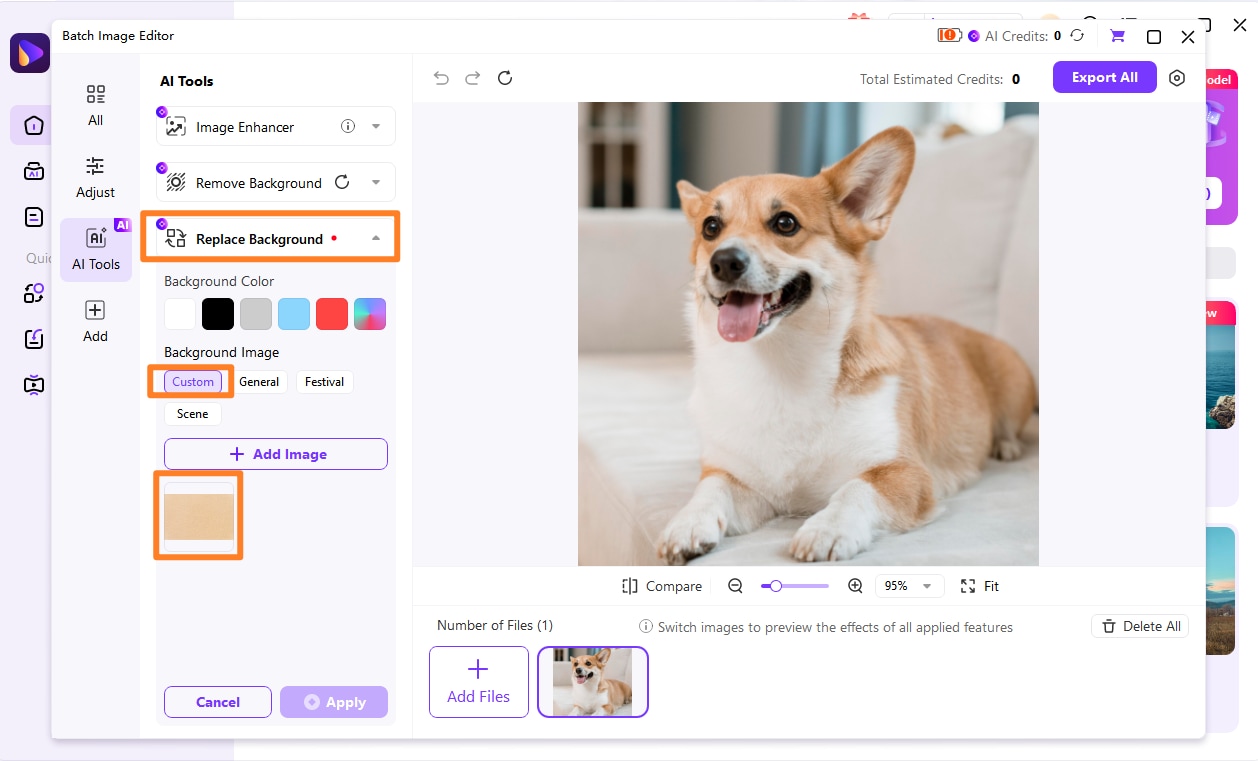
First, launch UniConverter. On the main interface, navigate to the "Toolbox" tab and select the "Background Replacer" option.
Step 2: Upload the Images
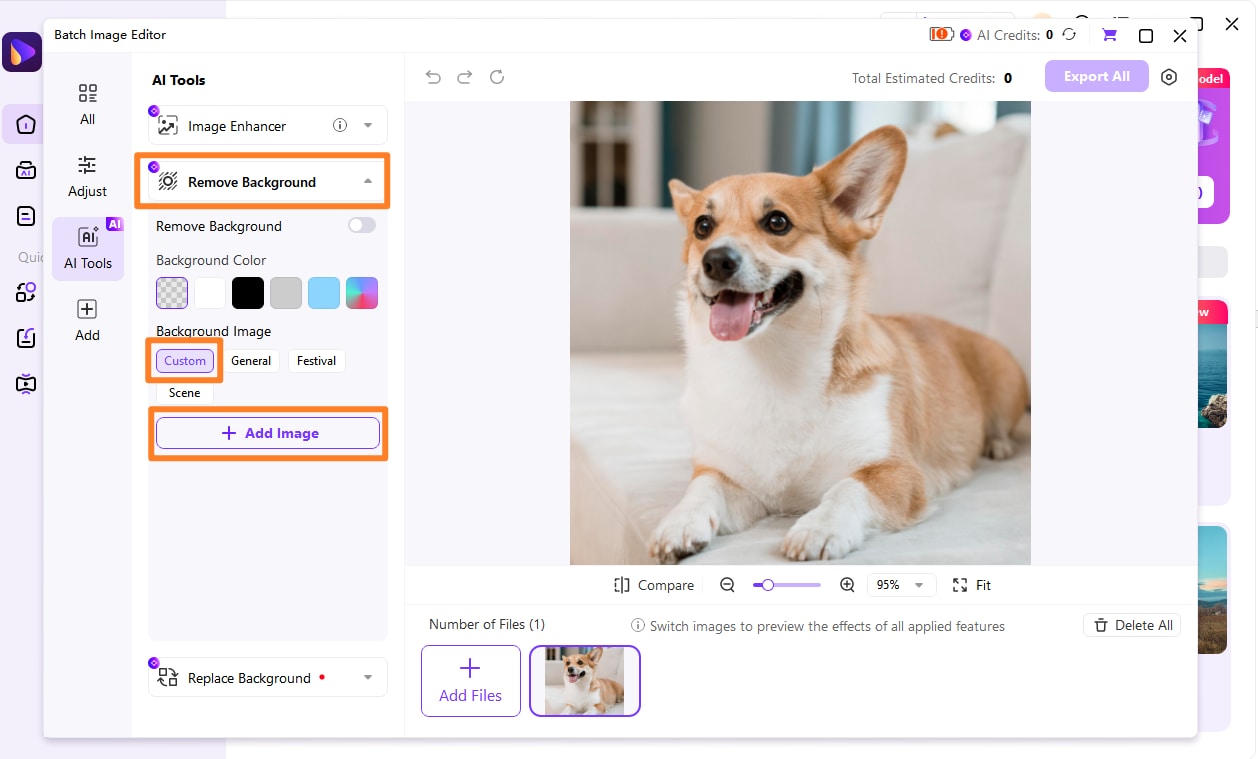
Click on the "Add Files" button or simply drag and drop the images you want to process into the designated area. You can add multiple images for batch processing.
Step 3: Edit and Enhance Your Content
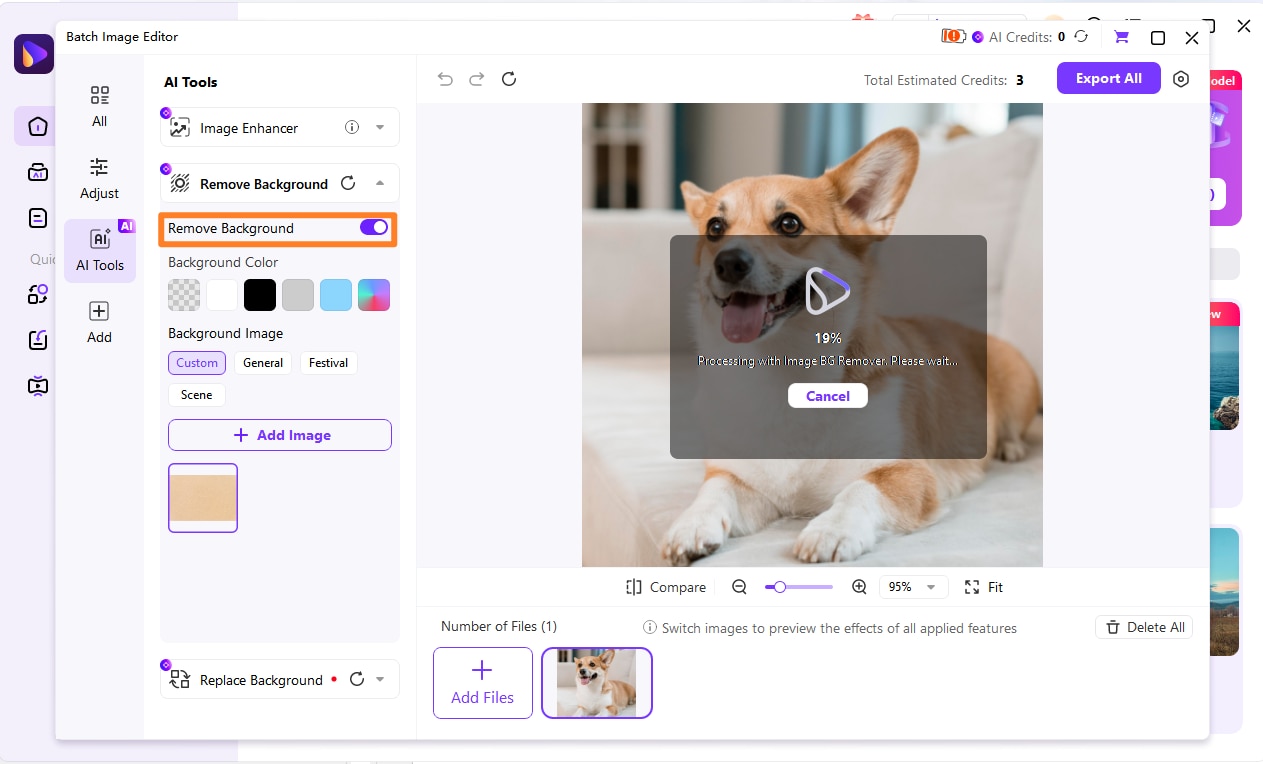
Once your images are uploaded, UniConverter will automatically detect and remove the backgrounds. You can then choose to add a new background, change the color, or leave it transparent. This feature allows for high-definition background removal without compromising quality.
Step 4: Export in Your Desired Format
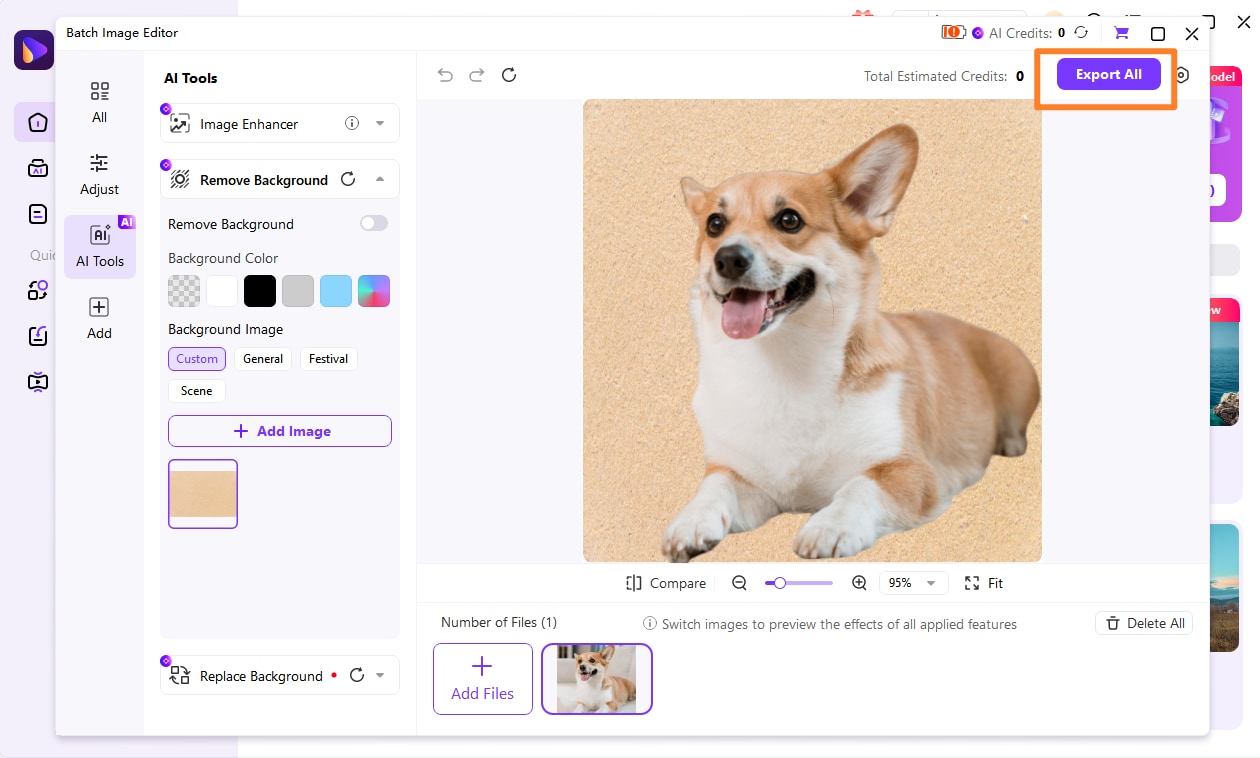
After you're satisfied with the results, click the "Export" button. Choose your desired output format and destination folder, then click "Start" to save your images. You can also use the online background remover for quick edits.

Simplify Your Video Editing Workflow
Part 7: Conclusion
After spending considerable time with Simplified, my review is that it's a genuinely useful tool, particularly for those who need to generate a lot of diverse content quickly and efficiently. It excels at providing an accessible, AI-powered platform for text, image, and basic video creation, making it ideal for small businesses, solopreneurs, and content marketers who prioritize speed and ease of use. However, it's not a perfect solution. For advanced designers or large enterprises requiring deep brand integration and highly customized outputs, its limitations in advanced customization and potential for generic AI content might be a drawback. Similarly, for robust multimedia processing, especially video conversion and editing, specialized tools like UniConverter offer superior quality and control. Ultimately, the best choice depends on your specific workflow, budget, and the level of customization and quality you require. Consider whether you need an all-in-one solution for rapid content creation or specialized tools for specific, high-quality tasks.
Part 8: FAQs
-
1. Is Simplified truly an all-in-one solution?
Simplified aims to be an all-in-one content creation platform, offering AI writing, graphic design, and basic video editing. While it covers many bases, it might not replace highly specialized tools for professional designers or video editors.
-
2. How does Simplified's AI compare to other AI writing tools?
Simplified's AI is quite capable for generating various content types like blog posts, social media captions, and ad copy. I've found it to be on par with many dedicated AI writing tools for general content, though for highly niche or complex topics, it might require more manual refinement.
-
3. Can I collaborate with my team on Simplified?
Yes, Simplified offers collaboration features, allowing multiple team members to work on projects simultaneously, share assets, and provide feedback. I've used it for small team projects, and it generally works well for keeping everyone on the same page.
-
4. What are the pricing plans for Simplified?
Simplified offers tiered pricing plans, typically including a free tier with limited features, and various paid subscriptions that unlock more AI credits, advanced features, and increased storage. The pricing structure is similar to many SaaS platforms in this space.
-
5. Is UniConverter a good alternative for graphic design?
No, UniConverter is not designed for graphic design. Its primary strengths lie in multimedia processing, such as video conversion, editing, compression, and advanced image background replacement. For graphic design, tools like Canva or Adobe Express would be more appropriate.
