
- PhotoDirector Value: Balances powerful AI features with user-friendliness for diverse editing needs.
- AI-Powered Editing: PhotoDirector excels with accessible AI tools for quick, creative enhancements.
- Comparison with Rivals: Offers a compelling alternative to subscription-based tools with one-time purchase options.
- Ideal User: Best for social media, personal projects, and creative photo enhancement, not high-volume professional batching.
- Considerations: Be aware of potential learning curve, performance on older systems, and in-app upsells.
- UniConverter Advantage: For precise, batch background removal without quality loss, UniConverter is highly efficient.
- Decision Factor: Choose PhotoDirector for creative flexibility and AI, UniConverter for specialized media tasks.
In this article
- Part 1: What is PhotoDirector?
- Part 2: PhotoDirector: Core Features, Pros, and Cons
- Part 3: Who is PhotoDirector For? Ideal Scenarios and Limitations
- Part 4: PhotoDirector and Alternatives Comparison
- Part 5: Risks and Pitfalls to Consider Before Using PhotoDirector
- Part 6: How to Use UniConverter to Efficiently Replace Image Backgrounds
- Part 7: Conclusion
- Part 8: FAQs about PhotoDirector
PhotoDirector review: Your Ultimate Guide to Photo Editing Software
When I first dipped my toes into the world of digital photo editing, I was overwhelmed by the sheer number of tools available. PhotoDirector quickly emerged as a strong contender, promising a blend of powerful features and user-friendliness. This PhotoDirector review aims to cut through the noise, offering you an honest, hands-on perspective on its capabilities, comparing it with its rivals, and helping you decide if it's the right fit for your creative journey. I'll share my experiences, highlight its strengths and weaknesses, and even suggest alternatives for specific needs.
Part 1: What is PhotoDirector?
PhotoDirector, developed by CyberLink, positions itself as a comprehensive photo editing suite designed for both enthusiasts and professionals. It’s not just about basic adjustments; it’s a full-fledged creative hub that integrates AI-powered tools, extensive stock libraries, and robust layer-based editing. My initial impression was that it aimed to be a one-stop shop for all things photo-related, from simple touch-ups to complex artistic compositions. This review will delve into whether it truly lives up to that promise and how it stacks up against the competition.
The Photo Editing Software Landscape
The digital photo editing market is incredibly competitive, with a diverse range of tools catering to different skill levels and budgets.
* The rise of AI: Artificial intelligence is rapidly transforming how we edit photos, automating complex tasks and opening up new creative possibilities.
* Subscription vs. one-time purchase: Users are constantly weighing the benefits of ongoing access to updates and cloud features against the desire for a perpetual license.
* Ease of use vs. powerful features: Many users seek a balance between intuitive interfaces and the depth of functionality needed for advanced projects.
* Integration with other creative tools: The ability to seamlessly work with other software, like video editors or graphic design tools, is becoming increasingly important.
Part 2: PhotoDirector: Core Features, Pros, and Cons
PhotoDirector offers a robust set of features that I’ve found incredibly useful in my own projects. Its core strength lies in its blend of AI-driven tools and traditional editing capabilities. When I first started using it, I was particularly impressed by how it streamlined tasks that used to take me ages.
Pros:
* AI-Powered Editing for Beginners and Pros: This is where PhotoDirector truly shines. Features like AI Sky Replacement, AI Object Removal, and AI Style Transfer are not just gimmicks; they genuinely accelerate my workflow and allow me to achieve results I once thought were beyond my skill level. For instance, replacing a dull sky with a dramatic one is now a matter of seconds, not minutes of painstaking masking.
* Extensive Stock Library Integration: Having direct access to Shutterstock and Getty Images within the software is a game-changer. I no longer have to switch between applications to find the perfect asset, which saves me a lot of time and keeps my creative flow uninterrupted.
* Comprehensive Layer-Based Editing: For more complex compositions, the layer editing capabilities are surprisingly powerful. I can blend images, add text, and apply effects with a level of control that rivals more expensive software. It’s not as intimidating as I initially thought it would be.
* Guided Edits and Tutorials: PhotoDirector provides a wealth of guided edits and tutorials that walk you through various techniques. This was invaluable when I was learning new skills; it felt like having a personal mentor.
* Wide Format Support: I appreciate its ability to handle a vast array of file formats, including RAW files from my DSLR. This means I don't have to convert files before I start editing, which is a huge convenience.
Cons:
* Steep Learning Curve for Advanced Features: While the basic tools are intuitive, mastering the more advanced layer-based editing or specific AI features can take some time. I found myself watching several tutorials to fully grasp certain functionalities.
* Occasional Performance Lags on Older Systems: On my older laptop, I did notice some slowdowns, especially when working with large RAW files or applying multiple AI effects simultaneously. It’s definitely more responsive on newer hardware.
Part 3: Who is PhotoDirector For? Ideal Scenarios and Limitations
From my experience, PhotoDirector caters to a broad audience, but it truly excels in specific scenarios. It’s not a one-size-fits-all solution, and understanding its sweet spot can save you a lot of time and frustration.
Best Use Case: Creative Photo Enhancement for Social Media and Personal Projects
If you're like me and primarily edit photos for social media, personal blogs, or family albums, PhotoDirector is an excellent choice. Its AI tools make quick work of common enhancements like improving lighting, removing distractions, or adding artistic flair. I've found it incredibly efficient for creating eye-catching Instagram posts or beautifully retouched portraits for friends. The integrated stock libraries also mean I can easily add elements to my photos without leaving the application, which is perfect for creating unique visual content without a huge budget or extensive photography skills. It empowers me to be creative without getting bogged down in overly technical details.
Limited Use Case: Professional-Grade Batch Processing for High-Volume Photography
While PhotoDirector is powerful, I wouldn't recommend it as the primary tool for professional photographers who need to batch process hundreds or thousands of images with precise color grading and intricate adjustments. For high-volume wedding photography or commercial shoots, dedicated tools like Adobe Lightroom or Capture One are still superior due to their robust cataloging features, advanced tethering options, and more granular control over color management. PhotoDirector can handle batch processing to some extent, but it's not optimized for the sheer scale and specific demands of professional high-volume workflows. I've tried it for larger batches, and while it works, it's not as fluid or efficient as the industry-standard alternatives.
Part 4: PhotoDirector and Alternatives Comparison
When I was looking for a photo editor, I didn't just consider PhotoDirector; I explored several options. Here's how I see it stacking up against some of its main competitors, based on my own use.
| Feature/Software | PhotoDirector | Adobe Photoshop | GIMP | Affinity Photo |
| AI Tools | Excellent | Good | Limited | Good |
| Ease of Use | Moderate | Difficult | Difficult | Moderate |
| Price | Subscription/One-time | Subscription | Free | One-time |
| Layer Editing | Advanced | Advanced | Advanced | Advanced |
| Stock Integration | Yes | Yes | No | No |
Key Differentiators: AI-Driven Features and Affordability
What really makes PhotoDirector stand out for me are its AI-driven features and its flexible pricing model. While Photoshop has AI, PhotoDirector's implementation often feels more accessible for everyday tasks. I found that tasks like sky replacement or object removal were often quicker and more intuitive in PhotoDirector. Compared to Photoshop's subscription-only model, PhotoDirector's one-time purchase option is a huge plus for those who prefer not to be tied down by recurring payments. GIMP, while free, lacks the polished interface and advanced AI capabilities that I've come to appreciate. Affinity Photo is a strong contender with its one-time price and powerful features, but I feel PhotoDirector's AI tools give it an edge for creative enhancements, especially when you factor in the integrated stock libraries. For someone like me who wants powerful tools without breaking the bank or committing to a monthly fee indefinitely, PhotoDirector offers a compelling balance.
Part 5: Risks and Pitfalls to Consider Before Using PhotoDirector
Before fully committing to PhotoDirector, there are a few potential downsides and risks I think you should be aware of. I’ve encountered some of these myself, and they're worth considering for a well-rounded decision.
Data Privacy Concerns
Like many software applications that connect to online services, there's always a question about data privacy. While CyberLink states they adhere to privacy policies, I always exercise caution when uploading personal photos, especially if they contain sensitive information. It's good practice to review their privacy policy to understand how your data might be used or stored, particularly if you're utilizing cloud features or stock integration.
In-App Advertisements and Upsells
Although PhotoDirector is a paid product, I've occasionally encountered prompts or suggestions within the application to upgrade to a higher tier or purchase additional content packs. While not intrusive pop-ups, these can sometimes interrupt the workflow, especially if you're trying to focus on editing. It's not a deal-breaker for me, but it's something to be aware of if you prefer a completely ad-free experience.
Image Quality Degradation with Certain Filters
I've noticed that some of the more aggressive artistic filters or AI style transfers, while visually impressive, can sometimes lead to a noticeable degradation in image quality, especially in terms of fine detail or color accuracy. It's not universal, but for critical projects, I always zoom in and compare the original with the filtered version to ensure the output meets my standards. It's a common trade-off with highly stylized effects, but it's important to be mindful of it.
Subscription Model Lock-in
While PhotoDirector offers a one-time purchase option, their most feature-rich versions often come with a subscription. This means if you stop paying, you lose access to the latest features, updates, and potentially some cloud services. For me, this is a significant consideration. If you rely heavily on the software for ongoing projects, you're essentially locked into a recurring payment. I prefer the one-time purchase for long-term cost predictability, but it often means sacrificing some of the cutting-edge features.
Part 6: How to Use UniConverter to Efficiently Replace Image Backgrounds
Sometimes, even with powerful tools like PhotoDirector, I've found myself needing a quick, reliable solution for specific tasks, especially when it comes to background removal. If you've ever struggled with tools that don't support batch processing, export pixelated images, or leave fuzzy edges, you might want to consider UniConverter. It's become my go-to for these specific scenarios because it avoids those common pitfalls. UniConverter offers a clean, ad-free experience with robust format support, GPU acceleration for speed, and stable, lossless processing, making it an ultimate all-in-one media solution. Its dedicated background remover is incredibly precise, even with complex subjects, and it handles batch operations flawlessly. For those looking to remove background without losing quality, this tool is ideal.
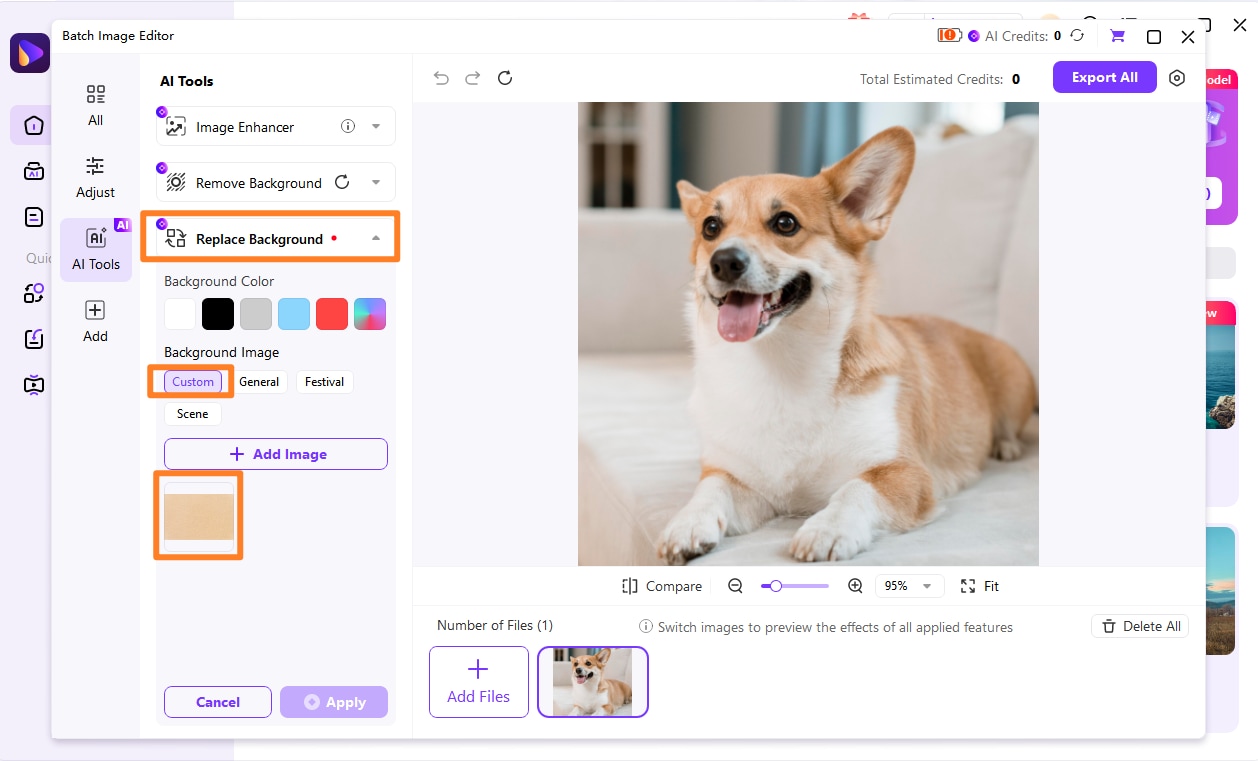
Step 1: Open UniConverter and Choose Background Replacer
Launch UniConverter on your computer. From the main interface, navigate to the "Toolbox" section and select the "Background Replacer" tool. This feature allows for high-definition background removal.
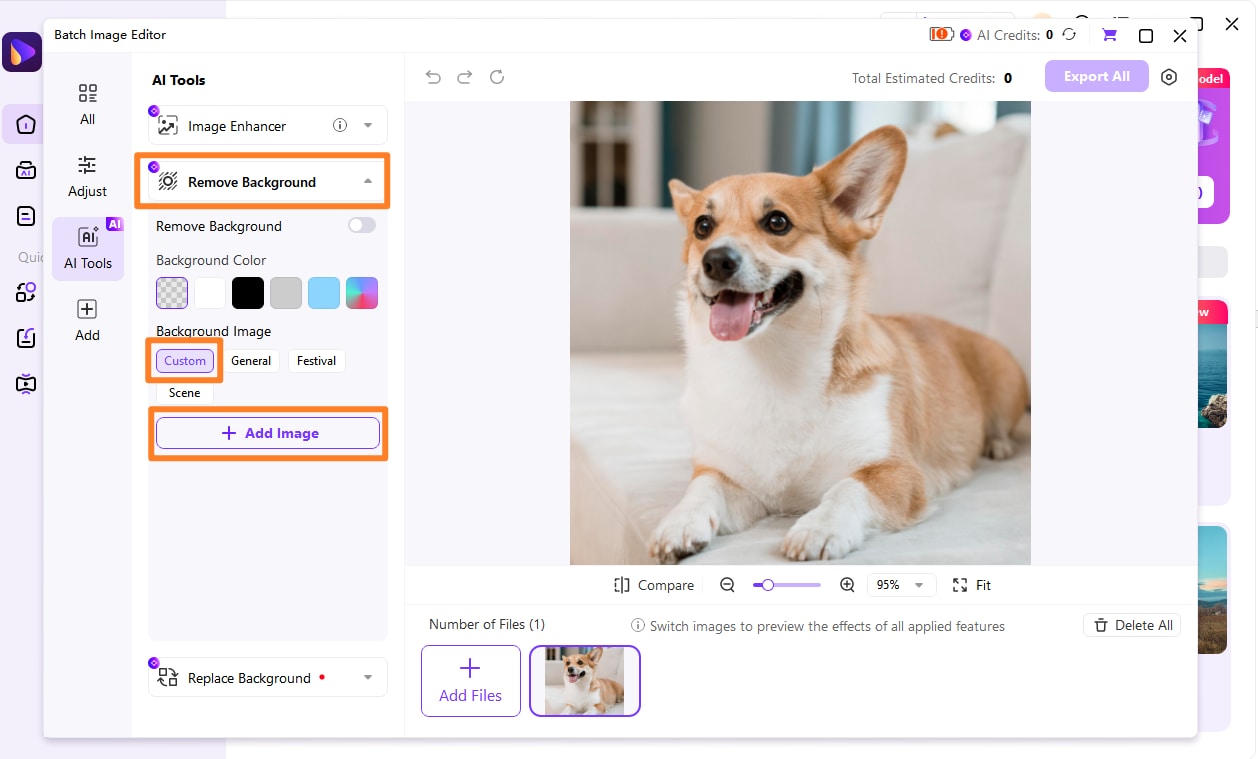
Step 2: Upload the Images
Click on the "Add Files" button or simply drag and drop the images you want to edit into the UniConverter window. You can add multiple images for batch processing.
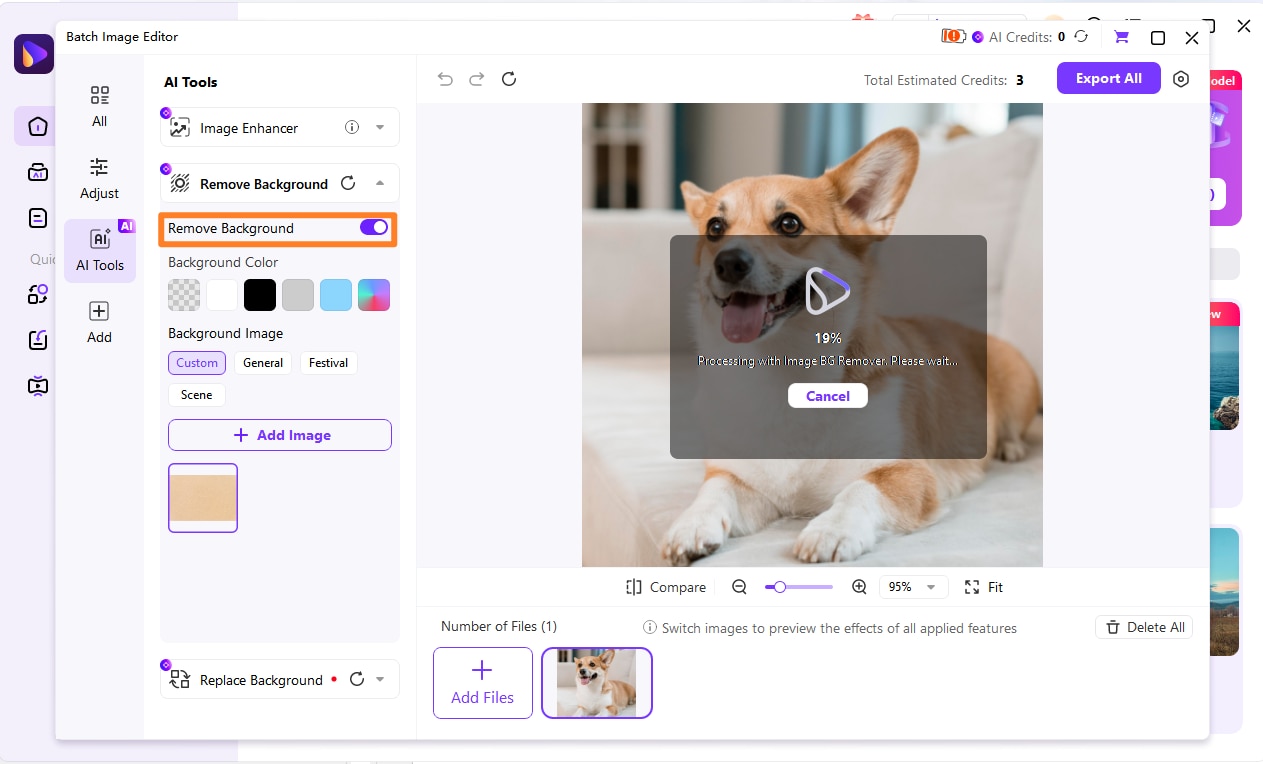
Step 3: Preview and Export Images
Once your images are uploaded, UniConverter will automatically process them and remove the backgrounds. You can preview each image to ensure the result is satisfactory. If needed, you can fine-tune the selection.
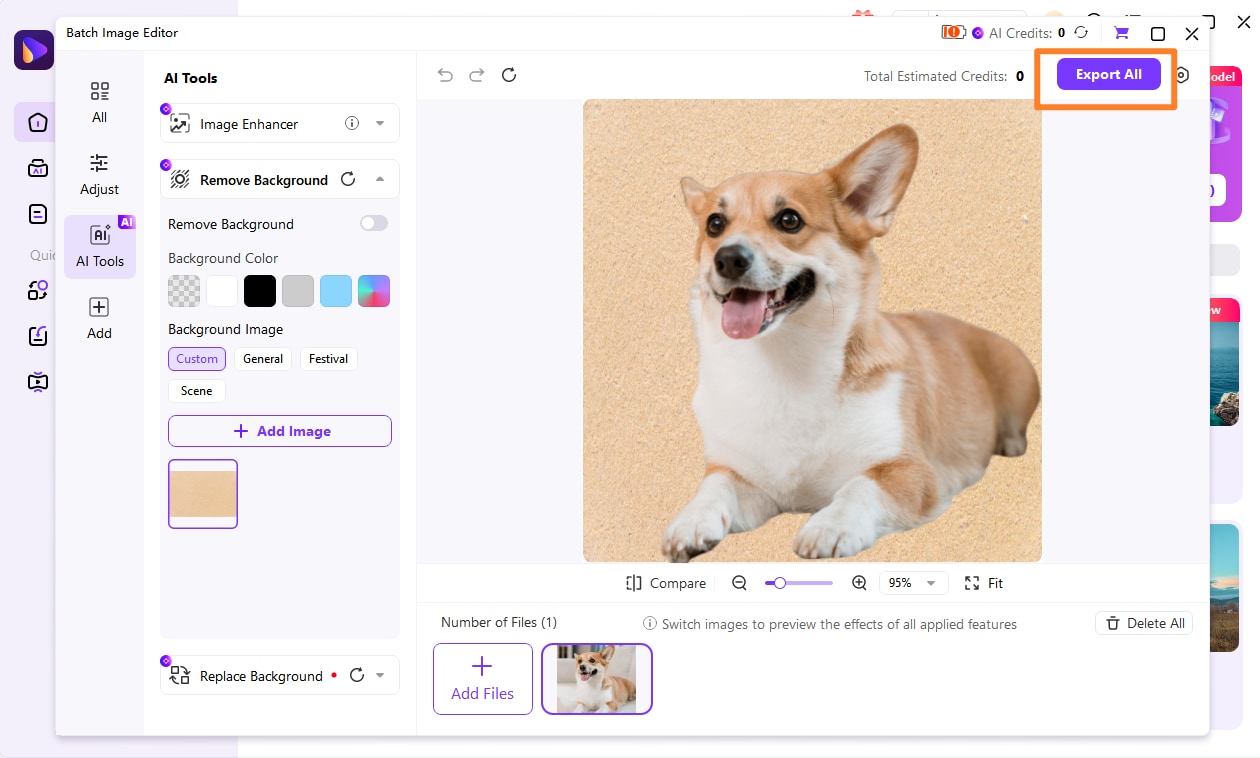
Step 4: Export and Share Your Masterpiece
After reviewing, choose your desired output format and destination folder. Click "Export" to save your images with their new backgrounds.

Seeking a PhotoDirector Alternative for Video Editing?
Part 7: Conclusion
After spending considerable time with PhotoDirector review, I can confidently say it's a powerful and versatile photo editing tool that carves out a strong niche in a crowded market. It successfully blends advanced AI capabilities with traditional editing features, making it accessible for a wide range of users. For casual editors and social media enthusiasts, its intuitive interface and AI-powered enhancements offer a quick and effective way to elevate photos without a steep learning curve. For advanced users seeking AI-powered tools, PhotoDirector provides innovative features that can significantly speed up creative workflows and open new artistic avenues. Budget-conscious users will appreciate the one-time purchase option, which offers excellent value compared to subscription-based models, though they might miss out on some of the latest updates. However, for professionals needing all-in-one media solutions, especially for high-volume, precision-demanding tasks, dedicated tools like Adobe Lightroom or even UniConverter for specific tasks might still be more suitable due to their specialized functionalities. Ultimately, PhotoDirector is a strong contender for anyone looking for a comprehensive yet user-friendly photo editor, especially if AI-driven creative tools are a priority.
Part 8: FAQs about PhotoDirector
-
1. Is PhotoDirector suitable for beginners?
Yes, PhotoDirector is quite suitable for beginners. It offers a user-friendly interface, guided edits, and numerous tutorials that make it easy to learn the basics and even some advanced techniques. The AI tools automate many complex tasks, simplifying the editing process.
-
2. Does PhotoDirector offer a free trial?
Yes, PhotoDirector typically offers a free trial period, allowing you to test out its features before committing to a purchase or subscription. This is a great way to see if the software meets your needs and workflow.
-
3. How does PhotoDirector compare to Adobe Lightroom?
PhotoDirector and Adobe Lightroom serve slightly different purposes. Lightroom is primarily a photo management and non-destructive editing tool, excellent for cataloging and batch processing. PhotoDirector, while offering some organizational features, is more focused on creative editing, layer-based compositions, and AI-powered enhancements. For extensive photo management and professional color grading, Lightroom often has an edge, but for creative manipulation and ease of use, PhotoDirector is a strong alternative.
-
4. Can PhotoDirector edit RAW files?
Absolutely. PhotoDirector supports a wide range of RAW file formats from various camera manufacturers, allowing you to edit your high-quality images with full control over exposure, color, and detail before conversion.
-
5. What are the system requirements for PhotoDirector?
The system requirements for PhotoDirector can vary slightly depending on the version, but generally, you'll need a 64-bit operating system (Windows 10/11 or macOS 10.15 or later), at least an Intel Core i-series or AMD Phenom II processor, 4GB of RAM (8GB recommended), and a decent graphics card with 128MB VRAM (2GB+ recommended for AI features). Sufficient hard drive space for installation and project files is also necessary.
