
- AI-Powered Editing: Luminar Neo excels with AI tools like Sky AI and Relight AI, simplifying complex photo transformations.
- Target Audience: Ideal for landscape and portrait photographers seeking quick, impactful AI enhancements.
- Feature Comparison: Neo's AI is stronger than Lightroom's for creative edits; Capture One leads in tethered shooting.
- Potential Pitfalls: Watch for over-processing, hardware demands, and consider subscription for continuous updates.
- UniConverter Alternative: For efficient, high-quality batch background removal, UniConverter offers a stable, lossless solution.
- Final Verdict: Luminar Neo is a powerful AI tool, best as a complement, not a full replacement, for professional workflows.
In this article
- Part 1: Introduction to Luminar Neo
- Part 2: Luminar Neo's Core Features, Pros, and Cons
- Part 3: Who is Luminar Neo For? Ideal and Limited Use Cases
- Part 4: Luminar Neo and Alternatives Comparison
- Part 5: Risks and Pitfalls to Consider
- Part 6: How to Use UniConverter for Efficient Background Replacement
- Part 7: Final Verdict and Recommendations
- Part 8: FAQs
When I first heard about Luminar Neo review, I was intrigued by the promise of AI-powered photo editing. As someone who spends countless hours refining images, the idea of intelligent tools streamlining my workflow was incredibly appealing. This review dives deep into Luminar Neo, exploring its capabilities, comparing it with established players like Adobe Lightroom and Capture One, and ultimately helping you decide if it's the right fit for your creative journey. We'll look at its strengths in automated enhancements, its learning curve, and where it truly shines, or perhaps falls short, in a real-world photography context.
Part 1: Introduction to Luminar Neo
Luminar Neo, developed by Skylum, burst onto the scene as a fresh contender in the photo editing software arena, positioning itself as an AI-driven powerhouse designed to simplify complex edits. It aims to democratize advanced photo manipulation, making sophisticated techniques accessible to a broader audience beyond seasoned professionals. My initial impression was that it sought to bridge the gap between traditional pixel-peeping editors and those who crave quick, impactful results. This review will dissect its performance and utility, especially in scenarios where speed and creative flair are paramount.
The Evolving Landscape of AI Photo Editing
The photography world is constantly shifting, and AI is at the forefront of this evolution.
* Time-Saving Automation: AI promises to automate tedious tasks, freeing up photographers to focus on creativity.
* Enhanced Creative Possibilities: New AI tools unlock previously difficult or impossible editing techniques.
* Accessibility for All Skill Levels: AI can lower the barrier to entry for advanced photo editing.
* Integration with Existing Workflows: The challenge is how seamlessly AI tools can integrate into a photographer's current process.
Part 2: Luminar Neo's Core Features, Pros, and Cons
Luminar Neo is packed with features that leverage artificial intelligence to transform your photos. From my experience, its core strength lies in its ability to perform complex adjustments with surprising ease. I've found myself relying heavily on tools like Sky AI and Relight AI, which can dramatically alter the mood and lighting of an image in just a few clicks. The layer-based editing system, while not entirely unique, is intuitive and allows for intricate compositions without feeling overwhelming. The performance-optimized engine also makes a noticeable difference, especially when dealing with larger RAW files, reducing the frustrating lag I've encountered with other editors.
- Pros:
- AI-Powered Sky Replacement and Relight AI for dramatic scene transformations.
- Intuitive Layer-Based Editing for complex compositions.
- Performance-Optimized Engine for faster processing.
- Cons:
- Steep Learning Curve for advanced features.
- Occasional Software Instability and Bugs.
Part 3: Who is Luminar Neo For? Ideal and Limited Use Cases
Based on my time with Luminar Neo, I've found it truly shines for certain types of photographers. If you're a landscape photographer, the AI Sky Replacement and various atmospheric effects are game-changers, allowing you to quickly enhance or completely transform a scene. Portrait photographers will also appreciate the AI skin and face enhancements, which can save a lot of time in post-processing. I've used it to quickly refine outdoor portraits, giving them a polished look without hours of manual retouching.
- Best Use Case: Landscape and Portrait Photographers seeking AI-driven enhancements and creative control. For example, quickly swapping out a dull sky for a dramatic sunset or subtly enhancing facial features in a portrait shoot.
- Limited Use Case: Professional Retouchers requiring pixel-perfect control and extensive masking tools. While Neo has layers, it doesn't offer the same granular control over selections and intricate masking as dedicated retouching software, which can be a bottleneck for high-end commercial work.
Part 4: Luminar Neo and Alternatives Comparison
When I started using Luminar Neo, I couldn't help but compare it to the tools I was already familiar with. Here's how I see it stacking up against some of its major competitors.
| Feature / Product | Luminar Neo | Adobe Lightroom | Capture One | Affinity Photo | GIMP |
| AI Tools | Excellent (Sky AI, Relight AI, Face AI) | Good (Content-Aware Fill, Subject Select) | Limited (Basic auto adjustments) | None (Manual adjustments only) | None (Manual adjustments only) |
| Non-Destructive Editing | Yes | Yes | Yes | Yes | Yes |
| RAW Support | Excellent | Excellent | Excellent | Good | Basic |
| Pricing | Subscription/One-time purchase | Subscription | Subscription/One-time purchase | One-time purchase | Free |
| Learning Curve | Moderate (AI helps, but layers add complexity) | Moderate | High (Professional-grade features) | Moderate to High | High (Less intuitive UI) |
| Processing Speed | Fast (Optimized engine) | Good | Very Fast (Especially for tethered shooting) | Good | Slow (Especially for large files) |
| Output Quality | High | High | Excellent | High | Good |
| Ease of Use | Good (AI simplifies many tasks) | Good | Moderate | Moderate | Low |
| Customer Support | Responsive | Extensive | Good | Good | Community-based |
| Security | Standard | High | High | Standard | Standard |
Luminar Neo's key differentiator is undoubtedly its AI tools. While Lightroom has some AI capabilities, Neo's Sky AI and Relight AI feel more integrated and impactful for creative transformations. Capture One, on the other hand, excels in tethered shooting and color grading, making it a favorite for studio photographers. Affinity Photo offers a powerful, one-time purchase alternative to Photoshop, but without the AI magic. GIMP, while free, requires a significant time investment to master and lacks the modern conveniences of its paid counterparts.
Part 5: Risks and Pitfalls to Consider
While Luminar Neo offers a lot to love, I've encountered a few aspects that potential users should be aware of before diving in. It's not a perfect solution for every scenario, and understanding its limitations can save you some frustration down the line.
Data Privacy Concerns with Cloud-Based Features
If you're using any of Luminar Neo's cloud-based features, like syncing or sharing, it's worth considering your data privacy. While Skylum outlines its policies, I always recommend being mindful of what sensitive images you upload to any cloud service. For me, critical client work often stays local until final delivery.
Potential for Over-Processed or Unnatural Results
The power of AI can be a double-edged sword. It's incredibly easy to overdo it with Luminar Neo's sliders, leading to images that look artificial or "AI-generated." I've had to consciously pull back on the intensity of some effects, especially with Sky AI, to maintain a natural look. It's tempting to push everything to 100%, but subtlety is often key.
Subscription Model vs. One-Time Purchase
Luminar Neo offers both subscription and one-time purchase options, which can be a point of contention. While the one-time purchase is appealing, ongoing updates and new features are often tied to the subscription. I initially opted for the one-time purchase but found myself missing out on some of the newer AI tools, which eventually led me to consider the subscription for continuous access to the latest innovations.
Hardware Requirements for Optimal Performance
Don't underestimate the hardware demands of Luminar Neo. While it's optimized, those AI algorithms still need processing power. I noticed a significant difference in performance when running it on an older laptop compared to my newer desktop with a dedicated GPU. If your system is struggling, you'll experience slower processing times and a less fluid editing experience, which can be quite frustrating when you're in a creative flow.
Part 6: How to Use UniConverter for Efficient Background Replacement
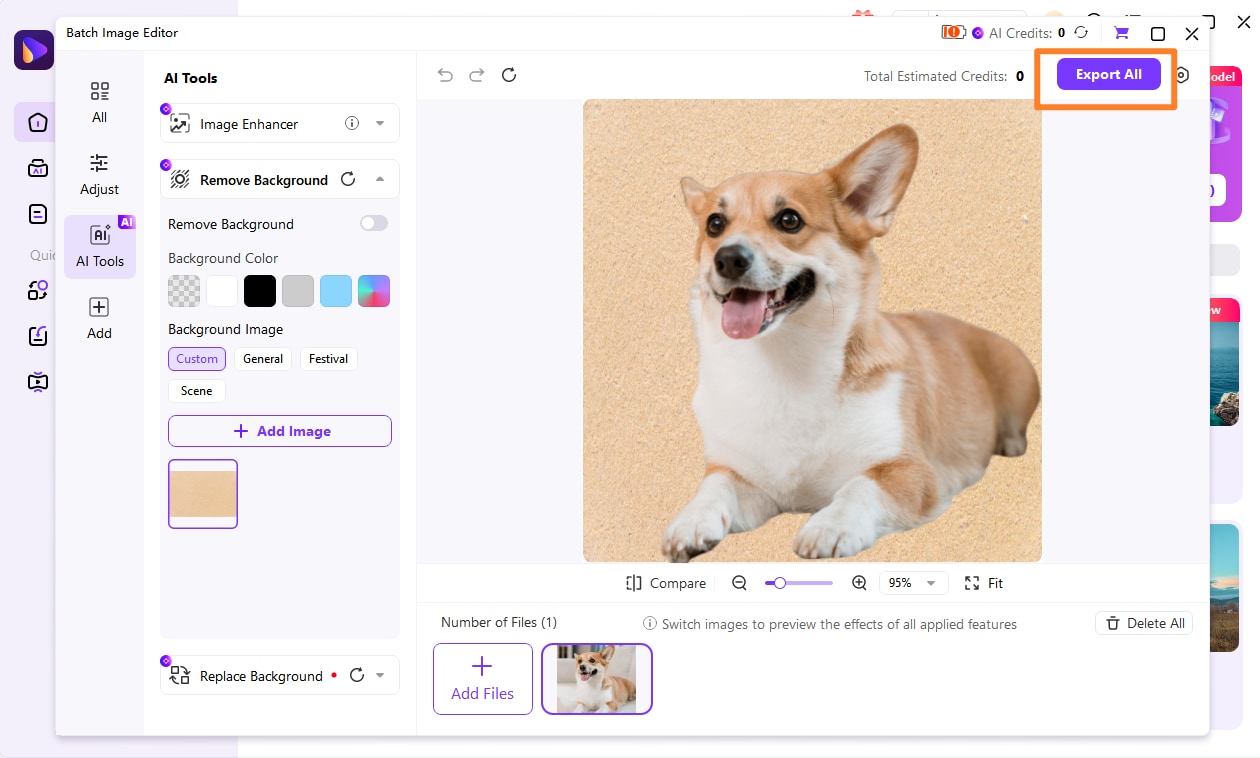
Sometimes, even with advanced photo editors, you might encounter situations where batch processing for background replacement is clunky, exported images are pixelated, or the edge detection is either too blurry or too sharp. This is where UniConverter can be a surprisingly effective alternative. It's not a full-fledged photo editor, but for specific tasks like high-quality, batch background removal, it excels. UniConverter offers a clean, ad-free experience with extensive format support, GPU acceleration for speed, and stable, lossless processing, making it an all-in-one solution for various multimedia needs. For those looking to remove background without losing quality, this tool provides an excellent option. It also supports high-definition background remover capabilities.
Step 1: Open UniConverter and Choose Background Replacer

Step 2: Upload the Images

Step 3: Click to Preview Images
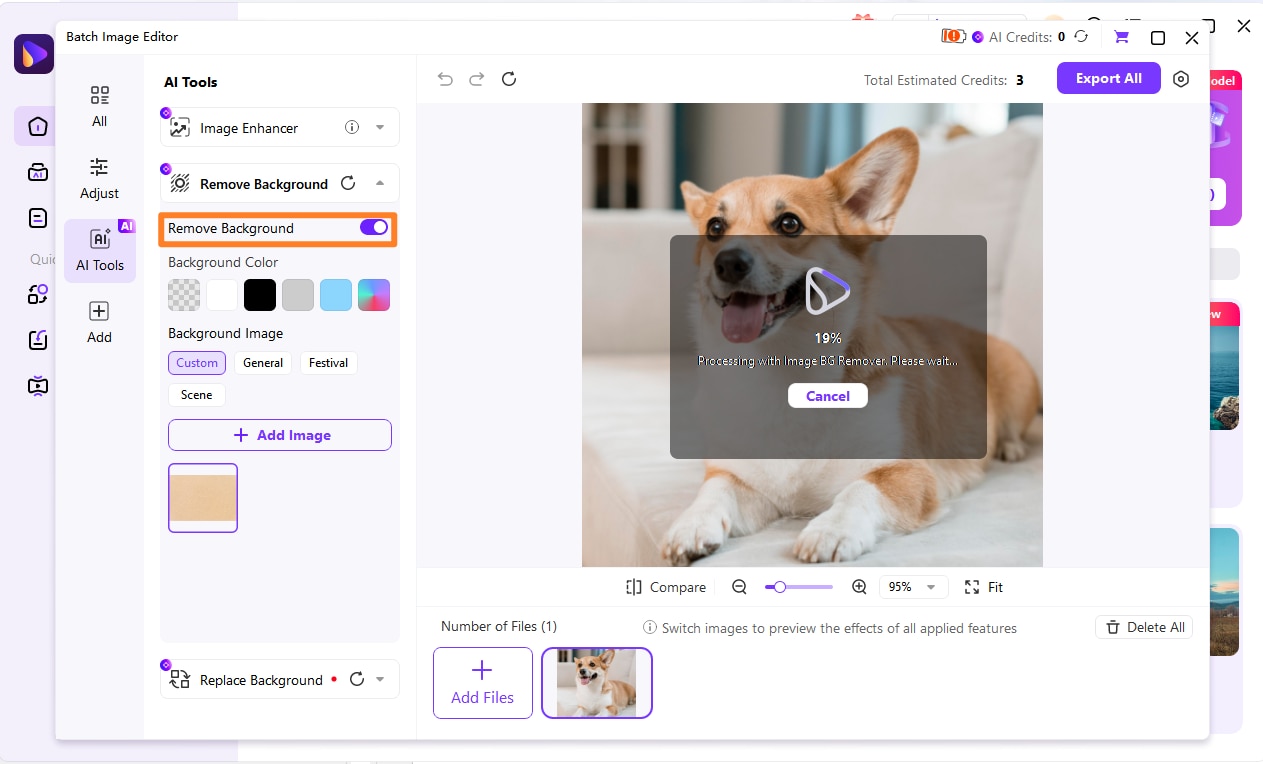
Step 4: Preview and Export Images

Seeking a Versatile Luminar Neo Alternative?
Part 7: Final Verdict and Recommendations
After spending considerable time with Luminar Neo review, my overall impression is that it's a powerful and innovative tool, especially for those who want to leverage AI in their photo editing. For AI-enthusiasts and creative explorers, it's a fantastic playground. The ability to dramatically change skies, relight scenes, and enhance portraits with just a few clicks is genuinely impressive and can significantly speed up your workflow for certain types of photography. However, for professionals seeking robust workflow integration, particularly those who rely on pixel-perfect control, extensive masking, and deep catalog management, Luminar Neo might serve better as a complementary tool rather than a complete replacement for established ecosystems like Adobe Lightroom or Capture One. Its occasional instability and the learning curve for its more advanced features mean it's not always a seamless experience for high-volume, precision work. For budget-conscious users and beginners, the one-time purchase option is appealing, but be aware that the most cutting-edge features often reside behind the subscription model. Ultimately, if you're looking to inject some AI magic into your photos and are willing to adapt to its unique workflow, Luminar Neo offers a compelling and often delightful editing experience.
Part 8: FAQs
-
1. Is Luminar Neo a one-time purchase or subscription?
Luminar Neo offers both one-time purchase and subscription options, giving you flexibility depending on your preference for ongoing updates and features.
-
2. Can Luminar Neo replace Adobe Lightroom?
While Luminar Neo offers powerful AI tools and a robust editing suite, it complements rather than fully replaces Lightroom for many professional workflows, especially concerning catalog management and extensive organizational features.
-
3. What are the system requirements for Luminar Neo?
Luminar Neo requires a modern operating system (Windows 10/11 or macOS 10.14.6 or higher), a multi-core Intel or AMD processor, 8 GB of RAM (16 GB recommended), and a compatible graphics card with at least 4 GB of VRAM for optimal performance.
-
4. Does Luminar Neo support RAW files?
Yes, Luminar Neo provides robust support for various RAW file formats from most major camera manufacturers, allowing you to edit your high-quality images directly.
-
5. How does Luminar Neo handle privacy and data security?
Skylum, the developer of Luminar Neo, outlines its data privacy policies on its official website, emphasizing user data protection and compliance with relevant regulations. It's always a good practice to review these policies, especially when using cloud-based features.
