
- Value: Lunapic offers extensive free editing tools, effects, and animations without registration or downloads, ideal for quick, fun edits.
- Comparison: Lunapic's strength is unique effects; Canva excels in design templates; Pixlr E offers advanced online editing; UniConverter provides robust offline solutions.
- Decision: Choose Lunapic for casual social media edits; opt for alternatives like UniConverter for professional quality, ad-free experience, and advanced features.
- Pitfalls: Be aware of Lunapic's intrusive ads, outdated interface, potential privacy concerns, and limitations in output quality for serious projects.
In this article
- Part 1: What is Lunapic?
- Part 2: Lunapic: Core Features, Pros, and Cons
- Part 3: Ideal Users and Use Cases
- Part 4: Lunapic and Alternatives Comparison
- Part 5: Risks and Pitfalls When Using Lunapic
- Part 6: How to Use UniConverter for Efficient Image Background Replacement
- Part 7: Conclusion
- Part 8: FAQs
Lunapic: Your Go-To Online Photo Editor?
When it comes to quick and free online photo editing, Lunapic often pops up in discussions. It's an old-school platform that has been around for ages, offering a vast array of tools without the need for downloads or registrations. In a world saturated with complex software and subscription models, Lunapic prides itself on accessibility. But is this accessibility a true advantage, or does it come with hidden costs like a clunky interface and intrusive ads? This Lunapic review will dive deep into its features, compare it with popular alternatives, and help you decide if it's the right tool for your specific photo editing needs. We'll explore its strengths for casual users and highlight its limitations for more demanding tasks, ensuring you make an informed decision.
Part 1: What is Lunapic?
Lunapic is a web-based photo editor that has carved out a niche for itself by offering a comprehensive suite of image manipulation tools directly in your browser. It's designed for users who need to perform quick edits, apply fun effects, or create simple animations without the hassle of installing software or signing up for an account. I remember first stumbling upon Lunapic years ago when I needed to add a sparkle effect to a profile picture, and it was one of the few free options available that actually delivered.
The Landscape of Free Online Photo Editing
The free online photo editing market is incredibly diverse, ranging from simple one-click enhancers to more advanced, browser-based alternatives to desktop software. This variety caters to different user needs and technical skill levels.
* Accessibility vs. Functionality: Many tools prioritize ease of use, offering basic adjustments and filters. Others aim to replicate professional software features, which often comes with a steeper learning curve.
* Ad-Supported vs. Freemium Models: Most free online editors rely on advertising to sustain their operations, which can sometimes impact the user experience. Some offer a "freemium" model, providing basic features for free and charging for advanced capabilities or an ad-free experience.
* Privacy and Data Security: A significant concern with any online tool, especially free ones, is how user data and uploaded images are handled. It's crucial to understand the privacy policies before uploading sensitive content.
Part 2: Lunapic: Core Features, Pros, and Cons
Lunapic stands out for its sheer volume of editing options, from basic cropping and resizing to more unique effects and animations. I've often found myself exploring its extensive filter library, discovering effects I didn't even know I needed. It's like a digital playground for images.
* Extensive Filters and Effects: A massive collection of artistic filters, color adjustments, borders, and special effects.
* Animation Tools: Create simple GIF animations, add falling snow, or other dynamic elements to your images.
* Basic Editing Suite: Includes essential tools like crop, resize, rotate, and color correction.
* Transparency and Background Removal: Basic tools for making image backgrounds transparent or replacing them.
* Text and Drawing Tools: Add text overlays or draw directly onto your images.
Pros:
* Extensive range of free editing tools (filters, effects, animations). I'm always impressed by how many options are available without paying a dime.
* No registration or software download required for basic use. This is a huge plus for quick, spontaneous edits.
* Supports various image formats. I've never had an issue uploading different file types.
Cons:
* Outdated user interface can be clunky and unintuitive. Navigating through the menus often feels like a trip back to the early 2000s, and finding specific tools can be a chore.
* Frequent pop-up ads and banner advertisements. The ads can be quite disruptive, often covering parts of the editing area or appearing unexpectedly.
Part 3: Ideal Users and Use Cases
From my experience, Lunapic truly shines for a very specific type of user and scenario. If you're looking for something quick and dirty, it's often my go-to. However, for anything that requires precision or a polished look, I tend to look elsewhere.
Best Use Case: Quick, On-the-Fly Edits for Social Media
Imagine this: you've just taken a great photo on your phone, and you want to add a fun, quirky filter or a simple animation before sharing it on Instagram or Facebook. You don't want to download an app, create an account, or spend time learning complex software. This is where Lunapic excels. I've personally used it countless times to quickly add a "sparkle" effect or a retro filter to a photo before posting it, and it gets the job done without any fuss. It's perfect for those spontaneous moments when you just need a little something extra.
Limited Use Case: High-Quality Image Manipulation for Professional Projects
Now, if you're a graphic designer working on a client's marketing campaign, and you need precise color correction, intricate layer management, or non-destructive editing to maintain image fidelity, Lunapic simply won't cut it. I once tried to use it for a more "serious" project, thinking I could save some time, but the lack of advanced features, the clunky interface, and the potential for quality degradation quickly sent me back to my desktop software. For professional work where image quality and control are paramount, Lunapic is definitely not the tool you're looking for.
Part 4: Lunapic and Alternatives Comparison
When I'm evaluating online photo editors, I always consider what each tool brings to the table for different needs. Lunapic has its place, but it's crucial to see how it stacks up against its contemporaries.
| Feature/Scenario | Lunapic | Canva | Pixlr E | GIMP (Desktop) |
| Ease of Use (Beginner) | Moderate | High | High | Low |
| Advanced Editing Capabilities | Low | Moderate | High | Very High |
| Ad Experience | High (intrusive) | Low (premium) | Moderate | None |
| Offline Access | No | No (web) | No (web) | Yes |
| Learning Curve | Low | Low | Moderate | High |
Key Differentiators Summarized:
Lunapic, in my opinion, excels in providing a vast array of unique, often quirky, effects and animations for free, making it ideal for quick, fun social media edits. However, its outdated interface and intrusive ads can be a significant deterrent. Canva, on the other hand, is a design powerhouse, offering incredible ease of use with templates, making it perfect for non-designers creating social media graphics or presentations. Pixlr E is a fantastic browser-based alternative for those who need more advanced editing features, almost mimicking desktop software, but still online. GIMP, while requiring a significant learning investment, is the closest you'll get to Photoshop-level power without the price tag, offering unparalleled control for professional photo manipulation. For me, if I just need a quick filter, Lunapic is fine. If I'm designing something, it's Canva. If I need serious editing without installing software, Pixlr E. And for anything truly complex, GIMP or Photoshop is the way to go.
Part 5: Risks and Pitfalls When Using Lunapic
While Lunapic offers a lot of free functionality, I've learned through experience that "free" often comes with its own set of considerations. It's not just about the features; it's about the overall experience and potential downsides.
Privacy Concerns with Uploaded Images
This is a big one for me. When I upload a personal photo to any online editor, especially a free one, I always wonder where that image goes and how long it stays there. Lunapic's privacy policy states that images are typically deleted after a short period, but "typically" isn't "always." For sensitive content, I simply wouldn't risk it. The lack of explicit, ironclad guarantees makes me cautious, and I'd advise anyone to be similarly wary.
Impact of Intrusive Advertisements on User Experience
Oh, the ads! I can't stress this enough. While I understand that free services need to monetize, Lunapic's ad placement can be truly disruptive. I've had pop-ups cover the editing canvas, banner ads that refresh constantly, and even video ads that start playing unexpectedly. It severely impacts the workflow and makes what should be a quick edit into a frustrating experience. It's a constant battle between trying to edit and trying to close ads.
Limitations in Output Quality and Resolution
I've noticed that for some of the more complex effects or when resizing images significantly, the output quality from Lunapic isn't always the best. Edges can become pixelated, and colors might not be as vibrant as the original. If you're working with high-resolution images or need a crisp, professional-looking final product, Lunapic might disappoint. It's fine for social media where compression is expected, but for anything printed or displayed at a larger scale, I'd definitely use a different tool.
Potential for Data Security Vulnerabilities
As a web-based tool, Lunapic, like any other online service, is potentially susceptible to data security vulnerabilities. While I haven't personally experienced any breaches, the thought is always in the back of my mind when I'm using a platform that doesn't have the same level of security infrastructure as a major tech company. It's a general concern with many free online tools, and it's something I always consider before uploading anything I wouldn't want exposed.
Part 6: How to Use UniConverter for Efficient Image Background Replacement
Sometimes, when I'm dealing with tools that don't handle batch processing well, or where the output quality for background replacement is inconsistent—like pixelated edges or blurry results—I turn to UniConverter. It's a versatile multimedia toolkit that, surprisingly, has a really robust image editor, including a fantastic background replacer. It’s a great solution for avoiding the common pitfalls of free online tools, offering an ad-free experience, support for numerous formats, GPU acceleration for speed, and stable, lossless processing for batch background removal. It truly feels like an all-in-one solution for various media tasks.
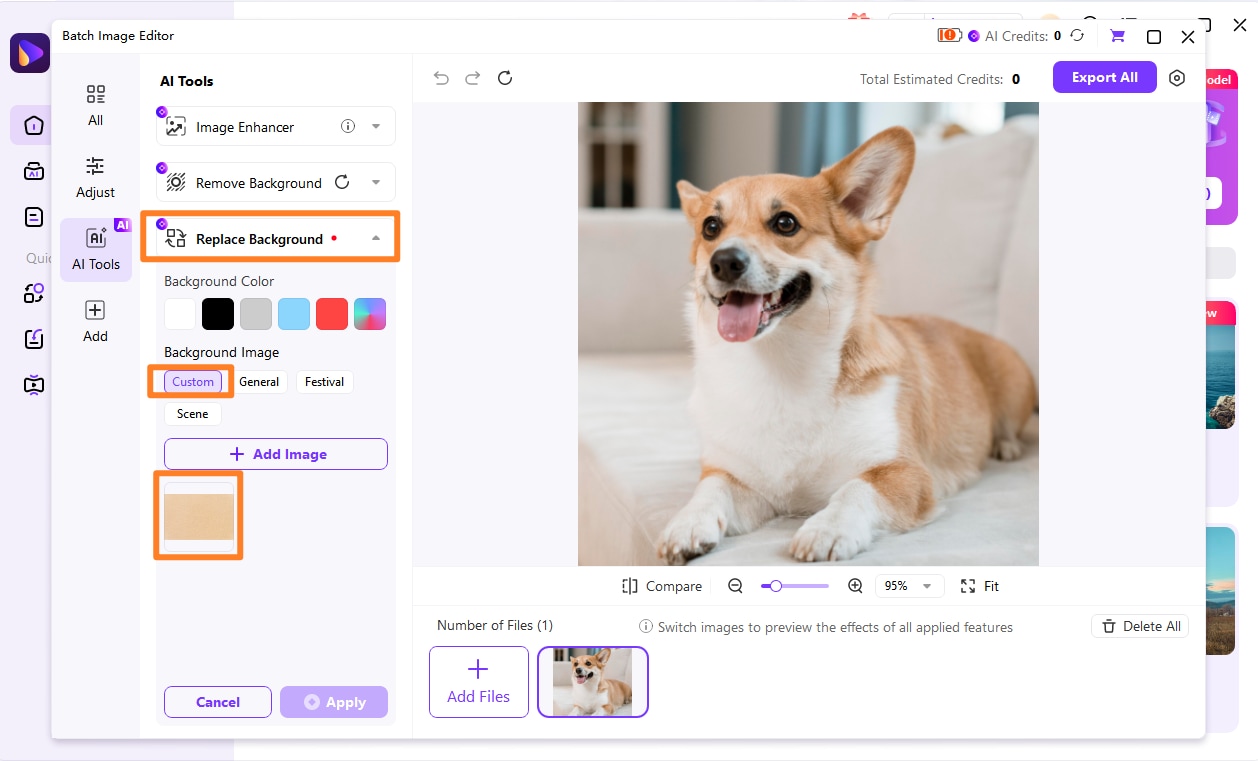
Step 1: Open UniConverter and Choose Background Replacer
Launch UniConverter on your computer. From the main interface, navigate to the "Toolbox" section and select the "Background Remover" feature.
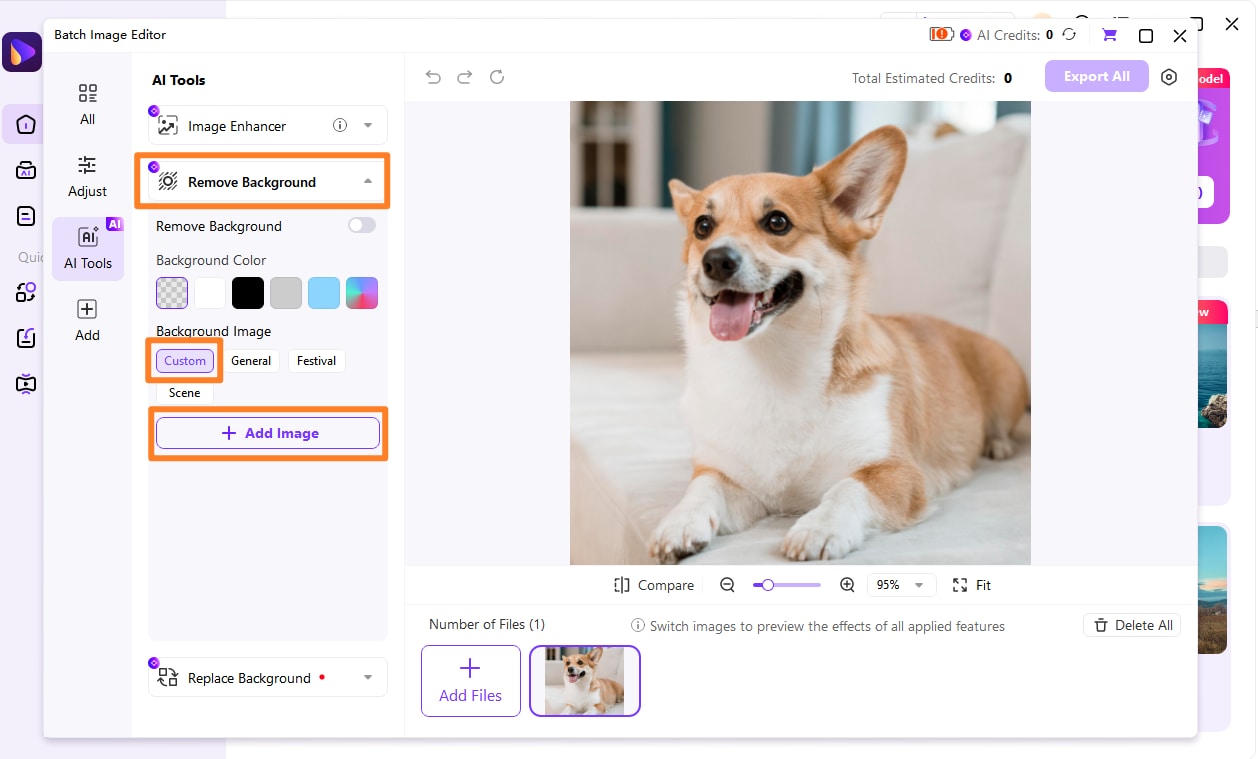
Step 2: Upload the Images
Click on the "Add Files" button or simply drag and drop the images you want to edit into the UniConverter interface. You can upload multiple images for batch processing.
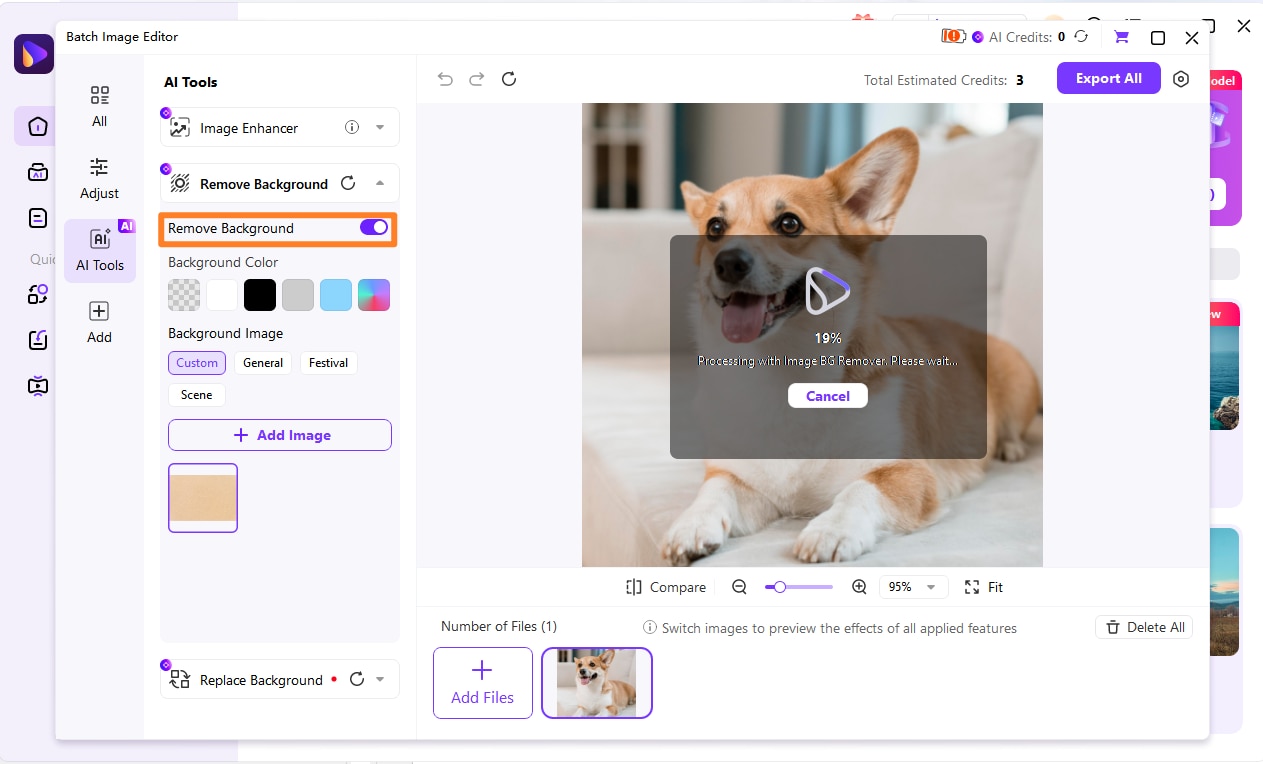
Step 3: Preview and Export Images
Once the images are uploaded, UniConverter will automatically remove their backgrounds. You can preview each image to ensure the results are satisfactory. If needed, you can make minor adjustments.
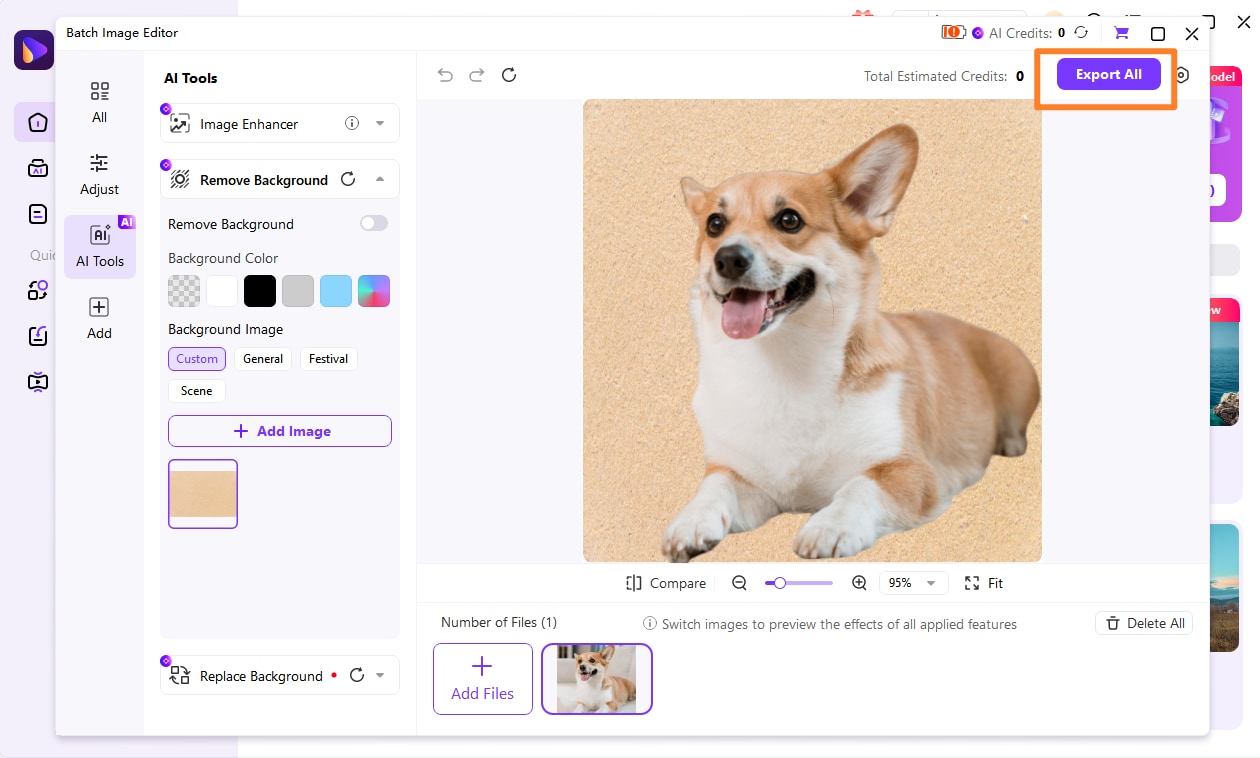
Step 4: Export Your Edited Image
After reviewing, click the "Export" button to save your images with their backgrounds removed. You can choose your desired output format and destination folder.

Seeking a Powerful Lunapic Alternative?
Part 7: Conclusion
After spending considerable time with Lunapic, my overall impression is that it serves a very specific niche in the online photo editing landscape. For casual users who need quick, fun, and often quirky edits for social media without any commitment, Lunapic is a perfectly viable option. Its vast array of free effects and animations is genuinely impressive, and the no-registration, no-download approach is incredibly convenient. However, for anyone prioritizing a smooth user experience, an ad-free environment, or requiring professional-grade features, Lunapic falls short. The outdated interface and intrusive advertisements can quickly become frustrating, and its limitations in output quality and advanced editing capabilities make it unsuitable for professional or complex projects. In such cases, exploring alternatives like Canva for design, Pixlr E for more robust online editing, or desktop software like GIMP or UniConverter for comprehensive solutions, would be a much better choice. Ultimately, your decision should hinge on your specific needs: quick fun versus serious functionality.
Part 8: FAQs
-
1. Is Lunapic completely free to use?
Yes, Lunapic is free to use, but it is supported by advertisements, which can be quite frequent and intrusive.
-
2. Does Lunapic store my uploaded images?
Lunapic's privacy policy states that uploaded images are typically deleted after a short period, but users should always exercise caution with sensitive content and understand the inherent risks of uploading personal data to free online services.
-
3. Can I use Lunapic on my mobile device?
Lunapic is a web-based tool and can be accessed via a mobile browser, but its interface is not optimized for mobile screens, which can make editing on a phone or tablet a challenging experience.
-
4. What are the main limitations of Lunapic compared to paid software?
Lunapic lacks advanced features like layer support, non-destructive editing, precise control over adjustments, and a modern, intuitive user interface, all of which are common in paid professional software.
-
5. Are there any privacy concerns when using free online photo editors like Lunapic?
While many free online editors claim to delete images, users should be aware of potential privacy risks, including how their data might be used for advertising purposes or the possibility of security vulnerabilities. It's always advisable to avoid uploading highly sensitive or personal photos to such platforms.
