
- Value: Krita offers professional-grade digital painting and animation tools completely free and open-source, making it highly accessible.
- Comparison: Krita excels in painting and comic creation, often surpassing Photoshop's natural brush feel, but lacks Photoshop's photo manipulation prowess.
- Decision: Ideal for artists prioritizing free, dedicated painting/comic tools; consider alternatives like Photoshop for extensive photo editing or Clip Studio for paid comic specialization.
- Performance: Be aware Krita can be hardware-intensive; a dedicated GPU and ample RAM are crucial for smooth performance, especially with complex projects.
- Support: Krita relies on strong community support, offering transparency but not dedicated customer service like paid software.
- Workflow: UniConverter complements Krita by efficiently preparing and optimizing artwork for various platforms and formats, enhancing post-production workflow.
In this article
Krita Review: A Deep Dive into Digital Art Creation
When I first stumbled upon Krita, I was skeptical. A free, open-source digital painting program? It sounded too good to be true, especially coming from a background of expensive, subscription-based software. But as an artist constantly looking for powerful yet accessible tools, I decided to give it a shot. This Krita review will explore its capabilities, weigh its strengths against its weaknesses, and compare it to industry giants like Photoshop and Clip Studio Paint. My goal is to help you understand where Krita truly shines and where it might fall short, guiding you to make an informed decision for your digital art journey.
Part 1: What is Krita?
Krita is a free and open-source raster graphics editor designed primarily for digital painting and animation. It's developed by artists for artists, and that philosophy is evident in its feature set. Unlike general-purpose image editors, Krita focuses specifically on the needs of illustrators, comic artists, concept artists, and animators. My initial impression was that it felt surprisingly professional for a free tool, offering a robust suite of features that rivaled paid alternatives. This review aims to clarify Krita's position in the digital art world and help you determine if it's the right fit for your creative workflow.
The Digital Art Landscape: Challenges for Artists
* High Cost of Entry: Professional art software often comes with hefty price tags or recurring subscriptions, creating a barrier for aspiring artists.
* Specialized Needs: Many general-purpose image editors lack the specialized tools required for specific art forms like comic creation or animation.
* Platform Lock-in: Artists often find themselves tied to specific operating systems due to software availability.
Part 2: Krita's Core Strengths and Weaknesses
Krita, in my experience, offers a surprisingly comprehensive toolkit for digital artists. Its core strength lies in its dedicated focus on painting. The brush engine, for instance, is incredibly versatile, allowing for a level of customization that I've only seen in a few other programs. I've been able to create brushes that perfectly mimic traditional media, from watercolors to oil paints, which is a huge plus for me. The layer management is intuitive, and the non-destructive editing features mean I can experiment without fear of ruining my work. However, it's not without its quirks.
Pros:
* Comprehensive Brush Engine and Customization: The sheer depth of brush customization is a game-changer, allowing for endless creative possibilities.
* Robust Layer Management and Non-Destructive Editing: I appreciate the flexibility this offers, letting me refine my work without commitment.
* Open-Source and Completely Free: This is a massive advantage, making professional-grade tools accessible to everyone.
Cons:
* Steeper Learning Curve for Beginners: I found it took some time to get comfortable with the interface and all its options.
* Performance Can Be Demanding on Older Hardware: On my older laptop, I definitely noticed some slowdowns with larger canvases or complex brushes.
Part 3: Target Users and Use Cases
From my perspective, Krita truly shines for specific types of artists. If you're into comic or manga creation, you'll find Krita's panel tools, text features, and even speech bubble tools incredibly useful. I've used it for several personal comic projects, and it streamlines the process significantly. The animation tools are also surprisingly capable for 2D animation, making it a viable option for indie animators. However, if your primary focus is high-end photo manipulation or retouching, I'd honestly steer you towards other software. While Krita can do basic image editing, it's not designed for the intricate tasks that Photoshop handles with ease.
Best Use Case: Professional Comic and Manga Creation
For me, Krita is almost tailor-made for comic artists. The dedicated tools for panels, text, and speech bubbles are incredibly efficient and save a lot of time compared to trying to replicate them in a general-purpose art program.
Limited Use Case: High-End Photo Manipulation and Retouching
While Krita can open and edit photos, I wouldn't recommend it for professional photo manipulation. Its strengths lie in creation, not extensive photo editing, and I've found its tools for this purpose to be less refined than dedicated photo editors.
Part 4: Krita and Alternatives Comparison
When I look at the digital art software landscape, Krita stands out primarily because of its pricing model. It's free, which is a huge differentiator. Photoshop is the industry standard for general image editing, and while it has painting capabilities, Krita's brush engine often feels more natural for traditional media simulation. Clip Studio Paint, on the other hand, is a direct competitor for comic and manga artists, offering a very similar feature set but with a one-time purchase cost. Procreate, while excellent, is limited to the iPad, which isn't ideal for everyone.
| Feature/Aspect | Krita | Adobe Photoshop | Clip Studio Paint | Procreate |
| Pricing Model | Free & Open-Source | Subscription | One-time Purchase | One-time Purchase |
| Platform | Windows, macOS, Linux | Windows, macOS, iPad | Windows, macOS, iPad, Android, iPhone | iPad Only |
| Brush Customization | Excellent | Excellent | Excellent | Good |
| Animation Tools | Good | Limited | Excellent | None |
| Vector Tools | Basic | Excellent | Good | None |
| Community Support | Strong (Open-Source) | Extensive | Extensive | Strong |
Key Differentiators:
Krita's unparalleled value as a free, feature-rich tool is what initially drew me in. Photoshop's industry-standard status for general image editing means it's often the go-to for many, but not necessarily for pure painting. Clip Studio Paint's specialized tools for comic and manga artists make it a strong contender, especially if you prefer a paid, dedicated solution. Procreate's intuitive touch-based workflow for iPad users is fantastic, but its platform limitation is a significant factor.
Part 5: Risks and Pitfalls
Using Krita, especially as a free and open-source tool, comes with its own set of considerations that I've learned to navigate. While the open-source nature means transparency, it also means that dedicated customer service, as you'd find with a paid product, isn't really a thing. You rely heavily on the community forums for support, which can be a mixed bag – sometimes you get quick, insightful help, other times you're left to figure things out yourself.
Data Privacy and Open-Source Transparency
I appreciate the transparency of Krita being open-source; it means no hidden agendas or data collection I'm unaware of. However, this also means the onus is on the community to identify and fix any potential vulnerabilities.
Community Support vs. Dedicated Customer Service
While the Krita community is vibrant and helpful, I've found that it's not a substitute for dedicated customer service. If you encounter a critical bug or need immediate, personalized assistance, you might be waiting a while for a community-based solution.
Hardware Requirements for Optimal Performance
This is a big one for me. I initially underestimated Krita's hardware demands. While it runs on modest machines, for a truly smooth experience, especially with large canvases, complex brushes, or animation, you really need a dedicated graphics card and a decent amount of RAM. My old laptop struggled, leading to frustrating slowdowns.
File Format Compatibility and Interoperability
Krita's native file format is .kra, which isn't universally recognized. While it can import and export to common formats like PSD, PNG, and JPG, I've occasionally run into minor compatibility issues when transferring files between Krita and other software. It's usually manageable, but something to be aware of if you collaborate frequently.
Part 6: How to Use UniConverter for Efficient Image Preparation
Sometimes, after creating my artwork in Krita, I need to prepare it for different platforms or formats. This is where tools like UniConverter come in handy. If I find that Krita's export options aren't quite meeting my needs for specific video or web formats, or if I need to do some batch processing that Krita isn't optimized for, UniConverter is my go-to. It's a versatile multimedia toolkit that can handle video conversion, editing, and compression, making it an excellent companion for artists who need to prepare their artwork for various media. It helps avoid issues like pixelated exports or inconsistent quality when converting images for different uses.
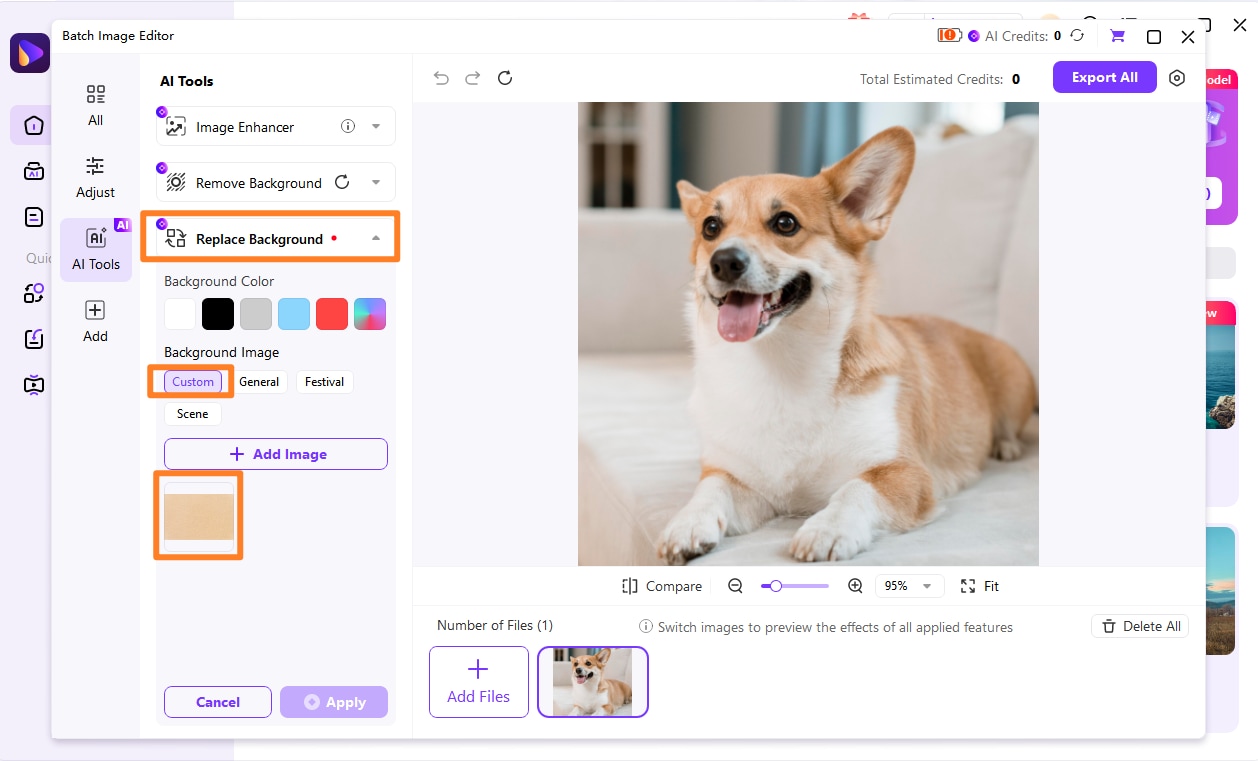
Step 1: Open UniConverter and Choose Background Replacer
To begin, launch UniConverter and select the Background Replacer feature. This tool is perfect for refining your images by allowing you to easily remove or change backgrounds with precision.
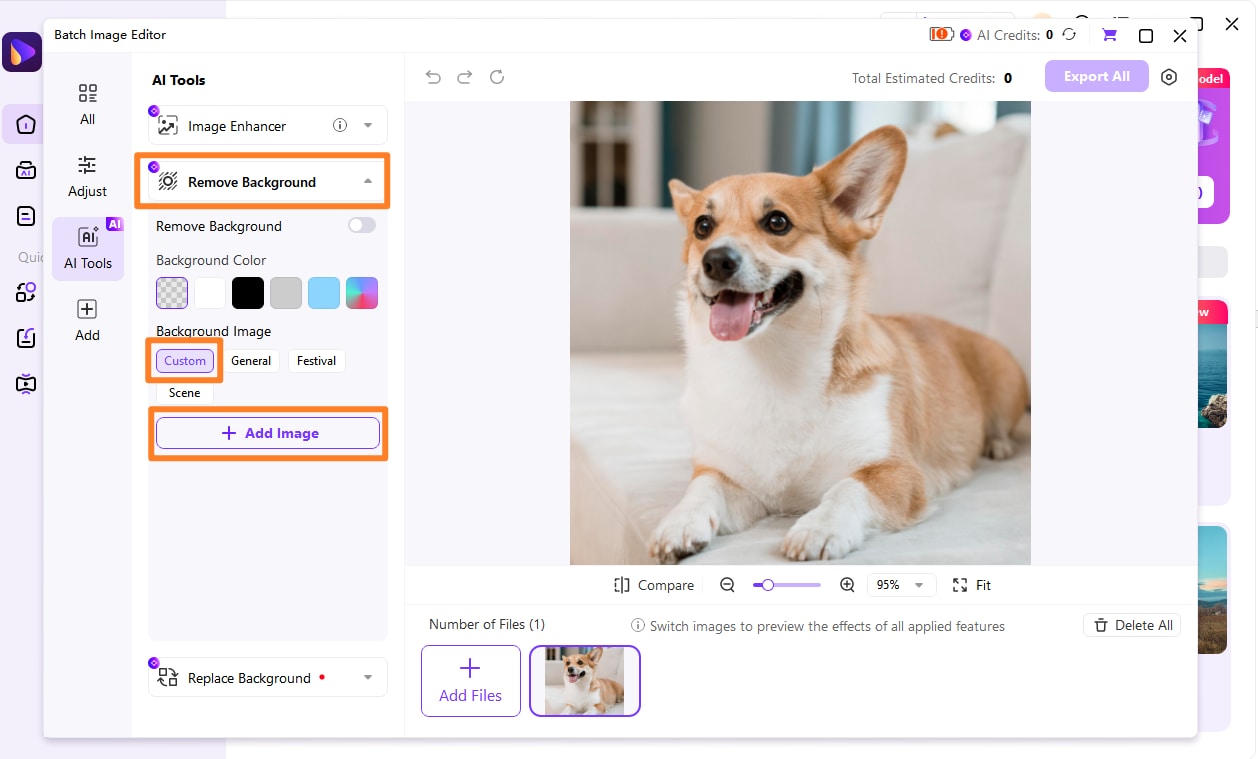
Step 2: Upload the Images
Next, upload the images you wish to process. UniConverter supports various formats, ensuring your artwork is ready for any project. Whether you need to remove background without losing quality or prepare them for high-definition displays, this step is straightforward.
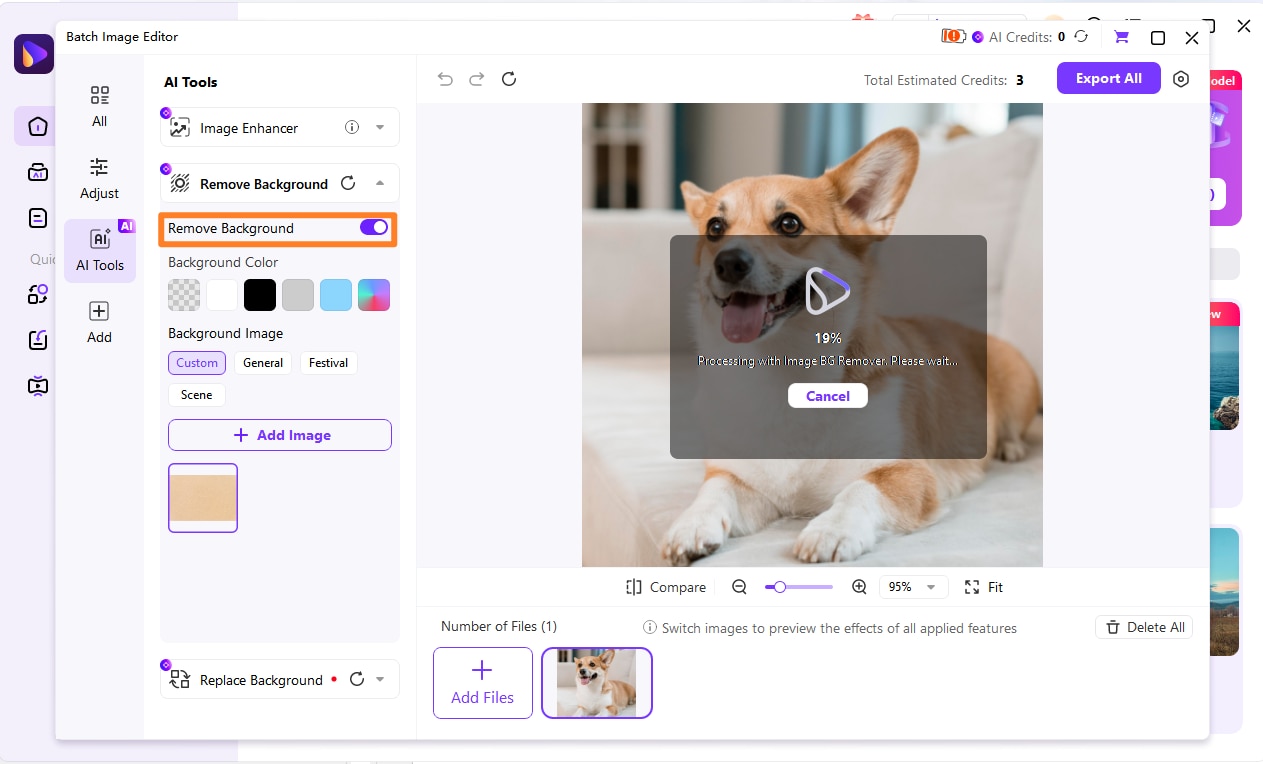
Step 3: Click to Preview Images
After uploading, click to preview your images. This allows you to review the changes and ensure the background replacement meets your artistic vision before finalizing.
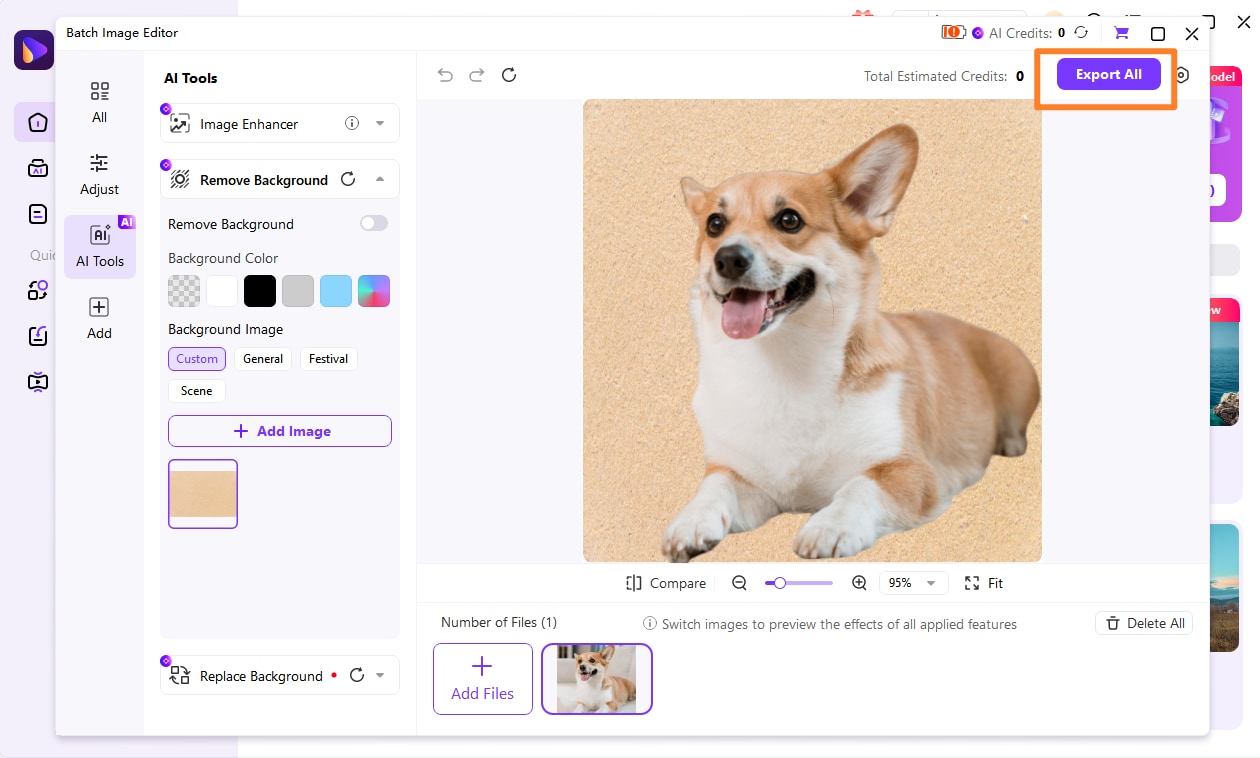
Step 4: Preview and Export Images
Finally, preview the processed images and export them. UniConverter ensures that your images, whether they are for web, print, or video, maintain their quality and are optimized for their intended use, including high-definition background removal.

Seeking a Krita Alternative for Video Editing?
Part 7: Conclusion
In conclusion, my experience with Krita review has been overwhelmingly positive, especially considering its free and open-source nature. It's a powerful tool that genuinely empowers artists, particularly those focused on digital painting, comic creation, and 2D animation. For budget-conscious professionals, Krita offers a feature set that rivals expensive alternatives, making it an undeniable value proposition. Aspiring digital artists will find it an excellent platform to learn and grow without the financial burden. And for Linux users, Krita stands out as one of the most robust and feature-rich digital art solutions available. While it has a learning curve and can be demanding on hardware, its strengths far outweigh its weaknesses for its target audience. If you're looking for a dedicated digital painting application that won't break the bank, Krita is definitely worth your time and effort.
Part 8: FAQs
-
1. Is Krita truly free, and what's the catch?
Krita is genuinely free and open-source, with no hidden costs or subscriptions. The "catch" is that it relies on community support for development and troubleshooting, rather than a dedicated customer service team.
-
2. Can Krita be used for professional work?
Absolutely. Many professional artists, especially in the comic and animation industries, use Krita for their projects due to its powerful features and dedicated tools.
-
3. How does Krita compare to Photoshop for painting?
Krita's painting engine is often considered superior to Photoshop's for traditional media simulation and brush customization, offering a more natural painting experience. Photoshop, however, excels in photo manipulation and general image editing.
-
4. What are the minimum system requirements for Krita?
While Krita can run on modest hardware, a dedicated graphics card and at least 8GB of RAM are highly recommended for a smooth experience, especially when working with large canvases, complex brushes, or animation.
-
5. Does Krita support animation?
Yes, Krita has a robust animation feature set, including a timeline, onion skinning, and export options for various video formats, making it a popular choice for 2D animators.
