
- Kapwing Value: Kapwing offers intuitive, browser-based video editing, ideal for quick social media content creation and team collaboration.
- Kapwing Limitations: Performance issues with large files, watermarks on free tier, and lack of advanced features limit professional-grade production.
- Kapwing vs. Alternatives: Kapwing excels in ease of use and collaboration; UniConverter offers powerful desktop features for conversion and basic editing.
- Decision Factors: Choose Kapwing for speed and accessibility; opt for UniConverter or desktop editors for complex tasks, quality, and privacy.
- UniConverter Solution: UniConverter provides a stable, ad-free desktop experience for efficient video editing, conversion, and advanced features like background removal.
In this article
- Part 1: What is Kapwing?
- Part 2: Kapwing: Core Features, Pros, and Cons
- Part 3: Who is Kapwing For? Ideal Use Cases and Limitations
- Part 4: Kapwing and Alternatives Comparison
- Part 5: Risks and Pitfalls to Consider
- Part 6: How to Use UniConverter for Efficient Video Editing
- Part 7: Final Verdict and Recommendations
- Part 8: FAQs
When I first started looking into online video editing, I was overwhelmed by the sheer number of options. Many promised simplicity and power, but few delivered on both. That's when I stumbled upon Kapwing, a name that kept popping up in discussions about quick and easy video creation. This Kapwing review aims to cut through the noise, offering my personal insights and experiences with this popular online tool. I'll delve into its features, compare it to some strong competitors, and ultimately help you decide if Kapwing is the right fit for your video editing needs, especially if you're like me and value efficiency and accessibility.
Part 1: What is Kapwing?
Kapwing is an online video editing platform that caught my attention because it positions itself as an accessible tool for content creators of all skill levels. It's browser-based, meaning I didn't need to download any software, which was a huge plus for me as someone who often works on different computers. My initial impression was that it aimed to democratize video editing, making it as straightforward as using a word processor. This approach is particularly appealing in today's fast-paced digital landscape where quick content turnaround is often key.
The Rise of Online Video Editors
The demand for online video editors like Kapwing has surged due to several factors:
* Accessibility: No software installation, just open a browser and start editing. This is a game-changer for casual creators or those with limited storage.
* Collaboration: Many online tools facilitate team projects, allowing multiple users to work on the same video simultaneously.
* Cloud-Based Storage: My projects are saved online, accessible from anywhere, which means I don't have to worry about losing my work or transferring files.
* Ease of Use: They often feature intuitive interfaces designed for quick learning curves, perfect for social media content.
Part 2: Kapwing: Core Features, Pros, and Cons
Kapwing offers a suite of tools that go beyond basic trimming and cutting. I've found its core capabilities to be quite robust for an online editor. For instance, it provides a decent range of text overlays, transitions, and even some AI-powered features like automatic subtitle generation. I often use its image and GIF editing capabilities, which are seamlessly integrated. The platform also supports various aspect ratios, which is crucial for creating content across different social media platforms.
Pros:
* Intuitive Interface for Quick Edits: I was able to jump in and start editing almost immediately without needing to watch extensive tutorials. The drag-and-drop functionality is very user-friendly.
* Collaborative Features for Team Projects: For group projects, the real-time collaboration has been a lifesaver. It allows my team members and me to work on the same video simultaneously, streamlining our workflow.
* Extensive Template Library for Content Creation: I often find myself using their pre-designed templates for social media posts, which saves a lot of time and ensures a professional look.
Cons:
* Performance Limitations with Large Files: When I tried editing longer videos or those with high resolutions, I noticed a significant slowdown. It can get a bit frustrating waiting for previews to render.
* Watermark on Free Tier: The watermark on the free version is a bit of a deterrent for me, especially when I want to share polished content. It often pushes me to consider upgrading or looking for alternatives.
Part 3: Who is Kapwing For? Ideal Use Cases and Limitations
From my experience, Kapwing shines brightest for a specific type of user and scenario. It's not a one-size-fits-all solution, and understanding its strengths and weaknesses in different contexts is key. If you're a casual creator or a social media manager, you'll likely find it incredibly useful. However, if you're aiming for professional-grade productions, you might hit its limitations pretty quickly.
Best Use Case: Quick Social Media Content Creation
I've found Kapwing to be an absolute go-to for creating short, engaging videos for platforms like Instagram, TikTok, and YouTube Shorts. Its ease of use and template library mean I can whip up a polished piece of content in minutes. Whether it's a quick promo, a short tutorial, or a meme video, Kapwing handles it with grace. The ability to quickly add text, music, and simple animations without a steep learning curve is invaluable for maintaining a consistent social media presence.
Limited Use Case: Professional-Grade Video Production
While Kapwing is fantastic for quick edits, I wouldn't recommend it for complex, professional video productions. When I've tried to tackle projects requiring multi-track editing, advanced color grading, or intricate visual effects, Kapwing simply doesn't have the depth of features that desktop software offers. The performance limitations with larger files also become a significant bottleneck, making the editing process slow and frustrating for anything beyond a few minutes of footage. For high-fidelity, long-form content, I always turn to more robust desktop applications.
Part 4: Kapwing and Alternatives Comparison
When I'm evaluating video editing tools, I always look at how they stack up against the competition. Here's a quick comparison of Kapwing with some other popular options I've used, focusing on what matters most to me.
| Feature/Aspect | Kapwing | DaVinci Resolve | Adobe Premiere Pro | UniConverter |
| Ease of Use | High | Medium | Medium | High |
| Collaboration | Excellent | Fair | Good | Fair |
| Advanced Features | Moderate | High | High | Moderate |
| Pricing (Free Tier) | Watermark | Full-featured (Free) | No Free Tier | Limited Features |
| Performance | Good for short videos | Excellent for all videos | Excellent for all videos | Excellent for all videos |
| Output Quality | Good for web | Professional | Professional | High-Quality |
| Customer Support | Good (online resources) | Community Forums | Excellent (paid) | Excellent (online & email) |
| Security | Cloud-based (standard) | Local storage | Cloud/Local | Local storage |
From my perspective, Kapwing truly shines in its ease of use and collaborative features, making it a strong contender for teams or individuals who prioritize quick, shared workflows. DaVinci Resolve, on the other hand, is a powerhouse for advanced features and professional output, especially considering its robust free version, though it has a steeper learning curve. Adobe Premiere Pro remains the industry standard for comprehensive, high-end production, but its subscription model and complexity might deter casual users. UniConverter, while not a full-fledged editor, excels in its conversion and basic editing capabilities, offering a streamlined experience for specific tasks like format conversion and quick trims, with excellent performance.
Part 5: Risks and Pitfalls to Consider
While Kapwing offers a lot of convenience, I've learned that relying solely on online tools, especially free tiers, comes with its own set of considerations. It's important to be aware of these potential drawbacks before committing to a platform.
Data Privacy Concerns
As with any cloud-based service, I always think about data privacy. When I upload my videos to Kapwing, I'm essentially entrusting my content to their servers. While they have privacy policies in place, it's a good practice to be mindful of what kind of sensitive information you're uploading and to understand their terms of service regarding data storage and usage. For highly confidential projects, I tend to prefer desktop software where my files remain on my local machine.
Potential for Feature Bloat
Sometimes, I feel like online tools try to do too much, leading to "feature bloat." While Kapwing has a good balance, there's always a risk that as they add more features, the interface could become cluttered, or the performance might suffer. I've seen this happen with other platforms, where the initial simplicity gets lost in an attempt to cater to every possible user need.
Reliance on Internet Connectivity
This is a big one for me. Since Kapwing is entirely browser-based, I absolutely need a stable internet connection to use it. If my Wi-Fi goes out or I'm working in an area with poor signal, I'm completely out of luck. This can be a significant limitation if I'm on the go or in a location without reliable internet access, making offline desktop editors a more dependable choice in those situations.
Output Quality Limitations on Free Plans
I've noticed that the free tier often comes with compromises, and output quality is one of them. While Kapwing's free plan is generous, the watermark is a clear indicator. Additionally, I sometimes find that the compression or resolution options on the free tier aren't as robust as I'd like, which can slightly diminish the professional look of my final video.
Advertising and Upselling
Like many free online services, Kapwing does engage in advertising and upselling. While it's understandable for them to monetize their platform, I sometimes find the prompts to upgrade or the occasional ads a bit distracting when I'm trying to focus on editing. It's a trade-off for the convenience of a free tool, but it's something to be aware of.
Part 6: How to Use UniConverter for Efficient Video Editing
Sometimes, when I encounter issues with online tools like Kapwing – perhaps they don't support batch processing, the export quality isn't consistent, or the background replacement feature leaves jagged edges – I turn to a more robust desktop solution. UniConverter has been my go-to in these situations. It's an all-in-one video toolbox that handles conversions, basic editing, and even advanced features like background removal with impressive stability and quality. It avoids the common pitfalls of online editors, offering a smooth, ad-free experience with GPU acceleration for faster processing and lossless output. It’s truly an ultimate solution for many of my video needs.
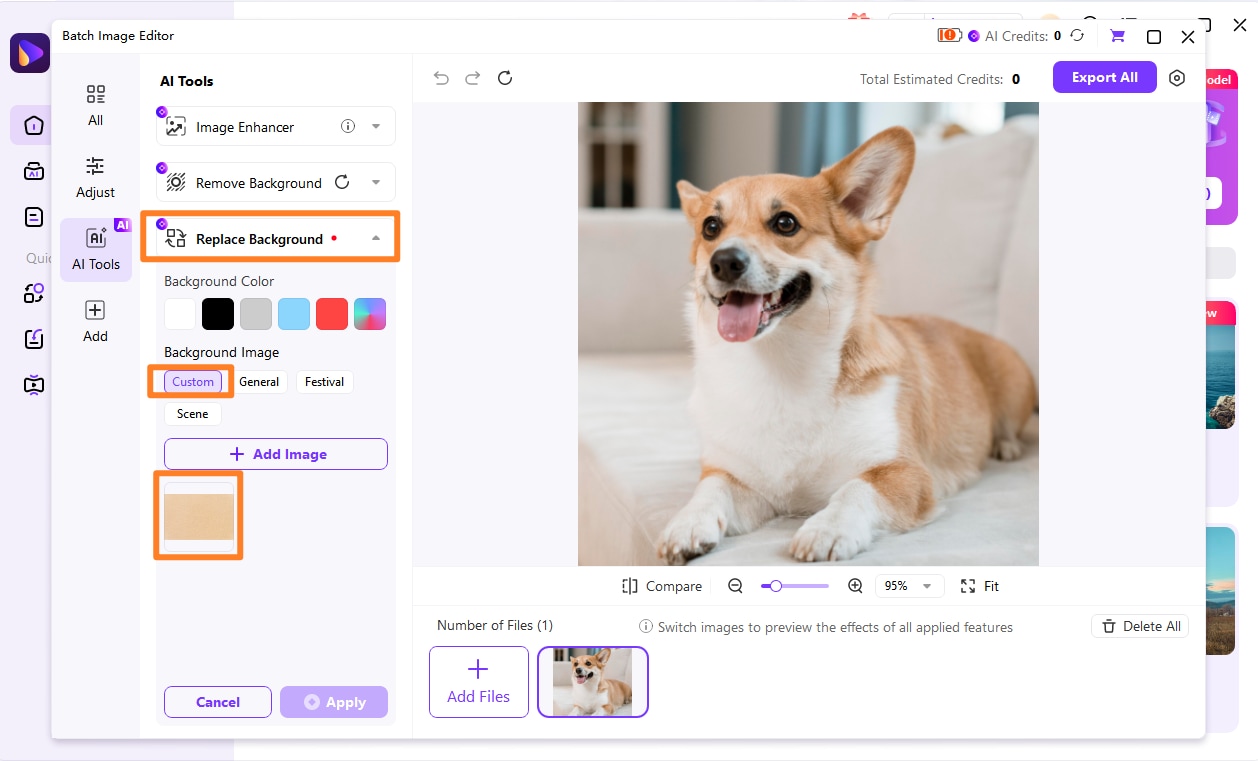
Step 1: Open UniConverter and Choose Background Replacer
First, I launch UniConverter on my computer. On the main interface, I navigate to the "Toolbox" section and select the "Background Replacer" feature. This is where the magic begins for image background removal.
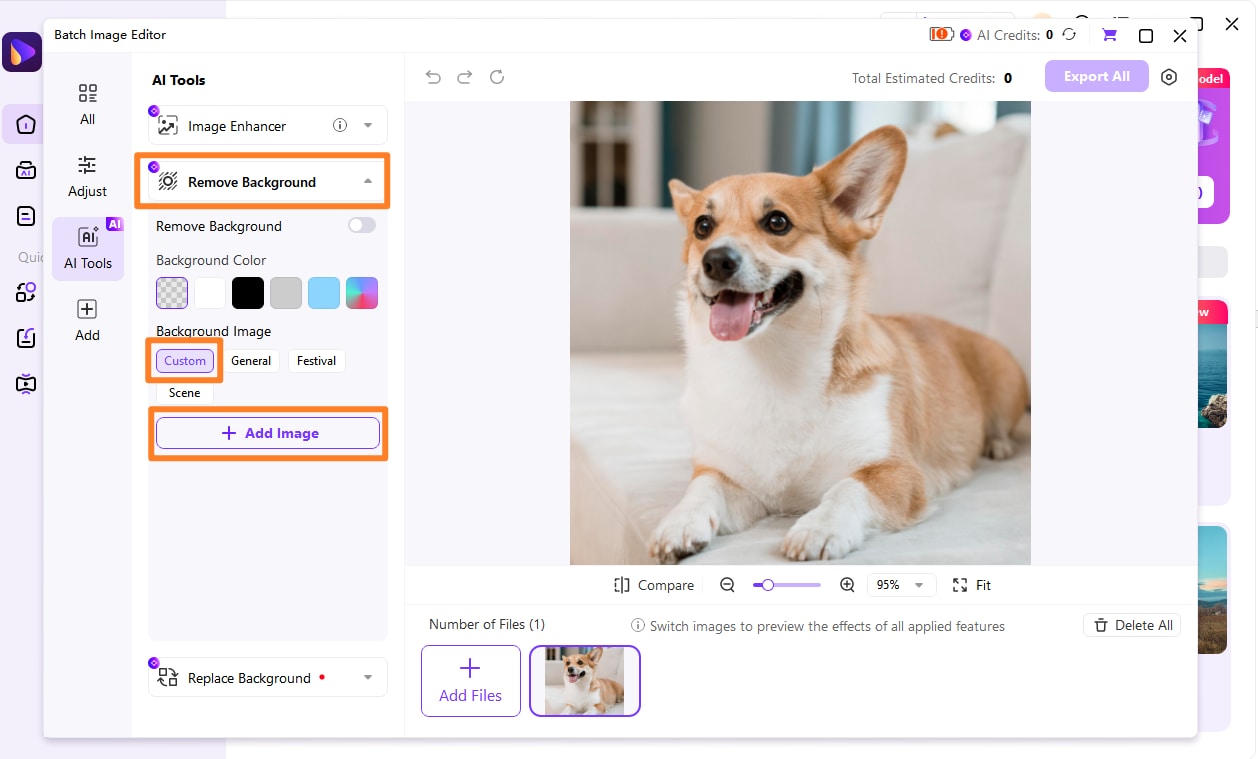
Step 2: Upload the Images
Next, I click on the "Add Files" button or simply drag and drop the images I want to edit into the designated area. UniConverter supports various image formats, which is really convenient.
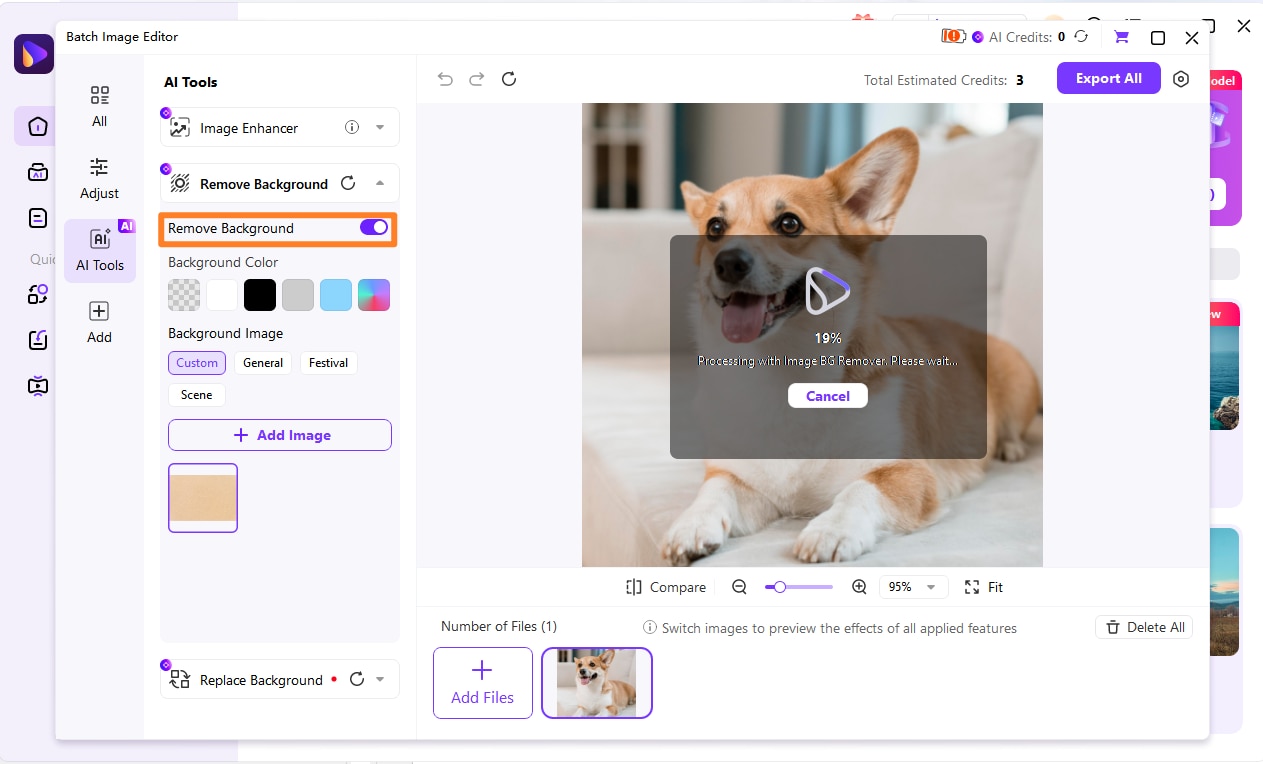
Step 3: Edit and Enhance Your Content
After uploading, I can preview each image and make any necessary adjustments. UniConverter's background replacer is quite intelligent, often removing the background automatically. If needed, I can use the manual selection tools to refine the edges or add a new background.
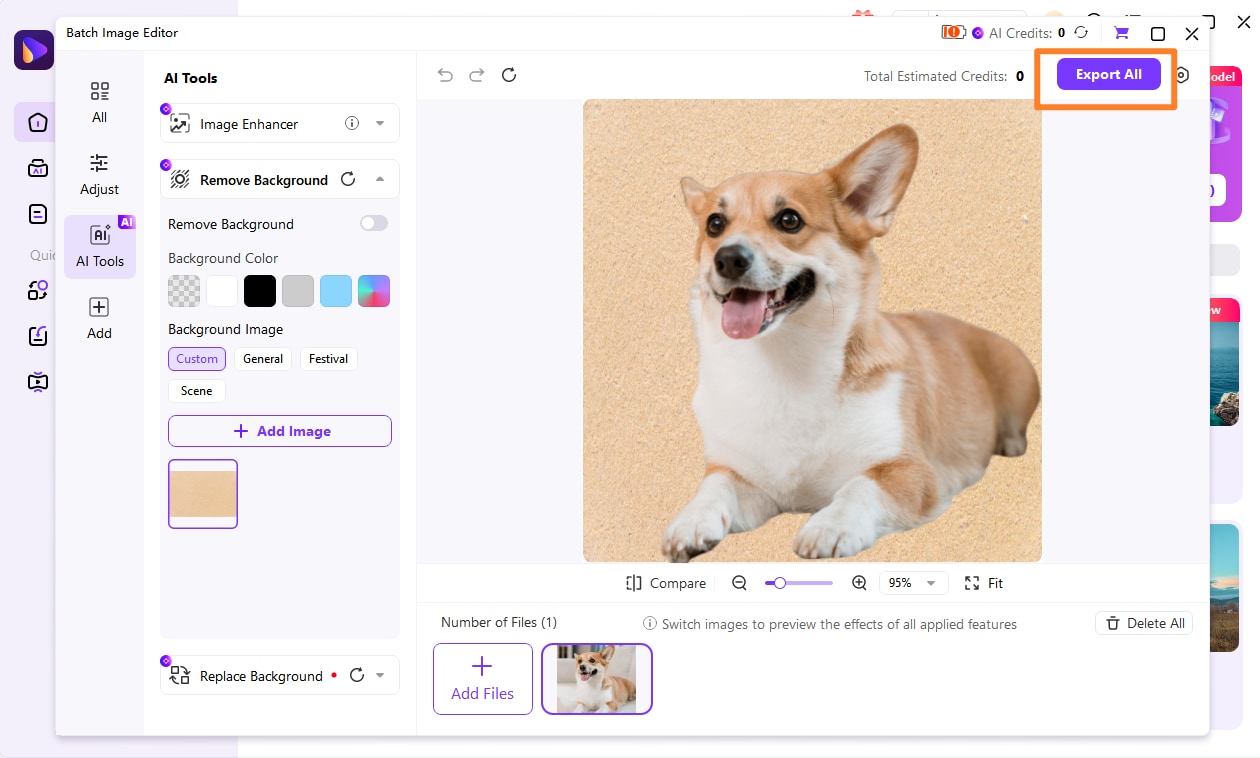
Step 4: Export in Your Desired Format
Once I'm satisfied with the edits, I select my desired output format and destination folder. Then, I click "Export" to save my newly edited images. The process is quick, and the quality is consistently high.

Seeking a Kapwing Alternative for Video Editing?
Part 7: Final Verdict and Recommendations
After spending considerable time with Kapwing, my Kapwing review concludes that it's an incredibly valuable tool, but its utility largely depends on your specific needs. For casual creators, social media managers, or anyone needing to produce quick, engaging video content without a steep learning curve, Kapwing is an excellent choice. Its intuitive interface and collaborative features make it ideal for fast-paced projects and team environments. However, if you're a professional videographer or working on complex, long-form productions requiring advanced features, multi-track editing, or uncompromised output quality, you'll likely find its limitations frustrating. In such cases, a dedicated desktop editor like DaVinci Resolve or Adobe Premiere Pro, or even a versatile tool like UniConverter for specific tasks, would be a more suitable investment. Ultimately, Kapwing excels in accessibility and speed for lighter editing tasks, but it's not designed to replace high-end professional software.
Part 8: FAQs
-
1. Is Kapwing truly free to use?
Yes, Kapwing offers a free tier that allows you to use many of its features. However, videos exported on the free plan will have a Kapwing watermark, and there might be limitations on project length, export quality, and storage. To remove the watermark and unlock all features, you'll need to subscribe to a paid plan.
-
2. Can Kapwing handle 4K video editing?
While Kapwing can technically import 4K footage, its performance for editing and exporting 4K videos can be limited, especially on the free tier or with slower internet connections. For smooth 4K editing, particularly for longer projects, a powerful desktop editor is generally recommended.
-
3. How does Kapwing protect user data?
Kapwing states that it uses industry-standard security measures to protect user data and content. They have a privacy policy that outlines how they collect, use, and protect your information. However, as with any cloud-based service, it's always advisable to review their terms and conditions and be mindful of the sensitivity of the content you upload.
-
4. What are the main differences between Kapwing and Adobe Premiere Rush?
Kapwing is a fully browser-based online editor, emphasizing accessibility and collaboration. Adobe Premiere Rush is a cross-platform editor (desktop and mobile apps) designed for quick, on-the-go editing, with some cloud syncing capabilities. Rush offers deeper integration with the Adobe ecosystem and potentially more robust mobile editing features, while Kapwing's strength lies in its pure online accessibility and collaborative workspace.
-
5. Is Kapwing suitable for long-form content creation?
Kapwing is generally better suited for short to medium-form content, such as social media videos, short tutorials, or marketing clips. While you can edit longer videos, you might encounter performance issues, slower rendering times, and a lack of advanced features needed for complex, long-form narratives or documentaries. For extensive long-form content, desktop software offers a more stable and feature-rich environment.
