
- GIMP Overview: Free, open-source image editor for retouching, drawing, and format conversion.
- Pros: Powerful, highly customizable, extensive plugins. Great for advanced editing tasks.
- Cons: Steep learning curve, dated interface. Not ideal for beginners or quick tasks.
- Ideal Users: Budget-conscious designers, hobbyists, and students seeking powerful, free tools.
- Limitations: Not for professional studios needing industry-standard integration (e.g., Adobe ecosystem).
- Comparison: Free GIMP vs. subscription Photoshop vs. one-time purchase Affinity Photo.
- Risks: Compatibility issues with PSDs, no dedicated support, inconsistent performance, slower feature adoption.
- UniConverter Alternative: Use UniConverter for efficient, high-quality background removal, avoiding GIMP's complexity.
- Final Verdict: GIMP is powerful for patient, budget-conscious users; commercial tools offer polish and integration.
In this article
- Part 1: What is GIMP?
- Part 2: GIMP: Core Features, Pros, and Cons
- Part 3: GIMP: Ideal Users and Use Cases
- Part 4: GIMP and Alternatives Comparison
- Part 5: Risks and Pitfalls of Using GIMP
- Part 6: How to Use UniConverter for Efficient Background Removal
- Part 7: Final Verdict and Recommendations
- Part 8: FAQs
When I first delved into digital image editing, I, like many, was immediately confronted with the dominance of commercial software. However, the world of open-source offered a compelling alternative: GIMP review. This powerful, free image manipulation program has carved out a significant niche, promising professional-grade tools without the hefty price tag. In this comprehensive GIMP review and comparison, I'll share my firsthand experiences, dissect its features, weigh its pros and cons, and ultimately help you decide if GIMP is the right tool for your creative journey, especially when stacked against its well-known competitors.
Part 1: What is GIMP?
GIMP, which stands for GNU Image Manipulation Program, is a free and open-source raster graphics editor used for image retouching and editing, free-form drawing, resizing, cropping, photo-montages, converting between different image formats, and more specialized tasks. It's been around for a long time, evolving through community contributions, and has become a go-to for many who prefer not to be tied to subscription models or expensive one-time purchases. My initial impression was that it was simply a "free Photoshop," but I quickly learned it's much more than that—it's a robust platform with its own unique ecosystem.
The Evolving Landscape of Digital Image Editing
The digital image editing world is constantly shifting, and it's a landscape I've navigated for years.
* Subscription Fatigue: Many users, myself included, are growing tired of recurring subscription fees for software.
* Accessibility for All: There's a strong demand for powerful tools that are accessible to hobbyists and students without financial barriers.
* Open-Source Philosophy: The open-source movement champions transparency, community-driven development, and user freedom, which resonates with a significant portion of the tech community.
* Diverse Skill Levels: From quick touch-ups to complex artistic creations, users have varied needs, and a single solution often doesn't fit all.
Part 2: GIMP: Core Features, Pros, and Cons
GIMP, at its heart, is a versatile image editor. I've used it for everything from basic photo corrections to creating complex digital art. Its core capabilities include a comprehensive suite of painting tools, advanced selection tools, layers and channels, and a robust set of filters and effects. For me, the ability to manipulate images at a pixel level with such precision, all without spending a dime, has been incredibly liberating. It truly offers a professional-grade toolkit for those willing to learn its intricacies.
Pros:
* Powerful Open-Source Functionality for Advanced Editing: I've found GIMP capable of handling almost any editing task I throw at it, from intricate masking to complex color grading. It's surprisingly deep.
* Highly Customizable Interface and Workflow: You can rearrange almost every panel and toolbar to suit your personal workflow. This level of customization is something I truly appreciate, as it allows me to make GIMP feel like my own.
* Extensive Plugin and Scripting Support: The community has developed a vast array of plugins and scripts that extend GIMP's functionality even further. If a feature isn't built-in, chances are someone has created a plugin for it.
Cons:
* Steep Learning Curve for Beginners: I won't lie, when I first started, GIMP felt overwhelming. Its interface and terminology can be quite different from what you might expect if you're coming from other editors.
* Interface Can Feel Dated Compared to Commercial Alternatives: While customizable, the overall aesthetic and user experience can sometimes feel a bit behind more modern, commercially developed software.
Part 3: GIMP: Ideal Users and Use Cases
From my experience, GIMP isn't for everyone, but for the right person, it's an absolute powerhouse. If you're someone who enjoys tinkering, exploring, and learning new software without financial pressure, GIMP will likely appeal to you. I've seen it thrive in communities where budget is a primary concern, but creative ambition is high.
Best Use Case: Budget-Conscious Graphic Designers and Hobbyists
If you're just starting out in graphic design, a student, or a hobbyist photographer who needs powerful editing tools but can't justify the cost of commercial software, GIMP is your best friend. I've used it extensively for personal projects, social media graphics, and even some freelance work where clients weren't demanding specific software compatibility. It's perfect for learning fundamental image manipulation techniques without any financial commitment.
Limited Use Case: Professional Studios Requiring Industry-Standard Integration
However, I've found GIMP less suitable for large professional studios that rely heavily on seamless integration with other Adobe products (like Illustrator or InDesign) or require specific industry-standard workflows. While GIMP can open PSDs, the compatibility isn't always 100%, and collaborating with teams using different software can become a headache. For high-volume, deadline-driven professional environments, the slight friction GIMP introduces can add up.
Part 4: GIMP and Alternatives Comparison
When I look at GIMP against its competitors, it's always a trade-off between cost, features, and user experience. Here's how I see it stacking up:
| Feature/Competitor | GIMP | Adobe Photoshop | Affinity Photo | Krita |
| Price | Free | Subscription | One-time purchase | Free |
| Interface | Customizable | Industry Standard | Modern | Artistic Focus |
| Learning Curve | Steep | Moderate | Moderate | Moderate |
| Professional Use | Niche | High | High | Niche |
| Plugin Ecosystem | Extensive | Extensive | Growing | Limited |
Key Differentiators: Open-Source Freedom vs. Commercial Polish
For me, the biggest differentiator is the philosophy behind the software. GIMP offers unparalleled open-source freedom, meaning I can inspect its code, modify it, and contribute to its development. This fosters a vibrant community and ensures it remains free. Photoshop, on the other hand, provides a highly polished, industry-standard experience with extensive customer support and seamless integration within the Adobe ecosystem. Affinity Photo strikes a nice balance, offering a modern interface and powerful tools for a one-time purchase. Krita, while also free, leans more towards digital painting than general image manipulation. If you prioritize control and cost-effectiveness, GIMP is strong. If you prioritize a smooth, integrated, and widely adopted professional workflow, Photoshop or Affinity Photo might be better.
Part 5: Risks and Pitfalls of Using GIMP
While GIMP offers incredible value, I've encountered a few potential downsides and risks that users should be aware of before committing to it as their primary image editor. It's not always smooth sailing, and understanding these can save you some frustration.
Compatibility Issues with Proprietary File Formats
This is a big one for me. While GIMP can open most Photoshop (.psd) files, it's not a perfect translation. I've often found that complex layers, smart objects, or specific layer effects from Photoshop don't always render correctly or are flattened upon import. This can be a major hurdle if you're collaborating with others who primarily use Photoshop.
Lack of Dedicated Customer Support
Being open-source, GIMP doesn't have a dedicated customer support team you can call or email. When I've run into issues, I've had to rely on community forums, online tutorials, or my own troubleshooting skills. While the community is generally helpful, it's not the same as having professional support.
Potential for Inconsistent Performance Across Different Systems
I've noticed that GIMP's performance can vary quite a bit depending on the operating system and hardware configuration. While it generally runs well, I've experienced occasional slowdowns or crashes on older machines that might not occur with more optimized commercial software. It's not always as consistently smooth as I'd like.
Community-Driven Development Can Lead to Slower Feature Adoption
Because GIMP is developed by a community of volunteers, the pace of new feature development can sometimes be slower than that of commercial software with dedicated development teams. While major updates do happen, I've sometimes waited a long time for features that are standard in other editors.
Part 6: How to Use UniConverter for Efficient Background Removal
Sometimes, GIMP's complexity or the need for a quick, high-quality background removal without diving into intricate selection tools can be a hassle. If you're facing issues like inconsistent export quality, blurry edges, or simply want a faster, more streamlined process, I've found UniConverter to be an excellent alternative, especially for specific tasks like background removal. It's a robust, all-in-one solution that avoids the ads, watermarks, and quality compromises often found in free online tools.
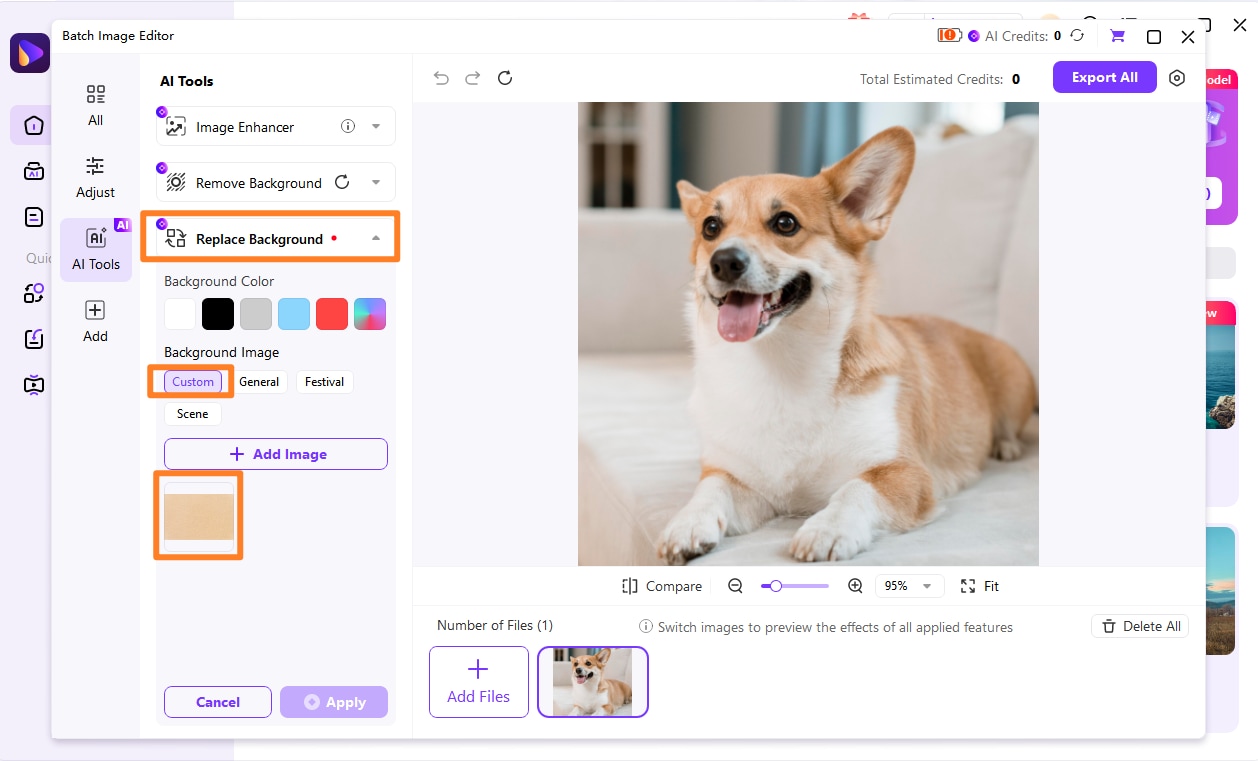
Step 1: Open UniConverter and Choose Background Replacer
First, download and install UniConverter. Once launched, navigate to the "Toolbox" section and select the "Background Replacer" feature. It's usually prominently displayed.
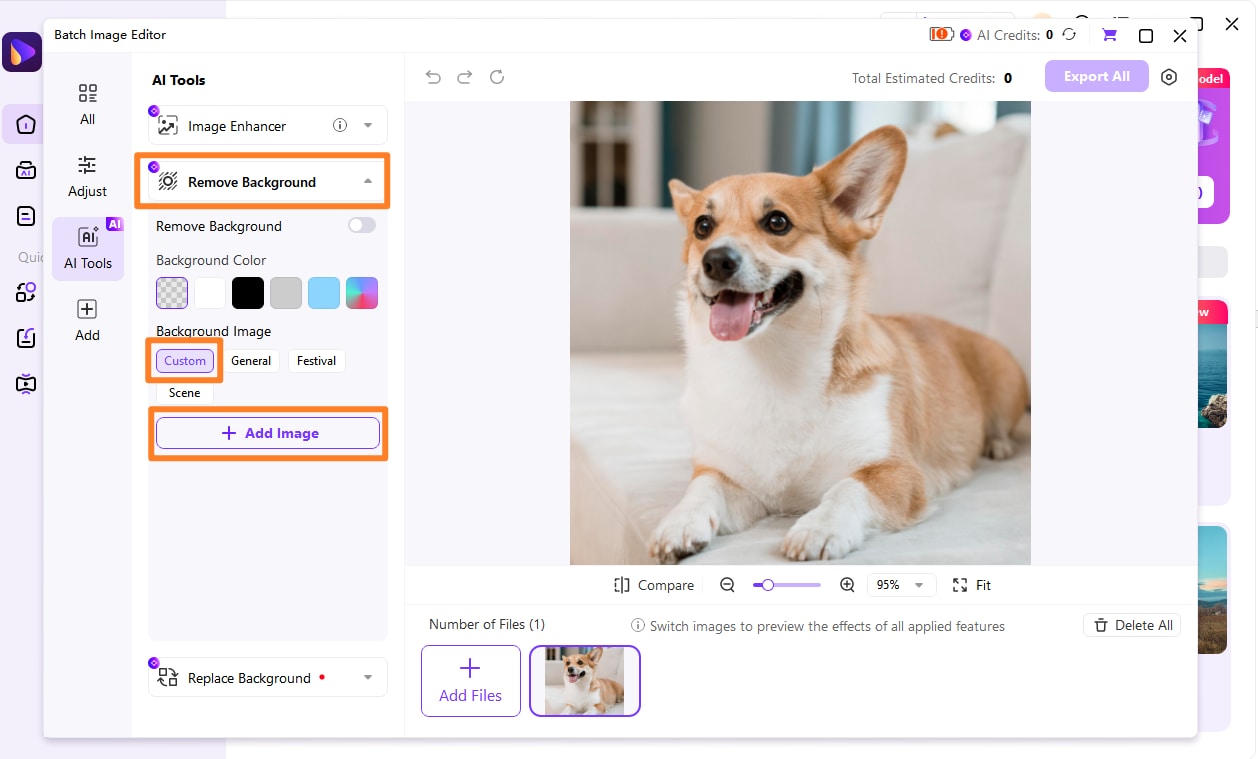
Step 2: Upload the Images
Next, simply drag and drop the images you want to process into the UniConverter interface, or click the "Add Files" button to browse and select them. UniConverter supports batch processing, which is a huge time-saver for me.
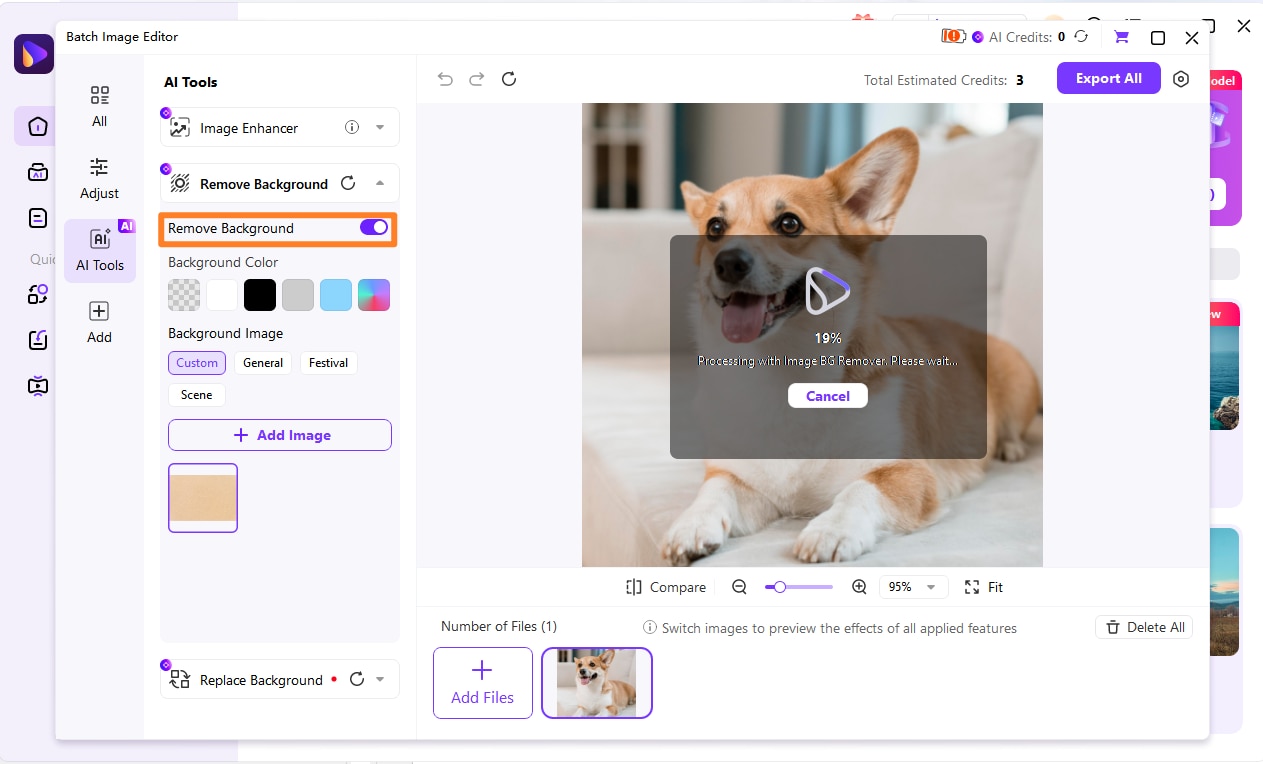
Step 3: Click to Preview Images
After uploading, UniConverter will automatically begin processing the images. You can click on each image to preview the background removal results. This allows you to check the quality before exporting.
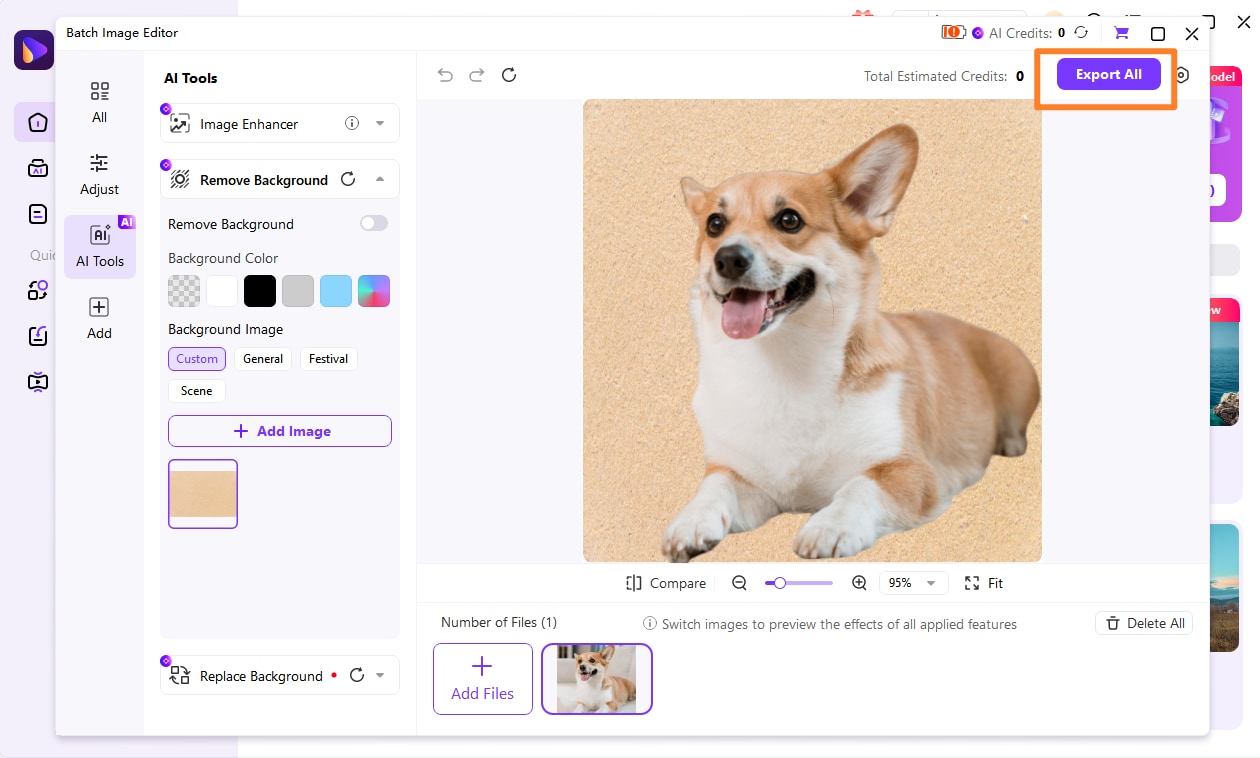
Step 4: Preview and Export Images
Once you're satisfied with the preview, choose your desired output folder and click the "Export" button. UniConverter will quickly save your images with their backgrounds removed, maintaining high quality.

Seeking a GIMP Alternative for Video Editing?
Part 7: Final Verdict and Recommendations
After years of using GIMP, I can confidently say it's an incredibly powerful and valuable tool, especially for those who are budget-conscious or embrace the open-source philosophy. For the frugal and technically inclined, GIMP offers a deep dive into image manipulation without any financial barrier. Its extensive features, customizability, and vast plugin ecosystem mean that with patience and a willingness to learn, you can achieve professional-grade results. However, its steep learning curve and sometimes dated interface can be a deterrent for beginners or those accustomed to more polished commercial alternatives.
When to consider commercial alternatives like Adobe Photoshop or Affinity Photo? If you're a professional working in a team that relies on industry-standard file formats and seamless integration, or if you simply prefer a more intuitive, streamlined user experience with dedicated customer support, the investment in commercial software is often justified. The role of GIMP in a hybrid workflow, for me, is often as a supplementary tool for specific tasks or when I need to quickly edit something on a machine where I don't have commercial software installed. It's a fantastic free option, but understanding its limitations in a professional context is crucial. Ultimately, GIMP review concludes it's a testament to the power of open-source, but it requires a user who is ready to meet it halfway.
Part 8: FAQs
-
1. Is GIMP truly free?
Yes, GIMP is open-source software and completely free to download and use, with no hidden costs or subscriptions.
-
2. Can GIMP open Photoshop files?
GIMP can open most Photoshop (.psd) files, but some advanced features, smart objects, or complex layer effects might not be fully compatible or may be rasterized upon import.
-
3. Is GIMP good for professional use?
While GIMP is powerful, it's generally not considered an industry standard for professional graphic design studios due to its interface, workflow differences compared to Photoshop, and potential compatibility issues in collaborative environments.
-
4. What are the main differences between GIMP and Photoshop?
The main differences lie in pricing (free vs. subscription), user interface (customizable but can feel dated vs. industry standard), learning curve (steep vs. moderate), and the extent of industry-standard integration and dedicated customer support.
-
5. Does GIMP have a mobile version?
No, GIMP is primarily a desktop application and does not have an official mobile version for iOS or Android.
