
- VSCO's Niche: Best for quick, aesthetic mobile video edits for social media, leveraging its signature filters.
- Feature Limitations: Lacks advanced editing like multi-track or precise color grading, unlike professional tools.
- Subscription Model: Full access requires a paid VSCO Membership, impacting cost-effectiveness for casual users.
- UniConverter Advantage: Offers robust, stable, and high-quality video enhancement with extensive format support and GPU acceleration.
- Decision Factor: Choose VSCO for mobile aesthetic, UniConverter for comprehensive enhancement, or CapCut for free mobile features.
In this article
- Part 1: What is VSCO Video Enhancer?
- Part 2: VSCO Video Enhancer: Core Features, Pros & Cons
- Part 3: Who is VSCO Video Enhancer For? Use Cases & Limitations
- Part 4: VSCO Video Enhancer and Alternatives: A Comparative Look
- Part 5: Risks & Pitfalls to Consider
- Part 6: How to Use UniConverter to Efficiently Enhance Videos
- Part 7: Final Verdict & Recommendations
- Part 8: FAQs
VSCO Video Enhancer Review: Elevating Your Mobile Footage
The digital landscape has witnessed an explosion in mobile video content, transforming smartphones into primary tools for capturing life's moments. In this context, applications like VSCO have emerged as popular choices for enhancing visual media. This VSCO video enhancer review delves into the app's capabilities for video editing, assessing its features, strengths, and limitations. We will explore how VSCO positions itself in the competitive mobile video editing market, offering insights into its core functionalities and who it best serves. This review aims to provide a comprehensive understanding of VSCO's video enhancement tools, helping users determine if it aligns with their creative needs and expectations.
Part 1: What is VSCO Video Enhancer?
VSCO, originally celebrated for its sophisticated photo editing filters, has expanded its repertoire to include video enhancement features, aiming to bring its signature aesthetic to moving images. The VSCO video enhancer review focuses on this evolution, examining how effectively the platform translates its renowned photo-centric approach to video. It positions itself as a mobile-first solution for creators looking to quickly apply artistic filters and make basic adjustments to their video clips, primarily for social media sharing. This review seeks to address whether VSCO's video tools offer sufficient depth for modern content creators or if they remain secondary to its photo editing prowess.
The Rise of Mobile Video Editing
The proliferation of smartphones with advanced camera capabilities has fueled a significant demand for accessible and powerful mobile video editing tools. This trend is driven by several key factors:
* Instant Content Creation: Users can capture, edit, and share videos directly from their devices, enabling rapid content cycles.
* Social Media Dominance: Platforms like TikTok, Instagram Reels, and YouTube Shorts prioritize short-form video, making mobile editing essential for engagement.
* Accessibility and Ease of Use: Mobile apps democratize video editing, allowing even novices to produce visually appealing content without extensive training or expensive software.
* On-the-Go Workflow: Creators can work from anywhere, transforming downtime into productive editing sessions.
Part 2: VSCO Video Enhancer: Core Features, Pros & Cons
The VSCO Video Enhancer integrates seamlessly with the existing VSCO ecosystem, offering a familiar interface for users accustomed to its photo editing capabilities. Its core features revolve around applying VSCO's iconic presets and filters to video clips, alongside basic adjustments for exposure, contrast, saturation, and temperature. Users can also trim clips, adjust speed, and add subtle effects to enhance their footage. The emphasis is on aesthetic transformation rather than complex, frame-by-frame editing.
Core Capabilities:
* Preset Application: Apply a wide range of VSCO's renowned filters to videos.
* Basic Adjustments: Control exposure, contrast, saturation, and white balance.
* Trimming and Cropping: Easily cut and resize video clips.
* Speed Control: Adjust playback speed for slow-motion or time-lapse effects.
* Grain and Fade Effects: Add cinematic textures to videos.
Pros:
* Intuitive Interface for Quick Edits: The app is designed for ease of use, allowing for rapid application of edits.
* Powerful Creative Presets and Filters: VSCO's signature aesthetic is readily available for video, offering a distinct look.
* Seamless Integration with VSCO Photo Editing Ecosystem: Users can transition between photo and video editing within the same app.
Cons:
* Limited Advanced Editing Capabilities: Lacks features like multi-track editing, keyframing, or advanced color grading.
* Subscription-Based Model for Full Access: Many desirable features and presets are locked behind a paid membership.
Part 3: Who is VSCO Video Enhancer For? Use Cases & Limitations
VSCO Video Enhancer primarily targets mobile content creators who prioritize aesthetic consistency and quick, impactful edits for social media. Its strength lies in its ability to apply a distinctive visual style with minimal effort, making it ideal for those who value speed and artistic flair over intricate technical control.
Best Use Case: Quick Social Media Content Creation
For influencers, casual vloggers, or anyone looking to quickly polish short video clips for platforms like Instagram Stories, TikTok, or YouTube Shorts, VSCO Video Enhancer is an excellent tool. Its extensive library of presets allows users to maintain a consistent brand aesthetic across their visual content, ensuring that videos look as polished and curated as their photos. The ease of use means creators can edit and upload content on the go, without needing to transfer files to a desktop.
Limited Use Case: Professional-Grade Video Production
VSCO Video Enhancer falls short for professional videographers or those requiring advanced editing functionalities. It lacks the multi-track editing, precise audio control, complex visual effects, and detailed color grading tools found in professional desktop software or even more robust mobile video editors. For projects demanding high production value, intricate storytelling, or specific technical requirements, VSCO's capabilities will prove too restrictive.
Part 4: VSCO Video Enhancer and Alternatives: A Comparative Look
When evaluating VSCO Video Enhancer, it's crucial to compare its offerings against other popular video editing solutions. This comparison highlights where VSCO excels and where alternatives might provide a more comprehensive or specialized experience.
| Feature/Product | VSCO Video Enhancer | UniConverter | CapCut | DaVinci Resolve |
| Ease of Use | High | Medium | High | Low |
| Advanced Features | Low | High | Medium | Very High |
| Price | Subscription | Paid (one-time/sub) | Free (with in-app purchases) | Free (Studio version paid) |
| Output Quality | Good | Excellent | Good | Excellent |
| Processing Speed | Fast (mobile) | Very Fast (GPU accel.) | Fast (mobile) | Fast (GPU accel.) |
| Format Support | Limited | Extensive | Good | Extensive |
| Customer Support | Email/FAQ | 24/7 Live Chat | Community/FAQ | Forum/Documentation |
| Security | Standard App | High (offline processing) | Standard App | High (offline processing) |
VSCO's strength lies in its mobile-first design and aesthetic filters, making it incredibly user-friendly for quick, stylish edits. However, for users seeking more robust features, UniConverter offers a balanced solution with extensive format support and powerful enhancement capabilities, often with GPU acceleration for faster processing. CapCut provides a strong free alternative with a good balance of features for mobile users, while DaVinci Resolve stands as a professional-grade, desktop-centric tool for unparalleled control and quality, albeit with a steeper learning curve. The choice depends heavily on the user's skill level, desired output quality, and specific project requirements.
Part 5: Risks & Pitfalls to Consider
While VSCO Video Enhancer offers a convenient way to enhance mobile videos, users should be aware of several potential risks and limitations, especially when relying on mobile-centric or subscription-based services.
Data Privacy Concerns
As a cloud-connected mobile application, VSCO handles user data, including uploaded videos. While VSCO states its commitment to privacy, users should always review the app's privacy policy to understand how their content and personal information are collected, stored, and used. For sensitive projects, processing videos offline or with desktop software might be a safer option.
In-App Advertisements (for free tier)
Although VSCO primarily operates on a subscription model, some free features or older versions might display in-app advertisements. These ads can disrupt the editing workflow and detract from the user experience, pushing users towards the paid subscription.
Potential for Quality Loss on Export
Mobile video editors, including VSCO, can sometimes lead to a slight degradation in video quality upon export, especially if the original footage is high-resolution or if specific compression settings are not carefully managed. This can manifest as increased compression artifacts, reduced sharpness, or color banding, which might be more noticeable on larger screens.
Subscription Fatigue
VSCO's full feature set is locked behind a paid subscription (VSCO Membership). For users already juggling multiple subscriptions for various services, adding another one specifically for video enhancement can contribute to "subscription fatigue." The cost-benefit analysis becomes crucial, especially if only a few features are regularly used.
Learning Curve for New Users
While VSCO is generally intuitive, new users unfamiliar with its specific interface or the nuances of video editing might still experience a slight learning curve. Understanding how presets affect video, managing exposure, and mastering the trimming tools can take some practice to achieve desired results consistently.
Part 6: How to Use UniConverter to Efficiently Enhance Videos
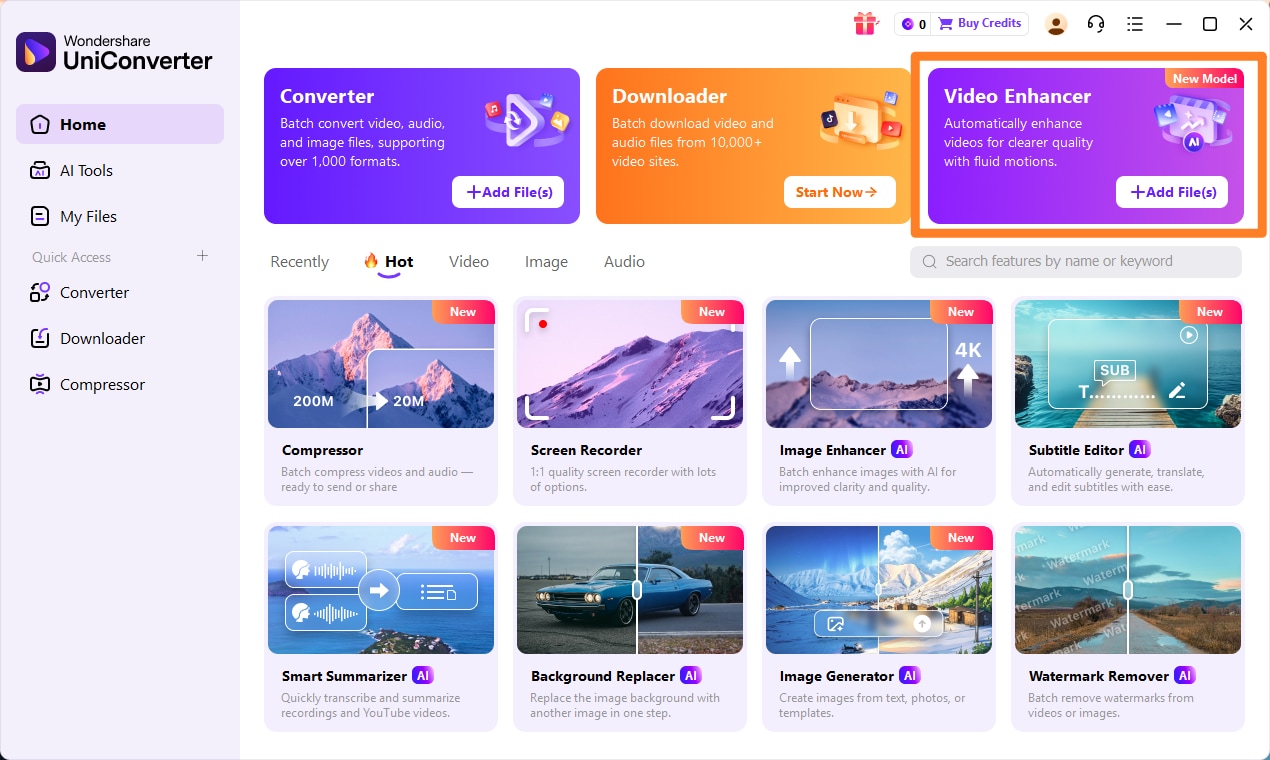
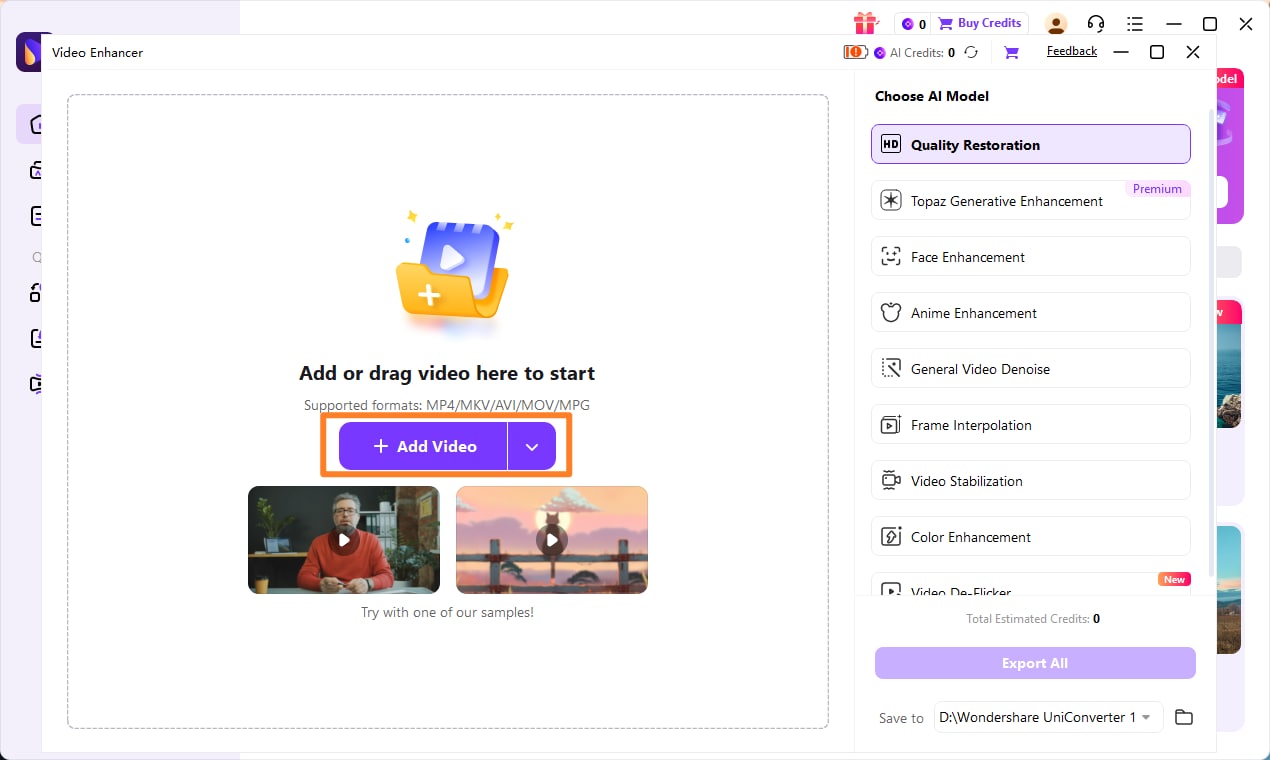
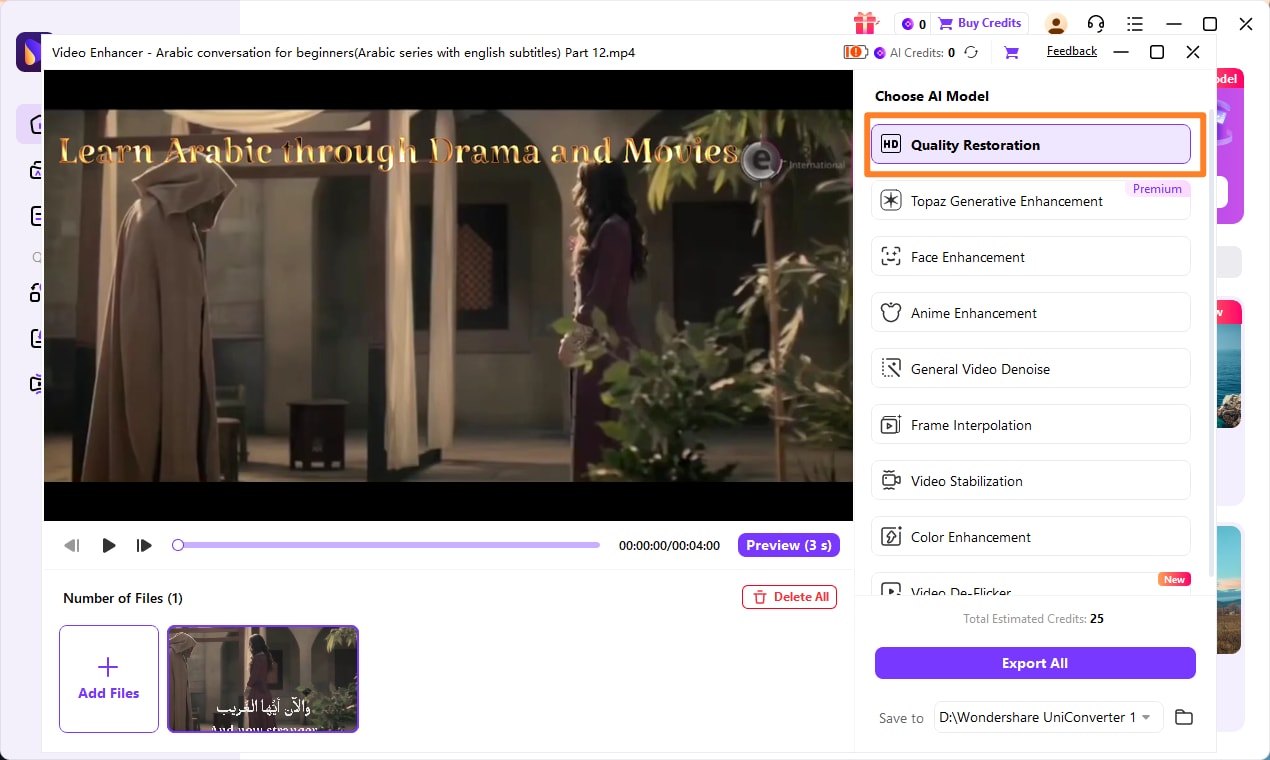
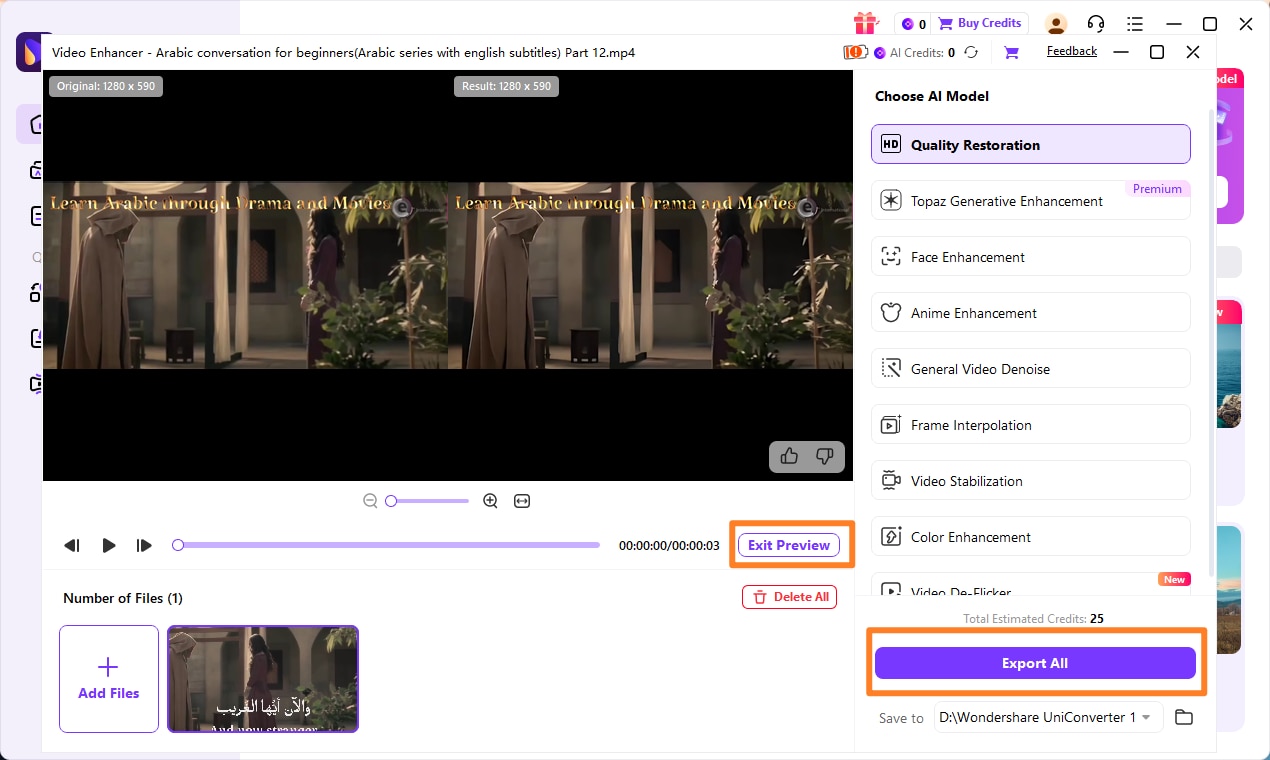
When other tools fall short in batch processing, stable enhancement, or delivering noticeable improvements, UniConverter emerges as a robust solution. It offers a comprehensive suite of video tools, including powerful enhancement features, without the common drawbacks of mobile apps like ads, quality loss, or limited format support. UniConverter leverages GPU acceleration for faster processing, ensures stable and lossless enhancement, and supports a vast array of formats, making it an all-in-one ultimate solution for video editing and conversion needs. For instance, its advanced background replacer capabilities allow users to effortlessly change or remove video backgrounds, enhancing visual appeal. This feature is particularly useful for creating professional-looking content without needing a green screen. You can even achieve a high-definition background remover effect, ensuring your videos maintain pristine quality. Furthermore, UniConverter allows you to remove background without losing quality, a crucial aspect for professional video production.
### Step 1: Open UniConverter and Choose Video Enhancer
### Step 2: Upload the Videos
### Step 3: Choose Enhancement Model
### Step 4: Preview and Save the Enhanced Video

Seeking a VSCO Video Enhancer Alternative?
Part 7: Final Verdict & Recommendations
The VSCO video enhancer review reveals a tool well-suited for a specific niche within the mobile video editing landscape. For casual creators and social media enthusiasts who prioritize aesthetic filters and quick, stylized edits, VSCO offers an intuitive platform to achieve a consistent visual brand. Its seamless integration with the VSCO photo ecosystem is a significant advantage for users already invested in its presets. However, for aspiring professionals or those requiring advanced editing capabilities, VSCO's limitations in terms of multi-track editing, precise color grading, and comprehensive effects become apparent. In such cases, more robust mobile editors or desktop software would be necessary. Budget-conscious users might find the subscription model a barrier, prompting them to explore free alternatives like CapCut, which offers a surprising array of features without an upfront cost. Ultimately, for a balanced solution that combines powerful enhancement, extensive format support, and a stable, ad-free experience, UniConverter stands out as a strong recommendation, especially for users seeking a more comprehensive and reliable video toolkit beyond basic mobile enhancements.
Part 8: FAQs
-
1. Is VSCO Video Enhancer free to use?
VSCO offers a limited free version, but most advanced video enhancement features and a full library of presets require a paid VSCO Membership subscription.
-
2. Can I enhance 4K videos with VSCO?
While VSCO can import and edit 4K videos, its primary focus is on mobile-friendly output. The export quality and processing speed for high-resolution 4K footage might not match dedicated desktop software, and some quality loss might occur during compression.
-
3. How does VSCO compare to CapCut for video enhancement?
VSCO focuses on aesthetic filters and a curated look, while CapCut offers a broader range of editing tools, including effects, transitions, and text options, often for free. CapCut is generally considered more feature-rich for general mobile video editing without a subscription.
-
4. What are the best settings for exporting videos from VSCO?
VSCO typically optimizes export settings for social media platforms. For the best quality, ensure you're exporting at the highest available resolution and bitrate within the app's options. Avoid excessive compression if possible, though specific settings are often automated.
-
5. Does VSCO offer desktop video editing?
No, VSCO is primarily a mobile application designed for iOS and Android devices. It does not offer a dedicated desktop video editing application.
