
- PhotoTune Overview: AI-powered image enhancer for quick fixes, ideal for social media and casual users.
- Core Features: AI-driven enhancement, one-click operation, noise reduction, color correction, and upscaling.
- Best Use Cases: Perfect for quick social media posts; less suitable for professional print photography requiring precision.
- Comparison Insights: PhotoTune excels in speed and ease; UniConverter offers a versatile all-in-one solution for images and videos.
- Potential Pitfalls: Cloud processing raises privacy concerns; risk of over-enhancement; subscription costs can add up.
- UniConverter Alternative: Offers robust image enhancement, batch processing, and GPU acceleration for efficient results.
- Final Recommendation: PhotoTune is great for casual users; professionals need more control, found in tools like UniConverter.
In this article
- Part 1: What is PhotoTune Image Enhancer
- Part 2: PhotoTune Image Enhancer: Core Features, Pros, and Cons
- Part 3: Who Benefits from PhotoTune and When to Use It
- Part 4: PhotoTune and Alternatives Comparison
- Part 5: Risks and Pitfalls to Consider
- Part 6: How to Use UniConverter for Efficient Image Enhancement
- Part 7: Final Verdict and Recommendations
- Part 8: FAQs
When I first started looking into AI image enhancers, I was overwhelmed by the sheer number of options promising to magically transform my photos. My main goal was to find something quick and effective for social media, but also reliable enough for occasional client work. This PhotoTune image enhancer review dives deep into my experience with PhotoTune, comparing it against some of its prominent competitors. I'll share my insights on its core features, ideal use cases, and potential pitfalls, aiming to help you make an informed decision about whether it's the right tool for your image enhancement needs.
Part 1: What is PhotoTune Image Enhancer
PhotoTune Image Enhancer positions itself as an AI-powered solution designed to automatically improve the quality of your digital images. It promises to fix common issues like blurriness, poor lighting, and low resolution with minimal effort. I initially approached it with a mix of skepticism and hope, wondering if it could truly deliver on its claims without requiring extensive manual adjustments. My journey with PhotoTune has been about discovering its strengths and limitations in real-world scenarios.
The Rise of AI-Powered Image Enhancement
The demand for quick and effective image enhancement tools has surged, driven by several factors:
* Social Media Dominance: Everyone wants their photos to look their best on platforms like Instagram and Facebook, often needing instant improvements.
* Smartphone Photography: With smartphones becoming primary cameras, there's a constant need to elevate the quality of everyday snapshots.
* Accessibility: Traditional photo editing software can be complex; AI tools offer a user-friendly alternative for non-professionals.
* Time-Saving: AI automation significantly reduces the time spent on manual adjustments, freeing up creators for other tasks.
Part 2: PhotoTune Image Enhancer: Core Features, Pros, and Cons
PhotoTune, in my experience, focuses heavily on automation. Its core ability lies in its AI algorithms that analyze an image and apply a series of enhancements to improve clarity, color, and detail. I found it particularly useful for quick fixes on photos that didn't require intricate editing.
* AI-driven intelligent enhancement for various image types: It genuinely tries to understand the image content.
* One-click enhancement: My favorite feature for speed.
* Noise reduction: Surprisingly effective on grainy photos.
* Color correction: It often balances colors quite well.
* Upscaling capabilities: Useful for slightly increasing resolution.
- Pros:
- AI-driven intelligent enhancement for various image types.
- User-friendly interface, suitable for beginners.
- Batch processing capabilities for efficiency.
- Cons:
- Limited advanced manual control for professional users.
- Subscription model can be costly for infrequent use.
Part 3: Who Benefits from PhotoTune and When to Use It
From my perspective, PhotoTune shines for those who prioritize speed and simplicity over granular control. If you're not a professional photographer but still want your images to look polished, this is definitely worth considering.
- Optimal Scenario: Quick Social Media Post Preparation
I've found PhotoTune to be incredibly useful for enhancing smartphone photos for immediate sharing on platforms like Instagram or Facebook. When speed and ease of use are paramount, and I just need a quick boost in quality before posting, PhotoTune is my go-to. It saves me a lot of time compared to opening up more complex editing software.
- Limited Scenario: Professional Print Photography
However, I wouldn't recommend PhotoTune for high-resolution print photography. It simply doesn't offer the precise color grading, intricate detail recovery, and extensive manual adjustments that professional work demands. For client projects where every pixel counts, I still rely on more robust, professional-grade tools.
Part 4: PhotoTune and Alternatives Comparison
When I started using PhotoTune, I also looked at other options to see how it stacked up. Here's a quick comparison based on my experience:
| Feature/Scenario | PhotoTune Image Enhancer | Luminar Neo | Topaz Photo AI | UniConverter |
| Ease of Use (Social Media) | Excellent | Good | Moderate | Excellent |
| AI Enhancement Quality (General) | Very Good | Excellent | Excellent | Very Good |
| Manual Control (Professional) | Limited | Extensive | Moderate | Moderate |
| Batch Processing | Yes | Yes | Yes | Yes |
| Pricing Model | Subscription | One-time purchase + Subscription | One-time purchase | Subscription/Perpetual |
| Privacy Policy | Standard | Transparent | Transparent | Transparent |
Key Differentiators: Speed vs. Precision, AI vs. Manual Control
What I've learned is that PhotoTune excels in speed and ease of use, making it perfect for quick, general enhancements. Luminar Neo offers a fantastic balance of AI and extensive manual controls, which I appreciate for more creative projects. Topaz Photo AI, on the other hand, is a powerhouse for detail recovery and noise reduction, though it can be a bit more hands-on. UniConverter, surprisingly, offers a solid all-in-one solution if you're dealing with both images and videos. If you're just looking for quick, decent results, PhotoTune is great. If you need more control or specialized enhancements, the others might be better fits.
Part 5: Risks and Pitfalls to Consider
While PhotoTune offers convenience, I've encountered a few things that users should be aware of before committing. It's not always a perfect solution, and understanding its limitations can save you some headaches.
Data Privacy Concerns with Cloud Processing
One of my biggest concerns with many AI enhancers, including PhotoTune, is the reliance on cloud processing. When I upload my images, I'm essentially sending my personal photos to a third-party server. While PhotoTune's privacy policy outlines how user data and uploaded images are handled, I always feel a slight unease about the security of my personal content. It's something I think about, especially with sensitive images.
Potential for Over-Enhancement and Unnatural Results
I've definitely seen instances where PhotoTune, in its attempt to "enhance," went a bit overboard. Sometimes, the AI can over-sharpen an image, boost colors too much, or smooth out textures to the point where the photo looks unnatural or artificial. It's a fine line between enhancement and distortion, and I've had to re-do images because the initial AI output was just too much.
Subscription Fatigue and Hidden Costs
The subscription model is another point of contention for me. While it offers access to continuous updates, if I only use the tool occasionally, the monthly or annual fee can feel like a hidden cost that adds up. I've experienced "subscription fatigue" from having too many monthly payments, and PhotoTune's model is one of them. It makes me question if I'm getting enough value for my money if I'm not using it constantly.
Compatibility Issues with Niche File Formats
While PhotoTune handles common formats like JPG and PNG well, I've run into issues with more niche or professional file types, like certain RAW formats. It's not always compatible, which means I have to convert my files first, adding an extra step to my workflow. This can be a minor inconvenience, but it's something to keep in mind if you work with a variety of image formats.
Part 6: How to Use UniConverter for Efficient Image Enhancement
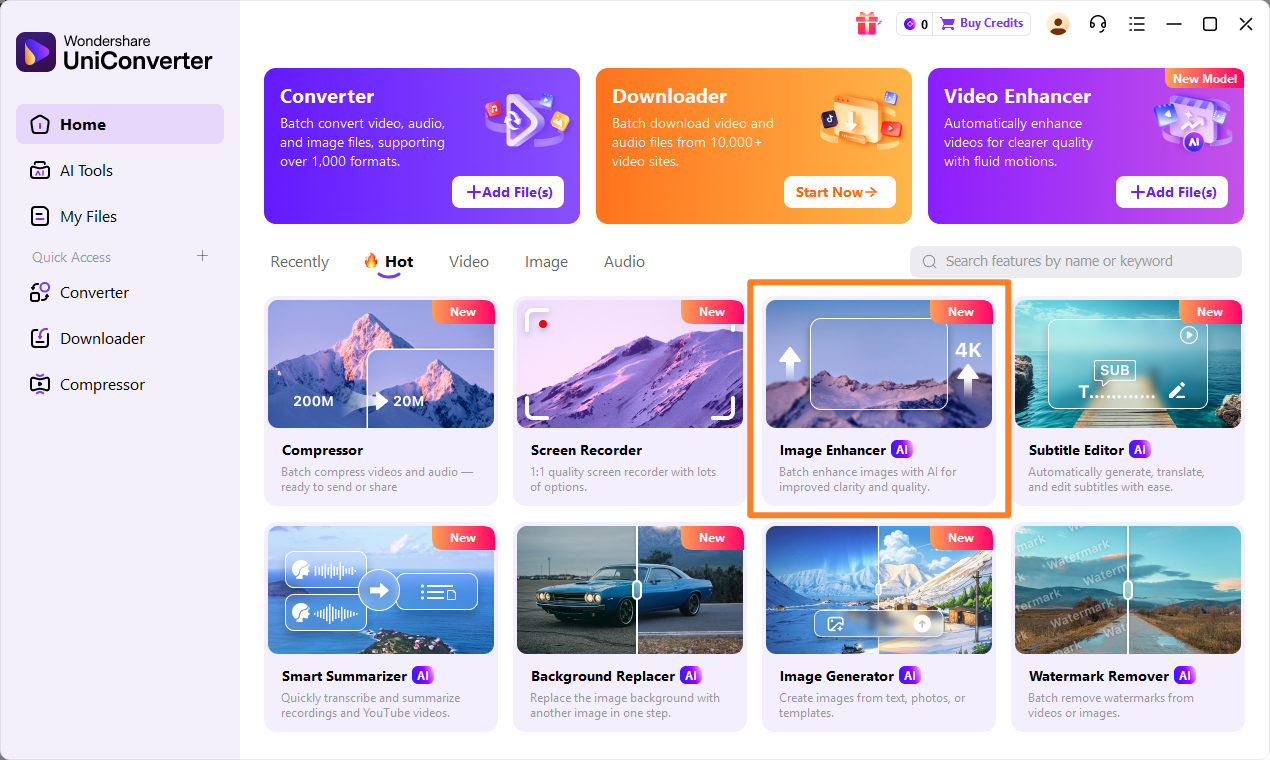
When other tools fall short with batch processing, unstable enhancements, or weak results, I often turn to UniConverter. It's become my reliable alternative for comprehensive image and video needs, offering a stable and robust solution without the annoyances of ads or inconsistent quality. UniConverter provides a broader range of features, including image enhancement, video conversion, and editing, making it a versatile all-in-one tool. Its GPU acceleration ensures fast processing, and I appreciate its commitment to maintaining original quality. For those looking to upscale their images to 4K or simply improve overall clarity, this tool is highly effective. It can also help you fix pixelated videos with ease.
Step 1: Open UniConverter and Choose Image Enhancer
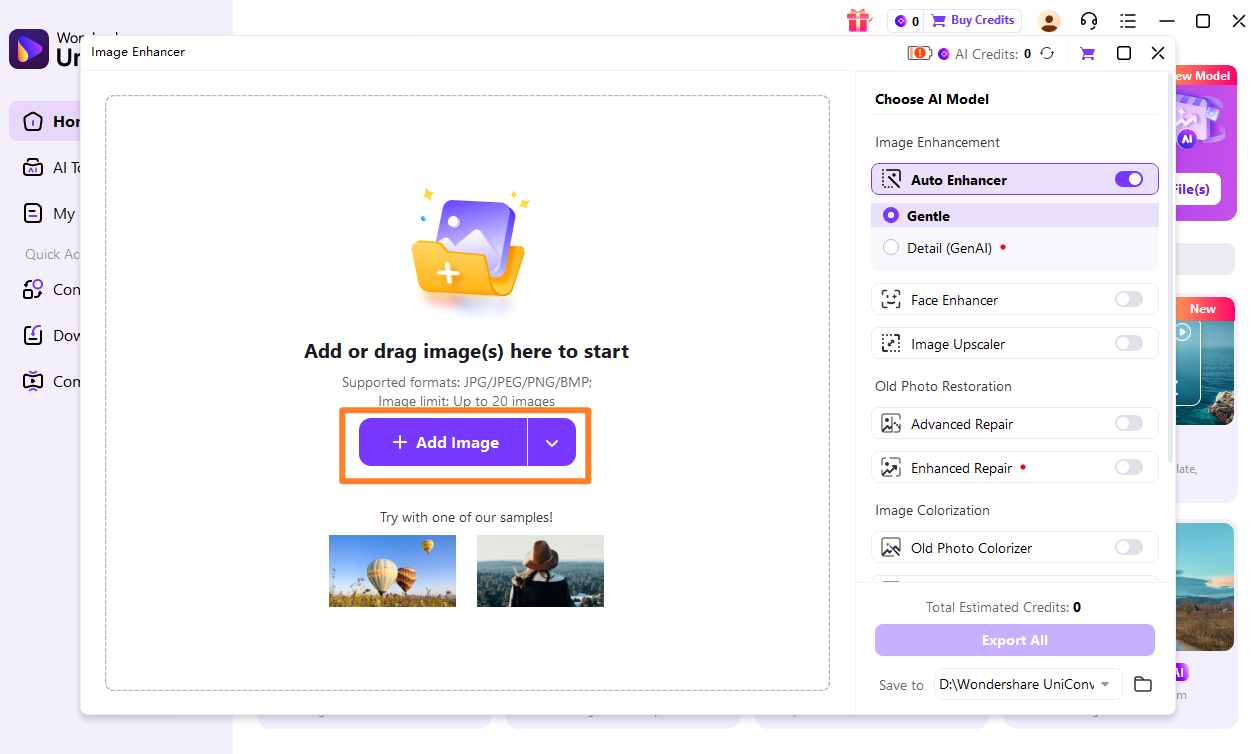
Step 2: Upload the Images
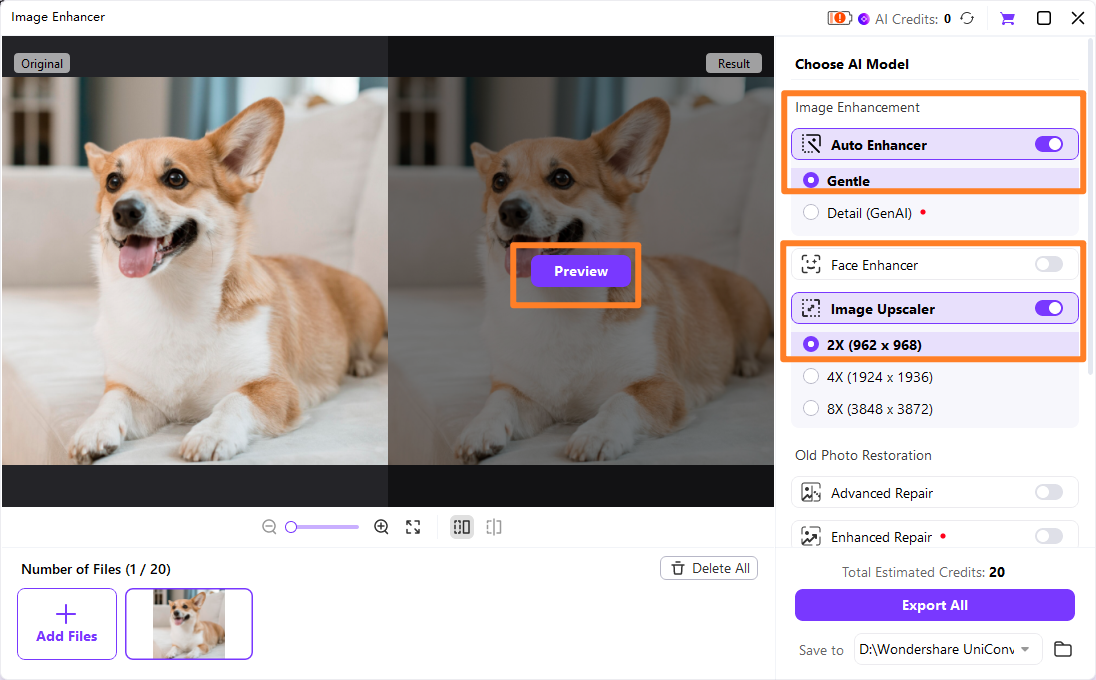
Step 3: Choose Enhancement Model
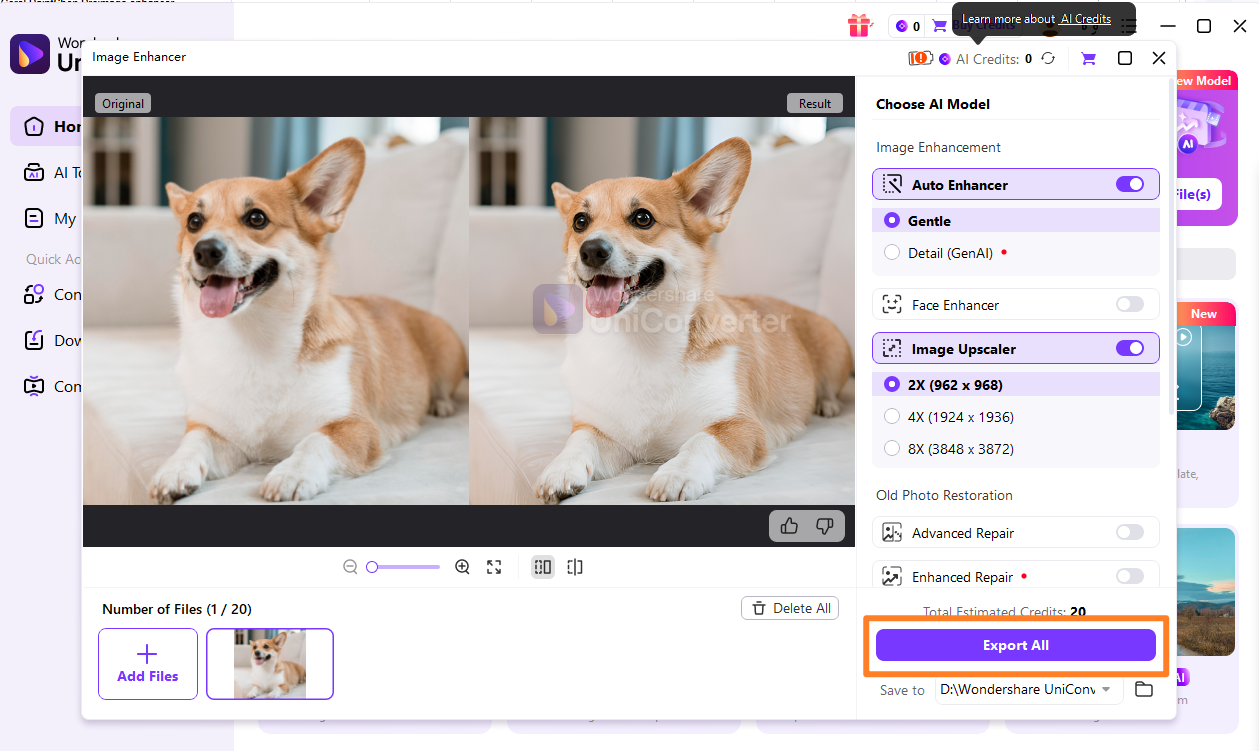
Step 4: Preview and Save the Enhanced Images

Seeking a PhotoTune Image Enhancer Alternative?
Part 7: Final Verdict and Recommendations
After spending considerable time with PhotoTune image enhancer, I've come to a clear understanding of its strengths and weaknesses. It's a tool that excels in specific scenarios but falls short in others. My overall impression is that it's a convenient solution for quick, general enhancements, but it's not a one-size-fits-all answer.
For Casual Users and Social Media Enthusiasts
If you're like me and primarily want to quickly spruce up your smartphone photos for Instagram, Facebook, or other social media platforms, PhotoTune is an excellent choice. Its ease of use and AI-driven automation mean you can get decent results with minimal effort. You don't need to be an expert to make your photos look better, and the batch processing is a huge time-saver for multiple uploads.
For Content Creators and Small Businesses
For content creators or small businesses that need consistent, good-quality images for marketing materials or websites, PhotoTune can be a valuable asset for efficiency. However, I'd recommend using it as a first pass, and then perhaps refining the images further with a tool that offers more control if absolute perfection is required. It's great for volume, but sometimes lacks the finesse needed for high-stakes visuals.
For Professional Photographers and Graphic Designers
For professional photographers and graphic designers, I honestly believe PhotoTune will likely feel too limiting. The lack of extensive manual controls, precise color grading, and advanced detail recovery features means it can't replace dedicated professional software. While it might offer a quick initial enhancement, you'll still need to turn to tools like Luminar Neo or Adobe Photoshop for the nuanced adjustments that professional work demands.
Part 8: FAQs
-
1. Is PhotoTune Image Enhancer free to use?
PhotoTune typically offers a free trial, but full functionality requires a subscription.
-
2. How does PhotoTune handle image privacy?
PhotoTune's privacy policy outlines how user data and uploaded images are handled, usually involving cloud processing.
-
3. Can PhotoTune enhance old, low-resolution photos?
Yes, PhotoTune's AI is designed to improve the quality of various image types, including older or lower-resolution ones, but results may vary.
-
4. What are the main differences between PhotoTune and professional photo editing software?
PhotoTune focuses on AI-driven automatic enhancements for ease of use, while professional software offers extensive manual controls and advanced editing tools.
-
5. Is UniConverter a good alternative for PhotoTune?
Yes, UniConverter offers a broader range of features, including image enhancement, video conversion, and editing, making it a versatile alternative.
