
- Value Proposition: Final Cut Pro Video Enhancers elevate video quality, crucial for professional post-production and challenging footage.
- Core Features: AI upscaling, noise reduction, and color grading are key for transforming suboptimal video.
- Target Audience: Ideal for professionals restoring archival footage; overkill for casual users needing simple fixes.
- Comparison: FCPX enhancers offer deep integration and specialized AI, distinct from general editors or raw AI tools.
- Risks: Beware of over-processing, compatibility issues, and resource demands; consider pricing models carefully.
- UniConverter Alternative: Offers stable, user-friendly batch processing and high-quality enhancement, bypassing FCPX plugin limitations.
- Decision: Choose based on need: dedicated FCPX enhancers for pros, UniConverter for versatility, or FCPX native for basics.
In this article
- Part 1: What is Final Cut Pro Video Enhancer
- Part 2: Final Cut Pro Video Enhancer: Core Features, Pros, and Cons
- Part 3: Target Audience and Use Cases for Final Cut Pro Video Enhancers
- Part 4: Final Cut Pro Video Enhancer vs. Competitors
- Part 5: Risks and Pitfalls to Consider
- Part 6: How to Use UniConverter to Efficiently Enhance Videos
- Part 7: Final Verdict and Recommendations
- Part 8: FAQs
Final Cut Pro Video Enhancer: A Comprehensive Review and Comparison
The demand for high-quality video content has never been greater, pushing creators to seek advanced tools for post-production. Final Cut Pro Video Enhancer review delves into a specialized category of software designed to elevate video quality within the Final Cut Pro ecosystem. This comprehensive analysis will explore the core functionalities, advantages, and limitations of these enhancers, comparing them against leading alternatives. We aim to provide a clear understanding of their value proposition, helping both professional filmmakers and casual users make informed decisions about integrating these powerful tools into their workflows. This review will address key questions regarding performance, ease of use, and overall return on investment, ensuring a thorough evaluation of the available options.
Part 1: What is Final Cut Pro Video Enhancer
Final Cut Pro Video Enhancer refers to a suite of plugins, standalone software, or integrated features designed to improve the visual quality of video footage within or alongside Apple's professional video editing software, Final Cut Pro X (FCPX). These tools typically leverage advanced algorithms, including AI, to address common video imperfections such as low resolution, noise, blur, and poor color rendition. The primary goal is to transform suboptimal footage into broadcast-quality or visually appealing content, extending the lifespan of archival material or rescuing challenging new productions. This review aims to clarify which solutions offer the best balance of performance, integration, and value for different user needs.
The Growing Need for Video Enhancement in Post-Production
The increasing prevalence of diverse video sources, from vintage film to smartphone footage, has created a significant demand for robust enhancement capabilities.
* Rescuing Suboptimal Footage: Many projects involve footage shot under less-than-ideal conditions, requiring significant post-production work to meet quality standards.
* Future-Proofing Archival Content: Older footage often needs upscaling and enhancement to be compatible with modern high-resolution displays and distribution platforms.
* Meeting Professional Standards: High-end productions demand pristine visual quality, making advanced enhancement tools indispensable for achieving a polished final product.
* Creative Control and Artistic Expression: Enhancers provide filmmakers with greater control over the aesthetic of their video, allowing for artistic manipulation beyond basic color correction.
Part 2: Final Cut Pro Video Enhancer: Core Features, Pros, and Cons
Final Cut Pro Video Enhancers are specialized tools that extend FCPX's native capabilities, offering a range of advanced features to significantly improve video quality. These tools are built to handle complex visual challenges, often leveraging cutting-edge technology to deliver superior results. Their core strength lies in their ability to process and refine video data beyond what standard editing software can achieve, making them invaluable for demanding projects.
Core Features:
* AI-Powered Upscaling: Utilizes artificial intelligence to intelligently increase video resolution without introducing artifacts.
* Advanced Noise Reduction: Employs sophisticated algorithms to eliminate grain and digital noise while preserving detail.
* Professional Color Correction & Grading: Offers precise control over color, contrast, and saturation for cinematic looks.
* Detail Sharpening & Restoration: Enhances fine details and recovers lost information from blurry or soft footage.
* Stabilization & De-flicker: Corrects shaky footage and removes flickering from time-lapses or old film.
Pros:
* Seamless Integration with FCPX Workflow: Many enhancers are designed as plugins, allowing direct application within Final Cut Pro X.
* Advanced AI-Powered Upscaling and Noise Reduction: Delivers superior results compared to traditional methods, especially for challenging footage.
* Professional-Grade Color Correction and Grading Tools: Provides granular control for achieving precise and cinematic color aesthetics.
Cons:
* Steep Learning Curve for Beginners: The advanced features and controls can be overwhelming for new users.
* Resource-Intensive, Requiring High-End Hardware: Processing high-resolution enhanced video demands significant CPU, GPU, and RAM resources.
Part 3: Target Audience and Use Cases for Final Cut Pro Video Enhancers
Final Cut Pro Video Enhancers cater to a specific segment of video professionals and enthusiasts who prioritize visual fidelity and are willing to invest in specialized tools. These solutions are not one-size-fits-all but rather excel in particular scenarios where native FCPX capabilities fall short. Understanding the ideal user and their specific needs is crucial for evaluating the true value of these enhancers.
Best Use Case: Professional Filmmakers and Videographers Restoring Archival Footage
Professional filmmakers, documentary creators, and archivists frequently encounter footage that is old, low-resolution, or damaged. For these users, a Final Cut Pro Video Enhancer is indispensable. It allows them to:
* Upscale vintage film or standard-definition video to 4K or even 8K, making it suitable for modern displays and distribution.
* Remove significant noise, scratches, and dust from aged footage, bringing clarity and detail back to historical records.
* Correct severe color shifts and fading that occur over time, restoring the original vibrancy and accuracy of the colors.
* Integrate seamlessly into existing FCPX workflows, saving time and maintaining project consistency for complex productions.
Limited Use Case: Casual Users Needing Quick, Simple Enhancements
For casual users, hobbyists, or those primarily working with relatively good quality source material, the advanced features and complexity of dedicated Final Cut Pro Video Enhancers might be overkill. These users typically:
* Require quick, automated solutions for minor adjustments rather than deep, granular control.
* May find the learning curve too steep for occasional use, preferring simpler, more intuitive interfaces.
* Are often budget-conscious, making the premium price point of professional enhancers less appealing for their needs.
* Can often achieve satisfactory results with FCPX's native tools or more general-purpose video editors that offer basic enhancement features.
Part 4: Final Cut Pro Video Enhancer vs. Competitors
When evaluating Final Cut Pro Video Enhancers, it's essential to compare them against other leading solutions in the market to understand their unique positioning and value. This comparison highlights key performance indicators and features that differentiate these tools.
| Feature/Product | Final Cut Pro Video Enhancer | Topaz Video AI | DaVinci Resolve Studio | Adobe Premiere Pro |
| AI Upscaling | Excellent | Excellent | Good | Moderate |
| Noise Reduction | Excellent | Excellent | Good | Moderate |
| Color Grading | Excellent | Excellent | Excellent | Good |
| Ease of Use | Moderate | Moderate | Difficult | Moderate |
| Price | Premium | Premium | Premium | Subscription |
| Processing Speed | Fast (GPU) | Very Fast (GPU) | Fast (GPU) | Moderate (GPU) |
| Output Quality | High | Very High | High | Good |
| Customer Support | Good | Excellent | Good | Good |
| Security | High | High | High | High |
Key Differentiators: Integration, AI Capabilities, and Professional Toolset
Final Cut Pro Video Enhancers distinguish themselves primarily through their deep integration with the FCPX ecosystem, offering a streamlined workflow for users already committed to Apple's professional editing platform. Their advanced AI capabilities for upscaling and noise reduction are often specifically optimized for video, providing results that can surpass general-purpose editing software. Furthermore, these enhancers typically boast a professional toolset for color correction and grading, designed to meet the rigorous demands of high-end productions. While competitors like Topaz Video AI excel in raw AI power, and DaVinci Resolve Studio offers unparalleled color grading, FCPX enhancers provide a cohesive and specialized solution for Final Cut Pro users.
Part 5: Risks and Pitfalls to Consider
While Final Cut Pro Video Enhancers offer powerful capabilities, users must be aware of potential risks and pitfalls that can impact their projects and overall experience. Understanding these challenges is crucial for making an informed decision and mitigating potential issues.
Potential for Over-Processing and Unnatural Results
One significant risk is the tendency to over-process footage. Aggressive application of enhancement features like sharpening, noise reduction, or upscaling can lead to artifacts, a "plastic" look, or an overall unnatural appearance. This can detract from the original aesthetic and make the video look artificial rather than improved.
Compatibility Issues with Older FCPX Versions
Many advanced video enhancers are developed to leverage the latest FCPX features and macOS capabilities. This can lead to compatibility issues with older versions of Final Cut Pro X, potentially causing crashes, unexpected behavior, or the inability to use the plugin at all. Users should always verify compatibility before purchasing.
Subscription Model vs. One-Time Purchase Costs
The pricing model of video enhancers varies. Some operate on a subscription basis, which can lead to higher long-term costs, especially for infrequent users. Others offer a one-time purchase, but these often come with a higher upfront cost and may require separate purchases for major version upgrades, which can be a hidden expense.
Data Privacy Concerns with Cloud-Based Enhancers
While less common for FCPX-specific plugins, some video enhancement solutions (especially standalone or web-based ones) might process video data in the cloud. This raises data privacy concerns, particularly for sensitive or proprietary content. Users should carefully review the privacy policies and data handling practices of any cloud-connected enhancer.
Inconsistent Enhancement Quality Across Different Footage Types
Not all footage responds equally well to enhancement. What works wonders for a noisy, low-light shot might produce undesirable effects on a clean, well-lit clip. Users might experience inconsistent results across different types of source material, requiring manual adjustments and potentially more time than anticipated.
Part 6: How to Use UniConverter to Efficiently Enhance Videos
When dedicated FCPX enhancers fall short, or you need a versatile, stable, and user-friendly solution for batch processing and high-quality video enhancement, UniConverter stands out as an excellent alternative. It bypasses common issues like unstable enhancement, weak effects, and lack of batch processing found in some specialized tools. UniConverter offers a comprehensive suite of features, including GPU acceleration, lossless quality, and extensive format support, making it an ultimate all-in-one solution for video improvement without ads or intrusive pop-ups. For those looking to enhance video quality, this tool provides robust capabilities. You can also upscale video resolution with ease. If you're dealing with pixelated videos, UniConverter can help restore clarity. Additionally, it offers solutions to unblur a video and improve overall visual fidelity.
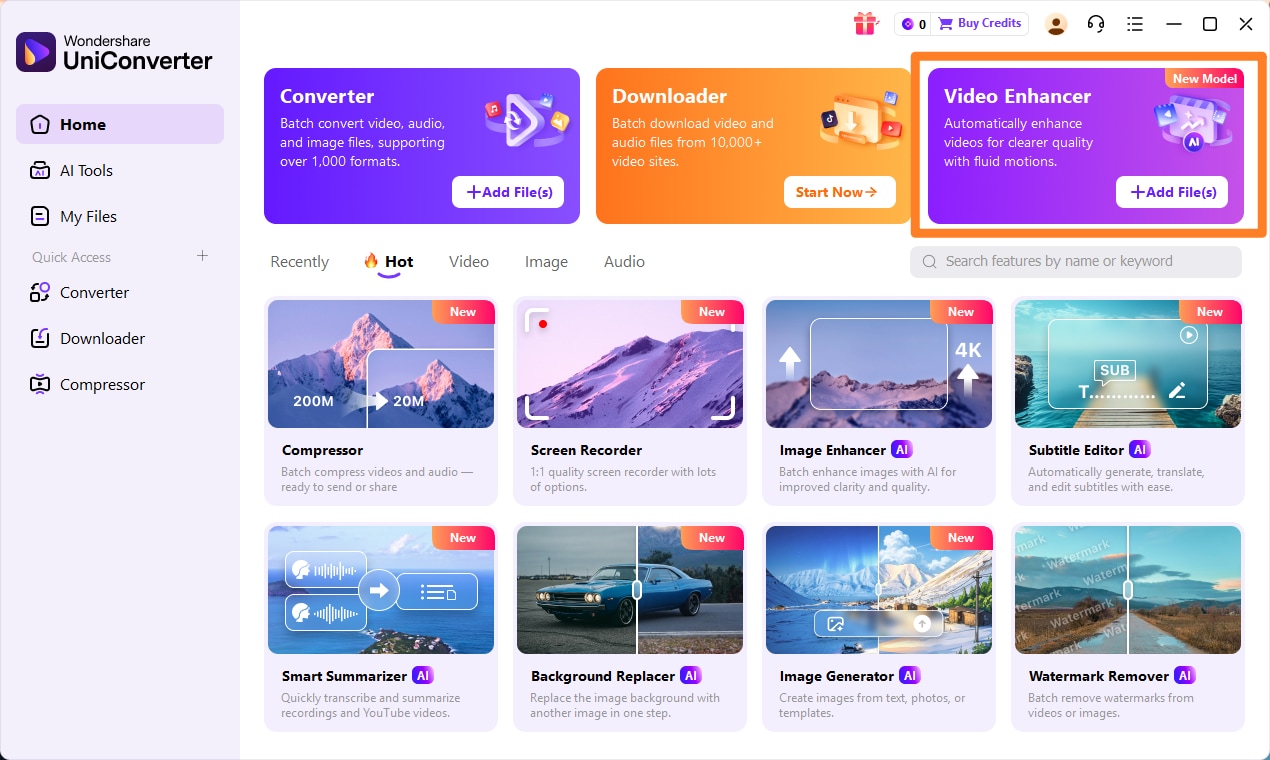
Step 1: Open UniConverter and Choose Video Enhancer
Launch UniConverter on your computer. Navigate to the "Toolbox" section and select the "Video Enhancer" option.
Step 2: Upload the Videos
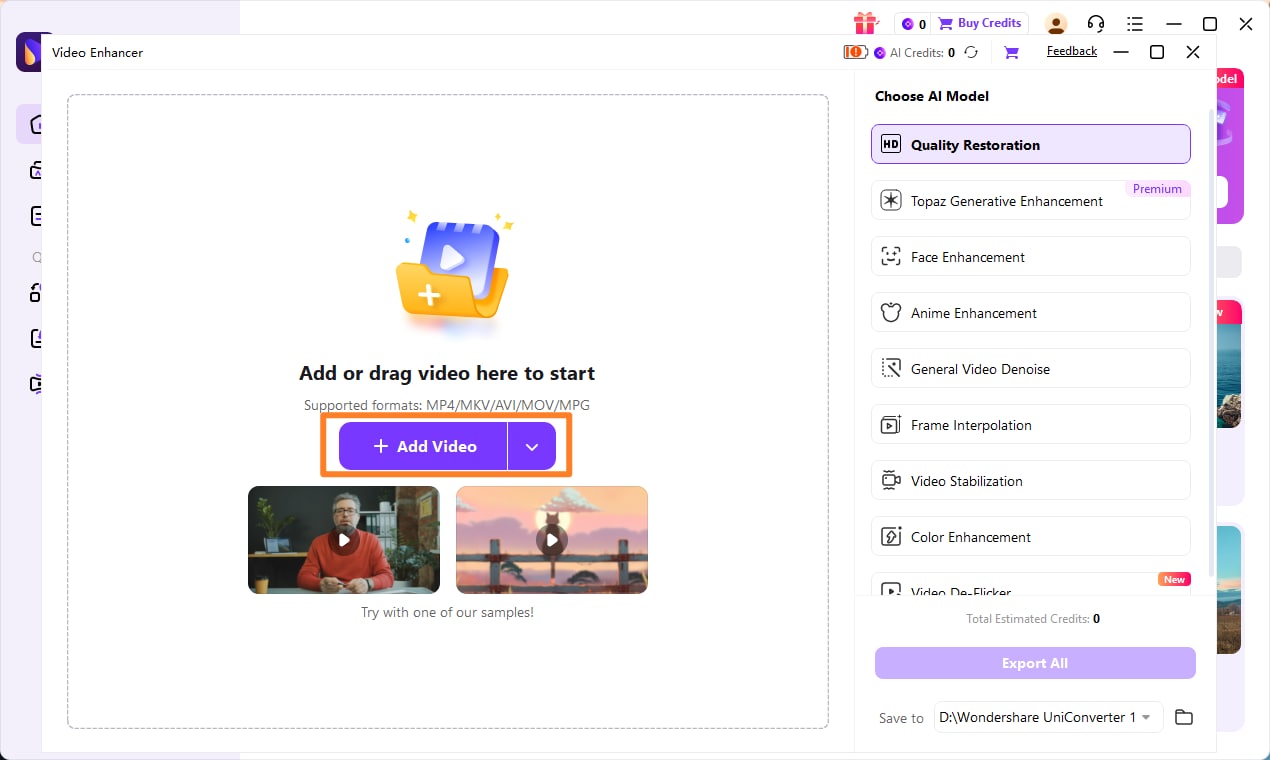
Click the "Add Files" button or drag and drop your video files into the UniConverter interface. You can add multiple videos for batch processing.
Step 3: Choose Enhancement Model
Select the desired enhancement options, such as AI Upscaling, Noise Reduction, Brightness/Contrast adjustment, or Stabilization. UniConverter offers various models to suit different enhancement needs.

Step 4: Preview and Save the Enhanced Video
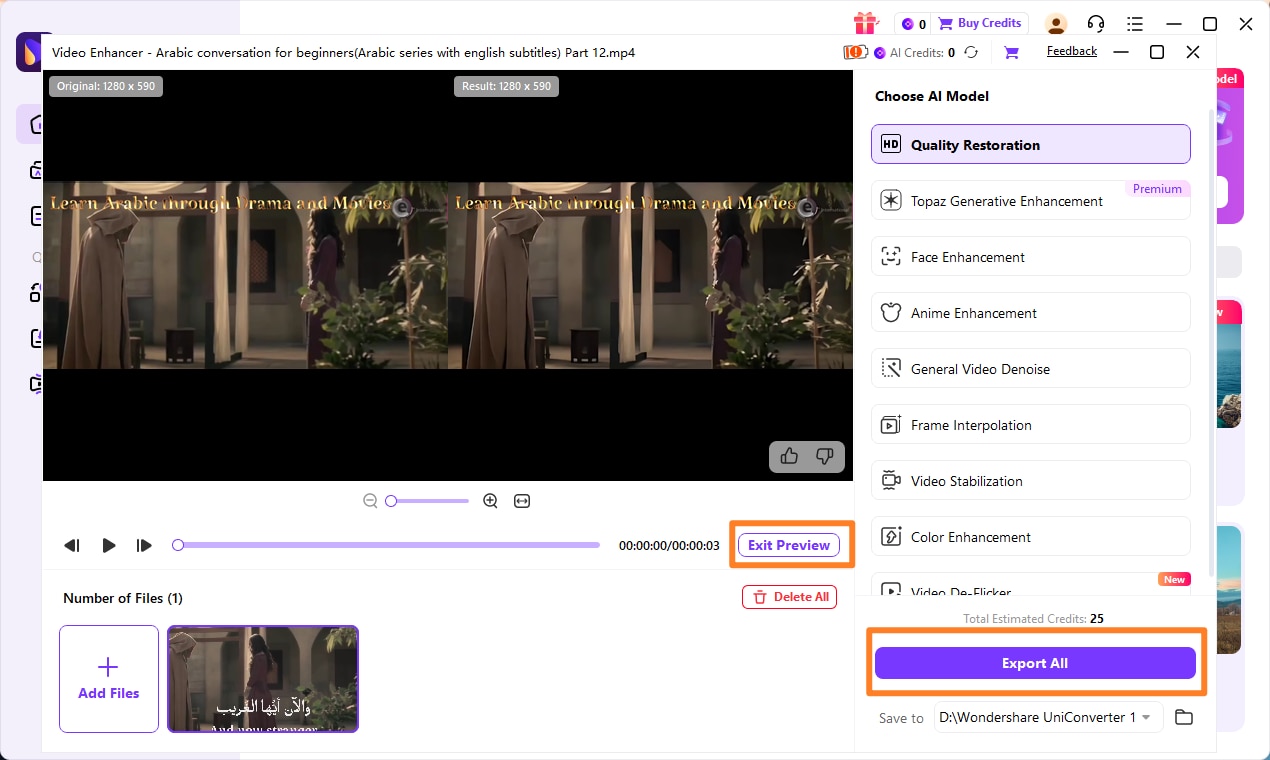
Preview the enhanced video to ensure satisfaction. Once ready, choose your desired output format and destination folder, then click "Export" to save your high-quality, enhanced video.

Seeking a Simpler Final Cut Pro Video Enhancer Alternative?
Part 7: Final Verdict and Recommendations
The Final Cut Pro Video Enhancer review reveals a diverse landscape of tools designed to elevate video quality within and around Apple's professional editing suite. For professional FCPX users who frequently work with challenging footage, such as archival material or low-light recordings, investing in a dedicated video enhancer is highly recommended. These specialized tools offer unparalleled AI-driven upscaling, noise reduction, and color grading capabilities that significantly surpass FCPX's native features, justifying their premium cost and potential learning curve. The seamless integration with the FCPX workflow further enhances productivity for these users. However, for budget-conscious users or those who only occasionally require minor enhancements, exploring standalone solutions like UniConverter or leveraging FCPX's built-in tools might be more practical. These alternatives often provide a good balance of functionality and affordability without the steep learning curve or hardware demands of professional-grade enhancers. Beginners, in particular, should prioritize ease of use and automation, opting for solutions that offer intuitive interfaces and one-click enhancements rather than complex, granular controls. Ultimately, the best choice depends on the user's specific needs, budget, and technical proficiency, with a clear trade-off between advanced features and accessibility.
Part 8: FAQs
-
1. Can Final Cut Pro enhance video quality natively?
While FCPX offers basic color correction, noise reduction, and stabilization tools, dedicated video enhancers provide more advanced AI-powered solutions for superior results, especially for significant quality improvements like upscaling and complex noise removal.
-
2. Are video enhancers worth it for old footage?
Yes, for archival footage or low-quality source material, video enhancers can significantly improve resolution, clarity, and overall visual appeal, making old content viable for modern platforms and displays.
-
3. Do video enhancers require a powerful computer?
Advanced AI-driven video enhancement can be resource-intensive, often requiring a powerful CPU, GPU (especially NVIDIA for AI tasks), and ample RAM for efficient processing and reasonable render times.
-
4. What's the difference between upscaling and enhancing?
Upscaling specifically increases the resolution of a video (e.g., from 1080p to 4K), often using AI to intelligently add pixels. Enhancing is a broader term that improves overall visual quality by reducing noise, sharpening details, correcting colors, and stabilizing footage, among other adjustments.
-
5. Is UniConverter a good alternative to FCPX enhancers?
UniConverter offers a user-friendly interface and a comprehensive set of enhancement tools, including AI upscaling and noise reduction, making it a strong standalone alternative for various video improvement needs, particularly for users seeking a versatile, all-in-one solution outside the FCPX ecosystem.
