
- Value: Capture One excels for professionals needing precise color and tethered shooting.
- Comparison: It outperforms rivals in RAW processing and studio workflows.
- Decision: Consider its high cost and steep learning curve for casual use.
- Alternative: UniConverter offers efficient, easy image enhancement for non-RAW files.
- Risks: Beware of over-processing, subscription costs, and vendor lock-in.
- Recommendation: Choose based on specific needs, workflow, and budget.
In this article
- Part 1: What is Capture One Image Enhancer?
- Part 2: Capture One Image Enhancer: Core Features, Strengths, and Weaknesses
- Part 3: Capture One Image Enhancer: Ideal Users and Use Cases
- Part 4: Capture One and Alternatives Comparison
- Part 5: Risks and Pitfalls When Using Image Enhancers
- Part 6: How to Use UniConverter for Efficient Image Enhancement
- Part 7: Final Verdict and Recommendations
- Part 8: FAQs
Capture One Image Enhancer Review: A Comprehensive Comparison
When I first delved into serious photography, I quickly realized that capturing an image was only half the battle; the other half, arguably more crucial, was the post-processing. That's where tools like Capture One image enhancer come into play. For years, I've navigated the complex landscape of image editing software, always searching for that perfect blend of power, precision, and workflow efficiency. This review aims to cut through the noise, offering you my candid insights into Capture One's capabilities as an image enhancer, comparing it against its closest rivals, and ultimately helping you decide if it’s the right tool for your photographic journey.
Part 1: What is Capture One Image Enhancer?
Capture One, at its core, is a professional-grade RAW image converter and photo editing software developed by Phase One. It's not just an "image enhancer" in the casual sense; it's a meticulously engineered platform designed to extract the absolute best quality from your camera's RAW files. For me, it’s always been about the unparalleled control it offers over color and detail, which is essential for my commercial work. This review will dive deep into its specific strengths in enhancing images, how it stacks up against other popular choices, and who stands to benefit most from its robust feature set.
Understanding Capture One's Core Offering
* Unrivaled RAW Processing: Capture One's engine is renowned for its ability to render RAW files with exceptional detail and color fidelity, often surpassing what I've seen from other software.
* Precision Color Management: The color editor and advanced color tools are, in my opinion, industry-leading, allowing for incredibly nuanced adjustments.
* Tailored for Professionals: From tethered shooting to customizable workspaces, it's built with the demands of a professional workflow in mind.
* Market Position and Target Audience: Capture One firmly positions itself at the high end of the market, targeting professional photographers, studio photographers, and serious enthusiasts who demand the utmost quality and control over their images.
Part 2: Capture One Image Enhancer: Core Features, Strengths, and Weaknesses
When I talk about Capture One as an image enhancer, I'm really focusing on its ability to transform a raw capture into a polished, high-impact image. Its strength lies in its meticulous approach to every pixel.
Pros
* Advanced Color Grading and Correction Capabilities: This is where Capture One truly shines for me. The color editor is incredibly powerful, allowing for precise adjustments to hue, saturation, and lightness for specific color ranges without affecting others. I've found it indispensable for achieving consistent brand colors in product photography.
* Superior Tethered Shooting Experience for Studio Photographers: For my studio work, the tethered shooting in Capture One is simply unmatched. The stability, speed, and immediate feedback on a large monitor directly integrated into the editing workflow save me countless hours.
* Customizable Interface and Workflow for Professional Users: I love how I can tailor the interface to my exact needs, placing the tools I use most frequently right at my fingertips. This level of customization significantly speeds up my editing process.
Cons
* Steep Learning Curve for New Users: I remember my first few weeks with Capture One; it felt overwhelming. The sheer depth of features and unique workflow can be intimidating, especially if you're coming from a simpler editor. It definitely took time to master.
* Higher Price Point Compared to Competitors: Let's be honest, Capture One isn't cheap. Both its perpetual license and subscription model are premium-priced, which can be a barrier for hobbyists or those just starting out.
Part 3: Capture One Image Enhancer: Ideal Users and Use Cases
From my experience, Capture One isn't a one-size-fits-all solution. It excels in specific scenarios where its strengths truly come to the fore.
Best Use Case: Professional Studio Photography and High-Volume Commercial Shoots
This is where Capture One is my absolute go-to. For product photography, fashion shoots, or any commercial work requiring meticulous color accuracy and a streamlined tethered workflow, nothing else comes close. The ability to apply styles on import, instantly review images on a large screen, and make precise adjustments right away is invaluable. I can quickly cull, rate, and apply initial edits to hundreds of images with confidence, knowing the color science is top-notch.
Limited Use Case: Quick Edits for Casual Photographers and Social Media Content Creators
If you're just looking to quickly brighten a few vacation photos or add a filter for Instagram, Capture One is probably overkill. The time it takes to learn the software and its comprehensive feature set would far outweigh the benefits for simple edits. For these scenarios, I often find myself reaching for simpler, more intuitive apps that prioritize speed over granular control. If you're just looking for a quick fix, the complexity of Capture One will likely frustrate you more than help.
Part 4: Capture One and Alternatives Comparison
When I look at the landscape of image enhancers, it's clear that each tool has its own philosophy. Here's how I see Capture One stacking up against some of its main rivals, including UniConverter for specific needs.
| Feature/Scenario | Capture One | Adobe Lightroom | DxO PhotoLab | Luminar Neo | UniConverter |
| Color Accuracy | Excellent | Very Good | Excellent | Good | Good (for basic enhancement) |
| Tethered Shooting | Best-in-Class | Good | N/A | N/A | N/A |
| RAW Processing | Excellent | Very Good | Excellent | Good | N/A (focus on existing images) |
| Ease of Use | Moderate | High | Moderate | High | Very High |
| Subscription Model | Yes | Yes | One-time purchase | One-time purchase/Subscription | One-time purchase/Subscription |
| AI Features | Limited | Growing | Growing | Extensive | Growing |
| Price | High | Moderate | Moderate | Low | Low |
Key Differentiators: Why Choose Capture One (or Not)
From my perspective, if you're a professional who lives and breathes color accuracy and demands the best tethered shooting experience, Capture One is your champion. Its RAW processing is second to none, giving you the cleanest files to start with. However, if you prioritize ease of use, a broader ecosystem of creative tools, and a more accessible price point, Lightroom might be a better fit. DxO PhotoLab, with its excellent optical corrections and noise reduction, is a strong contender for those who shoot in challenging light. Luminar Neo, on the other hand, is for the creative who wants extensive AI-driven tools and artistic effects without a steep learning curve. UniConverter, while not a direct competitor for RAW editing, offers a surprisingly effective and straightforward solution for quick, high-quality image enhancements, especially when you need to process existing JPEGs or PNGs and want to avoid the complexities of full-fledged editors.
Part 5: Risks and Pitfalls When Using Image Enhancers
Over the years, I've learned that even the most powerful image enhancers come with their own set of potential headaches. It's not just about the software's capabilities, but how you use it and the hidden costs or compromises involved.
Data Privacy Concerns with Cloud-Based Solutions
I've always been wary of fully cloud-based solutions, especially when dealing with sensitive client work. Uploading all my high-resolution images to a third-party server, even with encryption, always raises a flag for me regarding data privacy and intellectual property. It's a trade-off between convenience and control that I constantly weigh.
Potential for Over-Processing and Unnatural Results
This is a trap I've fallen into myself, especially when I was starting out. It's so easy to get carried away with sliders and presets, pushing an image beyond what looks natural. What might seem "enhanced" can quickly become "fake" or "overcooked," losing the authenticity of the original scene. I've learned that less is often more.
Subscription Fatigue and Long-Term Cost Implications
I've seen so many photographers get caught in the endless cycle of subscriptions. While they offer access to the latest features, the cumulative cost over years can be substantial. It's a significant financial commitment that needs to be factored into your long-term budget, especially if you're using multiple subscription-based tools.
Compatibility Issues with Older Hardware/Software
I've had frustrating experiences where a new software update suddenly renders my older, perfectly functional hardware obsolete or creates performance bottlenecks. Image enhancers, especially the more powerful ones, can be resource-intensive, and keeping your system up-to-date often means investing in new hardware, which is another hidden cost.
Vendor Lock-in and Export Limitations
Once you commit to a particular ecosystem, especially one with proprietary file formats or complex cataloging systems, it can be incredibly difficult to switch. I've found that some software makes it challenging to export your work in a universal format or migrate your entire library, creating a form of vendor lock-in that restricts your future choices.
Part 6: How to Use UniConverter for Efficient Image Enhancement
Sometimes, I find myself needing a quick, no-fuss image enhancement solution, especially for images that aren't RAW files or when I want to avoid the heavy lifting of a full-fledged editor. This is where UniConverter has surprised me. It's not a direct competitor to Capture One for professional RAW editing, but it's an excellent tool for specific enhancement needs, particularly when other tools fall short in batch processing, stability, or ease of use. It's a solid, all-in-one solution that avoids the common pitfalls like ads, unstable enhancements, or poor quality output, offering a stable, lossless, and GPU-accelerated experience. For those looking to enhance video quality, similar capabilities are available. You can also upscale images to 4K with ease. If you're wondering how to unblur a video, UniConverter provides effective solutions.
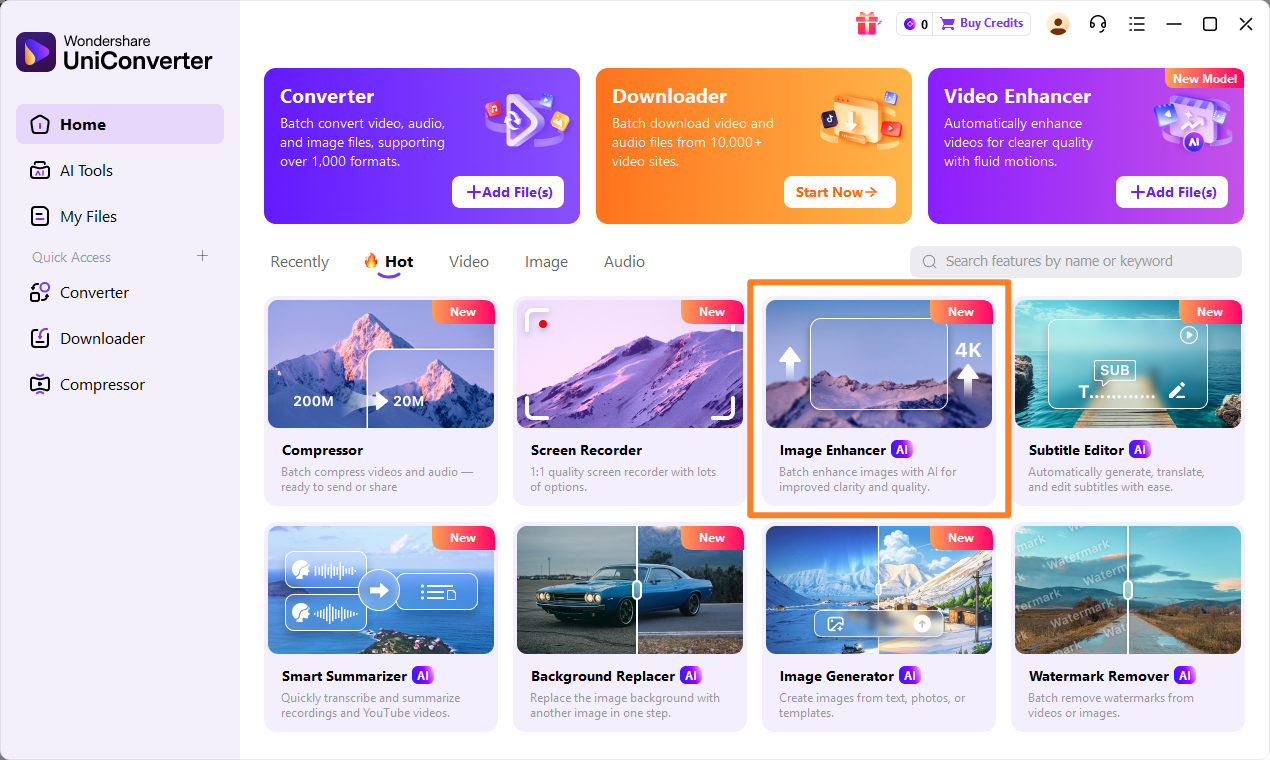
Step 1: Open UniConverter and Choose Image Enhancer
Launch Wondershare UniConverter on your computer.
On the main interface, navigate to the “Image” or “AI Image Enhancer” section (depending on your version). Click to open the Image Enhancer tool.
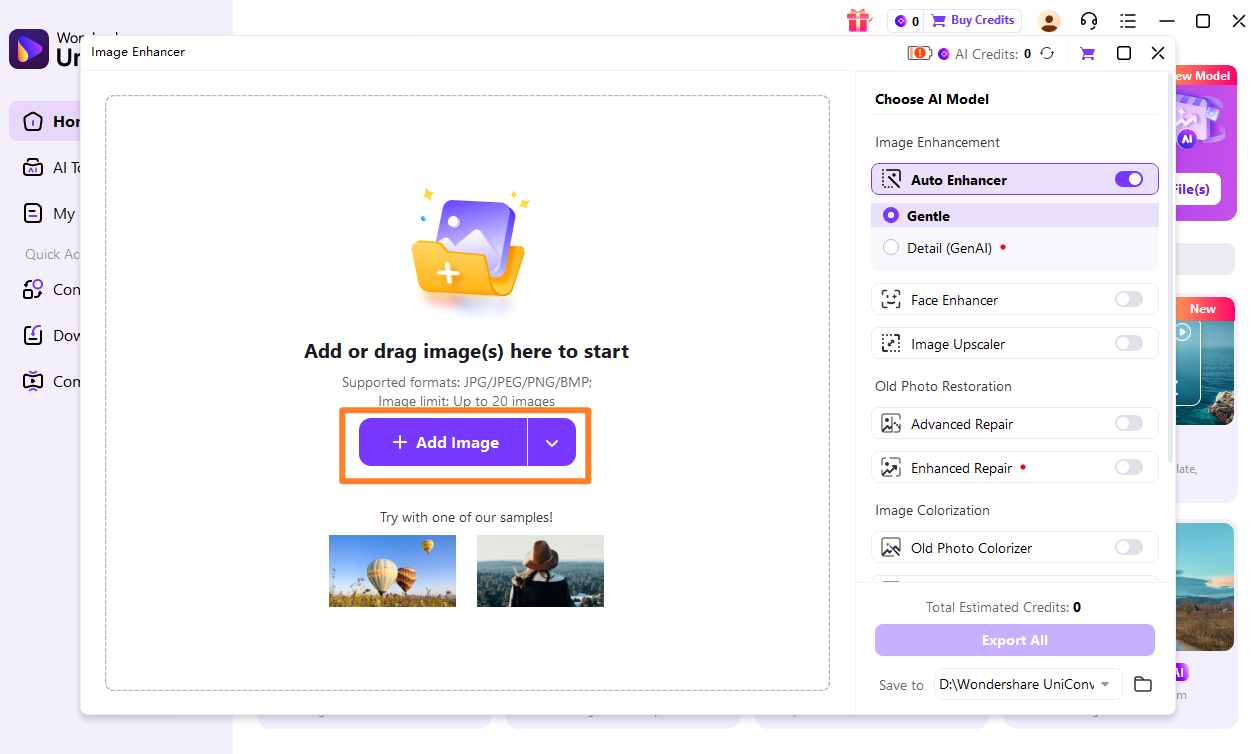
Step 2: Upload the Images
Click the “+ Add Files” button or simply drag and drop your images into the workspace.
UniConverter supports multiple formats (JPG, PNG, etc.), and you can upload one or several images at once for batch enhancement.
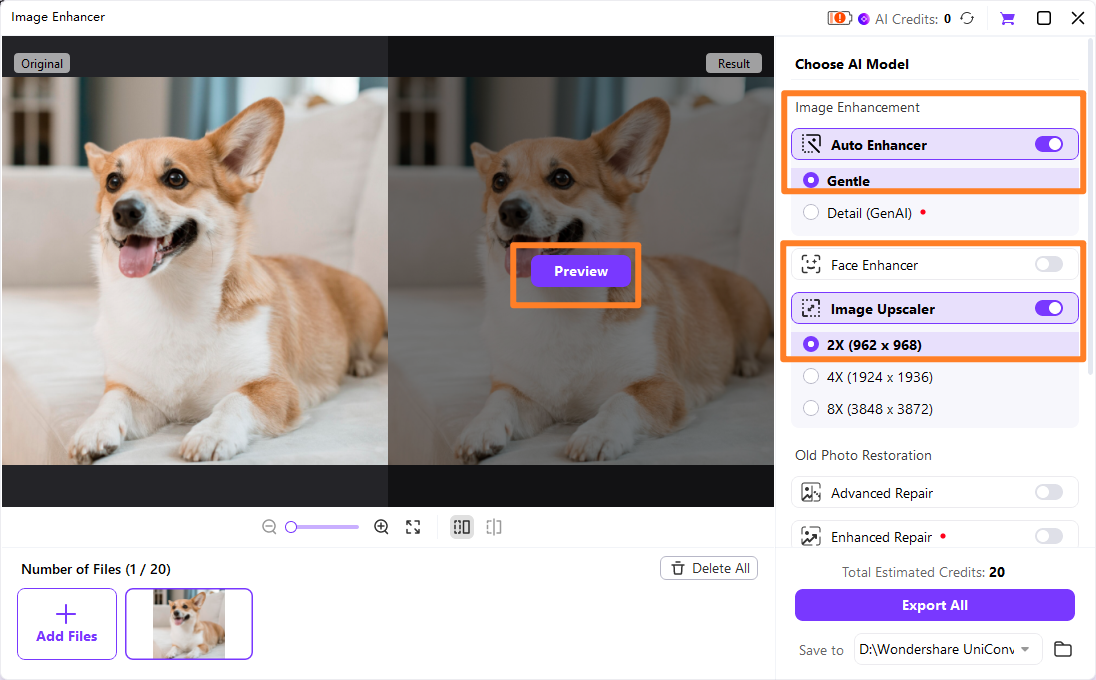
Step 3: Choose Enhancement Model
After uploading, select the appropriate AI enhancement model based on your needs. Common options include:
Image Upscaler – Increase resolution without losing quality
Portrait Enhancer – Improve facial details and skin texture
Old Photo Restoration – Repair damaged or faded photos
Colorizer – Add color to black-and-white images
Adjust any available settings such as resolution level or enhancement strength if needed.
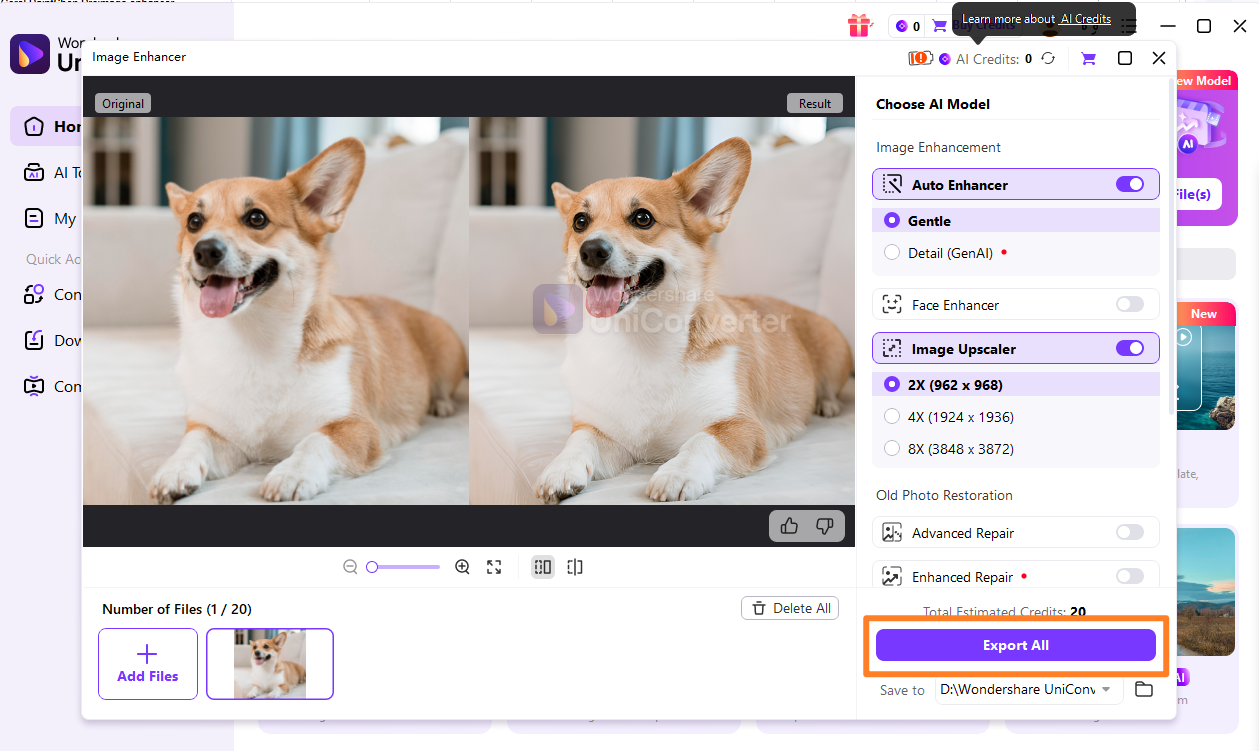
Step 4: Preview and Save the Enhanced Images
Click the “Preview” button to compare the original and enhanced versions.
If satisfied, choose your output folder, then click “Export” to save the enhanced images to your computer.

Capture One Alternative for Image Enhancement?
Part 7: Final Verdict and Recommendations
After years of using and evaluating various image enhancement tools, my conclusion on Capture One image enhancer is clear: it's a powerhouse for specific users. For professional photographers, especially those in studio or commercial settings where color accuracy, tethered shooting, and a highly customizable workflow are paramount, Capture One is an unparalleled investment. Its superior RAW processing and color management capabilities truly elevate the final output. However, for enthusiasts seeking a balance of features and usability, Adobe Lightroom often presents a more approachable and comprehensive ecosystem, with a gentler learning curve. If you're a budget-conscious user requiring only basic enhancements for JPEGs or PNGs, or if you're looking for an efficient batch processing tool, simpler alternatives or even UniConverter can be surprisingly effective without the steep price tag or complexity. Lastly, for those who prioritize AI-driven enhancement and creative effects, Luminar Neo offers a compelling, often more intuitive, artistic toolkit. Ultimately, the best choice hinges on your specific needs, workflow, and budget.
Part 8: FAQs
-
1. Is Capture One better than Lightroom for professional photographers?
It depends on your specific workflow and priorities. Capture One excels in color management and tethered shooting, making it a favorite for studio and commercial photographers. Lightroom, on the other hand, offers a broader ecosystem with cloud integration, a more intuitive interface for many, and a vast array of creative tools, making it versatile for various professional needs.
-
2. Can Capture One enhance old or low-quality images effectively?
Capture One can significantly improve image quality, especially with RAW files, by optimizing exposure, color, and detail. However, it cannot magically create detail that isn't present in the original capture. While it can mitigate issues in low-quality images, the extent of improvement is always limited by the source material.
-
3. What are the main differences between Capture One's perpetual license and subscription?
The perpetual license offers lifetime access to a specific version of the software, meaning you own that version outright but won't receive future major updates without purchasing a new license. The subscription model provides continuous updates, access to the latest features, and often includes cloud services or additional benefits, but requires ongoing payments.
-
4. Are there any free alternatives to Capture One for image enhancement?
Yes, GIMP and Darktable are powerful open-source alternatives that offer extensive image editing and RAW processing capabilities. While they may lack some of Capture One's advanced features, particularly in color management and tethered shooting, they are excellent free options for those willing to invest time in learning their interfaces.
-
5. How does Capture One handle noise reduction compared to other software?
Capture One offers robust noise reduction capabilities, particularly effective on RAW files. It provides a good balance between noise removal and detail preservation, allowing for fine-tuned control over luminance and color noise. Many users, including myself, find its noise reduction to be highly competitive, often yielding cleaner results than some other popular editors without sacrificing too much detail.
