
- Lightroom Value: Offers unparalleled depth in non-destructive editing and robust organization for serious photographers.
- Target Audience: Ideal for professionals and enthusiasts demanding high-quality refinement and extensive control over their images.
- Cost & Complexity: Subscription model and steep learning curve can be deterrents for casual users or those on a budget.
- Alternatives Comparison: UniConverter provides quick, AI-powered enhancements and batch processing, a strong alternative for simplicity and speed.
- Decision Factors: Choose based on your specific needs, skill level, budget, and desired workflow complexity.
In this article
- Part 1: What is Adobe Lightroom Image Enhancer?
- Part 2: Adobe Lightroom Image Enhancer: Core Features, Pros, and Cons
- Part 3: Target Audience and Use Cases for Adobe Lightroom Image Enhancer
- Part 4: Adobe Lightroom Image Enhancer vs. Alternatives
- Part 5: Risks and Pitfalls to Consider
- Part 6: How to Use UniConverter to Efficiently Enhance Images
- Part 7: Conclusion
- Part 8: FAQs
When I first started dabbling in photography, I quickly realized that a great shot often needs a little help to truly shine. That's where image enhancement tools come in, and Adobe Lightroom image enhancer review has always been at the forefront of that conversation. This review will dive deep into Lightroom's capabilities, comparing it with other prominent tools in the market. We'll explore its strengths and weaknesses, helping you understand if it's the right fit for your workflow, whether you're a seasoned pro or just starting out. My goal is to provide a comprehensive, scenario-based analysis to guide your purchasing or usage decisions.
Part 1: What is Adobe Lightroom Image Enhancer?
Adobe Lightroom, at its core, is a powerful photo editing and organization software designed for photographers. The "image enhancer" aspect refers to its extensive suite of tools that allow for non-destructive adjustments to images, ranging from basic exposure and contrast tweaks to sophisticated color grading and detail refinement. It's not just about making a photo "look better"; it's about bringing out its full potential, correcting imperfections, and achieving a specific artistic vision. For me, it’s been an indispensable part of my post-processing workflow for years.
The Evolving Landscape of Image Enhancement
The world of image enhancement is constantly changing, with new tools and AI capabilities emerging regularly. This evolution presents both opportunities and challenges for photographers like us.
* Increasing Demand for Quality: With high-resolution cameras and displays, the expectation for pristine image quality has never been higher.
* AI-Driven Innovation: Artificial intelligence is revolutionizing how we enhance images, offering automated solutions for complex tasks.
* Diverse User Needs: From professional studios to casual smartphone photographers, everyone wants their images to look their best, but their needs vary wildly.
* Subscription vs. One-Time Purchase: The debate over software pricing models continues to influence user choices, impacting accessibility and long-term costs.
Part 2: Adobe Lightroom Image Enhancer: Core Features, Pros, and Cons
From my experience, Lightroom’s strength lies in its comprehensive toolkit and seamless integration. It’s not just an editor; it’s a complete ecosystem for photographers.
* Non-Destructive Editing: This is a game-changer. I can make endless adjustments without ever altering the original image file, which gives me immense freedom to experiment.
* Advanced Color Grading: The color panel, HSL adjustments, and calibration tools allow for incredibly precise control over color, letting me achieve exactly the mood I envision.
* Detail and Noise Reduction: Lightroom’s noise reduction and sharpening tools are top-notch, especially the newer AI-powered Denoise feature, which has saved many of my low-light shots.
* Local Adjustments: Brushes, gradients, and radial filters enable me to target specific areas of an image for precise enhancements, making localized corrections a breeze.
* Presets and Profiles: The ability to create and apply presets significantly speeds up my workflow, ensuring consistency across a series of images.
Pros
* Advanced Non-Destructive Editing Capabilities: This is arguably its biggest advantage. I can always revert to the original or tweak any adjustment I’ve made, even months later.
* Seamless Integration with Adobe Ecosystem: For someone like me who also uses Photoshop, the integration is incredibly smooth, allowing for a fluid workflow between applications.
* Powerful AI-driven Enhancements (e.g., Denoise, Super Resolution): These AI features are genuinely impressive. The Denoise tool, in particular, has transformed my ability to work with high ISO images.
Cons
* Subscription-Based Model Can Be Costly: This is a common complaint, and I understand why. For casual users, the ongoing subscription can feel like a burden compared to a one-time purchase.
* Steep Learning Curve for Beginners: When I first started, I found Lightroom quite overwhelming. There are so many tools and panels that it takes time and effort to master.
Part 3: Target Audience and Use Cases for Adobe Lightroom Image Enhancer
Based on my years of using it, Lightroom isn't a one-size-fits-all solution. It truly shines for specific types of users and scenarios.
Best Use Case: Professional Photographers and Enthusiasts for High-Quality Image Refinement
If you’re a professional photographer, a serious hobbyist, or anyone who regularly shoots in RAW and demands the highest quality output, Lightroom is almost indispensable. I find it perfect for managing large catalogs of images, performing detailed color corrections, and preparing images for print or high-resolution displays. Its non-destructive workflow and advanced tools are exactly what’s needed for client work or portfolio-worthy shots. For me, it’s the central hub for all my photographic endeavors, from culling to final export.
Limited Use Case: Quick, One-Click Enhancements for Casual Users
If your primary need is to quickly brighten a smartphone photo or apply a simple filter for social media, Lightroom might be overkill. While it can do those things, its complexity and subscription cost make it less ideal for casual users who just want a quick fix. I’ve seen friends struggle with its interface when all they wanted was a simple "enhance" button. For those scenarios, there are much simpler, often free, alternatives that get the job done without the learning curve or financial commitment.
Part 4: Adobe Lightroom Image Enhancer vs. Alternatives
When it comes to image enhancement, Lightroom isn't the only player in town. I've tried several alternatives over the years, and each has its own strengths. Here's how Lightroom stacks up against some notable competitors.
| Feature/Product | Adobe Lightroom Image Enhancer | UniConverter Image Enhancer | Luminar Neo | Topaz Photo AI |
| Processing Speed | Excellent (GPU accelerated) | Very Fast (GPU accelerated) | Very Good | Excellent |
| Output Quality | Professional Grade | High Quality | Professional Grade | Exceptional |
| Ease of Use | Moderate to Complex | Very Easy | Moderate | Very Easy |
| Customer Support | Extensive (Adobe) | Responsive | Good | Good |
| Security | Cloud-based, industry standard | Local processing option | Local processing | Local processing |
| Pricing Model | Subscription | One-time purchase/Subscription | One-time purchase | One-time purchase |
| AI Capabilities | Denoise, Super Resolution | Upscaling, Denoise | Sky Replacement, Structure AI | Denoise, Sharpen, Upscale |
| Batch Processing | Yes | Yes | Yes | Yes |
Key Differentiators and Summary
Lightroom excels in comprehensive non-destructive editing and its ecosystem integration. For detailed, nuanced adjustments, it’s my go-to. UniConverter, on the other hand, is surprisingly effective for quick, high-quality AI enhancements, especially if you're looking for simplicity and speed without a subscription. Luminar Neo offers a compelling alternative with its creative AI tools, making it great for artistic effects. Topaz Photo AI is a specialist, unparalleled in noise reduction and sharpening, but it's more of a plugin than a full editor. If you're managing a large photo library and need full control, Lightroom is hard to beat. If you prioritize ease of use and powerful AI for specific tasks like upscaling or denoising without the subscription, UniConverter or Topaz Photo AI are strong contenders.
Part 5: Risks and Pitfalls to Consider
While Lightroom is powerful, it's not without its potential downsides. From my experience, it's crucial to be aware of these before committing.
Data Privacy Concerns with Cloud Storage
Lightroom offers cloud-based storage and syncing, which is convenient but raises questions about data privacy. While Adobe is a reputable company, entrusting all your precious photos to their servers means you're relying on their security measures. I always make sure to have local backups, just in case. It's a trade-off between accessibility and absolute control over your data.
Potential for Over-Processing and Unnatural Results
With so many powerful tools at your fingertips, it's easy to go overboard. I’ve definitely been guilty of over-saturating colors or pushing clarity too far, resulting in an unnatural-looking image. Lightroom provides the tools, but it's up to us to use them judiciously. The key is subtlety and knowing when to stop.
Subscription Lock-in and Vendor Dependence
The subscription model means you're tied to Adobe. If you stop paying, you lose access to the software and potentially some cloud features. This can feel like a "lock-in" situation, making it harder to switch to another platform without losing access to your edited files or workflow. It's a significant commitment that I weigh carefully.
Hardware Requirements for Optimal Performance
Lightroom, especially with its newer AI features, can be quite demanding on your computer's resources. I've noticed significant slowdowns on older machines, particularly when working with large RAW files or applying complex adjustments. A powerful processor, ample RAM, and a dedicated graphics card are almost essential for a smooth and enjoyable editing experience. Without adequate hardware, the experience can be frustratingly slow.
Part 6: How to Use UniConverter to Efficiently Enhance Images
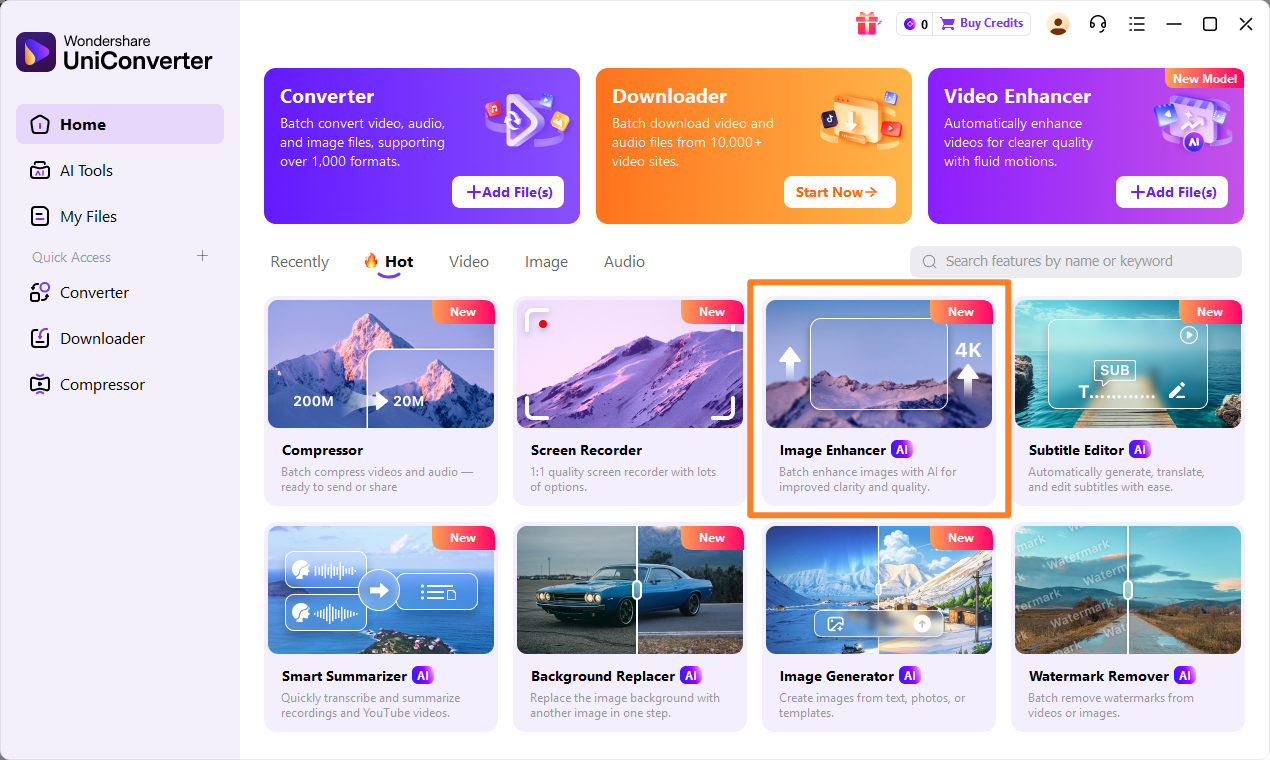
Sometimes, I find myself needing to quickly enhance a batch of images, or I'm working with a tool that doesn't quite hit the mark on stability or quality. In those moments, when other tools fall short with inconsistent enhancements or weak effects, I often turn to UniConverter. It's a robust solution that avoids many of the common pitfalls like ads or poor quality output, offering a stable and efficient way to enhance images with GPU acceleration and broad format support. It truly acts as an all-in-one ultimate solution for various media needs, including image enhancement. For those looking to upscale images to 4K, this tool provides a reliable method.
Step 1: Open UniConverter and Choose Image Enhancer
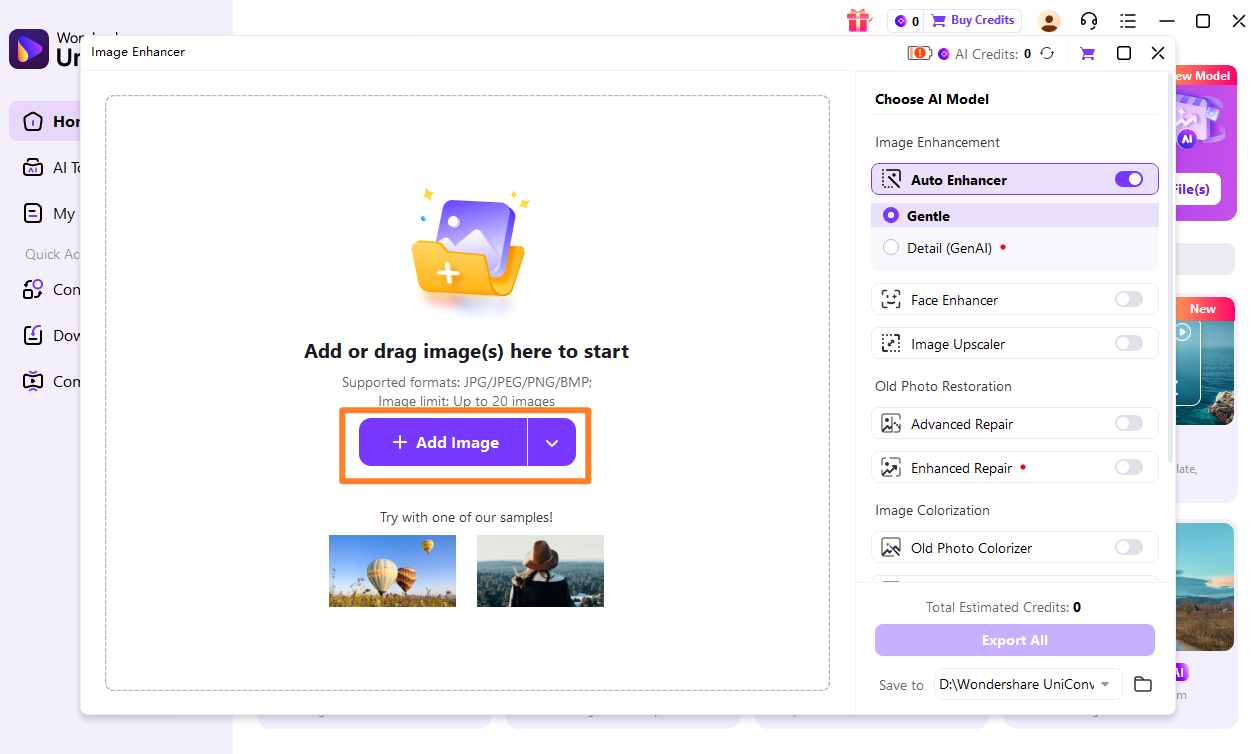
Step 2: Upload the Images
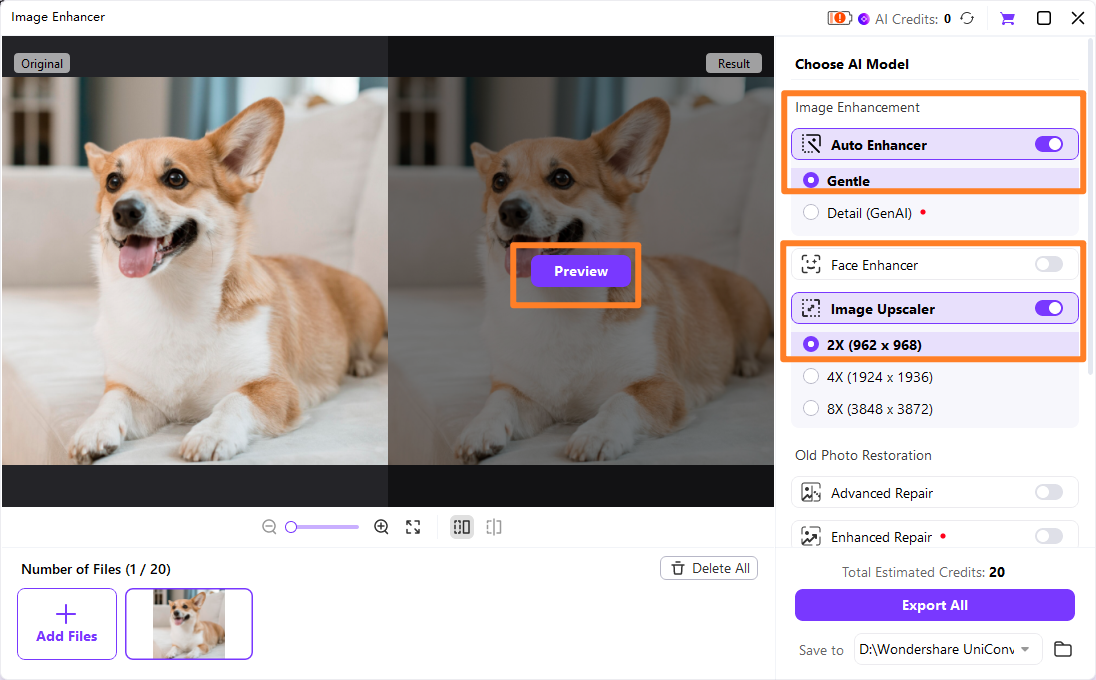
Step 3: Choose Enhancement Model
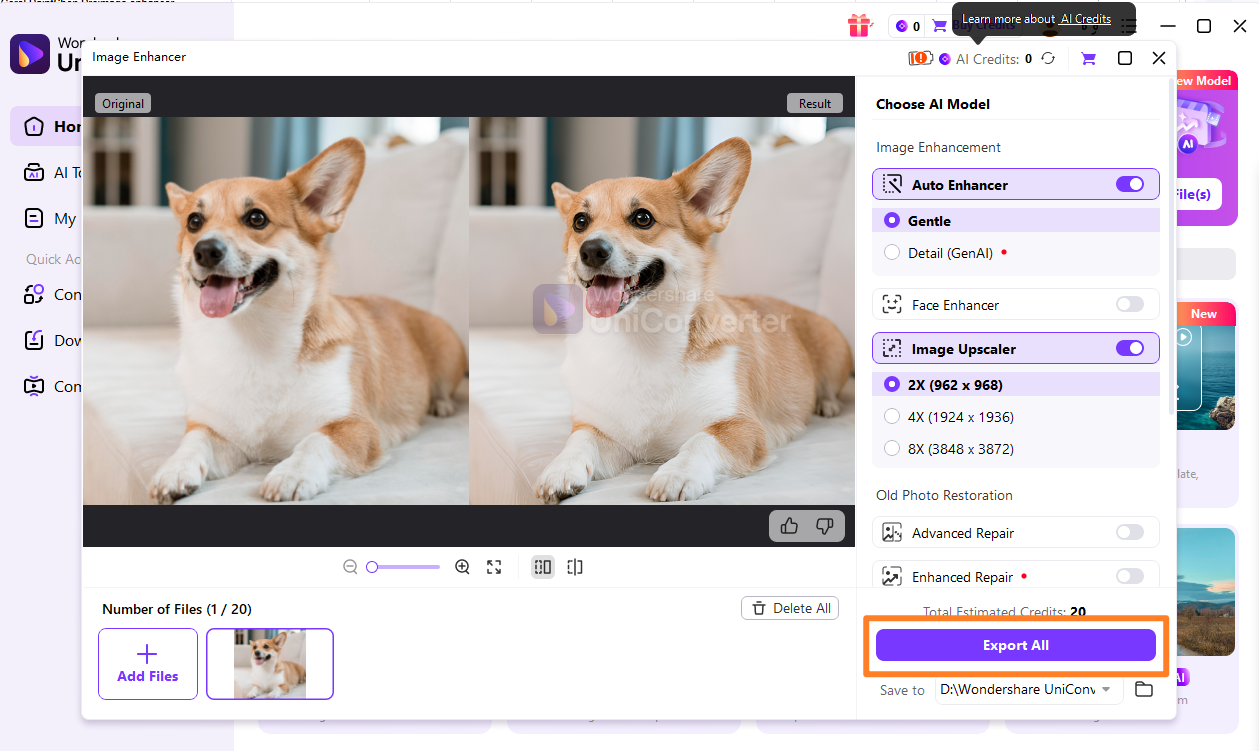
Step 4: Preview and Save the Enhanced Images

Looking for a Lightroom Alternative for Image Enhancement?
Part 7: Conclusion
After years of hands-on experience, my Adobe Lightroom image enhancer review concludes that it remains a powerhouse for serious photographers. Its unparalleled depth in non-destructive editing, robust organizational features, and seamless integration with the Adobe ecosystem make it an indispensable tool for those who demand ultimate control and professional-grade results. However, its subscription model and steep learning curve can be deterrents for casual users or those on a tight budget. For quick, AI-powered enhancements, or if you prefer a one-time purchase, alternatives like UniConverter, Luminar Neo, or Topaz Photo AI offer compelling features. Ultimately, the best tool depends on your specific needs, skill level, and budget. For professionals, Lightroom is still a top choice, but for others, exploring the diverse landscape of image enhancement tools can lead to more suitable and cost-effective solutions.
Part 8: FAQs
-
1. Is Adobe Lightroom Image Enhancer suitable for beginners?
Lightroom has a significant learning curve due to its extensive features. While it's powerful, beginners might find it overwhelming initially. Simpler, more intuitive tools might be better for those just starting out.
-
2. How does Lightroom's AI enhancement compare to other tools?
Lightroom's AI features like Denoise and Super Resolution are very effective and integrated smoothly into its workflow. They perform well, but specialized AI tools like Topaz Photo AI often offer even more advanced and nuanced AI-driven enhancements for specific tasks like noise reduction or sharpening.
-
3. Can I use Lightroom Image Enhancer without a subscription?
No, Adobe Lightroom is primarily offered through a subscription model (Creative Cloud Photography Plan). There is no standalone, one-time purchase option for the current versions of Lightroom Classic or Lightroom.
-
4. What are the best alternatives to Adobe Lightroom for image enhancement?
Popular alternatives include Luminar Neo for creative AI editing, Capture One for professional tethered shooting and color grading, Affinity Photo for a Photoshop-like experience with a one-time purchase, and UniConverter for quick, AI-powered enhancements and batch processing.
-
5. Does Lightroom Image Enhancer compromise image quality?
No, Lightroom is designed for non-destructive editing, meaning it never alters your original image file. All enhancements are applied as instructions, preserving the original quality. When exporting, you have full control over compression and quality settings, so any perceived quality loss would be due to export settings, not the enhancement process itself.
