
- Easil Review: Easil is an intuitive graphic design tool, perfect for non-designers prioritizing brand consistency and template variety.
- Core Features: Easil excels with its drag-and-drop interface, vast template library, and robust brand kit management for consistent branding.
- Ideal Users: Best for small businesses and marketers needing quick, on-brand visuals, but limited for professional designers requiring advanced control.
- Easil vs. Competitors: Easil offers superior brand kit control compared to Canva and Adobe Express, but UniConverter is essential for media processing.
- Potential Pitfalls: Be aware of Easil's cloud dependency, potential hidden costs, and limitations for high-resolution print quality.
- UniConverter Alternative: UniConverter is indispensable for high-quality, fast media conversion and background removal, complementing Easil's design focus.
- Final Verdict: Easil is valuable for brand-focused teams; combine with UniConverter for comprehensive media and design needs.
In this article
- Part 1: What is Easil?
- Part 2: Easil: Core Features, Pros, and Cons
- Part 3: Easil: Ideal Users and Use Cases
- Part 4: Easil vs. Competitors: A Comparative Analysis
- Part 5: Potential Risks and Pitfalls with Easil
- Part 6: UniConverter: A Recommended Alternative for Specific Needs
- Part 7: Final Verdict and Recommendations
- Part 8: FAQs
When I first started dabbling in visual content creation for my small business, I was overwhelmed by the sheer number of design tools out there. Easil review kept popping up, promising an intuitive experience for non-designers. This platform positions itself as a user-friendly graphic design tool, particularly strong in brand consistency and template variety. In this Easil review, I'll share my firsthand experience, delving into its features, comparing it with alternatives, and helping you decide if it’s the right fit for your creative needs.
Part 1: What is Easil?
Easil is an online graphic design tool that aims to empower individuals and businesses to create stunning visual content without needing extensive design skills. It’s built around a drag-and-drop interface, making it accessible even for complete beginners. My initial impression was that it felt like a more polished, brand-focused version of some other entry-level design tools I’d tried. It's clear Easil is targeting users who need quick, professional-looking designs, especially those who value brand consistency above all else.
Easil in the Creative Design Market
The creative design market is saturated, and Easil carves out its niche by focusing on:
* Ease of Use for Non-Designers: It truly simplifies the design process, which was a huge relief for me.
* Robust Brand Management Features: This is where Easil really shines, allowing you to lock down brand elements.
* Extensive Template Library: I found templates for almost everything, from social media posts to print materials.
* Collaborative Capabilities: It supports team workflows, which is essential for many small businesses.
Part 2: Easil: Core Features, Pros, and Cons
My journey with Easil revealed a tool that prioritizes accessibility and brand integrity. Its core capabilities revolve around simplifying graphic design for everyday use. I found myself quickly creating visuals for social media and marketing campaigns, which previously felt like a daunting task.
Core Features:
* Intuitive Drag-and-Drop Interface: This is Easil's backbone; it makes design feel less like a chore and more like play.
* Vast Template Library: I was genuinely impressed by the variety and quality of pre-designed templates available.
* Comprehensive Brand Kit Management: This feature allowed me to upload my brand fonts, colors, and logos, ensuring everything I created was on-brand.
* Image and Text Editing Tools: Basic but effective tools for cropping, resizing, adding filters, and manipulating text.
* Team Collaboration Features: I could easily share designs and get feedback from colleagues, streamlining our workflow.
Pros
* Intuitive Drag-and-Drop Interface for Beginners: Seriously, if you can drag and drop, you can use Easil. I never felt lost.
* Extensive Template Library for Diverse Design Needs: Whether it was an Instagram story or a flyer, there was a template for it.
* Brand Kit Management for Consistent Branding: This was a game-changer for maintaining a cohesive brand identity across all my visuals.
Cons
* Limited Advanced Design Functionality for Professionals: As someone who occasionally needs more granular control, I found it restrictive for complex projects.
* Subscription Tiers Can Be Pricey for Small Businesses: While powerful, the cost can add up, especially if you're a small operation with a tight budget.
Part 3: Easil: Ideal Users and Use Cases
From my experience, Easil truly shines for specific types of users and scenarios, while showing its limitations in others. It's not a one-size-fits-all solution, and understanding its sweet spot is key to a satisfying experience.
Best Use Case: Small Businesses and Marketers Needing Quick Visuals
If you're running a small business, managing social media for a brand, or a marketer who needs to churn out visually appealing content regularly without hiring a dedicated designer, Easil is fantastic. I found it perfect for creating:
* Social media graphics: Instagram posts, Facebook banners, Pinterest pins – all done in minutes.
* Marketing materials: Flyers, brochures, email headers, and event invitations.
* Internal communications: Branded presentations and team announcements.
The brand kit feature alone makes it invaluable for maintaining a professional and consistent look across all these touchpoints.
Limited Use Case: Professional Designers Requiring Granular Control
However, if you're a professional graphic designer accustomed to tools like Adobe Photoshop or Illustrator, Easil will likely feel restrictive. I quickly realized it lacks the advanced layering, vector editing, and precise manipulation capabilities that seasoned designers rely on. For projects requiring custom illustrations, complex photo manipulations, or highly detailed layouts, Easil simply doesn't offer the depth of control. It's designed for speed and simplicity, not for intricate, bespoke design work.
Part 4: Easil vs. Competitors: A Comparative Analysis
When I was evaluating Easil, I naturally looked at its closest rivals. Here's how it stacks up against some popular alternatives based on my hands-on experience.
| Feature/Tool | Easil | Canva | Adobe Express | UniConverter |
| Ease of Use | High | Very High | High | High |
| Template Variety | High | Very High | High | N/A (Focus on conversion/editing) |
| Brand Kit | Excellent | Good | Good | N/A |
| Advanced Editing | Limited | Moderate | Moderate | Excellent (for video/audio/image conversion & editing) |
| Pricing | Mid-Range | Free/Mid-Range | Free/Mid-Range | Free Trial/Mid-Range |
| Processing Speed | Cloud-dependent | Cloud-dependent | Cloud-dependent | Fast (GPU acceleration) |
| Output Quality | Good (web) | Good (web) | Good (web) | High (lossless conversion) |
| Customer Support | Email/FAQ | Extensive FAQ/Community/Email | Extensive FAQ/Community/Email | 24/7 Live Chat/Email |
| Security | Standard Cloud | Standard Cloud | Standard Cloud | Offline Processing/Local Storage |
Key Differentiators: Easil's Niche in Brand Consistency
Easil truly excels with its brand kit management. While Canva and Adobe Express offer similar features, Easil's implementation feels more robust and integrated, especially for locking down brand elements for team use. If maintaining strict brand guidelines is your top priority, Easil gives you more control. Canva, on the other hand, wins on sheer template volume and a slightly lower learning curve for absolute beginners. Adobe Express is a strong contender, especially if you're already in the Adobe ecosystem, offering a good balance of features. UniConverter, however, is in a different league; it's not a design tool but an incredibly powerful media converter and editor. If my design work involves a lot of video, audio, or image format conversions, or if I need to quickly remove backgrounds from images for my Easil designs, UniConverter is an indispensable companion, offering speed and quality that cloud-based tools can't match for these specific tasks.
Part 5: Potential Risks and Pitfalls with Easil
While Easil offers a lot of convenience, my experience has taught me that no tool is without its potential downsides. It's crucial to be aware of these before fully committing, especially for business-critical operations.
Data Privacy Concerns with Cloud-Based Platforms
Like any cloud-based service, Easil requires you to upload your assets – logos, images, brand guidelines – to their servers. While they undoubtedly have security measures in place, I always have a slight apprehension about sensitive brand assets residing off-site. It's a trade-off for the convenience of accessibility from anywhere, but it’s something to consider if your brand has extremely strict data privacy requirements.
Upselling and Hidden Costs in Subscription Plans
I initially found the pricing tiers a bit confusing. While there's a free trial, the most valuable features, especially the advanced brand kit capabilities and higher-resolution downloads, are locked behind paid subscriptions. I also noticed that certain premium stock images or design elements might incur additional costs even within a paid plan. It’s not necessarily "hidden," but it requires careful reading of the terms to avoid unexpected charges.
Image Quality Limitations for High-Resolution Prints
For web and social media, Easil's output quality is perfectly fine. However, when I tried to create designs for high-resolution print materials, like large posters or banners, I sometimes encountered limitations. The pixel density and vector support aren't always on par with professional desktop publishing software, which can lead to slightly less crisp results for very large formats. It's usually adequate for standard prints, but for premium quality, I'd be cautious.
Dependence on Internet Connectivity for Access
Being an online tool, Easil is entirely dependent on a stable internet connection. There have been times when my internet was spotty, and I couldn't access my designs or work on new ones. This can be a significant bottleneck if you frequently work in areas with unreliable connectivity or need to make last-minute edits offline. It's a common drawback for cloud-based tools, but one that can be frustrating when you're on a tight deadline.
Part 6: UniConverter: A Recommended Alternative for Specific Needs
While Easil is great for design, I often find myself needing to process media files before they even get to the design stage. This is where UniConverter steps in as an indispensable tool, especially when Easil's image background removal or format conversion capabilities fall short. If you're dealing with issues like batch processing images, exporting blurry pixels after background removal, or struggling with inconsistent edge quality, UniConverter offers a robust solution.
Why Choose UniConverter?
UniConverter is a powerful all-in-one video, audio, and image toolbox. It’s fantastic for tasks like converting formats, compressing files, and, most relevant here, its excellent image background removal feature. It’s ad-free, supports a vast array of formats, leverages GPU acceleration for speed, and ensures stable, lossless conversions. For me, it's the ultimate solution for preparing media assets efficiently and with high quality before I even think about designing.
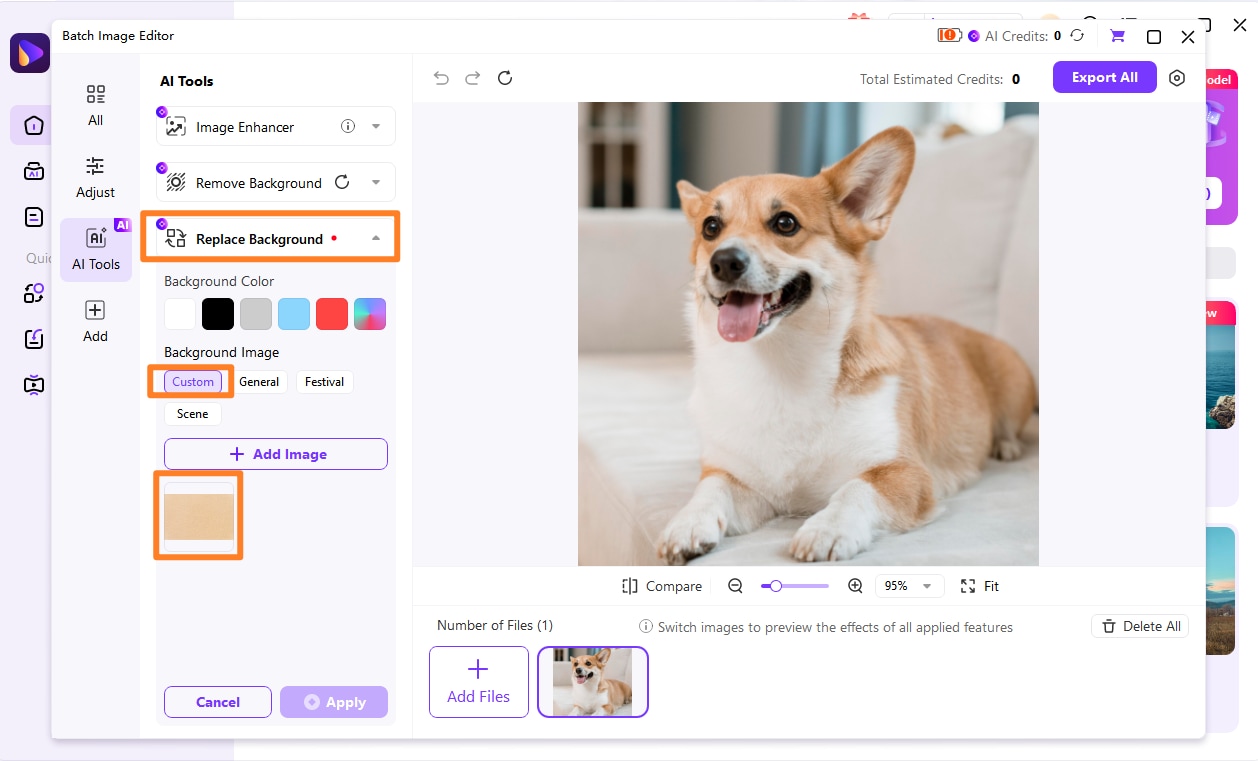
Step 1: Open UniConverter and Choose Background Replacer
To start, launch UniConverter. On the main interface, navigate to the "Toolbox" tab and select the "Background Replacer" option.
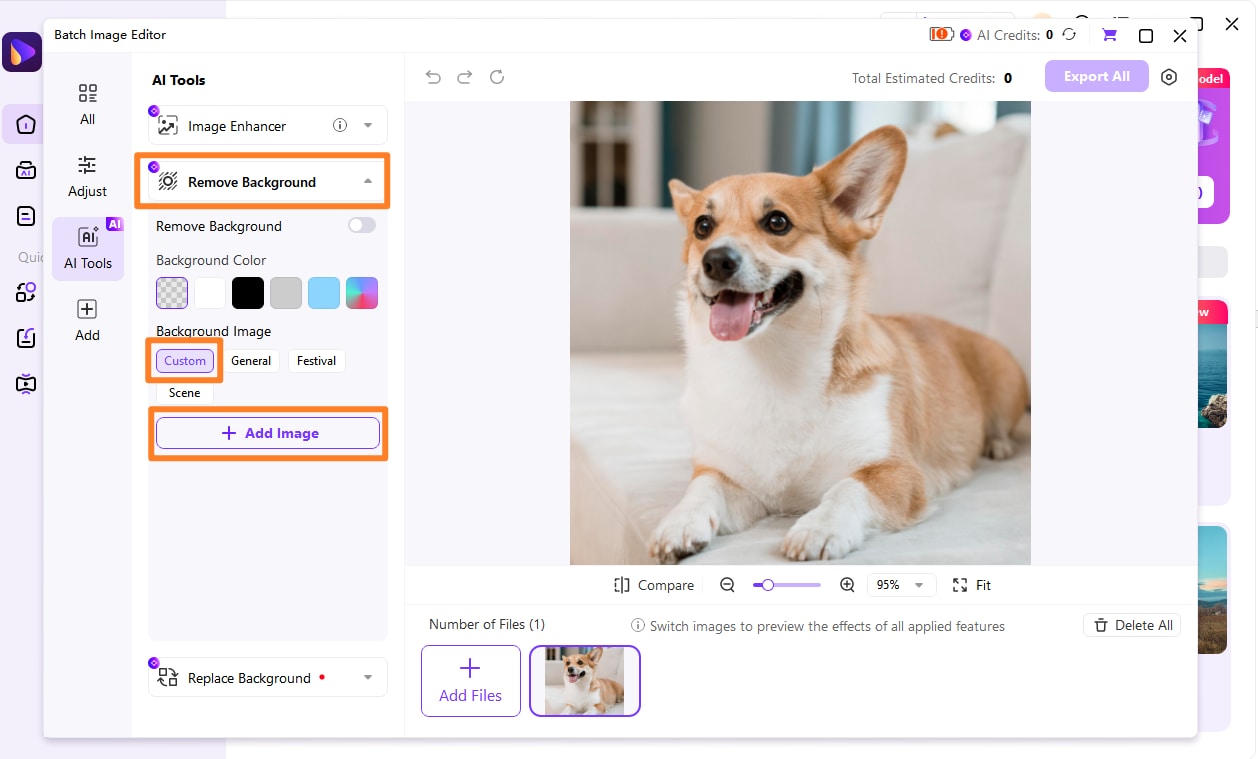
Step 2: Upload the Images
Click the "Add Files" button or simply drag and drop the images you want to process into the UniConverter window. You can add multiple images for batch processing.
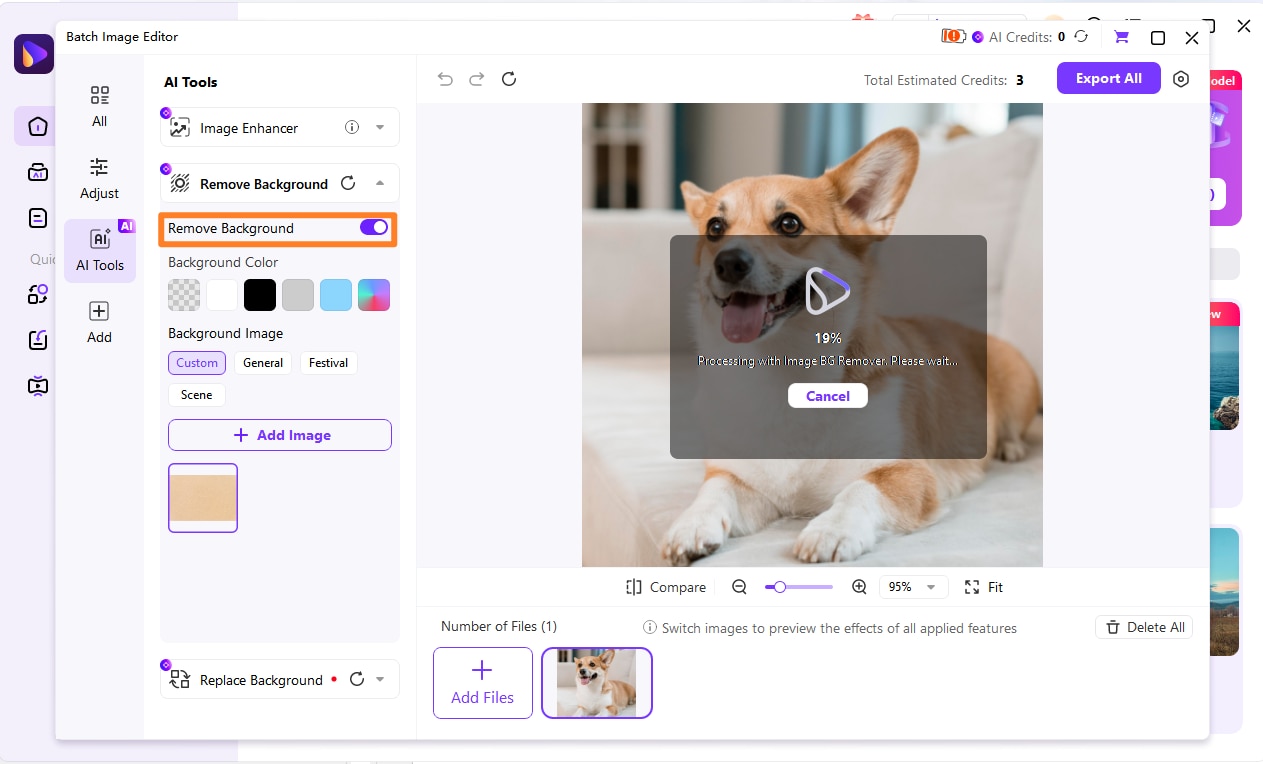
Step 3: Click to Preview Images
Once your images are uploaded, UniConverter will automatically start processing them. You can click on each image thumbnail to preview the background removal results and make any necessary adjustments.
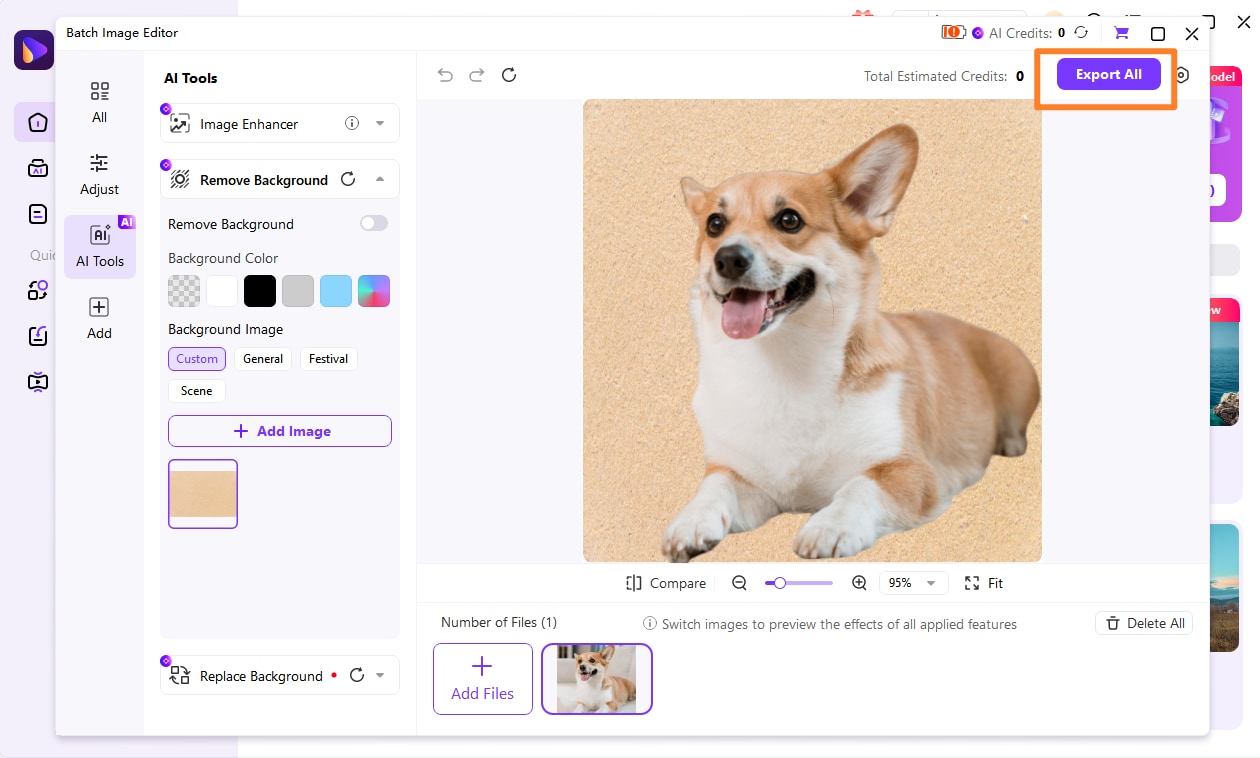
Step 4: Preview and Export Images
After reviewing and confirming the results, choose your desired output folder. Then, click the "Export" button to save your images with transparent backgrounds.

Seeking an Easil Alternative for Your Design Needs?
Part 7: Final Verdict and Recommendations
After spending considerable time with Easil, my Easil review concludes that it's a powerful and highly beneficial tool for a specific audience. For small businesses, marketers, and individuals who prioritize brand consistency and need to create professional-looking visuals quickly without deep design expertise, Easil is an excellent choice. Its robust brand kit management is a standout feature that genuinely helps maintain a cohesive brand identity across all visual communications. However, it's crucial to understand its limitations. If you're a professional designer requiring advanced editing capabilities, or if your projects demand intricate vector work or extremely high-resolution print outputs, Easil might feel restrictive. Similarly, if your workflow involves frequent media format conversions or high-quality background removal for a large volume of images, integrating a dedicated tool like UniConverter alongside Easil would be a smart move. Ultimately, evaluate your budget, your specific feature needs, and the complexity of your design projects. Easil offers significant value for brand-focused teams, but for a broader range of media processing and advanced design tasks, a multi-tool approach might be more effective.
Part 8: FAQs
-
1. Is Easil suitable for complete beginners?
Yes, absolutely. Easil's drag-and-drop interface and intuitive design make it very easy for anyone, even those with no prior design experience, to create professional-looking graphics.
-
2. How does Easil's brand kit compare to other tools?
Easil's brand kit is one of its strongest features. It offers more robust control over brand assets like fonts, colors, and logos, allowing for stricter brand consistency compared to the brand kit features in tools like Canva or Adobe Express, which can sometimes be less restrictive.
-
3. Can I collaborate with team members on Easil?
Yes, Easil supports team collaboration. You can invite team members to your workspace, share designs, and manage brand assets together, which is great for ensuring everyone adheres to brand guidelines.
-
4. What are the main differences between Easil and Canva?
While both are user-friendly design tools, Easil generally offers more advanced brand management features, making it ideal for businesses focused on strict brand consistency. Canva, on the other hand, boasts a slightly larger template library and a broader range of free features, making it very popular for general-purpose design.
-
5. Is there a free version of Easil available?
Easil offers a free trial that allows you to explore many of its features. However, to access the full suite of advanced tools, especially the comprehensive brand kit and high-resolution downloads, you will need to subscribe to one of their paid plans.
