
- Designify Value: AI-powered design for quick marketing assets, ideal for small businesses and content creators.
- Core Features: Automated background removal, instant marketing banner generation, and batch processing for efficiency.
- Limitations: Restricted customization for advanced designers; AI struggles with niche aesthetics and complex images.
- Ideal Users: Best for small business owners and social media managers needing fast, budget-friendly visuals.
- Comparison: Designify excels in AI automation; Canva/Adobe Express offer broader design suites; UniConverter provides robust AI image editing.
- Risks: Potential for generic output, data privacy concerns, and over-reliance on AI for critical branding elements.
- UniConverter Alternative: Offers superior AI background removal, batch processing, and high-quality image manipulation without watermarks.
In this article
- Part 1: What is Designify?
- Part 2: Designify: Core Features, Pros, and Cons
- Part 3: Designify: Ideal Users and Use Cases
- Part 4: Designify and Alternatives Comparison
- Part 5: Risks and Pitfalls to Consider
- Part 6: How to Use UniConverter to Efficiently Replace Image Backgrounds
- Part 7: Conclusion
- Part 8: FAQs
When I first heard about Designify, I was intrigued by its promise of AI-powered design, especially for tasks like background removal and quick marketing asset creation. In today's fast-paced digital world, where small businesses and content creators are constantly juggling multiple roles, tools that simplify design can be a game-changer. This Designify review aims to cut through the marketing hype and provide a practical, scenario-based comparison, helping you understand where Designify truly shines and where its limitations might lead you to consider alternatives. We'll dive into its core features, weigh its pros and cons, and pit it against some popular competitors to see if it's the right fit for your workflow.
Part 1: What is Designify?
Designify positions itself as an AI-driven design tool, primarily focused on automating common graphic design tasks. For me, it felt like a shortcut for those moments when I needed something visually appealing but didn't have the time or expertise for a full-blown design suite. It's designed to streamline the creation of marketing materials, especially for e-commerce and social media, by leveraging artificial intelligence to handle repetitive and often tedious design elements. My core question when I started using it was: can it really deliver professional-looking results without extensive manual effort?
The Rise of AI-Powered Design Tools
The demand for quick, accessible design solutions has never been higher, driven by:
* The explosion of online businesses: Everyone needs a strong visual presence, from product photos to social media ads.
* The content creation boom: Bloggers, YouTubers, and influencers constantly need fresh, engaging visuals.
* The democratization of design: Not everyone can afford a professional designer or has the time to master complex software.
Part 2: Designify: Core Features, Pros, and Cons
From my experience, Designify's core strength lies in its automation capabilities. It's like having a design assistant that handles the grunt work. I found its ability to quickly process images and generate variations particularly useful.
Pros:
* Automated Background Removal and Replacement for E-commerce Product Shots: This was a huge time-saver for me. Upload a product image, and Designify intelligently removes the background, often with impressive accuracy, allowing for quick replacements with studio-like settings or custom colors.
* Instant Generation of Marketing Banners from Simple Prompts: I could type in a basic idea, and it would spit out several banner options. While not always perfect, it gave me a great starting point.
* Streamlined Batch Processing for Social Media Content Creation: For creating a series of posts with a similar look, this feature was invaluable. It allowed me to apply the same design elements across multiple images efficiently.
Cons:
* Limited Customization Options for Advanced Graphic Designers: If you're used to the granular control of tools like Photoshop, Designify can feel restrictive. I often wished for more fine-tuning capabilities.
* Occasional Inaccuracies in AI-Generated Content for Niche Industries: For very specific or complex product images, the AI sometimes struggled with precise background removal or generated designs that didn't quite fit the niche aesthetic I was aiming for.
Part 3: Designify: Ideal Users and Use Cases
Based on my time with Designify, I've got a pretty clear picture of who it's best for and who might find it lacking. It's definitely not a one-size-fits-all solution.
Best Use Case: Small Business Owners Creating Marketing Materials on a Budget
If you're a small business owner, an Etsy seller, or a social media manager with limited design skills and an even more limited budget, Designify is a lifesaver. I found myself using it constantly for quick product photo clean-ups, generating social media post ideas, and whipping up simple promotional banners. It takes the stress out of needing professional-looking visuals without the steep learning curve or cost of traditional design software. For me, it was about getting "good enough" results quickly and efficiently, which is exactly what a busy entrepreneur needs.
Limited Use Case: Professional Design Agencies Requiring Granular Control and Brand Consistency
However, if you're a professional graphic designer or part of an agency that demands pixel-perfect precision, unique creative concepts, and strict brand guideline adherence, Designify will likely fall short. I quickly realized that while it's great for speed, it sacrifices deep customization. When I needed to match specific brand colors, fonts, or intricate layouts, I found myself fighting against the AI rather than working with it. For projects where every detail matters and originality is key, you'll need tools that offer much more control.
Part 4: Designify and Alternatives Comparison
When I started looking at Designify, I naturally compared it to other tools I've used. Here's how it stacks up against some popular alternatives, including UniConverter, which I've found to be a surprisingly robust option for certain tasks.
| Feature/Scenario | Designify | Canva | Adobe Express | UniConverter |
| E-commerce Product Backgrounds | Excellent, AI-driven, quick | Good, template-based, manual refine | Good, template-based, manual refine | Excellent, AI-driven, batch processing |
| Social Media Post Creation | Very Good, quick generation, AI suggestions | Excellent, vast templates, easy drag-and-drop | Excellent, integrated assets, brand kits | Good, can create visual assets for posts |
| Advanced Photo Editing | Basic, limited adjustments | Moderate, filters, basic adjustments | Moderate, filters, basic adjustments | Excellent, comprehensive suite, AI enhancements |
| Brand Kit Integration | Limited, basic color/font | Extensive, logos, colors, fonts | Extensive, logos, colors, fonts | Moderate, can save custom settings/presets |
| Pricing Model | Freemium, subscription tiers | Freemium, subscription tiers | Freemium, subscription tiers | One-time purchase/subscription |
| Batch Processing | Good, for background removal/templates | Limited, mostly single-design focus | Limited, mostly single-design focus | Excellent, for various media tasks |
Key Differentiators:
Designify's strength, for me, is its AI-driven automation for specific, repetitive tasks. It's fantastic for quickly churning out variations. Canva and Adobe Express, on the other hand, offer broader design suites with extensive template libraries and robust brand management features, which I find indispensable for consistent branding. UniConverter, while not primarily a design tool, surprised me with its powerful AI-driven background removal and photo editing capabilities, especially when I needed to process a large volume of images for other projects. Designify excels in speed for image-centric tasks, but if you need a full design ecosystem, the others offer more.
Part 5: Risks and Pitfalls to Consider
While Designify offers convenience, I've learned that relying too heavily on any AI tool comes with its own set of risks. It's not a magic bullet, and there are several things I always keep in mind.
Potential for Generic Output and Lack of Originality
My biggest concern with Designify, and many AI design tools, is the risk of generic output. While it's great for speed, I often found that the designs, especially the AI-generated banners, could look a bit "stock" or unoriginal. If you're trying to stand out in a crowded market, relying solely on AI might make your brand blend in rather than pop. For truly unique campaigns, I still turn to more manual design processes.
Data Privacy Concerns with Image Uploads
Whenever I upload images to a cloud-based AI service, data privacy is always in the back of my mind. What happens to my product photos or sensitive marketing visuals after they're processed? While Designify, like most reputable services, has privacy policies, it's a good practice to be aware of what you're sharing and to avoid uploading anything extremely confidential without thoroughly reviewing their terms.
Over-reliance on AI for Critical Branding Elements
I've seen businesses make the mistake of letting AI dictate too much of their branding. While Designify can help with visuals, it doesn't understand your brand's voice, values, or target audience in the same way a human designer does. Over-relying on it for critical branding elements can lead to a disconnect between your visual identity and your brand's core message. It's a tool, not a brand strategist.
Quality Inconsistencies with Complex Image Inputs
While Designify's background removal is generally good, I've noticed quality inconsistencies, especially with complex images. Think intricate hair, translucent objects, or busy backgrounds. Sometimes the edges can be a bit rough, or parts of the subject might be accidentally removed. This means I still have to manually check and often refine the output, which can negate some of the time-saving benefits.
Subscription Cost vs. Feature Set for Specific Needs
Before committing to a subscription, I always evaluate if the features I actually use justify the cost. Designify offers various tiers, and it's easy to get drawn into the promise of advanced features you might not even need. For my specific workflow, I had to weigh whether the convenience of its AI automation truly saved me enough time or produced enough value to warrant a recurring expense, especially when I already have other tools for more complex tasks.
Part 6: How to Use UniConverter to Efficiently Replace Image Backgrounds
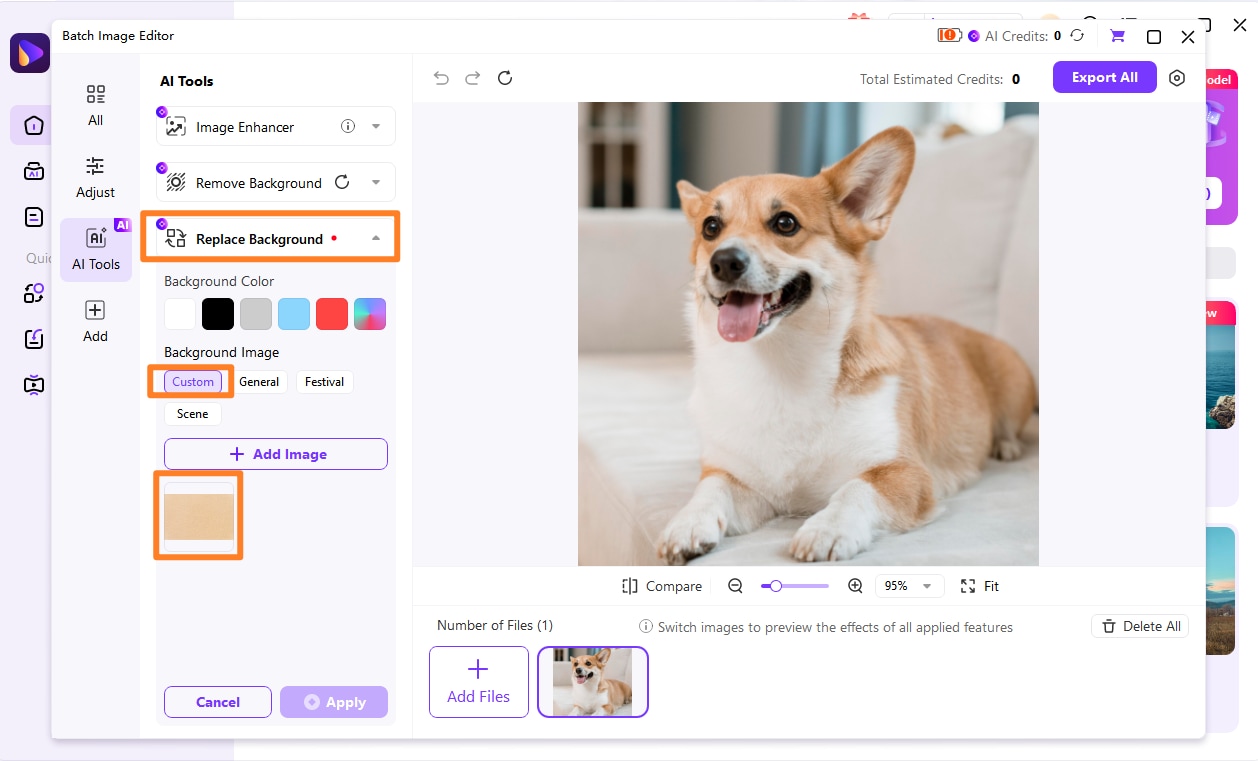
Sometimes, Designify's limitations, like inconsistent background removal quality, pixelated exports, or a lack of batch processing for specific needs, can be frustrating. That's when I turn to UniConverter. It's not just a video converter; its AI-powered image editing tools, especially for background replacement, are surprisingly robust and often deliver cleaner results without the hassle of watermarks or ads. For me, it's become an indispensable part of my toolkit when I need a reliable, high-quality solution for image manipulation, especially for batch tasks. It offers a stable, lossless experience with GPU acceleration, making it a truly integrated solution for various media needs, including high-definition background removal and removing backgrounds without losing quality.
Step 1: Open UniConverter and Choose Background Replacer
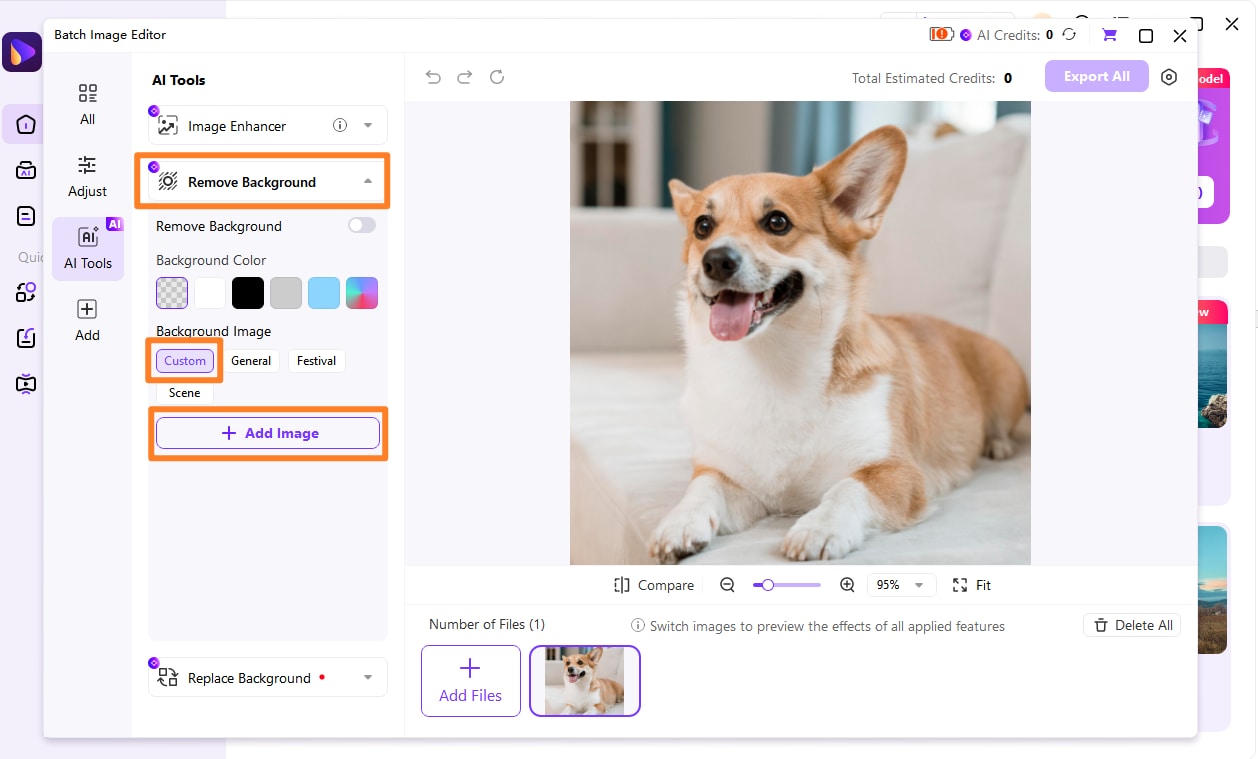
Step 2: Upload the Images
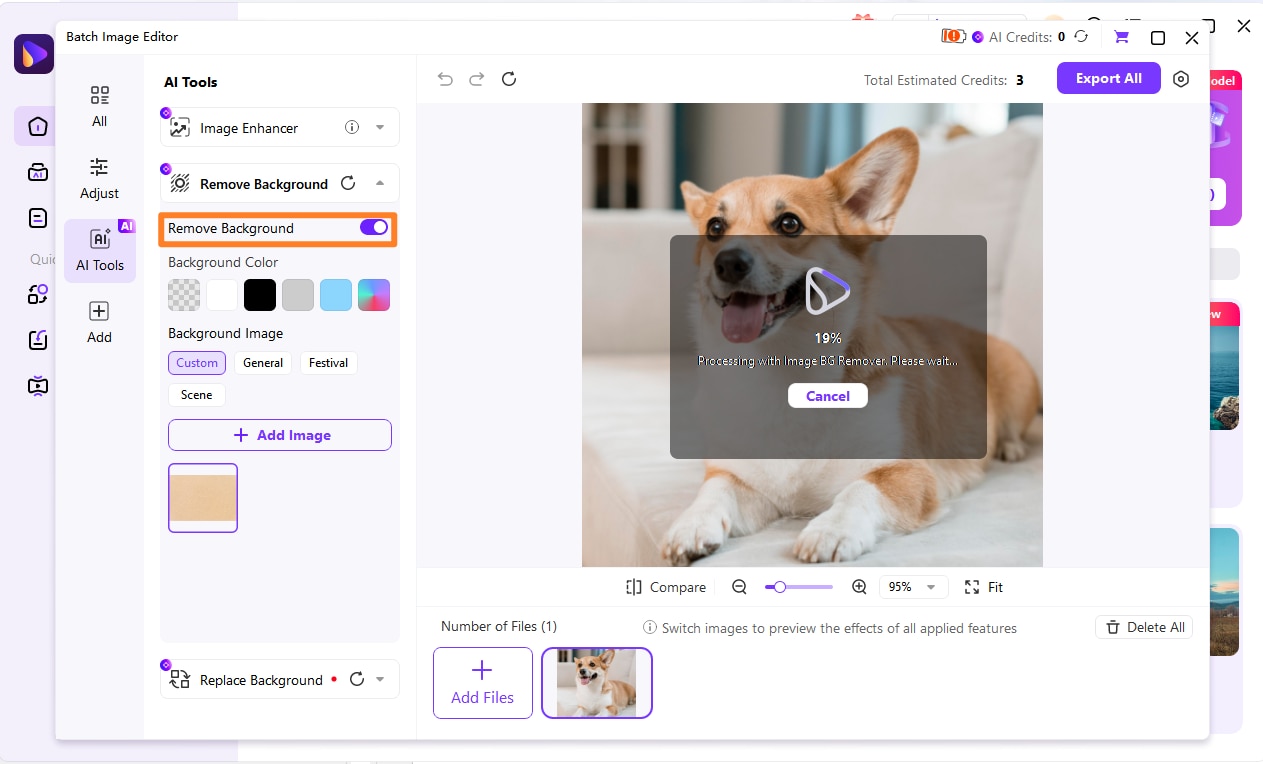
Step 3: Preview and Export Images
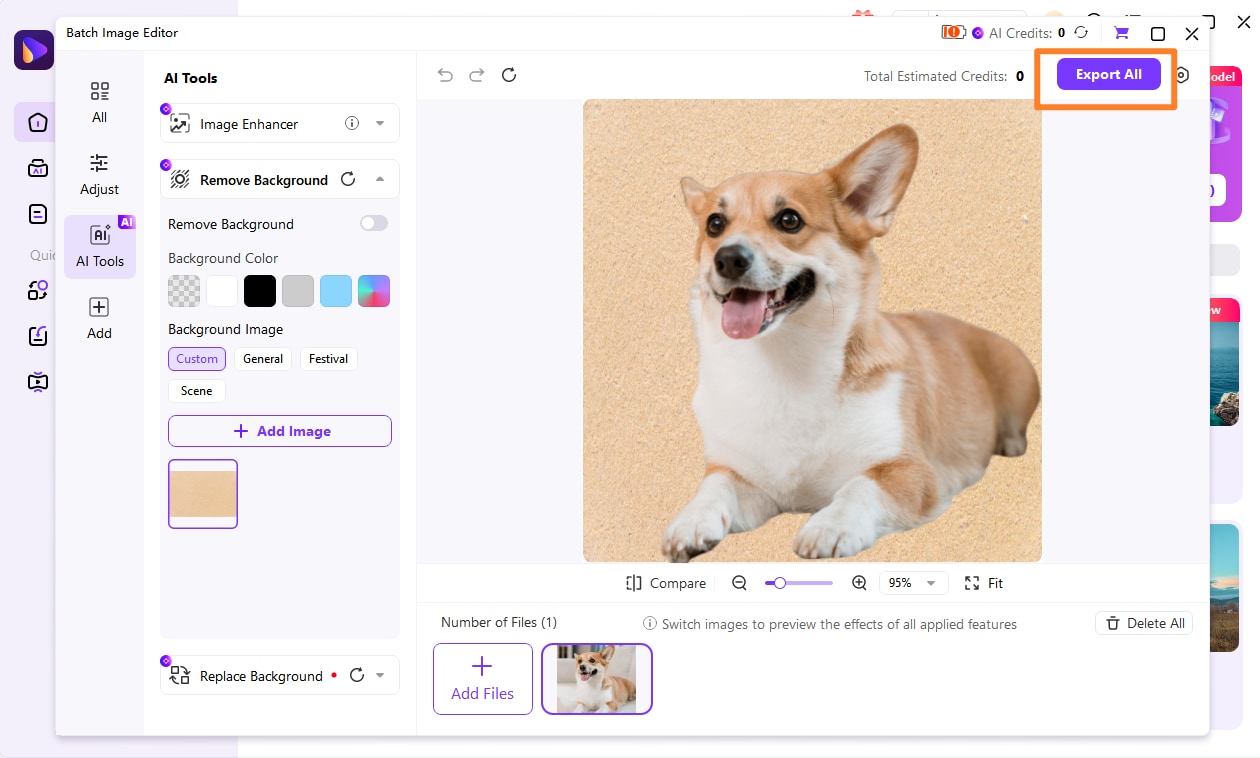
Step 4: Export and Share Your Enhanced Content

Seeking a Designify Alternative for Enhanced Editing?
Part 7: Conclusion
After spending considerable time with Designify, my Designify review boils down to this: it's a fantastic tool for specific, high-volume, and repetitive design tasks, especially for small business owners or content creators who need quick, decent-looking visuals without a steep learning curve. Its AI-driven background removal and instant banner generation are genuine time-savers. However, for those requiring granular control, unique creative output, or strict brand consistency, Designify will likely feel too restrictive. Professional designers or agencies will find themselves needing more sophisticated tools. Ultimately, your decision should hinge on your specific workflow, budget, and the level of design control you require. For quick, automated visuals, Designify is a strong contender; for complex design projects, consider a broader suite or a specialized tool like UniConverter for specific image editing needs.
Part 8: FAQs
-
1. Is Designify suitable for professional graphic designers?
No, not as a primary tool. While it can assist with quick tasks, professional designers will find its customization options too limited for complex projects requiring granular control and unique creative input.
-
2. How does Designify handle image privacy?
Like most cloud-based services, Designify has a privacy policy outlining how it handles uploaded data. It's always recommended to review these policies and avoid uploading highly sensitive or confidential images without understanding their data retention and usage practices.
-
3. Can Designify create animated graphics?
No, Designify is primarily focused on static image design, particularly for background removal, product mockups, and marketing banners. It does not offer features for creating animated graphics or videos.
-
4. What are the main differences between Designify and Canva?
Designify excels in AI-driven automation for specific tasks like background removal and instant design generation. Canva, on the other hand, is a broader design platform offering a vast library of templates, extensive customization options, and features for various design types, making it more versatile for general graphic design.
-
5. Is there a free version of Designify available?
Yes, Designify typically offers a freemium model, providing a limited set of features or a certain number of free credits/exports. Full access to all features and higher usage limits usually requires a paid subscription.
