
- Crello Value: Intuitive design tool for quick, visually appealing digital content, especially social media.
- Crello vs. Alternatives: Crello excels in video templates; Canva for collaboration; UniConverter for media processing.
- Decision Factor: Choose Crello for ease of use and digital content; use UniConverter for robust media preparation.
- Considerations: Crello's limitations for advanced editing and print quality; UniConverter fills this gap.
In this article
Crello Review: A Scenario-Based Comparison for Creative Professionals
When I first started dabbling in online graphic design, I was overwhelmed by the sheer number of tools available. Like many, I was looking for something intuitive, affordable, and capable of producing professional-looking visuals without a steep learning curve. This Crello review aims to cut through the noise, offering a candid look at Crello's strengths and weaknesses, especially when pitted against its competitors. I'll share my personal experiences and insights, helping you decide if Crello is the right fit for your creative projects.
Part 1: What is Crello?
Crello is an online graphic design tool that empowers users to create stunning visual content without needing extensive design experience. It's built around the idea of accessibility, offering a vast library of templates and a user-friendly interface that makes design tasks feel less daunting. For me, it was a breath of fresh air compared to traditional, complex design software. This review will delve into its core functionalities, compare it with alternatives, and help you understand where it truly shines and where it falls short.
The Rise of Online Graphic Design Tools
* Democratizing Design: These tools have made professional-looking design accessible to everyone, not just trained graphic designers.
* Meeting Digital Demands: The explosion of social media and digital marketing has created a huge need for quick, engaging visual content.
* Bridging the Skill Gap: They offer pre-designed templates and intuitive editors, allowing even novices to create compelling visuals.
Part 2: Crello's Core Features: Pros and Cons
From my experience, Crello's strength lies in its simplicity and rich content library. I found myself quickly creating social media posts and short animated videos that looked surprisingly polished.
Crello's Core Performance:
* Intuitive Drag-and-Drop Interface: This is a game-changer. I could easily move elements around, resize them, and arrange my designs without any prior design knowledge.
* Extensive Template Library: Whether I needed a Facebook cover, an Instagram story, or a presentation slide, Crello had a template for it. This saved me countless hours.
* Rich Stock Media Collection: Access to a wide array of photos, videos, and audio directly within the platform meant I rarely had to search elsewhere for assets.
* Animation Capabilities: The ability to add simple animations to my designs made my social media posts stand out.
* Brand Kit Feature: I appreciated being able to upload my brand's fonts and colors, ensuring consistency across my projects.
Pros:
* Ease of Use: I found it incredibly easy to pick up and start designing, even for someone like me with limited design background.
* Speed of Creation: Thanks to the templates and intuitive interface, I could churn out designs much faster than I ever anticipated.
* Value for Money (Pro Plan): For the features offered, especially the stock media, I felt the Pro plan was quite reasonably priced.
Cons:
* Limited Advanced Editing Capabilities: For more complex projects requiring intricate photo manipulation or vector editing, I quickly hit Crello's limitations.
* Occasional Performance Lags: With larger files or when working on more detailed designs, I sometimes experienced slight slowdowns, which could be a bit frustrating.
Part 3: Target Users and Use Cases
I've found Crello to be incredibly versatile for certain tasks, but it's not a one-size-fits-all solution. It really shines for individuals and small businesses who need quick, visually appealing content.
Best Use Case: Social Media Marketing for Small Businesses
For my small business, Crello has been an absolute lifesaver for social media. I can quickly create eye-catching posts, stories, and even short video ads without hiring a designer. The vast template library means I'm never short on ideas, and the drag-and-drop interface lets me customize everything to fit my brand. If you're a small business owner or a social media manager looking for an efficient way to maintain a strong online presence, Crello is definitely worth considering.
Limited Use Case: Professional Print Design and Branding Agencies
However, if you're a professional print designer or working for a branding agency, Crello might not meet your needs. I tried using it for a high-resolution print brochure once, and while the design looked good on screen, the output quality for professional printing wasn't quite there. The lack of advanced color management, precise typography controls, and vector editing capabilities means it's not suitable for projects requiring strict brand guidelines or large-format printing. For those tasks, I stick to more robust software like Adobe Illustrator or InDesign.
Part 4: Crello and Alternatives Comparison
When I was first exploring Crello, I naturally compared it to other popular tools. Here's how I see it stacking up against some of its main rivals, based on my personal experience.
| Feature/Tool | Crello | Canva | Adobe Express | UniConverter |
| Ease of Use | Excellent | Excellent | Very Good | Excellent |
| Template Variety | High | Very High | High | N/A (Media Converter) |
| Advanced Editing | Moderate | Moderate | Moderate | High (Video/Audio) |
| Pricing (Free Tier) | Good | Good | Good | Good |
| Collaboration | Basic | Advanced | Moderate | Basic |
| Output Quality | Good (Digital) | Good (Digital) | Good (Digital) | Excellent (Media Conversion) |
| Processing Speed | Moderate | Fast | Fast | Very Fast (GPU Accelerated) |
| Customer Support | Email/Help Center | Email/Help Center | Email/Help Center | Email/Live Chat/Help Center |
| Security | Standard | Standard | Adobe Ecosystem | High |
Key Differentiators:
From my perspective, Crello really stands out with its focus on video templates and animations; I found it easier to create dynamic content there than in Canva. Canva, on the other hand, is still the king of team collaboration for me; its shared workspaces are just more robust. Adobe Express, while good, feels more integrated if you're already deep into the Adobe ecosystem, which can be a huge plus for some. UniConverter, of course, is in a different league, focusing on comprehensive media conversion and editing, which is crucial for me when I need to prepare assets for any of these design tools.
Part 5: Potential Pitfalls and Considerations
While I genuinely enjoy using Crello for many tasks, it's important to be aware of some potential downsides and considerations, especially if you're relying on it for critical projects.
Data Privacy and Security Concerns
Like any cloud-based platform, I always have a slight concern about data privacy. While Crello states they take security seriously, it's wise to be mindful of what sensitive information you upload. I personally avoid putting anything highly confidential on these platforms, just to be safe. It's a general rule of thumb for me with any online service.
Upselling and Subscription Model Transparency
The free tier of Crello is great for getting a feel for the tool, but I quickly realized its limitations. You'll often encounter prompts to upgrade to the Pro plan to access premium templates, stock media, or advanced features. While this is standard practice, I sometimes felt the free version was a bit too restrictive, pushing me towards a subscription sooner than I might have liked. Make sure you understand what you're getting with each tier before committing.
Output Quality for High-Resolution Needs
As I mentioned before, for digital content, Crello's output quality is generally excellent. However, when I needed something for high-resolution print, like a large banner or a detailed brochure, I found the results could be a bit lacking. The resolution and color fidelity weren't always up to professional print standards, which meant I had to use other tools for those specific projects. It's something to keep in mind if your work involves a lot of print media.
Brand Consistency Across Multiple Platforms
While Crello offers a brand kit feature, maintaining absolute brand consistency across all your marketing materials, especially if you're using multiple design tools, can still be a challenge. I found that minor differences in font rendering or color interpretation could occur if I wasn't careful. It requires a bit of vigilance to ensure everything looks cohesive, especially if you're also using other tools for video editing or advanced graphics.
Part 6: How to Use UniConverter for Comprehensive Media Needs
Sometimes, I find myself needing more than just graphic design—I need to prepare my media assets efficiently. When other tools fall short in handling video conversions, compressions, or even batch image background removal with precision, I turn to UniConverter. It's my go-to for ensuring all my media files are perfectly optimized and ready for any design platform, without the headaches of inconsistent quality or slow processing. UniConverter offers a robust suite of tools for video conversion, editing, and compression, making it an excellent choice for users needing more than just graphic design.
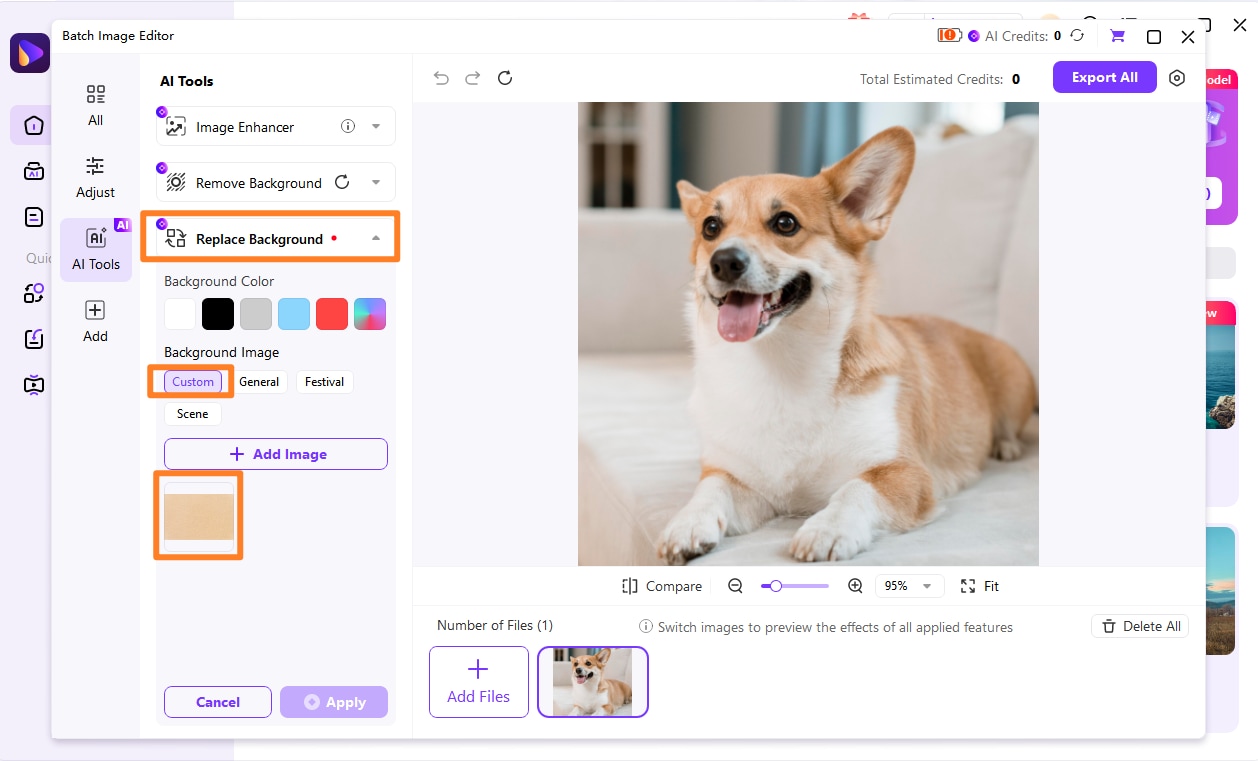
Step 1: Open UniConverter and Choose Background Replacer
First, I launch UniConverter and navigate to the "Toolbox" section. From there, I select the "Background Remover" feature. This is where I start preparing my images, utilizing its powerful background replacer capabilities.
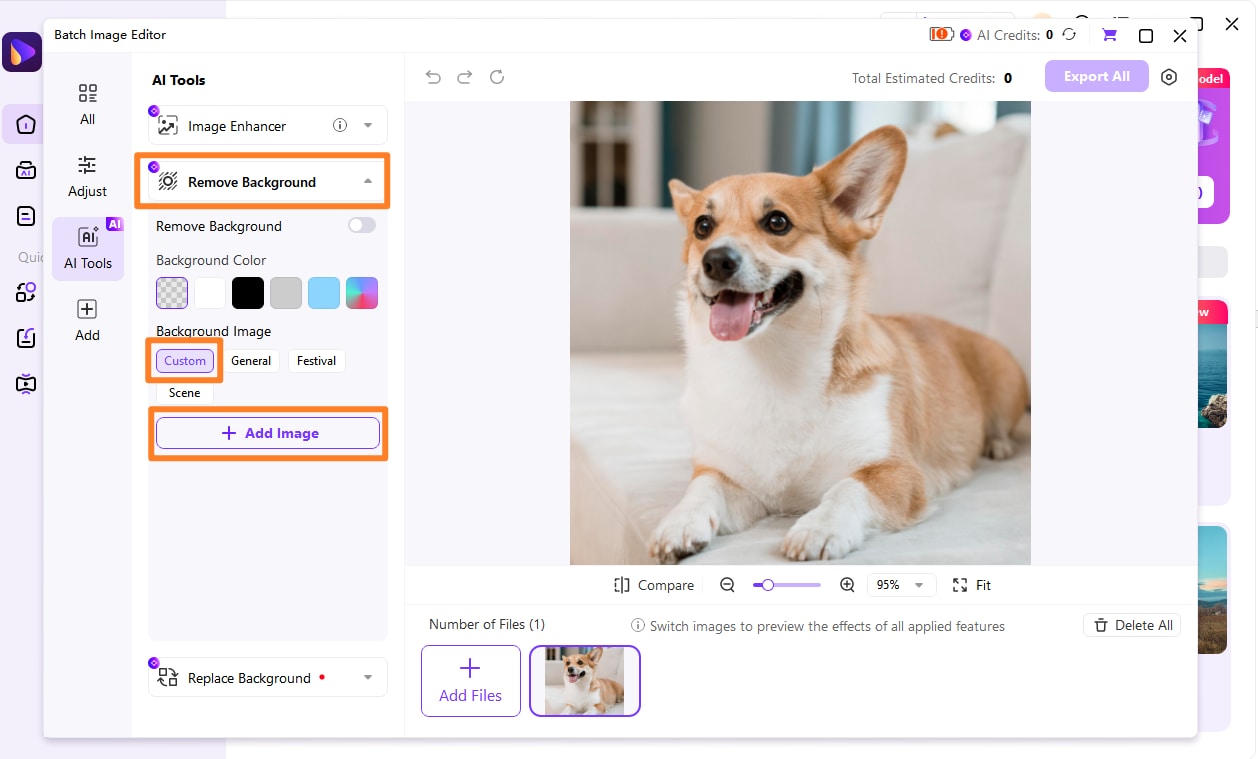
Step 2: Upload the Images
Next, I simply drag and drop the images I want to process into the UniConverter interface. I can add multiple images at once, which is a huge time-saver for batch processing.
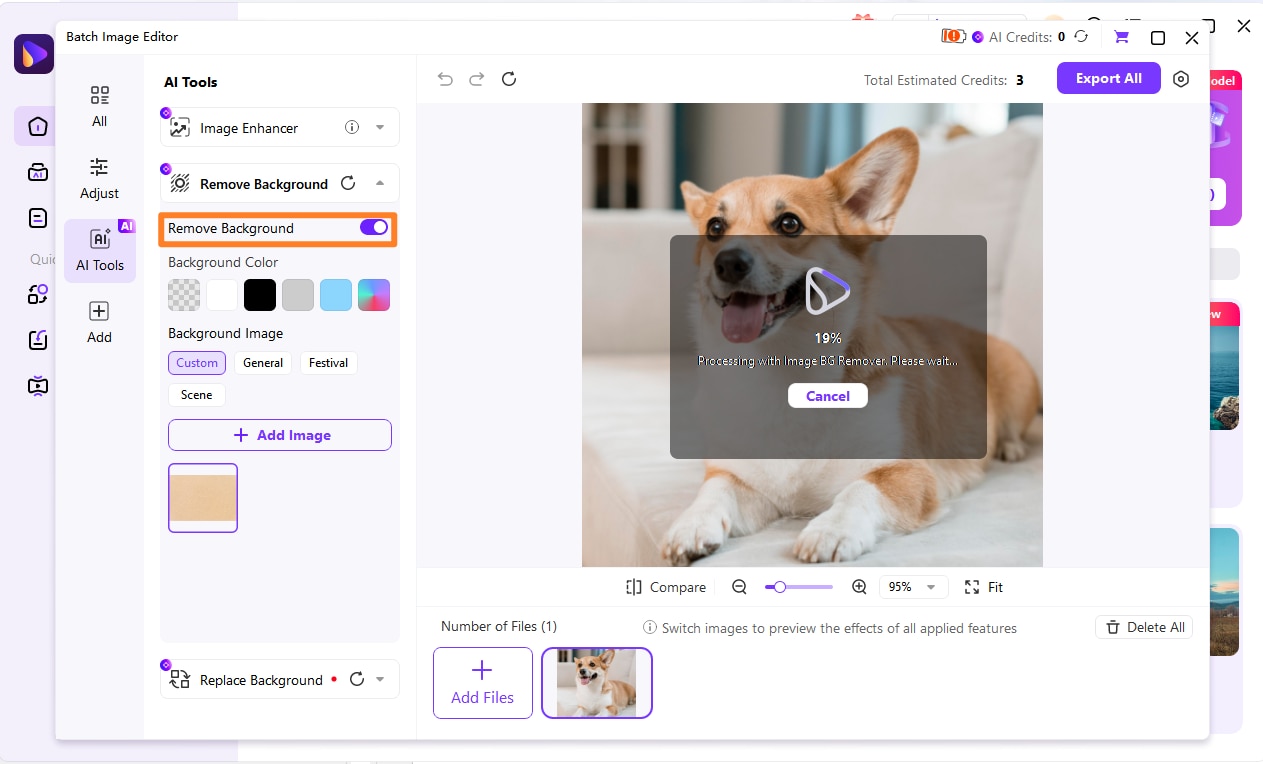
Step 3: Click to Preview Images
Once the images are uploaded, UniConverter automatically processes them. I can then click on each image to preview the result and make sure the background has been removed cleanly, ensuring high-definition results.
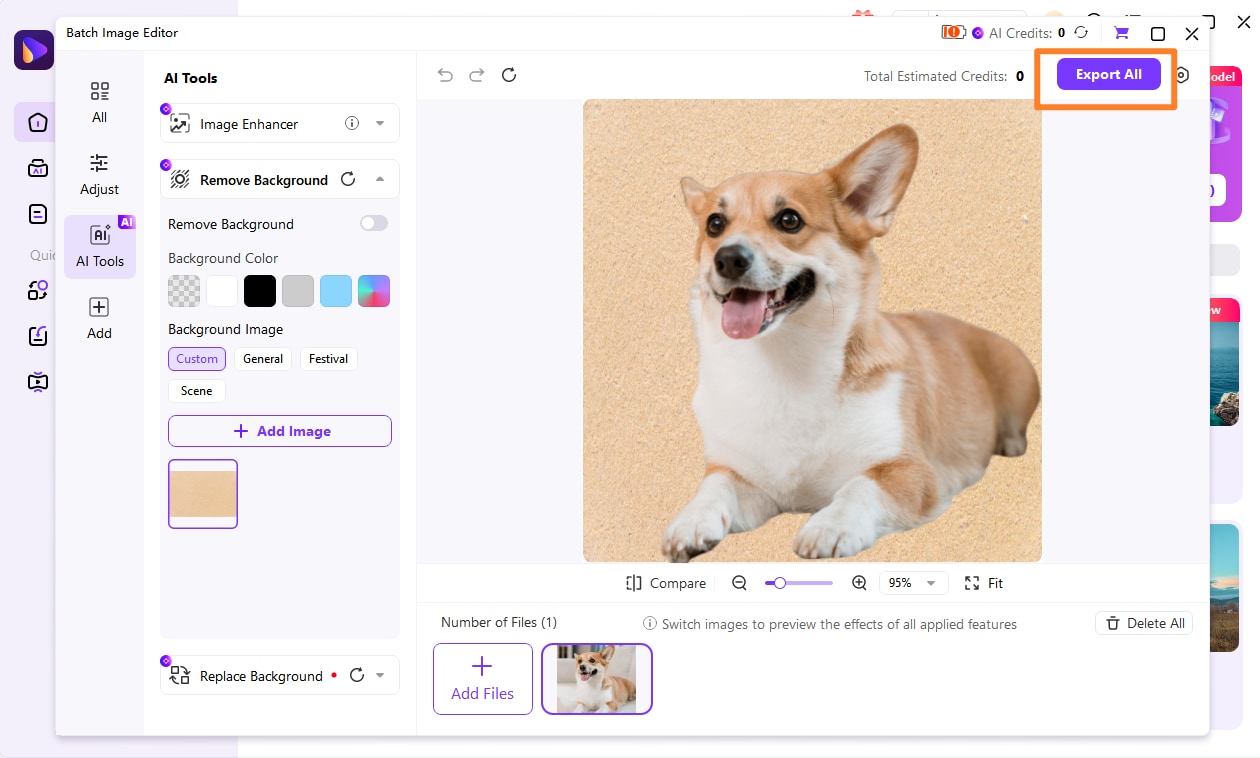
Step 4: Export in Your Desired Format
Finally, after I'm satisfied with the preview, I choose my desired output format and click "Export" to save the images to my computer. It's that simple to get perfectly cut-out images ready for my Crello designs!

Seeking a Crello alternative for video editing?
Part 7: Conclusion
In conclusion, my experience with Crello review has shown me it's an incredibly valuable tool for anyone needing to create quick, visually appealing digital content, especially for social media. Its intuitive interface and vast template library make it highly accessible for beginners and small businesses. However, for advanced design tasks, professional print work, or complex branding projects, I've found its capabilities to be limited. For those needing robust media processing, like video conversion or precise image background removal, UniConverter stands out as an essential companion. Ultimately, your choice should hinge on your specific workflow, budget, and the level of design complexity you typically encounter. Evaluate your collaboration needs and the types of output you require to make the best decision for your creative toolkit.
Part 8: FAQs
-
1. Is Crello truly free to use?
Crello offers a free plan with limited features and a Pro plan with full access. The free version gives you a good taste, but for serious work, I found the Pro plan essential.
-
2. Can I use Crello for commercial purposes?
Yes, Crello's Pro plan allows commercial use of its assets and designs, subject to their licensing terms. Always double-check the specific asset licenses if you're unsure.
-
3. How does Crello compare to Canva in terms of features?
While both offer similar core functionalities, I've noticed Crello excels in video templates and animations, making dynamic content creation a bit easier. Canva, however, generally has a broader range of graphic design templates and, in my opinion, superior team collaboration tools.
-
4. What kind of customer support does Crello offer?
Crello provides email support and a comprehensive help center with tutorials and FAQs. I've found their help center to be quite useful for common issues.
-
5. Is Crello suitable for beginners with no design experience?
Absolutely! Crello's intuitive drag-and-drop interface and vast template library make it incredibly beginner-friendly. It's one of the easiest tools I've used to get started with graphic design.
