
- Value: SameMovie excels at converting streaming content for offline viewing, especially with DRM removal.
- Comparison: UniConverter offers superior speed and more advanced editing features than SameMovie.
- Decision: Choose SameMovie for simple DRM-protected streaming conversions; UniConverter for comprehensive, faster media management.
- Pitfalls: Be aware of potential quality loss, data privacy concerns, and bundled software with SameMovie.
- Efficiency: UniConverter provides an all-in-one solution for lossless, GPU-accelerated video and audio conversion.
In this article
- Part 1: What is SameMovie Video Converter?
- Part 2: SameMovie Video Converter: Core Features, Pros, and Cons
- Part 3: Target Users and Use Cases
- Part 4: SameMovie Video Converter and Alternatives Comparison
- Part 5: Risks and Pitfalls to Consider
- Part 6: How to Use UniConverter for Efficient Video and Audio Conversion
- Part 7: Conclusion
SameMovie Video Converter: A Comprehensive Review and Comparison
In today's digital age, the need for versatile and reliable video conversion tools is paramount, especially for users looking to manage their media libraries effectively. SameMovie Video Converter review delves into a solution designed to address these demands, offering a pathway to convert various video formats for different devices and platforms. This review will provide an in-depth analysis of its features, compare it against leading competitors, and highlight its strengths and weaknesses, helping you determine if it's the right tool for your specific video conversion needs. We'll explore its core functionalities, ideal use cases, potential pitfalls, and ultimately guide you toward an informed decision in the crowded video converter market.
Part 1: What is SameMovie Video Converter?
SameMovie Video Converter positions itself as a user-friendly and efficient tool primarily focused on converting videos from popular streaming services and local files into widely compatible formats. Its core mission is to empower users to enjoy their favorite content across various devices without format restrictions or internet dependency. This review aims to dissect its capabilities, scrutinize its performance, and assess its value proposition in the competitive landscape of video conversion software. We will address key questions surrounding its effectiveness in handling different video sources, its output quality, and its overall user experience.
Understanding the Video Conversion Landscape
* The Proliferation of Streaming Services: The rise of platforms like Netflix, Amazon Prime Video, and Disney+ has created a demand for tools that can convert downloaded content for offline, device-agnostic playback.
* Device Fragmentation: With an array of smartphones, tablets, smart TVs, and gaming consoles, ensuring video compatibility across all devices is a common user challenge.
* DRM Protection: Many streaming services employ Digital Rights Management (DRM) to protect their content, posing a significant hurdle for users wishing to convert or transfer videos.
* Need for Simplicity and Efficiency: Users often seek conversion tools that are intuitive, fast, and maintain high video quality without requiring extensive technical knowledge.
Part 2: SameMovie Video Converter: Core Features, Pros, and Cons
SameMovie Video Converter offers a streamlined approach to video conversion, emphasizing ease of use and broad format support. Its primary capabilities revolve around converting videos from various sources, including streaming platforms, into formats suitable for offline playback on a multitude of devices. The software aims to simplify the often complex process of video format conversion, making it accessible to a wider audience. It focuses on delivering a straightforward experience while maintaining acceptable output quality.
Pros:
* Intuitive User Interface for Quick Conversions: The software boasts a clean and easy-to-navigate interface, allowing even novice users to perform conversions with minimal effort.
* Wide Range of Output Formats for Device Compatibility: SameMovie supports a comprehensive array of output formats, ensuring compatibility with almost any device, from smartphones to smart TVs.
* Batch Processing for Efficient Workflow: Users can convert multiple video files simultaneously, significantly saving time and streamlining their workflow.
Cons:
* Limited Advanced Editing Features: The tool lacks sophisticated editing functionalities such as trimming, cropping, or adding effects, which might be a drawback for users needing more control over their videos.
* Occasional Performance Issues with Large Files: While generally efficient, some users might experience slower conversion speeds or occasional crashes when processing exceptionally large video files.
Part 3: Target Users and Use Cases
SameMovie Video Converter is ideally suited for individuals who frequently download content from streaming services and wish to convert it for offline viewing on various devices. Its simplicity makes it a good fit for casual users who prioritize ease of use over advanced editing capabilities. It caters to those who need a reliable tool to bypass format restrictions and enjoy their media library without constant internet access.
Best Use Case: Converting Downloaded Streaming Content for Offline Playback
Imagine you've downloaded several movies from Netflix or Amazon Prime Video and want to watch them on your tablet during a long flight without an internet connection. SameMovie Video Converter excels in this scenario. You can easily import your downloaded content, select your tablet's compatible format (e.g., MP4), and convert them efficiently. This allows for seamless offline entertainment, making it perfect for travelers, commuters, or anyone with limited internet access.
Limitation Scenario: Professional Video Editing and Advanced Post-Production
While SameMovie Video Converter is excellent for basic format conversion, it falls short for professional video editors or content creators who require advanced post-production features. If you need to perform precise cuts, add complex visual effects, color grade footage, or mix multi-track audio, SameMovie will not meet your needs. Its lack of a robust editing suite means it cannot replace dedicated video editing software like Adobe Premiere Pro or DaVinci Resolve for intricate projects.
Part 4: SameMovie Video Converter and Alternatives Comparison
| Feature/Aspect | SameMovie Video Converter | UniConverter | HandBrake | Any Video Converter |
| Ease of Use | High | High | Medium | Medium |
| Output Formats | Extensive | Extensive | Moderate | Extensive |
| Advanced Editing | Basic | Moderate | Basic | Basic |
| Price | Moderate | Moderate | Free | Moderate |
| DRM Removal | Yes | Yes | No | Yes |
| Processing Speed | Good | Excellent | Good | Good |
| Output Quality | High | High | Good | High |
| Customer Support | Good | Excellent | Community | Good |
| Security | Good | Excellent | Good | Good |
Key Differentiators: What Sets SameMovie Apart (and Where it Falls Short)
SameMovie Video Converter distinguishes itself with its focus on DRM removal, a critical feature for users wanting to convert content from streaming services. While UniConverter also offers this, SameMovie provides a slightly more streamlined experience for this specific task. However, UniMovie surpasses SameMovie in terms of overall processing speed and a more comprehensive suite of moderate editing tools. HandBrake, being open-source and free, is excellent for basic conversions but lacks DRM removal and a user-friendly interface for beginners. Any Video Converter offers similar features to SameMovie but often comes with more bundled software. For users prioritizing ease of use and DRM removal, SameMovie is a strong contender, but for those needing more robust features and faster performance, UniConverter often proves superior.
Part 5: Risks and Pitfalls to Consider
When utilizing video conversion software, especially those that interact with copyrighted material or offer free versions, it's crucial to be aware of potential risks and pitfalls. These can range from technical issues affecting your media to broader concerns about data security and unwanted software installations. Understanding these risks can help users make more informed decisions and protect their digital environment.
Potential for Quality Loss During Conversion
One of the most common concerns with any video converter is the potential degradation of video and audio quality during the conversion process. While SameMovie Video Converter generally aims for high-quality output, aggressive compression settings or issues with source files can lead to noticeable pixelation, artifacting, or audio sync problems. Users should always preview converted files to ensure they meet their quality expectations.
Data Privacy Concerns with Third-Party Software
Installing third-party software, especially those that access your local files or interact with online services, always carries a degree of data privacy risk. It's essential to understand what data the software collects, how it's used, and if it's shared with third parties. Always review the privacy policy of SameMovie Video Converter and any similar tools to ensure your personal information is protected.
Unwanted Bundled Software or Advertisements
Some free or even paid software can come bundled with additional, often unwanted, programs or persistent advertisements. These can range from browser toolbars to other utility software that you didn't intend to install. Such bundled software can slow down your system, change browser settings, or even pose security risks. Always pay close attention during the installation process and opt out of any additional software offers.
Customer Support Responsiveness and Availability
The quality and responsiveness of customer support can significantly impact your experience, especially when encountering technical issues. A lack of readily available or effective customer support can leave users frustrated and unable to resolve problems. Before committing to a purchase, it's advisable to research SameMovie Video Converter's customer support options, including response times and available channels.
Part 6: How to Use UniConverter for Efficient Video and Audio Conversion
When other tools fall short with batch processing, stability issues, or quality loss, UniConverter emerges as a robust and reliable alternative. It provides an all-in-one solution for video conversion, offering lossless quality, lightning-fast GPU-accelerated conversions, extensive format support, and a clean, ad-free experience. UniConverter is designed to handle even the most demanding tasks, ensuring your media is converted efficiently and perfectly, making it the ultimate choice for all your video and audio conversion needs.
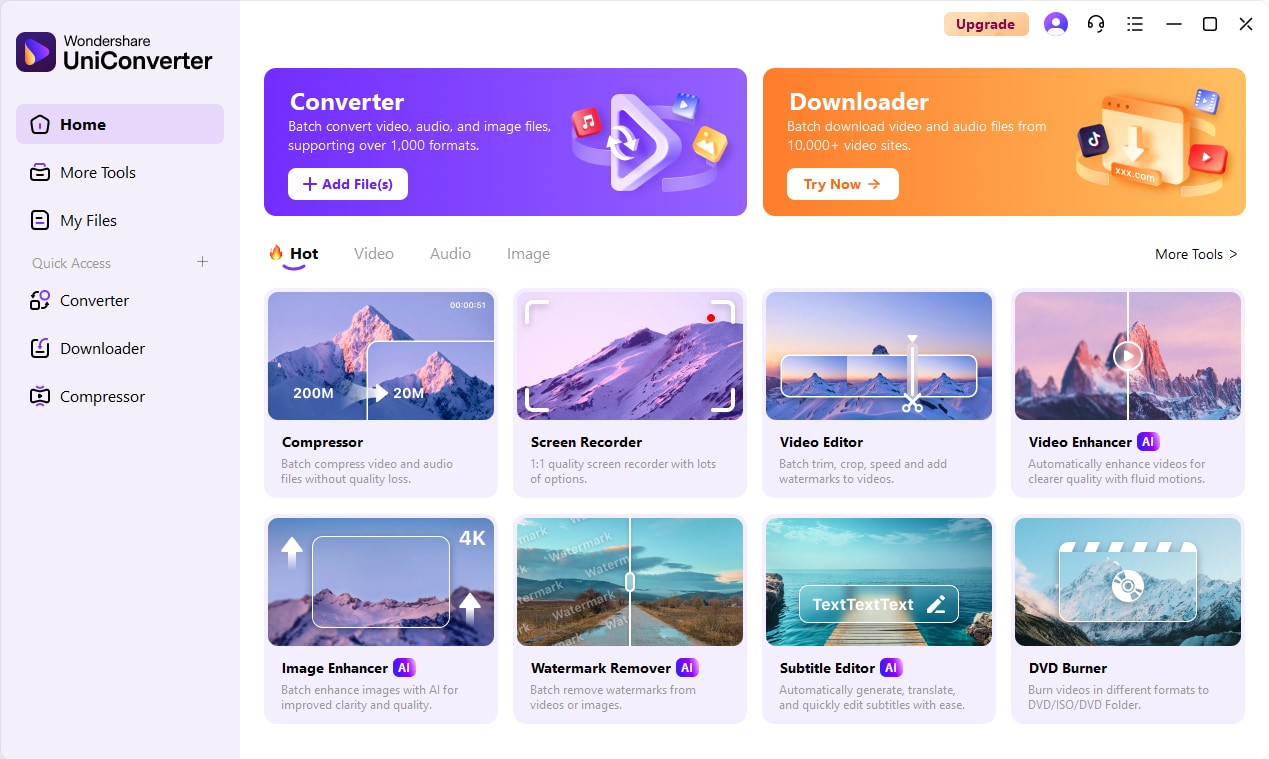
Step 1: Open UniConverter and Choose Converter
Launch UniConverter on your computer. From the main interface, select the "Converter" tab to begin your video conversion process.
Step 2: Upload the Video, Audios or Images
Click on the "Add Files" button or simply drag and drop your video, audio, or image files into the UniConverter window.

Step 3: Choose Required Formats or Parameters
At the bottom of the interface, click on the "Output Format" dropdown menu. Select your desired output format and adjust any specific parameters like resolution, bitrate, or encoder if needed. For instance, you can easily convert MOV to MP4 or convert MP4 to MP3 with just a few clicks. If you need to convert images, UniConverter also supports a wide range of image formats.

Step 4: Save the Converted File
Click the "Convert" or "Start All" button to begin the conversion. Once completed, you can find your converted files in the specified output folder.


High Efficient Tool to Batch Convert Media
Part 7: Conclusion
In conclusion, the SameMovie Video Converter review reveals a tool that effectively addresses the common need for converting streaming content and local videos into widely compatible formats. It stands out for its intuitive user interface and robust DRM removal capabilities, making it an attractive option for casual users who prioritize simplicity and offline playback. However, its limitations in advanced editing and occasional performance hiccups with large files mean it might not satisfy the demands of professional users. While SameMovie offers a compelling solution for specific use cases, users seeking a more comprehensive, faster, and feature-rich experience, especially with extensive editing needs or diverse media management, might find UniConverter to be a superior alternative. Ultimately, the best choice depends on individual priorities, balancing the need for DRM removal with overall functionality, speed, and the desire for an ad-free, stable environment.
Part 8: FAQs
-
1. Is SameMovie Video Converter safe to use?
Yes, SameMovie Video Converter is generally considered safe to use. However, like any third-party software, it's always recommended to download it from the official website to avoid bundled malware and to review its privacy policy. -
2. Can SameMovie Video Converter remove DRM from videos?
Yes, one of SameMovie Video Converter's primary features is its ability to remove DRM (Digital Rights Management) from videos downloaded from popular streaming services, allowing users to convert them for offline playback on various devices. -
3. What are the best alternatives to SameMovie Video Converter?
Some of the best alternatives to SameMovie Video Converter include UniConverter, HandBrake (for open-source and free basic conversions), and Any Video Converter. UniConverter is often highlighted for its speed, comprehensive features, and stable performance. -
4. Does SameMovie Video Converter support 4K video conversion?
Yes, SameMovie Video Converter does support 4K video conversion, allowing users to convert high-resolution videos while aiming to maintain their original quality, though performance can vary with file size and system specifications. -
5. How does SameMovie Video Converter handle large video files?
SameMovie Video Converter can handle large video files, but users might experience slower conversion speeds compared to smaller files. Occasional performance issues or crashes have been reported with extremely large files, suggesting that system resources play a significant role.
