
- XnConvert Value: Robust, cross-platform batch image processor for diverse manipulations beyond simple compression.
- XnConvert Features: Extensive format support, batch conversion, editing tools, metadata editing, and scripting capabilities.
- XnConvert Pros: Efficient batch processing, wide format support, and advanced customization for precise output control.
- XnConvert Cons: Steep learning curve and an outdated user interface may deter new users.
- Ideal Users: Best for professional photographers and graphic designers managing large image libraries.
- Limited Use: Overkill for casual users needing quick, simple compressions; simpler tools are better.
- Comparison: XnConvert excels in batch processing and format support; UniConverter offers balanced power and ease of use.
- Risks: Aggressive compression can degrade quality; online alternatives pose privacy concerns.
- UniConverter Alternative: Offers versatile, user-friendly compression for images, audio, and video with GPU acceleration.
- Decision: Choose XnConvert for ultimate control and batch power; UniConverter for streamlined, all-in-one media solutions.
In this article
- Part 1: What is XnConvert Image Compressor
- Part 2: XnConvert Image Compressor: Core Features, Pros & Cons
- Part 3: XnConvert Image Compressor: Ideal Users & Use Cases
- Part 4: XnConvert Image Compressor and Alternatives Comparison
- Part 5: Risks & Pitfalls to Consider
- Part 6: How to Use UniConverter for Efficient Audio and Video Compression
- Part 7: Conclusion
- Part 8: FAQs
When you're dealing with vast collections of images, especially as a professional photographer or a graphic designer, efficient compression tools become indispensable. This XnConvert Image Compressor review dives deep into one such powerful, yet often overlooked, desktop application. We’ll explore its capabilities, weigh its advantages and disadvantages, and pit it against popular alternatives to help you understand where it truly shines and where you might need to look elsewhere. This review aims to provide a comprehensive, scenario-based analysis, guiding you through its features and helping you make an informed decision for your image compression needs.
Part 1: What is XnConvert Image Compressor
XnConvert Image Compressor is a robust, cross-platform batch image processor that goes far beyond simple compression. Developed by XnSoft, the same team behind the popular XnView image viewer, it's designed for users who need to perform a wide array of image manipulations on multiple files simultaneously. My journey with XnConvert began when I was overwhelmed by the sheer volume of high-resolution photos from a recent project, struggling to optimize them for web and client delivery without sacrificing quality. This tool promised a solution, and this review will address whether it lives up to that promise for various user needs.
The Landscape of Image Compression Tools
The digital world demands optimized images, and the market is flooded with tools.
* Balancing Quality and File Size: The eternal struggle for photographers and web developers.
* Batch Processing Necessity: Manual compression for hundreds or thousands of images is simply not feasible.
* Diverse Format Requirements: Different platforms and clients often require specific image formats.
* Privacy Concerns: Uploading sensitive images to online compressors can be a non-starter for many professionals.
Part 2: XnConvert Image Compressor: Core Features, Pros & Cons
XnConvert Image Compressor is a powerhouse for anyone needing to process images in bulk. Its core strength lies in its ability to handle a massive array of image formats and apply numerous operations beyond just compression. I've found its batch processing capabilities to be a game-changer for large projects, allowing me to set up complex workflows and let the software do the heavy lifting.
Core Features:
* Extensive Format Support: Reads over 500 image formats and writes to about 70.
* Batch Conversion & Compression: Process thousands of images with a single click.
* Image Editing Tools: Includes resizing, watermarking, color adjustments, and more.
* Metadata Editing: Preserve or remove EXIF, IPTC, and XMP metadata.
* Scripting Capabilities: Save and reuse custom action sets for repetitive tasks.
Pros:
* Batch Processing Efficiency for Large Photo Collections: This is where XnConvert truly excels. I can load an entire folder of RAW files, apply a series of adjustments, convert, and compress them in one go, saving me countless hours.
* Extensive Format Support for Diverse Image Needs: Whether I'm dealing with obscure legacy formats or cutting-edge WebP, XnConvert handles it all, making it incredibly versatile for client work.
* Advanced Customization Options for Precise Output Control: The level of control over compression algorithms, quality settings, and output parameters is unparalleled, allowing me to fine-tune results for specific requirements.
Cons:
* Steep Learning Curve for Beginners: The sheer number of options and the somewhat cluttered interface can be intimidating for new users. It took me a while to master its full potential.
* Outdated User Interface Design: While functional, the UI feels a bit dated compared to modern applications, which can detract from the overall user experience.
Part 3: XnConvert Image Compressor: Ideal Users & Use Cases
XnConvert Image Compressor isn't for everyone, but for the right user, it's an invaluable tool. I've found it particularly useful when my workflow demands high volume and precision, rather than just quick, casual edits. It’s a tool that rewards patience and a willingness to explore its deeper functionalities.
Best Use Case: Professional Photographers & Graphic Designers Managing Large Image Libraries
As a professional, I frequently deal with hundreds, sometimes thousands, of high-resolution images from photoshoots or design projects. XnConvert allows me to batch resize, watermark, apply color profiles, and compress these images for different outputs – web, print, or client review – all in one go. For instance, after a wedding shoot, I can process all RAW files into web-optimized JPEGs and high-resolution TIFFs for print, saving me days of manual work. The ability to save and reuse custom scripts is a lifesaver for recurring tasks.
Limited Use Case: Casual Users Needing Quick, Simple Compressions
If you're just looking to quickly shrink a few photos for an email or social media post, XnConvert might be overkill. The initial setup and navigation through its extensive options can be daunting for someone who just wants a "one-click" solution. For these simple tasks, I often find myself reaching for simpler, often online, tools that prioritize ease of use over advanced features. The learning curve and the desktop application overhead aren't justified for occasional, basic compression needs.
Part 4: XnConvert Image Compressor and Alternatives Comparison
When I'm evaluating image compression tools, I look for a balance of power, ease of use, and specific features that align with my workflow. Here's how XnConvert stacks up against some popular alternatives, including UniConverter.
| Feature/Scenario | XnConvert Image Compressor | UniConverter | TinyPNG | ImageOptim | Squoosh |
| Batch Processing | Excellent | Excellent | Limited (max 20 files) | Good | Limited (single file or small batches) |
| Format Support | Extensive (500+ read, 70+ write) | Extensive (1000+ formats for conversion) | PNG/JPG only | PNG/JPG/GIF | WebP/PNG/JPG/AVIF |
| Customization | High (detailed settings for quality, size, effects) | High (resolution, quality, output format) | Low (automatic optimization) | Medium (some quality settings) | Medium (sliders for quality, format) |
| Ease of Use | Moderate (steep learning curve) | High (intuitive UI) | High (drag & drop) | High (drag & drop) | High (web-based) |
| Offline Capability | Yes | Yes | No (web-based) | Yes | No (web-based) |
| Price | Free (for personal/educational use) | Freemium (paid for full features) | Freemium | Free | Free |
XnConvert Image Compressor stands out for its unparalleled batch processing and extensive format support, making it ideal for professionals with diverse needs. UniConverter offers a fantastic balance, providing excellent batch capabilities and a user-friendly interface, making it a strong contender for those who want power without the steep learning curve. TinyPNG and Squoosh are great for quick, high-quality compression of a few files, especially for web optimization, but lack the robust batch and format support of XnConvert or UniConverter. ImageOptim is a solid desktop option for Mac users, offering good lossless compression. For me, if I need ultimate control and batch power, XnConvert is my go-to. If I need a more streamlined, all-in-one solution with excellent compression, UniConverter is a strong choice.
Part 5: Risks & Pitfalls to Consider
While XnConvert Image Compressor is a powerful tool, like any software, it comes with potential risks and pitfalls that I've learned to navigate. Being aware of these helps me avoid headaches and ensure my work remains professional and secure.
Potential Loss of Image Quality with Aggressive Compression
One of the biggest risks I face with any compression tool is the potential for irreversible quality degradation. XnConvert offers a wide range of compression settings, and it's tempting to push the limits for the smallest file size. However, aggressive JPEG compression, for instance, can introduce noticeable artifacts and reduce image clarity, especially in areas with fine details or smooth gradients. I always recommend doing test runs on a few sample images before applying extreme settings to an entire batch. It's a delicate balance between file size and visual fidelity, and finding that sweet spot requires careful experimentation.
Privacy Concerns with Online Alternatives
While XnConvert is a desktop application and thus inherently more private, I've had experiences with online compressors that raise privacy red flags. When you upload images to a web-based service, you're essentially entrusting your data to a third party. For sensitive client work or personal photos, this can be a significant concern. Some online tools might retain copies of your images, use them for analytics, or even have security vulnerabilities. This is a major reason why I prefer offline tools like XnConvert for critical projects, as my images never leave my local machine.
Software Compatibility Issues on Older Operating Systems
As a desktop application, XnConvert relies on your operating system's compatibility. I've occasionally encountered minor glitches or performance issues when running it on older versions of Windows or macOS, especially after major OS updates. While the developers are generally good about releasing updates, there can be periods where certain features don't work optimally or the application might crash unexpectedly. It's crucial to ensure your system meets the recommended specifications and to keep the software updated to avoid such compatibility headaches.
Lack of Cloud Integration for Seamless Workflow
In today's cloud-centric world, the lack of direct cloud integration in XnConvert can be a minor inconvenience. While I can process files from local folders that are synced with cloud services like Dropbox or Google Drive, there's no native integration to directly pull or push files from these platforms within the application itself. This means an extra step of manually syncing or moving files, which can break the flow of a truly seamless cloud-based workflow. For users heavily reliant on cloud storage for their image assets, this might feel like a missing piece.
Part 6: How to Use UniConverter for Efficient Audio and Video Compression
Sometimes, even powerful tools like XnConvert can feel limited when I need a more versatile solution for different media types, or when consistent batch processing and quality preservation really matter. In those situations, I usually turn to UniConverter as a more flexible alternative. It works especially well for image compression, while also supporting video compression and audio compression, which makes it a practical all-in-one media tool. I also like that it offers broad format support, GPU acceleration for faster processing, and a smoother workflow overall, making it a dependable option for handling different types of media files efficiently.
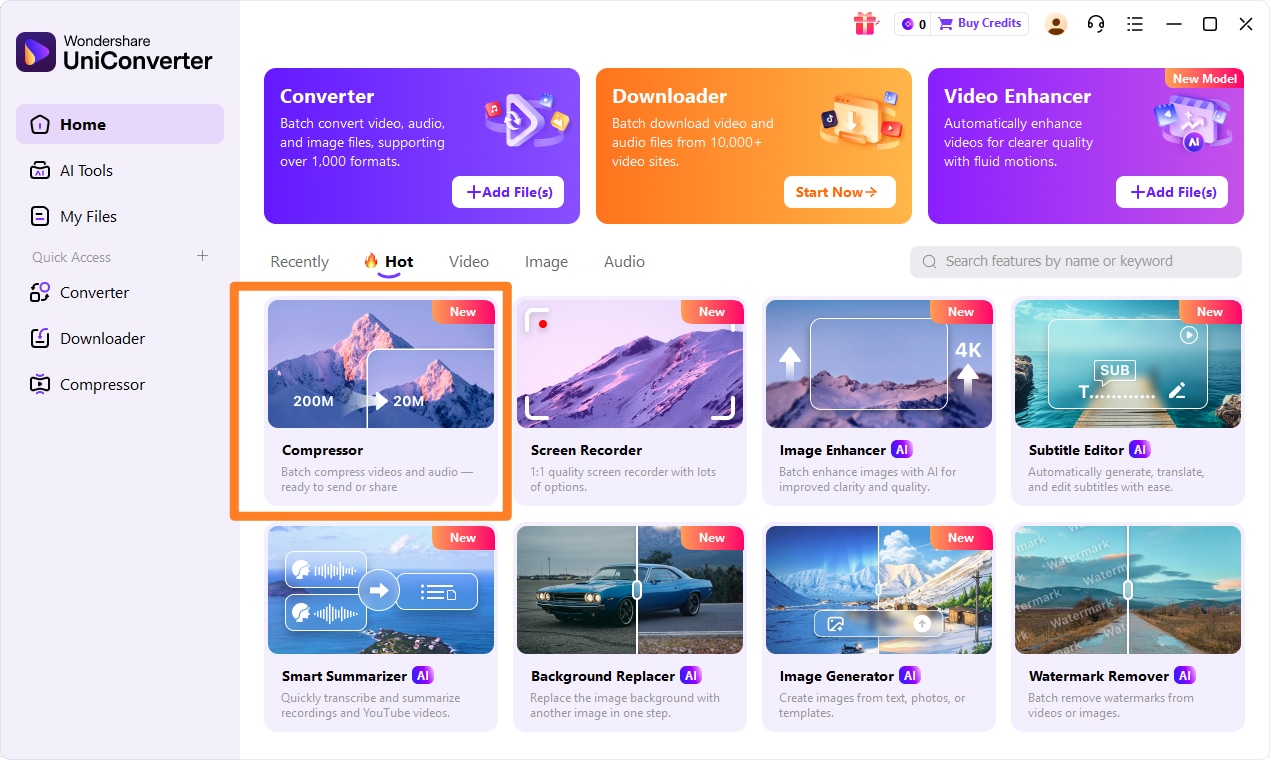
Step 1: Open UniConverter and Choose Compressor
Launch UniConverter on your computer. On the main interface, navigate to the "Toolbox" section and select the "Image Compressor" or "Video Compressor" option, depending on your needs.
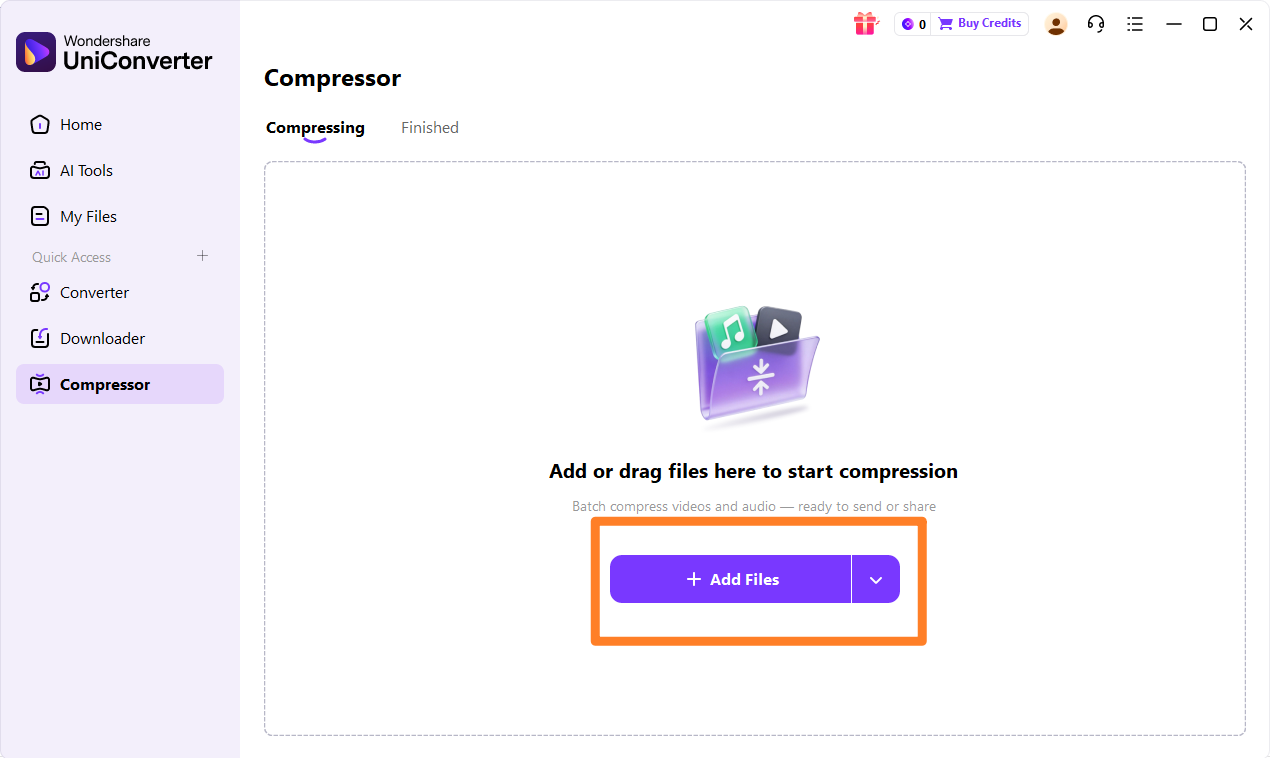
Step 2: Upload the Video, Audios or Images
Drag and drop your desired video, audio, or image files directly into the UniConverter window. You can also click the "Add Files" button to browse and select files from your computer.
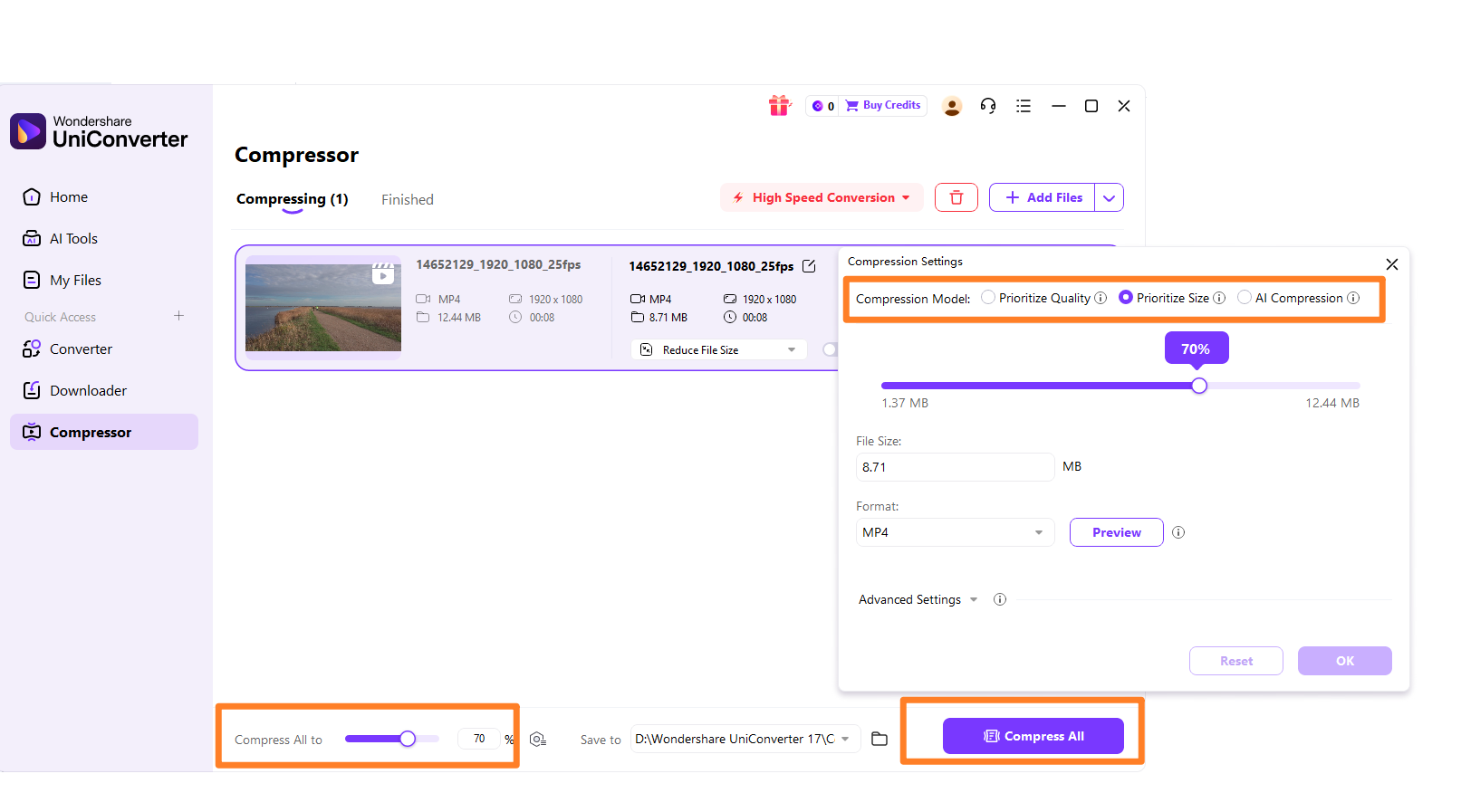
Step 3: Choose Required Parameters
Once your files are loaded, you can adjust the compression settings. For images, this includes quality, resolution, and output format. For videos and audios, you can modify resolution, bitrate, and file size. UniConverter provides various presets to help you achieve the optimal balance between file size and quality.
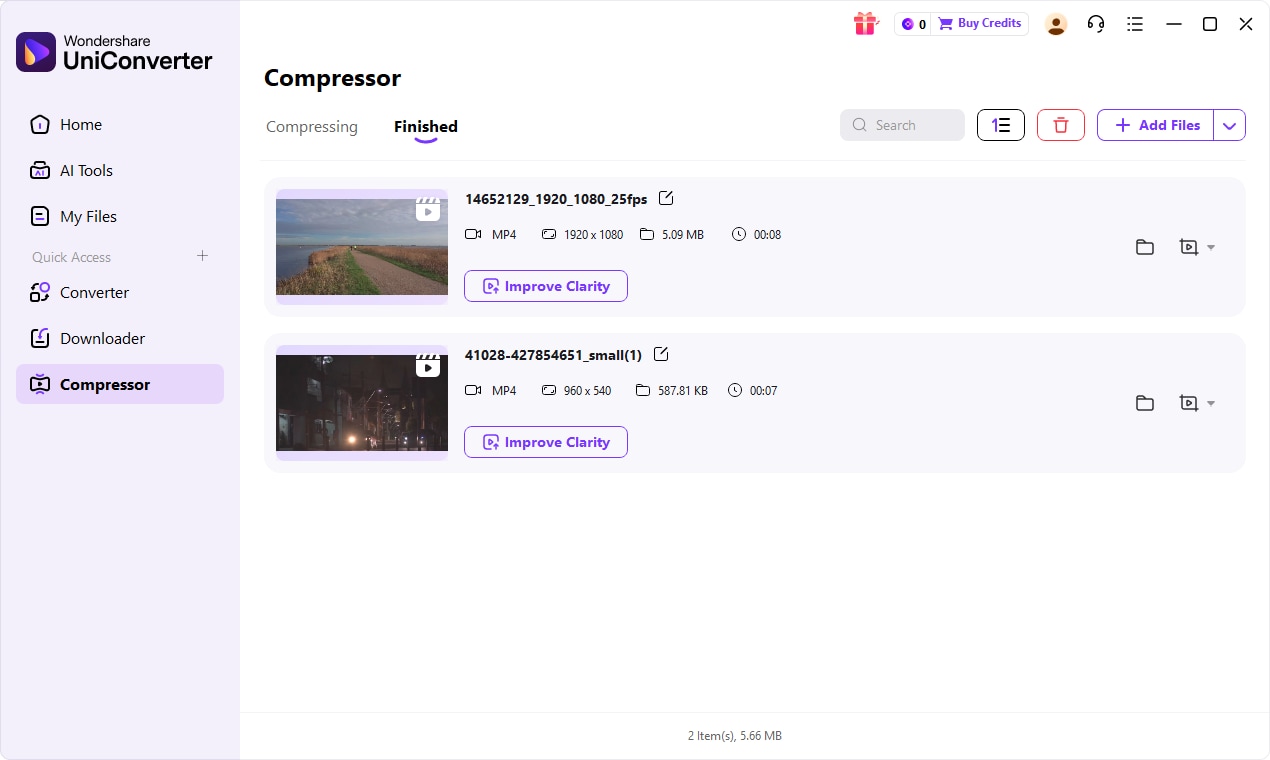
Step 4: Save the Compressed File
After configuring your settings, click the "Compress" button. UniConverter will process your files efficiently. Once completed, you can find your compressed files in the designated output folder.

Need a Powerful XnConvert Alternative for Image Compression?
Part 7: Conclusion
In conclusion, my experience with XnConvert Image Compressor review reveals it as an exceptionally powerful and versatile tool, particularly for professionals who handle large volumes of images and require extensive customization. Its unparalleled batch processing capabilities and broad format support make it a strong contender for photographers and graphic designers. However, its steep learning curve and somewhat dated interface might deter casual users seeking quick, simple compressions. For power users, XnConvert remains a robust, free solution that offers precise control over every aspect of image processing. For those who prioritize ease of use and a more modern interface, or who need an all-in-one media solution, simpler online tools or alternatives like UniConverter might offer a better experience. Ultimately, the choice depends on your specific workflow, the volume of images you process, and your comfort level with advanced software. Always remember to balance quality and file size, and test your settings before finalizing any large batch compressions.
Part 8: FAQs
-
1. Is XnConvert Image Compressor completely free to use?
Yes, XnConvert is free for personal and educational use. For commercial use, a license purchase is required.
-
2. Can XnConvert handle RAW image files?
Absolutely. XnConvert supports a wide range of RAW formats from various camera manufacturers, allowing you to process them directly.
-
3. How does XnConvert compare to online image compressors in terms of security?
As an offline desktop tool, XnConvert offers superior privacy and security. Your images are processed locally on your computer and are never uploaded to external servers, unlike most online compressors.
-
4. What is the maximum number of images XnConvert can process in a batch?
XnConvert can handle a virtually unlimited number of images in a batch. Its capacity is primarily limited by your system's hardware resources (RAM, CPU, and storage).
-
5. Does XnConvert offer any image editing features beyond compression?
Yes, XnConvert is a comprehensive batch image processor. Beyond compression, it includes various image manipulation tools such as resizing, cropping, watermarking, color adjustments, adding text, applying filters, and much more. For a more streamlined experience that also handles video and audio, you might consider UniConverter.
