
- WP Compress Value: Automates image optimization, boosting site speed and SEO with minimal effort.
- Core Features: Offers real-time optimization, global CDN, and adaptive images for superior delivery.
- Ideal Users: Best for e-commerce and content-heavy blogs needing hands-off, efficient image management.
- Competitor Comparison: Differentiates with adaptive image delivery, unlike others focusing on granular control.
- Potential Pitfalls: Watch for quality degradation, data privacy, subscription costs, and theme conflicts.
- UniConverter Alternative: Provides offline, granular control for audio, video, and image compression, avoiding plugin limits.
In this article
- Part 1: What is WP Compress Image Compressor?
- Part 2: WP Compress Image Compressor: Core Features, Pros, and Cons
- Part 3: WP Compress Image Compressor: Ideal Users and Use Cases
- Part 4: WP Compress Image Compressor vs. Competitors: A Comparative Analysis
- Part 5: Risks and Pitfalls to Consider
- Part 6: How to Use UniConverter to Efficiently Compress Audio, Video, and Images
- Part 7: Conclusion
- Part 8: FAQs
When I first started my WordPress blog, I quickly realized that image optimization wasn't just a suggestion—it was a necessity. Slow loading times were killing my user engagement and SEO rankings. That's when I stumbled upon WP Compress Image Compressor review, a solution promising to tackle this exact problem. This review dives deep into its capabilities, comparing it against other popular tools in the market. My goal is to help you understand if WP Compress is the right fit for your website, whether you're a small blogger, an e-commerce giant, or a developer looking for granular control. Let's explore its features, pros, cons, and ideal use cases to determine if it truly delivers on its promise of faster, more efficient image delivery.
Part 1: What is WP Compress Image Compressor?
WP Compress Image Compressor is a WordPress plugin designed to automatically optimize and deliver images on your website. It aims to significantly reduce image file sizes without compromising visual quality, thereby improving website loading speeds and overall performance. In my experience, it positions itself as a set-it-and-forget-it solution for busy website owners who want to enhance their site's speed without diving deep into technical configurations. This review will explore how well it achieves this goal and how it stacks up against its competitors in a crowded market.
The Importance of Image Optimization for WordPress Websites
Optimizing images is crucial for any WordPress site, and here's why:
* Improved Page Load Speed: Large images are often the biggest culprits behind slow websites. Faster loading times lead to better user experience and lower bounce rates.
* Enhanced SEO Rankings: Search engines like Google prioritize fast-loading websites. Optimized images contribute directly to better search engine visibility.
* Reduced Storage and Bandwidth Costs: Smaller image files consume less server space and bandwidth, which can lead to cost savings, especially for high-traffic sites.
* Better User Engagement: Visitors are more likely to stay on a site that loads quickly and provides a smooth browsing experience.
Part 2: WP Compress Image Compressor: Core Features, Pros, and Cons
WP Compress Image Compressor offers a robust set of features aimed at streamlining image optimization for WordPress users. Its core capabilities revolve around automating the compression process and enhancing delivery.
Core Features:
* Automatic Image Optimization: Compresses images upon upload or retrospectively for existing images.
* Real-time Optimization: Optimizes images on the fly as they are requested by users.
* Global CDN Delivery: Utilizes a Content Delivery Network to serve images from the closest server to the user.
* Adaptive Images: Delivers appropriately sized images based on the user's device and screen resolution.
* WebP Conversion: Converts images to the modern WebP format for superior compression.
Pros:
* Automatic, Real-time Image Optimization for Performance: I love that I don't have to think about image optimization anymore. It just happens in the background, keeping my site fast.
* Global CDN Delivery for Faster Load Times: The CDN integration is a game-changer. My international audience experiences much faster image loading, which is fantastic for engagement.
* Adaptive Images for Responsive Design: This feature ensures that my images look great and load quickly on any device, from desktops to mobile phones, without me having to manually resize anything.
Cons:
* Potential for Increased Hosting Resource Usage: While it optimizes images, the real-time processing can sometimes put a strain on my server, especially during peak traffic.
* Limited Free Tier Functionality: The free version is quite restrictive, offering only basic optimization and a very limited number of credits, which means I quickly hit a paywall for serious use.
Part 3: WP Compress Image Compressor: Ideal Users and Use Cases
WP Compress Image Compressor shines in specific scenarios and for particular types of users, while it might not be the perfect fit for others. Understanding these distinctions is key to making an informed decision.
Best Use Case: E-commerce Stores and Content-Heavy Blogs
If you run an e-commerce store with hundreds or thousands of product images, or a content-heavy blog that publishes new articles with many visuals daily, WP Compress is an excellent choice. The automatic optimization and CDN delivery significantly reduce the burden of manual image processing, ensuring your site remains fast and responsive. For my online shop, the real-time optimization means new product photos are instantly optimized, and the global CDN ensures customers worldwide get a snappy browsing experience, directly impacting conversion rates. It's a set-and-forget solution that saves me countless hours.
Limited Use Case: Highly Customized Image Processing Workflows
However, if your workflow involves highly customized image processing—perhaps you're a photographer who needs absolute pixel-perfect control over every image, or a designer with specific artistic compression requirements—WP Compress might feel too automated. Its strength lies in its hands-off approach, which means less granular control over individual image settings or advanced post-processing effects. For those who need to apply unique watermarks, specific color profiles, or very precise compression algorithms that go beyond lossy/lossless options, you might find yourself looking for a more specialized tool.
Part 4: WP Compress Image Compressor vs. Competitors: A Comparative Analysis
When it comes to image optimization for WordPress, WP Compress isn't alone. I've compared it against some of the most popular alternatives to highlight their strengths and weaknesses.
| Feature/Competitor | WP Compress | ShortPixel | Imagify | Smush |
| Optimization Method | Lossy/Lossless/Auto | Lossy/Lossless/Glossy | Lossy/Lossless/Aggressive | Lossy/Lossless |
| CDN Integration | Yes | Yes | Yes | No (Pro) |
| Pricing Model | Credits/Subscription | Credits/Subscription | Credits/Subscription | Free/Pro |
| Ease of Use | High | High | High | High |
| Advanced Features | Adaptive Images | WebP Conversion | WebP Conversion | Lazy Load |
Key Differentiators:
WP Compress's primary strength lies in its focus on real-time, adaptive image delivery, especially with its robust CDN integration. This means images are not just compressed but also delivered in the most efficient size and format for each user's device, on the fly. While competitors like ShortPixel and Imagify also offer excellent compression and WebP conversion, they often provide more granular control over specific optimization settings, which can be appealing to users who prefer fine-tuning. Smush, on the other hand, is well-known for its free tier and lazy loading capabilities but requires a Pro subscription for CDN. For me, WP Compress's adaptive delivery is a significant advantage for global audiences.
Part 5: Risks and Pitfalls to Consider
While WP Compress offers significant benefits, it's crucial to be aware of potential risks and pitfalls that can arise from using such a service, especially when it involves third-party processing and subscription models.
Potential Impact on Image Quality
One of my biggest concerns when using any image compressor is the potential degradation of image quality. While WP Compress offers lossy and lossless options, the "Auto" setting or aggressive lossy compression can sometimes lead to noticeable artifacts or a slight blurriness, especially on intricate images or those with fine text. It's a trade-off between file size and visual fidelity, and I always recommend testing different compression levels on your most important images before applying it site-wide.
Data Privacy and Third-Party CDN Concerns
Since WP Compress processes your images on its servers and delivers them via a CDN, there are inherent data privacy considerations. Your images are being handled by a third party. While reputable services have strong privacy policies, it's essential to understand what data is collected, how it's stored, and if it complies with regulations like GDPR, especially if your website handles sensitive content or operates in regions with strict data protection laws. Always review their terms of service and privacy policy carefully.
Subscription Costs and Credit Management
WP Compress operates on a credit-based or subscription model. It's easy to underestimate your image optimization needs, especially for a growing site. I've found myself running out of credits faster than anticipated, leading to unexpected costs or a temporary halt in optimization until I purchased more. Carefully estimate your monthly image uploads and existing image count to choose a plan that avoids these surprises. Unused credits might also expire, so understanding the credit management system is vital.
Compatibility Issues with Specific Themes/Plugins
WordPress is a vast ecosystem, and sometimes, image optimization plugins can clash with specific themes or other plugins. I've encountered situations where a theme's custom image handling or another caching plugin interfered with WP Compress's functionality, leading to broken images or unexpected display issues. Always perform thorough testing on a staging environment before deploying any image optimization solution to your live site to catch these potential conflicts early.
Over-Optimization Leading to Visual Artifacts
While the goal is to reduce file size, over-optimizing can be detrimental. Pushing compression too far, especially with lossy methods, can result in visible pixelation, color banding, or a "muddy" appearance in your images. This can detract from your website's professionalism and user experience. It's a fine line, and finding the right balance between file size reduction and maintaining acceptable visual quality is crucial.
Part 6: How to Use UniConverter to Efficiently Compress Audio, Video, and Images
Sometimes, WordPress plugins can feel a bit limited—especially when batch processing is restricted, stability becomes an issue, or the compressed output doesn’t preserve quality as well as expected. When I need more control before uploading files to my site, I usually turn to UniConverter as a more reliable desktop alternative. It works especially well for image compression, while also supporting video compression and audio compression, which makes it a practical all-in-one solution for handling different media types offline. I also like that it offers a smoother workflow without ads, broader format support, and more consistent results when processing a large number of files.
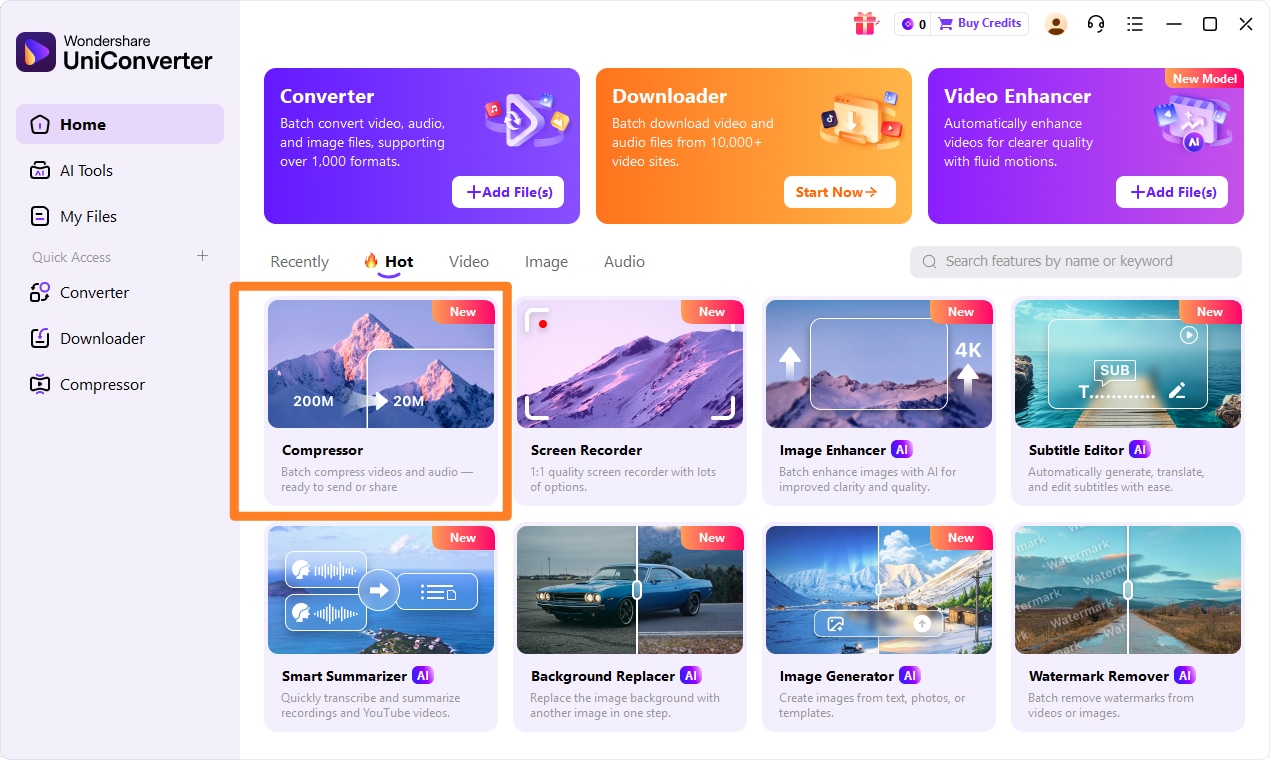
Step 1: Open UniConverter and Choose Compressor
Launch UniConverter on your desktop. On the left sidebar, you'll see various tools. Click on the "Compressor" option.
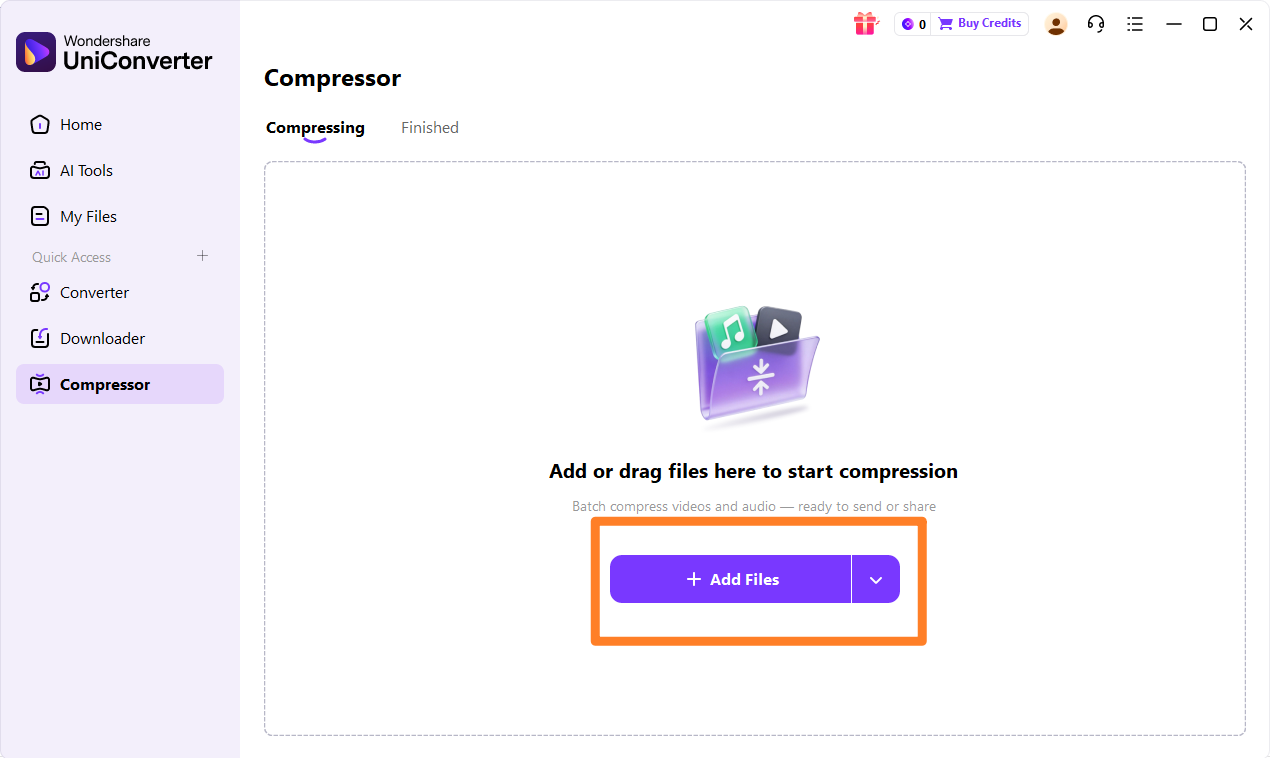
Step 2: Upload the Video, Audios or Images
Drag and drop your desired video, audio, or image files directly into the UniConverter window. You can also click "Add Files" to browse and select them.
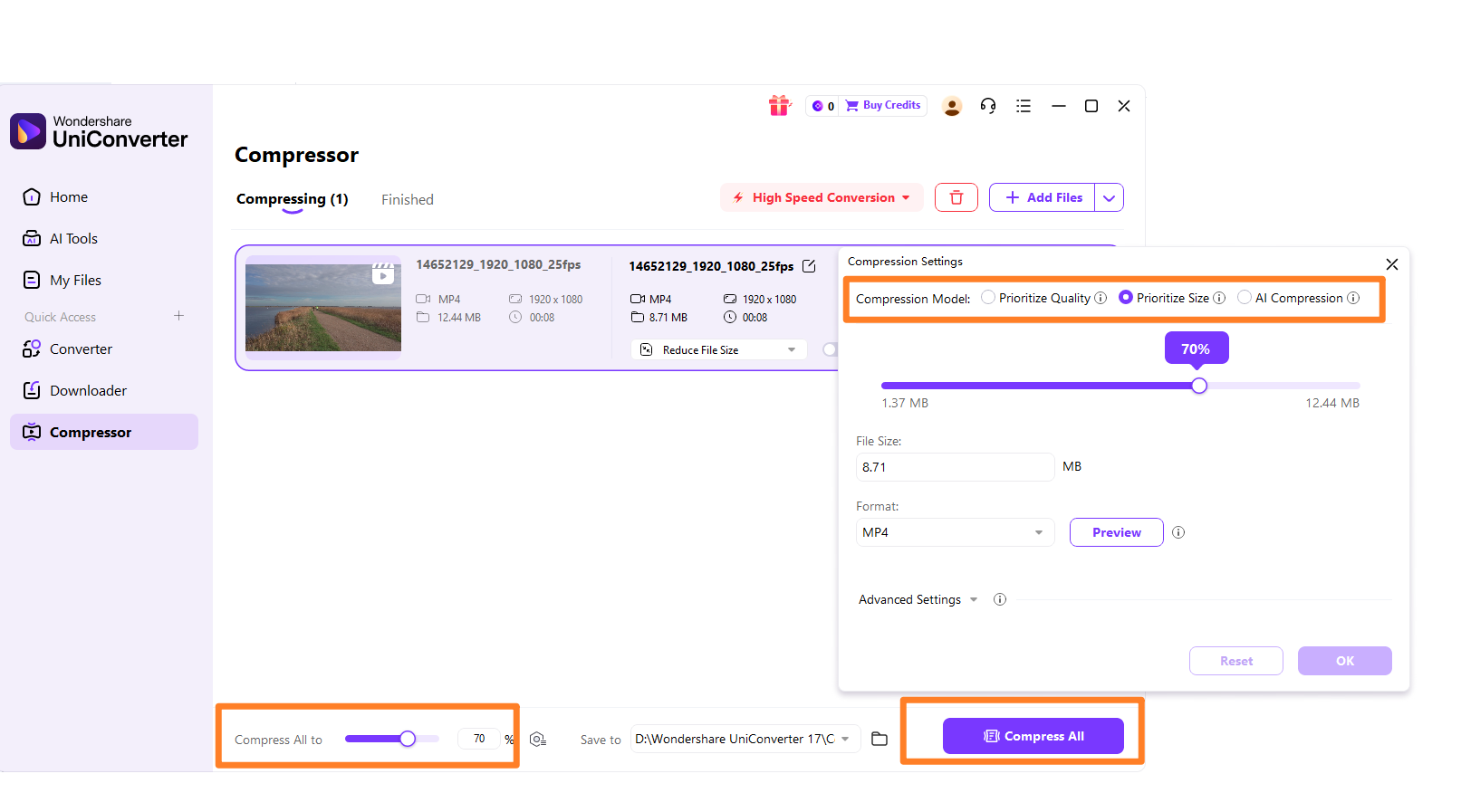
Step 3: Choose Required Parameters
Once your files are loaded, you can adjust the compression settings. For images, you can set the quality, resolution, and output format. For videos and audio, you can modify resolution, bitrate, and format to achieve your desired file size and quality balance.
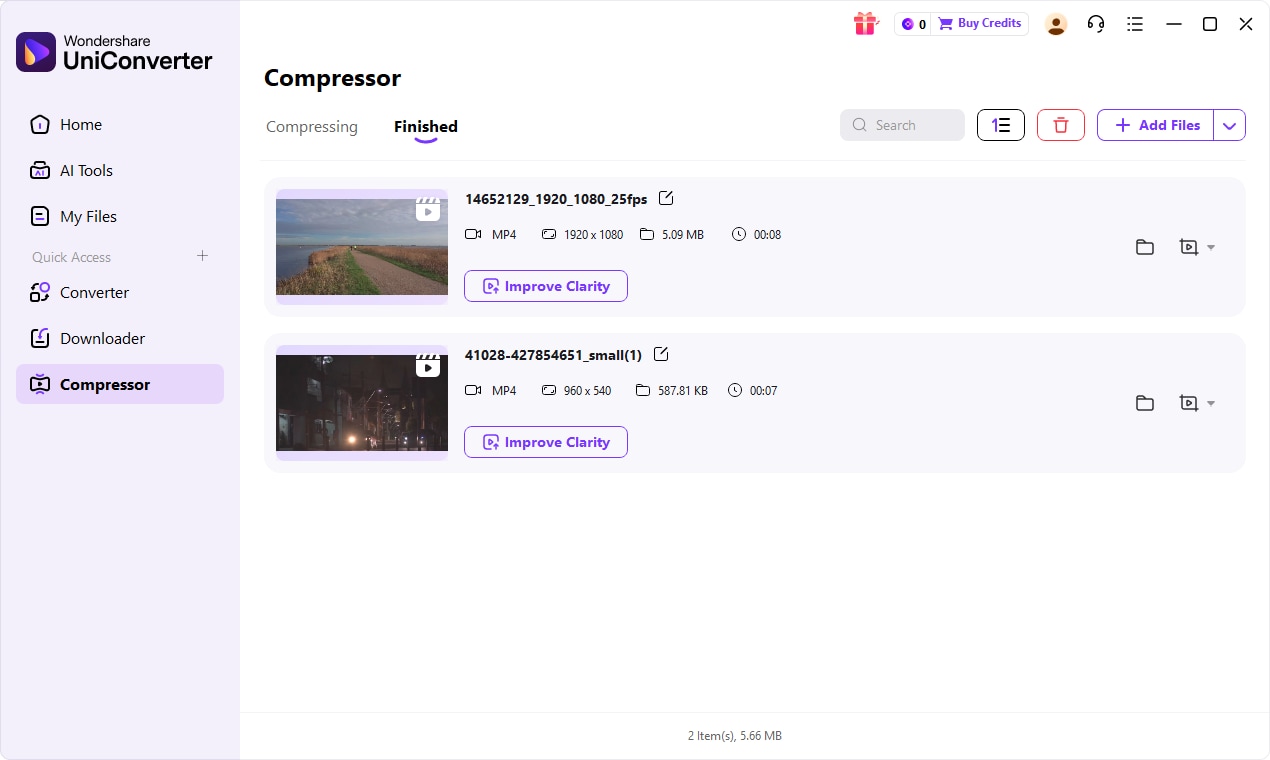
Step 4: Save the Compressed File
After setting your parameters, click the "Compress" button. UniConverter will process your files. Once complete, you can choose the output folder and save your optimized media.

WP Compress Alternative: Optimize Images Easily
Part 7: Conclusion
After thoroughly exploring WP Compress Image Compressor review, its features, and comparing it with its competitors, I can confidently say it's a strong contender in the image optimization space. For small businesses and bloggers, its automated, set-it-and-forget-it nature makes it incredibly appealing, simplifying a crucial aspect of website management. The ease of use and immediate performance benefits are hard to ignore. For e-commerce sites and high-traffic blogs, the integrated CDN and adaptive image delivery are particularly valuable, ensuring fast loading times for a global audience, which directly impacts user experience and conversion rates. However, for developers and advanced users who require granular control over every aspect of image processing, or those with highly customized workflows, tools like UniConverter offer a more comprehensive and controlled desktop solution. UniConverter provides the flexibility to fine-tune compression settings for various media types offline, avoiding potential plugin conflicts or subscription credit limitations. Ultimately, your choice should align with your specific needs, technical comfort level, and budget. While WP Compress offers convenience and performance, it's always wise to consider alternatives that might better suit specialized requirements or offer a one-time purchase model for long-term savings.
Part 8: FAQs
-
1. Does WP Compress support WebP images?
Yes, WP Compress automatically converts and serves images in the WebP format when supported by the user's browser, significantly improving compression efficiency.
-
2. How does WP Compress handle image backups?
WP Compress typically stores a backup of your original images before optimization. This allows you to restore them if you're not satisfied with the compressed version, though specific retention policies may vary by plan.
-
3. Can I use WP Compress with a multisite WordPress installation?
Yes, WP Compress is designed to be compatible with WordPress multisite installations, allowing you to manage image optimization across multiple sites from a single dashboard.
-
4. What is the difference between lossy and lossless compression?
Lossy compression permanently removes some image data to achieve a smaller file size, which can slightly reduce quality but is often imperceptible. Lossless compression reduces file size without discarding any data, ensuring no quality loss, but the file size reduction is typically less significant.
-
5. Is WP Compress GDPR compliant?
WP Compress states that it is GDPR compliant. However, as with any third-party service handling user data (even indirectly through image processing), it's always recommended to review their privacy policy and ensure your website's overall data handling practices align with GDPR requirements. If you have specific privacy concerns or need to process images offline to maintain full control, consider using a desktop tool like UniConverter.
