
- VanceAI Overview: AI-powered online image compressor for web optimization.
- Core Features: AI compression, multi-format support, batch processing, adjustable levels, web-based.
- Best Use Case: Ideal for bloggers and e-commerce needing fast website image optimization.
- Limitations: Lacks granular control for professional photography/design workflows.
- Competitor Comparison: Excels in web optimization, but UniConverter offers broader multimedia features and control.
- Risks: Data privacy, quality degradation, ads, hidden costs, format compatibility.
- UniConverter Advantage: Comprehensive, stable, high-quality compression for images, audio, and video.
- Decision: VanceAI for simplicity; UniConverter for comprehensive, professional multimedia needs.
In this article
- Part 1: What is VanceAI Image Compressor?
- Part 2: VanceAI Image Compressor: Core Features, Pros, and Cons
- Part 3: Who Benefits from VanceAI Image Compressor? Use Cases Explored
- Part 4: VanceAI Image Compressor vs. Competitors: A Comparative Analysis
- Part 5: Risks and Pitfalls to Consider When Using Image Compressors
- Part 6: How to use UniConverter to compress efficient audio and video
- Part 7: Conclusion
- Part 8: FAQs
VanceAI Image Compressor review: In today's digital landscape, where speed and efficiency are paramount, optimizing images has become a critical task for everyone from casual bloggers to e-commerce giants. VanceAI Image Compressor emerges as a popular tool promising high-quality compression. This VanceAI Image Compressor review will delve into its features, compare it with competitors, and explore its suitability for various use cases. My aim is to provide you with a comprehensive, scenario-based analysis to help you decide if it's the right solution for your image optimization needs.
Part 1: What is VanceAI Image Compressor?
VanceAI Image Compressor is an online tool designed to reduce the file size of images without significant loss of visual quality. It leverages AI algorithms to analyze image content and apply intelligent compression techniques, making it particularly appealing for web-based applications where fast loading times are crucial. My experience with it suggests it aims to simplify the often-complex process of image optimization, making it accessible to users without technical expertise. This review will specifically address whether VanceAI Image Compressor truly delivers on its promise of efficient, high-quality compression across various scenarios and how it stacks up against other solutions in the market.
The Growing Need for Efficient Image Compression
The demand for efficient image compression is driven by several key factors:
* Faster Website Loading Times: Large image files significantly slow down websites, impacting user experience and SEO rankings.
* Reduced Storage Costs: Optimizing images can lead to substantial savings in cloud storage and bandwidth for businesses.
* Improved Mobile Performance: Smaller images load quicker on mobile devices, crucial for a mobile-first internet.
* Enhanced User Experience: Quicker loading times lead to less frustration and higher engagement from visitors.
Part 2: VanceAI Image Compressor: Core Features, Pros, and Cons
VanceAI Image Compressor focuses on providing a streamlined experience for image optimization. Its core capabilities revolve around intelligently reducing file sizes. I've found its primary strength lies in its ability to handle common image formats like JPG, PNG, and GIF with decent results. The tool prides itself on its AI-powered compression, which supposedly maintains visual fidelity while achieving significant file size reductions.
* AI-Powered Compression: Utilizes advanced algorithms to analyze and compress images intelligently.
* Support for Multiple Formats: Handles popular image types including JPG, PNG, and GIF.
* Batch Processing: Allows for the simultaneous compression of multiple images.
* Adjustable Compression Levels: Offers some flexibility in choosing the desired balance between quality and file size.
* Web-Based Interface: Accessible directly through a browser, requiring no software installation.
- Pros:
- High compression ratio with minimal quality loss for web images.
- Batch processing capabilities for large image libraries.
- User-friendly interface for quick and easy optimization.
- Cons:
- Limited advanced customization options for professional users.
- Occasional performance dips with extremely large file sizes.
Part 3: Who Benefits from VanceAI Image Compressor? Use Cases Explored
From my perspective, VanceAI Image Compressor is particularly well-suited for individuals and small businesses looking for a quick and easy way to optimize their images without delving into complex settings. If you're not a professional photographer or designer needing pixel-perfect control, this tool offers a convenient solution.
Best Use Case: Optimizing Website Images for Faster Loading
If you run a blog, a small e-commerce store, or any website where image loading speed is critical, VanceAI Image Compressor can be a lifesaver. I've used it to quickly compress dozens of product photos and blog post images, and the results were consistently good enough for web display. The batch processing feature is especially useful here, allowing me to optimize an entire folder of images in one go, significantly speeding up my workflow. My website's page load times definitely saw an improvement after implementing images compressed with VanceAI.
Limitation Scenario: Professional Photography Workflow Requiring Granular Control
However, if you're a professional photographer or graphic designer who demands absolute control over every pixel and color profile, VanceAI Image Compressor might fall short. When I tried to compress high-resolution RAW or TIFF files for print, I found the lack of granular control over compression algorithms and specific quality settings to be a significant limitation. The "minimal quality loss" claim holds true for web use, but for professional print work or intricate design projects, even slight alterations can be unacceptable. In these scenarios, I'd definitely look for tools that offer more advanced customization.
Part 4: VanceAI Image Compressor vs. Competitors: A Comparative Analysis
When I put VanceAI Image Compressor head-to-head with other tools, a clear picture emerges regarding its strengths and weaknesses.
| Feature/Scenario | VanceAI Image Compressor | TinyPNG | Compressor.io | UniConverter |
| Web Image Optimization | Excellent | Excellent | Good | Excellent |
| Batch Processing | Excellent | Good | Fair | Excellent |
| Advanced Customization | Limited | Limited | Limited | Excellent |
| Price | Competitive | Free/Paid | Free/Paid | Paid |
| Output Quality | High | High | Good | Excellent |
| Speed | Fast | Fast | Moderate | Very Fast |
VanceAI Image Compressor shines in web image optimization and batch processing, making it a strong contender for bloggers and e-commerce sites. TinyPNG is another excellent choice for web optimization, often providing slightly better results for PNGs. Compressor.io is decent but can be slower. UniConverter, on the other hand, offers a much broader suite of features beyond just compression, including advanced customization and faster processing due to GPU acceleration, making it a more comprehensive solution, especially for those needing more control and diverse multimedia capabilities.
Key Differentiators: What Sets VanceAI Apart (and Where it Falls Short)
What sets VanceAI apart is its focus on AI-driven simplicity for web-ready images. It's designed for quick, effective compression without overwhelming you with options. However, this simplicity is also its downfall for professional users. It falls short in providing the detailed control over compression parameters that designers and photographers often require. While it's great for getting images online fast, it's not the tool I'd reach for when preparing images for high-fidelity print or complex graphic design projects.
Part 5: Risks and Pitfalls to Consider When Using Image Compressors
When I'm evaluating image compressors, especially online ones, I always keep an eye out for potential risks and pitfalls. It's not just about getting a smaller file; it's about protecting my data, maintaining quality, and avoiding hidden costs.
Data Privacy Concerns with Cloud-Based Tools
Since VanceAI Image Compressor is a cloud-based tool, I'm always mindful of data privacy. When I upload my images, they are temporarily stored on their servers. While most reputable services have strong privacy policies, there's always a theoretical risk of data breaches or unauthorized access. For sensitive or proprietary images, I'd think twice before using a purely online compressor without understanding their data handling practices thoroughly. It's a trade-off between convenience and absolute security.
Potential for Unacceptable Quality Degradation
While VanceAI promises "minimal quality loss," what's minimal for a blog post might be unacceptable for a client's portfolio. I've encountered situations where even a slight compression artifact can ruin an otherwise perfect image. It's crucial to always preview the compressed image carefully before using it, especially if the original quality is paramount. Sometimes, the AI might make choices that don't align with my aesthetic preferences, leading to a "muddy" or pixelated look.
Intrusive Advertisements or Upsells
Many free online tools, including some image compressors, rely on advertisements or aggressive upsell tactics to generate revenue. While VanceAI is relatively clean, I've seen other tools bombard me with pop-ups, banner ads, or constant prompts to upgrade to a paid version. This can significantly detract from the user experience and slow down my workflow. It's a common pitfall with "free" services – you often pay with your attention or by enduring interruptions.
Hidden Costs and Subscription Models
What starts as a free trial or a seemingly free service can quickly turn into a subscription model with hidden costs. I always check the fine print for limitations on daily uploads, file size, or advanced features that are locked behind a paywall. Some tools might offer a few free compressions, then suddenly demand payment for continued use or for batch processing. It's important to understand the pricing structure upfront to avoid unexpected charges.
Compatibility Issues with Specific Image Formats
While most compressors handle common formats like JPG and PNG, I've run into issues with less common or specialized formats like WebP, HEIC, or TIFF. Some tools might not support them at all, or they might convert them to a different format during compression, potentially losing metadata or specific features. If my workflow involves diverse image formats, I need a compressor that can handle them all reliably without forcing me into extra conversion steps.
Part 6: How to use UniConverter to compress efficient audio and video
Sometimes, when other tools fall short with batch compression, unstable results, or unacceptable quality loss, I turn to UniConverter. It's a robust solution that goes beyond simple image compression, offering a comprehensive suite for all my multimedia needs. UniConverter provides a stable, high-quality compression experience for images, audio, and video, ensuring no ads, a wide range of format support, GPU acceleration for speed, and lossless options. It truly is an all-in-one solution for managing and optimizing my media files.
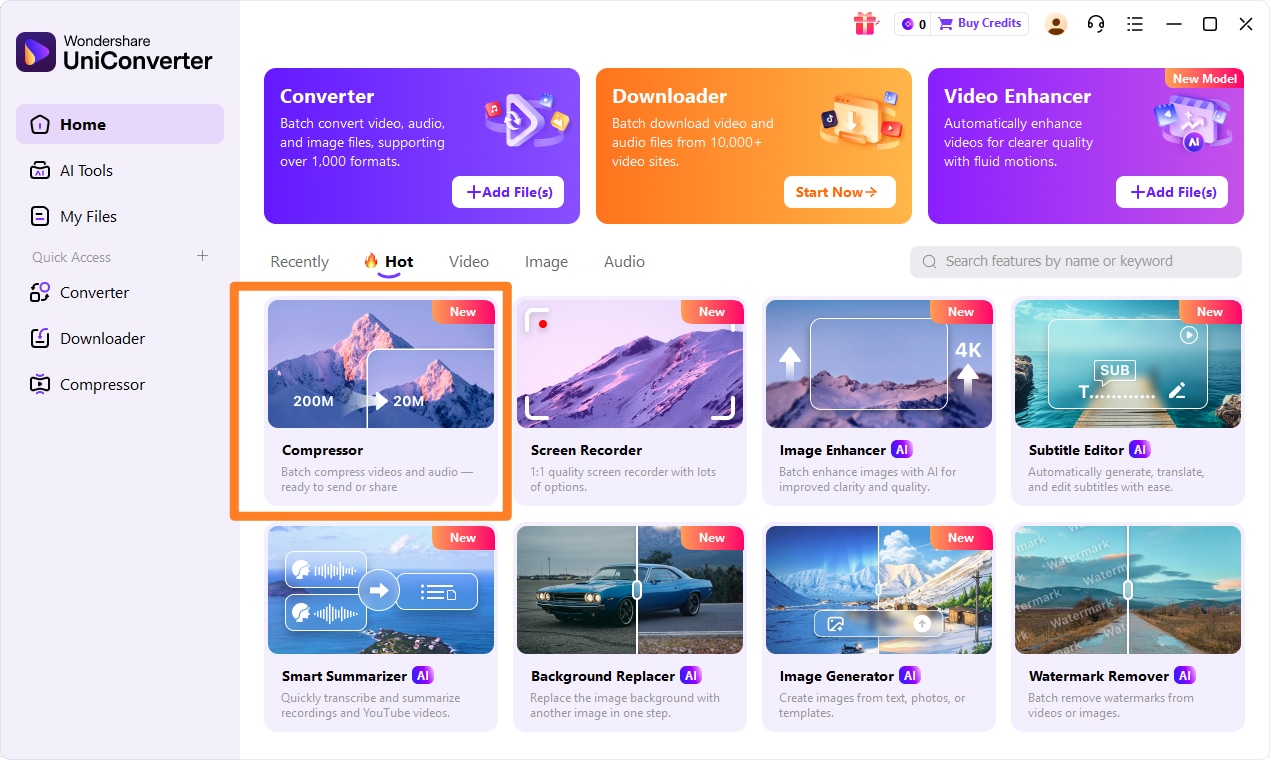
Step 1: Open UniConverter and Choose Compressor
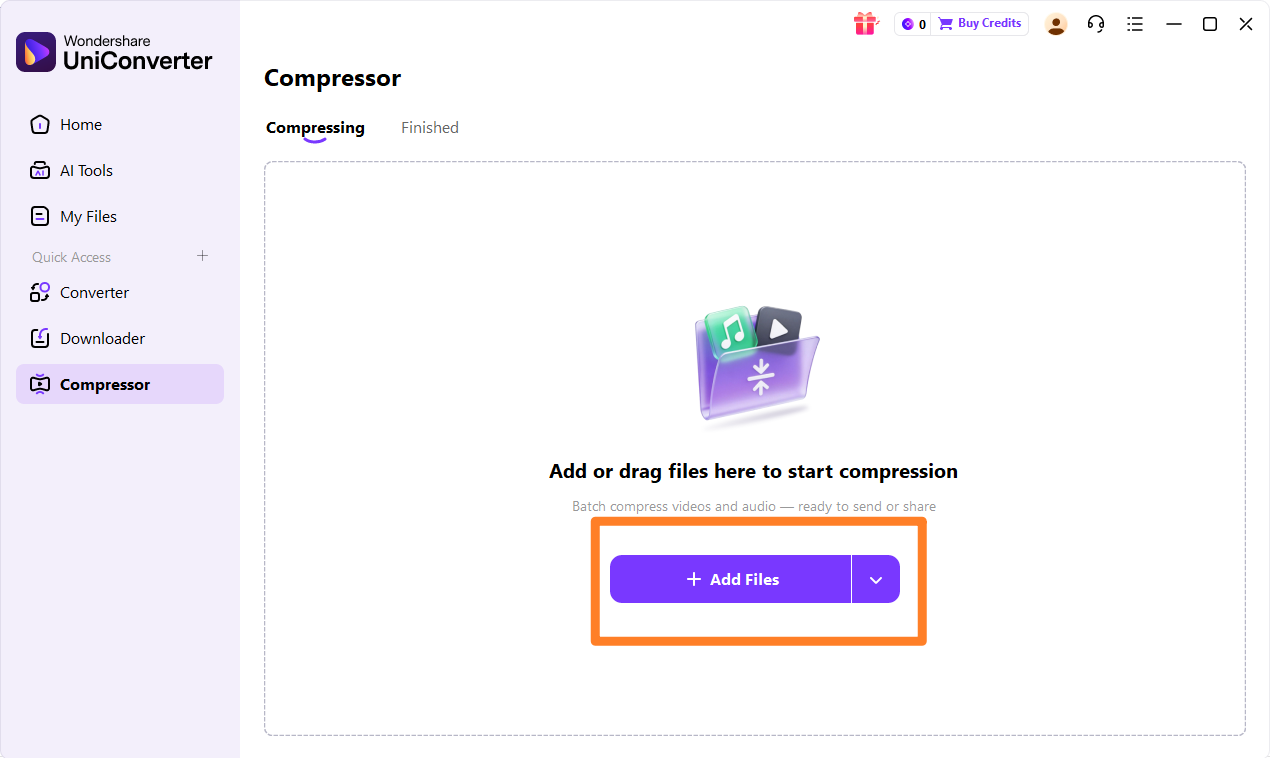
Step 2: Upload the Video, Audios or Images
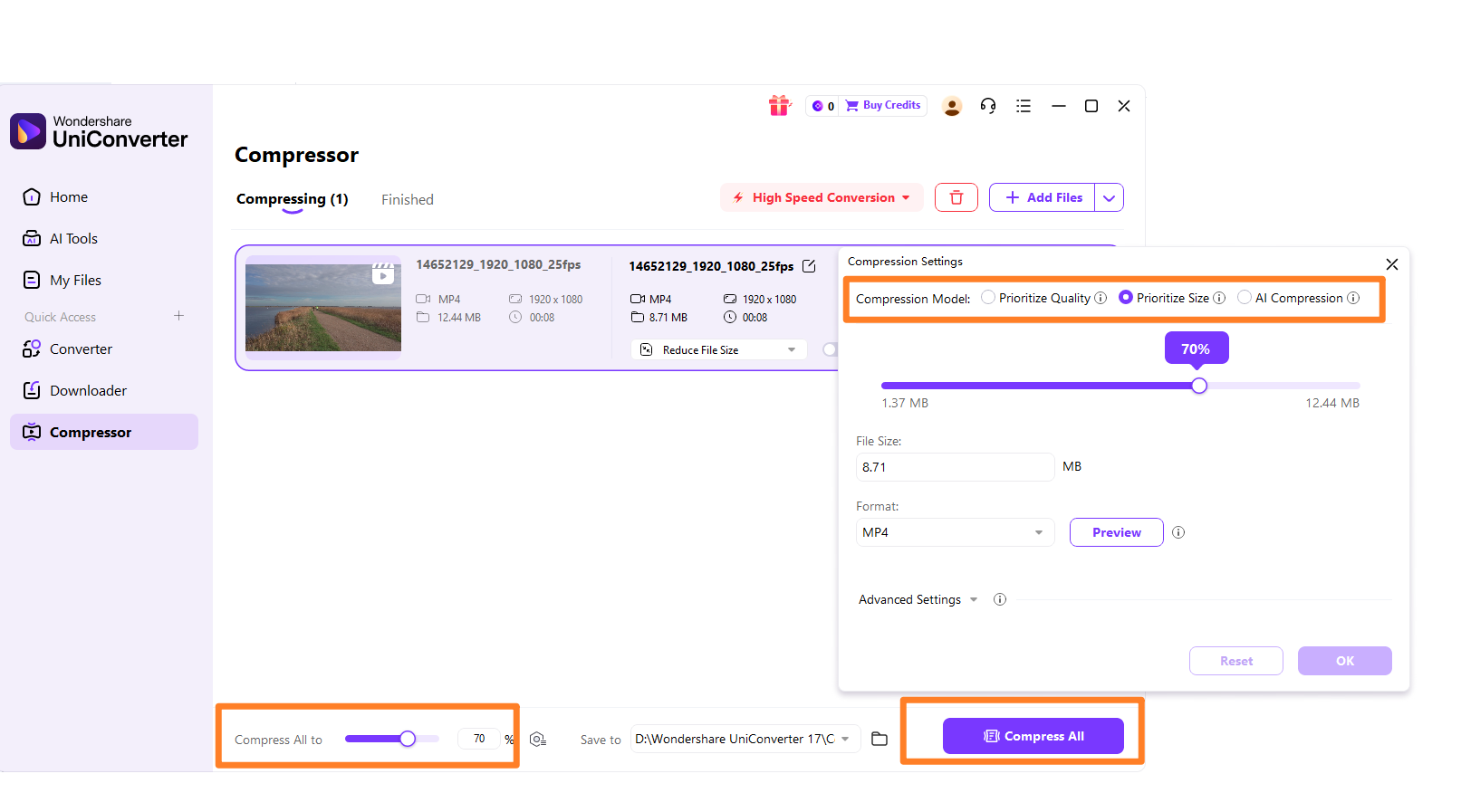
Step 3: Choose Required Parameters
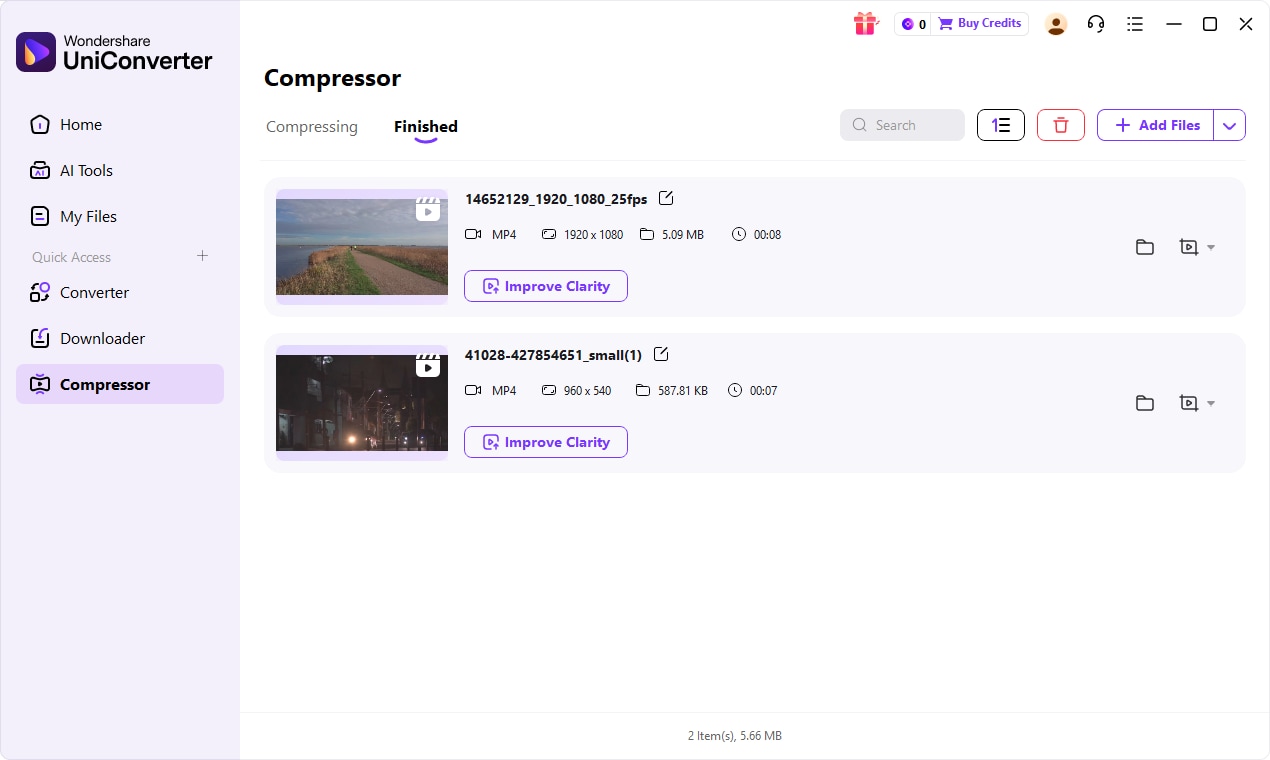
Step 4: Save the Compressed File

Seeking a VanceAI Image Compressor Alternative?
Part 7: Conclusion
After thoroughly exploring VanceAI Image Compressor and comparing it with its alternatives, my VanceAI Image Compressor review concludes that it serves a specific niche very well. For casual users, bloggers, and small e-commerce businesses who prioritize ease of use and quick web image optimization, VanceAI Image Compressor is a solid, reliable choice. Its batch processing and user-friendly interface make it efficient for getting images online quickly with minimal fuss. However, for professional photographers, graphic designers, or anyone requiring granular control over compression settings, advanced features, or handling of sensitive data, exploring more powerful and versatile alternatives like UniConverter is highly recommended. While VanceAI excels at simplicity, it lacks the depth and comprehensive features that demanding creative workflows often require, making it a good, but not universally perfect, solution for image compression.
Part 8: FAQs
-
1. What is the ideal compression ratio for web images?
The ideal compression ratio varies, but generally, you want to aim for the smallest file size that still maintains acceptable visual quality. For web images, a compression that reduces the file size by 60-80% is often a good target, as long as the image still looks crisp on various devices.
-
2. Does image compression affect SEO?
Yes, image compression significantly affects SEO. Faster loading images contribute to quicker page load times, which is a crucial ranking factor for search engines like Google. Optimized images also improve user experience, reducing bounce rates and encouraging longer site visits, indirectly boosting your SEO.
-
3. Can I reverse image compression?
For lossy compression (like JPEG), you cannot truly reverse it to get back the original, uncompressed data. Once information is discarded to reduce file size, it's gone. However, for lossless compression (like PNG or GIF for certain types of images), the original data can be fully restored. Always keep a backup of your original images if quality is paramount.
-
4. What's the difference between lossy and lossless compression?
Lossy compression permanently removes some image data to achieve smaller file sizes, often used for photographs (e.g., JPEG). While it can achieve significant reductions, some quality is sacrificed. Lossless compression reduces file size without discarding any data, meaning the image can be perfectly reconstructed to its original state (e.g., PNG for graphics with sharp edges).
-
5. Are there any free image compression tools available?
Yes, there are many free image compression tools available online, such as TinyPNG, Compressor.io, and even VanceAI Image Compressor offers a free tier with limitations. For more comprehensive and stable free options, or if you need to compress various media types without ads, UniConverter offers a free trial that provides a robust solution for image, audio, and video compression.
