
- Value: TruePNG excels at PNG compression, delivering superior ratios for web developers and designers.
- Comparison: TruePNG offers dedicated desktop performance and deeper PNG optimization than many online tools.
- Decision: Choose TruePNG for high-volume PNG workflows; consider UniConverter for diverse formats and comprehensive features.
- Risk: TruePNG's primary limitation is its PNG-only focus, requiring other tools for mixed image formats.
- Value: UniConverter provides a versatile alternative, handling various formats with advanced features and GPU acceleration.
- Decision: Evaluate your specific needs: specialized PNG compression (TruePNG) vs. broad format support (UniConverter).
In this article
- Part 1: What is TruePNG Image Compressor?
- Part 2: TruePNG Image Compressor: Core Features, Pros, and Cons
- Part 3: TruePNG Image Compressor: Ideal Users and Use Cases
- Part 4: TruePNG Image Compressor & Competitors: A Comparative Analysis
- Part 5: Risks and Pitfalls to Consider
- Part 6: How to Use UniConverter for Efficient Image Compression
- Part 7: Conclusion
- Part 8: FAQs
TruePNG Image Compressor Review: Optimizing Your Visual Content
When it comes to web development and digital content creation, image optimization is no longer a luxury but a necessity. Slow-loading images can significantly impact user experience, SEO rankings, and conversion rates. In this TruePNG Image Compressor review, I'll dive deep into a tool specifically designed to tackle the challenge of PNG file sizes. This review will explore its core features, compare it against leading alternatives, and help you understand if TruePNG is the right solution for your specific needs, especially if you're looking to streamline your visual content workflow.
Part 1: What is TruePNG Image Compressor?
TruePNG Image Compressor is a dedicated desktop application engineered to reduce the file size of PNG images without a noticeable loss in visual quality. It leverages advanced compression algorithms to achieve impressive reductions, making it a go-to tool for anyone dealing with a high volume of PNG assets. My aim with this review is to help you determine if TruePNG stands out in a crowded market of image optimizers and if it truly delivers on its promise of efficient PNG compression.
The Growing Need for Efficient Image Compression
The digital landscape increasingly demands faster load times and optimized content. This trend is driven by several key factors:
* Enhanced User Experience: Slow websites lead to higher bounce rates and frustrated users.
* Improved SEO Rankings: Search engines prioritize fast-loading pages, impacting visibility.
* Reduced Bandwidth Costs: Smaller file sizes mean less data transfer, benefiting both users and hosts.
* Mobile-First Indexing: With most internet traffic coming from mobile devices, optimized images are crucial for performance on various network conditions.
Part 2: TruePNG Image Compressor: Core Features, Pros, and Cons
TruePNG Image Compressor is built with a singular focus: to provide robust compression for PNG files. Its core capabilities revolve around achieving significant file size reductions while maintaining visual fidelity.
* Advanced PNG Compression Algorithms: Utilizes sophisticated techniques to analyze and optimize PNG data structures.
* Perceptually Lossy Compression: Aims for the smallest file size where the quality difference is virtually undetectable to the human eye.
* Batch Processing: Allows users to compress multiple PNG files simultaneously, boosting productivity.
* Drag-and-Drop Interface: Simplifies the process of adding files for compression.
* Output Quality Control: Offers options to adjust the compression level, providing a balance between file size and perceived quality.
- Pros:
- Superior Compression Ratio for PNGs with Minimal Quality Loss: I've consistently seen impressive file size reductions without compromising the visual integrity of my PNGs.
- Batch Processing for High-Volume Workflows: Compressing hundreds of images at once is a breeze, saving me a ton of time.
- User-Friendly Interface for Quick Operations: The intuitive design means I can get started optimizing images almost instantly.
- Cons:
- Limited File Format Support (Primarily PNG): This is its biggest drawback; I can't use it for JPEGs or other formats.
- Potential for Slower Processing on Very Large Files: While generally fast, extremely large PNGs can take a noticeable amount of time to process.
Part 3: TruePNG Image Compressor: Ideal Users and Use Cases
TruePNG Image Compressor shines in specific scenarios where PNG optimization is paramount. Understanding its strengths helps identify who will benefit most from this tool.
- Best Use Case: Web Developers and Designers Optimizing Website Performance
- Scenario: As a web developer, I frequently need to reduce the size of numerous PNG assets for a new website launch. Improving page load times and SEO rankings is critical. TruePNG's batch processing and high compression efficiency for PNGs are crucial here. It allows me to quickly process all my icons, logos, and transparent images, ensuring a snappy user experience.
- Limited Use Case: Professional Photographers Requiring Lossless Compression for Diverse Formats
- Scenario: When I'm working as a photographer, I often need to compress a mix of RAW, JPEG, and TIFF images for client delivery. Absolute lossless quality and broad format support are paramount. TruePNG's PNG-centric focus and potential for slight quality degradation (even if minimal) mean it doesn't meet these stringent requirements for my varied photography workflow. I'd need a different tool for those tasks.
Part 4: TruePNG Image Compressor & Competitors: A Comparative Analysis
When evaluating TruePNG Image Compressor, it's essential to see how it stacks up against other popular image optimization tools. This comparison will highlight TruePNG's unique position in the market.
| Feature/Product | TruePNG Image Compressor | TinyPNG | ImageOptim | Online Image Compressor |
| Primary Focus | PNG Compression | PNG & JPEG Compression | Multiple Formats (Mac only) | Online, Multiple Formats |
| Compression Type | Lossy (Perceptual) | Lossy (Perceptual) | Lossless & Lossy | Lossy |
| Batch Processing | Yes | Yes | Yes | Limited |
| Desktop/Online | Desktop | Online | Desktop | Online |
| Price Model | One-time Purchase | Freemium | Free | Freemium |
Key Differentiators: TruePNG's Niche in PNG Optimization
TruePNG Image Compressor carves out a niche by focusing almost exclusively on PNGs. While TinyPNG offers excellent online compression for both PNGs and JPEGs, and ImageOptim provides robust desktop optimization for Mac users across various formats, TruePNG delivers superior, often higher, compression ratios specifically for PNGs in a desktop environment. Online Image Compressor tools are convenient but often lack the deep optimization capabilities and batch processing efficiency of dedicated desktop applications. If your workflow is heavily PNG-dependent, TruePNG often outperforms in terms of raw compression power for that specific format.
Part 5: Risks and Pitfalls to Consider
While TruePNG Image Compressor offers significant benefits, it's crucial to be aware of potential downsides and risks, especially when integrating it into your professional workflow.
Potential for Unintended Quality Degradation
Although TruePNG aims for perceptually lossless compression, it's still a form of lossy compression. This means some image data is permanently removed. While often imperceptible, in very specific scenarios or with highly detailed images, you might notice subtle artifacts or a slight reduction in sharpness. Always review your compressed images, especially for critical assets, to ensure they meet your quality standards. I've learned to always keep original backups just in case.
Limited File Format Support
TruePNG's strength is also its limitation. It's designed primarily for PNGs. If your workflow involves a mix of JPEGs, GIFs, WebPs, or other image formats, you'll need additional tools. This can lead to a fragmented workflow and the need to purchase or subscribe to multiple applications, increasing complexity and cost. I often find myself switching between tools, which isn't ideal.
Over-Compression Leading to Artifacts
Pushing the compression settings too aggressively can lead to noticeable visual artifacts, color banding, or a "blocky" appearance, especially in areas with gradients or fine details. While TruePNG is generally good at balancing quality and size, it's possible to over-compress if you're not careful with the settings. Always preview the output and find the sweet spot for each image or batch.
Lack of Advanced Editing Features
TruePNG is a compressor, not an image editor. It doesn't offer features like resizing, cropping, color correction, or metadata editing. If you need to perform any pre-compression adjustments, you'll have to use a separate image editing software first, then bring the images into TruePNG for optimization. This adds another step to the process.
Part 6: How to Use UniConverter for Efficient Image Compression
Sometimes, dedicated tools like TruePNG, while excellent for their niche, might not cover all your needs, especially if you're dealing with various file types or require more comprehensive features. When other tools fall short with batch compression, unstable results, or quality loss, UniConverter emerges as a robust alternative. It can handle a wide array of formats and provides advanced features beyond simple compression, ensuring stable, high-quality results without ads or hidden costs.
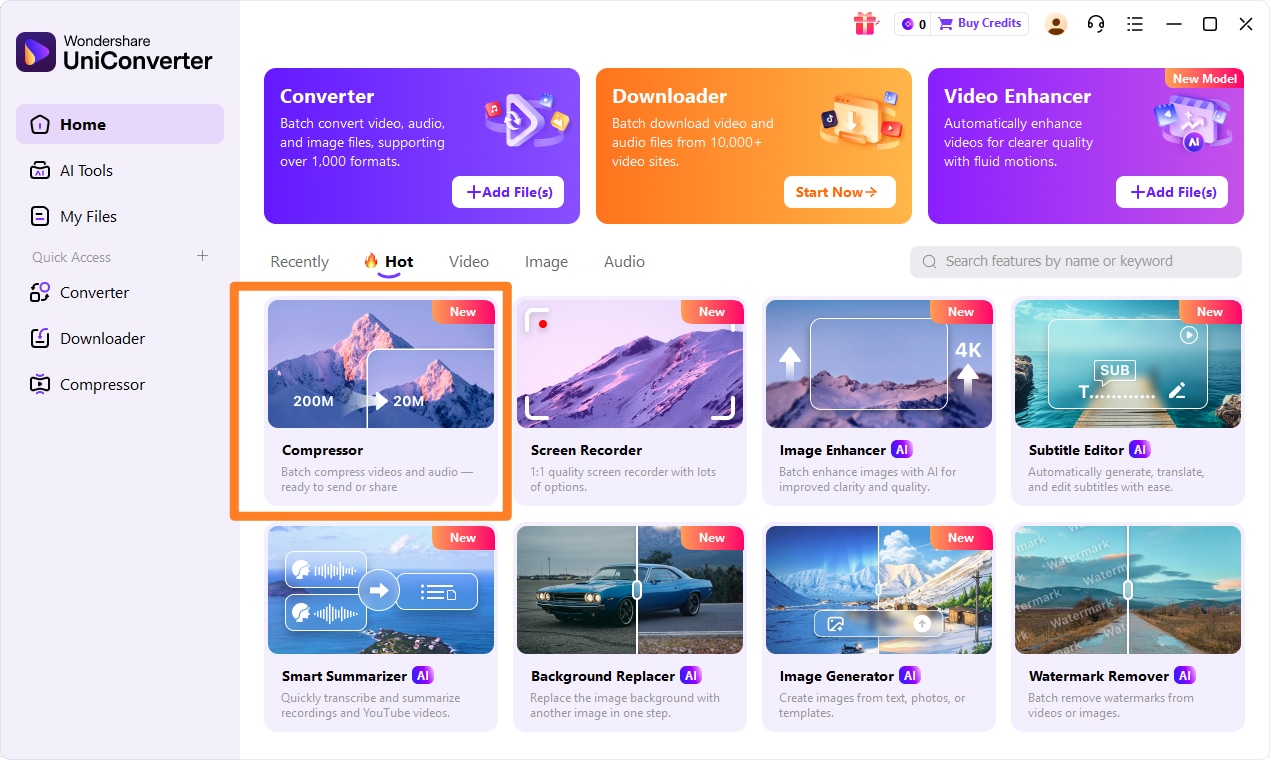
Step 1: Open UniConverter and Choose Compressor
Launch UniConverter on your desktop. On the left-hand sidebar, you'll find the "Compressor" tool. Click on it to open the image compression interface.
Step 2: Upload the Video, Audios or Images
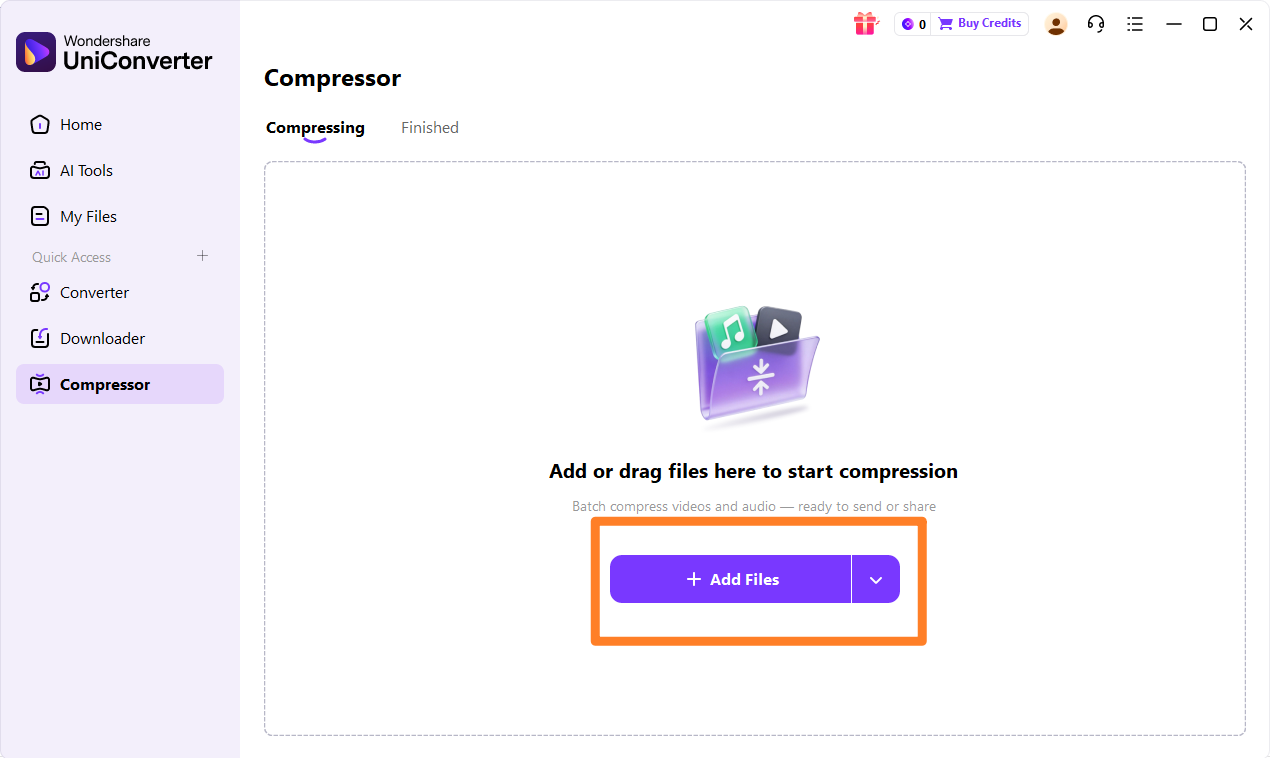
Drag and drop your images (PNG, JPEG, GIF, etc.) directly into the UniConverter window. You can also click the "Add Files" button to browse and select multiple images from your computer.
Step 3: Choose Required Parameters
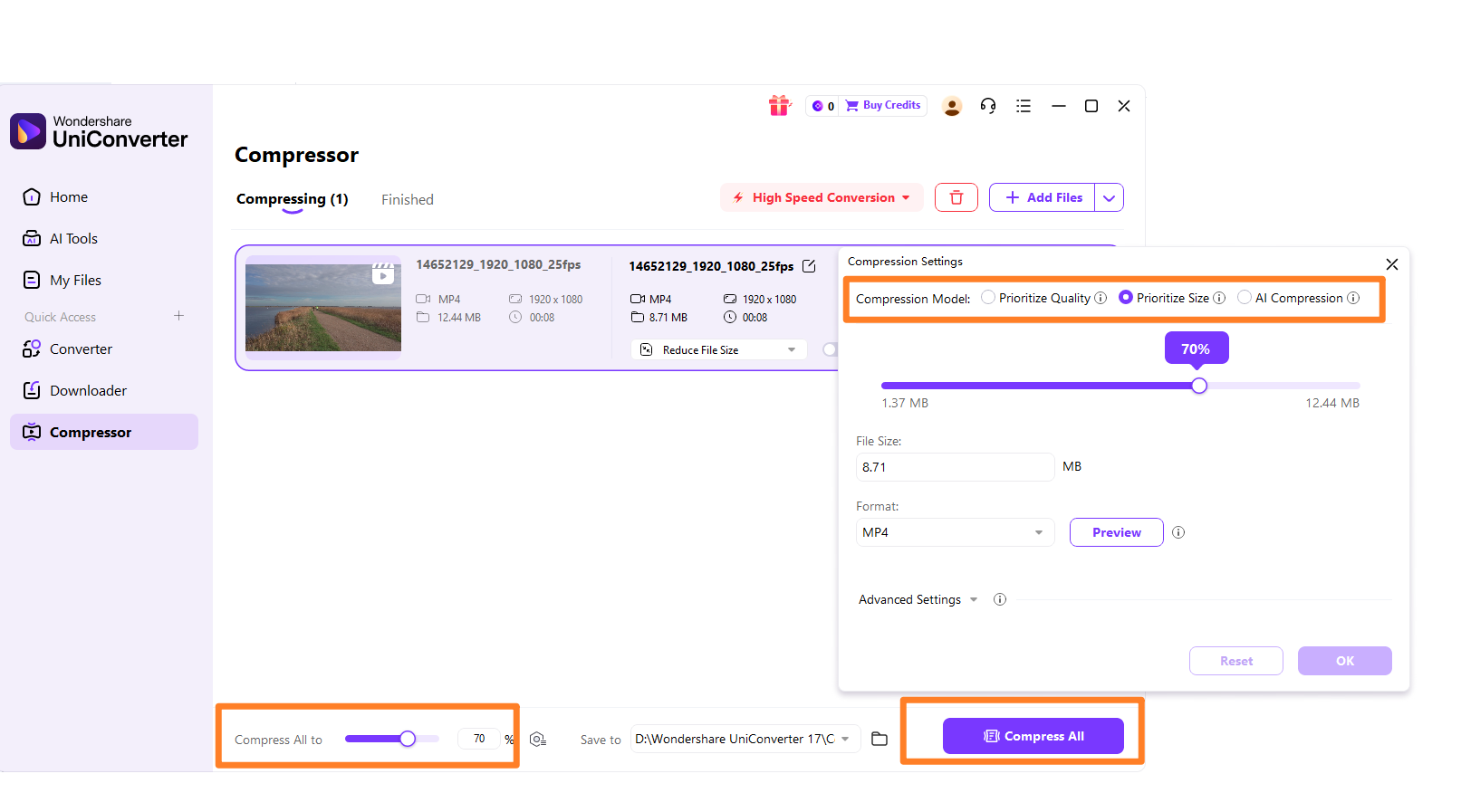
Once your images are loaded, you can adjust the compression settings. UniConverter allows you to select the output quality, resolution, and even convert the format if needed. You can preview the estimated file size reduction before proceeding.
Step 4: Save the Compressed File
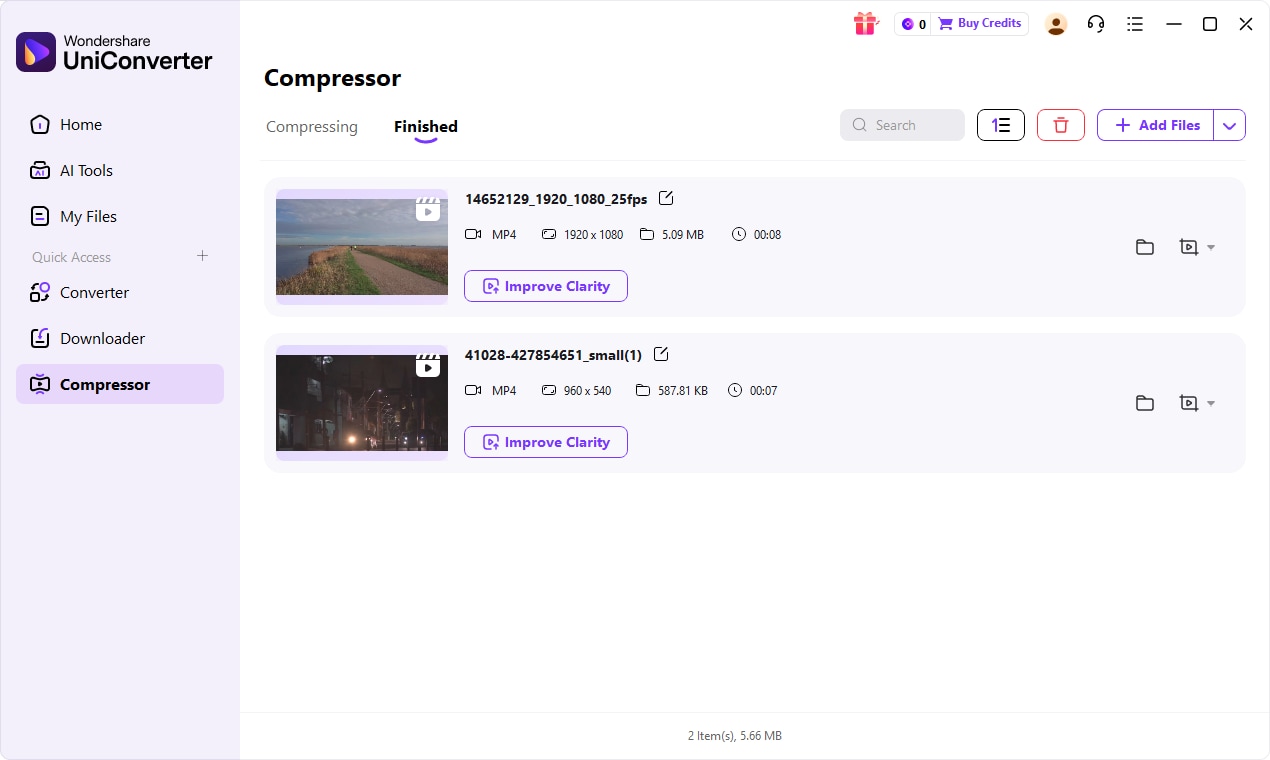
After configuring your settings, click the "Compress" button. UniConverter will quickly process your images using GPU acceleration. Once complete, you can find your optimized images in the specified output folder.

Seeking a TruePNG Image Compressor Alternative?
Part 7: Conclusion
In conclusion, the TruePNG Image Compressor review reveals a highly specialized and effective tool for a very specific purpose: optimizing PNG images. If your workflow heavily relies on PNGs, particularly for web development, UI design, or any application where transparent backgrounds and crisp graphics are essential, TruePNG offers superior compression ratios with minimal perceived quality loss. Its batch processing capabilities are a significant time-saver, making it an invaluable asset for high-volume tasks. However, its primary limitation is its narrow focus on PNGs. For users who handle a diverse range of image formats (JPEG, GIF, TIFF, etc.) or require additional editing functionalities, TruePNG will need to be supplemented with other tools. In such cases, a comprehensive solution like UniConverter, which supports multiple formats and offers broader features, might be a more efficient all-in-one choice. Ultimately, your decision should align with your specific workflow, the types of files you frequently process, and your priorities regarding compression efficiency versus format versatility.
Part 8: FAQs
-
1. Is TruePNG Image Compressor truly lossless?
TruePNG uses a form of lossy compression that is perceptually lossless, meaning the quality difference is usually imperceptible to the human eye, but some data is removed. For truly lossless compression across various formats, I'd recommend looking into tools like UniConverter which offers both lossless and lossy options.
-
2. Can TruePNG handle very large image files?
While TruePNG can process large files, very large images might experience slower processing times compared to smaller ones. For extremely large files or batches, I sometimes find UniConverter's GPU acceleration to be a significant advantage in processing speed.
-
3. What image formats does TruePNG support?
TruePNG Image Compressor primarily focuses on optimizing PNG files. If you need to compress other formats like JPEG, GIF, or WebP, you'll need a different tool.
-
4. Are there any privacy concerns when using TruePNG?
As a desktop application, TruePNG generally processes files locally, reducing privacy concerns associated with uploading images to online services. This local processing is a big plus for me when dealing with sensitive content.
-
5. How does TruePNG compare to online image compressors?
TruePNG offers dedicated desktop performance and often higher compression ratios for PNGs compared to many generic online compressors, which might prioritize broader format support over deep optimization for a single format. For a more versatile desktop solution that handles multiple formats efficiently, I often turn to UniConverter.
