
In this article
- Part 1: What is Toolur Image Compressor?
- Part 2: Toolur Image Compressor: Core Features, Pros, and Cons
- Part 3: Toolur Image Compressor: Users and Use Cases
- Part 4: Toolur Image Compressor vs. Alternatives
- Part 5: Potential Risks and Pitfalls
- Part 6: How to Use UniConverter to Compress Efficient Audio and Video
- Part 7: Conclusion
- Part 8: FAQs
When I'm looking for an efficient way to optimize images for my website, I often turn to online compression tools. Among the myriad options available, Toolur Image Compressor review has caught my attention for its promise of quick and effective image size reduction. This review aims to provide a comprehensive look at Toolur, evaluating its core features, comparing it against popular alternatives like TinyPNG and Squoosh, and ultimately helping you decide if it's the right tool for your specific needs. I’ll delve into its strengths and weaknesses, highlight ideal use cases, and discuss potential pitfalls, ensuring you have all the information to make an informed decision.
Part 1: What is Toolur Image Compressor?
Toolur Image Compressor is an online web-based tool designed to reduce the file size of images without significant loss of visual quality. Its primary goal is to help users optimize images for faster website loading times, improved SEO, and reduced storage consumption. In my experience, it's a straightforward solution for anyone needing quick image optimization without the hassle of installing software.
The Landscape of Online Image Compression Tools
The digital world demands fast-loading content, and large image files are often the biggest culprits for slow websites. This has led to a boom in online image compression tools, each vying to offer the best balance between file size reduction and image quality. I've noticed a few key trends and pain points in this space:
* The Need for Speed: Users, especially bloggers and small business owners, require tools that can quickly process images to keep up with content creation demands.
* Quality vs. Size Dilemma: The constant challenge is to shrink file sizes as much as possible without making images look pixelated or blurry.
* Ease of Use: Not everyone is a tech expert, so intuitive interfaces and simple workflows are highly valued.
* Format Versatility: Supporting a wide range of image formats is crucial for accommodating diverse user needs.
Part 2: Toolur Image Compressor: Core Features, Pros, and Cons
Toolur Image Compressor focuses on delivering efficient image compression through a user-friendly online interface. Its core capability lies in its ability to significantly reduce image file sizes, making it ideal for web optimization. I've found it particularly useful for quickly preparing images for blog posts and online portfolios. It supports common formats like JPG, PNG, GIF, and SVG, which covers most of my everyday needs. The process is generally quick: upload, compress, and download.
* Efficient Compression Algorithms: Utilizes algorithms designed to minimize file size while preserving visual fidelity.
* Broad Format Support: Handles JPG, PNG, GIF, and SVG files, making it versatile for various web assets.
* Simple Drag-and-Drop Interface: Allows for easy uploading of images directly into the browser.
* Batch Processing Capability: Supports compressing multiple images simultaneously, saving time.
* Real-time Preview: Offers a side-by-side comparison of the original and compressed image.
- Pros:
- Highly efficient compression with minimal quality loss for web optimization.
- User-friendly interface, ideal for quick, on-the-fly image processing.
- Supports a wide range of image formats, enhancing versatility.
- Cons:
- Limited advanced features for professional photo editing or batch processing.
- Potential for slower processing times with very large file sizes or high traffic.
Part 3: Toolur Image Compressor: Users and Use Cases
Toolur Image Compressor is best suited for individuals and small businesses who prioritize speed and simplicity in their image optimization workflow. If you're not a graphic designer but need to ensure your website loads quickly, this tool is definitely worth considering. It's designed for efficiency rather than intricate control.
- Best Use Case: Rapid Web Content Optimization for Bloggers and Small Businesses
- Scenario: I'm a blogger and I need to quickly compress multiple images for a new article to improve page load speed without sacrificing visual appeal. Toolur's intuitive interface and efficient compression make it ideal for this task. I can drag and drop my images, hit compress, and have them ready for upload in minutes, ensuring my readers don't abandon my page due to slow loading times.
- Limited Use Case: High-Volume, Professional Photography Workflow
- Scenario: As a professional photographer, I need to process hundreds of high-resolution RAW images for client delivery, requiring precise control over compression settings, metadata preservation, and advanced batch processing capabilities. Toolur's simpler feature set would be a bottleneck here. I'd find myself needing more granular control over quality, specific color profiles, and the ability to handle much larger file sizes and formats that Toolur doesn't support, making it unsuitable for my professional workflow.
Part 4: Toolur Image Compressor vs. Alternatives
When I look at online image compressors, I'm always weighing simplicity against control. Toolur offers a great balance for everyday web use, but how does it stack up against its peers?
| Feature/Tool | Toolur Image Compressor | TinyPNG | Compressor.io | Squoosh |
| Primary Use Case | Quick web optimization | Web optimization, PNG/JPG focus | General image compression | Advanced web optimization, PWA |
| Compression Efficiency | High | Very High | High | Very High (with control) |
| Supported Formats | JPG, PNG, GIF, SVG | JPG, PNG, WebP | JPG, PNG, GIF, SVG, WebP | JPG, PNG, WebP, AVIF, etc. |
| Batch Processing | Basic | Limited (paid) | Limited | No |
| Advanced Controls | Minimal | Minimal | Minimal | Extensive |
| Offline Capability | No | No | No | Yes (PWA) |
| Pricing Model | Free | Freemium | Free | Free |
Key Differentiators:
Toolur excels in simplicity and speed for common web image formats, making it a go-to for non-technical users. Competitors like TinyPNG offer slightly better PNG compression, while Squoosh provides unparalleled control for developers who need to fine-tune every aspect of their image optimization, including support for cutting-edge formats like AVIF. Compressor.io offers a similar free experience but with a slightly different algorithm that some might prefer for specific image types. For quick, no-fuss compression, Toolur is a strong contender, but if you need more advanced features or offline capabilities, you'll need to look elsewhere.
Part 5: Potential Risks and Pitfalls
While online image compressors like Toolur offer convenience, it's crucial to be aware of the potential risks and limitations, especially when dealing with sensitive or high-quality images. I've encountered several issues over time that are worth considering before you commit to using these tools extensively.
Data Privacy Concerns with Online Tools
When I upload my images to an online service, I'm essentially entrusting my data to a third party. For personal photos or proprietary business graphics, this raises significant privacy questions. I always wonder what happens to my images after compression – are they stored, analyzed, or shared? It's essential to review the privacy policy of any online tool, as some may retain your data for longer than you'd expect or use it for their own purposes, which could be a major concern for sensitive content.
Impact on Image Quality for Print or High-Resolution Needs
While Toolur is great for web optimization, it's generally not suitable for images destined for print or other high-resolution applications. The compression algorithms are designed to reduce file size aggressively, which can introduce artifacts, reduce sharpness, and subtly alter colors in ways that become noticeable at larger scales or in professional printing. I've learned the hard way that a web-optimized image often looks poor when blown up for a poster.
Limitations of Free Tiers (File Size/Quantity)
Most free online compressors, including Toolur, come with limitations. I often find restrictions on the maximum file size I can upload, the number of images I can process in a single batch, or even daily usage limits. These constraints can be frustrating if I have a large project or need to compress very high-resolution images. It forces me to either break up my workflow or seek out paid alternatives, which defeats the purpose of using a free tool.
Annoying Ads and Pop-ups
As a trade-off for offering a free service, many online image compressors are ad-supported. This can lead to a cluttered interface filled with distracting advertisements and intrusive pop-ups. I've often found myself accidentally clicking on an ad instead of the download button, which can be quite annoying and disruptive to my workflow. Some sites are worse than others, making the user experience less enjoyable.
Dependency on Internet Connectivity
Since Toolur and similar tools are web-based, they are entirely dependent on a stable internet connection. If I'm working offline, or if my internet is slow or unreliable, I simply can't use them. This can be a significant drawback if I'm traveling, working in an area with poor connectivity, or if I prefer to keep my image processing local for speed and privacy reasons.
Part 6: How to Use UniConverter to Compress Efficient Audio and Video
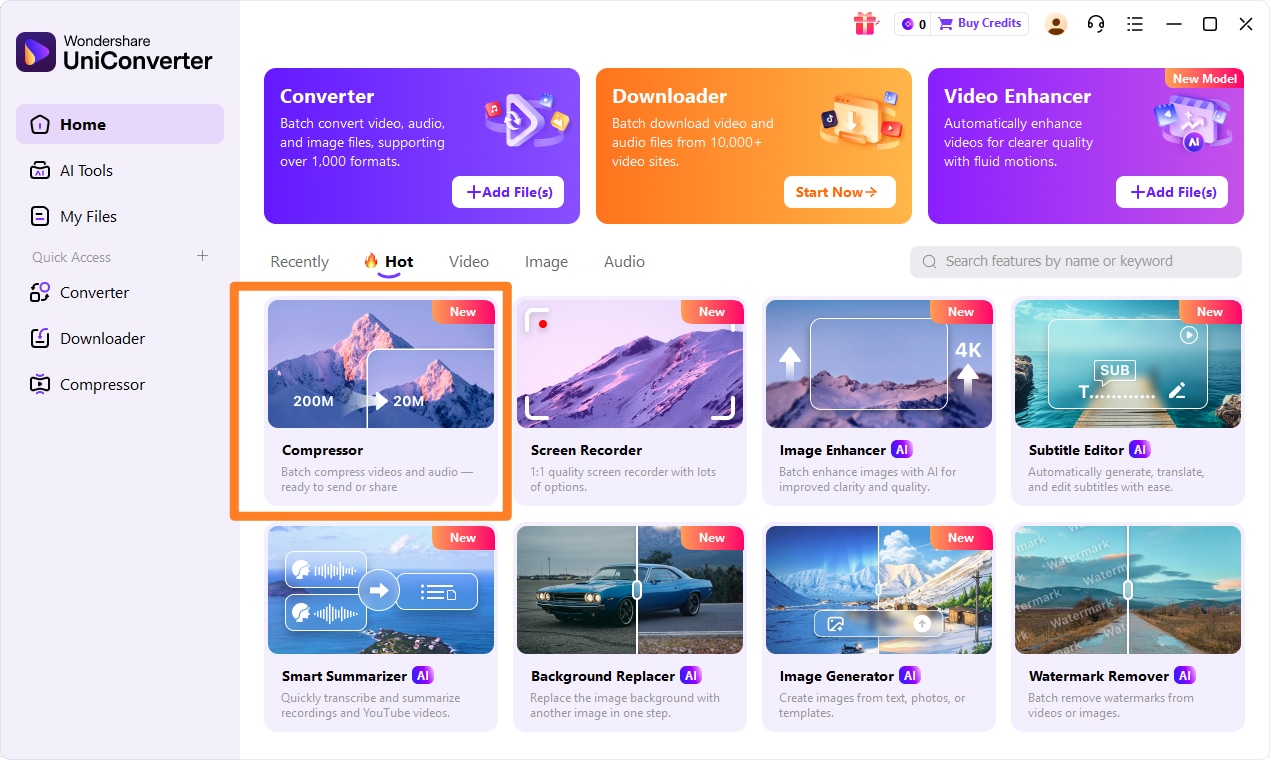
Handling a large number of media files is usually where online tools start to feel limiting, especially when quality retention, privacy, and batch processing all matter. In those situations, UniConverter is a much more practical desktop alternative. It works well for image compression, video compression, and audio compression, so it’s easier to manage different file types in one place. I also like that it offers a cleaner workflow without intrusive ads, while giving more stable performance and better control over output quality than many online options. For larger jobs, its batch features make the whole process far more efficient, which makes it a reliable all-in-one solution for everyday multimedia management.
Step 1: Open UniConverter and Choose Compressor
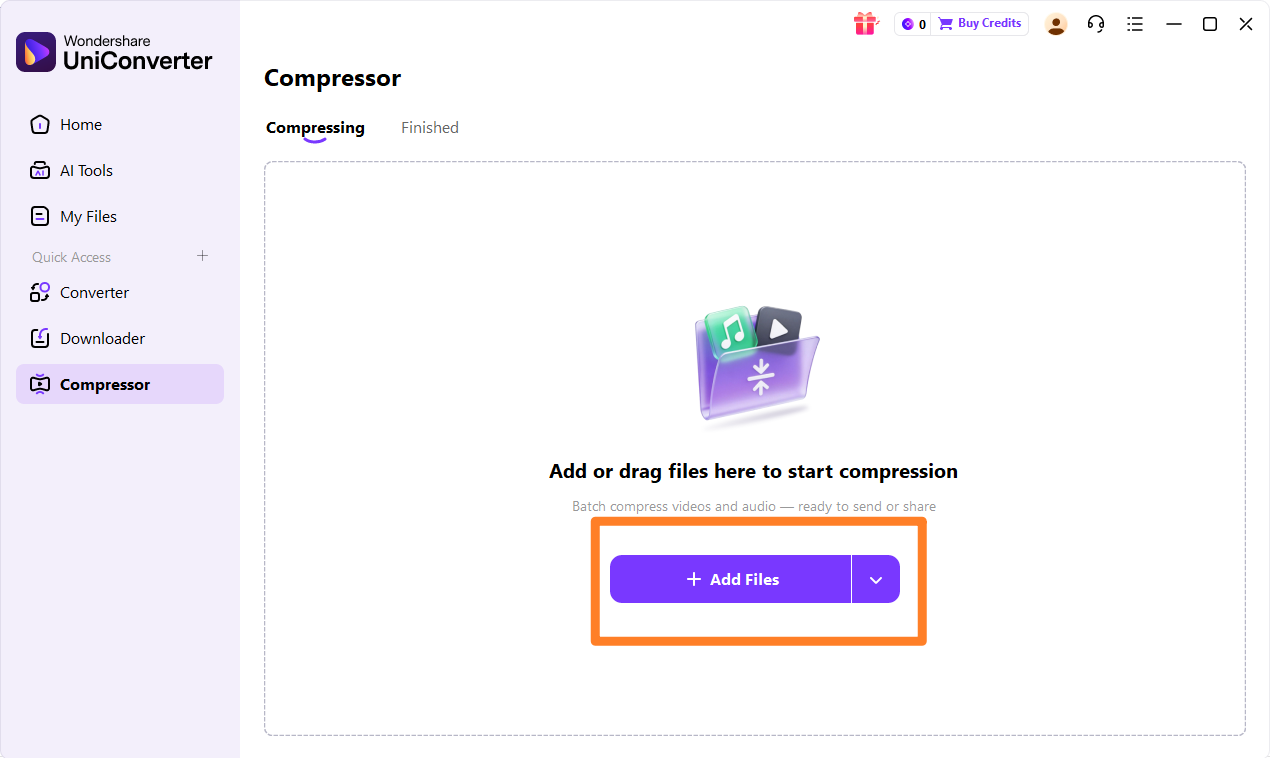
Step 2: Upload the Video, Audios or Images
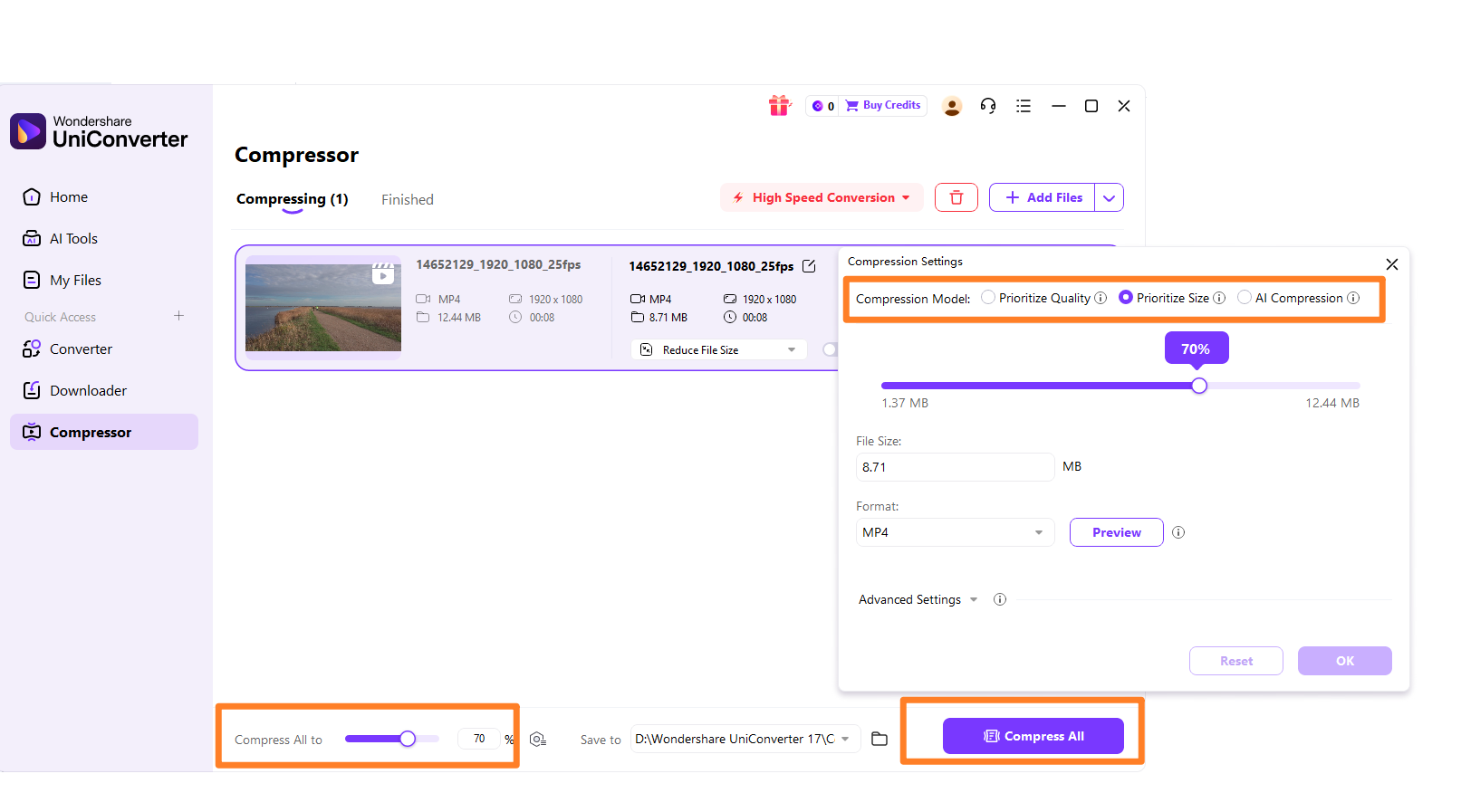
Step 3: Choose Required Parameters
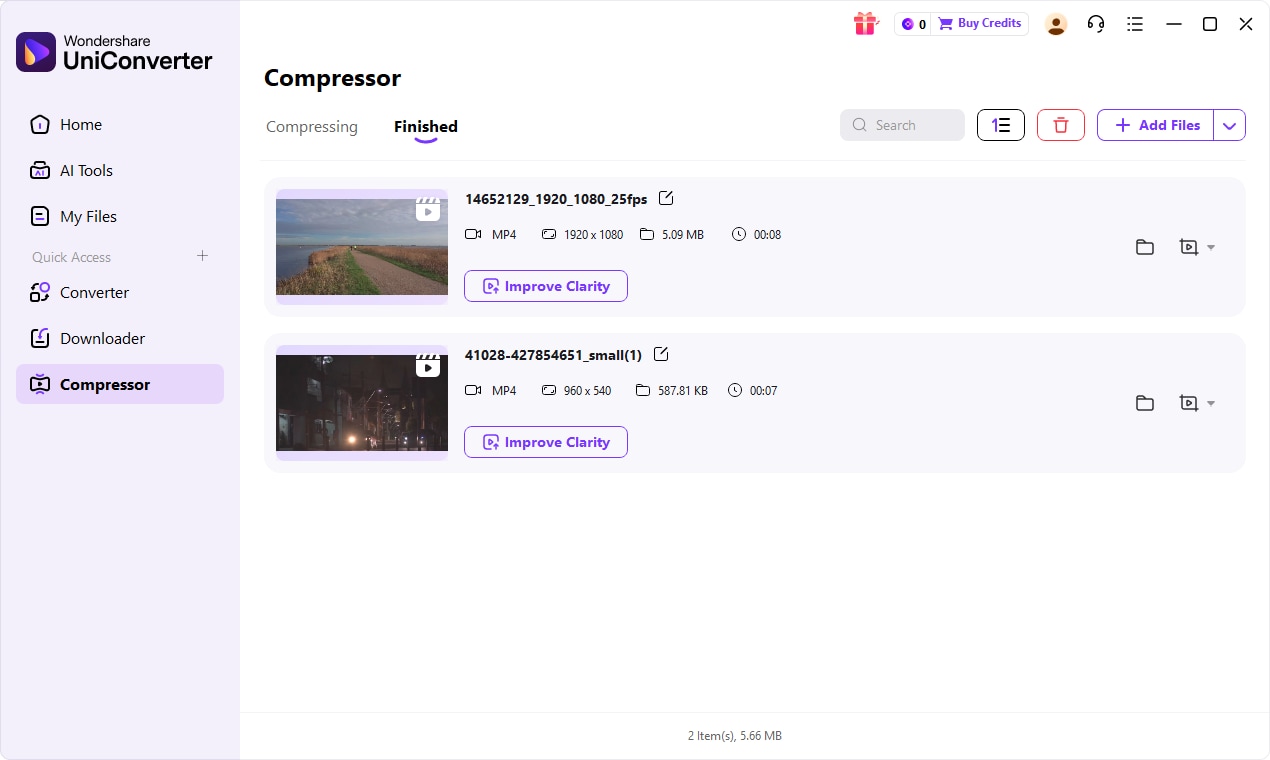
Step 4: Save the Compressed File

Need a Better Toolur Image Compressor Alternative?
Part 7: Conclusion
After a thorough Toolur Image Compressor review and comparison, I can confidently say that it holds its ground as an excellent free option for quick, everyday web image optimization. Its simplicity and efficiency make it ideal for bloggers, small business owners, and anyone needing to reduce image file sizes for faster website loading without diving into complex software. However, for professional photographers or users requiring precise control, advanced batch processing, or handling of sensitive data, its limitations become apparent. In such cases, alternatives like Squoosh offer more granular control, while a comprehensive tool like UniConverter provides an all-in-one solution for various multimedia needs, including offline capabilities and superior quality control. Ultimately, your choice should align with your specific workflow, the volume of images you process, and your priorities regarding quality, speed, and privacy.
Part 8: FAQs
-
1. Is Toolur Image Compressor completely free to use?
Yes, Toolur Image Compressor is generally free for basic use, but it may have limitations on file size or daily usage. For more extensive needs or advanced features, you might need to look into paid alternatives or more robust desktop software like UniConverter.
-
2. Does Toolur Image Compressor reduce image quality significantly?
Toolur aims to minimize quality loss while achieving significant compression, especially for web use. For critical applications, always review the compressed output. If you're concerned about quality for print or high-resolution displays, I recommend using a tool with more control over compression settings, such as UniConverter, which offers lossless compression options.
-
3. Can I compress multiple images at once with Toolur?
Yes, Toolur supports batch compression, allowing you to process several images simultaneously. This feature is a major time-saver for me when I'm optimizing images for a new blog post.
-
4. What image formats does Toolur Image Compressor support?
Toolur typically supports popular formats like JPG, PNG, GIF, and SVG. This covers most common web image types, making it quite versatile for general use.
-
5. Are there any privacy concerns when using online image compressors like Toolur?
As with any online service, it's advisable to review the privacy policy. For sensitive images, consider offline alternatives. If privacy is a top concern, or if you're dealing with proprietary content, I often opt for desktop software like UniConverter, which processes files locally on my computer, eliminating the need to upload them to a third-party server.
