
- Squash Review: Evaluates Squash Image Compressor's features, pros, and cons for image optimization.
- Ideal User: Best for bloggers/web developers needing fast, efficient image optimization for web.
- Limitations: Not for pros needing lossless compression, advanced editing, or comprehensive media management.
- Key Differentiator: Squash offers offline capability and user-friendly batch processing, unlike online tools.
- Comparison: Squash is simpler than UniConverter, which offers broader image/video management and features.
- Pitfalls: Be aware of data privacy (online tools), quality loss (print), ads, and over-compression risks.
- Decision: Choose Squash for quick image tasks; UniConverter for comprehensive media and advanced needs.
In this article
- Part 1: What is Squash Image Compressor?
- Part 2: Squash Image Compressor: Core Features, Pros & Cons
- Part 3: Who Should Use Squash Image Compressor? (And When Not To)
- Part 4: Squash Image Compressor vs. Competitors: A Head-to-Head Comparison
- Part 5: Potential Pitfalls and Considerations When Using Image Compressors
- Part 6: How to Use UniConverter for Comprehensive Image and Video Management
- Part 7: Conclusion
- Part 8: FAQs
When you're running a website or managing digital content, image file sizes can quickly become a bottleneck, slowing down page loads and consuming valuable storage. This Squash Image Compressor review dives deep into a popular tool designed to tackle this very problem. I'll explore its features, weigh its pros and cons, and put it head-to-head with its competitors. My goal is to help you understand if Squash is the right fit for your image optimization needs, or if a more comprehensive solution might be better.
Part 1: What is Squash Image Compressor?
Squash Image Compressor is a desktop application primarily designed to reduce the file size of images without significantly compromising their visual quality. It's built for users who need a quick and efficient way to optimize their visual assets, whether for web development, blogging, or simply freeing up disk space. The tool aims to simplify the often complex process of image compression, making it accessible even for those without technical expertise. My review will focus on how well it achieves this core promise and where it stands against other solutions in the market.
The Growing Need for Image Optimization
The digital landscape is increasingly visual, and with that comes the challenge of managing large image files.
* Faster Loading Times: Large images are a primary culprit for slow website loading, directly impacting user experience and SEO rankings.
* Reduced Storage Costs: Whether it's cloud storage or local disk space, smaller image files mean lower storage requirements and costs.
* Improved Mobile Performance: Mobile users, often on slower connections, benefit immensely from optimized images that load quickly.
* Enhanced User Experience: Seamless browsing without waiting for images to load keeps visitors engaged and reduces bounce rates.
Part 2: Squash Image Compressor: Core Features, Pros & Cons
Squash Image Compressor positions itself as a straightforward solution for image optimization. Its core capabilities revolve around efficient file size reduction while attempting to maintain visual fidelity. It supports common image formats like JPEG, PNG, and GIF, and offers various compression levels to suit different needs. The application's strength lies in its simplicity and speed, making it a go-to for quick tasks.
Core Features:
* Intuitive User Interface: A clean, drag-and-drop interface for easy operation.
* Batch Processing: Compresses multiple images simultaneously, saving time.
* Multiple Output Formats: Supports converting images to different formats during compression.
* Quality Settings Control: Allows users to adjust the compression level and output quality.
* Offline Operation: Performs compression directly on your desktop without needing an internet connection.
Pros:
* Intuitive User Interface for Quick Compression: I found it incredibly easy to just drag images in and hit compress. No steep learning curve at all.
* Batch Processing for Efficiency: When I had dozens of photos for a blog post, the batch processing saved me a ton of time. It just works.
* Multiple Output Formats and Quality Settings: Being able to choose between different quality levels and output formats like WebP was really handy for specific web projects.
Cons:
* Limited Advanced Editing Features: If you need to crop, resize precisely, or do any color correction, you'll need another tool first.
* Subscription Model for Full Functionality: While there's a free trial, unlocking all features and removing limitations requires a paid subscription, which can add up.
Part 3: Who Should Use Squash Image Compressor? (And When Not To)
Squash Image Compressor is designed for a specific segment of users who prioritize speed and simplicity in their image optimization workflow. It's not a one-size-fits-all solution, and understanding its ideal use cases, as well as its limitations, is crucial for making an informed decision. I've found it excels in certain scenarios, but falls short in others where more robust features are required.
Best Use Case: Bloggers and Web Developers Needing Fast, High-Quality Image Optimization
If you're a blogger, content creator, or a web developer constantly uploading images to your website, Squash Image Compressor is a fantastic tool. I personally use it to quickly optimize all my blog post images before uploading them. It significantly reduces file sizes, leading to faster page load times and better SEO, all without me having to spend ages tweaking settings. The batch processing is a lifesaver when I have a gallery of images to prepare. It's about getting the job done efficiently and effectively for web consumption.
Limited Use Case: Professional Photographers Requiring Lossless Compression and Extensive Editing
For professional photographers or graphic designers, Squash Image Compressor might not be the primary tool. When I'm working with high-resolution images for print or need absolute lossless compression to preserve every detail, Squash's focus on file size reduction, even with minimal quality loss, isn't ideal. It lacks the advanced editing capabilities, color profile management, or true lossless compression options that professionals often require. In these scenarios, I'd opt for more specialized software that offers precise control over every pixel.
Part 4: Squash Image Compressor vs. Competitors: A Head-to-Head Comparison
When it comes to image compression, Squash Image Compressor isn't alone in the market. Several other tools offer similar functionalities, each with its own strengths and weaknesses. I've put Squash against some of its prominent rivals to highlight where it stands out and where others might have an edge. This comparison focuses on practical aspects that impact your workflow and final output.
| Feature/Scenario | Squash Image Compressor | TinyPNG | ImageOptim | UniConverter |
| Batch Processing | Excellent | Good | Good | Excellent |
| Output Quality Control | Good | Fair | Excellent | Excellent |
| Ease of Use | Excellent | Excellent | Good | Excellent |
| Offline Capability | Yes | No | Yes | Yes |
| Pricing Model | Freemium | Free | Free | Premium |
| Processing Speed | Fast | Moderate | Fast | Very Fast |
| Supported Formats | JPEG, PNG, GIF, WebP | JPEG, PNG | JPEG, PNG, GIF | All major image/video formats |
| Customer Support | Forum | Forum | 24/7 Live Chat, Email | |
| Security | Local Processing | Cloud Processing | Local Processing | Local Processing |
Key Differentiators: Offline Capability and User-Friendly Batch Processing
Squash Image Compressor truly shines with its offline capability, which is a huge plus for me when I'm working without an internet connection or dealing with sensitive images. Its batch processing is also incredibly intuitive and efficient. While TinyPNG is great for quick online compressions, it requires an internet connection. ImageOptim offers excellent quality control and is free, but its interface isn't as polished as Squash's. UniConverter, on the other hand, offers a much broader solution, handling both image and video with top-tier performance and features, making it a more comprehensive choice if you need more than just image compression.
Part 5: Potential Pitfalls and Considerations When Using Image Compressors
While image compressors are incredibly useful, it's important to be aware of potential issues and considerations, especially when choosing between different tools or using free versions. I've encountered several pitfalls over the years that can impact your workflow, data security, and the quality of your final output. Being informed about these can help you avoid headaches down the line.
Data Privacy Concerns with Online Tools
When I use online image compressors, I always have a nagging concern about data privacy. Uploading sensitive or proprietary images to a third-party server, even for a brief moment, carries a risk. Who has access to those files? How long are they stored? For personal or confidential projects, I always opt for desktop applications like Squash Image Compressor that process files locally, keeping my data secure on my machine.
Impact on Image Quality for Print vs. Web
It's crucial to understand that compression, especially lossy compression, affects image quality. While a slight reduction in quality might be imperceptible on a website, it can be glaringly obvious in print. I've learned the hard way that images optimized for web are rarely suitable for high-quality printing. Always keep your end-use in mind; for print, I stick to minimal or lossless compression, or even better, work with original high-resolution files.
Annoying Ads and Upsells in Freemium Models
Many freemium image compressors, especially online ones, bombard you with ads or constant upsell prompts to their paid versions. This can be incredibly disruptive to my workflow. I find myself clicking through pop-ups or closing banners, which wastes time and detracts from the user experience. While Squash has a subscription model, its free trial isn't overly aggressive with ads, which I appreciate.
Compatibility Issues with Specific File Types
While most compressors handle common formats like JPEG and PNG, I've occasionally run into compatibility issues with less common or specialized file types (e.g., certain RAW formats, TIFFs with specific layers). Before committing to a tool, I always test it with the specific file types I frequently use to ensure it can handle them without errors or unexpected conversions.
Risk of Over-Compression and Irreversible Damage
It's easy to get carried away with compression settings, aiming for the smallest possible file size. However, over-compression can lead to irreversible pixelation, artifacts, and a noticeable degradation of image quality. Once an image is severely compressed in a lossy format, you can't magically restore the original detail. I always make sure to keep a backup of my original images before any compression process.
Part 6: How to Use UniConverter for Comprehensive Image and Video Management
Sometimes, a dedicated image compressor like Squash is great, but what if you need more? What if you're dealing with videos, or need more robust features for both images and media? When other tools fall short with batch processing, unstable results, or quality loss, I turn to UniConverter. It's my go-to for a comprehensive solution that handles both audio, video, and image compression with unparalleled stability and quality, all without annoying ads. Its GPU acceleration makes it incredibly fast, and it supports a vast array of formats, making it a true all-in-one media toolkit.
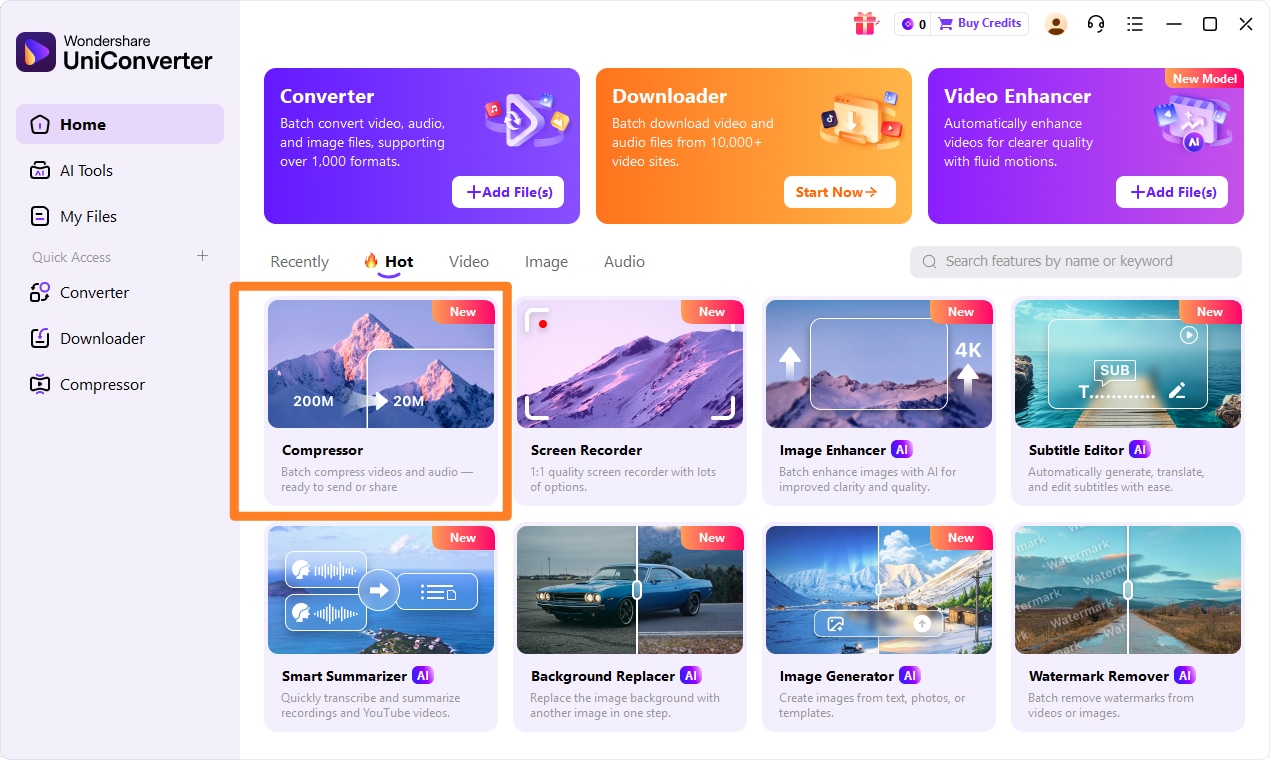
Step 1: Open UniConverter and Choose Compressor
Launch UniConverter on your computer. From the main interface, navigate to the "Toolbox" section and select the "Image Compressor" or "Video Compressor" option depending on your needs.
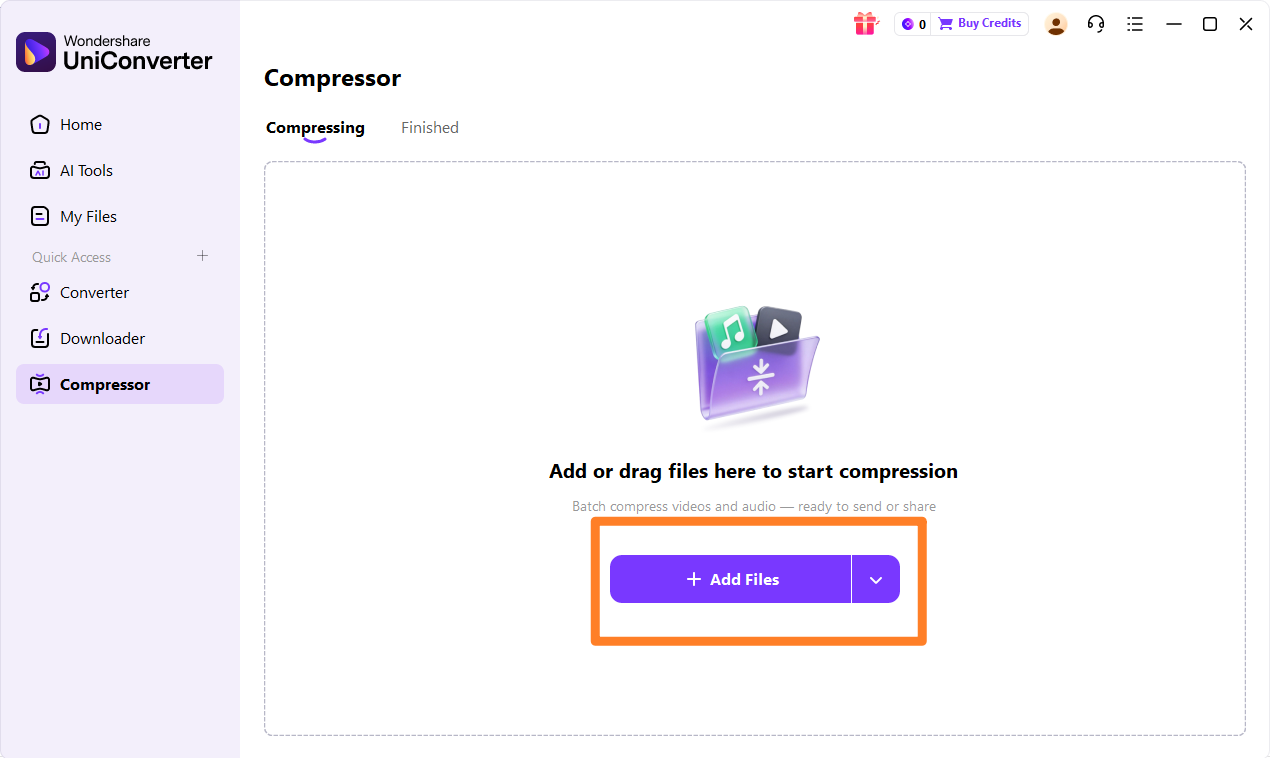
Step 2: Upload the Video, Audios or Images
Drag and drop your desired image, audio, or video files directly into the UniConverter window. You can also click "Add Files" to browse and select them from your local storage.
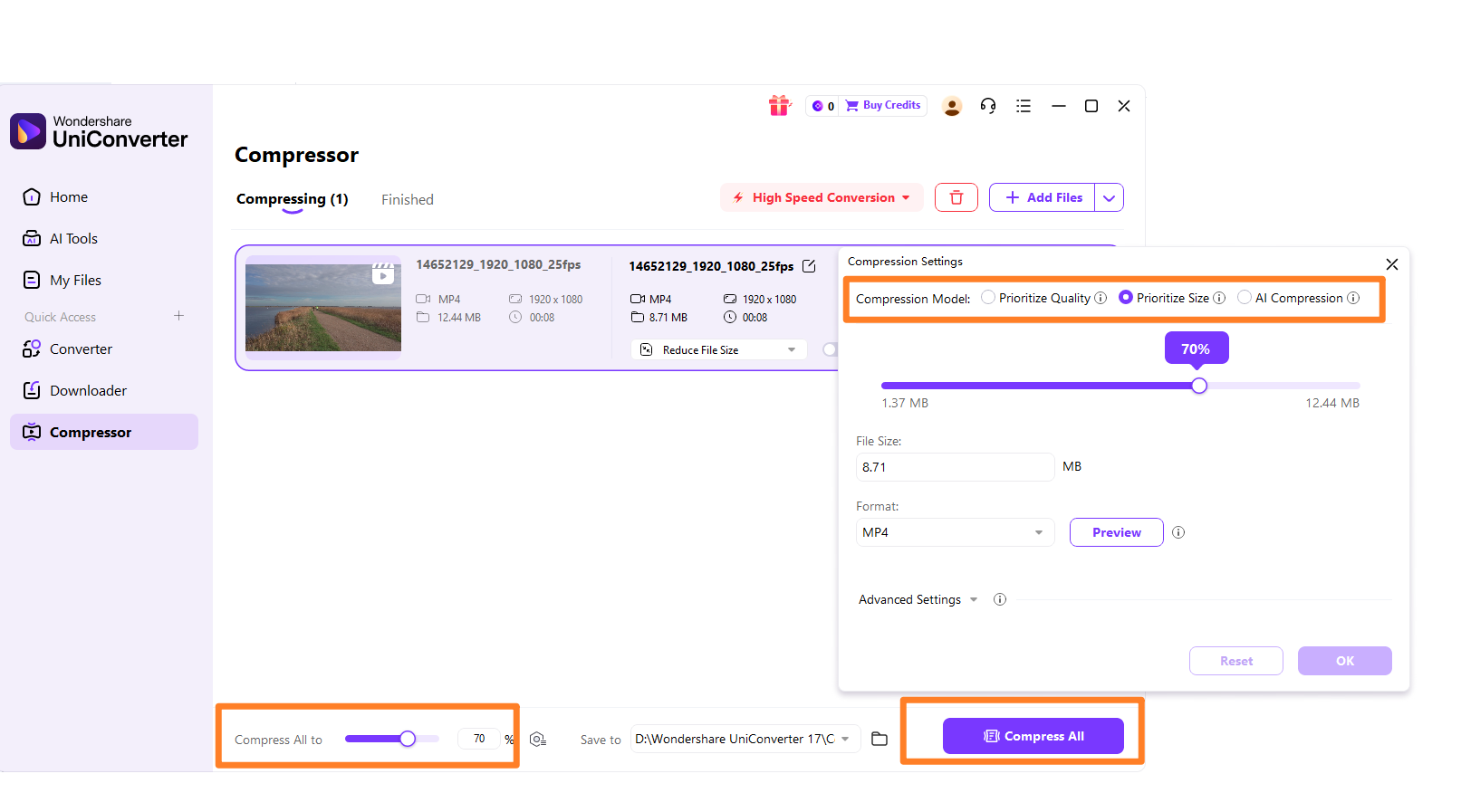
Step 3: Choose Required Parameters
Once your files are loaded, you'll see options to adjust compression settings. For images, you can set quality levels and output formats. For videos and audios, you can modify resolution, bitrate, and file size percentage.
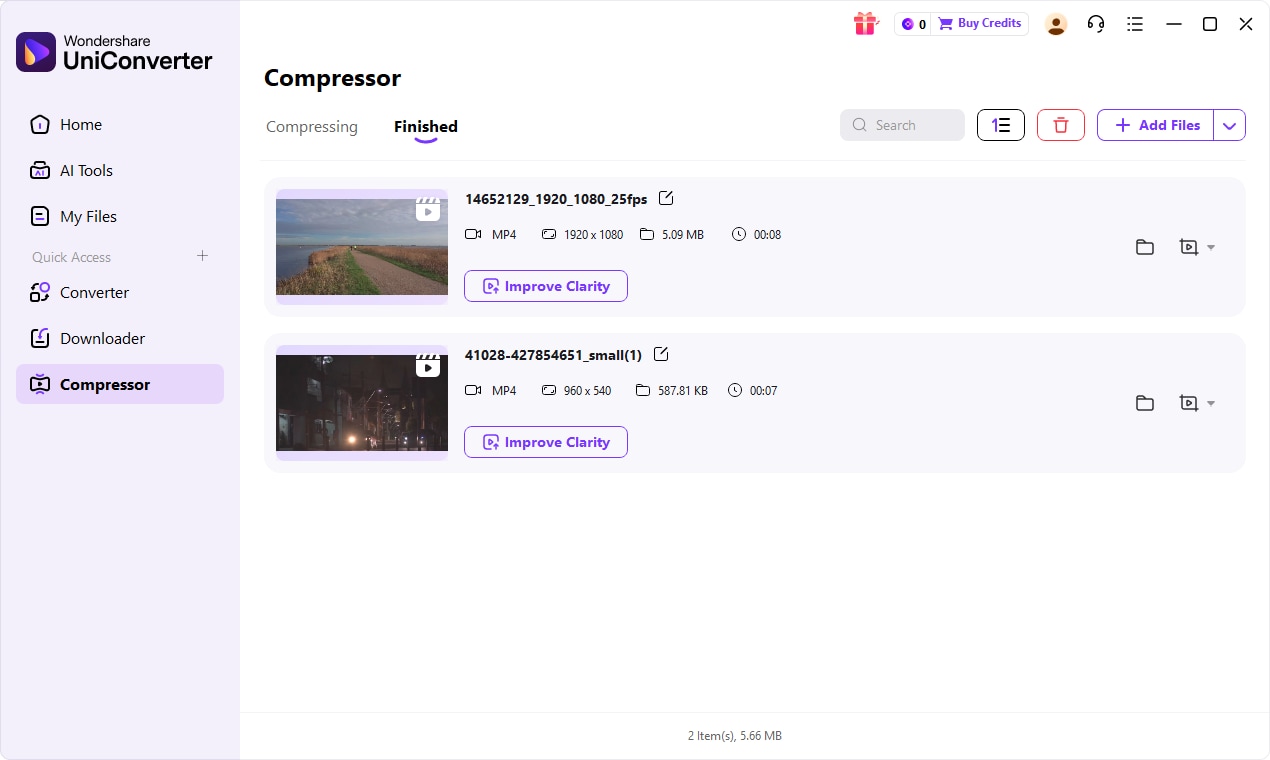
Step 4: Save the Compressed File
After configuring your settings, click the "Compress" button. UniConverter will quickly process your files. Once complete, you can find your optimized files in the designated output folder.

Need a Better Squash Image Compressor Alternative?
Part 7: Conclusion
After thoroughly exploring Squash Image Compressor, comparing it to alternatives, and considering various use cases, my Image Compressor review concludes that it's a highly effective tool for specific needs. For casual users, bloggers, and web developers who prioritize speed, ease of use, and offline capability for image optimization, Squash Image Compressor is a solid choice. Its intuitive interface and efficient batch processing make it a time-saver for routine tasks. However, for professionals requiring advanced editing, true lossless compression, or a broader range of media management capabilities, it falls short. In those scenarios, I'd strongly recommend considering a more comprehensive solution like UniConverter, which offers superior control, wider format support, and integrated video/audio processing. Ultimately, your best choice depends on your specific workflow, the types of media you handle, and your budget. Always prioritize tools that offer local processing for sensitive data to ensure privacy.
Part 8: FAQs
-
1. Is Squash Image Compressor truly free?
Squash Image Compressor offers a free trial with limited functionality. To unlock all features, remove watermarks, and access unlimited compressions, you'll need to purchase a subscription.
-
2. Does image compression affect SEO?
Yes, image compression significantly affects SEO. Smaller image file sizes lead to faster website loading times, which is a crucial ranking factor for search engines and improves user experience, reducing bounce rates.
-
3. Can I recover the original image quality after compression?
If you use lossy compression (which most image compressors, including Squash, primarily use), you cannot fully recover the original image quality. Lossy compression permanently discards some image data to reduce file size. Always keep a backup of your original images.
-
4. What's the difference between lossy and lossless compression?
Lossy compression reduces file size by permanently removing some data, resulting in a smaller file but with some quality degradation (often imperceptible). Lossless compression reduces file size without discarding any data, so the image can be perfectly reconstructed to its original state, but the file size reduction is generally less significant.
-
5. How does Squash Image Compressor handle transparency in PNGs?
Squash Image Compressor handles transparency in PNGs effectively. It compresses the image data while preserving the alpha channel, ensuring that transparent backgrounds remain intact after compression. For even more control over PNG compression and other formats, I often use UniConverter, which offers advanced settings to fine-tune transparency handling.
