
- Smush Overview: Smush is a WordPress plugin for image optimization, enhancing site speed and SEO.
- Core Features: Offers automatic compression, bulk optimization, resizing, and lazy loading for WordPress users.
- Pros & Cons: Excellent WordPress integration and ease of use, but free version has limitations and potential server load issues.
- User Suitability: Ideal for WordPress users, bloggers, and agencies needing simple, effective image optimization.
- Alternatives: Compares with Imagify, ShortPixel, and TinyPNG/JPG, highlighting platform and feature differences.
- Risks: Be aware of quality trade-offs, privacy concerns, subscription costs, and potential server impact.
- UniConverter Value: UniConverter offers comprehensive, versatile image optimization beyond WordPress, with advanced controls.
- Decision Point: Choose Smush for WordPress simplicity; UniConverter for advanced, platform-agnostic media optimization.
In this article
- Part 1: What is Smush Image Compressor?
- Part 2: Smush Image Compressor: Core Features, Pros, and Cons
- Part 3: Smush Image Compressor: Users and Use Cases
- Part 4: Smush Image Compressor and Alternatives Comparison
- Part 5: Smush Image Compressor: Risks and Pitfalls
- Part 6: How to Use UniConverter for Comprehensive Image Optimization
- Part 7: Conclusion
- Part 8: FAQs
When I first started my blog, I quickly realized that large image files were slowing down my site, frustrating visitors, and hurting my search engine rankings. I needed a solution that was easy to use and effective. That's when I stumbled upon Smush Image Compressor review. This article will dive deep into Smush, comparing it with its competitors, and helping you understand if it's the right tool for your image optimization needs. I'll share my personal experiences and insights to guide you through the complex world of image compression.
Part 1: What is Smush Image Compressor?
Smush Image Compressor is a popular WordPress plugin designed to optimize images on your website. Developed by WPMU DEV, it automatically compresses and resizes your images, aiming to improve your site's loading speed and overall performance. My initial impression was that it promised a lot, and for a WordPress user like me, the integration seemed like a dream. This review will explore whether Smush lives up to its reputation and how it stacks up against other image optimization tools available today.
Understanding Image Optimization in Today's Digital Landscape
* The Need for Speed: In today's fast-paced digital world, users expect websites to load instantly. Slow-loading images are a major culprit for high bounce rates.
* SEO Impact: Search engines like Google prioritize fast-loading websites. Optimized images contribute significantly to better SEO rankings.
* User Experience: High-quality, fast-loading images enhance the user experience, keeping visitors engaged and on your site longer.
* Bandwidth and Storage: Smaller image files reduce bandwidth consumption and storage requirements, saving you money and resources.
Part 2: Smush Image Compressor: Core Features, Pros, and Cons
Smush Image Compressor is built to make image optimization as straightforward as possible for WordPress users. Its core functionality revolves around compressing images, resizing them, and integrating seamlessly into the WordPress media library. I found its ability to automatically process images upon upload incredibly convenient, saving me a lot of manual work. The plugin offers both lossless and lossy compression, giving you control over the balance between file size and image quality.
* Automatic Compression on Upload: Smush automatically optimizes images as you upload them to your media library.
* Bulk Smush: You can optimize all existing images in your media library with a single click.
* Image Resizing: Set maximum width and height for your images, and Smush will automatically scale them down.
* Lazy Load: Defer offscreen images from loading until they are needed, further improving page speed.
* WebP Conversion (Pro): Convert images to the next-gen WebP format for even better compression.
Pros:
* Excellent WordPress Integration and Ease of Use: As a WordPress user, I found Smush incredibly easy to install and configure. It integrates directly into the dashboard, making optimization feel like a natural part of my workflow.
* Lossless and Lossy Compression Options for Flexibility: I appreciate having the choice between lossless (no quality loss, but less compression) and lossy (more compression, slight quality reduction) compression. It allows me to tailor optimization based on the image's importance.
* Bulk Optimization Capabilities for Large Libraries: When I first installed Smush, I had hundreds of unoptimized images. The bulk smush feature was a lifesaver, optimizing everything with minimal effort on my part.
Cons:
* Free Version Limitations (File Size, Features): The free version, while useful, has a 5MB per image file size limit, which can be restrictive for high-resolution photos. Many advanced features like WebP conversion are locked behind the Pro version.
* Potential for Slower Optimization on Shared Hosting: On my shared hosting plan, I noticed that bulk optimization could sometimes be slow, occasionally even timing out for very large batches of images. This is something to consider if you're not on a robust hosting environment.
Part 3: Smush Image Compressor: Users and Use Cases
Smush is a fantastic tool for a specific set of users and scenarios, but it's not a one-size-fits-all solution. I've personally found it invaluable for my WordPress-based projects, but I also recognize its limitations when dealing with more specialized needs. Understanding where Smush shines and where it might fall short is crucial for making an informed decision.
Scenario 1: WordPress Website Owners Seeking Performance Boosts
If you're a blogger, run an e-commerce store on WooCommerce, or manage an online portfolio through WordPress, Smush is almost a no-brainer. It seamlessly integrates, automates much of the optimization process, and significantly improves your site's loading speed without requiring deep technical knowledge. I saw a noticeable improvement in my page speed scores after implementing Smush.
Scenario 2: Developers and Agencies Managing Multiple Client Sites
For developers and agencies who manage numerous WordPress sites, Smush Pro offers centralized management and optimization across all client projects. This can be a huge time-saver, ensuring all sites maintain optimal performance without individual manual intervention. It streamlines the workflow for maintaining high-performing websites.
Scenario 3: Users with Limited Technical Expertise
One of Smush's biggest strengths is its user-friendliness. If you're not technically inclined and want a "set it and forget it" solution for image optimization on your WordPress site, Smush is perfect. The default settings are usually sufficient, and the interface is intuitive. I didn't have to delve into complex settings to get good results.
Scenario 4: Situations Requiring Advanced Customization or Offline Processing
However, Smush might not be the best fit if you need highly specific compression algorithms, require offline processing for images before uploading, or work with non-WordPress platforms. For instance, if you're a graphic designer needing precise control over every pixel or if you're building a site on a platform like Shopify or Squarespace, Smush won't be applicable. Its strength lies firmly within the WordPress ecosystem.
Part 4: Smush Image Compressor and Alternatives Comparison
When I was looking for an image optimizer, I didn't just consider Smush. I also looked at other popular options to see how they stacked up. Here's a comparison based on my research and experience:
| Feature/Tool | Smush | Imagify | ShortPixel | TinyPNG/JPG |
| Platform Integration | WordPress | WordPress | WordPress | Web-based API |
| Compression Types | Lossless, Lossy | Lossless, Lossy, Glossy | Lossless, Lossy, Glossy | Lossy |
| Bulk Optimization | Yes | Yes | Yes | Via API |
| Free Tier Limitations | File size, features | Monthly credits | Monthly credits | File size, count |
| Ease of Use | High | High | High | Moderate |
| Processing Speed | Good | Excellent | Excellent | Good |
| Output Quality | High | High | High | Good |
| Customer Support | Good | Excellent | Good | Basic |
| Security | High | High | High | Moderate |
Key Differentiators:
Smush's deep WordPress integration and user-friendly interface truly stand out, making it incredibly accessible for anyone running a WordPress site. Imagify and ShortPixel often offer more flexible credit systems, which can be beneficial if your image optimization needs fluctuate. TinyPNG/JPG, while excellent for quick, one-off compressions through its web interface, requires API integration for bulk processing, making it less plug-and-play for WordPress users compared to Smush. For example, Imagify often delivers slightly better compression ratios for similar quality, and ShortPixel provides a wider range of compression levels, including a "glossy" option that balances quality and file size well.
Part 5: Smush Image Compressor: Risks and Pitfalls
While Smush is a powerful tool, it's important to be aware of potential risks and considerations, especially if you're relying on the free version or have specific requirements. I've learned a few things the hard way that I want to share with you.
Impact on Image Quality: The Trade-off
The biggest concern with any image compressor is the impact on image quality. While Smush offers lossless compression, the real gains in file size come from lossy compression. For some images, especially those with fine details or gradients, even a slight quality reduction can be noticeable. I always recommend testing different compression levels on your most important images to find the optimal balance between file size and visual fidelity. Don't just blindly apply the most aggressive compression.
Privacy Concerns: Data Handling and Storage
When you use a cloud-based image optimization service, your images are sent to their servers for processing. It's crucial to understand their data handling and privacy policies. While WPMU DEV (the creators of Smush) is a reputable company, it's always wise to review their terms of service regarding how your data is stored and processed, especially if you're dealing with sensitive or proprietary images.
Subscription Costs and Value: Free vs. Pro
The free version of Smush has limitations, particularly the 5MB file size limit and the absence of features like WebP conversion. If you have a large site with many high-resolution images, you'll likely hit these limits quickly. The Pro version offers unlimited file size, WebP conversion, and other advanced features, but it comes with a subscription cost. You need to evaluate if the value provided by the Pro features justifies the recurring expense for your specific needs.
Server Load and Performance: Hosting Considerations
While Smush aims to improve your site's performance, the optimization process itself can be resource-intensive, especially during bulk optimization. If you're on shared hosting with limited resources, running a large bulk smush might temporarily slow down your server or even lead to timeouts. I've experienced this myself, and it's a good reminder to perform bulk optimizations during off-peak hours or consider upgrading your hosting if you have a very large media library.
Compatibility Issues: Themes and Plugins
WordPress is a vast ecosystem, and sometimes plugins can conflict with each other or with your theme. While Smush is generally well-coded and compatible, there's always a slight risk of encountering issues with specific themes or other plugins. Before making any major changes or running bulk optimizations, it's always a good practice to back up your site and test on a staging environment if possible. This helps prevent unexpected problems from affecting your live site.
Part 6: How to Use UniConverter for Comprehensive Image Optimization
Sometimes, I need more control over image optimization—especially for files that aren’t going into WordPress or when I want to keep quality as high as possible without adding extra complexity. In those cases, I usually turn to UniConverter as a more flexible alternative. It works especially well for image compression, while also supporting video compression and audio compression, which makes it a practical all-in-one media toolkit. I also like that it offers broad format support, GPU acceleration for faster processing, and a smoother overall workflow for handling different types of media files efficiently.
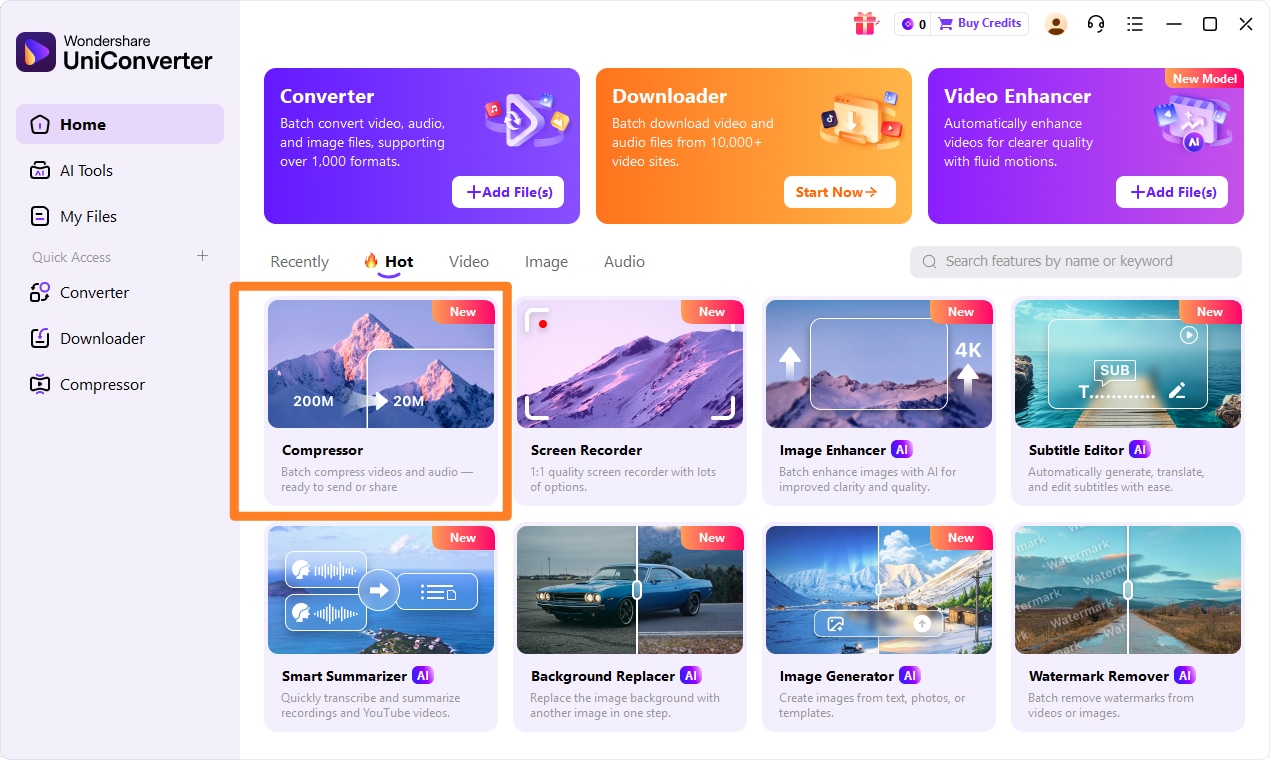
Step 1: Open UniConverter and Choose Compressor
First, I launch UniConverter on my desktop. On the left sidebar, I navigate to the "Toolbox" section and select the "Image Compressor" feature. This is my starting point for optimizing any images.
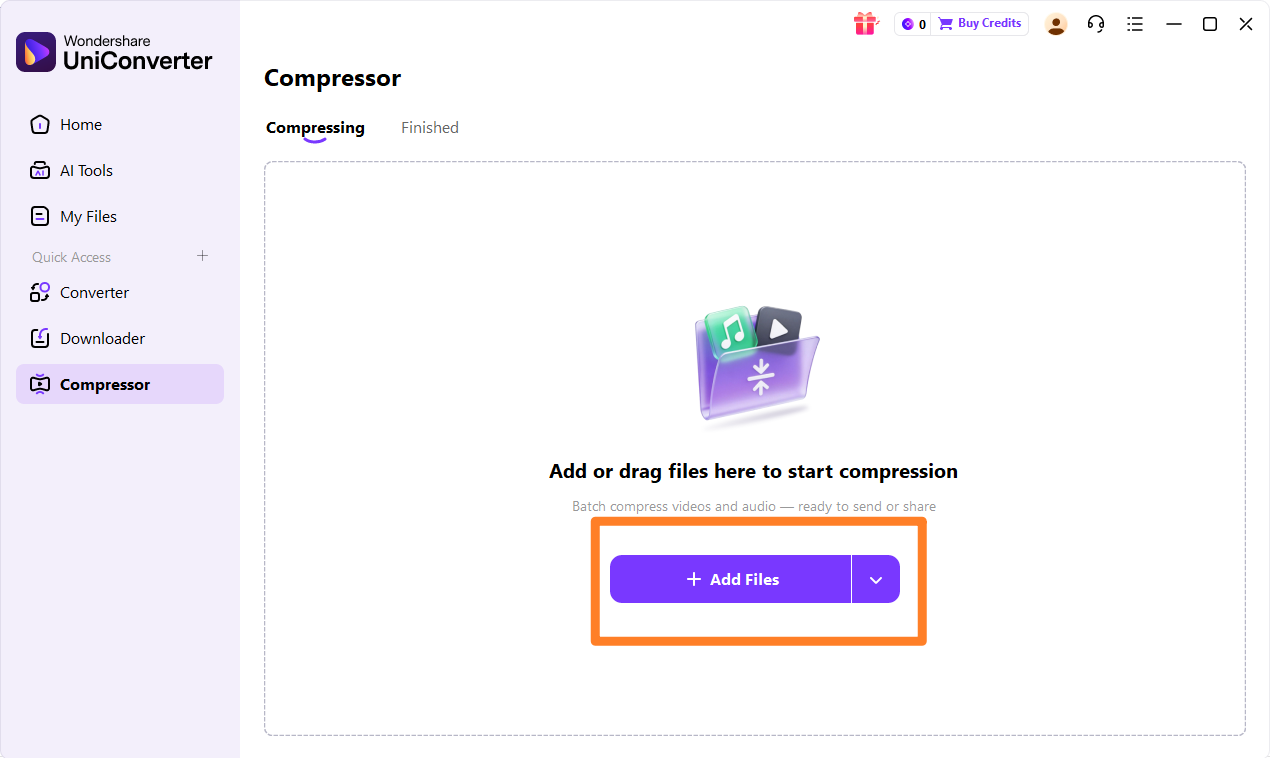
Step 2: Upload the Video, Audios or Images
Next, I click the "Add Files" button or simply drag and drop the images I want to compress into the UniConverter interface. I can add multiple images at once for batch processing.
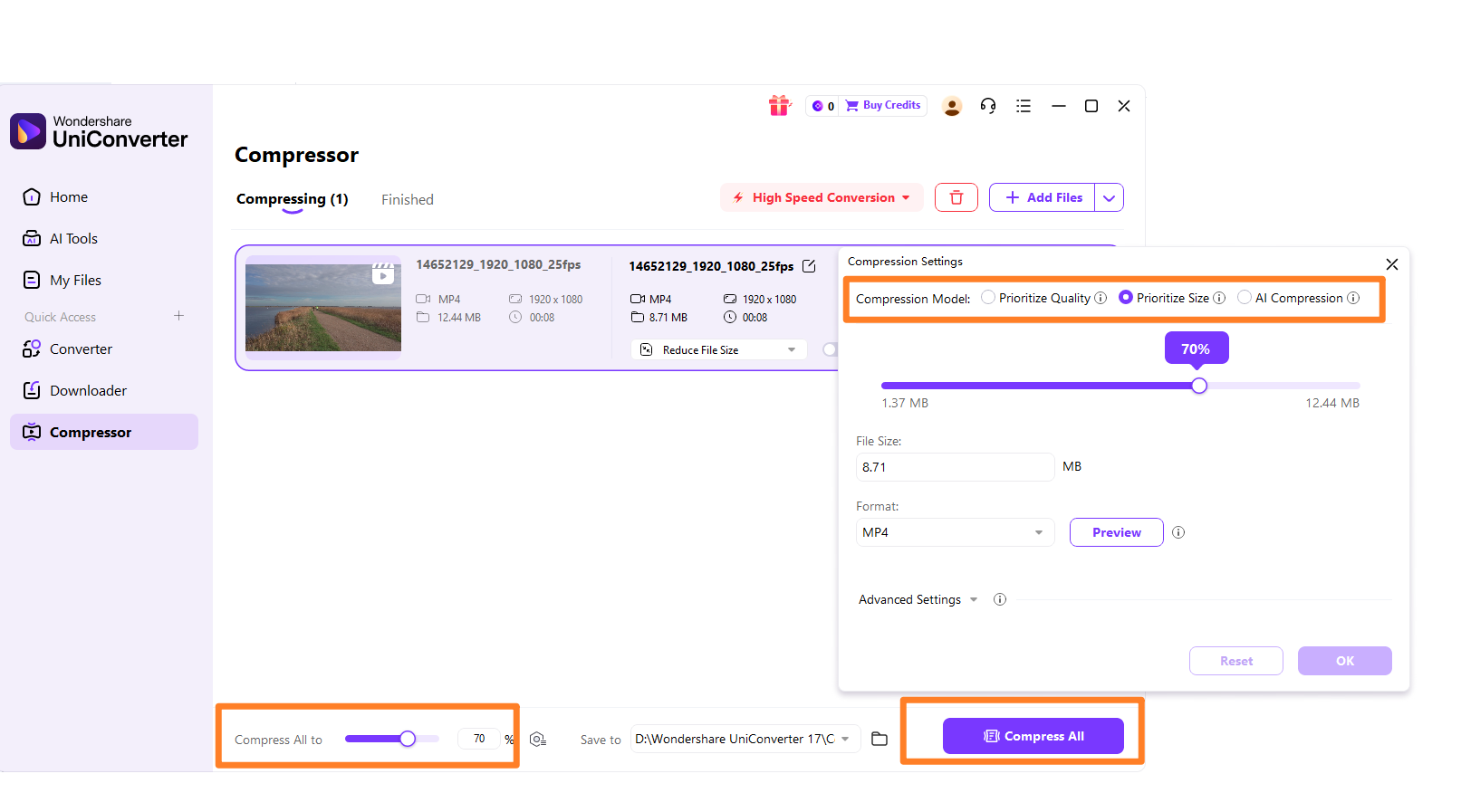
Step 3: Choose Required Parameters
Once my images are loaded, I can adjust the compression settings. UniConverter allows me to set the output format, quality, and resolution. I can preview the compressed image to ensure I'm happy with the quality before finalizing.
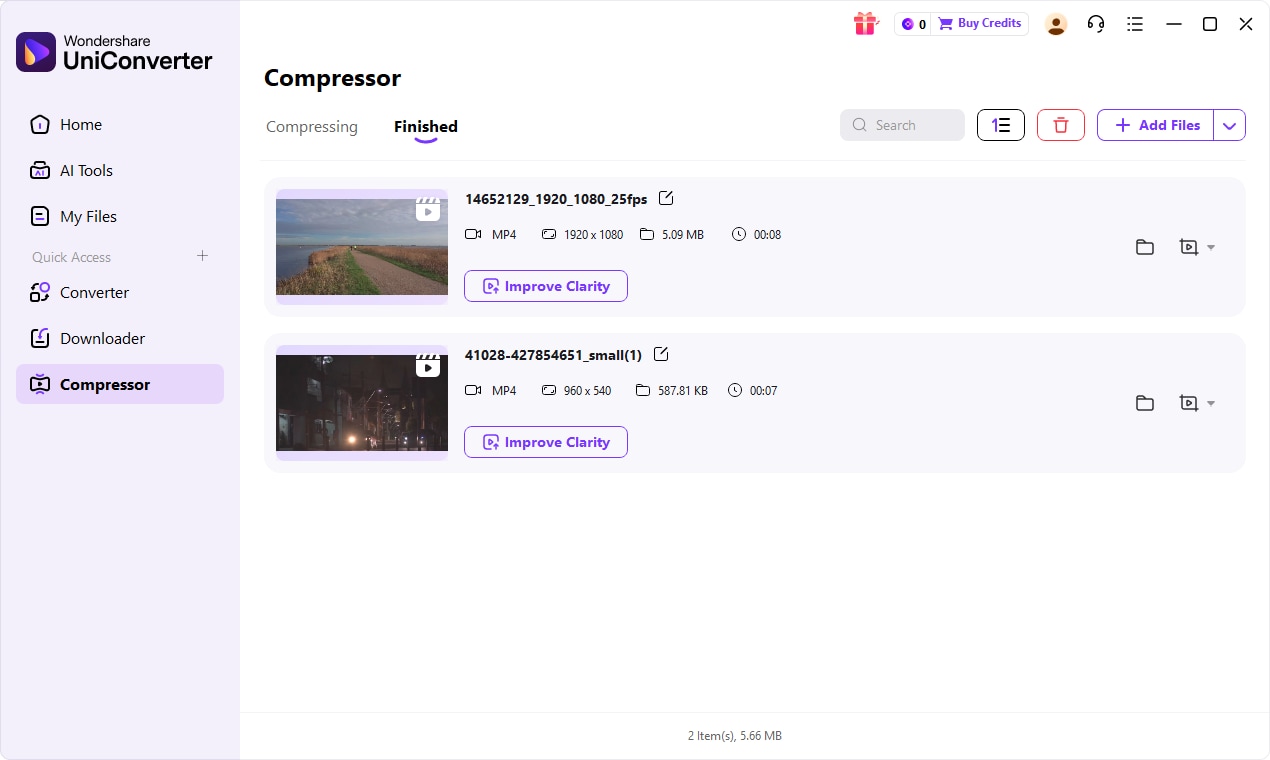
Step 4: Save the Compressed File
After setting my desired parameters, I click the "Compress" button. UniConverter quickly processes the images, and then I can choose the output folder to save my optimized files. It's that simple!

Smush Image Compressor Alternative for Better Performance?
Part 7: Conclusion
After extensively using and reviewing Smush Image Compressor, I can confidently say it's an excellent tool for WordPress users. Its seamless integration, ease of use, and effective compression capabilities make it a top choice for anyone looking to improve their website's performance without diving deep into technical complexities. For bloggers, e-commerce site owners, and agencies managing WordPress sites, Smush provides significant value, especially with its bulk optimization and automatic processing. However, if you're not on WordPress, require highly specialized compression, or need a robust offline solution, alternatives like UniConverter offer a more versatile and powerful approach. UniConverter, with its broad format support, GPU acceleration, and stable lossless compression, serves as an ideal solution for users needing comprehensive media optimization beyond the WordPress ecosystem. Ultimately, the best tool depends on your specific platform, workflow, and the level of control you desire over your image optimization process. Always test different settings to find the optimal balance between image quality and file size for your unique needs.
Part 8: FAQs
-
1. **Is Smush truly free?**
The free version of Smush offers basic image compression with a 5MB file size limit per image and excludes premium features like WebP conversion. While it's a good starting point, for full functionality and unlimited usage, you'll need the Pro version, which is a paid subscription.
-
2. **Does image compression affect SEO?**
Absolutely. Image compression significantly reduces file sizes, leading to faster page load times. Page speed is a critical ranking factor for search engines like Google, so optimizing your images directly contributes to better SEO and an improved user experience.
-
3. **Can I reverse image compression?**
It depends on the type of compression. Lossless compression retains all original image data, so it can theoretically be reversed without quality loss. However, lossy compression permanently discards some image data to achieve smaller file sizes, making it irreversible. Always keep original copies of your images if you anticipate needing them uncompressed.
-
4. **How do I choose between lossless and lossy compression?**
Choose lossless compression when image quality is paramount, and you can afford slightly larger file sizes. This is ideal for professional photography or detailed graphics where every pixel matters. Opt for lossy compression when you need the smallest possible file size and a minor, often imperceptible, reduction in quality is acceptable, such as for blog post images or general website graphics. For more precise control and versatile options, consider a tool like UniConverter, which allows you to fine-tune compression settings.
-
5. **Are there any offline image compression tools?**
Yes, there are several offline image compression tools available. Desktop software like UniConverter provides robust offline compression capabilities, allowing you to process images without an internet connection. These tools often offer more advanced features and greater control over the compression process compared to online services.
