
- Value: Sirv excels for e-commerce and large asset management with dynamic delivery and global CDN.
- Comparison: Sirv and Cloudinary offer comprehensive solutions; TinyPNG and ImageOptim suit basic needs.
- Decision: Choose Sirv for advanced features and scale; consider UniConverter for versatile, offline batch processing.
- Risk: Aggressive compression can degrade quality; be mindful of vendor lock-in and escalating costs.
- Efficiency: UniConverter provides a robust desktop alternative for stable, high-quality batch compression.
In this article
- Part 1: What is Sirv Image Compressor?
- Part 2: Sirv Image Compressor: Core Features, Pros, and Cons
- Part 3: Sirv Image Compressor: Ideal Users and Use Cases
- Part 4: Sirv Image Compressor and Alternatives: A Comparative Analysis
- Part 5: Risks and Pitfalls to Consider
- Part 6: How to Use UniConverter to Compress Efficiently
- Part 7: Conclusion
- Part 8: FAQs
When I first started delving into optimizing my website's performance, image compression quickly became a critical area of focus. My journey led me to explore various tools, and the Sirv Image Compressor review is a deep dive into one of the more robust solutions I encountered. This article aims to provide a comprehensive comparison, evaluating its features, ideal use cases, and potential pitfalls, alongside alternatives, to help you make an informed decision for your image optimization needs.
Part 1: What is Sirv Image Compressor?
Sirv Image Compressor is a cloud-based image optimization and delivery platform designed to enhance website performance by reducing image file sizes without compromising visual quality. It's more than just a compressor; it's a comprehensive image management system that integrates with a Content Delivery Network (CDN) to serve optimized images globally. My initial interest stemmed from its promise of real-time optimization and dynamic image manipulation, which seemed like a powerful combination for modern web development. This review will address the core question: Is Sirv the right solution for your image optimization challenges, especially when considering its competitors?
The Evolving Landscape of Image Optimization
The need for efficient image optimization has never been greater, driven by several key factors:
* Page Load Speed as a Ranking Factor: Search engines heavily penalize slow-loading websites, making image optimization crucial for SEO.
* Mobile-First Indexing: With the majority of internet traffic coming from mobile devices, responsive and fast-loading images are paramount.
* Rich Media Content: Websites are increasingly relying on high-resolution images and videos to engage users, necessitating robust compression solutions.
* User Experience Expectations: Users expect instant gratification; slow-loading images lead to high bounce rates and poor user satisfaction.
Part 2: Sirv Image Compressor: Core Features, Pros, and Cons
Sirv Image Compressor stands out with its integrated approach to image handling. Its core capabilities extend beyond simple compression, offering a full suite of tools for image transformation and delivery.
Core Features:
1. Advanced Compression Algorithms: Utilizes both lossless and lossy methods to achieve significant file size reductions.
2. Real-time Image Optimization: Images are optimized on-the-fly based on device, browser, and network conditions.
3. Global CDN Delivery: Leverages a worldwide CDN for fast image loading times regardless of user location.
4. Extensive Image Transformations: Offers a vast array of options for resizing, cropping, watermarking, and applying filters.
5. Dynamic Imaging: Serves different image versions (e.g., WebP, AVIF) to compatible browsers automatically.
Pros:
* Optimal File Size Reduction: I've seen impressive reductions in file size, often without a noticeable drop in quality, thanks to its sophisticated algorithms.
* Real-time Optimization and CDN: The integrated CDN and real-time optimization are game-changers for global audiences and dynamic content.
* Comprehensive Image Management: Its transformation capabilities mean I rarely need external tools for image manipulation once they're on Sirv.
Cons:
* Steeper Learning Curve: Getting the most out of all its features can be a bit overwhelming initially, especially for non-technical users.
* Pricing Structure: For very high-volume usage or smaller projects, the cost can become a significant factor compared to simpler, free alternatives.
Part 3: Sirv Image Compressor: Ideal Users and Use Cases
Sirv Image Compressor isn't a one-size-fits-all solution; its strengths shine in specific contexts.
Scenario 1: E-commerce Websites and Online Portfolios Requiring High-Quality, Fast-Loading Images
This is where Sirv truly excels. For my e-commerce site, where every millisecond of load time impacts conversion rates, Sirv's ability to deliver high-resolution product images quickly and efficiently is invaluable. The real-time optimization ensures that customers on any device see crisp images without unnecessary delays. Its extensive transformation options also allow for dynamic product views and zoom features, enhancing the shopping experience.
Scenario 2: Large-Scale Digital Asset Management with Complex Image Processing Needs
For projects involving thousands of images that require consistent branding, watermarking, or specific sizing for different platforms, Sirv's centralized management and automated processing capabilities are a huge time-saver. I can upload a single high-res image and generate multiple optimized versions for various uses, all managed within the Sirv ecosystem.
Scenario 3: Small Blogs or Personal Websites with Limited Technical Expertise and Budget
While Sirv offers powerful features, I've found it might be overkill for a small blog or personal website with limited image needs and a tight budget. The complexity and cost associated with its advanced features might not justify the investment for someone who only needs basic compression for a few images a week. Simpler, often free, tools would be a more appropriate starting point here.
Part 4: Sirv Image Compressor and Alternatives: A Comparative Analysis
When evaluating Sirv, it's essential to see how it stacks up against other popular image optimization tools.
| Feature/Product | Sirv Image Compressor | TinyPNG | ImageOptim | Cloudinary |
| Compression Type | Lossless & Lossy | Lossless & Lossy | Lossless | Lossless & Lossy |
| CDN Integration | Yes | No | No | Yes |
| Image Transformations | Extensive | Limited | None | Extensive |
| Pricing Model | Subscription | Freemium | Free | Freemium/Subscription |
| Ease of Use | Moderate | High | High | Moderate |
| Processing Speed | Very Fast (CDN) | Fast | Fast | Very Fast (CDN) |
| Output Quality | Excellent | Good | Excellent | Excellent |
| Customer Support | Responsive | Basic | Community | Responsive |
| Security | High | Moderate | High | High |
From my experience, Sirv and Cloudinary are in a league of their own for comprehensive image management and delivery, especially with their CDN integration. If you need extensive transformations and global delivery, these are your top contenders. TinyPNG is fantastic for quick, easy compression of individual images, offering a high level of ease of use for basic needs. ImageOptim, being a desktop application, provides excellent lossless compression for those who prefer local processing and absolute control over their files, but lacks any cloud features. For projects demanding dynamic image serving and robust API access, Sirv and Cloudinary clearly offer more advanced capabilities.
Part 5: Risks and Pitfalls to Consider
While Sirv Image Compressor offers significant advantages, it's crucial to be aware of potential risks and pitfalls, especially when integrating a third-party service into your workflow.
Potential Impact on Image Quality for Aggressive Lossy Compression
When I first experimented with Sirv, I found that pushing the lossy compression settings too aggressively could, in some cases, lead to a noticeable degradation in image quality. While the goal is to reduce file size, there's a fine line where artifacts or blurriness can become apparent. It's essential to test different compression levels and visually inspect the output to ensure the quality remains acceptable for your specific use case. What looks good on a small thumbnail might not hold up on a full-screen display.
Vendor Lock-in and Data Portability Concerns
Adopting a comprehensive platform like Sirv means a significant investment in their ecosystem. All your images are hosted and managed on their servers. While Sirv provides options for exporting your assets, the process of migrating a large library of images, along with all their generated transformations and URLs, to a different provider can be complex and time-consuming. This creates a degree of vendor lock-in, making it harder to switch providers in the future without considerable effort.
Cost Escalation with Increased Usage and Advanced Features
Sirv's pricing model is generally based on storage, bandwidth, and the number of transformations. As my website grew and image usage increased, I noticed that the costs could escalate quickly. Utilizing advanced features like dynamic imaging, extensive transformations, and high bandwidth consumption can push you into higher pricing tiers. It's vital to carefully monitor your usage and understand the pricing structure to avoid unexpected bills, especially for projects with unpredictable traffic spikes.
Integration Complexity with Existing Workflows
While Sirv offers various integration methods (plugins, API), integrating it seamlessly into an existing, complex workflow can be challenging. If your current content management system or development pipeline isn't designed for external image services, you might face hurdles in setting up automated uploads, URL rewriting, and maintaining consistency across your platforms. This can require significant development effort and might not be straightforward for teams without dedicated technical resources.
Security and Privacy of Hosted Assets
Since all your images are hosted on Sirv's cloud infrastructure, security and privacy become important considerations. While Sirv employs robust security measures, entrusting your digital assets to a third party always carries an inherent risk. For highly sensitive or proprietary images, understanding their data handling policies, encryption standards, and compliance certifications is crucial. It's important to ensure their security practices align with your organization's requirements.
Part 6: How to Use UniConverter to Compress Efficiently
Sometimes, specialized cloud services like Sirv might be excessive, or you might face scenarios where batch compression, consistent results, or preserving quality are crucial, and other tools prove inadequate. In such instances, I frequently rely on UniConverter as a versatile solution for compressing videos, audio, and images. It's a dependable desktop application that is ad-free, provides extensive format support, utilizes GPU acceleration for faster processing, guarantees stable and lossless compression, and effortlessly manages batch processing, making it an all-in-one ultimate solution.
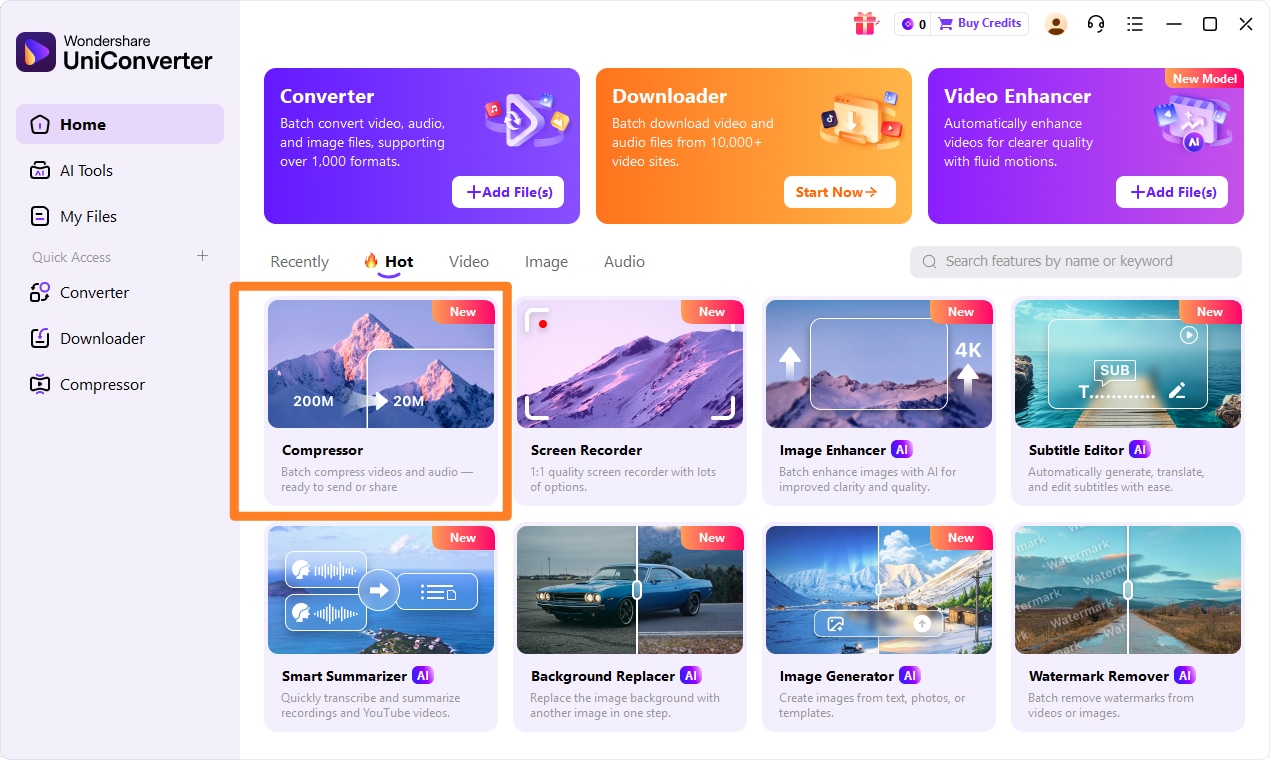
Step 1: Open UniConverter and Choose Compressor
Launch UniConverter on your computer. From the main interface, navigate to the "Compressor" tool. This is where you'll start your compression journey for any media file.
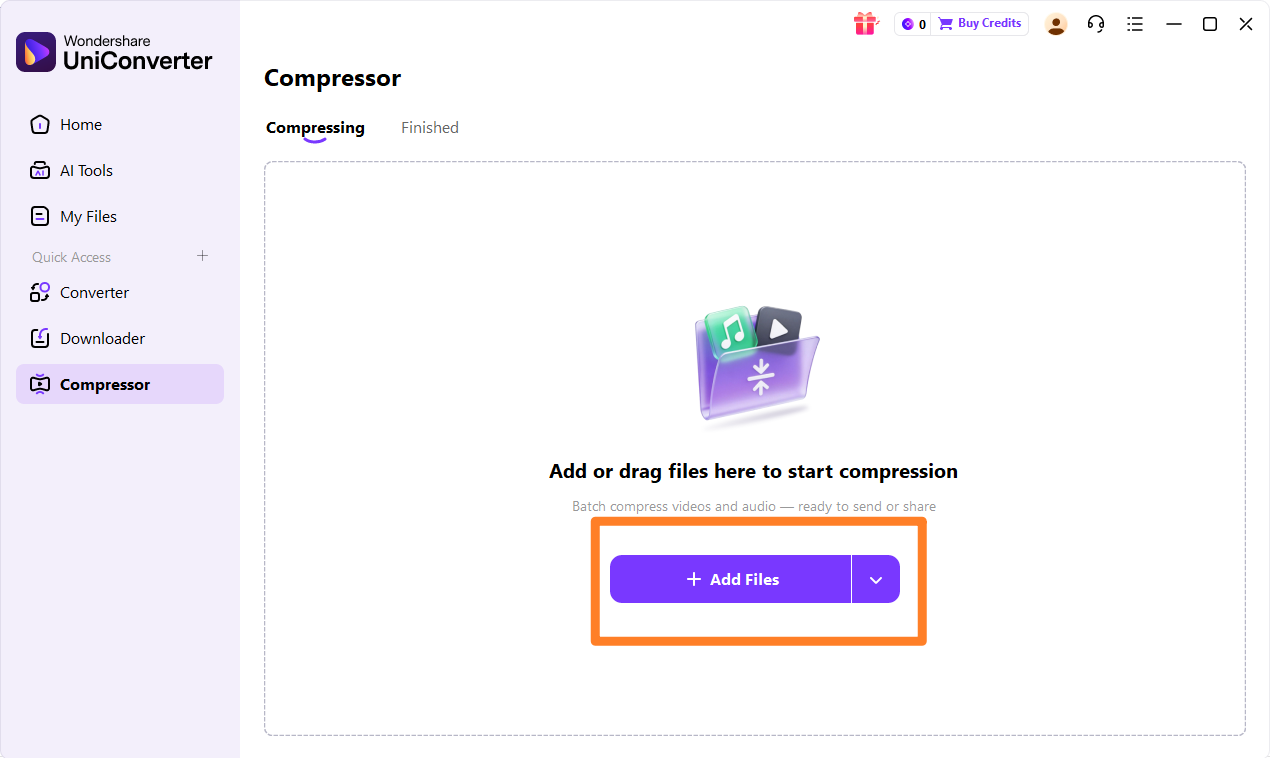
Step 2: Upload the Video, Audios or Images
Drag and drop your desired video, audio, or image files directly into the Compressor window. You can also click the "Add Files" button to browse and select them from your local storage.
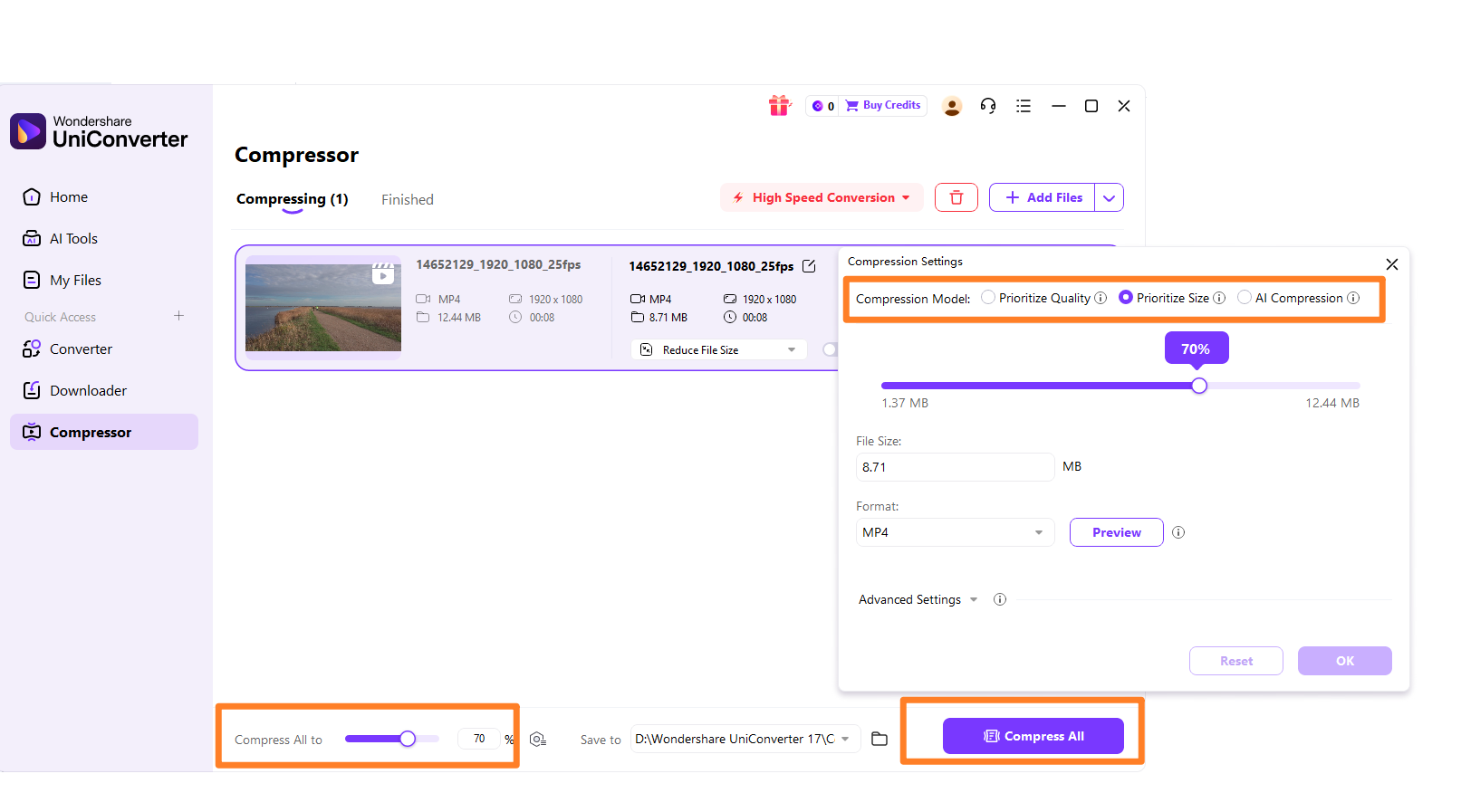
Step 3: Choose Required Parameters
Once your files are loaded, you can adjust the compression settings. UniConverter allows you to customize output format, resolution, bitrate, and quality. For images, you can often choose between different quality levels to balance file size and visual fidelity.
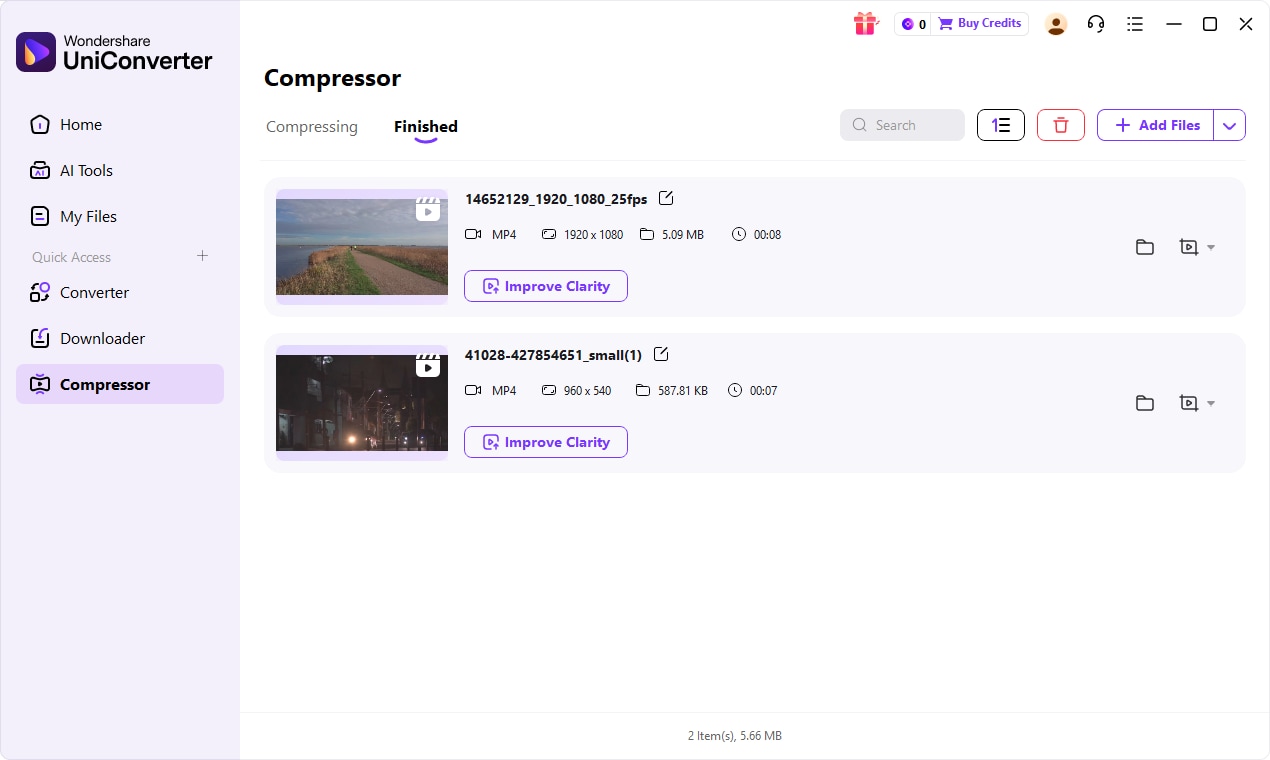
Step 4: Save the Compressed File
After configuring your settings, click the "Compress" button. UniConverter will process your files quickly. Once done, you can find your optimized files in the designated output folder.

Seeking a Sirv Image Compressor Alternative?
Part 7: Conclusion
After extensively using and comparing Sirv Image Compressor review with its alternatives, I can confidently say it's a powerful tool, particularly for businesses and developers who prioritize dynamic image delivery, extensive transformations, and global CDN performance. For e-commerce sites and large digital asset management systems, Sirv's integrated approach offers significant advantages in terms of speed, quality, and workflow efficiency. However, its learning curve and pricing structure mean it might not be the best fit for everyone. Small businesses and bloggers seeking simplicity and lower costs might find freemium tools like TinyPNG or desktop applications like ImageOptim more suitable for basic compression needs. For developers requiring API-driven optimization and a comprehensive suite of tools, Sirv stands strong alongside Cloudinary. Ultimately, the best choice depends on your specific requirements for image volume, complexity of transformations, budget, and technical expertise.
Part 8: FAQs
-
1. What is the difference between lossless and lossy compression?
Lossless compression reduces file size without discarding any data, meaning the image quality remains identical to the original. Lossy compression, on the other hand, achieves greater file size reduction by permanently removing some data, which can lead to a slight, often imperceptible, decrease in image quality. Sirv offers both, allowing you to choose the balance between file size and quality.
-
2. How does Sirv Image Compressor integrate with my website?
Sirv integrates with websites primarily through its CDN. You upload your images to Sirv, and then replace your image URLs with Sirv's optimized URLs. Sirv also offers plugins for popular CMS platforms like WordPress and Magento, and a robust API for custom integrations, making it flexible for various setups.
-
3. Are there any free alternatives to Sirv Image Compressor?
Yes, there are several free alternatives for basic image compression. TinyPNG and ImageOptim are popular choices for individual image compression. For more comprehensive features, you might find limited free tiers on services like Cloudinary, or you can use desktop tools like UniConverter for batch processing without recurring costs.
-
4. Can Sirv Image Compressor optimize images for mobile devices?
Absolutely. One of Sirv's key strengths is its real-time optimization, which automatically detects the user's device, screen size, and network conditions. It then serves the most appropriately sized and formatted image, including modern formats like WebP or AVIF, ensuring fast loading and optimal display on mobile devices.
-
5. What image formats does Sirv Image Compressor support?
Sirv supports a wide range of image formats, including common ones like JPEG, PNG, GIF, and SVG, as well as modern formats like WebP and AVIF. It can also convert images between formats on the fly, ensuring compatibility and optimal performance across different browsers and devices.
