
- Value: ShrinkMe excels for quick web optimization, improving site speed and SEO for bloggers.
- Comparison: It's user-friendly but lacks advanced features compared to professional tools like UniConverter.
- Decision: Ideal for casual users; professionals need more control, batch processing, and privacy.
- Risk: Online tools pose privacy concerns and can degrade quality with aggressive compression.
- Alternative: UniConverter offers stable, high-quality compression, batch processing, and enhanced privacy for diverse media.
In this article
- Part 1: What is ShrinkMe Image Compressor?
- Part 2: ShrinkMe Image Compressor: Core Features, Pros, and Cons
- Part 3: Who Should Use ShrinkMe Image Compressor? (And When Not To)
- Part 4: ShrinkMe Image Compressor vs. Competitors
- Part 5: Risks and Pitfalls to Consider
- Part 6: How to Use UniConverter for Efficient Audio and Video Compression
- Part 7: Conclusion
- Part 8: FAQs
I've spent countless hours optimizing images for my blog and various client projects, and one tool that frequently pops up in discussions is ShrinkMe Image Compressor. It promises quick and effective image size reduction, a crucial factor for website performance and SEO. This ShrinkMe Image Compressor review aims to cut through the noise, offering a detailed, scenario-based comparison against its competitors. I'll explore its features, pinpoint its ideal users, highlight potential pitfalls, and ultimately help you decide if it's the right tool for your image optimization needs, or if a more robust alternative might be a better fit.
Part 1: What is ShrinkMe Image Compressor?
ShrinkMe Image Compressor is an online tool designed to reduce the file size of images without significantly compromising their visual quality. Its primary purpose is to help users optimize images for web use, email attachments, or social media sharing, where smaller file sizes translate to faster loading times and reduced bandwidth consumption. As someone who constantly battles with slow website speeds, I understand the critical role image compression plays. This review will delve into whether ShrinkMe truly delivers on its promise of efficient, user-friendly compression, especially when compared to the vast array of other tools available on the market.
The Landscape of Online Image Compression
The need for efficient image compression is driven by several key factors:
* Website Performance: Large images significantly slow down page loading times, negatively impacting user experience and search engine rankings.
* Storage and Bandwidth Costs: Smaller files consume less storage space and require less bandwidth for transfer, which can be crucial for businesses and individuals alike.
* Email and Social Media Sharing: Many platforms have file size limits, making compression essential for sharing high-quality visuals.
* Mobile Experience: With an increasing number of users accessing content on mobile devices, optimized images are vital for a smooth browsing experience on varying network conditions.
Part 2: ShrinkMe Image Compressor: Core Features, Pros, and Cons
ShrinkMe Image Compressor focuses on delivering a straightforward image optimization experience. Its core capability lies in its compression algorithms, which aim to find the sweet spot between file size reduction and visual fidelity. I've found its interface to be quite intuitive, making the process of uploading and compressing images a breeze.
Here are its core capabilities:
* Efficient Compression Algorithms: Utilizes advanced techniques to reduce file size.
* Broad Format Support: Handles common image types like JPEG, PNG, and often GIF.
* Drag-and-Drop Interface: Simplifies the image upload process.
* Instant Download: Provides immediate access to compressed files.
* Basic Quality Control: Allows for some adjustment of compression intensity.
Pros:
* Highly effective compression for web optimization: I've seen significant file size reductions that genuinely improve page load times.
* User-friendly interface for quick processing: It's incredibly easy to use, even for someone who isn't tech-savvy.
* Supports a wide range of image formats: Covers most of my everyday needs, from JPEGs for photos to PNGs for graphics.
Cons:
* Limited advanced features for professional users: If you need precise control over every compression parameter, ShrinkMe might feel a bit basic.
* Potential for quality degradation on aggressive compression settings: Pushing the compression too far can sometimes result in noticeable artifacts, especially in detailed images.
Part 3: Who Should Use ShrinkMe Image Compressor? (And When Not To)
ShrinkMe Image Compressor shines in specific scenarios, but it's not a one-size-fits-all solution. Understanding its ideal use cases, and where its limitations lie, is crucial for making an informed decision. I've used it extensively for various projects, and my experience has helped me identify its strengths and weaknesses in different contexts.
Best Use Case:
* Bloggers and small business owners needing fast, efficient image optimization for websites to improve loading speed and SEO. If you're managing a website and need to quickly optimize images without diving into complex software, ShrinkMe is a fantastic choice. I often use it for blog post images to ensure my pages load quickly and rank well.
* Individuals looking to reduce file sizes for email attachments or social media sharing without complex software. For everyday tasks like sending photos via email or uploading to social media platforms with file size restrictions, ShrinkMe provides a quick and hassle-free solution.
Limited Use Case:
* Professional photographers or graphic designers requiring lossless compression, precise quality control, or batch processing of large image libraries. As a professional, I often need pixel-perfect control and the ability to process hundreds of images at once. ShrinkMe's basic controls and lack of robust batch processing make it unsuitable for these demanding tasks.
* Users with strict privacy requirements for sensitive images, as online tools may involve uploading data to external servers. If I'm dealing with confidential client images, I'm always wary of uploading them to online services. The inherent nature of cloud-based tools means your data temporarily resides on their servers, which can be a concern for highly sensitive content.
Part 4: ShrinkMe Image Compressor vs. Competitors
When evaluating ShrinkMe Image Compressor, it's essential to see how it stacks up against other popular tools in the market. I've put it head-to-head with some of its closest rivals, including online options and a desktop alternative, to give you a clearer picture of its position.
| Feature/Competitor | ShrinkMe Image Compressor | TinyPNG | Compressor.io | ImageOptim (Desktop) |
| Compression Ratio | High | Very High | High | Very High |
| Ease of Use | Excellent | Excellent | Good | Good |
| Batch Processing | Limited | Limited (Paid) | Limited | Excellent |
| Quality Control | Basic | Basic | Basic | Advanced |
| Privacy | Standard | Standard | Standard | Local (High) |
| Offline Use | No | No | No | Yes |
Key Differentiators:
ShrinkMe excels in simplicity and quick results for general web use, often outperforming some competitors in raw speed for individual files. Competitors like TinyPNG offer slightly better compression for specific formats (e.g., PNG) while Compressor.io provides a broader range of file type support. Desktop alternatives like ImageOptim offer superior control and privacy for professional workflows, as they process images locally on your machine. For me, the choice often comes down to the specific project's demands: quick and easy for a blog post, or precise and secure for a client's high-res images.
Part 5: Risks and Pitfalls to Consider
While online image compressors like ShrinkMe offer undeniable convenience, it's crucial to be aware of the potential risks and pitfalls, especially when relying on free versions. I've encountered several issues over the years that have made me cautious about which tools I use for different tasks.
Privacy Concerns with Online Tools
When you upload an image to an online compressor, you're essentially entrusting your data to a third-party server. For sensitive or proprietary images, this can be a significant privacy risk. I always think twice before uploading confidential client work to a free online service.
Potential for Unwanted Advertisements
Many free online tools rely on advertising revenue. This can mean intrusive pop-ups, banner ads, or even redirects that disrupt your workflow and potentially expose you to unwanted content. It's a common trade-off for "free" services.
Unacceptable Image Quality Degradation
While the goal is to reduce file size without noticeable quality loss, aggressive compression settings or less sophisticated algorithms can lead to visible artifacts, pixelation, or color banding. I've had instances where a compressed image was unusable due to poor quality, requiring me to re-do the work.
Limitations on File Size or Daily Usage
Free versions often come with restrictions on the maximum file size you can upload or the number of images you can process per day. This can be frustrating if you have a large batch of images or very high-resolution files to optimize.
Lack of Advanced Editing Features
Online compressors are typically single-purpose tools. They compress images but don't offer any editing capabilities like cropping, resizing, or color correction. If you need to do more than just compress, you'll need additional software, which can fragment your workflow.
Part 6: How to Use UniConverter for Efficient Audio and Video Compression
Sometimes, online tools just aren’t reliable enough—especially when batch processing is limited, compression results are inconsistent, or image and video quality drops too much. In those situations, I usually turn to UniConverter as a more dependable alternative. It works especially well as a dedicated video compressor, offering a smoother, ad-free experience with broad format support and better stability than many free web-based tools. I also like that it can help compress videos without quality loss as much as possible, while GPU acceleration makes processing faster and more efficient. Since it also supports image compression, it works well as a practical all-in-one solution for everyday media conversion and compression needs.
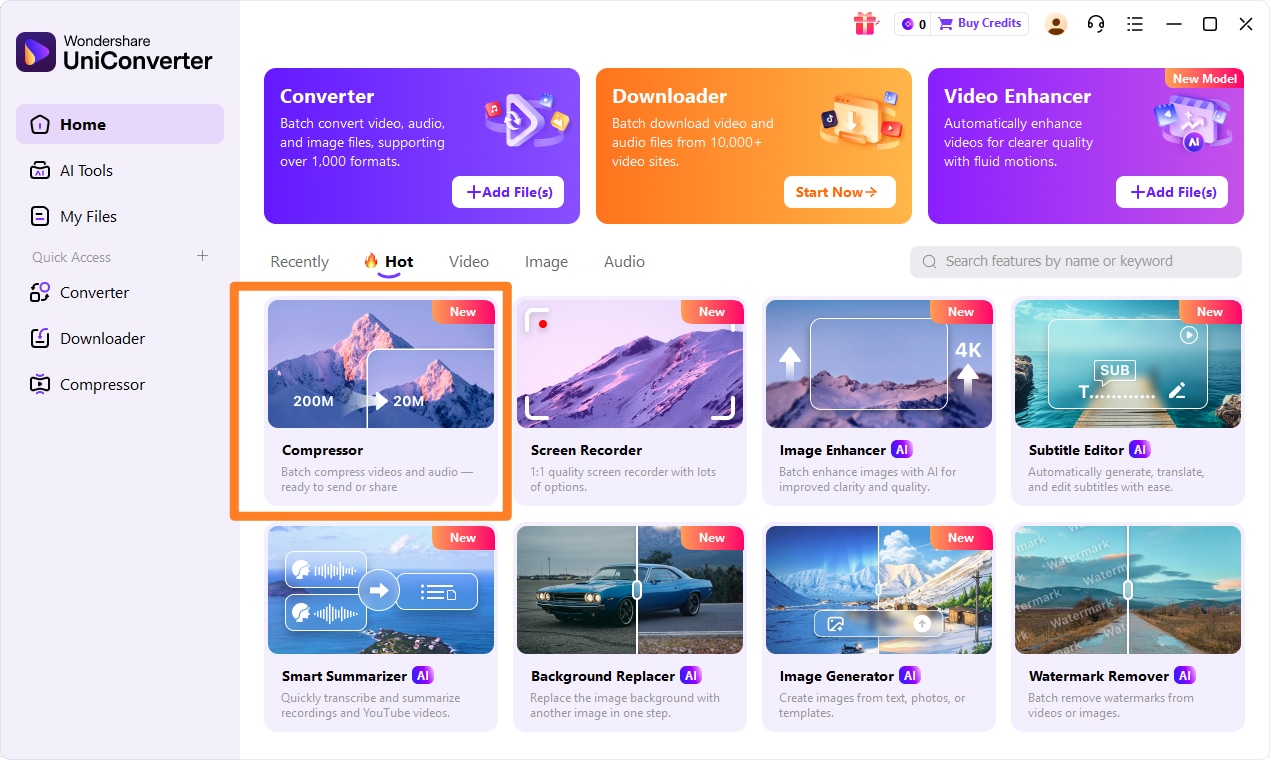
Step 1: Open UniConverter and Choose Compressor
Launch UniConverter on your computer. On the left-hand sidebar, you'll find various tools. Click on the "Compressor" option to begin the image compression process.
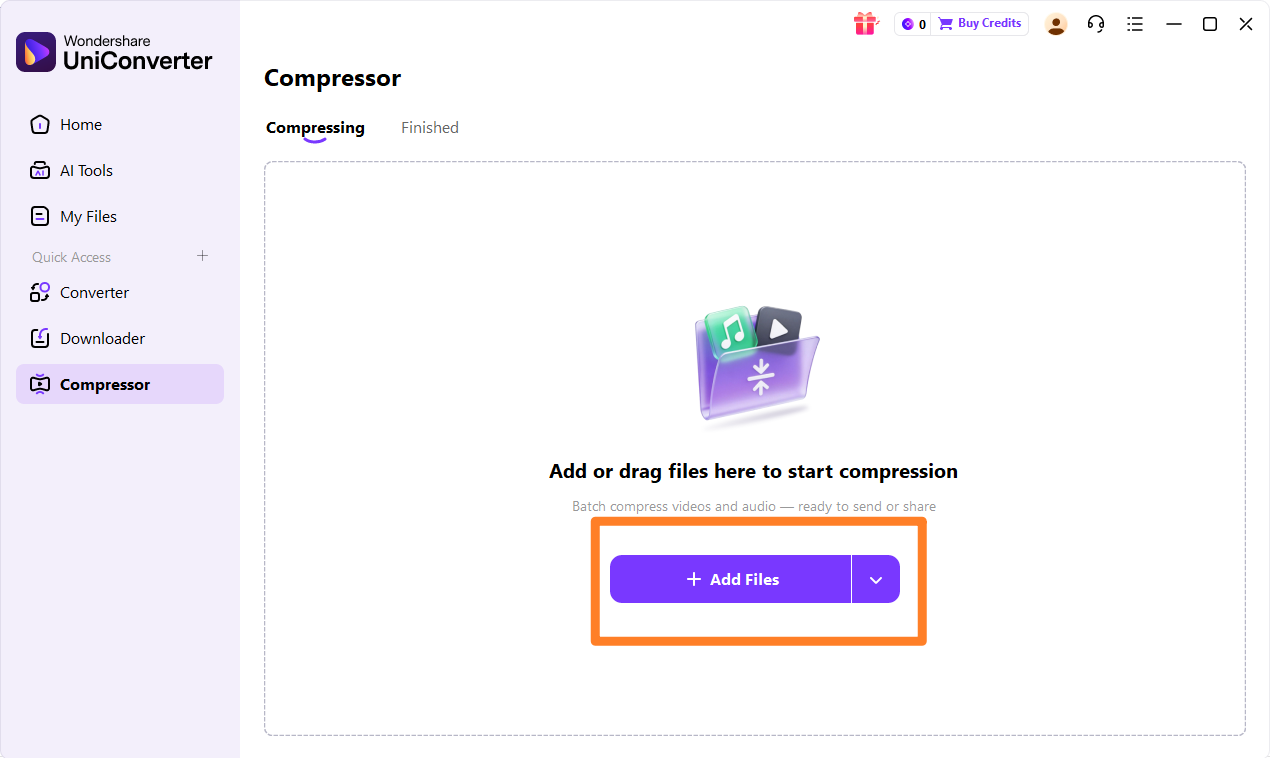
Step 2: Upload the Video, Audios or Images
Drag and drop your images directly into the UniConverter interface, or click the "Add Files" button to browse and select the images you wish to compress.
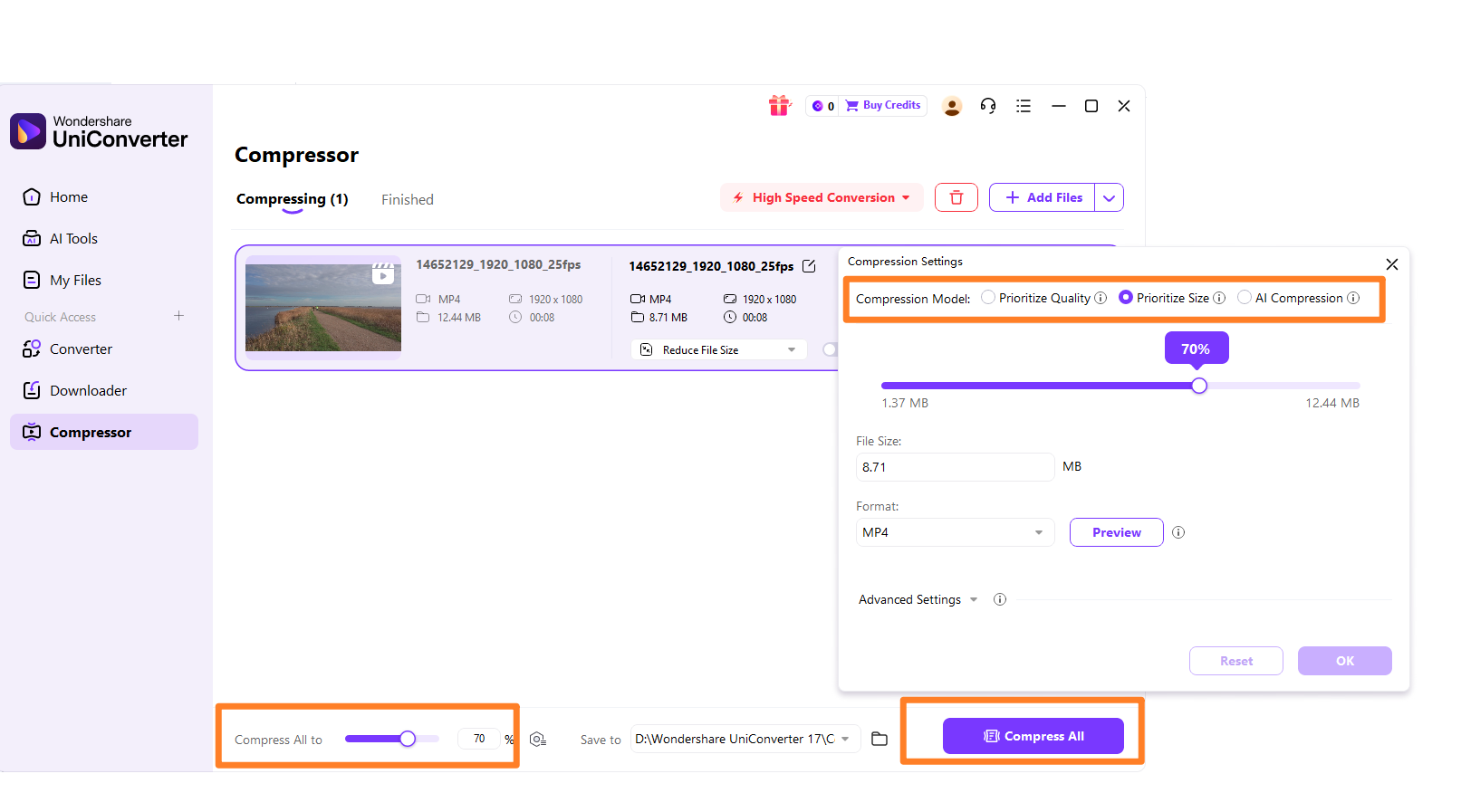
Step 3: Choose Required Parameters
Once your images are loaded, you can adjust the compression settings. UniConverter allows you to choose the output format, resolution, and quality level to achieve your desired file size and visual fidelity.
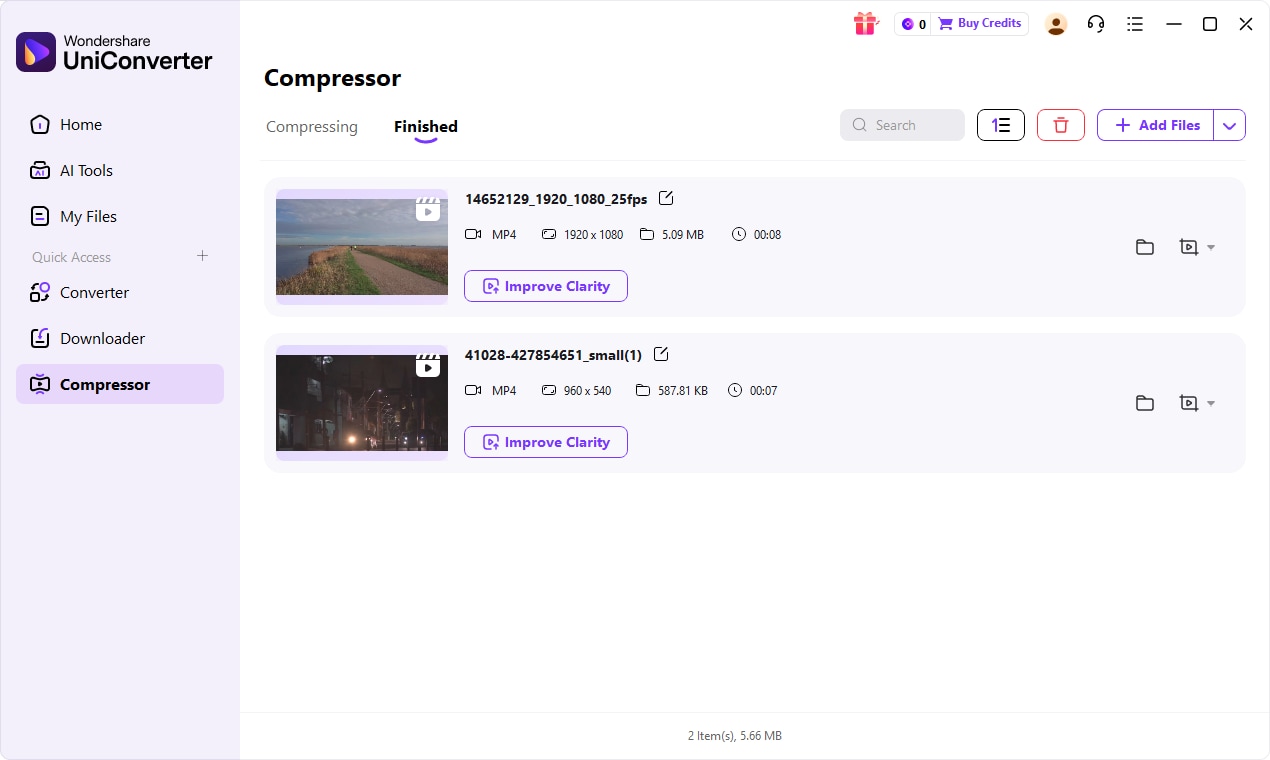
Step 4: Start Compression and Save Your Optimized Images
After configuring your settings, click the "Compress" button. UniConverter will quickly process your images. Once complete, you can save the optimized files to your desired location on your computer.

ShrinkMe Alternative: Optimize Images Effortlessly
Part 7: Conclusion
After thoroughly exploring ShrinkMe Image Compressor review and comparing it with its alternatives, my conclusion is clear: ShrinkMe is an excellent tool for casual users, bloggers, and small business owners who prioritize speed and ease of use for general web optimization. Its straightforward interface and effective compression make it ideal for quick tasks like preparing images for blog posts, emails, or social media. However, for professionals like photographers or graphic designers who demand precise quality control, lossless compression, or extensive batch processing, desktop solutions or more advanced online tools are generally more suitable. The privacy implications of online tools also warrant consideration for sensitive content. For those seeking a comprehensive, ad-free, and highly stable solution for not just images but also video and audio compression, UniConverter presents a versatile and powerful alternative that addresses many of the limitations found in free online services. Ultimately, the best choice depends on your specific needs, the volume of your work, and your comfort level with online data handling.
Part 8: FAQs
-
1. Does ShrinkMe Image Compressor reduce image quality noticeably?
ShrinkMe aims for a balance between file size and quality. For most web uses, the quality reduction is minimal and often imperceptible. However, aggressive compression settings can lead to noticeable artifacts, especially in detailed images. If you need absolute quality preservation, consider a tool like UniConverter which offers more control over compression settings.
-
2. Is ShrinkMe Image Compressor free to use?
Yes, ShrinkMe Image Compressor typically offers a free tier for basic image compression. Some advanced features or higher usage limits might be part of a premium plan.
-
3. What image formats does ShrinkMe support?
ShrinkMe usually supports common image formats like JPEG, PNG, and sometimes GIF. Check their website for the most up-to-date list of supported formats. UniConverter supports an even broader range of image, video, and audio formats, making it a more versatile choice for diverse media needs.
-
4. Are there any file size limits when using ShrinkMe?
Many free online compressors, including ShrinkMe, may have file size or daily usage limits. For larger files or extensive batch processing, a paid plan or desktop software like UniConverter, which often has higher or no such limits, might be necessary.
-
5. How does ShrinkMe compare to desktop image compressors in terms of security?
Online tools like ShrinkMe require uploading your images to their servers, which introduces a level of trust. Desktop compressors, such as UniConverter, process images locally on your computer, generally offering higher security for sensitive content as your files never leave your device.
