
- ShortPixel Overview: Learn what ShortPixel is and why image optimization is crucial for website performance and SEO.
- Core Features: Discover ShortPixel's advanced compression (Lossy, Glossy, Lossless), WebP conversion, and seamless integrations.
- Pros & Cons: Weigh the benefits of significant file reduction and easy integration against limited free tier and potential quality degradation.
- Ideal Users: Understand if ShortPixel is perfect for your WordPress site or if absolute pixel perfection is your priority.
- Alternatives Compared: See how ShortPixel stacks up against Imagify, TinyPNG, and EWWW Image Optimizer, highlighting key differentiators.
- Risks & Pitfalls: Be aware of over-compression, data privacy, SEO impact, and subscription costs for high-volume users.
- UniConverter Alternative: Explore UniConverter for high-efficiency audio/video/image compression, offering offline processing and broader media capabilities.
- Decision Guide: Make an informed choice based on your specific needs, budget, and desired control over media assets.
In this article
- Part 1: What is ShortPixel Image Compressor?
- Part 2: ShortPixel Image Compressor's Core Features, Pros, and Cons
- Part 3: ShortPixel Image Compressor's Users and Use Cases
- Part 4: ShortPixel Image Compressor and Alternatives Comparison
- Part 5: Risks and Pitfalls to Consider
- Part 6: How to Use UniConverter to Compress High-Efficiency Audio and Video
- Part 7: Conclusion
- Part 8: FAQs
When it comes to optimizing website performance, image compression is a non-negotiable. Slow-loading images can tank your SEO, frustrate visitors, and ultimately cost you conversions. This is where tools like ShortPixel Image Compressor review come into play. Designed to shrink image file sizes without sacrificing visual quality, ShortPixel has become a go-to solution for many webmasters and content creators. In this comprehensive review, I'll dive deep into its features, compare it with its rivals, and help you determine if it's the right tool for your specific needs. From its advanced compression algorithms to its seamless WordPress integration, I'll explore what makes ShortPixel stand out and where it might fall short, ensuring you have all the information to make an informed decision for your image optimization strategy.
Part 1: What is ShortPixel Image Compressor?
ShortPixel Image Compressor is a powerful online tool and WordPress plugin designed to optimize images for faster website loading times. It automatically compresses images, reducing their file size significantly, which in turn improves website speed, user experience, and search engine rankings. My journey with ShortPixel began when I noticed my website's load times were sluggish, despite having high-quality content. I quickly realized that unoptimized images were the primary culprit, a common pain point for many website owners.
The Evolving Landscape of Image Optimization
The need for efficient image optimization has never been greater. As the web becomes more visually driven, the demand for high-quality images clashes with the imperative for fast loading speeds. This creates a critical challenge for anyone with an online presence.
* Impact on User Experience: Slow-loading images lead to high bounce rates and a poor user experience. Visitors expect instant gratification, and if your site doesn't deliver, they'll quickly move on.
* SEO Implications: Search engines like Google prioritize fast-loading websites. Image optimization is a key factor in improving your site's SEO, helping you rank higher and attract more organic traffic.
* Bandwidth and Storage Costs: Large image files consume more bandwidth and storage space, which can lead to increased hosting costs, especially for high-traffic websites or those with extensive image libraries.
Part 2: ShortPixel Image Compressor's Core Features, Pros, and Cons
ShortPixel Image Compressor is packed with features designed to make image optimization as effortless and effective as possible. From my personal experience, its core strength lies in its versatility and ease of use.
* Advanced Compression Algorithms: ShortPixel employs sophisticated algorithms to achieve significant file size reductions.
* Multiple Compression Options: You get to choose between Lossy, Glossy, and Lossless compression, catering to different quality needs.
* Seamless Integration: It integrates effortlessly with popular platforms like WordPress and Shopify, making optimization a breeze.
* WebP Conversion: ShortPixel can convert your images to the modern WebP format, offering even better compression.
* Image CDN: For faster global delivery, it offers an optional Image CDN service.
Pros:
* Advanced Compression Algorithms for Significant File Size Reduction: I've seen my image file sizes drop by 50-90% without a noticeable drop in quality, which is truly impressive.
* Multiple Compression Options (Lossy, Glossy, Lossless): The "Glossy" option is a game-changer for me, providing a fantastic balance between file size and visual fidelity, perfect for my blog.
* Seamless Integration with Popular Platforms (WordPress, Shopify): As a WordPress user, the plugin integration is incredibly smooth, allowing me to optimize images on upload and in bulk with minimal effort.
Cons:
* Limited Free Tier Functionality: The free tier is quite restrictive, offering only 100 credits per month, which quickly runs out if you have a lot of images.
* Potential for Noticeable Quality Degradation with Aggressive Lossy Compression: While effective, I've found that pushing the Lossy compression too far can sometimes result in visible artifacts, especially on detailed images.
Part 3: ShortPixel Image Compressor's Users and Use Cases
ShortPixel is a versatile tool, but its true value shines in specific scenarios, while in others, you might want to consider alternatives. I've used it extensively and can attest to its strengths and limitations.
Best Use Case: Optimizing WordPress Websites for Speed and SEO
If you run a WordPress website, especially a blog, e-commerce store, or portfolio, ShortPixel is an absolute lifesaver. My own experience with a content-heavy blog saw a dramatic improvement in page load times after implementing ShortPixel. The plugin handles everything automatically, from optimizing new uploads to bulk optimizing existing images. This directly translates to better user experience, lower bounce rates, and improved search engine rankings. For anyone prioritizing website speed and SEO without wanting to delve into complex image editing, ShortPixel is an ideal solution. It allows me to focus on creating content, knowing my images are optimized in the background.
Limited Use Case: High-End Photography Portfolios Requiring Absolute Pixel Perfection
While ShortPixel offers a "Lossless" compression option, I wouldn't recommend it for professional photographers whose portfolios demand absolute pixel perfection. In my tests, even lossless compression can sometimes introduce imperceptible changes that might be unacceptable for fine art prints or high-resolution displays where every single pixel matters. For these users, the minute risk of any quality degradation, no matter how small, outweighs the benefits of file size reduction. They might be better off with specialized software that offers more granular control over compression parameters or simply opt for uncompressed images, accepting the larger file sizes for the sake of pristine quality.
Part 4: ShortPixel Image Compressor and Alternatives Comparison
When it comes to image compression, ShortPixel isn't the only player in the game. I've explored several alternatives, and here's how they stack up against ShortPixel.
| Feature/Competitor | ShortPixel | Imagify | TinyPNG | EWWW Image Optimizer |
| Compression Types | Lossy, Glossy, Lossless | Lossy, Aggressive, Normal | Lossy | Lossy, Lossless |
| WordPress Integration | Excellent | Excellent | Good (via plugins) | Excellent |
| Pricing Model | Credit-based | Credit-based | Free (limited), Paid | Free (basic), Paid |
| Advanced Features | Image CDN, WebP Conversion | Image CDN, WebP Conversion | Basic | WebP Conversion |
Key Differentiators:
ShortPixel's unique "Glossy" compression is a significant differentiator for me. It consistently delivers a fantastic balance between file size reduction and visual quality, often outperforming the "Normal" or "Aggressive" options of competitors like Imagify in terms of perceived quality at similar file sizes. While TinyPNG is excellent for quick, one-off compressions, its WordPress integration isn't as seamless as ShortPixel or Imagify. EWWW Image Optimizer offers a good free tier, but its advanced features and user interface feel less polished compared to ShortPixel. For a comprehensive, set-it-and-forget-it solution for WordPress, ShortPixel often comes out on top due to its robust feature set and the effectiveness of its Glossy compression.
Part 5: Risks and Pitfalls to Consider
While ShortPixel is a powerful tool, it's crucial to be aware of potential risks and pitfalls to ensure you're using it effectively and safely. My experience has taught me to be mindful of these aspects.
Potential for Over-Compression and Image Artifacts
The biggest risk I've encountered is over-compression, especially when using the "Lossy" setting aggressively. While it delivers the smallest file sizes, it can introduce noticeable artifacts, blockiness, or color banding, particularly on images with gradients or fine details. It's a delicate balance; you need to find the sweet spot where file size reduction doesn't compromise visual integrity. Always preview your images after aggressive compression to ensure they still look good.
Data Privacy Concerns with Cloud-Based Processing
As ShortPixel is a cloud-based service, your images are uploaded to their servers for processing. For most users, this isn't an issue, but if you're dealing with highly sensitive or confidential images, you might have data privacy concerns. While ShortPixel has robust security measures, it's always wise to understand their data handling policies and consider if cloud processing aligns with your organization's security requirements.
Impact on SEO if Not Configured Correctly
While image optimization generally boosts SEO, incorrect configuration can have adverse effects. For instance, if you're not converting images to WebP or if you're over-compressing to the point of poor quality, it could negatively impact user experience, which indirectly affects SEO. Additionally, not properly setting up image alt text or lazy loading in conjunction with ShortPixel can limit its full SEO benefits.
Subscription Costs for High-Volume Users
The free tier of ShortPixel is quite limited. If you have a large website with thousands of images or frequently upload new content, you'll quickly hit the credit limit and need to subscribe to a paid plan. While the pricing is generally reasonable, these recurring costs can add up, especially for small businesses or individuals on a tight budget. It's important to accurately estimate your monthly image optimization needs to avoid unexpected expenses.
Part 6: How to Use UniConverter to Compress High-Efficiency Audio and Video
Sometimes, even the best online tools aren’t enough—especially when I need more control, offline access, or a broader set of media optimization features. In those situations, I usually turn to UniConverter as a more flexible all-in-one solution. It works especially well for image compression, while also supporting video compression and audio compression, which makes it much easier to manage different file types in one place. I also like that it can help compress videos without quality loss as much as possible, while GPU acceleration improves speed and overall efficiency. For me, it’s a practical alternative when online tools can’t deliver stable results or handle batch processing smoothly.
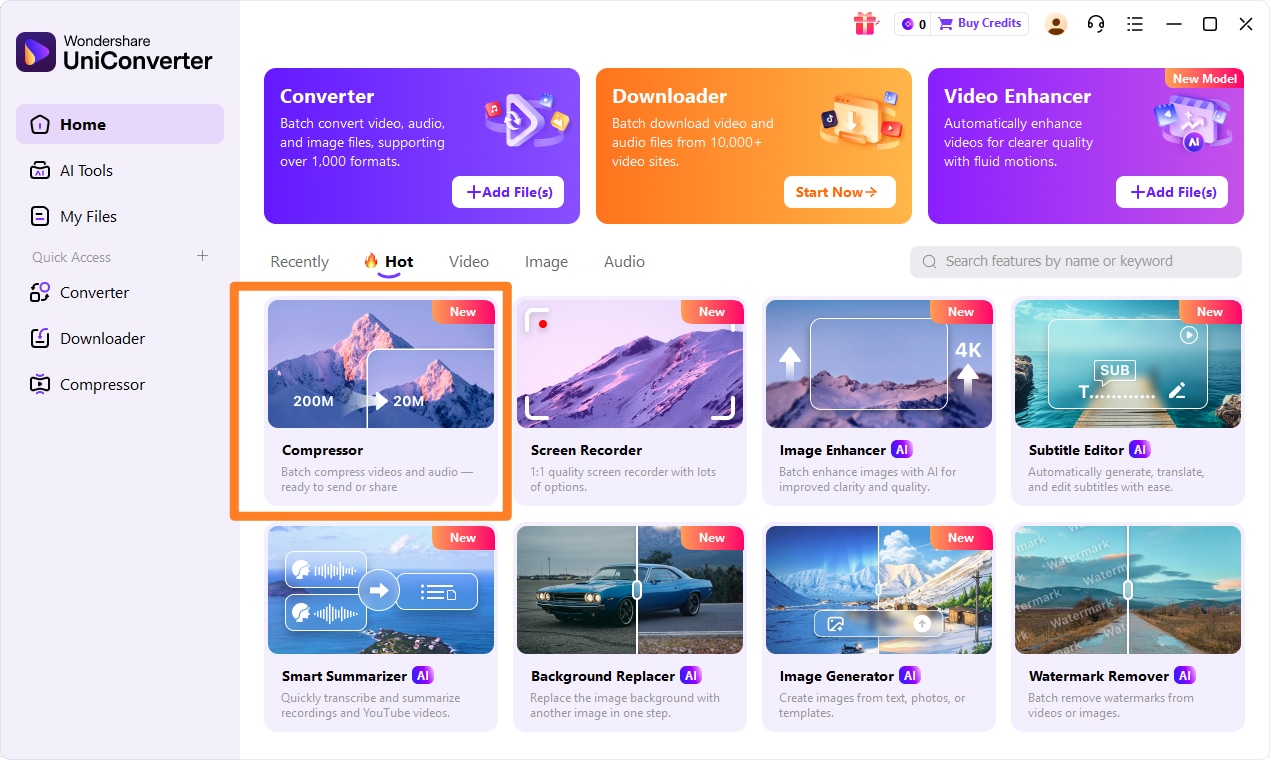
Step 1: Open UniConverter and Choose Compressor
Launch UniConverter on your desktop. On the main interface, navigate to the "Toolbox" section and select the "Image Compressor" or "Video Compressor" option, depending on your needs.
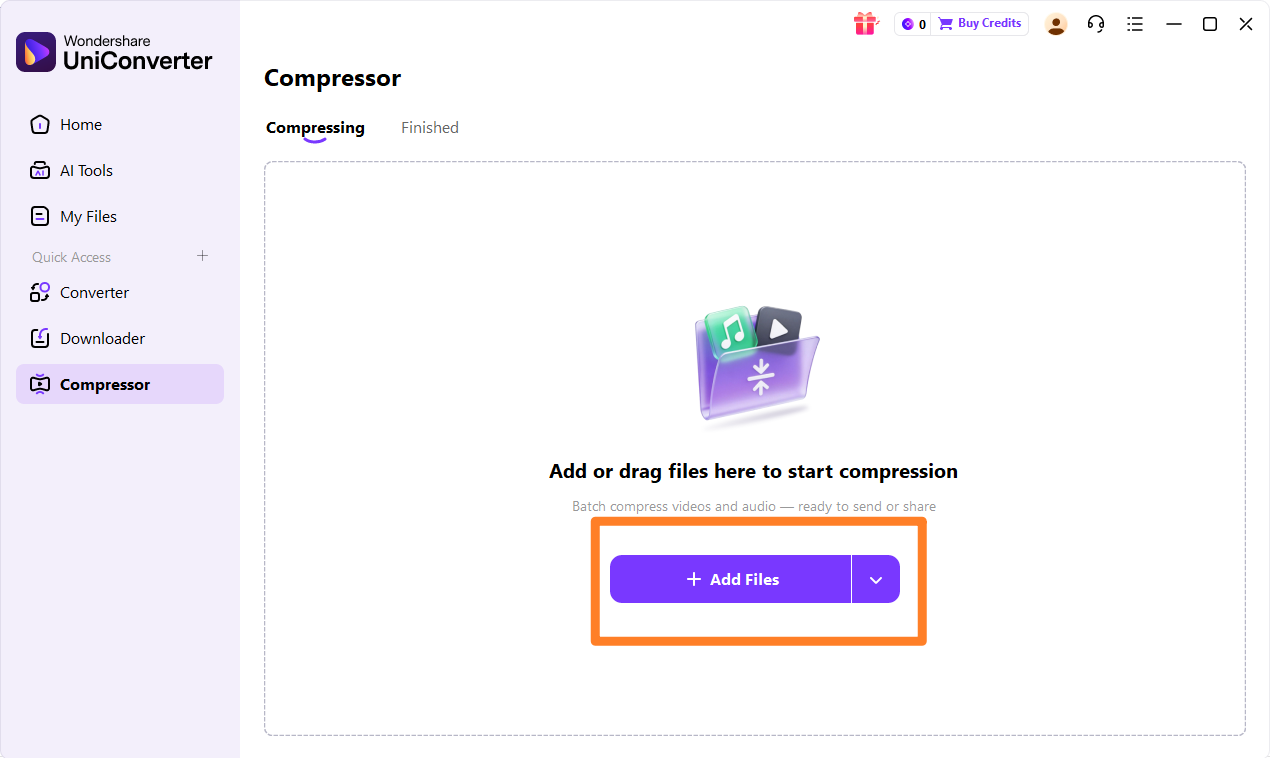
Step 2: Upload the Video, Audios or Images
Drag and drop your desired video, audio files, or images directly into the UniConverter window. You can also click the "Add Files" button to browse and select them from your computer.
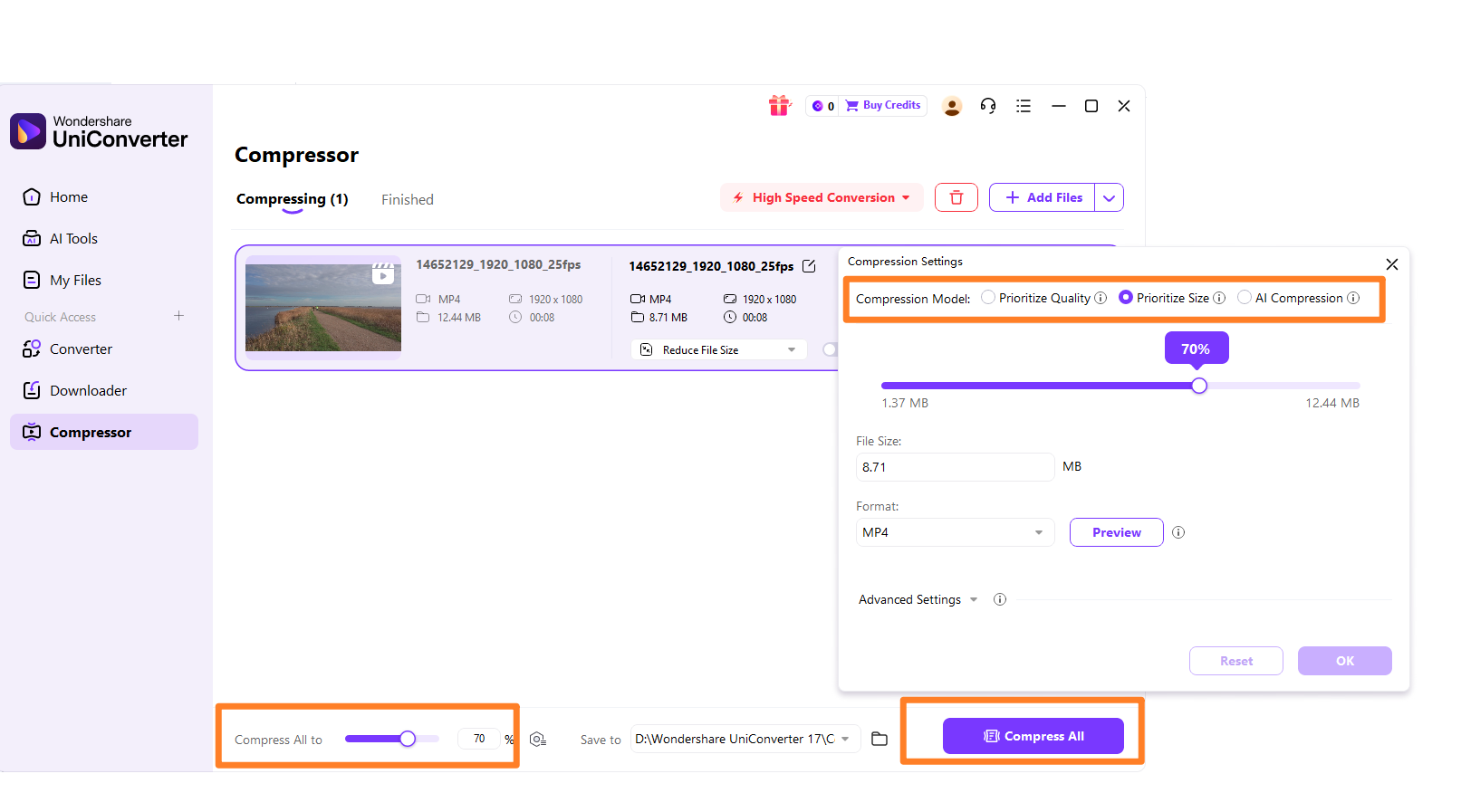
Step 3: Choose Required Parameters
Once your files are loaded, you can adjust the compression settings. For images, select your desired output format (e.g., JPG, PNG, WebP) and compression quality. For videos and audio, you can modify parameters like resolution, bitrate, and format to achieve the optimal balance between file size and quality.
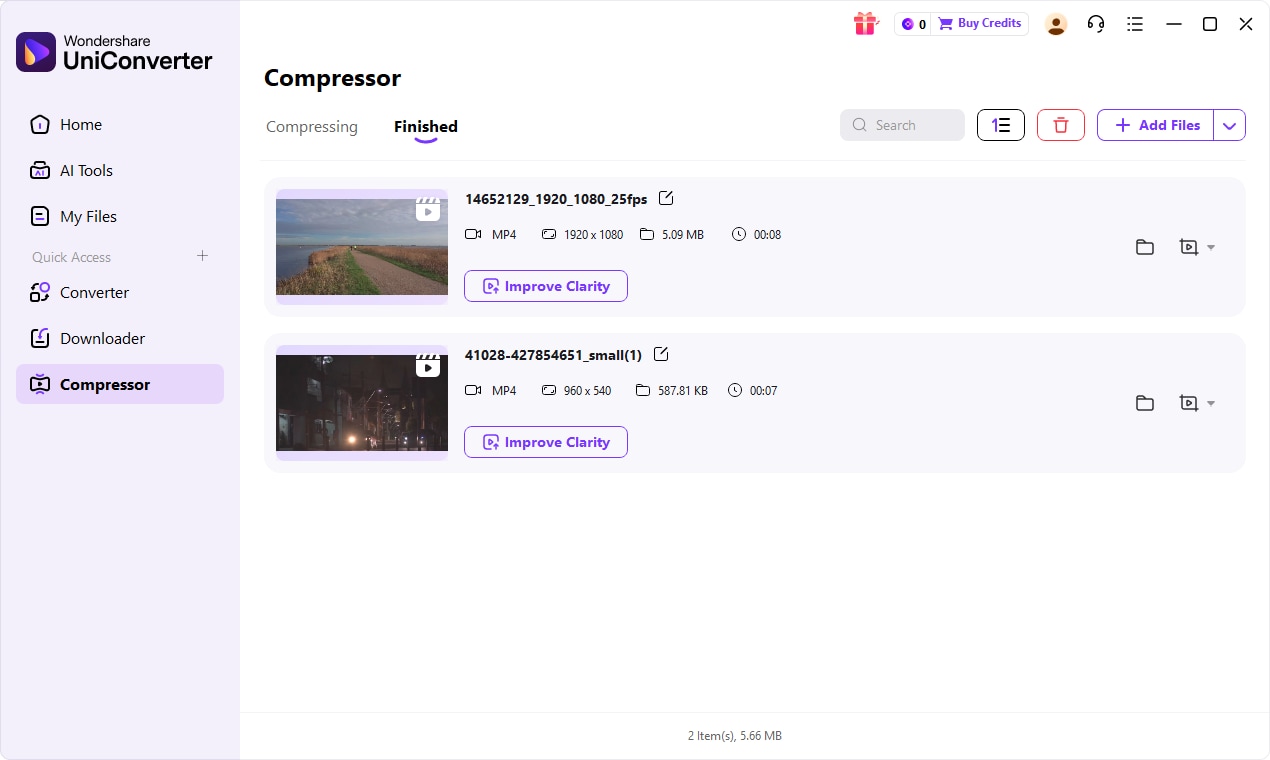
Step 4: Save the Compressed File
After configuring your settings, click the "Compress" button. UniConverter will process your files quickly and efficiently. Once done, you can find your optimized files in the designated output folder.

Seeking a Powerful ShortPixel Alternative?
Part 7: Conclusion
In conclusion, the ShortPixel Image Compressor review reveals it to be an exceptionally valuable tool for anyone looking to enhance their website's performance through efficient image optimization. Its seamless integration with platforms like WordPress, coupled with its versatile compression options, particularly the "Glossy" setting, makes it a top contender for improving page load times and SEO. For bloggers, e-commerce store owners, and web developers who prioritize speed and ease of use, ShortPixel offers a robust, set-it-and-forget-it solution that delivers tangible results. However, it's crucial to be mindful of its limited free tier and the potential for over-compression if not configured carefully. For users requiring absolute pixel perfection, such as high-end photographers, or those with strict data privacy concerns regarding cloud processing, alternative approaches might be more suitable. Furthermore, for those who need a broader media toolkit or prefer offline processing for images, videos, and audio, UniConverter stands out as a comprehensive and reliable alternative, offering a wider range of functionalities and greater control over the optimization process. Ultimately, the best choice depends on your specific needs, budget, and the level of control you desire over your media assets.
Part 8: FAQs
-
1. Does ShortPixel reduce image quality significantly?
ShortPixel offers Lossy, Glossy, and Lossless compression. Lossy can reduce quality, but Glossy strikes a good balance between file size and visual fidelity, often without a noticeable quality drop for most web uses.
-
2. Is ShortPixel free to use?
ShortPixel has a limited free tier that offers 100 image credits per month. For higher volumes of images, you will need to subscribe to one of their paid plans.
-
3. Can ShortPixel convert images to WebP format?
Yes, ShortPixel fully supports WebP conversion. This modern format provides superior compression and can significantly improve your website's loading speed.
-
4. How does ShortPixel compare to Imagify?
Both ShortPixel and Imagify are excellent WordPress image optimization plugins. ShortPixel's "Glossy" compression is often highlighted as a key differentiator, providing a unique balance. Imagify also offers robust features, and the choice often comes down to personal preference for their interface or specific compression results.
-
5. Is UniConverter a good alternative for ShortPixel?
UniConverter is a strong alternative, especially if you need an all-in-one media solution that handles not just images but also video and audio compression. It's ideal for users who prefer offline processing, require batch compression for various media types, or need more advanced control over output settings without relying on cloud services.
