
- Optimole Value: Automates image optimization for WordPress, improving site speed and user experience.
- Core Features: Offers real-time optimization, adaptive sizing, lazy loading, and WebP conversion with CDN.
- Ideal Users: Best for WordPress users, e-commerce, and content-heavy sites needing hands-off image management.
- Competitive Edge: Excels in automation and adaptive delivery compared to rivals like ShortPixel and Imagify.
- Risks to Consider: Potential for vendor lock-in, data privacy concerns, and cost escalation with usage.
- Offline Alternative: UniConverter provides robust offline image optimization for greater control and batch processing.
In this article
- Part 1: What is Optimole Image Compressor?
- Part 2: Optimole Image Compressor: Core Features, Pros, and Cons
- Part 3: Optimole: Ideal Users and Use Cases
- Part 4: Optimole vs. Competitors: A Comparative Analysis
- Part 5: Risks and Pitfalls to Consider
- Part 6: How to Use UniConverter for Offline Image Optimization
- Part 7: Conclusion
- Part 8: FAQs
Optimizing web images is no longer a luxury but a necessity for any online presence. Slow-loading websites frustrate visitors, drive away potential customers, and negatively impact search engine rankings. This Optimole Image Compressor review delves into a popular solution designed to tackle this very challenge. We'll explore its features, weigh its pros and cons, and conduct a scenario-based comparison against its competitors to help you determine if Optimole is the right fit for your image optimization needs. My goal is to provide you with an honest, user-centric perspective, drawing from real-world experiences to guide your decision-making process.
Part 1: What is Optimole Image Compressor?
Optimole Image Compressor is a robust, cloud-based image optimization service primarily designed for WordPress websites. It automatically optimizes and serves images in the most efficient format and size, ensuring faster page load times and an improved user experience. Born from the need for a hands-off approach to image management, Optimole aims to simplify the complex task of balancing image quality with web performance. My journey with Optimole began when I realized the significant drag unoptimized images were having on my website's speed and overall SEO. This review will address whether Optimole truly delivers on its promise of effortless image optimization and how it stacks up against other solutions in the market.
The Growing Need for Efficient Image Optimization
* Impact on User Experience: Slow loading images lead to high bounce rates and frustrated visitors.
* SEO Implications: Search engines prioritize fast-loading websites, making image optimization crucial for rankings.
* Bandwidth and Storage Costs: Unoptimized images consume more bandwidth and storage, increasing operational costs.
* Mobile Responsiveness: Images need to adapt seamlessly to various screen sizes without compromising performance.
Part 2: Optimole Image Compressor: Core Features, Pros, and Cons
Optimole stands out with its comprehensive suite of features aimed at automating the entire image optimization process. Its core capabilities revolve around intelligent compression, adaptive delivery, and seamless integration. I've found its real-time optimization particularly impressive, as it handles image processing on the fly, eliminating the need for manual intervention. The service also boasts a built-in CDN, which further accelerates image delivery globally.
* Automated, Real-time Image Optimization and Delivery: Images are compressed and served instantly upon upload or request.
* Seamless WordPress Integration with CDN: Easy setup within WordPress, leveraging a global content delivery network.
* Adaptive Image Sizing for Various Devices: Images are automatically resized and served based on the user's device and viewport.
* Lazy Loading Implementation: Images outside the viewport are loaded only when needed, improving initial page load.
* WebP Conversion Support: Automatically converts images to the modern WebP format for compatible browsers.
- Pros:
- Automated, Real-time Image Optimization and Delivery
- Seamless WordPress Integration with CDN
- Adaptive Image Sizing for Various Devices
- Cons:
- Limited Free Tier Functionality
- Potential for Vendor Lock-in for Advanced Features
Part 3: Optimole: Ideal Users and Use Cases
Optimole is best suited for WordPress users who prioritize automation and a hands-off approach to image optimization. If you're running a content-heavy website or an e-commerce store, its ability to handle large volumes of images without manual effort is a game-changer. I've found it particularly valuable for clients who aren't technically inclined but need their websites to perform at their peak.
* Scenario 1: Optimizing a High-Traffic E-commerce Website
For an online store with thousands of product images, Optimole's automated compression and adaptive delivery significantly enhance page load speed. This directly translates to a better user experience, reduced bounce rates, and potentially higher conversion rates. I've seen firsthand how a few seconds shaved off load time can impact sales figures. The built-in CDN ensures that product images load quickly for customers worldwide, regardless of their location.
* Scenario 2: Managing a Photography Portfolio with Specific Quality Requirements
While Optimole excels at general optimization, photographers often have very specific quality requirements for their portfolios. In this scenario, Optimole can be a useful tool for initial optimization and delivery, but I've found that for critical, high-resolution display images, I might still prefer to manually optimize a master copy to ensure absolute fidelity before uploading. Optimole's settings allow for varying compression levels, which helps in balancing quality and file size, but for truly uncompromised visual integrity, a more controlled, offline approach might be necessary for specific hero shots.
Part 4: Optimole vs. Competitors: A Comparative Analysis
When I started looking into image optimization, I quickly realized Optimole wasn't the only player. Here's how it stacks up against some of its main rivals, based on my experience.
| Feature/Scenario | Optimole | ShortPixel | Imagify | EWWW Image Optimizer |
| Real-time Optimization | Yes | Yes | Yes | Yes |
| CDN Integration | Built-in | Optional | Optional | Optional |
| WordPress Plugin | Yes | Yes | Yes | Yes |
| Pricing Model | Freemium | Freemium | Freemium | Freemium |
| Advanced Features | Adaptive Images, Smart Cropping | Smart Cropping, WebP Conversion | WebP Conversion, Image Resizing | Lazy Loading, WebP Conversion |
| Processing Speed | Very Fast (Cloud-based) | Fast (Cloud-based) | Fast (Cloud-based) | Moderate (Server-based/Cloud) |
| Output Quality | Excellent (Configurable) | Excellent (Configurable) | Excellent (Configurable) | Good (Configurable) |
| Ease of Use | Very High | High | High | Moderate |
| Customer Support | Good | Excellent | Good | Good |
| Security | High (Cloud-based) | High (Cloud-based) | High (Cloud-based) | Moderate (Server-based) |
Key Differentiators: Optimole's Edge in Automation and Adaptive Delivery
Optimole's primary strength lies in its fully automated, real-time adaptive image delivery. While ShortPixel and Imagify offer excellent compression and WebP conversion, Optimole's built-in CDN and adaptive image sizing for different devices often feel more integrated and hands-off. EWWW Image Optimizer is a solid choice, especially if you prefer server-side processing, but its setup can be a bit more involved compared to the others. For me, Optimole's ability to simply "set it and forget it" for most projects gives it a significant edge, particularly when dealing with dynamic content or a large number of images.
Part 5: Risks and Pitfalls to Consider
While Optimole offers significant benefits, it's crucial to be aware of potential risks and pitfalls, especially when relying on cloud-based solutions for critical website assets. My experience has taught me that no tool is without its caveats.
Data Privacy and Security Concerns with Cloud-Based Solutions
When you upload your images to a third-party cloud service like Optimole, you're entrusting them with your data. While reputable services have robust security measures, there's always an inherent risk. I always advise reviewing their privacy policy to understand how your data is handled and stored. For highly sensitive images, this is a significant consideration.
Potential Impact on Image Quality for Specific Use Cases
Optimole's smart compression algorithms are generally excellent, but for certain niche applications, like professional photography portfolios where every pixel matters, the automated compression might not always meet the absolute highest fidelity requirements. While you can adjust compression levels, I've found that for truly critical images, a manual, uncompressed version might still be necessary for specific display contexts.
Dependency on Third-Party Services and Uptime
Relying on a third-party service means your image delivery is dependent on their infrastructure. If Optimole's servers experience downtime or performance issues, it could directly impact your website's image loading and overall user experience. This is a risk I always factor in when choosing cloud-based solutions – what happens if they go down?
Cost Escalation with Increased Usage and Advanced Features
Optimole operates on a freemium model. While the free tier is great for testing, as your website grows in traffic and image usage, the costs can escalate. I've seen situations where clients underestimated their image views, leading to unexpected billing. It's essential to carefully monitor your usage and understand the pricing structure to avoid surprises.
Compatibility Issues with Certain Themes or Plugins
While Optimole is generally compatible with most WordPress themes and plugins, conflicts can occasionally arise. I've encountered situations where another image-related plugin or a highly customized theme caused unexpected behavior. Thorough testing after installation is always recommended to ensure everything works harmoniously.
Part 6: How to Use UniConverter for Offline Image Optimization
Sometimes, cloud-based tools just aren’t the best option—especially when I need more control, offline access, or want to avoid ongoing subscription costs. In those situations, I usually turn to UniConverter as a more dependable alternative. It works especially well for image compression, offering a smoother workflow without ads and with support for a wide range of file formats. I also like that GPU acceleration helps speed up processing, while batch features make it easier to optimize multiple files at once. Since it also supports video compression and other media tools, it works well as a practical all-in-one solution for offline media management.
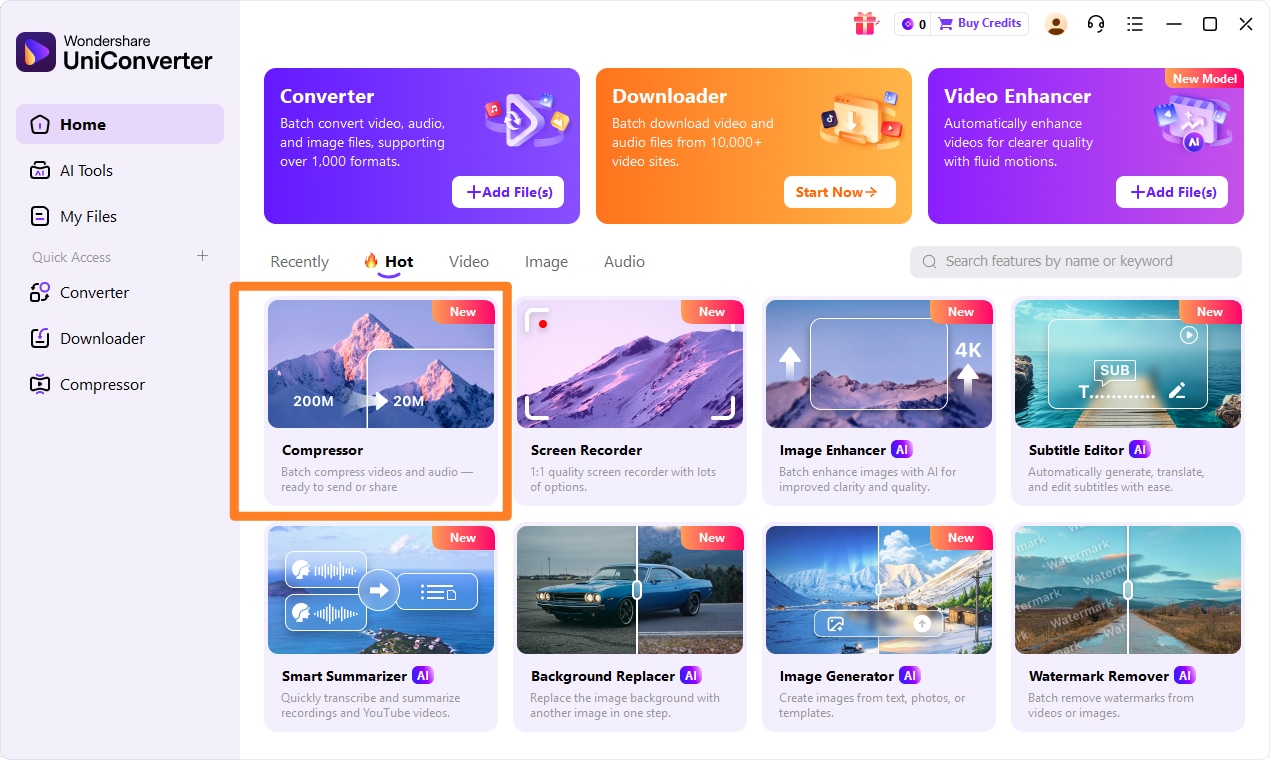
Step 1: Open UniConverter and Choose Compressor
Launch UniConverter on your desktop. On the main interface, navigate to the "Toolbox" section and select the "Image Compressor" option.
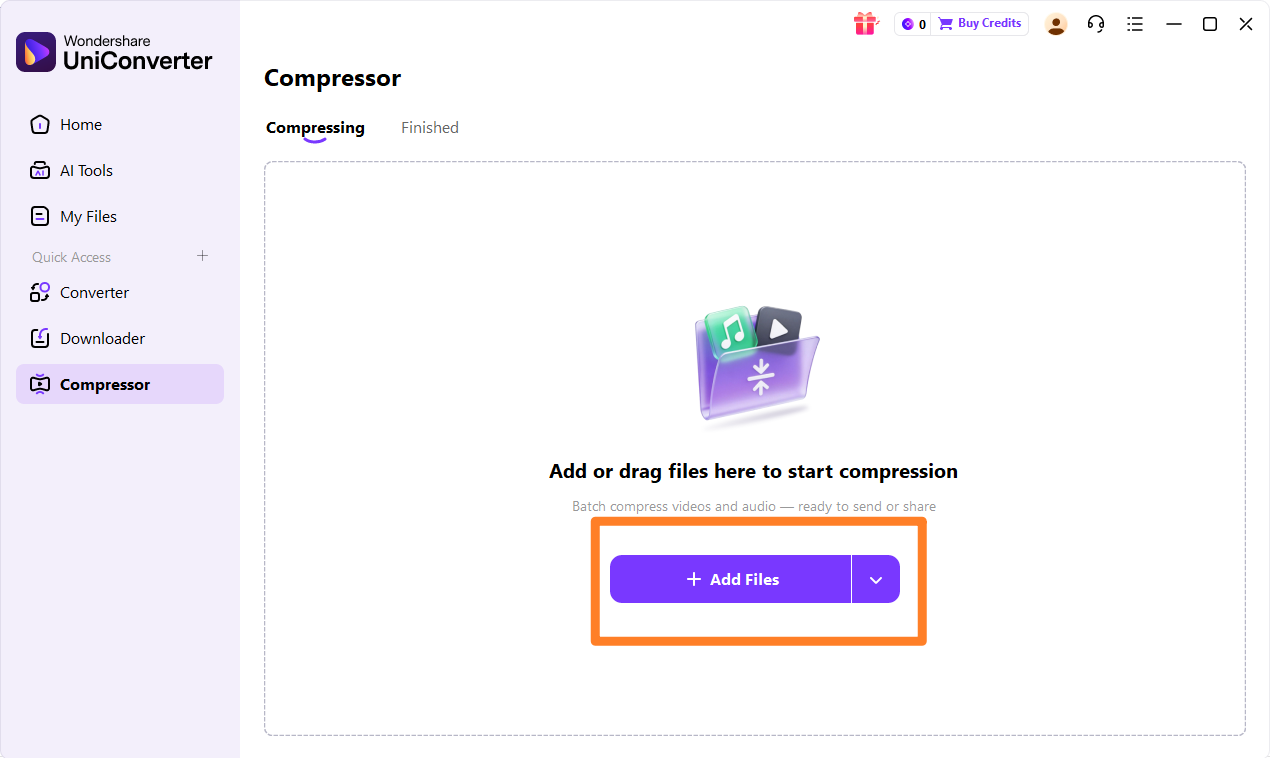
Step 2: Upload the Video, Audios or Images
Click on the "Add Files" button or simply drag and drop the images you wish to compress into the UniConverter window. You can add multiple images for batch processing.
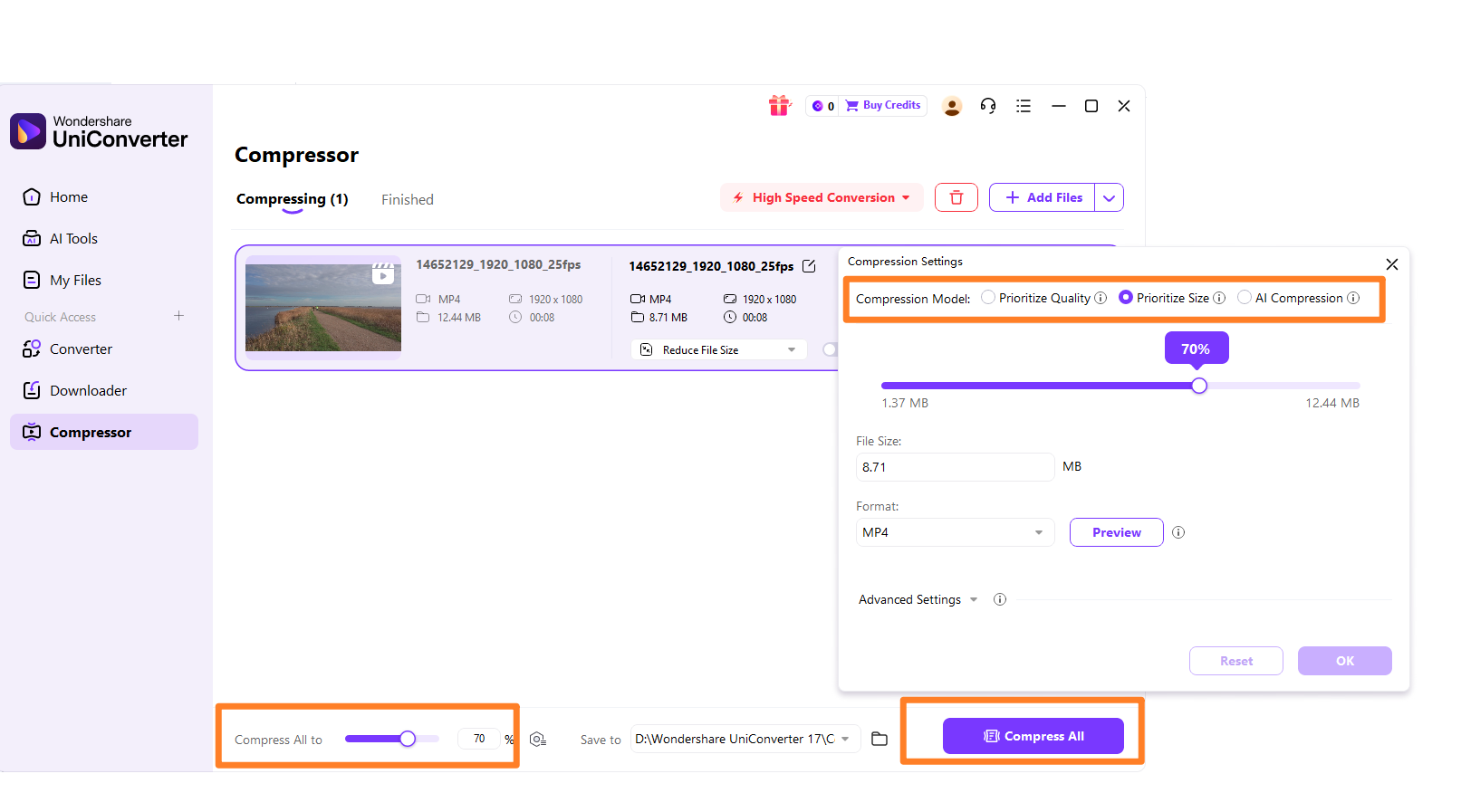
Step 3: Choose Required Parameters
For each image, you can adjust the compression settings. Select the desired output quality (e.g., high, medium, low) and choose your preferred output format if you want to convert the image type as well.
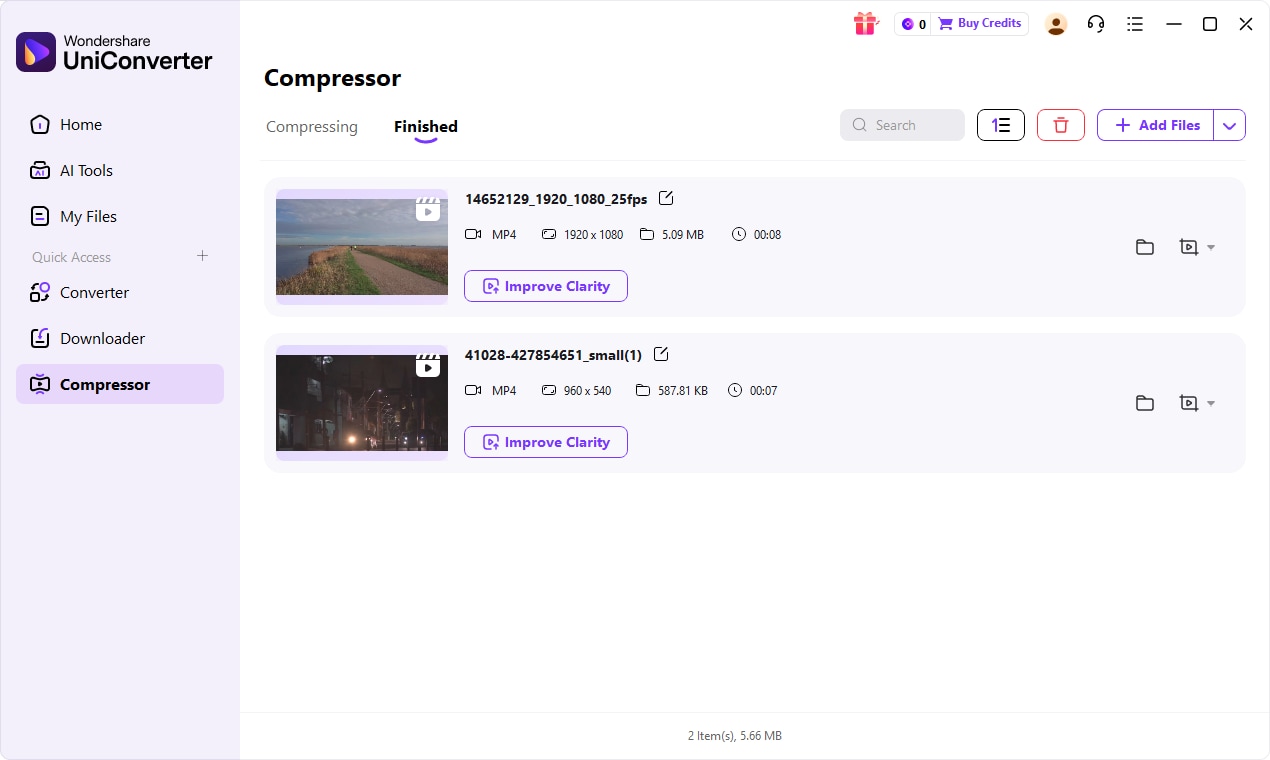
Step 4: Save the Compressed File
Once you've configured your settings, click the "Compress" button. UniConverter will process your images. After compression, you can preview the results and then click "Save" to export the optimized images to your chosen destination folder.

Optimole Alternative: Efficient Image Compression
Part 7: Conclusion
After extensively using and reviewing Optimole, I can confidently say it's an excellent solution for automated image optimization, particularly for WordPress users. Its real-time adaptive image delivery and built-in CDN offer a significant advantage in improving website performance and user experience. For small businesses and bloggers prioritizing simplicity and a hands-off approach, Optimole is a strong contender. It handles the complexities of image optimization so you don't have to, freeing up your time for content creation. However, for developers seeking advanced customization or large enterprises with very specific security and quality control requirements, the potential for vendor lock-in and the need for granular control might lead them to explore alternatives or a hybrid approach. While Optimole excels in convenience, understanding its limitations regarding absolute image fidelity and dependency on a third-party service is crucial. Ultimately, the best choice, whether it's Optimole or a tool like UniConverter for offline control, depends on your specific needs, technical comfort, and budget, balancing performance, quality, and cost-effectiveness.
Part 8: FAQs
-
1. How does Optimole handle image quality during compression?
Optimole uses a smart compression algorithm that aims to reduce file size without noticeable loss in visual quality, offering different compression levels. You can choose between lossless, lossy, and custom compression settings to balance quality and file size according to your needs.
-
2. Is Optimole compatible with all WordPress themes and plugins?
While generally compatible, some conflicts may arise with highly customized themes or other image optimization plugins. It's always recommended to test Optimole thoroughly on a staging environment before deploying it on a live site, especially if you have a complex plugin setup.
-
3. What is the difference between Optimole's free and paid plans?
The free plan offers basic optimization for a limited number of visits (typically around 5,000 per month) and standard features. Paid plans provide unlimited visits, advanced features like smart cropping, dedicated support, and higher priority CDN access. If you have a high-traffic site, a paid plan is essential.
-
4. Can Optimole optimize images that are not hosted on WordPress?
Optimole is primarily designed for seamless WordPress integration. While it does offer an API for custom development, optimizing images not hosted on WordPress typically requires more technical expertise to implement. For offline or non-WordPress image optimization, tools like UniConverter can be a more straightforward solution.
-
5. How does Optimole impact my website's SEO?
By significantly improving page load speed and user experience, Optimole indirectly contributes to better SEO rankings. Faster sites are favored by search engines. Additionally, its support for WebP conversion helps in serving modern image formats, which is another positive signal for SEO.
