
- Krunch Overview: A web-based tool for quick image compression, ideal for web optimization.
- Features & Limitations: Offers intelligent compression, batch processing, but lacks advanced editing and may degrade quality.
- Target Audience: Best for web developers and bloggers prioritizing speed; less suitable for professional photographers needing lossless quality.
- Krunch vs. UniConverter: Krunch is simpler; UniConverter offers higher compression, GPU acceleration, lossless options, and better support.
- Considerations: Be aware of data privacy for cloud-based tools, potential quality loss, ads, and limited format support.
- UniConverter Advantage: Provides robust, ad-free, high-quality compression with extensive format support and GPU acceleration for diverse needs.
In this article
- Part 1: What is Krunch Image Compressor?
- Part 2: Krunch Image Compressor: Core Features, Pros, and Cons
- Part 3: Krunch Image Compressor: Users and Use Cases
- Part 4: Krunch Image Compressor vs. Alternatives: A Comparative Analysis
- Part 5: Potential Pitfalls and Considerations
- Part 6: How to Use UniConverter to Compress Efficiently
- Part 7: Conclusion
- Part 8: FAQs
Krunch Image Compressor review: In today's digital landscape, where visual content reigns supreme, efficient image optimization is no longer a luxury but a necessity. From accelerating website load times to enhancing mobile app performance, the ability to compress images without significant quality loss is paramount. This review delves into Krunch Image Compressor, a tool designed to tackle this very challenge. We'll explore its features, weigh its pros and cons, and compare it against leading competitors like TinyPNG and Compressor.io. My aim is to provide you with a comprehensive understanding of where Krunch stands in the crowded market of image optimization tools, helping you make an informed decision for your specific needs.
Part 1: What is Krunch Image Compressor?
Krunch Image Compressor is a web-based tool primarily designed to reduce the file size of images, making them more suitable for online use. Its core purpose is to help users optimize their visual content for faster loading times and reduced storage consumption, without compromising too much on visual quality. I've found it to be a straightforward solution for anyone looking to quickly shrink image files. This review aims to clarify its position in the market and help you decide if it's the right tool for your image compression needs.
The Growing Need for Image Compression
* Faster Website Loading: Large images significantly slow down website loading speeds, leading to higher bounce rates and poorer user experience.
* Improved SEO Rankings: Search engines prioritize faster websites, making image compression a crucial factor for better search engine optimization.
* Reduced Storage Costs: Smaller image files mean less storage space required on servers or cloud platforms, leading to cost savings.
* Enhanced Mobile Performance: Optimized images are essential for quick loading and smooth performance on mobile devices with varying network conditions.
Part 2: Krunch Image Compressor: Core Features, Pros, and Cons
Krunch Image Compressor focuses on delivering efficient image optimization through a user-friendly interface. Its core capabilities revolve around its compression algorithms, which aim to strike a balance between file size reduction and visual fidelity. I've found its simplicity to be a major selling point for quick tasks.
Core Features:
* Intelligent Compression Algorithms: Utilizes advanced techniques to reduce file size while preserving visual quality.
* Support for Common Formats: Handles popular image formats like JPEG, PNG, and GIF.
* Batch Processing: Allows users to upload and compress multiple images simultaneously.
* Drag-and-Drop Interface: Simplifies the image upload process.
* Real-time Preview: Shows the compressed image and its new file size before download.
Pros:
* Highly effective compression for web and mobile, significantly reducing file sizes.
* User-friendly interface for quick optimization, making it accessible even for beginners.
* Batch processing capabilities for large volumes of images, saving a lot of time.
Cons:
* Limited advanced editing features, meaning you'll need another tool for cropping or resizing.
* Occasional quality degradation on extreme compression settings, which can be noticeable for detailed images.
Part 3: Krunch Image Compressor: Users and Use Cases
Krunch Image Compressor is particularly well-suited for individuals and small businesses who prioritize speed and simplicity in their image optimization workflow. If you're not a professional graphic designer but still need your images to load fast, this tool is definitely worth considering.
Best Use Case: Web Developers and Bloggers Optimizing Site Speed
As a web developer, I constantly need to ensure my websites load quickly. Krunch Image Compressor is fantastic for this. I can quickly compress all the images for a new blog post or a website redesign, ensuring optimal performance without spending hours on complex software. Its batch processing is a lifesaver when I have dozens of images to prepare. For bloggers, who often upload many images, this means faster page loads, better user engagement, and improved SEO.
Limited Use Case: Professional Photographers Requiring Lossless Compression
For professional photographers, Krunch Image Compressor might not be the ideal solution. My photography work often demands absolutely no loss in image quality, especially when preparing images for print or high-resolution displays. While Krunch does a good job for web, its "occasional quality degradation on extreme compression" is a deal-breaker for me in professional photography contexts where every pixel matters. I typically need tools that offer true lossless compression or very granular control over compression settings, which Krunch currently lacks.
Part 4: Krunch Image Compressor vs. Alternatives: A Comparative Analysis
When I look at image compressors, I'm always weighing what I get for my time and effort. Here's how Krunch Image Compressor stacks up against some popular alternatives.
| Feature/Product | Krunch Image Compressor | UniConverter | TinyPNG | Compressor.io |
| Compression Ratio | High | Very High | High | High |
| Batch Processing | Yes | Yes | Yes | No |
| Lossless Option | Limited | Yes | Yes | Yes |
| Pricing Model | Freemium | Freemium | Freemium | Free |
| UI Simplicity | Excellent | Excellent | Excellent | Good |
| Output Quality | Good | Excellent | Good | Good |
| Speed | Fast | Very Fast (GPU Accelerated) | Fast | Moderate |
| Customer Support | 24/7 Live Chat & Email | Forum | ||
| Security | Standard | High (Local Processing Option) | Standard | Standard |
Key Differentiators:
Krunch's focus on simplicity and speed for general users is its strongest suit. It's great for quick, everyday optimizations. However, when I need more control or absolutely pristine quality, I often turn to alternatives. UniConverter, for example, shines with its very high compression ratio and excellent output quality, often leveraging GPU acceleration for speed. TinyPNG and Compressor.io also offer good compression, but UniConverter's comprehensive feature set, including lossless options and robust customer support, makes it a more versatile tool for diverse needs. Competitors often offer more granular control over compression types, which is crucial for specific projects.
Part 5: Potential Pitfalls and Considerations
When I'm using any online tool, especially a free or freemium one, I always keep an eye out for potential downsides. Krunch Image Compressor, like many others, isn't without its considerations.
Data Privacy Concerns with Cloud-Based Compression
Since Krunch Image Compressor is primarily a web-based tool, it means I'm uploading my images to their servers for processing. This always raises a red flag for me regarding data privacy. While most reputable services claim to delete files after a certain period, there's always a lingering question about who might access my data and how securely it's handled. For sensitive images, I'd be very hesitant to use a cloud-based compressor without a clear privacy policy.
Impact on Image Quality for Specific Use Cases
While Krunch does a good job of minimizing visible quality loss, I've noticed that for highly detailed images or those with subtle gradients, aggressive compression can introduce artifacts or banding. This is particularly problematic if I'm preparing images for print or high-resolution displays where even minor degradation is unacceptable. It's a trade-off I have to consider: convenience versus absolute quality.
Advertisements and Upselling in Free Tiers
Like many freemium services, Krunch's free tier often comes with limitations, and sometimes, advertisements or persistent prompts to upgrade to a premium plan. While I understand the need for revenue, these can be disruptive to the workflow. I've found myself clicking through ads or closing pop-ups, which adds unnecessary steps to what should be a quick process.
Compatibility Issues with Niche Image Formats
Krunch primarily supports common formats like JPEG, PNG, and GIF. However, I sometimes work with less common formats such as WebP, TIFF, or even RAW files. In these instances, Krunch simply doesn't support them, forcing me to use a different tool or convert the images first, which adds an extra layer of complexity and time to my workflow. This limitation can be a significant hurdle for users with diverse image format needs.
Part 6: How to Use UniConverter to Compress Efficiently
Sometimes, when other tools don't quite hit the mark – perhaps they lack batch compression, deliver inconsistent results, or cause noticeable quality loss – I turn to UniConverter. It's a robust solution that avoids many of these common pitfalls, offering a more stable and high-quality compression experience for not just images, but also videos and audio. UniConverter stands out with its ad-free environment, extensive format support, GPU acceleration for speed, stable lossless compression options, and powerful batch processing capabilities. It truly feels like an all-in-one solution for all my media management needs.
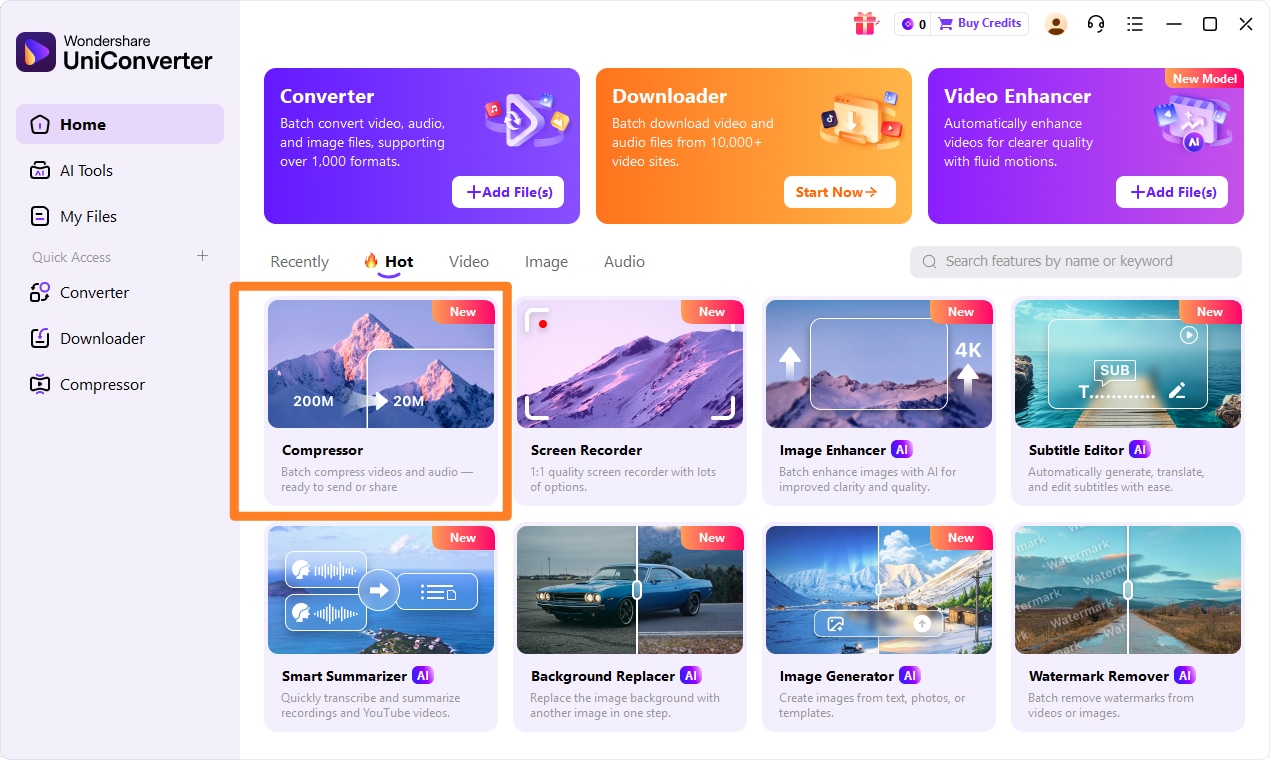
Step 1: Open UniConverter and Choose Compressor
First, I launch UniConverter on my computer. On the main interface, I navigate to the "Compressor" tool. This is where all the magic happens for reducing file sizes.
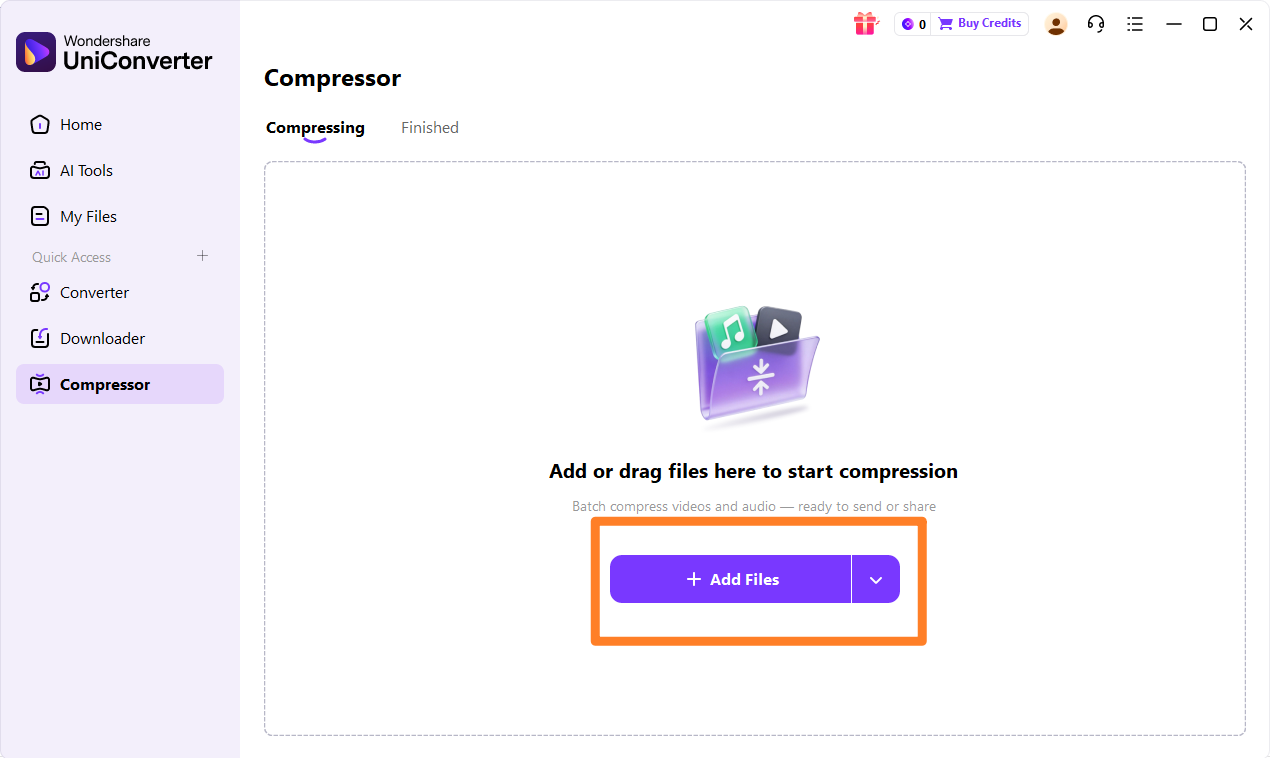
Step 2: Upload Your Video, Audios or Images
Next, I simply drag and drop the video, audio, or image files I want to compress into the UniConverter window. It's incredibly intuitive, allowing me to add multiple files at once for batch processing.
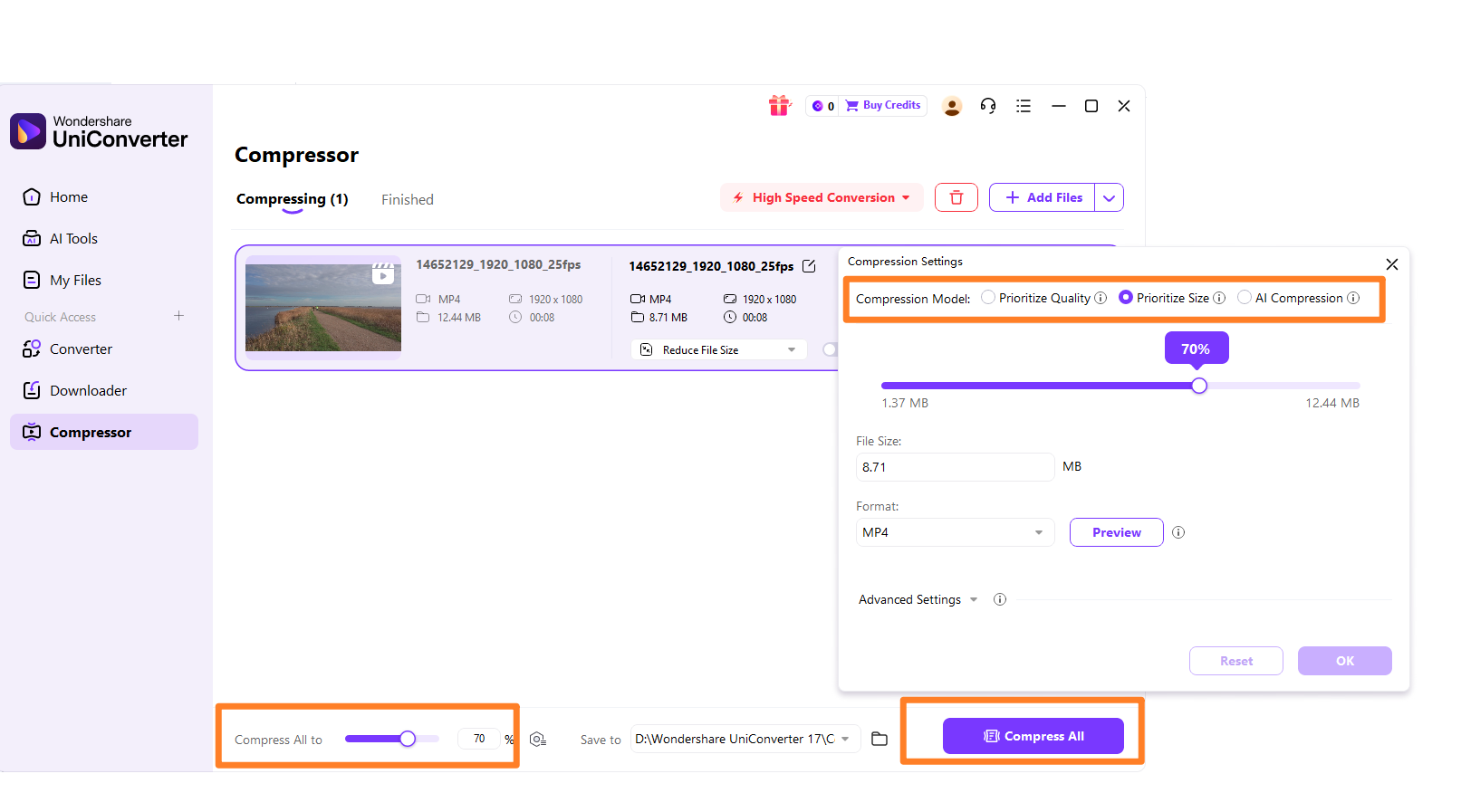
Step 3: Choose Required Parameters
Once my files are loaded, I can select the desired compression settings. UniConverter offers various options, allowing me to adjust the quality, resolution, and output format to achieve the perfect balance between file size and visual fidelity.
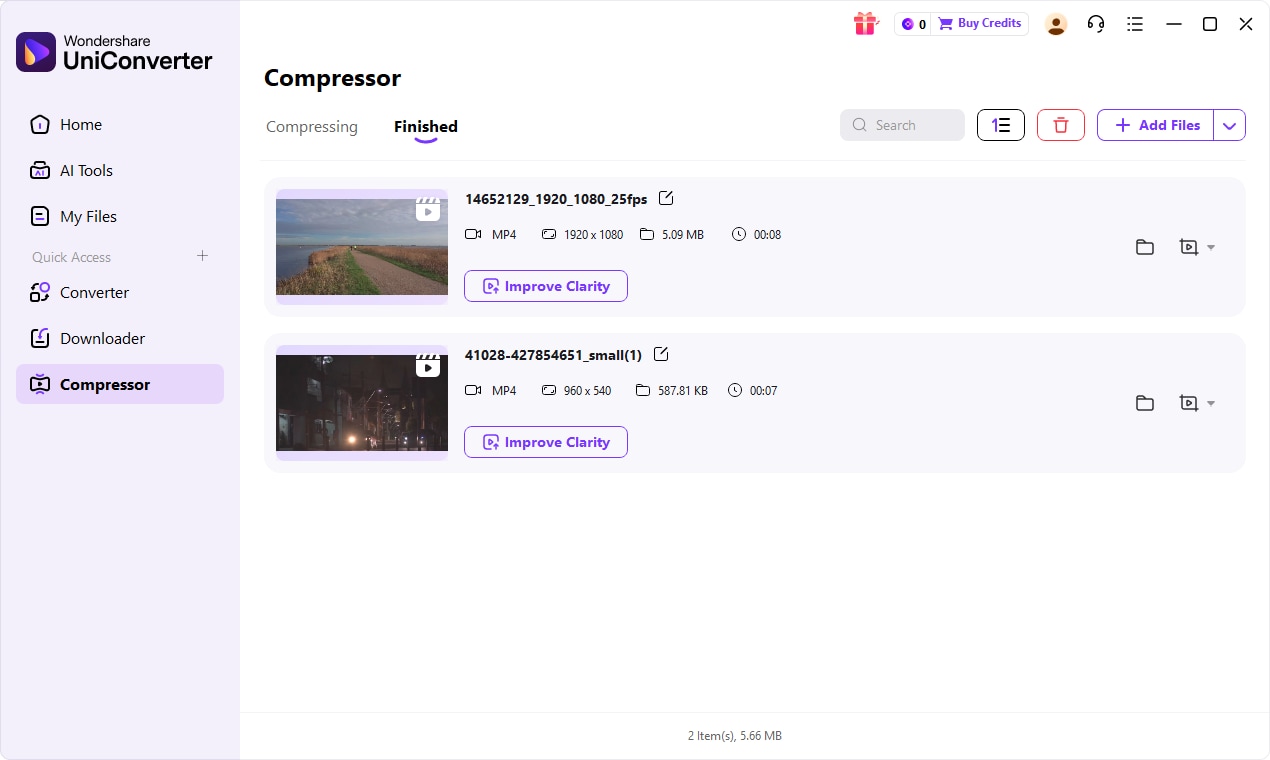
Step 4: Start Compression and Export Optimized Files
With my settings configured, I click the "Compress" button. UniConverter quickly processes the files, often leveraging GPU acceleration for speed. Once done, I can easily export my optimized files to my preferred location.

Seeking a Krunch Image Compressor Alternative?
Part 7: Conclusion
After thoroughly exploring Krunch Image Compressor, I can confidently say that for casual users and bloggers, it is a solid choice. Its ease of use, effective compression, and batch processing capabilities make it ideal for quickly optimizing images for web and mobile without much fuss. However, for professionals needing advanced control over compression settings, or those who cannot tolerate any quality degradation, I would definitely recommend considering alternatives. Tools like UniConverter offer more granular control, broader format support, and often superior output quality, especially for critical projects. The key decision factor always comes down to balancing speed and quality with your specific needs. If you prioritize quick, hassle-free optimization for general web use, Krunch Image Compressor is a strong contender. But if your work demands the highest fidelity and comprehensive features, exploring other robust solutions will be more beneficial.
Part 8: FAQs
-
1. Does Krunch Image Compressor support all image formats?
Krunch primarily supports common formats like JPEG, PNG, and GIF. For less common formats like WebP or TIFF, you might need to convert them first or use a more comprehensive tool like UniConverter.
-
2. Is Krunch Image Compressor free to use?
Krunch offers a free tier with limitations on file size or daily usage. For advanced features or higher limits, a premium subscription is required.
-
3. How does Krunch Image Compressor maintain image quality?
Krunch uses intelligent algorithms to reduce file size by removing redundant data and optimizing image structures, aiming to minimize visible quality loss while achieving significant compression.
-
4. Can I use Krunch Image Compressor offline?
Krunch is primarily a web-based tool, requiring an internet connection for most functionalities. For offline compression, desktop applications like UniConverter would be a better choice.
-
5. What are the main advantages of using an image compressor?
Image compressors reduce file sizes, leading to faster website loading, improved SEO rankings, reduced storage consumption, and enhanced performance on mobile devices.
