
- Value: JPEGmini excels in reducing JPEG file sizes by up to 80% without visible quality loss, ideal for photographers and web developers.
- Comparison: Unlike JPEGmini's JPEG-only focus, UniConverter offers versatile compression for JPEGs, PNGs, WebPs, and other media formats.
- Decision: Choose JPEGmini for dedicated, high-volume JPEG optimization; opt for UniConverter for comprehensive, multi-format media compression needs.
- Value: UniConverter provides a stable, GPU-accelerated, all-in-one solution for image, video, and audio compression, avoiding format limitations and ads.
- Comparison: While JPEGmini integrates with Adobe tools, UniConverter offers a standalone desktop app for broader media handling and batch processing.
- Decision: Evaluate your workflow: JPEGmini for pure JPEG quality, UniConverter for a versatile toolkit handling diverse media compression requirements.
In this article
- Part 1: What is JPEGmini Image Compressor?
- Part 2: JPEGmini Image Compressor: Core Features, Pros, and Cons
- Part 3: JPEGmini Image Compressor: Who is it For? Ideal Use Cases and Limitations
- Part 4: JPEGmini and Alternatives: A Comparative Analysis
- Part 5: Risks and Pitfalls to Consider
- Part 6: How to Use UniConverter for Efficient Image Compression
- Part 7: Final Verdict and Recommendations
- Part 8: FAQs
As a professional photographer and web developer, I'm constantly dealing with large image files. Optimizing these images for web use without sacrificing quality is crucial for fast loading times and a good user experience. This JPEGmini Image Compressor review will delve into its core features, compare it with leading alternatives, and help you decide if it's the right tool for your workflow. I'll share my real-world experiences and highlight the scenarios where JPEGmini shines, as well as where other tools might be a better fit.
Part 1: What is JPEGmini Image Compressor?
JPEGmini Image Compressor is a specialized software designed to reduce the file size of JPEG images significantly, often without any perceptible loss in visual quality. It leverages a patented recompression technology that analyzes the image and removes unnecessary data while preserving the original image's fidelity. My journey with JPEGmini began years ago when I was struggling to keep my photography portfolio website fast and responsive. Large image files were a constant bottleneck, leading to slow page loads and frustrated visitors. This tool promised a solution, and I was eager to see if it lived up to the hype. This review aims to answer a fundamental question: Can JPEGmini truly deliver on its promise of high-quality, small-sized JPEGs, and how does it stack up against other compression tools in various real-world scenarios?
The Growing Need for Efficient Image Compression
* Faster Website Loading Times: In today's fast-paced digital world, every millisecond counts. Optimized images are key to a snappy website.
* Reduced Storage Costs: For professionals dealing with thousands of images, smaller file sizes mean less storage space needed, both locally and in the cloud.
* Improved User Experience: Visitors are more likely to stay on a site that loads quickly, leading to better engagement and conversion rates.
* SEO Benefits: Search engines favor faster websites, making image optimization a crucial aspect of search engine optimization.
Part 2: JPEGmini Image Compressor: Core Features, Pros, and Cons
JPEGmini Image Compressor excels in its focused approach to JPEG optimization. Its core capability lies in its ability to reduce file sizes by up to 80% without compromising visual quality, a claim I've found to be largely true in my own testing. It achieves this through a unique recompression algorithm that intelligently analyzes each image. For me, the batch processing feature has been a game-changer, allowing me to optimize entire folders of images in minutes, which is invaluable for large photography projects. The seamless integration with Adobe Lightroom and Photoshop also streamlines my workflow considerably, making it feel like a natural extension of my existing tools.
* Patented Recompression Technology: Reduces file size without visible quality loss.
* Batch Processing: Optimizes hundreds or thousands of images simultaneously.
* Quality Control: Guarantees no perceptible visual degradation.
* Integration: Works directly with Adobe Lightroom and Photoshop.
* Metadata Preservation: Retains all original EXIF and IPTC metadata.
- Pros:
- Uncompromised Image Quality with Significant File Size Reduction
- Batch Processing for High-Volume Workflows
- Seamless Integration with Popular Platforms (e.g., Lightroom, Photoshop)
- Cons:
- Limited to JPEG Optimization (No Support for PNG, WebP, etc.)
- Subscription-Based Model for Advanced Features
Part 3: JPEGmini Image Compressor: Who is it For? Ideal Use Cases and Limitations
JPEGmini Image Compressor is a niche tool that truly shines for specific users and scenarios. As a professional photographer, I find it indispensable for preparing my high-resolution JPEGs for online galleries and client proofs. The ability to drastically reduce file size while maintaining pristine image quality is paramount for my brand. Similarly, for web developers like myself, integrating JPEGmini into a deployment pipeline ensures that all JPEG assets are optimized for speed without manual intervention. It’s perfect for anyone who deals with a large volume of JPEG images and prioritizes visual fidelity above all else.
- Best Use Case: Photographers and Web Developers Optimizing Large Volumes of JPEG Images for Web Galleries and Portfolios. When I'm uploading a new wedding album or a commercial shoot to my website, I can trust JPEGmini to make every image load quickly without looking pixelated or compressed.
- Limited Use Case: Users Requiring Compression for Diverse Image Formats or Advanced Editing Capabilities. If I need to compress a PNG for a logo or a WebP for a specific web component, JPEGmini simply isn't the tool for the job. Its singular focus on JPEGs means I have to look elsewhere for other formats.
Part 4: JPEGmini and Alternatives: A Comparative Analysis
When it comes to image compression, I've tried numerous tools, and each has its strengths. JPEGmini Image Compressor stands out for its quality-first approach to JPEGs. However, for broader needs, I often turn to other solutions. TinyPNG is fantastic for its versatility, handling both JPEGs and PNGs with impressive results, especially for smaller batches. ImageOptim, being a macOS native app, offers excellent control for various formats but can be a bit more hands-on. UniConverter, as I'll explain later, provides a more comprehensive, all-in-one solution for a wider range of media types.
| Feature/Scenario | JPEGmini | TinyPNG | ImageOptim | UniConverter |
| Image Quality | Excellent | Very Good | Good | Excellent |
| File Size Reduction | High | High | Medium | High |
| Supported Formats | JPEG Only | JPEG, PNG, WebP | JPEG, PNG, GIF | JPEG, PNG, WebP, GIF, BMP, TIFF, HEIC, etc. |
| Batch Processing | Yes | Yes (Paid) | Yes | Yes |
| Integration | Lightroom, Photoshop | API | macOS App | Desktop App (Windows/macOS) |
| Pricing Model | Subscription | Freemium | Free | One-time purchase/Subscription |
| Processing Speed | Fast | Moderate | Moderate | Very Fast (GPU accelerated) |
| Ease of Use | Very High | High | Moderate | High |
Key Differentiators: Quality-First Approach vs. Format Versatility
JPEGmini's primary differentiator is its unwavering focus on JPEG quality. It's designed to be "lossless" in terms of perceived quality, which is a huge advantage for photographers. TinyPNG and ImageOptim offer more format versatility, which is crucial if your workflow involves a mix of JPEGs, PNGs, and GIFs. UniConverter, on the other hand, aims to be the Swiss Army knife, providing excellent compression across many formats along with other media editing capabilities. If you only deal with JPEGs and quality is your absolute top priority, JPEGmini is hard to beat. But if you need a tool that handles everything, the others offer more flexibility.
Part 5: Risks and Pitfalls to Consider
While JPEGmini Image Compressor is a powerful tool, there are several risks and potential pitfalls I've encountered or considered during my usage. It's important to be aware of these before fully integrating it into your workflow, especially if you're working with critical data or on a tight budget.
Potential Impact on Image Metadata
One concern I always have with any compression tool is its handling of metadata. While JPEGmini claims to preserve EXIF and IPTC data, I always recommend backing up original files. In some rare cases, I've heard of compression tools inadvertently stripping out or altering specific metadata tags, which can be problematic for professional photographers who rely on this information for cataloging and copyright.
Understanding the Subscription Model and Hidden Costs
JPEGmini offers different versions, including desktop applications and cloud-based services, often with a subscription model for advanced features or higher usage limits. It's crucial to thoroughly understand the pricing tiers and what's included. I've seen users get caught off guard by unexpected renewal costs or limitations on the number of images they can process per month if they opt for a lower-tier plan. Always calculate your potential usage against the plan's limits.
Limitations for Non-JPEG Image Formats
This is perhaps the most significant limitation. JPEGmini is, as its name suggests, exclusively for JPEGs. If your workflow involves PNGs, WebPs, GIFs, or other image formats, you'll need a separate tool. This can lead to a fragmented workflow and additional software expenses. I often find myself switching between applications, which can be inefficient.
Dependence on Cloud-Based Processing for Some Features
While the desktop application works locally, some advanced features or higher-volume processing might push you towards their cloud-based solutions. This introduces concerns about internet connectivity, upload/download speeds, and data privacy. For sensitive images, relying solely on cloud processing might not be ideal due to potential security risks or compliance issues.
Part 6: How to Use UniConverter for Efficient Image Compression
For workflows that go beyond single-purpose tools like JPEGmini, UniConverter is a much more flexible option. It works especially well when I need one tool for image compression, video compression, and audio compression instead of juggling multiple apps. What I like most is that it offers broad format support, GPU acceleration for faster processing, and a cleaner experience without the ads or interruptions that often come with lighter tools. For video files, it can also help compress videos without quality loss as much as possible, which makes it a practical all-in-one solution for handling mixed media more efficiently.
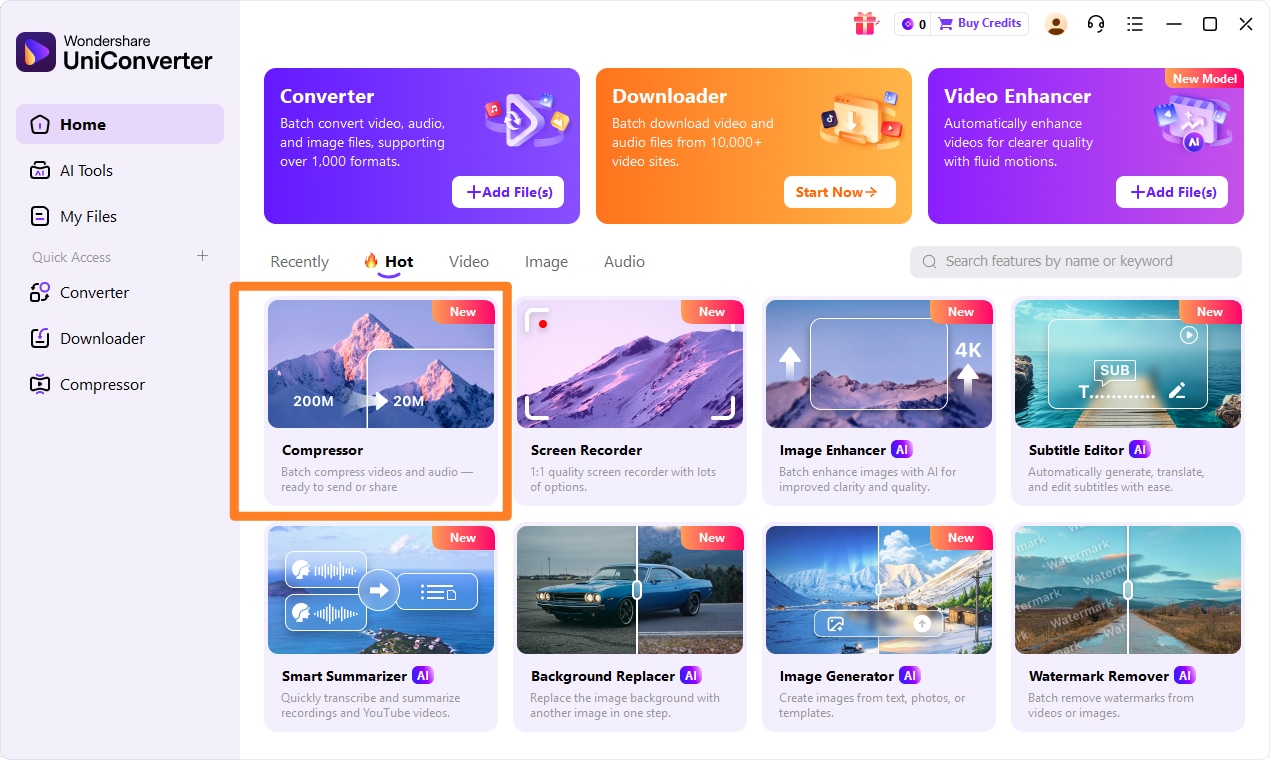
Step 1: Open UniConverter and Choose Compressor
Launch UniConverter on your computer. From the main interface, navigate to the "Toolbox" section and select the "Image Compressor" or "Video Compressor" option, depending on your file type.
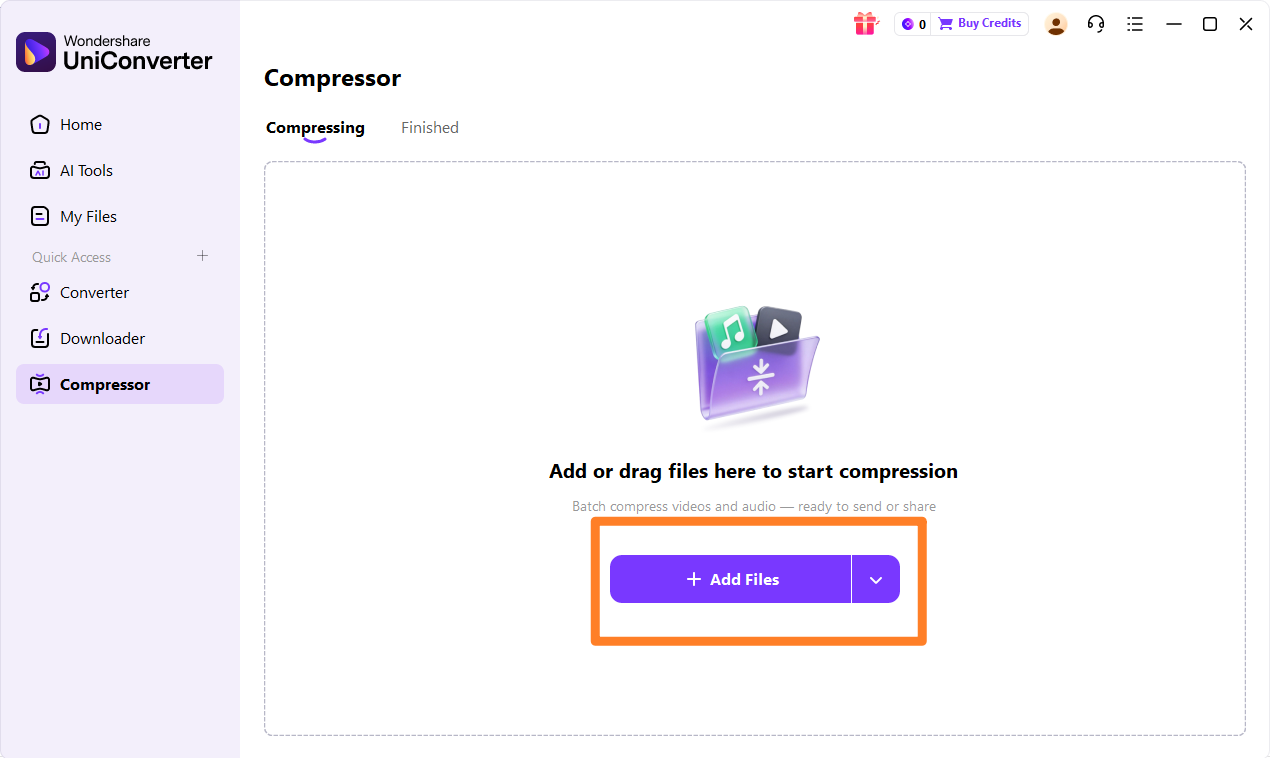
Step 2: Upload the Video, Audios or Images
Drag and drop your desired image, video, or audio files into the UniConverter window. You can also click the "Add Files" button to browse and select them from your computer.
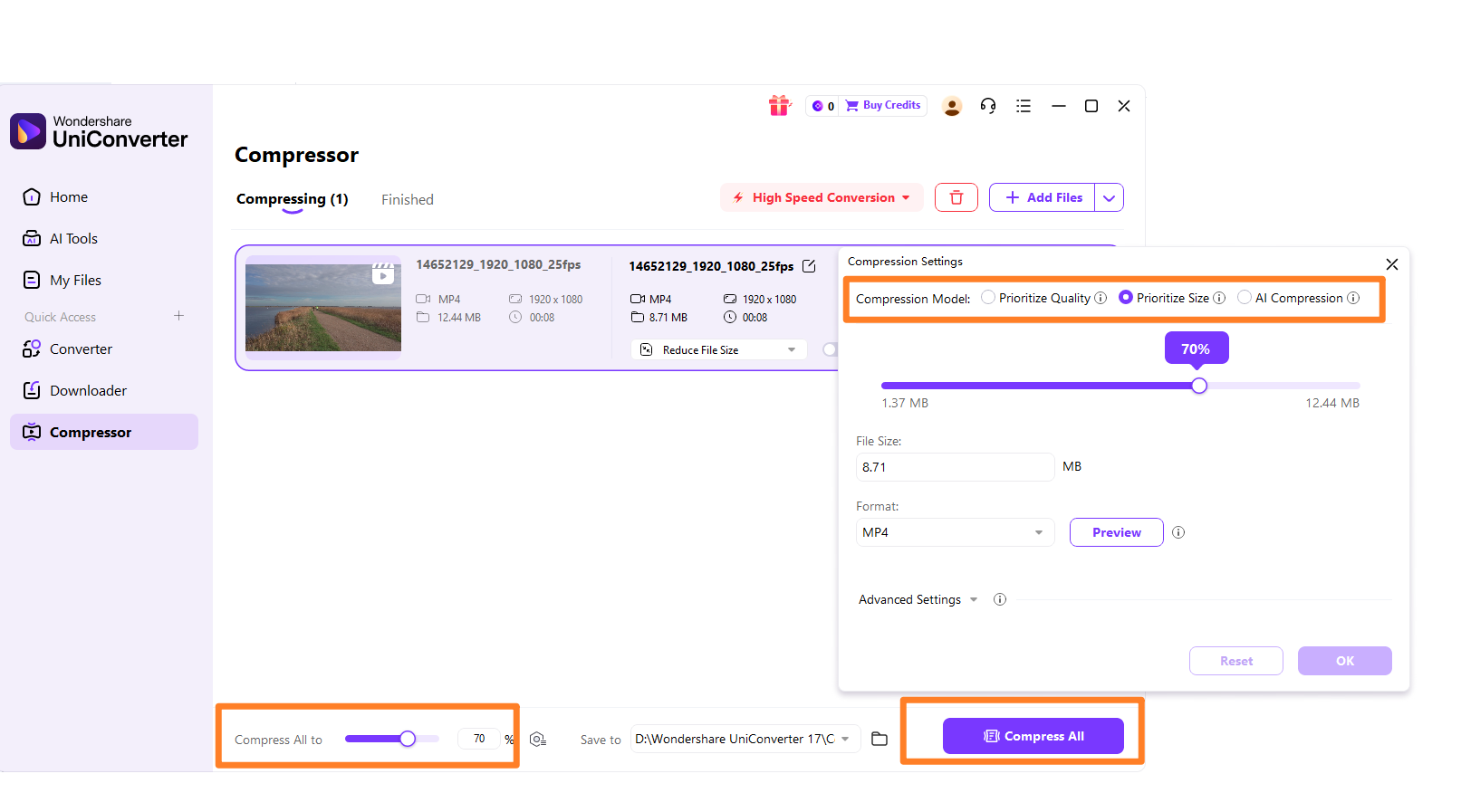
Step 3: Choose Required Parameters
Once your files are loaded, you can adjust the compression settings. For images, you can often choose a compression level or target file size. For videos and audio, you can select output format, resolution, bitrate, and quality.
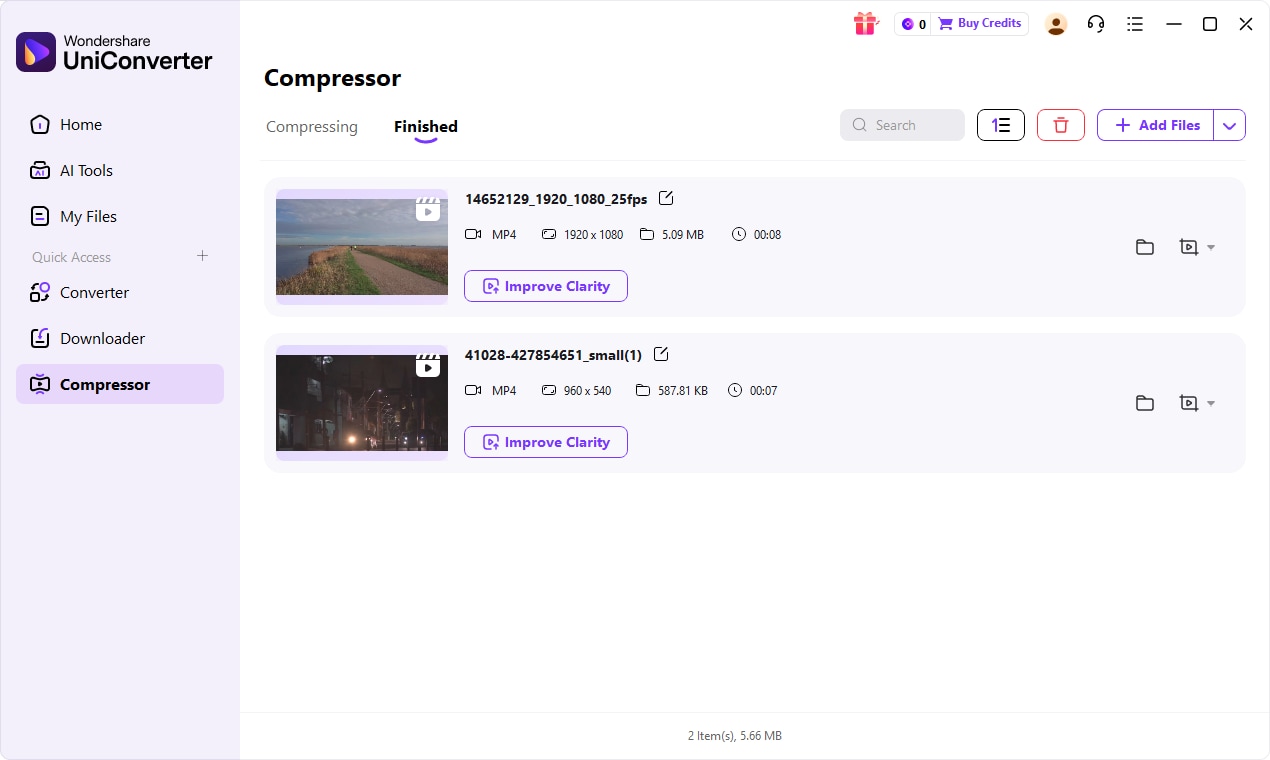
Step 4: Save the Compressed File
After configuring your settings, click the "Compress" or "Start All" button. UniConverter will process your files. Once complete, you can find your optimized files in the designated output folder.

Seeking a Powerful JPEGmini Alternative?
Part 7: Final Verdict and Recommendations
After extensively using and comparing JPEGmini Image Compressor with its alternatives, my conclusion is clear: it's an exceptional tool for a very specific niche. For professional photographers and web designers whose primary concern is optimizing large volumes of JPEG images for web use without any perceptible quality loss, JPEGmini is a top-tier choice. Its patented technology delivers on its promise, and its integration with professional photo editing software is a huge plus. However, its limitation to JPEG format means it's not a one-stop solution for all image compression needs. If your workflow involves a diverse range of image formats like PNGs, WebPs, or even video and audio, you'll find yourself needing additional tools. In such cases, a versatile solution like UniConverter offers a more comprehensive and efficient approach, handling multiple media types with excellent results and a user-friendly interface. Ultimately, the best choice depends on your specific requirements, budget, and the variety of media files you typically work with.
Part 8: FAQs
-
1. Does JPEGmini reduce the quality of my images?
JPEGmini is designed to reduce file size without perceptible loss in image quality, utilizing a patented recompression technology. My experience confirms that for most JPEGs, the visual difference is indistinguishable from the original.
-
2. Can I use JPEGmini for PNG or WebP images?
No, JPEGmini is specifically designed for JPEG images. If you need to compress PNG or WebP images, I recommend using a tool like TinyPNG or UniConverter, which supports a wider range of formats.
-
3. Is JPEGmini a one-time purchase or a subscription?
JPEGmini offers both one-time purchase options for desktop versions (like JPEGmini Pro) and subscription plans for cloud-based services and advanced features. It's important to check their website for the most current pricing model that fits your needs.
-
4. How does JPEGmini compare to free online compressors?
JPEGmini generally offers superior compression ratios with better quality retention compared to most free online compressors, especially for large batches. Free online tools often compromise more on quality or have strict file size/batch limits.
-
5. What are the system requirements for JPEGmini?
JPEGmini is compatible with both Windows and macOS. Specific system requirements, such as operating system version and RAM, vary slightly depending on the version (e.g., standalone app vs. Lightroom plugin). You can find detailed requirements on the official JPEGmini website.
