
- Imgix Overview: Cloud-based image processing and CDN for real-time optimization and delivery.
- Key Features: Real-time optimization, advanced manipulation, global CDN, adaptive delivery, APIs.
- Pros & Cons: Improves speed, flexible; complex setup, potentially expensive for high volume.
- Ideal Users: E-commerce, dynamic content platforms requiring scalable, real-time image delivery.
- Alternatives: Cloudinary (similar), ShortPixel/TinyPNG (batch processing for static images).
- Risks: Vendor lock-in, cost escalation, integration complexity, potential SEO impact if misconfigured.
- UniConverter Value: Offline, batch compression for images/videos, simple, stable, no recurring costs.
- Decision Point: Choose Imgix for dynamic, large-scale web needs; UniConverter for local, batch, hassle-free compression.
In this article
- Part 1: What is Imgix Image Compressor?
- Part 2: Imgix Image Compressor: Core Features, Pros, and Cons
- Part 3: Imgix Image Compressor: Ideal Users and Use Cases
- Part 4: Imgix Image Compressor & Alternatives Comparison
- Part 5: Risks and Pitfalls to Consider
- Part 6: How to Use UniConverter to Compress Efficient Audio and Video
- Part 7: Conclusion
- Part 8: FAQs
The digital landscape is increasingly visual, making image optimization a critical factor for website performance and user experience. As a seasoned product reviewer, I've seen countless tools promise to deliver the perfect balance of quality and speed. Today, we're diving deep into an Imgix Image Compressor review, a powerful solution designed to tackle the complexities of web image delivery. This review will explore its capabilities, weigh its advantages against its limitations, and provide a comprehensive comparison with its competitors, helping you make an informed decision for your specific needs.
Part 1: What is Imgix Image Compressor?
Imgix Image Compressor is a cloud-based image processing and delivery platform that optimizes and serves images in real-time. It's not just a compressor; it's a complete image CDN (Content Delivery Network) that transforms, manipulates, and delivers images on demand, tailored to each user's device and network conditions. My initial impression is that it's built for scale and dynamic content, aiming to solve the perennial problem of slow-loading, high-quality images on the web. This review will address the core question: can Imgix truly deliver on its promise of effortless, high-performance image delivery for modern web applications?
The Evolving Landscape of Web Image Optimization
The need for robust image optimization solutions like Imgix has never been greater due to several key factors:
* Increasing Image Richness: Websites are becoming more visually driven, with high-resolution images and multimedia content becoming the norm.
* Diverse Device Ecosystem: Users access content from a vast array of devices, from high-resolution desktops to low-bandwidth mobile phones, each requiring different image optimizations.
* Performance as a Ranking Factor: Search engines prioritize fast-loading websites, making image optimization crucial for SEO and user retention.
* Global Audience Expectations: Users worldwide expect instant access to content, regardless of their internet speed or location, necessitating efficient content delivery.
Part 2: Imgix Image Compressor: Core Features, Pros, and Cons
Imgix Image Compressor stands out with its comprehensive suite of features designed for dynamic image delivery. Its core capabilities revolve around real-time image manipulation and intelligent content delivery.
* Real-time Image Optimization: Images are optimized on-the-fly based on request parameters, device capabilities, and network conditions.
* Advanced Image Manipulation: Offers a wide range of transformations, including resizing, cropping, watermarking, color adjustments, and format conversions.
* Global CDN Integration: Leverages a robust CDN for fast and reliable image delivery to users worldwide.
* Adaptive Image Delivery: Automatically serves the most appropriate image size and format (e.g., WebP, AVIF) to each user, enhancing performance.
* Image API and SDKs: Provides powerful APIs and SDKs for seamless integration into existing workflows and applications.
Pros:
* Real-time image optimization and delivery via CDN significantly improve website loading times.
* Extensive image manipulation capabilities offer unparalleled flexibility for dynamic content.
* Adaptive image delivery ensures optimal user experience across diverse devices and network conditions.
Cons:
* Can be complex to set up and integrate, especially for non-technical users or smaller projects.
* The usage-based pricing model can become expensive for high-volume websites or applications.
Part 3: Imgix Image Compressor: Ideal Users and Use Cases
Imgix Image Compressor is a powerful tool, but its strengths truly shine in specific scenarios and for particular user groups.
* Scenario 1: E-commerce Platform with Dynamic Product Catalogs
A large online retailer needs to display thousands of product images quickly and efficiently across various devices, ensuring high quality and fast loading times. Imgix excels here because its real-time optimization and CDN integration ensure product images are always delivered in the optimal format and size. This directly translates to improved user experience, reduced bounce rates, and ultimately, higher conversion rates. The ability to dynamically adjust image quality based on network conditions means a customer on a slow mobile connection still gets a fast-loading, decent-quality image, while a desktop user on fiber gets a pristine, high-resolution view.
* Scenario 2: Content-Heavy Blog with Global Audience
A popular blog publishes daily articles with numerous high-resolution images, catering to an international audience with varying internet speeds. While Imgix can certainly optimize delivery, its complexity might be a limitation for a non-technical blogger. The initial setup, ongoing management of transformation parameters, and understanding the usage-based pricing model could be overwhelming compared to simpler, more automated solutions designed for static content. For this scenario, the overhead of Imgix might outweigh the benefits if the blog doesn't require extensive real-time image manipulation beyond basic resizing and format conversion.
Part 4: Imgix Image Compressor & Alternatives Comparison
When evaluating Imgix Image Compressor against its competitors, it's crucial to look at how each solution addresses different needs.
| Feature/Scenario | Imgix Image Compressor | Cloudinary | ShortPixel | TinyPNG |
| Real-time Optimization | Yes | Yes | No (batch) | No (batch) |
| CDN Integration | Built-in | Built-in | Optional | No |
| Advanced Image Manipulation | Extensive | Extensive | Limited | Basic |
| Ease of Use (Non-Dev) | Moderate | Moderate | High | High |
| Pricing Model | Usage-based (complex) | Usage-based (complex) | Subscription/Credits | Free/Subscription |
| Best for Dynamic Content | Yes | Yes | No | No |
| Best for Static Blog Images | Overkill | Overkill | Yes | Yes |
Core Differentiators: Real-time vs. Batch Processing, CDN vs. Local Optimization
Imgix and Cloudinary are powerhouses for real-time, dynamic image optimization and delivery via integrated CDNs. They are ideal for applications where images need to be transformed and served on-the-fly based on user context. ShortPixel and TinyPNG, on the other hand, are primarily batch processing tools. They excel at optimizing existing static images before deployment, offering a simpler, more cost-effective solution for blogs or websites with less dynamic image requirements. For me, if I'm running a complex e-commerce site, Imgix or Cloudinary are my go-to. But for my personal blog, ShortPixel or TinyPNG are more than sufficient and much easier to manage.
Part 5: Risks and Pitfalls to Consider
While Imgix Image Compressor offers powerful capabilities, it's important to be aware of potential risks and pitfalls that can arise, especially for those not fully prepared for its intricacies.
Vendor Lock-in and Migration Challenges
Committing to a platform like Imgix means deeply integrating its API and image URLs into your codebase. If you ever decide to switch providers, migrating all your image assets and updating every image reference can be a massive undertaking. This vendor lock-in can be a significant hurdle, especially for large applications with thousands of images. I've seen companies struggle with this, spending weeks or even months on migration efforts.
Cost Escalation with High Traffic Volumes
Imgix's usage-based pricing model, while flexible, can lead to unexpected cost escalations. As your website or application grows and traffic increases, so does your image processing and delivery volume. Without careful monitoring and optimization of your image requests, costs can quickly spiral out of control. It's crucial to understand their pricing tiers and monitor your usage closely to avoid budget surprises.
Integration Complexity for Legacy Systems
Integrating Imgix into older, legacy systems can be a complex and time-consuming process. These systems might not be designed for dynamic image URLs or real-time transformations, requiring significant refactoring or the development of custom middleware. This complexity can negate some of the benefits of using a modern image CDN if the integration effort is too high.
Potential Impact on Image SEO if Not Configured Correctly
While Imgix helps with page speed, which is an SEO factor, incorrect configuration can negatively impact image SEO. If you're not properly setting `alt` tags, `title` attributes, and using descriptive filenames (even if they are dynamically generated), search engines might struggle to understand your image content. It's vital to ensure your SEO strategy accounts for dynamic image URLs and metadata.
Part 6: How to Use UniConverter to Compress Efficient Audio and Video
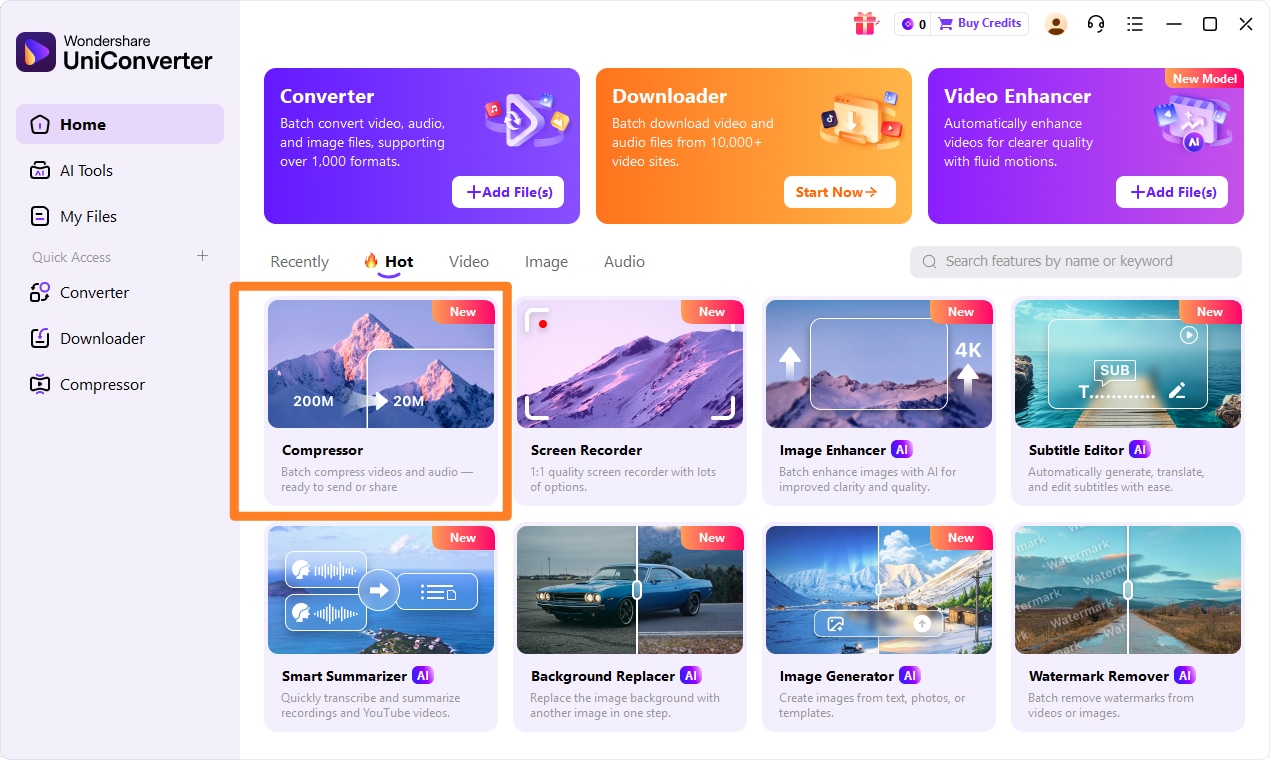
Sometimes, cloud-based solutions like Imgix can feel like overkill, especially when I just need to compress a batch of local images or videos without dealing with complex APIs or recurring costs. When I encounter tools that don't support batch compression, produce unstable results, or cause significant quality loss, I often turn to UniConverter. It's a reliable, offline-capable solution that avoids the complexities of cloud services, offering a straightforward approach to efficient compression. UniConverter is my go-to for a hassle-free experience, ensuring stable, high-quality compression without ads, watermarks, or constant internet dependency. It supports a vast array of formats, leverages GPU acceleration for speed, and handles batch processing with ease, making it an all-in-one ultimate solution for my media compression needs.
Step 1: Open UniConverter and Choose Compressor
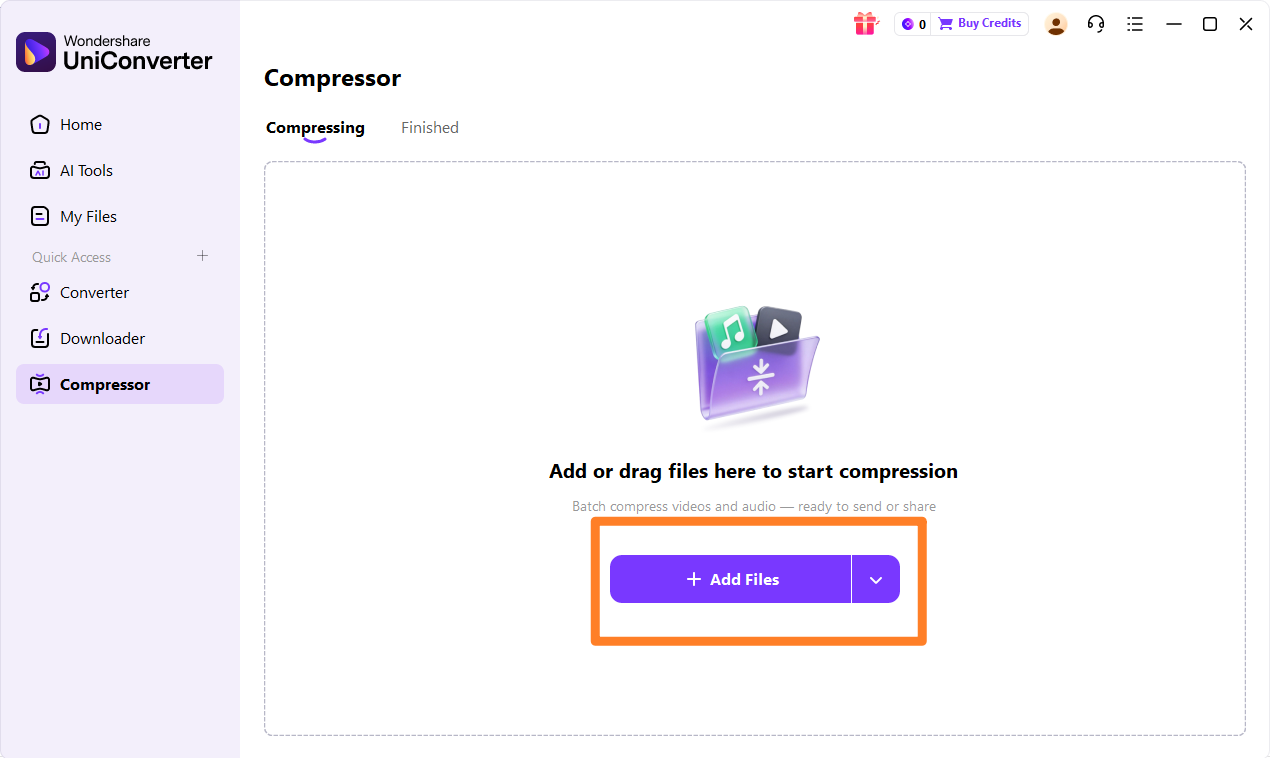
Step 2: Upload the Video, Audios or Images
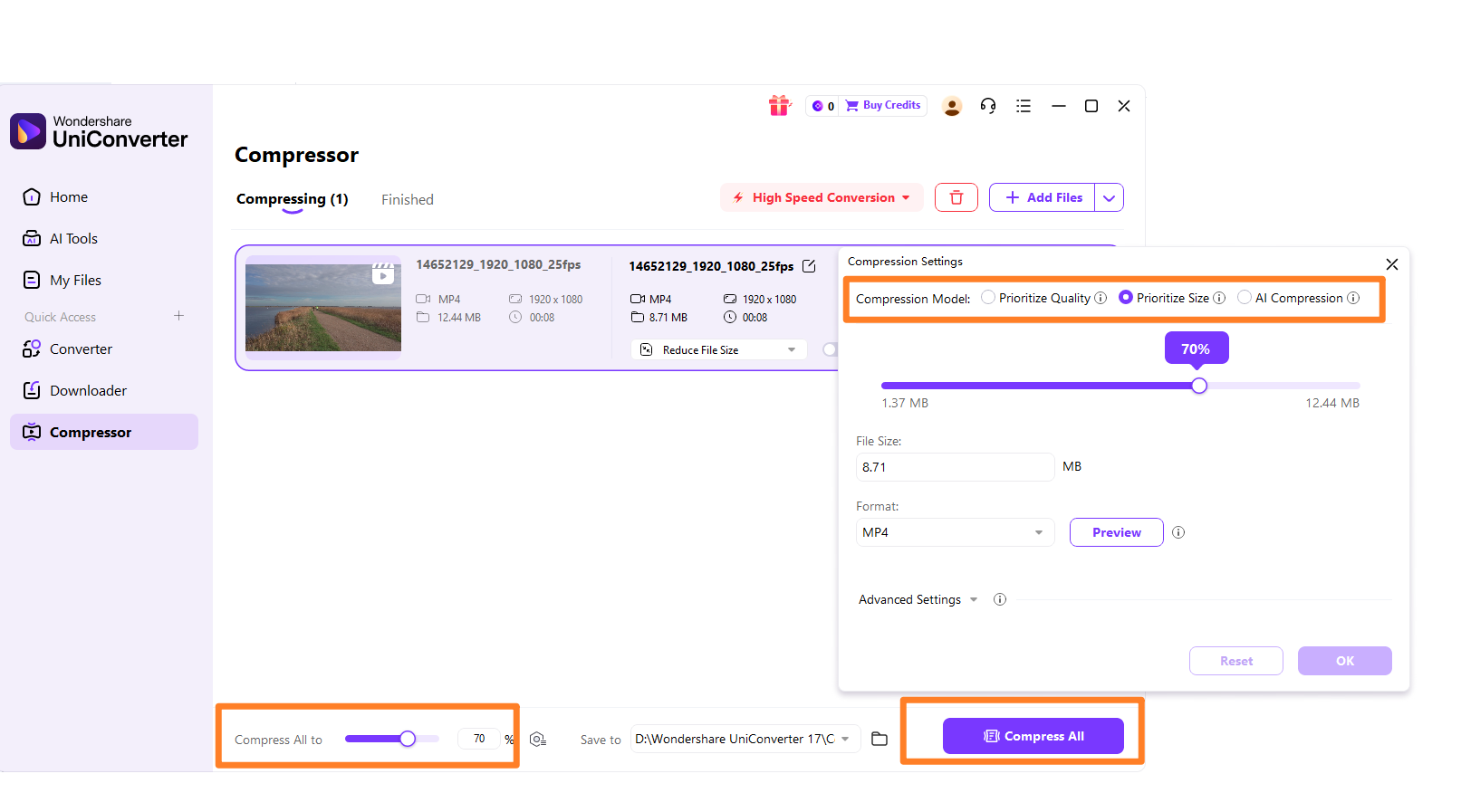
Step 3: Choose Required Parameters
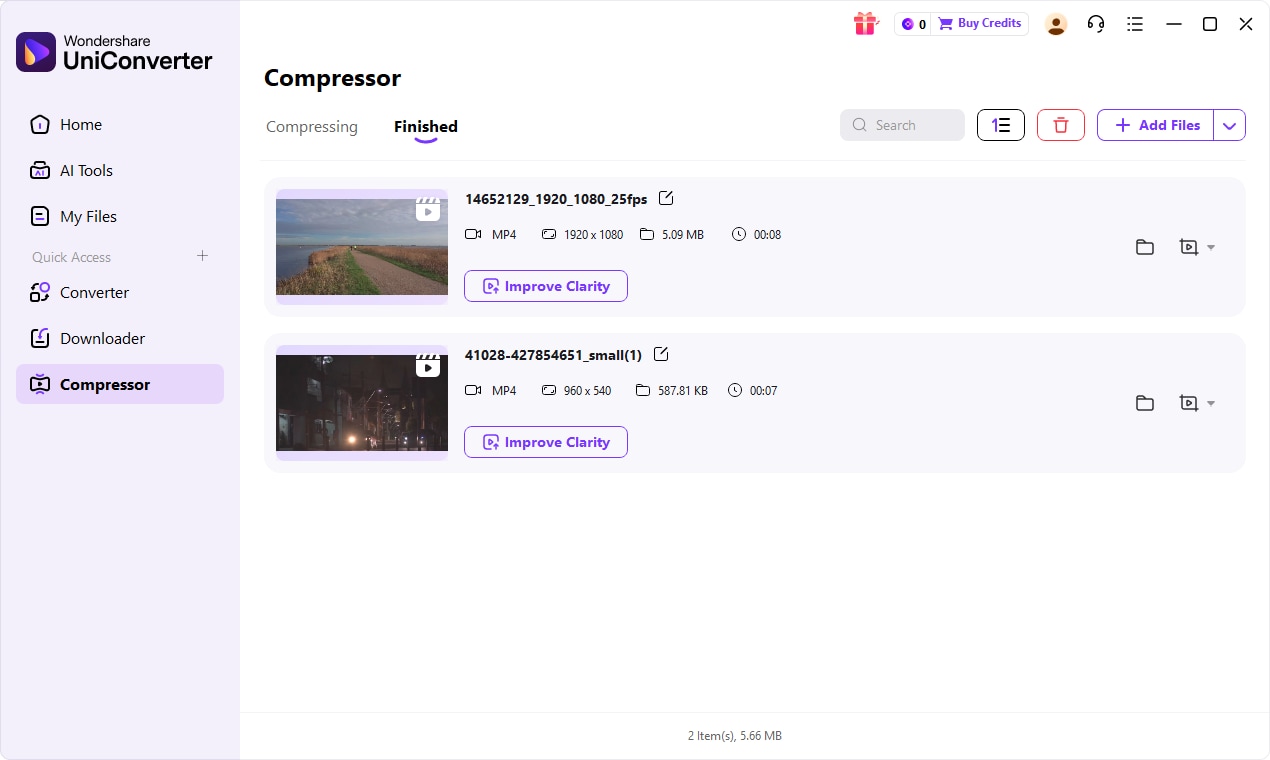
Step 4: Save the Compressed File

Seeking an Imgix Image Compressor Alternative?
Part 7: Conclusion
After a thorough Imgix Image Compressor review, it's clear that this platform is a powerful, sophisticated solution for dynamic image optimization and delivery. Its real-time processing, extensive manipulation capabilities, and global CDN integration make it an excellent choice for large-scale, dynamic web applications such as e-commerce platforms, news sites, or SaaS products that rely heavily on visual content and demand peak performance. For these use cases, the benefits of faster loading times, improved user experience, and reduced infrastructure load often outweigh the complexity and potential cost. However, for small to medium businesses, personal blogs, or content creators with less dynamic image needs, Imgix might be an overkill. Simpler, more affordable alternatives like ShortPixel or TinyPNG, or even an offline tool like UniConverter for batch processing, would be more suitable and cost-effective. Ultimately, your choice should prioritize your specific use case, technical expertise, and budget.
Part 8: FAQs
-
1. What is the primary benefit of using Imgix Image Compressor?
Its primary benefit is real-time, on-the-fly image optimization and delivery via a global CDN, ensuring fast loading times and optimal image quality across all devices.
-
2. Is Imgix suitable for a small personal blog?
While technically capable, Imgix might be overkill and overly complex for a small personal blog. Simpler, more affordable tools like TinyPNG or ShortPixel are often better suited for static image optimization.
-
3. How does Imgix handle image quality during compression?
Imgix uses advanced algorithms to compress images while maintaining perceived visual quality. Users can often control the compression level and output format to balance file size and quality according to their specific needs.
-
4. Can Imgix integrate with my existing website platform?
Imgix offers various SDKs and APIs for integration with popular web platforms and custom applications. However, integration complexity can vary significantly depending on your existing system's architecture and your technical resources.
-
5. What are the main differences between Imgix and a tool like UniConverter?
Imgix is a cloud-based, real-time image CDN and manipulation service, ideal for dynamic web content and on-the-fly optimization. UniConverter, on the other hand, is a desktop software for offline batch image, audio, and video compression and conversion, best for local file optimization without requiring continuous internet connectivity or complex API integrations.
