
- ImageRecycle Overview: ImageRecycle optimizes images and PDFs for web, improving site speed and SEO.
- Core Features: Automated compression, multi-format support, lossy/lossless options, WebP conversion, and resizing.
- Ideal Users: Perfect for e-commerce, bloggers, and web developers needing automated, high-volume optimization.
- Comparative Analysis: Strong CMS integration and PDF compression differentiate it from TinyPNG and ShortPixel.
- Potential Risks: Watch for over-compression, data privacy, vendor lock-in, and incorrect configuration.
- UniConverter Alternative: UniConverter offers comprehensive audio, video, and image compression with batch processing and stable results.
- Final Verdict: ImageRecycle is great for high-volume, automated image/PDF optimization; UniConverter for diverse multimedia needs.
In this article
- Part 1: What is ImageRecycle Image Compressor?
- Part 2: ImageRecycle Image Compressor: Core Features, Pros & Cons
- Part 3: ImageRecycle Image Compressor: Ideal Users & Use Cases
- Part 4: ImageRecycle Image Compressor & Competitors: A Comparative Analysis
- Part 5: Risks & Pitfalls to Consider
- Part 6: How to Use UniConverter to Efficiently Compress Audio and Video
- Part 7: Final Verdict & Recommendations
- Part 8: FAQs
Image optimization is no longer a luxury but a necessity for anyone operating in the digital space. Slow-loading websites, bloated images, and unoptimized PDFs can severely impact user experience, SEO rankings, and ultimately, conversion rates. This is where tools like ImageRecycle Image Compressor come into play. Designed to streamline the process of reducing file sizes without compromising visual quality, ImageRecycle promises to be a game-changer for webmasters, e-commerce owners, and digital marketers alike. In this comprehensive review, I'll delve into its features, compare it with leading alternatives, and help you determine if it's the right solution for your image optimization needs. My goal is to provide a clear, unbiased perspective to guide your decision-making process.
Part 1: What is ImageRecycle Image Compressor?
ImageRecycle Image Compressor is a dedicated online service and suite of plugins designed to automatically optimize images and PDFs for web use. Its core function is to reduce file sizes through advanced compression algorithms, ensuring faster page loading times and improved website performance. It aims to simplify the often complex task of image optimization, making it accessible even for those without technical expertise. My experience with it has shown that it’s built with the busy digital content creator in mind, offering a set-it-and-forget-it approach to a crucial aspect of web management.
The Growing Need for Image Optimization in Digital Marketing
The demand for efficient image optimization stems from several critical factors in today's digital landscape:
* Enhanced User Experience: Faster loading times directly correlate with lower bounce rates and higher user engagement.
* Improved SEO Rankings: Search engines prioritize websites that offer a smooth and speedy browsing experience.
* Reduced Storage and Bandwidth Costs: Smaller file sizes mean less server space and lower data transfer expenses.
* Mobile-First Indexing: With an increasing number of users accessing content on mobile devices, optimized images are essential for quick loading on varying network conditions.
Part 2: ImageRecycle Image Compressor: Core Features, Pros & Cons
ImageRecycle Image Compressor stands out with its robust feature set aimed at comprehensive image and PDF optimization. From my perspective, its strength lies in its ability to integrate seamlessly into existing workflows, automating a task that can often be time-consuming.
Here are its core capabilities:
* Automated Optimization: Once configured, it compresses new uploads and can optimize existing media libraries.
* Support for Multiple Formats: Handles JPEG, PNG, GIF, and PDF files effectively.
* Lossy and Lossless Compression: Offers flexibility to choose between maximum file size reduction (lossy) or preserving absolute quality (lossless).
* Image Resizing: Allows you to define maximum dimensions for uploaded images.
* WebP Conversion: Automatically converts images to the modern WebP format for even greater efficiency.
Pros:
* Seamless Integration with Popular CMS Platforms (WordPress, Shopify, Joomla, Magento) for Automated Optimization
* Advanced Lossy and Lossless Compression Algorithms for Significant File Size Reduction with Minimal Quality Loss
* Comprehensive PDF Compression Capabilities Alongside Image Optimization
Cons:
* Subscription-Based Model May Be Costly for Infrequent Users or Small Projects
* Limited Advanced Editing Features Beyond Compression
Part 3: ImageRecycle Image Compressor: Ideal Users & Use Cases
From my experience, ImageRecycle Image Compressor is particularly well-suited for individuals and businesses that rely heavily on visual content and need an efficient, hands-off approach to optimization. If you're constantly uploading images and PDFs, this tool can save you a significant amount of time and effort.
Scenario 1: E-commerce Store Owners & Bloggers Seeking Automated Image Optimization
As an e-commerce store owner, you're constantly adding new product images. Manually optimizing each one is a huge time sink. With ImageRecycle, once I set up the WordPress or Shopify plugin, every new product image I upload is automatically compressed and, if desired, converted to WebP. This ensures my product pages load quickly, improving the shopping experience for my customers and potentially boosting my sales. For bloggers, the same applies; faster loading blog posts mean better reader retention and improved SEO.
Scenario 2: Web Developers Managing Multiple Client Websites with Diverse Image Needs
Managing several client websites means dealing with a variety of image types and optimization requirements. ImageRecycle's centralized dashboard and robust API allow me to oversee and manage optimization across all my client sites efficiently. I can set different compression levels for different projects, ensuring that each client's specific needs for quality versus file size are met. This flexibility, combined with its reliable performance, makes it an invaluable tool in my web development toolkit.
Part 4: ImageRecycle Image Compressor & Competitors: A Comparative Analysis
When evaluating ImageRecycle Image Compressor, it's crucial to see how it stacks up against its main competitors. I've found that while many tools offer similar core functionalities, their strengths lie in different areas, making the "best" choice highly dependent on your specific needs.
| Feature/Aspect | ImageRecycle Image Compressor | TinyPNG | ShortPixel | Kraken.io |
| Integration | High (CMS Plugins) | Moderate (API, WordPress) | High (CMS Plugins) | Moderate (API, WordPress) |
| Compression Types | Lossy, Lossless, PDF | Lossy, Lossless | Lossy, Lossless, Glossy | Lossy, Lossless |
| Pricing Model | Subscription | Free Tier + Paid | Free Tier + Paid | Free Tier + Paid |
| Batch Processing | Yes | Yes | Yes | Yes |
| Image Resizing | Yes | No | Yes | Yes |
| WebP Conversion | Yes | Yes | Yes | Yes |
Key Differentiators:
ImageRecycle's strong emphasis on CMS integration and comprehensive PDF compression sets it apart for content-heavy websites, especially those dealing with documents alongside images. For example, if you run an educational platform with many downloadable PDFs, ImageRecycle's ability to optimize these documents is a significant advantage that TinyPNG doesn't offer. Competitors like TinyPNG and ShortPixel often offer more flexible pricing for lower volume users, with generous free tiers that can be attractive if your optimization needs are sporadic or minimal. However, for consistent, high-volume optimization across various content types, ImageRecycle's integrated approach often provides better value and convenience.
Part 5: Risks & Pitfalls to Consider
While image optimization tools like ImageRecycle Image Compressor offer significant benefits, it's important to be aware of potential risks and pitfalls. My experience has taught me that overlooking these can lead to unexpected issues down the line.
Potential for Over-Compression Leading to Noticeable Quality Degradation
One of the most common risks is setting the compression level too high. While aggressive compression yields smaller file sizes, it can sometimes result in a noticeable loss of image quality, especially for detailed graphics or photographs. I've seen instances where fine text becomes blurry or color gradients show banding. It's crucial to find the right balance between file size and visual fidelity, and always preview your optimized images.
Data Privacy Concerns with Cloud-Based Processing of Sensitive Images
Since ImageRecycle, like many other optimizers, processes images in the cloud, there can be data privacy concerns, especially if you're dealing with sensitive or proprietary images. While reputable services have robust security measures, the act of uploading your assets to a third-party server always carries an inherent risk. Always review their privacy policy and terms of service before committing, particularly for confidential client work.
Vendor Lock-in and Migration Challenges if Switching Optimization Tools
Committing to a specific image optimization tool, especially one deeply integrated into your CMS, can lead to vendor lock-in. If you decide to switch providers later, migrating your optimized images or ensuring consistent optimization across your entire library can be a complex and time-consuming process. This is particularly true if the tool has made irreversible changes or uses proprietary optimization techniques.
Impact on Website Performance if Not Configured Correctly
While the goal of image optimization is to improve performance, incorrect configuration can actually have the opposite effect. For example, if the plugin conflicts with other plugins or if the server resources are insufficient for the optimization process, it could slow down your website during image uploads or even cause errors. Always test thoroughly in a staging environment before deploying to a live site.
Hidden Costs for Exceeding Compression Limits
Many subscription-based services, including some competitors, have monthly compression limits. If your website experiences a sudden surge in image uploads or if you decide to optimize a large existing library, you might quickly exceed your plan's limits, leading to unexpected additional charges or a temporary halt in optimization until you upgrade your plan. Always monitor your usage and understand the pricing structure.
Part 6: How to Use UniConverter to Efficiently Compress Audio and Video
Sometimes, even dedicated image compressors can feel limiting—especially when batch processing is missing, results are inconsistent, or the final output loses too much quality. In those situations, or whenever I need a broader multimedia solution, I usually turn to UniConverter as a more versatile alternative. It works well for image compression, while also offering a reliable video compressor for larger media tasks. I also like that it supports audio compression, along with conversion and basic editing features, so it’s a practical all-in-one toolkit for managing different types of digital content more efficiently.
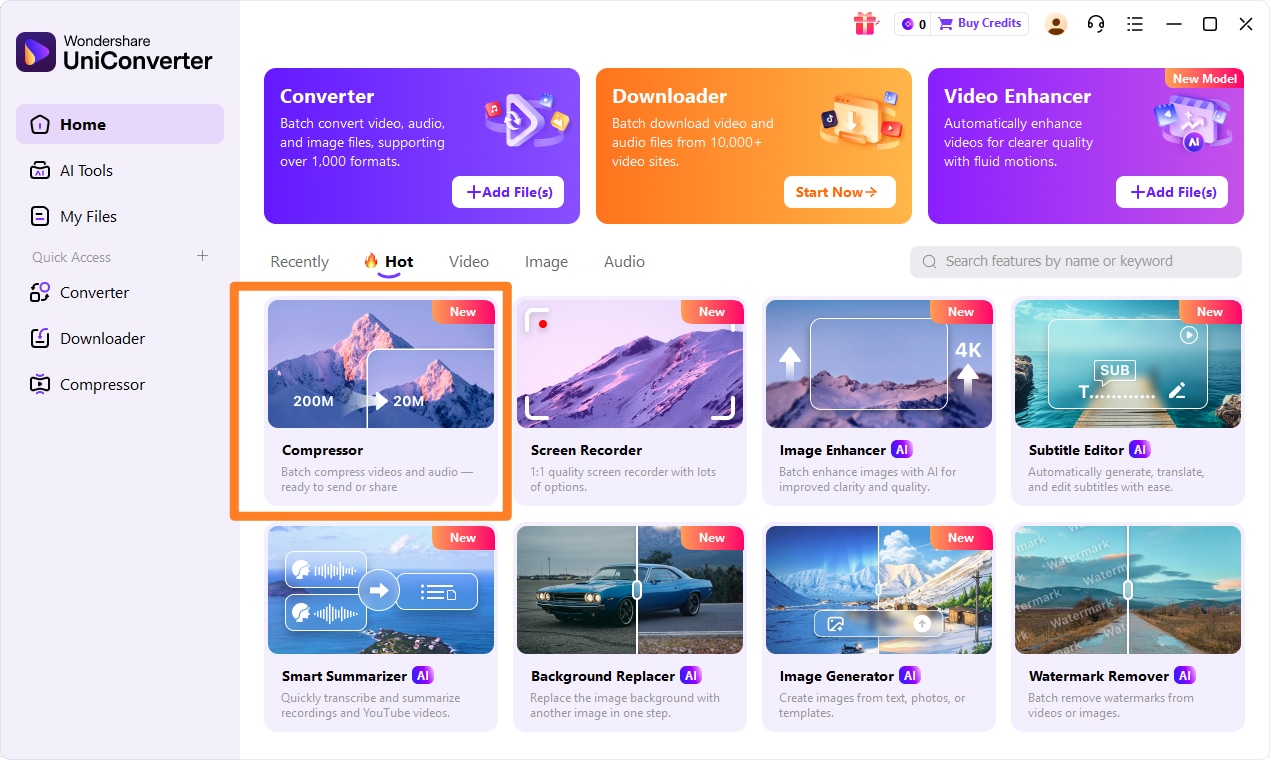
Step 1: Open UniConverter and Choose Compressor
Launch UniConverter on your computer. From the main interface, navigate to the "Compressor" tool. This is where you'll begin your journey to reduce file sizes.
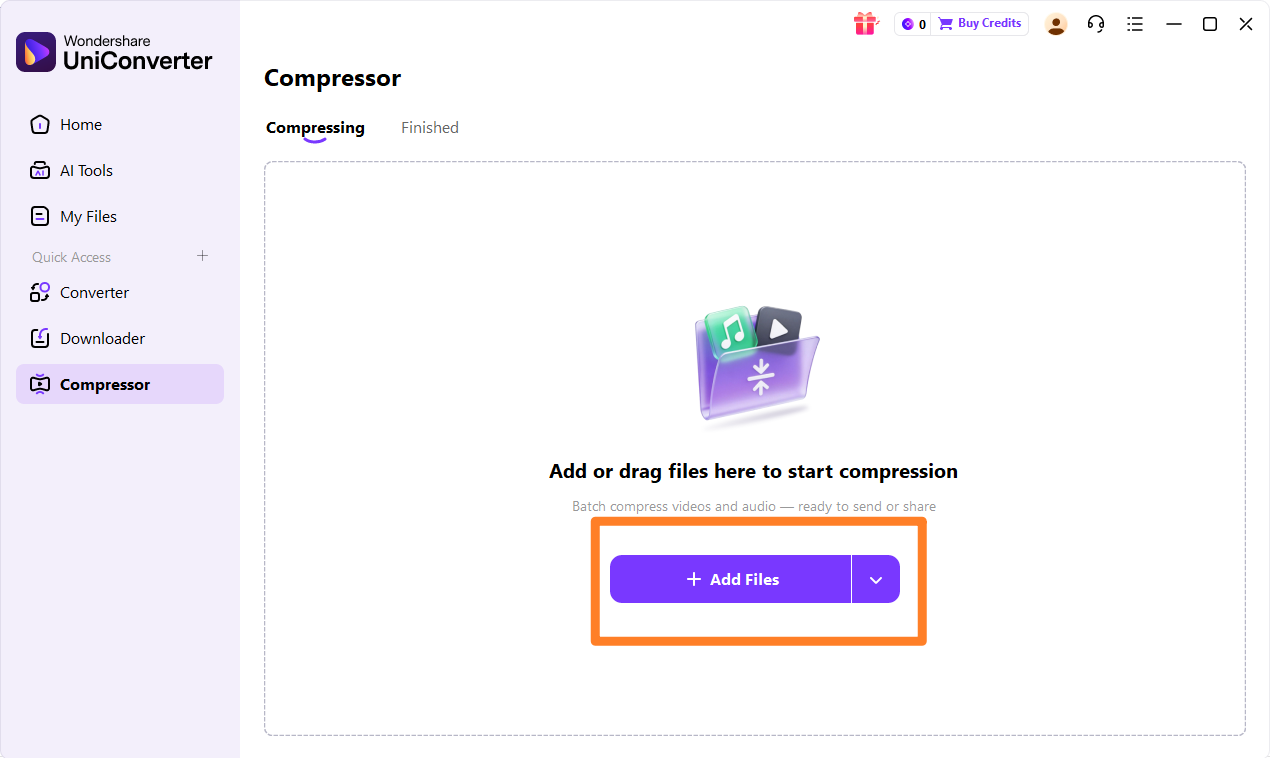
Step 2: Upload the Video, Audios or Images
Drag and drop your desired video, audio, or image files directly into the compressor window. UniConverter supports a wide array of formats, making it incredibly versatile.
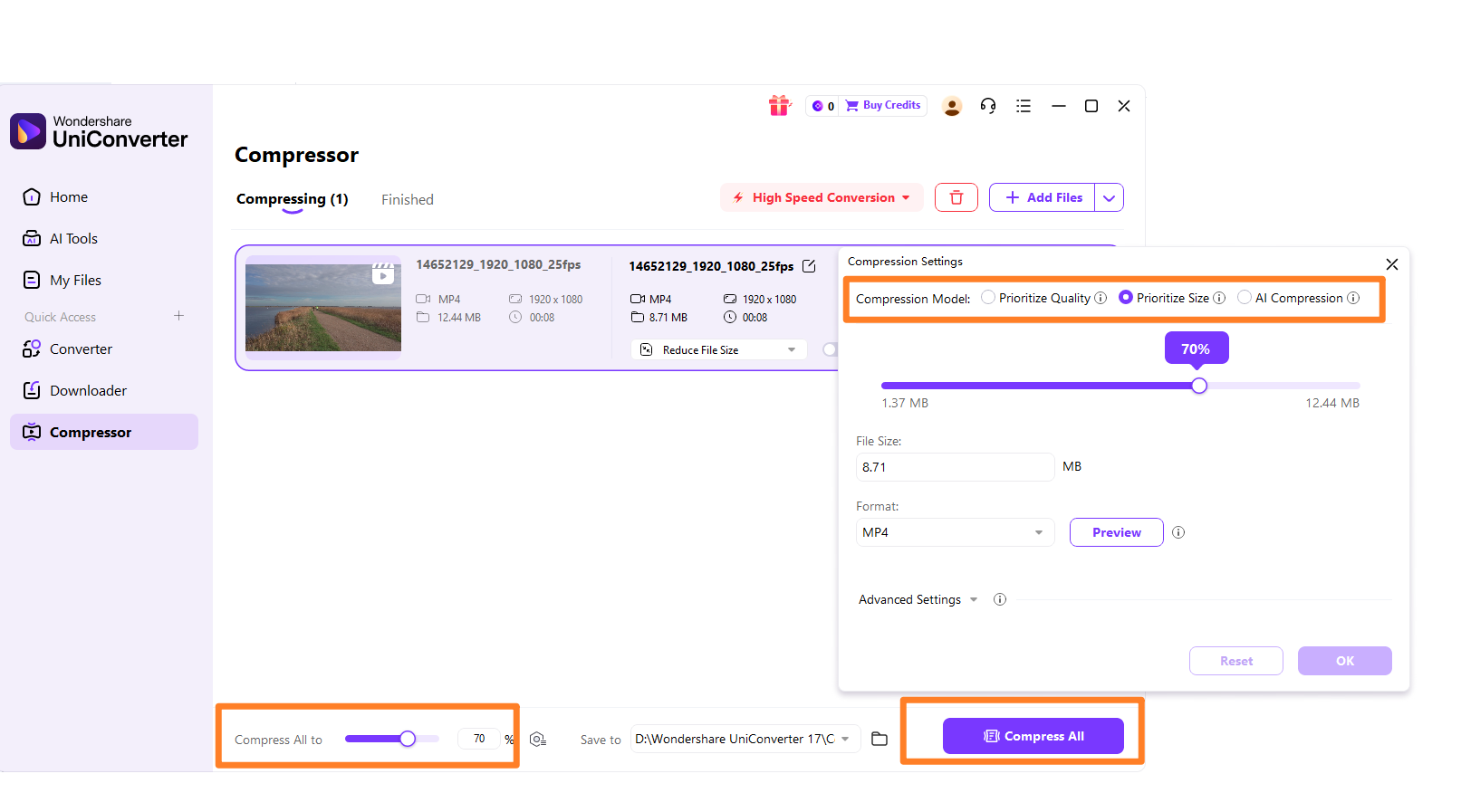
Step 3: Choose Required Parameters
Once your files are loaded, you can adjust various parameters such as output format, resolution, bitrate, and quality. UniConverter provides presets for common uses, or you can customize settings for precise control over the compression outcome.
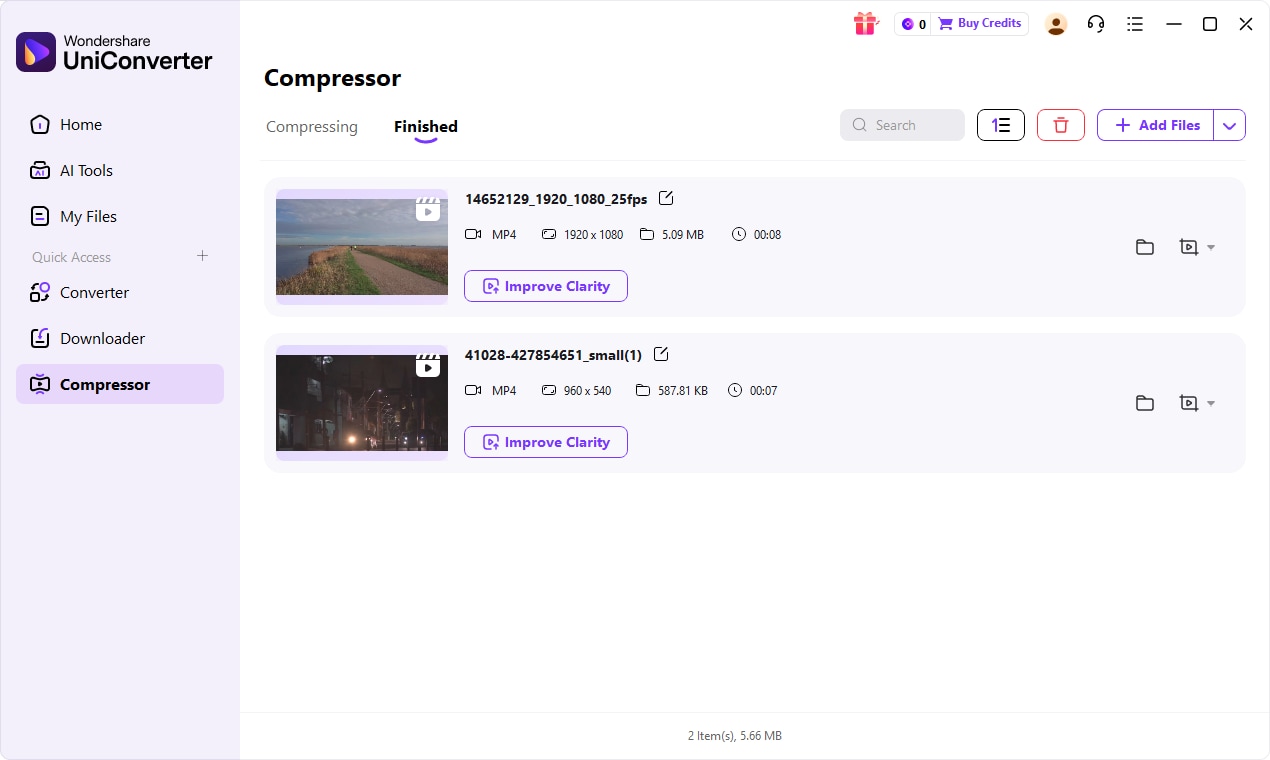
Step 4: Save the Compressed File
After configuring your settings, click the "Compress" button. UniConverter will quickly process your files. Once complete, you can save your optimized media to your desired location, ready for web upload or sharing.

ImageRecycle Alternative for Better Image Compression?
Part 7: Final Verdict & Recommendations
After thoroughly reviewing ImageRecycle Image Compressor and comparing it with its competitors, I can confidently say it's a strong contender in the image optimization space. Its deep CMS integrations and robust PDF compression capabilities make it particularly appealing for specific user groups. However, its subscription model and focus primarily on compression mean it might not be the perfect fit for everyone.
For high-volume websites and e-commerce platforms, ImageRecycle is a strong contender. If you're managing a large online store, a busy blog, or multiple client sites with constant image and PDF uploads, its automated features and reliable performance can be invaluable, saving you countless hours. The ability to set it up and let it run in the background is a significant advantage for maintaining site speed and SEO.
For occasional users or budget-conscious individuals, I'd recommend exploring the free tiers of competitors like TinyPNG or ShortPixel. These options can handle smaller volumes of images effectively without requiring a recurring subscription, making them ideal for personal projects or infrequent optimization needs.
For comprehensive multimedia needs, UniConverter offers a broader feature set. If your workflow involves not just images but also video and audio compression, conversion, and basic editing, UniConverter provides an all-in-one solution that goes beyond what dedicated image compressors offer. It's a more versatile tool for content creators who deal with a variety of media types.
Ultimately, prioritize image quality and user experience over aggressive compression. While smaller file sizes are desirable, never sacrifice visual integrity to the point where it negatively impacts your brand or user perception. Always test different compression levels and preview your optimized images to strike the right balance.
Part 8: FAQs
-
1. Does ImageRecycle Image Compressor support WebP conversion?
Yes, ImageRecycle offers WebP conversion to further optimize image delivery, helping your website load faster on modern browsers.
-
2. How does ImageRecycle handle image backups before compression?
ImageRecycle typically creates backups of original images, allowing for restoration if needed. This is a crucial feature for peace of mind, ensuring you can revert to the uncompressed versions.
-
3. Can I use ImageRecycle for images hosted on a CDN?
Integration with CDNs depends on the specific CDN and ImageRecycle's plugin capabilities. Some plugins might directly integrate, while others might require manual optimization before uploading to the CDN.
-
4. What is the difference between lossy and lossless compression in ImageRecycle?
Lossy compression reduces file size by permanently removing some data, which can lead to a slight, often imperceptible, drop in quality but significant file size reduction. Lossless compression reduces file size without any data loss, meaning the image quality remains identical to the original, though file size reduction is generally less dramatic.
-
5. Is ImageRecycle suitable for large image libraries with millions of images?
Yes, ImageRecycle is designed to handle large volumes of images, especially with its automated features and integrations. For extremely large libraries, however, I often find that a robust desktop solution like UniConverter can offer more control and faster processing, especially if you need to compress various media types beyond just images.
