
- Value: ImageOptim excels for macOS users needing free, lossless image compression for web projects.
- Comparison: Online tools offer cross-platform access and aggressive lossy compression for smaller files.
- Decision: Choose ImageOptim for macOS-specific, quality-preserving optimization; online tools for broader access or maximum file size reduction.
- Value: UniConverter provides a robust, cross-platform alternative for comprehensive image and media optimization.
- Decision: Consider UniConverter for advanced batch processing, diverse format support, and consistent, high-quality results.
In this article
- Part 1: What is ImageOptim?
- Part 2: ImageOptim: Core Features, Strengths, and Weaknesses
- Part 3: ImageOptim: Ideal Users and Practical Scenarios
- Part 4: ImageOptim and Competitors: A Comparative Analysis
- Part 5: Risks and Pitfalls in Image Compression
- Part 6: How to Use UniConverter for Efficient Image Compression
- Part 7: Conclusion
- Part 8: FAQs
When I'm looking to optimize images for my websites or projects, I often find myself weighing the pros and cons of various tools. Today, I'm diving deep into an ImageOptim Image Compressor review, comparing it against other popular options to help you understand which tool best fits your workflow. This review will cut through the noise, offering a scenario-based analysis of features, performance, and user experience, ensuring you make an informed decision for your image optimization needs.
Part 1: What is ImageOptim?
ImageOptim is a free, open-source utility for macOS that optimizes images by finding the best compression parameters and removing unnecessary metadata without compromising visual quality. It's designed to make your web pages load faster and reduce disk space by shrinking image files as much as possible. My goal with this review is to explore its capabilities, compare it with other image compressors, and ultimately help you decide if it's the right tool for your specific image optimization challenges.
The Growing Need for Efficient Image Optimization
* Faster Loading Times: Large image files are a primary culprit for slow website loading, leading to poor user experience and lower search engine rankings.
* Reduced Storage Costs: Optimizing images can significantly cut down on hosting and bandwidth costs, especially for websites with extensive visual content.
* Improved SEO Performance: Search engines favor faster websites, making image optimization a crucial component of a robust SEO strategy.
* Enhanced User Experience: Quicker loading times mean users are more likely to stay on your site, browse more content, and have a positive interaction.
Part 2: ImageOptim: Core Features, Strengths, and Weaknesses
ImageOptim is a powerful tool for macOS users, focusing on delivering high-quality image compression. It leverages multiple optimization tools, including Zopfli, Pngcrush, AdvPNG, extended OptiPNG, JPEGOptim, Gifsicle, and SVGO, to achieve the best possible results.
* Lossless Compression: Prioritizes reducing file size without any visible loss in image quality.
* Metadata Stripping: Automatically removes unnecessary EXIF data, color profiles, and other metadata to further shrink file size.
* Batch Processing: Allows you to drag and drop multiple images or folders for simultaneous optimization.
* Integration with Finder: Offers a convenient "Optimize Images" service in the Finder context menu for quick access.
* Customizable Settings: Provides options to fine-tune compression levels and choose which optimizers to use.
Pros:
* Lossless Compression for Uncompromised Quality
* Seamless Integration with macOS Workflow
* Open-Source and Community-Driven Development
Cons:
* macOS-Exclusive Availability
* Limited Advanced Features for Batch Processing
Part 3: ImageOptim: Ideal Users and Practical Scenarios
ImageOptim shines for specific user groups and workflows, particularly those deeply embedded in the Apple ecosystem. Its simplicity and effectiveness make it a go-to for quick, high-quality image optimization.
Best Use Case: Web Developers and Designers Seeking Quick, High-Quality Image Optimization for macOS Projects. If you're a macOS user working on web development, graphic design, or any project where image file size matters, ImageOptim is incredibly efficient. I find myself using it daily for client websites, ensuring images are perfectly optimized before deployment. Its drag-and-drop interface and lossless compression are invaluable for maintaining visual fidelity while boosting performance.
Limited Scenario: Cross-Platform Teams or Users Requiring Extensive Batch Processing and Cloud Integration. For teams that operate across Windows, Linux, and macOS, or individuals who need to process hundreds or thousands of images with complex rules, ImageOptim's macOS-only nature and somewhat basic batch processing capabilities can be a bottleneck. I've encountered situations where I needed to optimize images stored in cloud drives or apply specific compression profiles across a massive dataset, and ImageOptim, while excellent for individual tasks, felt less suited for these larger, more distributed workflows.
Part 4: ImageOptim and Competitors: A Comparative Analysis
When it comes to image optimization, ImageOptim is just one player in a diverse field. I've often compared it with other popular tools to see where it stands.
| Feature/Metric | ImageOptim | Image Compressor (Online Tool) | TinyPNG/TinyJPG | Squoosh |
| Platform | macOS | Web-based | Web-based | Web-based |
| Compression Type | Lossless/Lossy | Lossy | Lossy | Lossy/Lossless |
| Batch Processing | Limited | Yes | Yes | Yes |
| Advanced Settings | Basic | Moderate | Basic | Advanced |
| Offline Use | Yes | No | No | No |
| Price | Free | Freemium | Freemium | Free |
Key Differentiators: Offline Capability vs. Cross-Platform Accessibility
ImageOptim's strength lies in its offline capability and deep integration with macOS. For me, being able to optimize images without an internet connection is a huge plus, especially when I'm working on the go. However, its macOS exclusivity is a significant limitation for cross-platform teams. Online tools like Image Compressor, TinyPNG/TinyJPG, and Squoosh, while requiring an internet connection, offer universal accessibility. TinyPNG/TinyJPG and Squoosh are particularly strong for their aggressive lossy compression, often achieving smaller file sizes than ImageOptim, albeit with a potential, sometimes imperceptible, quality reduction. Squoosh stands out with its advanced settings, allowing for fine-grained control over compression algorithms and quality. If I need quick, high-quality, lossless compression on my Mac, ImageOptim is my go-to. But for maximum file size reduction, especially for web assets where a slight quality drop is acceptable, or when working on a non-Mac device, I lean towards the online alternatives.
Part 5: Risks and Pitfalls in Image Compression
While image compression is essential for web performance, it's not without its dangers. I've learned through experience that rushing into compression or using unreliable tools can lead to significant problems.
Potential Loss of Image Quality
One of the most common risks is over-compressing an image, leading to noticeable degradation in quality. While some tools promise "lossless" compression, aggressive settings in "lossy" compressors can introduce artifacts, blurriness, or color banding, especially in images with subtle gradients or fine details. I always recommend visually inspecting images after compression.
Data Privacy Concerns with Online Tools
When I use online image compressors, I'm always mindful of data privacy. Uploading sensitive or proprietary images to a third-party server can pose a risk. Some services might store your images temporarily, or worse, use them for their own purposes. Always read the privacy policy carefully before using any online tool, especially for client work.
Over-Compression Leading to Artifacts
Pushing compression too far, even with seemingly good tools, can result in visible artifacts. This is particularly true for JPEGs, where aggressive compression can lead to blockiness or "mosquito noise." For PNGs, over-optimization can sometimes lead to color shifts or banding. Finding the right balance between file size and visual integrity is crucial.
Inconsistent Results Across Different Compressors
I've noticed that different compression algorithms and tools yield varying results. An image optimized by ImageOptim might look slightly different or have a different file size compared to the same image processed by TinyPNG or Squoosh. This inconsistency can be problematic when maintaining a uniform visual standard across a large project or website.
Hidden Costs and Subscription Models
Many online image compressors operate on a freemium model. While they offer a free tier, it often comes with limitations on file size, batch processing, or the number of images you can process. To unlock full functionality, you might need to subscribe, which can become a hidden cost if you're not careful about your usage.
Part 6: How to Use UniConverter for Efficient Image Compression
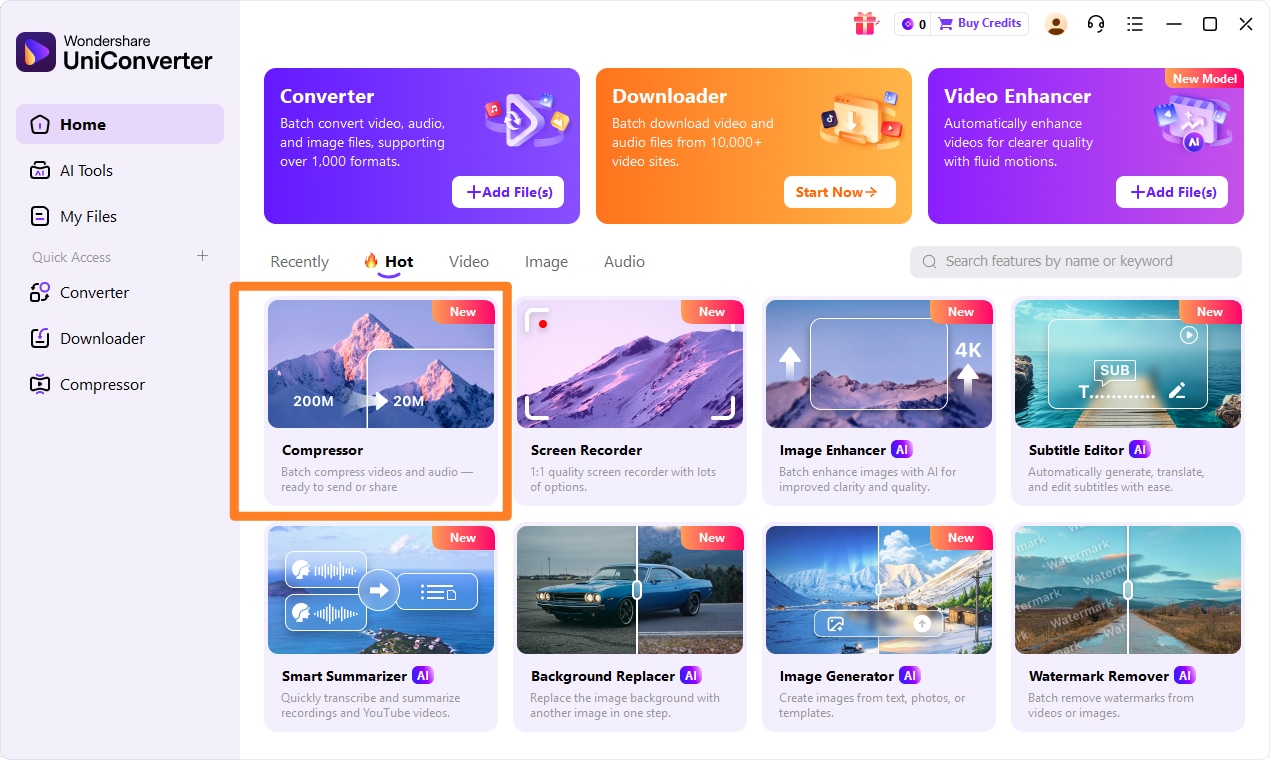
Sometimes, I find that specialized image compressors have their limitations – perhaps they don't support certain formats, struggle with batch processing, or the results aren't as consistent as I'd like. In such cases, I turn to UniConverter. It's a robust, all-in-one media solution that offers excellent image compression capabilities, free from ads, with broad format support, GPU acceleration, and stable, high-quality results, even for batch processing. It's my go-to for a comprehensive and reliable solution.
Step 1: Launch UniConverter and Select "Image Converter"
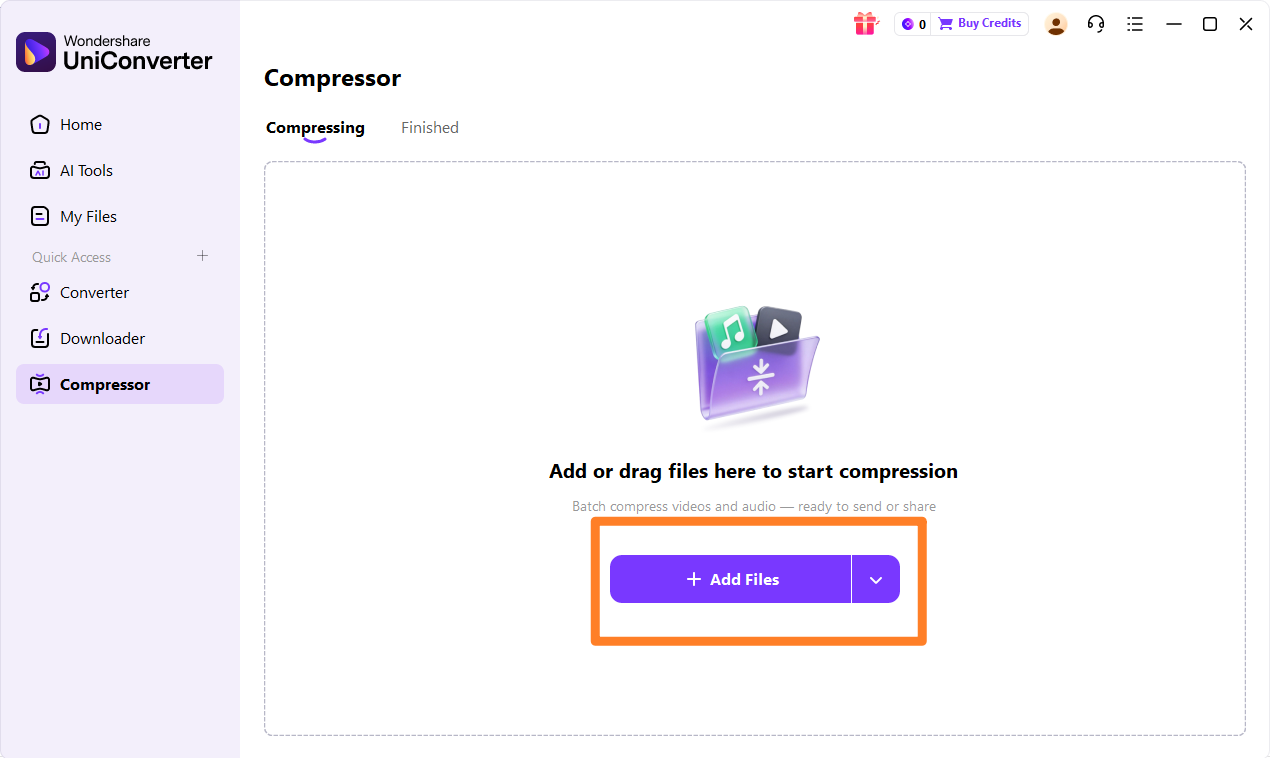
Step 2: Import Your Images for Compression
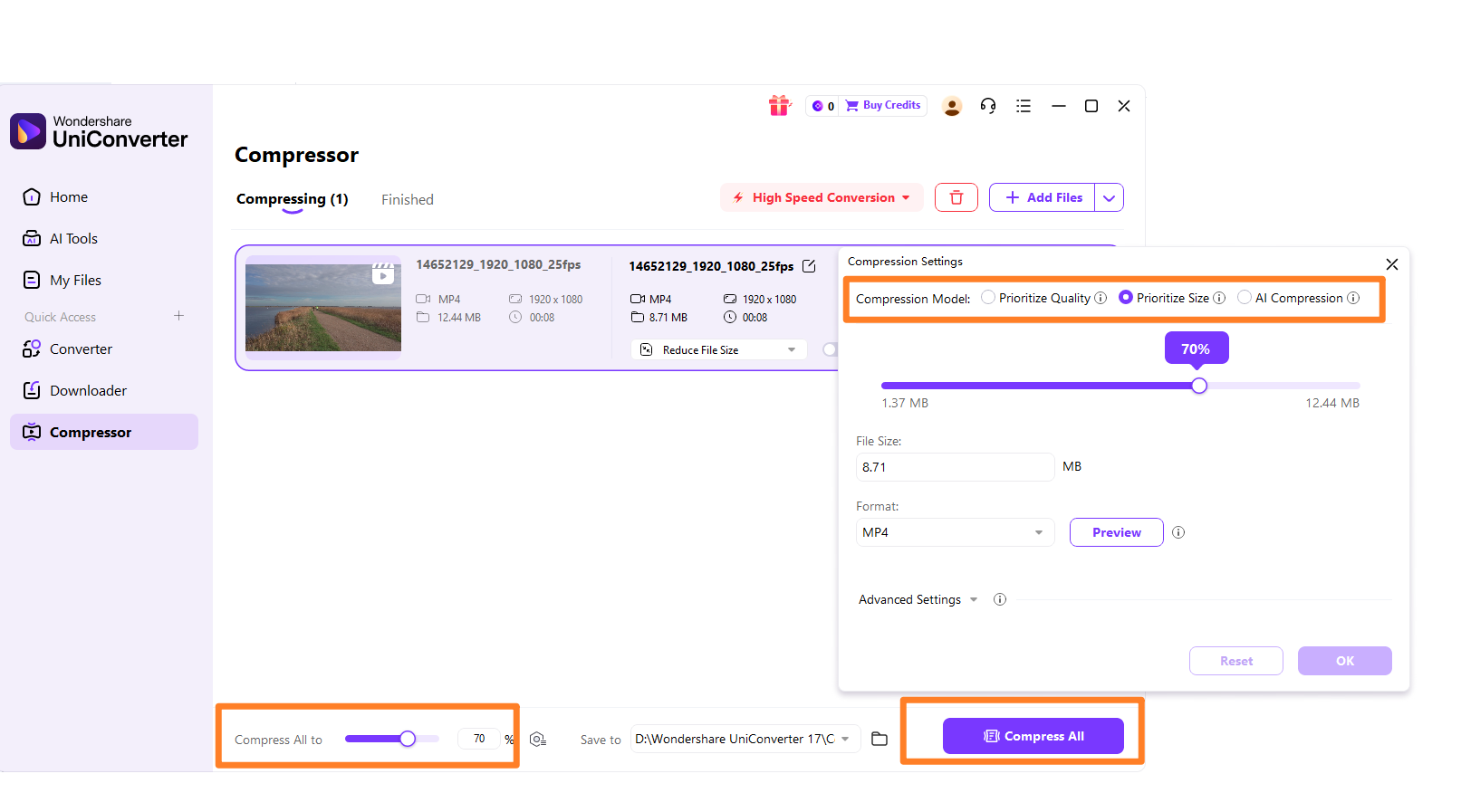
Step 3: Choose Output Format and Compression Level
UniConverter allows you to compress images of various formats. You can also adjust the compression level to achieve the desired file size reduction. For instance, you might want to compress videos or compress images for better compatibility and smaller file sizes. This tool also supports batch image converter operations, making it efficient for handling multiple files.
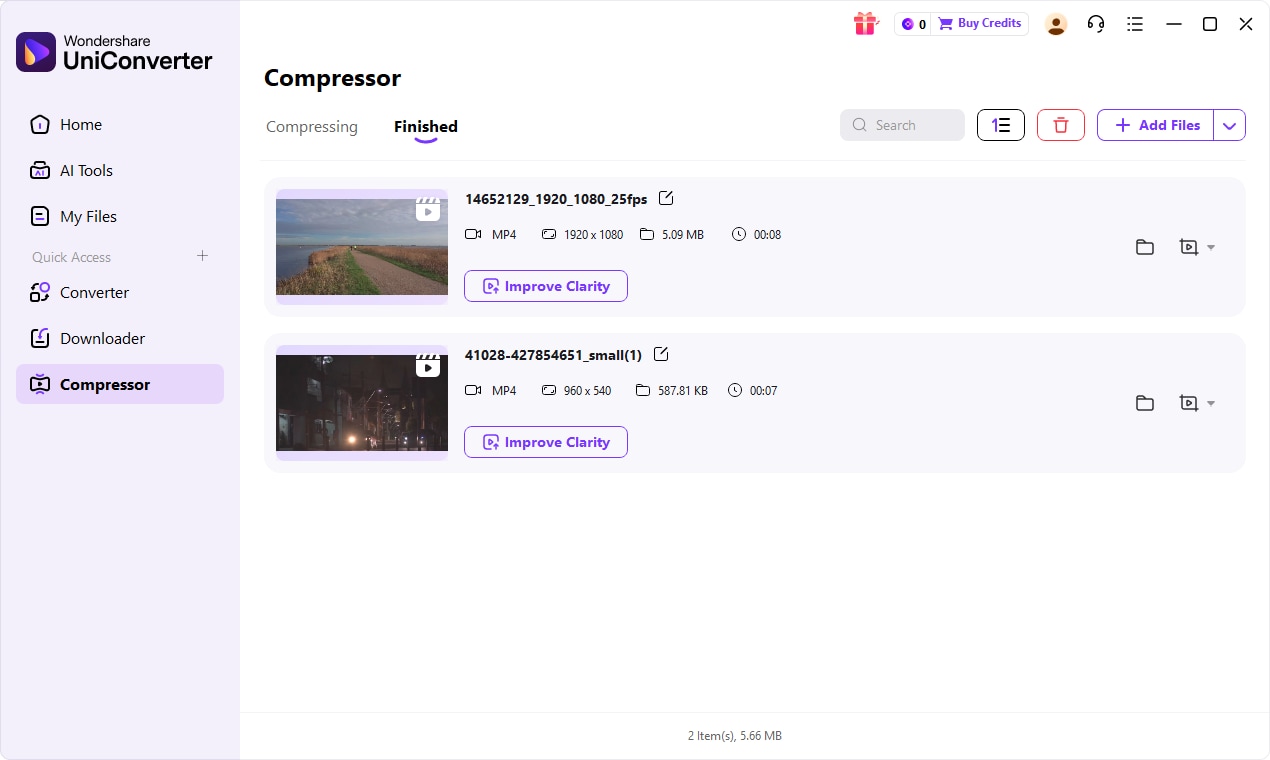
Step 4: Start Compression and Save Optimized Images

Beyond ImageOptim: Optimize Images Effortlessly
Part 7: Conclusion
After thoroughly exploring ImageOptim Image Compressor review and its competitors, I can confidently say that the best tool for image optimization largely depends on your specific needs and workflow. For macOS users who prioritize lossless compression, seamless integration with their operating system, and a free, open-source solution, ImageOptim remains an excellent choice. It's perfect for quick, high-quality optimizations for web projects and design tasks where maintaining visual fidelity is paramount. However, for cross-platform teams, projects requiring extensive batch processing, or those needing more aggressive lossy compression to achieve the smallest possible file sizes, online alternatives like TinyPNG/TinyJPG or Squoosh offer greater flexibility and accessibility. When dealing with potential risks like quality degradation, data privacy, or inconsistent results, it's crucial to choose your tools wisely and understand their limitations. For a comprehensive solution that offers broad format support, stable and high-quality compression, and advanced features like GPU acceleration and batch processing across various media types, UniConverter stands out as a robust all-in-one alternative. Ultimately, I recommend experimenting with a few options to find the one that best balances quality, file size, and workflow efficiency for your unique requirements.
Part 8: FAQs
-
1. **Is ImageOptim truly lossless?**
ImageOptim primarily focuses on lossless compression, meaning it reduces file size without discarding any data, thus preserving original image quality. However, it also offers options for lossy compression if you need to achieve even smaller file sizes, which might result in a slight, often imperceptible, quality reduction.
-
2. **Can I use ImageOptim on Windows or Linux?**
No, ImageOptim is exclusively available for macOS. If you're a Windows or Linux user, you'll need to look for alternative image optimization tools that are compatible with your operating system.
-
3. **How do online image compressors handle privacy?**
The privacy policies of online image compressors vary significantly. Some services delete your uploaded images immediately after processing, while others might store them temporarily. It's always crucial to review the privacy policy of any online tool before uploading sensitive or proprietary images to understand how your data is handled.
-
4. **What's the difference between lossy and lossless compression?**
Lossless compression reduces file size by removing redundant data without discarding any original information, ensuring no loss in image quality. Lossy compression, on the other hand, achieves greater file size reduction by permanently removing some data, which can potentially impact image quality, though often imperceptibly.
-
5. **When should I choose UniConverter over ImageOptim?**
I'd recommend UniConverter over ImageOptim when you need a cross-platform solution, advanced batch processing capabilities for a large volume of images, or if you require a broader suite of media conversion tools beyond just image optimization. UniConverter is also ideal if you're looking for a stable, ad-free experience with GPU acceleration for faster processing and support for a wider range of image and video formats.
