
- ImageOptim Review: Evaluate ImageOptim's performance, advantages, and limitations for macOS users.
- Value Comparison: Compare ImageOptim with web-based tools and UniConverter for diverse compression needs.
- Decision Guide: Understand use cases and pitfalls to choose the best image compression solution.
- UniConverter Alternative: Discover UniConverter for comprehensive, cross-platform image, audio, and video compression.
In this article
- Part 1: What is ImageOptim
- Part 2: ImageOptim's Core Performance, Advantages & Disadvantages
- Part 3: ImageOptim's Users and Use Cases
- Part 4: ImageOptim and Alternatives Comparison
- Part 5: Risks and Pitfalls in Image Compression
- Part 6: How to Use UniConverter to Efficiently Compress Audio and Video
- Part 7: Conclusion
- Part 8: FAQs
When it comes to optimizing images for the web and digital media, finding the right tool can significantly impact your workflow and website performance. This ImageOptim Image Compressor review delves into a scenario-based comparison of ImageOptim, a popular macOS-exclusive tool, against generic web-based compressors and a comprehensive alternative like UniConverter. I'll explore their core features, ideal use cases, and potential pitfalls, helping you make an informed decision based on your specific needs and priorities. From lossless compression to cross-platform versatility, I'll guide you through the nuances of each option, ensuring you choose the best solution for your image optimization tasks.
Part 1: What is ImageOptim
ImageOptim is a free, open-source image optimization tool specifically designed for macOS users. Its primary function is to reduce the file size of images without compromising their visual quality, making it an invaluable asset for web developers, designers, and anyone looking to speed up their websites or digital projects. I've found it to be a go-to for ensuring my images load quickly and efficiently online. This review aims to clarify whether ImageOptim is the best fit for your workflow, especially when compared to other available solutions.
Understanding Image Optimization for Web and Digital Media
* Faster Page Load Times: Optimized images are crucial for website speed, directly impacting user experience and SEO.
* Reduced Bandwidth Usage: Smaller image files consume less bandwidth, benefiting both website owners and visitors.
* Improved User Experience: Quick-loading pages prevent frustration and encourage longer engagement with your content.
* SEO Benefits: Search engines favor faster websites, giving optimized sites a ranking advantage.
Part 2: ImageOptim's Core Performance, Advantages & Disadvantages
ImageOptim excels in its core mission: compressing images efficiently. It supports various formats like JPEG, PNG, GIF, and SVG, applying advanced compression algorithms to achieve significant file size reductions. I've consistently seen it deliver impressive results without noticeable quality degradation.
* Lossless Compression: Prioritizes maintaining original image quality.
* Lossy Compression Options: Offers more aggressive compression when file size is paramount.
* Batch Processing: Compresses multiple images simultaneously, saving time.
* Drag-and-Drop Interface: Simplifies the process of adding images for optimization.
* Integration with Development Tools: Can be integrated into build processes for automated optimization.
Pros:
* Exceptional lossless compression for optimal image quality retention.
* Efficient batch processing capabilities for streamlined workflows.
* Seamless integration with popular image editors and development tools on macOS.
Cons:
* Exclusive availability for macOS severely limits its user base.
* Can exhibit slower performance when handling very large batches or extremely high-resolution images.
Part 3: ImageOptim's Users and Use Cases
ImageOptim is primarily tailored for a specific demographic: macOS users who require robust image optimization. If you're deeply embedded in the Apple ecosystem, this tool will feel right at home.
Best Use Case: As a web developer or designer working on macOS, I find ImageOptim indispensable for optimizing all my website images and application assets. It ensures that my sites load quickly and look crisp, without me having to worry about quality loss. Its lossless compression is a lifesaver for client projects where image fidelity is paramount.
Limited Use Case: If you're on Windows or Linux, ImageOptim simply isn't an option. Furthermore, if your needs extend beyond simple compression to include advanced image editing, format conversion, or video processing, ImageOptim's capabilities will feel very restrictive. It's a specialist tool, not a generalist.
Part 4: ImageOptim and Alternatives Comparison
When evaluating image compression tools, it's crucial to consider various factors beyond just file size reduction. Here's how ImageOptim stacks up against a generic web-based image compressor and UniConverter.
| Feature/Scenario | ImageOptim | Image Compressor (Generic Web Tool) | UniConverter | TinyPNG |
| Platform | macOS | Web-based | Windows/macOS | Web-based |
| Compression Type | Lossless/Lossy | Lossy (often) | Lossless/Lossy | Lossy (smart) |
| Batch Processing | Yes | Often limited | Yes | Yes (limited free) |
| Offline Use | Yes | No | Yes | No |
| Advanced Features | Limited | Basic | Extensive (editing, conversion) | Basic |
| Ease of Use | Moderate | Very Easy | Easy | Very Easy |
| Customer Support | Community/Open Source | Varies (often none) | Dedicated | |
| Security | Local processing | Uploads to server | Local processing | Uploads to server |
From my experience, ImageOptim shines for macOS users who prioritize offline, lossless compression and integration into their development workflow. Generic web tools are fantastic for quick, one-off compressions when I'm on a different machine or just need something fast. However, for a comprehensive solution that offers both powerful compression and a suite of other media tools across platforms, UniConverter stands out. TinyPNG is great for quick, high-quality lossy PNG compression online.
Part 5: Risks and Pitfalls in Image Compression
While image compression is incredibly beneficial, it's not without its risks, especially if you're not careful or use unreliable tools. I've encountered several issues that you should be aware of.
Potential Loss of Image Quality
The most common pitfall is over-compressing an image, leading to a noticeable degradation in quality. While some tools offer "lossless" compression, many web-based or free tools use "lossy" methods by default, which permanently discards image data. If you push the compression too far, you might end up with blurry, pixelated, or artifact-ridden images that are unusable. Always preview your compressed images.
Privacy Concerns with Online Compressors
When I upload sensitive or proprietary images to an online compressor, I always consider the privacy implications. Many free online tools store your images on their servers, even if temporarily. This can be a significant risk if the images contain personal information, client data, or confidential project details. Always read the privacy policy of any online tool before uploading.
Unexpected File Size Increases with Incorrect Settings
It might sound counterintuitive, but sometimes incorrect compression settings can actually increase file size. This often happens when converting between formats or applying settings that are not optimal for the specific image type. For example, saving a highly detailed photo as a GIF with too many colors can result in a larger file than a well-compressed JPEG.
Over-Compression Leading to Artifacts
Beyond general quality loss, over-compression can introduce specific visual artifacts. These can include "banding" in gradients, "blockiness" in smooth areas, or "mosquito noise" around sharp edges. These artifacts are particularly noticeable in JPEGs and can make an otherwise good image look unprofessional. It's a fine line between optimal compression and visual degradation.
Inconsistent Results Across Different Tools
I've found that different compression tools, even with similar settings, can produce vastly different results in terms of file size and quality. Relying on a single, untested tool for critical projects can lead to inconsistent output. It's wise to test a few options and stick with one that consistently meets your quality and file size requirements.
Part 6: How to Use UniConverter to Efficiently Compress Audio and Video
For workflows that go beyond a single-purpose tool like ImageOptim, UniConverter is a much more flexible option. It works well for image compression, while also supporting audio compression and video compression, so it’s easier to manage different types of media in one place. I also like that it offers a smoother cross-platform experience, GPU acceleration for faster processing, and efficient batch handling when I need to work through multiple files at once. For video files in particular, it can help compress videos without quality loss as much as possible, which makes it a practical all-in-one toolkit for everyday media compression.
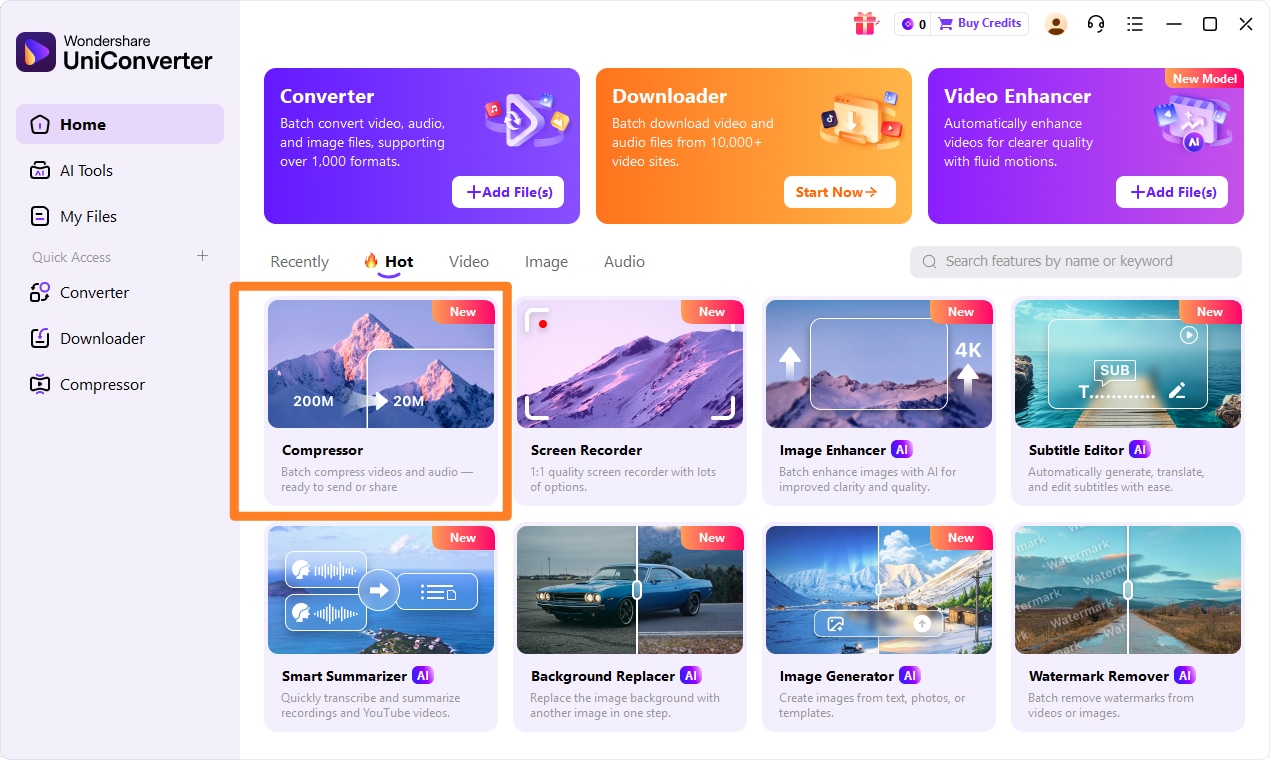
Step 1: Open UniConverter and Choose Compressor
Launch UniConverter on your computer. On the main interface, navigate to the "Toolbox" section and select the "Image Converter" or "Video Compressor" option depending on your file type.
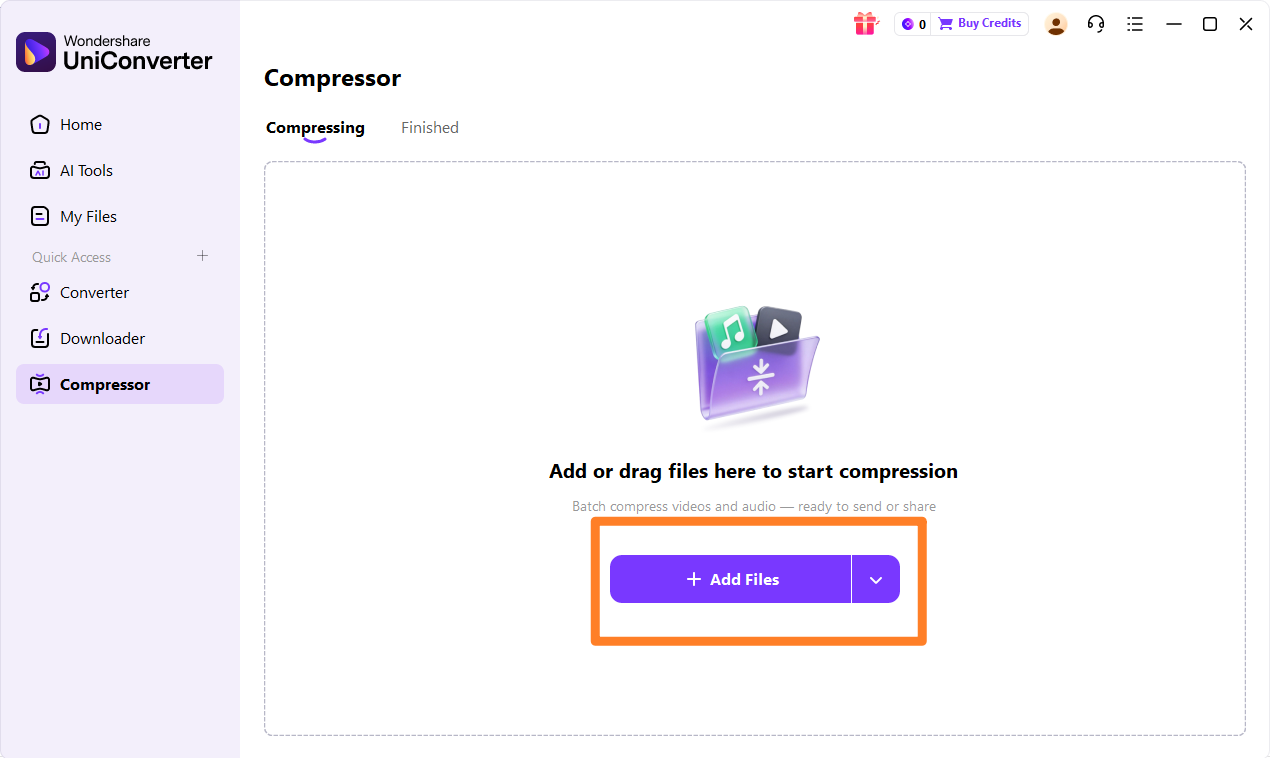
Step 2: Upload the Video, Audios or Images
Drag and drop your desired video, audio, or image files directly into the UniConverter window. You can add multiple files for batch processing.
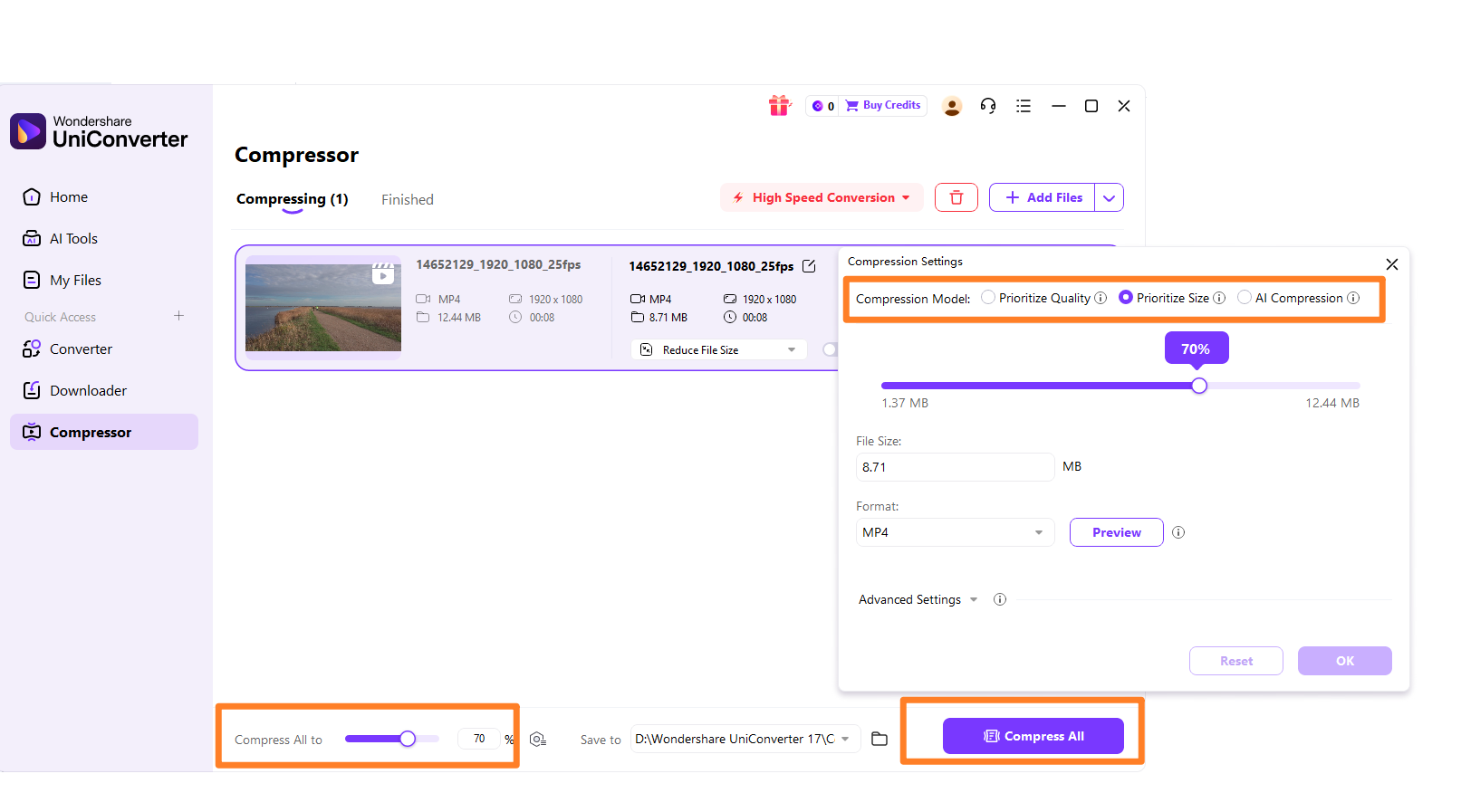
Step 3: Choose Required Parameters
For images, select your desired output format and compression quality. For videos and audios, you can adjust parameters like resolution, bitrate, and format to achieve the optimal balance between file size and quality.
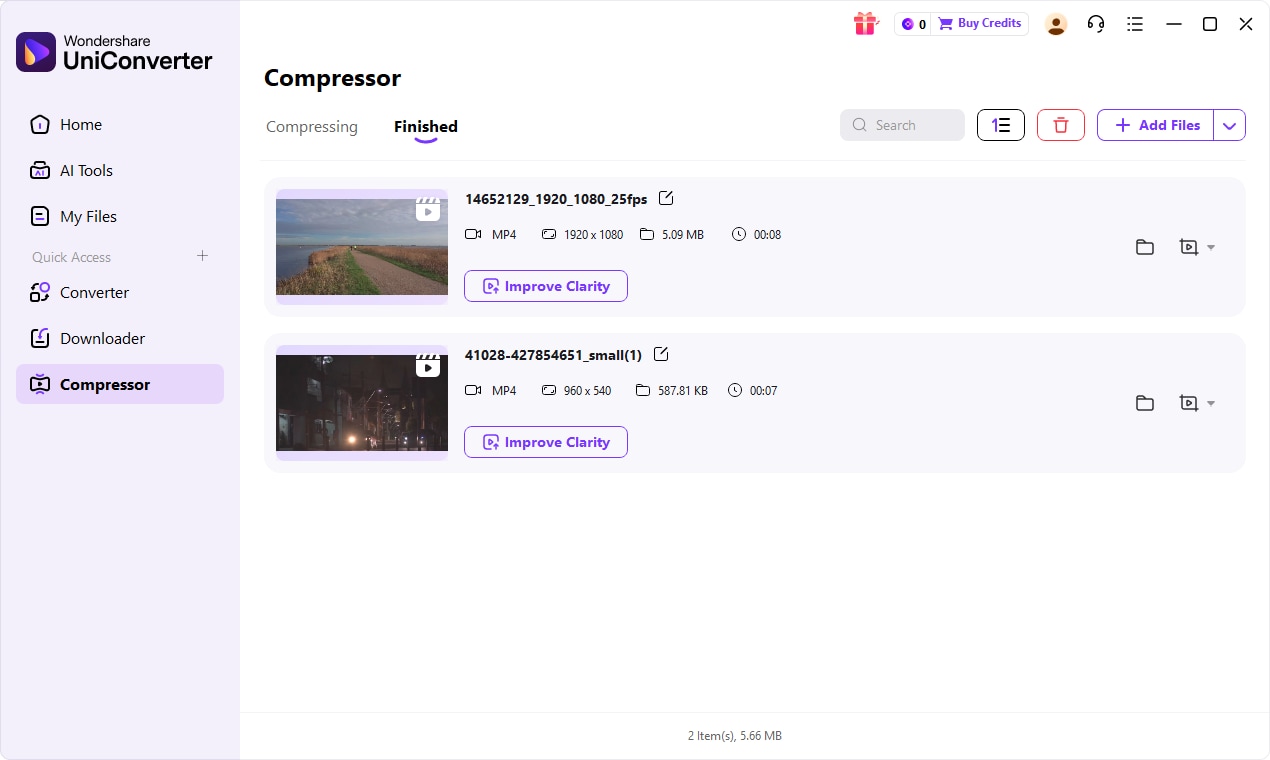
Step 4: Save the Compressed File
After selecting your settings, click the "Compress" or "Start All" button. UniConverter will process your files quickly. Once done, you can find your optimized files in the specified output folder.

ImageOptim Alternative for Better Image Compression
Part 7: Conclusion
In conclusion, this ImageOptim Image Compressor review highlights that the best image optimization tool largely depends on your specific needs and operating system. For macOS users prioritizing lossless compression and seamless integration into a development workflow, ImageOptim remains an excellent, free choice. Its efficiency in batch processing and commitment to quality are undeniable strengths. However, its macOS exclusivity is a significant limitation for users on other platforms. Generic web-based compressors offer quick, convenient solutions for one-off tasks, but often come with compromises in terms of quality control, privacy, and advanced features. For those requiring a versatile, cross-platform solution that extends beyond just image compression to include comprehensive video and audio processing, UniConverter stands out as a superior alternative. It provides a balanced approach with robust features, reliability, and a user-friendly experience, making it ideal for a broader range of users and complex media projects. Ultimately, consider your workflow, platform, and the importance of quality versus convenience when making your decision.
Part 8: FAQs
-
1. What is the difference between lossless and lossy compression?
Lossless compression reduces file size without discarding any image data, meaning the image quality remains identical to the original. Lossy compression, on the other hand, removes some data to achieve significantly smaller file sizes, which can potentially impact visual quality, especially if over-compressed.
-
2. Can I use ImageOptim on Windows?
No, ImageOptim is exclusively available for macOS. If you're a Windows user looking for similar functionality, you'll need to explore alternatives like UniConverter or other dedicated image compressors for Windows.
-
3. Are online image compressors safe for sensitive images?
It depends heavily on the specific online tool. Many free online compressors store uploaded images on their servers, which can pose privacy risks for sensitive content. Always review the privacy policy of any online tool before uploading confidential or personal images. For maximum security, desktop applications like UniConverter process files locally, keeping your data private.
-
4. How much file size reduction can I expect from image compression?
The amount of file size reduction varies greatly depending on the original image, the compression method used (lossless vs. lossy), and the desired quality settings. You can often expect reductions ranging from 20% to 80% or even more for highly unoptimized images.
-
5. Does image compression affect SEO?
Yes, absolutely. Optimized images lead to faster page load times, which is a crucial factor in search engine optimization (SEO) ranking. Google and other search engines favor websites that load quickly, as this provides a better user experience. Therefore, compressing your images is an essential step for improving your website's SEO performance.
