
- ImageKit Value: ImageKit excels in real-time AI optimization for dynamic content, crucial for e-commerce and web apps.
- Feature Comparison: ImageKit, Cloudinary, and Imgix offer similar robust features; TinyPNG is for simpler, static compression.
- Ideal Use Cases: Best for e-commerce, media, and developers needing scalable, high-performance image delivery.
- Potential Pitfalls: Consider learning curve, complex pricing, vendor lock-in, and potential cost escalation.
- UniConverter Alternative: UniConverter offers a user-friendly, stable desktop solution for batch compression, ideal for local files and broad format support.
In this article
- Part 1: What is ImageKit Image Compressor?
- Part 2: ImageKit Image Compressor: Core Features, Pros, and Cons
- Part 3: ImageKit Image Compressor: Ideal Users and Use Cases
- Part 4: ImageKit Image Compressor vs. Competitors
- Part 5: Risks and Pitfalls to Consider
- Part 6: How to Use UniConverter for Efficient Image Compression
- Part 7: Conclusion
- Part 8: FAQs
When I started my e-commerce venture, I quickly realized that image optimization was crucial for website performance and user experience. Slow-loading product pages were a conversion killer. That's when I began my deep dive into tools like ImageKit Image Compressor review, a service that promises to deliver optimized images without compromising quality. This ImageKit Image Compressor review will explore its features, compare it with alternatives, and help you decide if it's the right solution for your image compression needs, whether you're a developer or a small business owner.
Part 1: What is ImageKit Image Compressor?
ImageKit Image Compressor is a cloud-based image optimization and transformation platform designed to deliver high-quality, optimized images across various devices and network conditions. It's built to address the growing demand for faster web experiences, especially in an era where visual content dominates online interactions. My initial impression was that it aims to be a comprehensive solution, not just a simple compression tool.
The Growing Need for Efficient Image Compression
* Faster Load Times: Large image files significantly slow down website loading, leading to higher bounce rates and poor user engagement.
* Improved SEO Rankings: Search engines favor faster websites, making image optimization a critical factor for visibility.
* Enhanced User Experience: Seamless and quick access to visual content is paramount for retaining visitors and converting them into customers.
* Reduced Bandwidth Costs: Optimized images consume less data, benefiting both website owners and users on limited data plans.
Part 2: ImageKit Image Compressor: Core Features, Pros, and Cons
ImageKit Image Compressor offers a robust set of features aimed at automating and streamlining image optimization. From my experience, its core strength lies in its ability to handle dynamic image delivery efficiently.
Core Features:
* Real-time Optimization: Images are optimized on the fly based on device, browser, and network conditions.
* AI-powered Compression: Utilizes advanced algorithms to achieve optimal quality-to-size ratios.
* Format Conversion: Automatically converts images to modern formats like WebP and AVIF for better performance.
* Responsive Images: Delivers appropriately sized images for different screen resolutions.
* CDN Integration: Seamlessly integrates with content delivery networks for global image distribution.
Pros:
* Real-time Optimization for Dynamic Content Delivery: This is a game-changer for websites with diverse user bases and varying device capabilities. I've seen significant improvements in load times across different devices.
* Advanced AI-powered Compression for Optimal Quality-to-Size Ratio: The AI truly makes a difference. I've been impressed by how much file size reduction it achieves without noticeable quality degradation.
* Seamless Integration with Existing Workflows and CDNs: Setting it up with my existing CDN and development pipeline was surprisingly straightforward, which saved me a lot of time.
Cons:
* Potential Learning Curve for Advanced Features: While basic setup is easy, unlocking the full potential of ImageKit's advanced transformations and optimization rules can take some time to master.
* Pricing Structure Can Be Complex for Small Businesses: The tiered pricing, based on bandwidth and transformations, can be a bit daunting to predict for smaller operations with fluctuating usage.
Part 3: ImageKit Image Compressor: Ideal Users and Use Cases
ImageKit Image Compressor is particularly well-suited for businesses and developers who prioritize performance and scalability in their image delivery. It's not a one-size-fits-all solution, but it shines in specific scenarios.
Ideal Users: E-commerce businesses, media publishers, web developers, and SaaS companies that rely heavily on visual content and need to deliver it efficiently to a global audience.
Scenario 1: E-commerce Platforms Requiring Fast-Loading Product Images
For an e-commerce platform, every millisecond counts. I've personally seen how ImageKit significantly reduces the load time of product image galleries, leading to a smoother browsing experience and, ultimately, higher conversion rates. The real-time optimization ensures that customers on mobile devices or slow connections still get a fast experience without compromising image quality. This is its best use case, in my opinion.
Scenario 2: Developers Integrating Image Optimization into Web Applications
As a developer, integrating ImageKit into my web applications has streamlined the entire image pipeline. Instead of manually optimizing images or writing complex server-side scripts, I can simply upload images and let ImageKit handle the rest. This frees up development time and ensures consistent image quality and performance across all my projects. However, for a simple static website with only a few images, the overhead and cost might be overkill.
Part 4: ImageKit Image Compressor vs. Competitors
When evaluating image optimization tools, it's crucial to compare them against other leading solutions to understand their unique strengths and weaknesses. I've looked at several alternatives to ImageKit.
| Feature/Competitor | ImageKit Image Compressor | Cloudinary | Imgix | TinyPNG |
| Real-time Optimization | Yes | Yes | Yes | No |
| AI Compression | Yes | Yes | Yes | Yes |
| CDN Integration | Excellent | Excellent | Excellent | Fair |
| Pricing Model | Tiered | Tiered | Tiered | Freemium/Subscription |
| Ease of Use | Moderate | Moderate | Moderate | High |
| Processing Speed | Very Fast | Very Fast | Very Fast | Moderate |
| Output Quality | Excellent | Excellent | Excellent | Good |
| Customer Support | Good | Excellent | Good | Basic |
| Security | High | High | High | Moderate |
Key Differentiators: Real-time AI Optimization and Scalability
ImageKit, Cloudinary, and Imgix all excel in real-time AI optimization and scalability, making them top choices for dynamic image delivery. ImageKit stands out with its user-friendly dashboard and strong focus on developer experience. TinyPNG, while excellent for simple, static image compression, lacks the real-time capabilities and advanced transformations offered by the cloud-based platforms. For complex, high-volume needs, the former three are superior, while TinyPNG is perfect for quick, manual optimizations.
Part 5: Risks and Pitfalls to Consider
While powerful, cloud-based image optimization services like ImageKit come with their own set of considerations. It's important to be aware of potential risks before fully committing.
Data Privacy and Security Concerns
When you upload your images to a third-party cloud service, you're entrusting them with your data. I always scrutinize their data privacy policies and security measures. While ImageKit has robust security, the risk of data breaches or unauthorized access, however small, is always present with any cloud service. It's crucial to understand how they handle your intellectual property and sensitive image content.
Impact on Image Quality for Specific Use Cases
While AI compression is generally excellent, there can be specific edge cases where the automated compression might not meet your exact quality requirements. For highly artistic images or those with intricate details, I sometimes find myself needing more granular control than what the automated settings provide. It's worth testing with your most critical images to ensure the output quality is acceptable.
Vendor Lock-in and Migration Challenges
Committing to a cloud-based image optimization platform can lead to vendor lock-in. If you decide to switch providers later, migrating all your image assets and updating your integration points can be a significant undertaking. This is a common challenge with any comprehensive cloud service, and it's something I always factor into my long-term strategy.
Cost Escalation with High Usage Volumes
The tiered pricing models, common among these services, can lead to unexpected cost escalations if your image usage or transformation needs grow rapidly. It's essential to monitor your usage closely and understand the pricing tiers to avoid bill shock. For small businesses, this can be a particular concern if they experience sudden spikes in traffic or content.
Part 6: How to Use UniConverter for Efficient Image Compression
Sometimes, cloud-based solutions can feel like overkill, or you might encounter situations where batch compression of local files is needed, or if other tools don't support batch compression, have unstable results, or cause quality loss. In such cases, I often turn to UniConverter. It's a fantastic desktop solution that offers a user-friendly and powerful alternative for image compression, especially for users seeking broad format support and a stable, lossless experience without ads. UniConverter is my go-to for an all-in-one solution for video, audio, and image compression, leveraging GPU acceleration for speed and offering stable, high-quality results.
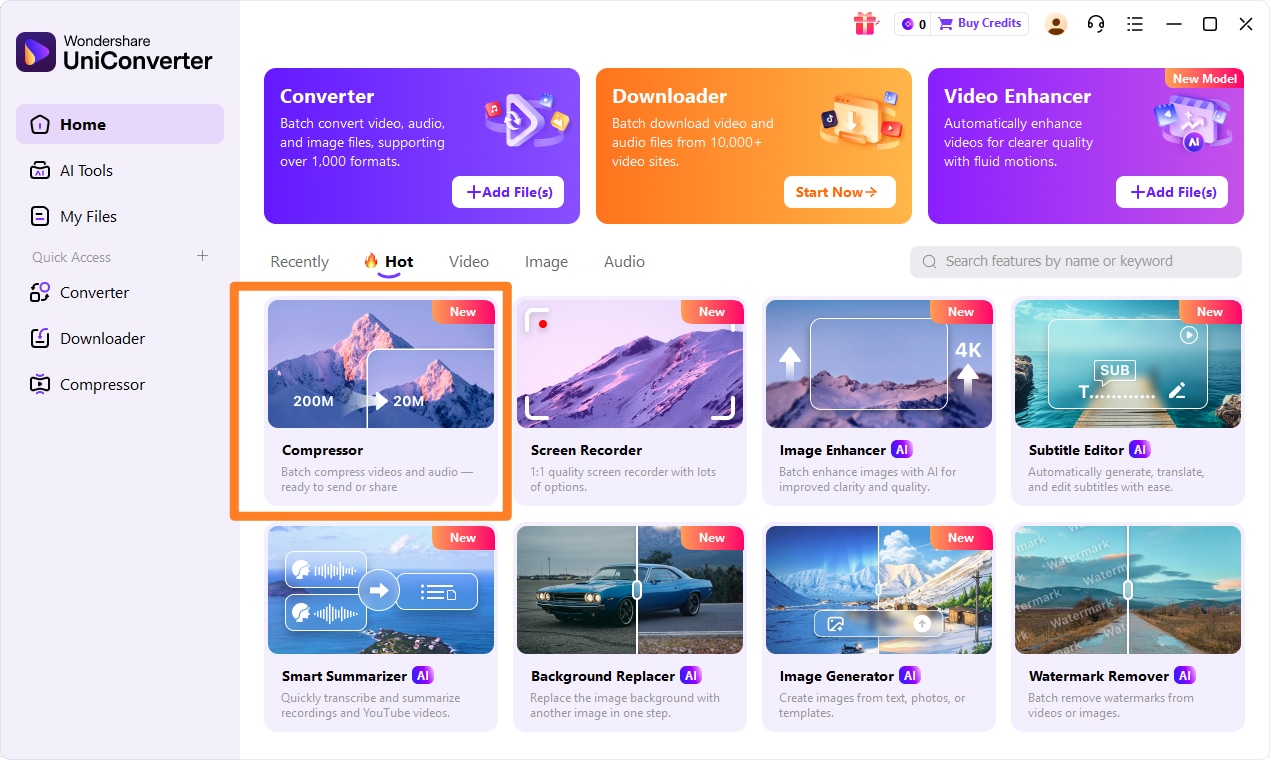
Step 1: Open UniConverter and Choose Compressor
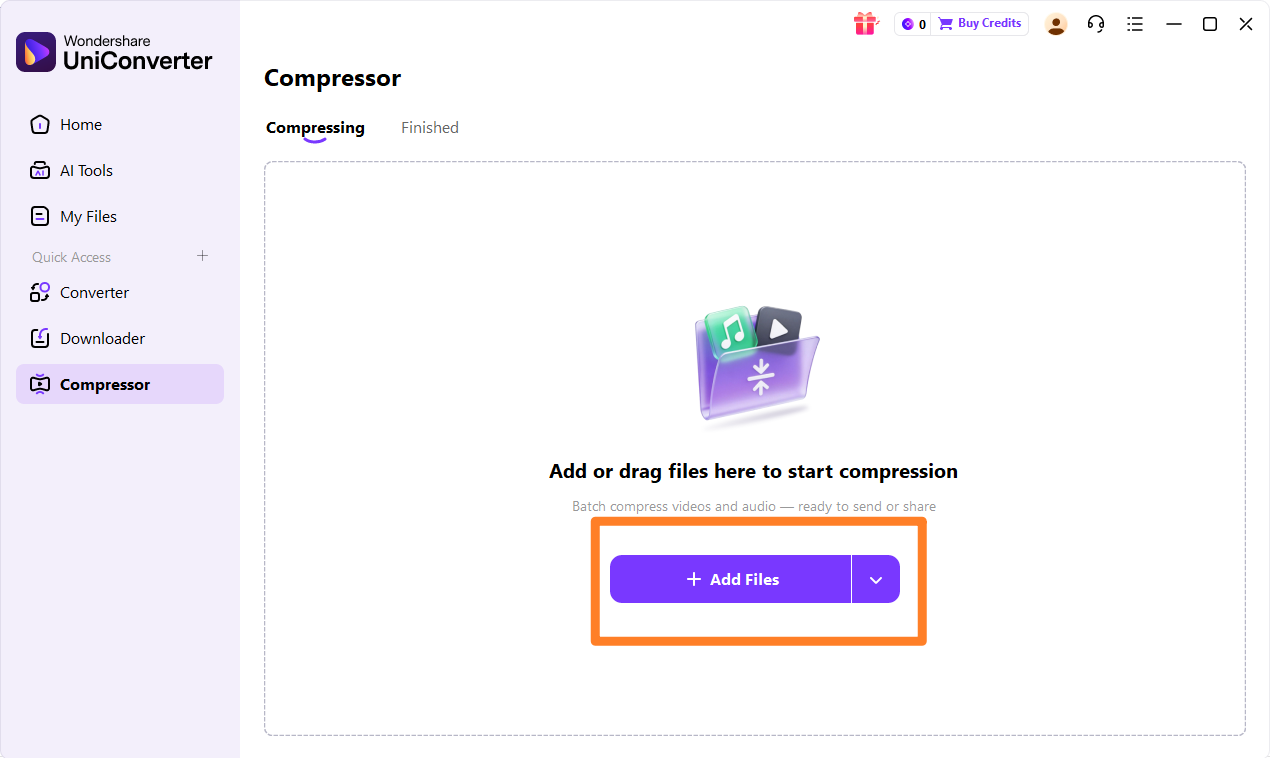
Step 2: Upload the Video, Audios or Images
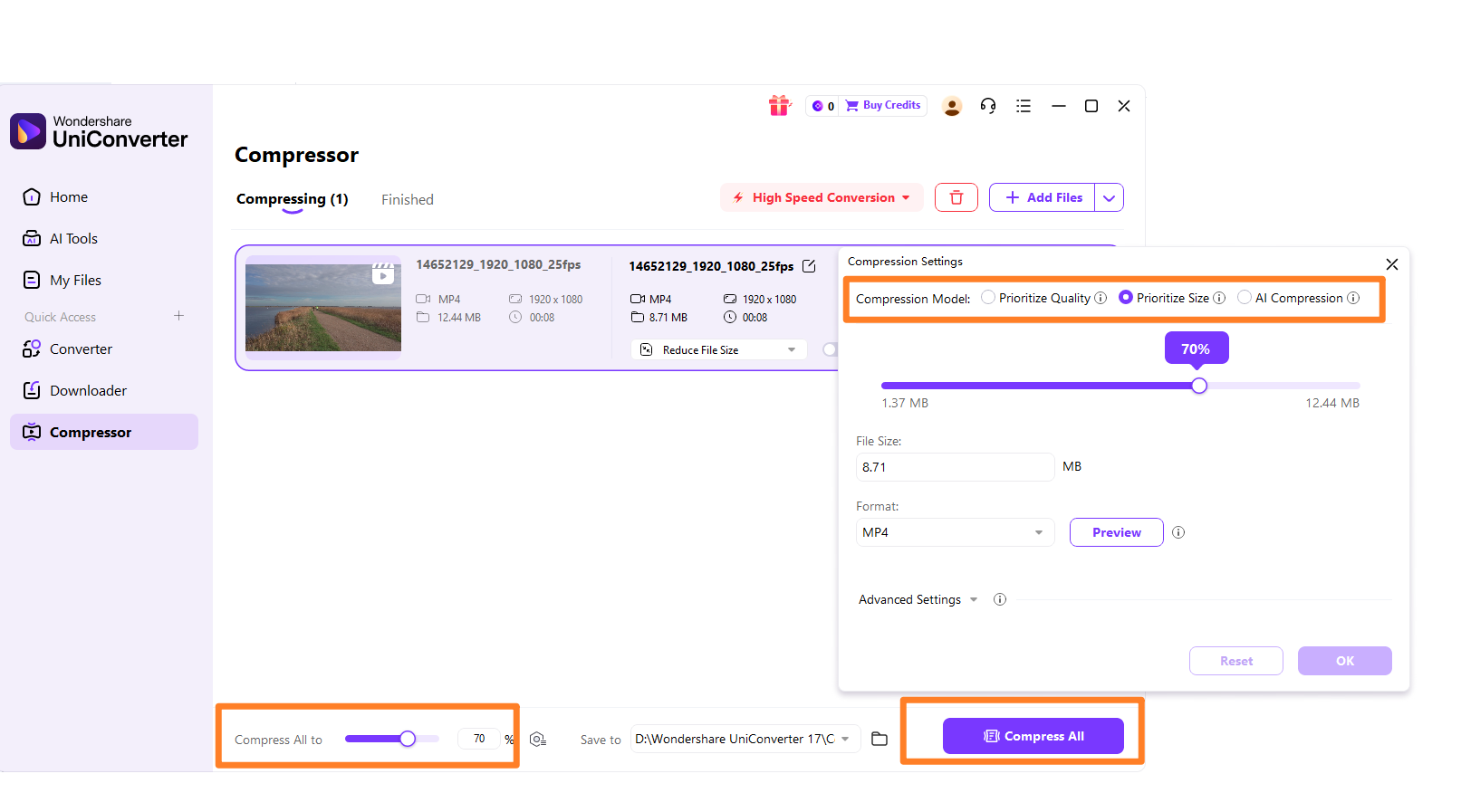
Step 3: Choose Required Parameters
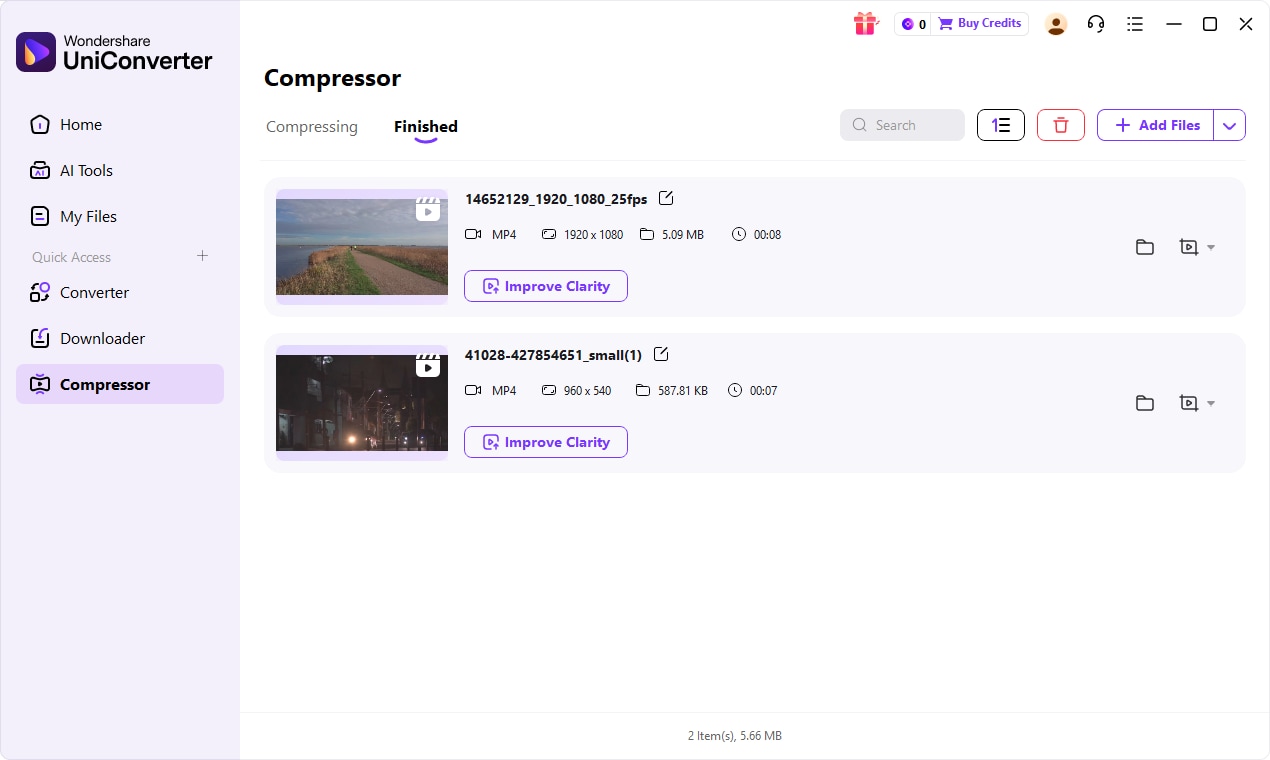
Step 4: Save the Compressed File

ImageKit Image Compressor Alternative?
Part 7: Conclusion
After a thorough ImageKit Image Compressor review, I can confidently say it's a robust and highly effective solution for dynamic image optimization, especially for businesses with significant visual content needs. Its real-time AI compression and seamless CDN integration make it a powerful tool for improving website performance and user experience. However, its complexity and pricing structure might be a hurdle for smaller operations or those with simpler requirements. For large-scale e-commerce platforms or developers building image-heavy web applications, ImageKit is a strong contender that delivers tangible results. For users who need a desktop-based, ad-free, and versatile solution for batch compression of various media types, UniConverter excels as a reliable alternative. Ultimately, the best choice depends on your specific workflow, budget, and the scale of your image optimization needs.
Part 8: FAQs
-
1. How does ImageKit Image Compressor handle image quality during compression?
ImageKit uses advanced AI algorithms to analyze images and apply optimal compression techniques. It aims to achieve the smallest possible file size while maintaining visual quality that is imperceptible to the human eye. You can also set specific quality parameters if you need more control.
-
2. Is ImageKit Image Compressor suitable for small personal websites?
While ImageKit can technically be used for small personal websites, its advanced features and pricing model might be overkill. For a few static images, simpler tools like TinyPNG or even a desktop compressor like UniConverter might be more cost-effective and easier to manage.
-
3. What are the main differences between ImageKit and other cloud-based image optimizers like Cloudinary or Imgix?
All three offer similar core functionalities like real-time optimization, AI compression, and CDN integration. The main differences often lie in their specific API design, dashboard usability, pricing structures, and unique niche features. ImageKit often gets praise for its developer-friendly approach and ease of integration.
-
4. Can I integrate ImageKit Image Compressor with my existing content management system?
Yes, ImageKit provides SDKs and detailed documentation for integration with various platforms and programming languages. Many users successfully integrate it with popular CMS like WordPress, Shopify, and custom-built applications.
-
5. What kind of customer support does ImageKit offer?
ImageKit typically offers tiered customer support based on your subscription plan, ranging from email support to dedicated account managers for enterprise clients. For quick, offline image compression needs or if you prefer a one-time purchase with comprehensive support, UniConverter also offers excellent customer service.
