
- Value: ImageAlpha excels at lossy PNG compression for web, drastically reducing file sizes while preserving visual quality.
- Comparison: ImageAlpha offers superior control for PNGs compared to web tools, but lacks multi-format support and batch processing.
- Decision: Ideal for Mac web developers needing precise PNG optimization; consider UniConverter for diverse formats and cross-platform batch processing.
- Value: UniConverter provides an all-in-one, stable, GPU-accelerated solution for image, video, and audio compression, avoiding ImageAlpha's limitations.
- Decision: Choose ImageAlpha for dedicated Mac PNG optimization; opt for UniConverter for versatile, efficient compression across platforms and media types.
In this article
- Part 1: What is ImageAlpha?
- Part 2: ImageAlpha's Core Features, Pros, and Cons
- Part 3: ImageAlpha's Ideal Users and Use Cases
- Part 4: ImageAlpha and Competitors: A Comparative Overview
- Part 5: Risks and Pitfalls to Consider
- Part 6: How to Use UniConverter for Efficient Image Compression
- Part 7: Final Verdict and Recommendations
- Part 8: FAQs
ImageAlpha Image Compressor: An In-Depth Review and Comparison
When it comes to web performance, image optimization is paramount. Large image files can significantly slow down page load times, impacting user experience and SEO. This is where tools like ImageAlpha come into play. ImageAlpha is a specialized application designed to drastically reduce the file size of PNG images through intelligent lossy compression. In this ImageAlpha Image Compressor review, I'll dive deep into its capabilities, compare it with leading alternatives, and help you determine if it's the right tool for your image optimization workflow. My goal is to provide you with a comprehensive understanding of its strengths and weaknesses, ensuring you make an informed decision for your specific needs.
Part 1: What is ImageAlpha?
ImageAlpha is a powerful, open-source macOS application specifically engineered for optimizing PNG images. Its primary function is to apply advanced lossy compression techniques to PNG files, dramatically reducing their size while striving to maintain visual quality. Unlike many other compressors that focus on lossless methods or JPEG optimization, ImageAlpha excels at intelligently reducing the color palette of PNGs, making it a go-to tool for web developers and designers who need highly optimized graphics for their websites and applications. This review aims to clarify its unique position in the crowded image optimization landscape.
The Growing Need for Efficient Image Optimization
* Faster Load Times: In today's fast-paced digital world, users expect websites and applications to load instantly. Optimized images are crucial for achieving this.
* Improved SEO Rankings: Search engines favor faster websites, and image optimization directly contributes to better search engine rankings.
* Enhanced User Experience: Smaller image files mean less data consumption and quicker rendering, leading to a smoother and more enjoyable experience for your audience.
* Reduced Hosting Costs: Optimized images consume less bandwidth and storage, potentially lowering your hosting expenses.
Part 2: ImageAlpha's Core Features, Pros, and Cons
ImageAlpha stands out for its focused approach to PNG optimization, offering a streamlined experience for Mac users. Its core capabilities revolve around intelligent color reduction and dithering, which are key to achieving significant file size savings without drastic visual degradation. I've found its real-time preview particularly useful for fine-tuning compression settings.
Core Capabilities:
* Lossy PNG Compression: Utilizes advanced algorithms to reduce PNG file sizes by intelligently lowering the color count.
* Palette Reduction: Allows you to specify the number of colors in the output PNG, from 256 down to a handful.
* Dithering Control: Offers various dithering algorithms to minimize banding and maintain visual integrity after color reduction.
* Alpha Channel Optimization: Effectively handles transparency in PNGs, further optimizing files with alpha channels.
* Real-time Preview: Provides an instant visual feedback loop, showing the compressed image alongside the original.
Pros:
* Exceptional Lossy Compression for PNGs: I've consistently achieved impressive file size reductions, often 70-90%, for my PNG assets.
* Intuitive User Interface for Mac Users: The drag-and-drop interface is incredibly user-friendly and feels native to macOS.
* Real-time Preview of Compression Results: This feature is invaluable for balancing file size and visual quality.
Cons:
* Mac-Exclusive Software: As a Windows user for some projects, I find myself wishing it were cross-platform.
* Limited File Format Support (Primarily PNG): It's a one-trick pony, which is great for PNGs but means I need other tools for JPEGs or other formats.
Part 3: ImageAlpha's Ideal Users and Use Cases
ImageAlpha is a specialized tool, and its strengths shine brightest for a particular demographic. From my experience, it's not a general-purpose image editor but a highly effective optimizer for specific needs.
Best Use Case: Web Developers and Designers Optimizing PNG Assets for Websites
If you're a web developer or designer working on a Mac and frequently use PNG images for icons, logos, illustrations, or transparent overlays, ImageAlpha is an absolute game-changer. I use it constantly to prepare graphics for my websites, ensuring fast load times and crisp visuals. Its ability to intelligently reduce colors while preserving transparency is unmatched for this purpose. For example, when I'm designing a new website and need to include several intricate PNG icons, ImageAlpha allows me to compress them significantly without any noticeable loss in quality, directly contributing to a snappier user experience.
Limitation Scenario: Batch Processing Diverse Image Formats for Large-Scale Projects
However, ImageAlpha falls short when I'm dealing with large-scale projects that involve a mix of image formats (JPEGs, GIFs, WebP) and require batch processing. For instance, if I'm managing an e-commerce site with thousands of product images in various formats, ImageAlpha's macOS-only nature and PNG-specific focus mean I have to turn to other tools. It simply doesn't offer the versatility or batch processing capabilities needed for such diverse and voluminous tasks. I can't just drag a folder of mixed images and expect it to handle everything efficiently.
Part 4: ImageAlpha and Competitors: A Comparative Overview
When I look at the image compression landscape, ImageAlpha occupies a unique niche. It's not trying to be an all-in-one solution, which is both its strength and its limitation. Here's how it stacks up against some popular alternatives.
ImageAlpha & Competitors: A Comparative Overview
| Feature/Tool | ImageAlpha | TinyPNG | Compressor.io | UniConverter |
| Primary Focus | Lossy PNG Compression | Lossy PNG/JPEG Compression | Lossy/Lossless Compression | All-in-One Media Converter |
| Platform | macOS | Web-based | Web-based | Windows/macOS/Web |
| Batch Processing | Limited | Yes | Yes | Yes |
| Output Quality Control | High | Moderate | Moderate | High |
| Additional Features | None | API | API | Video/Audio Conversion, Editing |
Key Differentiators: Why ImageAlpha Stands Out (and Where it Falls Short)
ImageAlpha truly shines in its granular control over lossy PNG compression. I find that for critical web assets, I can achieve a better balance of file size and visual fidelity with ImageAlpha than with web-based tools like TinyPNG or Compressor.io, which offer less control over color palette reduction and dithering. However, its macOS exclusivity and lack of batch processing for diverse formats are significant drawbacks compared to the cross-platform and versatile UniConverter, which handles multiple formats and offers a broader suite of media tools. While TinyPNG and Compressor.io are convenient for quick, online compression, they don't offer the same level of fine-tuning that ImageAlpha provides for PNGs.
Part 5: Risks and Pitfalls to Consider
While ImageAlpha is a fantastic tool for its specific purpose, like any powerful software, it comes with its own set of considerations and potential pitfalls. It's important to be aware of these before integrating it deeply into your workflow.
Potential Loss of Image Fidelity with Aggressive Compression
The most significant risk with ImageAlpha, or any lossy compressor, is the potential for noticeable degradation in image quality if you push the compression too far. While the real-time preview helps, it's easy to get carried away chasing the smallest file size. I've sometimes found that reducing the color palette too aggressively can introduce banding or posterization, especially in images with subtle gradients. It's a delicate balance, and what looks acceptable on one screen might not on another. Always double-check your compressed images on various displays and devices.
Dependence on a Single Platform (macOS)
For me, this is a major limitation. If your team or workflow involves both macOS and Windows environments, relying solely on ImageAlpha means you'll need an alternative solution for Windows users. This can lead to inconsistencies in optimization processes or require maintaining separate toolchains, adding complexity to projects. I've personally had to switch to web-based tools or other desktop applications when working on Windows machines, which breaks the consistency of my Mac-based workflow.
Lack of Advanced Editing or Batch Processing Features
ImageAlpha is a compressor, not an editor. It lacks any features for cropping, resizing, or other image manipulations. Furthermore, its batch processing capabilities are quite basic; you can drag multiple files, but you don't get advanced options like applying different settings to different image types or automating complex workflows. This means I often have to use other tools first for editing, then bring the images into ImageAlpha for compression, which can be a time-consuming multi-step process for large batches.
Privacy Concerns with Online Alternatives
While ImageAlpha is a desktop application and doesn't pose privacy risks in terms of uploading your images, many of its online competitors do. When I use web-based compressors, I'm always conscious that my images are being uploaded to a third-party server. For sensitive or proprietary images, this can be a significant concern. Although most reputable online tools promise to delete files after a certain period, the initial upload and processing still involve sharing your data. This is where a desktop tool like ImageAlpha, or even UniConverter, offers a distinct advantage in terms of data security.
Part 6: How to Use UniConverter for Efficient Image Compression
Sometimes, when ImageAlpha's specific focus or platform limitations become a hurdle, or when I encounter tools that don't support batch compression, produce unstable results, or cause unacceptable quality loss, I turn to a more comprehensive solution. UniConverter stands out as an excellent alternative, offering a robust and versatile platform for not just image compression, but also video compression and audio compression. It avoids the pitfalls of ads, watermarks, and limited format support, providing a stable, high-quality experience for batch processing. It's truly an all-in-one media solution.
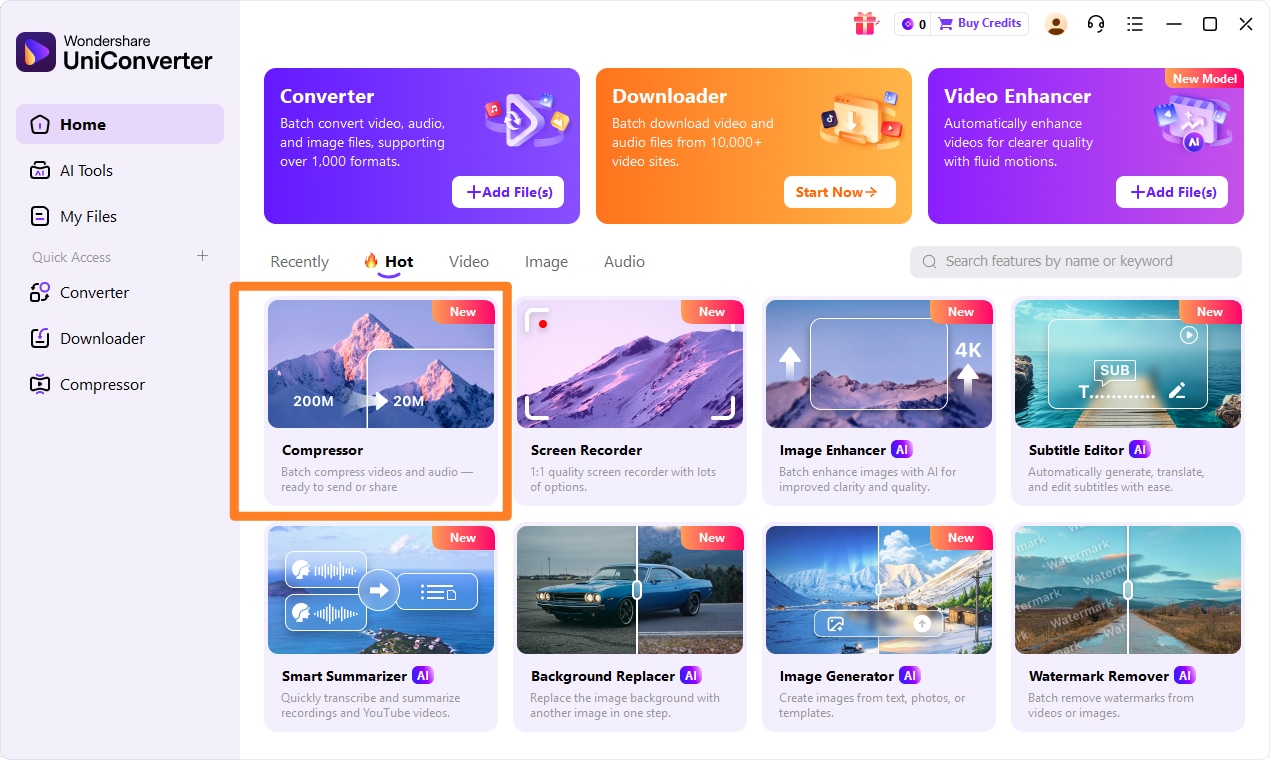
Step 1: Open UniConverter and Choose Compressor
Launch UniConverter on your computer. From the main interface, navigate to the "Toolbox" section and select the "Image Compressor" feature.
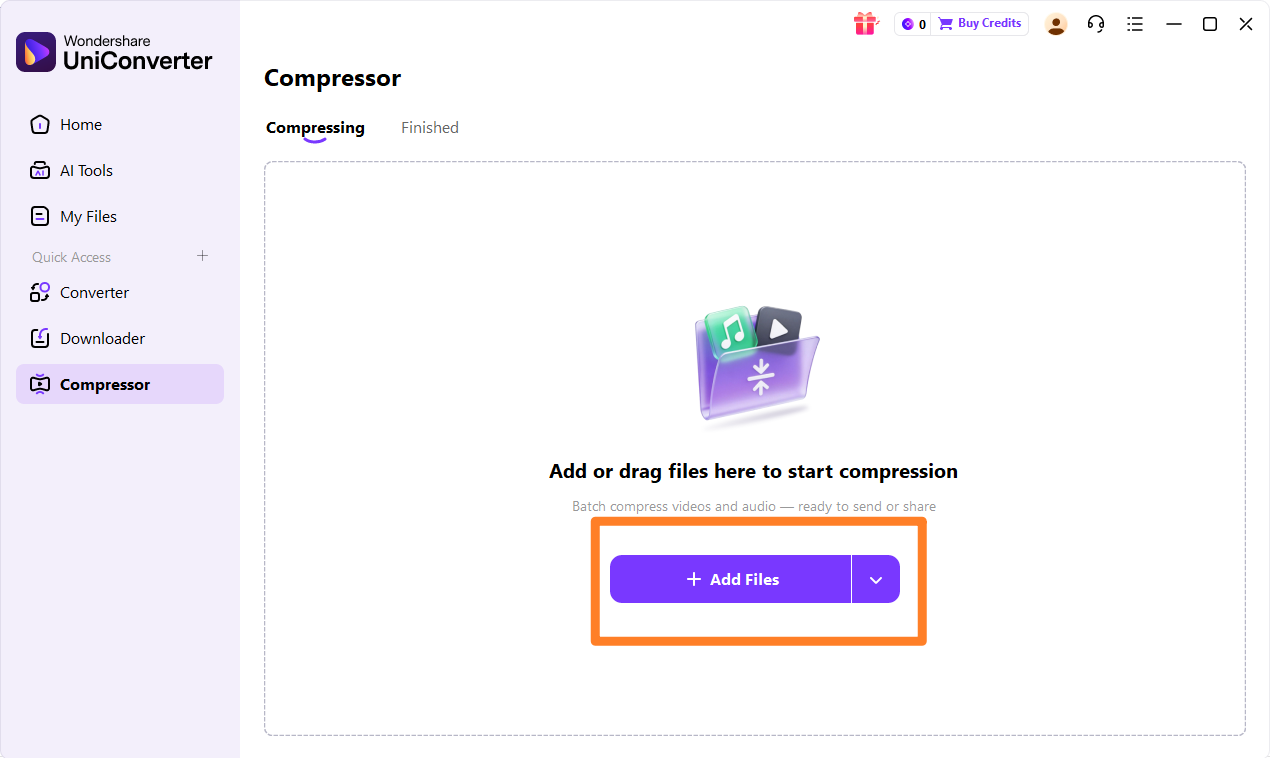
Step 2: Upload the Video, Audios or Images
Click on the "Add Files" button or simply drag and drop your images (or videos/audios if you're using other features) into the UniConverter window. You can add multiple files for batch processing.
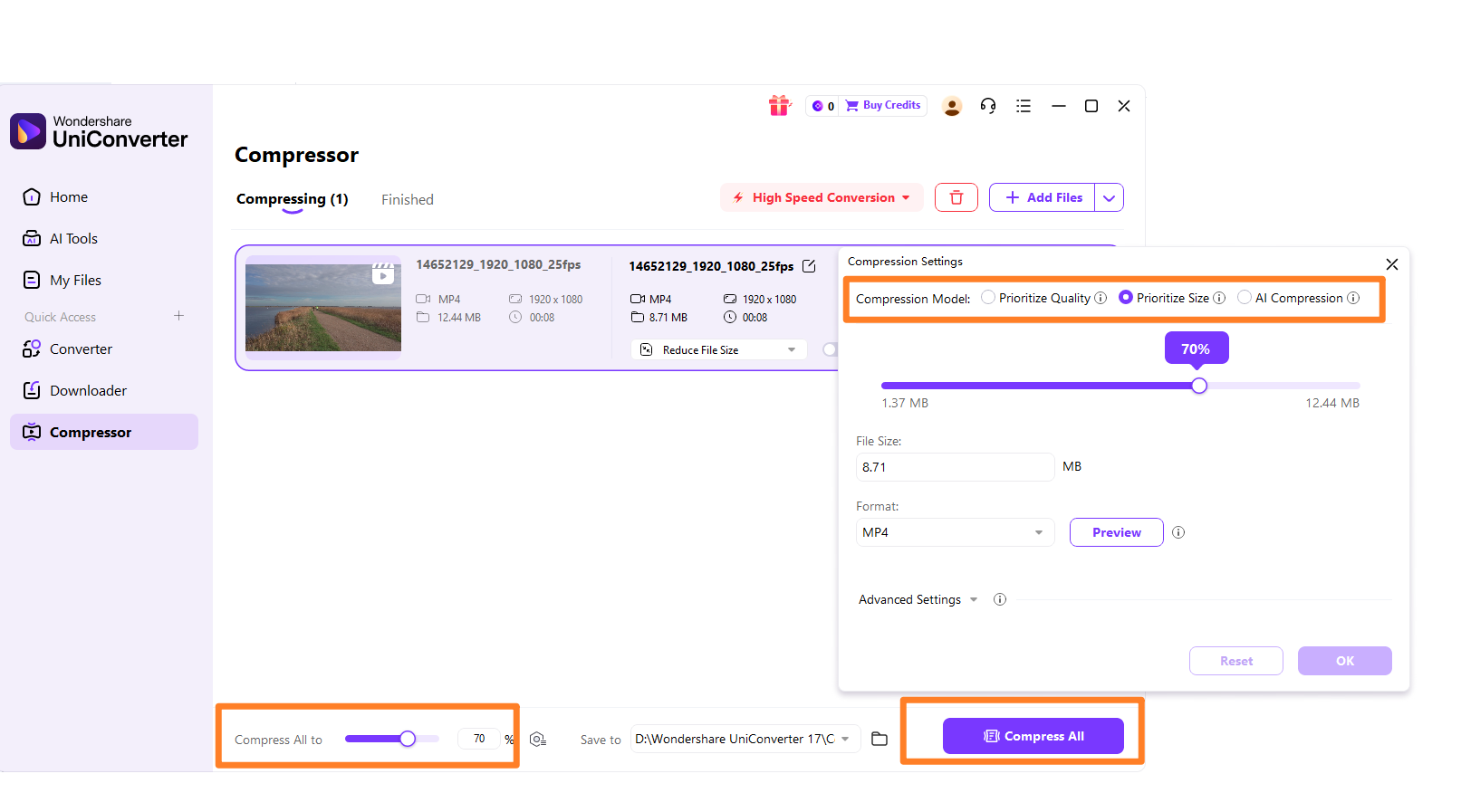
Step 3: Choose Required Parameters
Once your images are loaded, you can adjust the compression settings. UniConverter allows you to choose the output format, customize the quality, and preview the estimated file size reduction.
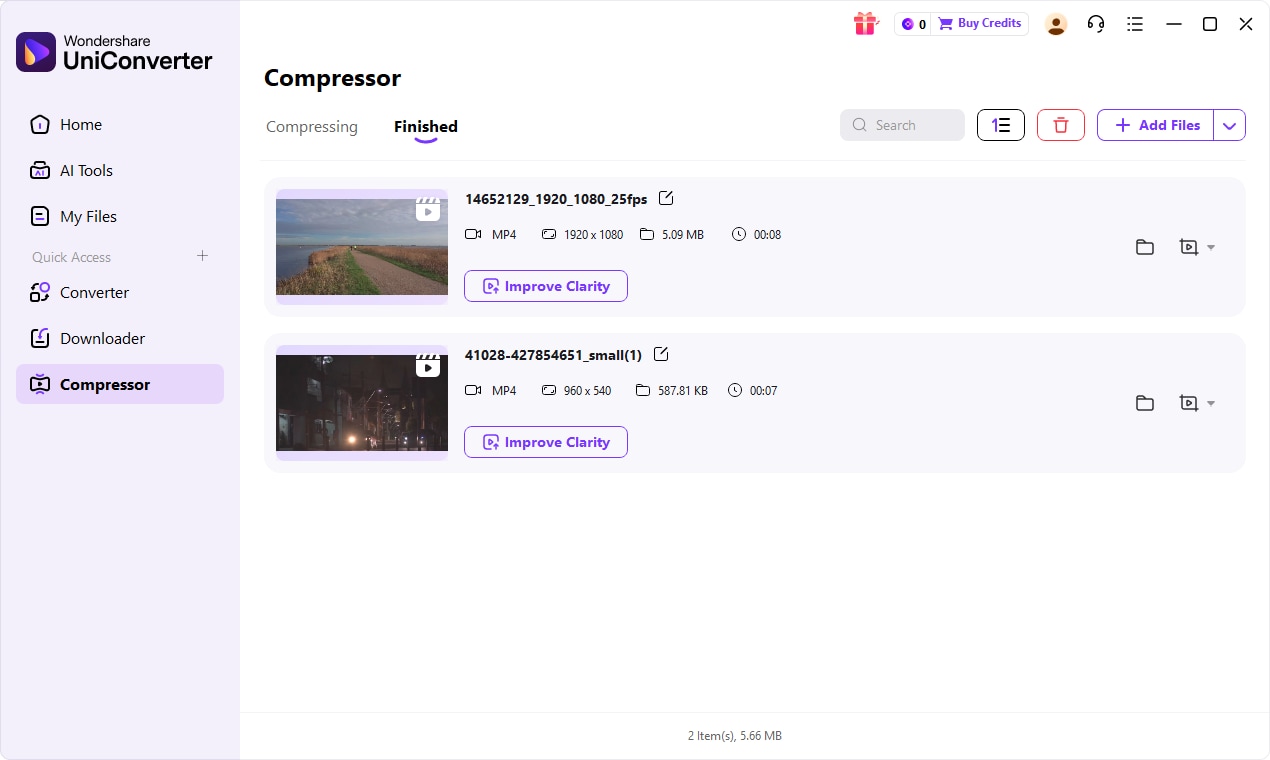
Step 4: Start Compression and Export Optimized Images
After configuring your desired settings, click the "Compress" button. UniConverter will quickly process your images, and you can then export the optimized files to your chosen destination folder.

ImageAlpha Alternative for Mac and Windows
Part 7: Final Verdict and Recommendations
After extensively using and comparing ImageAlpha, I can confidently say it holds a vital place in the toolkit of specific users. For Mac users whose primary need is to achieve the absolute smallest file sizes for PNG images without sacrificing visual quality, ImageAlpha remains an unparalleled choice. Its dedicated focus on lossy PNG compression, combined with its intuitive interface and real-time preview, makes it incredibly effective for web developers and designers optimizing web assets. However, its macOS exclusivity and limited file format support mean it's not a universal solution. For cross-platform users or those dealing with a diverse range of image formats beyond PNGs, exploring broader solutions like UniConverter or web-based tools becomes necessary. If batch processing and advanced features are crucial for your workflow, dedicated tools with more comprehensive media management capabilities would be a better fit. Ultimately, the best tool depends on your specific operating system, the types of images you're compressing, and the scale of your projects. This ImageAlpha Image Compressor review highlights its strengths while acknowledging its limitations, guiding you toward the most suitable choice.
Part 8: FAQs
-
1. What is the main advantage of using ImageAlpha over online compressors?
ImageAlpha offers superior control over lossy PNG compression and a dedicated desktop experience for Mac users, often resulting in better quality-to-size ratios and no privacy concerns related to uploading files.
-
2. Can ImageAlpha compress JPEG images?
No, ImageAlpha is specifically designed for optimizing PNG images. For JPEGs, you would need a different tool like UniConverter or web-based options such as TinyPNG.
-
3. Is ImageAlpha free to use?
Yes, ImageAlpha is an open-source and free application, making it an excellent value for Mac users.
-
4. How does ImageAlpha achieve such small file sizes for PNGs?
It uses advanced lossy compression techniques, primarily by reducing the number of colors in the image's palette while intelligently maintaining visual quality through dithering.
-
5. What are the best alternatives to ImageAlpha for Windows users?
For Windows users, popular alternatives include web-based tools like TinyPNG and Compressor.io. For a more comprehensive desktop solution that handles various formats and offers batch processing, I highly recommend UniConverter.
