
- EWWW Optimizer: Ideal for WordPress users needing automated, on-upload image optimization for website speed.
- UniConverter: Best for offline batch processing, advanced editing, and full control over image compression.
- Online Tools: Quick for one-off compressions but lack automation, privacy, and advanced features.
- Decision Factor: Choose based on automation needs, offline capabilities, privacy concerns, and desired control over image quality.
In this article
- Part 1: What is EWWW Image Optimizer?
- Part 2: EWWW Image Optimizer's Core Features, Pros, and Cons
- Part 3: EWWW Image Optimizer's Users and Use Cases
- Part 4: EWWW Image Optimizer and Alternatives Comparison
- Part 5: Risks and Pitfalls to Consider
- Part 6: How to Use UniConverter for Efficient Image Compression
- Part 7: Conclusion
- Part 8: FAQs
When I first started my WordPress website, I quickly realized that large image files were slowing it down significantly. This wasn't just an aesthetic issue; it was impacting my search engine rankings and user experience. That's when I began exploring image optimization tools. This EWWW Image Optimizer Image Compressor review will delve into its capabilities, comparing it with other solutions like generic online compressors and dedicated desktop software such as UniConverter. My goal is to help you understand which tool best fits your specific needs, whether you're a casual blogger or managing a high-traffic e-commerce site. I’ll share my personal experiences and insights to guide your decision-making process.
Part 1: What is EWWW Image Optimizer?
EWWW Image Optimizer is a popular WordPress plugin designed to automatically optimize images as you upload them to your website. It also offers bulk optimization for existing media libraries, making it a go-to solution for many WordPress users. My journey with image compression began out of necessity – my website was sluggish, and I knew it was due to unoptimized images. I needed a solution that was easy to integrate and didn't require me to manually compress every single image.
The Importance of Image Optimization for Web Performance
When I started my website, I underestimated the impact of image size. Here’s why it’s crucial:
* Faster Loading Times: Large images are often the biggest culprits behind slow page loads, which can frustrate visitors and increase bounce rates.
* Improved SEO Rankings: Search engines like Google prioritize fast-loading websites, so optimizing images can directly boost your SEO.
* Enhanced User Experience: A quicker, smoother browsing experience keeps visitors engaged and encourages them to explore more of your content.
* Reduced Storage and Bandwidth: Smaller image files consume less server space and bandwidth, potentially saving you money on hosting costs.
Part 2: EWWW Image Optimizer's Core Features, Pros, and Cons
EWWW Image Optimizer is primarily known for its seamless integration with WordPress, making image optimization a set-it-and-forget-it process for many users like me. Its core capabilities revolve around automatically compressing images upon upload and providing options for bulk optimization of existing media.
Here are its core features:
* Automatic Optimization on Upload: Compresses images as soon as they are added to the media library.
* Bulk Optimization: Allows you to optimize all existing images on your site with a single click.
* Flexible Compression Options: Supports lossy, lossless, and adaptive compression methods.
* Image Resizing and Scaling: Can automatically resize images to fit specific dimensions.
* WebP Conversion: Converts images to the modern WebP format for improved performance.
Pros:
* Seamless WordPress Integration for Automated Optimization: For me, the biggest advantage is that it works right within WordPress. I don't have to leave my dashboard to optimize images, which saves a lot of time.
* Flexible Compression Options (Lossy, Lossless, Adaptive): I appreciate having the choice between different compression levels. For some images, I need maximum quality (lossless), while for others, I can sacrifice a bit of quality for smaller file sizes (lossy).
* Bulk Optimization for Existing Media Libraries: When I first installed it, I had hundreds of unoptimized images. The bulk optimizer was a lifesaver, allowing me to fix years of unoptimized content quickly.
Cons:
* Can Be Resource-Intensive on Shared Hosting Environments: I noticed that during bulk optimization, my shared hosting server sometimes struggled. It occasionally led to timeouts or slower website performance during the process.
* Limited Advanced Features Compared to Dedicated Desktop Software: While great for WordPress, it doesn't offer the kind of granular control or advanced editing features that I sometimes need for specific projects, like precise cropping or color adjustments.
Part 3: EWWW Image Optimizer's Users and Use Cases
EWWW Image Optimizer shines for a very specific audience, and understanding that helps me decide when to recommend it. It's not a one-size-fits-all solution, but for its target users, it's incredibly effective.
Best Use Case: WordPress Website Owners Seeking Automated On-Upload Optimization
If you run a WordPress website and want to ensure that every image you upload is automatically optimized without any extra steps, EWWW Image Optimizer is your best friend. This is exactly why I use it for my blog. I can focus on creating content, and the plugin handles the technical details of image compression in the background. It's perfect for bloggers, small business owners, and anyone who manages a WordPress site and prioritizes convenience and performance without deep technical knowledge. It truly simplifies the workflow for continuous image optimization.
Limited Use Case: Users Requiring Offline Batch Processing or Advanced Editing Features
However, if your needs extend beyond simple WordPress integration, EWWW Image Optimizer might fall short. For instance, if I'm working on a large photography project and need to process hundreds of images before they even touch my website, or if I need to perform advanced edits like precise cropping, watermarking, or specific color profile adjustments, EWWW Image Optimizer isn't the tool for the job. It also doesn't allow for offline batch processing, meaning I can't optimize images when I don't have an internet connection or before they are uploaded to a web server. For these scenarios, I find myself turning to dedicated desktop software.
Part 4: EWWW Image Optimizer and Alternatives Comparison
When I look at image compression tools, I consider several factors beyond just file size reduction. Here's how EWWW Image Optimizer stacks up against some common alternatives, including a generic online compressor, UniConverter, and TinyPNG.
| Feature/Scenario | EWWW Image Optimizer | Image Compressor (Generic Online Tool) | UniConverter | TinyPNG |
| Integration | WordPress Plugin | Web-based | Standalone Software | Web-based / WordPress Plugin |
| Automation | Yes (on upload) | Manual upload/download | Manual batch processing | Manual upload / Limited plugin automation |
| Offline Use | No | No | Yes | No |
| Advanced Editing | Limited | None | Yes (resizing, format conversion, basic editing) | None |
| Batch Processing | Yes (existing library) | Limited (often single file or small batches) | Yes (large batches) | Yes (up to 20 images for free) |
| Privacy Control | Data processed on your server or their cloud | Varies by tool, data uploaded to their server | Local processing, full control | Data uploaded to their server |
| Processing Speed | Varies by server resources | Varies by server load and internet speed | Fast (utilizes local CPU/GPU) | Moderate |
| Output Quality | Good (configurable) | Varies (often lossy) | Excellent (configurable, near-lossless options) | Very Good (lossy, but visually imperceptible) |
| Ease of Use | High (set-and-forget for WordPress) | Moderate (upload/download steps) | Moderate (feature-rich interface) | High (simple drag-and-drop) |
Key Differentiators: Automation vs. Control, Online vs. Offline, Integration vs. Standalone
From my experience, the main distinction lies in how much control you want and where you prefer the processing to happen. EWWW Image Optimizer excels in automation and WordPress integration, making it ideal for continuous, hands-off optimization directly on your site. Generic online tools are quick for one-off compressions but lack automation and privacy guarantees. UniConverter offers the most control and offline capability, perfect for pre-processing large batches of images with advanced options. TinyPNG is great for quick, high-quality lossy compression for smaller batches, both online and with its plugin. If you prioritize seamless WordPress workflow, EWWW is strong. If you need powerful offline batch processing and more features, UniConverter is superior.
Part 5: Risks and Pitfalls to Consider
While image optimization is crucial, I've learned that not all tools are created equal, and some come with hidden risks, especially when dealing with free or cloud-based solutions. It's important to be aware of these potential downsides before committing to a specific compressor.
Potential Impact on Image Quality with Aggressive Compression
One of my biggest concerns is always image quality. While smaller file sizes are good, aggressive lossy compression can severely degrade the visual appeal of your images. I've seen instances where fine details are lost, colors become blotchy, or artifacts appear, making the image look unprofessional. It's a delicate balance, and some tools, especially those that prioritize maximum compression, might go too far without giving you enough control.
Server Resource Consumption and Hosting Limitations
As I mentioned with EWWW Image Optimizer, running image compression, particularly bulk optimization, can be very demanding on server resources. If you're on a shared hosting plan with limited CPU and memory, these processes can slow down your entire website, lead to timeouts, or even get your account temporarily suspended by your host for excessive resource usage. This is a significant pitfall for many WordPress users.
Data Privacy Concerns with Cloud-Based Compression
When I use online image compressors, I always pause to consider data privacy. Uploading my images to a third-party server means I'm entrusting my data to them. For personal photos or sensitive business graphics, this can be a real concern. Many free online tools have vague privacy policies, and I worry about how long my images are stored, who has access to them, and if they might be used for other purposes. This is a major reason why I prefer offline solutions for sensitive content.
Vendor Lock-in and Plugin Dependencies
Relying heavily on a WordPress plugin like EWWW Image Optimizer can lead to vendor lock-in. If the plugin developer stops supporting it, or if it becomes incompatible with future WordPress versions, you might be left scrambling for an alternative. Furthermore, adding too many plugins can sometimes introduce conflicts, slow down your site, or create security vulnerabilities. It's a trade-off between convenience and potential dependency issues.
Hidden Costs or Feature Limitations in Free Tiers
Many image compressors, especially online ones, offer a "free" tier that comes with significant limitations. This could be a cap on the number of images you can compress, a maximum file size, slower processing speeds, or even watermarks on your optimized images. To unlock essential features like bulk processing, higher quality settings, or faster speeds, you often have to upgrade to a paid plan, which can be an unexpected cost.
Part 6: How to Use UniConverter for Efficient Image Compression
Sometimes, online tools or WordPress plugins just aren’t enough—especially when I need to compress a large number of files offline, keep image quality consistent, or work with multiple formats more efficiently. In those situations, I usually turn to UniConverter as a more reliable desktop alternative. It works especially well for image compression, while also supporting video compression, which makes it useful for handling different types of media in one place. I also like that GPU acceleration helps speed up processing, and for video files, it can help compress videos without quality loss as much as possible. Overall, it’s a practical all-in-one solution for managing file size, quality, and batch processing without the usual limitations of online compressors.
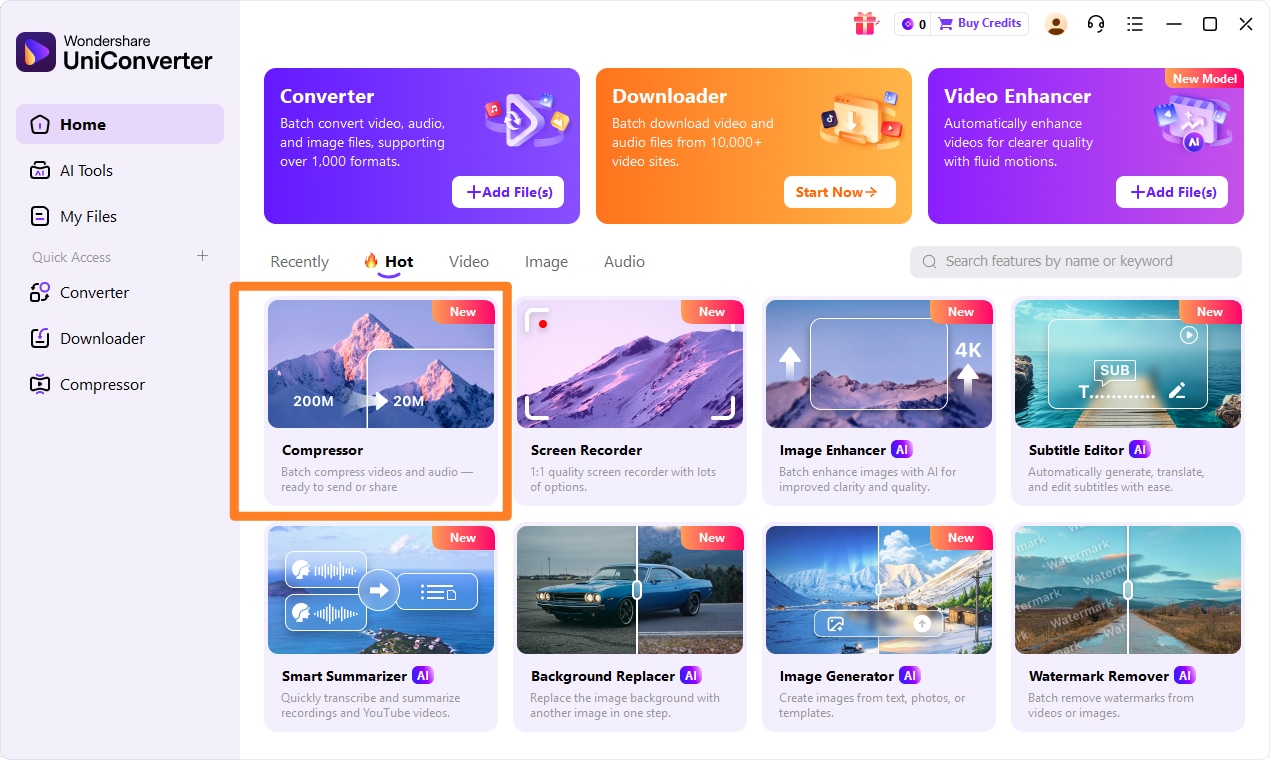
Step 1: Open UniConverter and Choose Compressor
First, I launch UniConverter on my desktop. From the main interface, I navigate to the "Compressor" tab. This is where I start all my compression tasks, whether they are images, videos, or audio files.
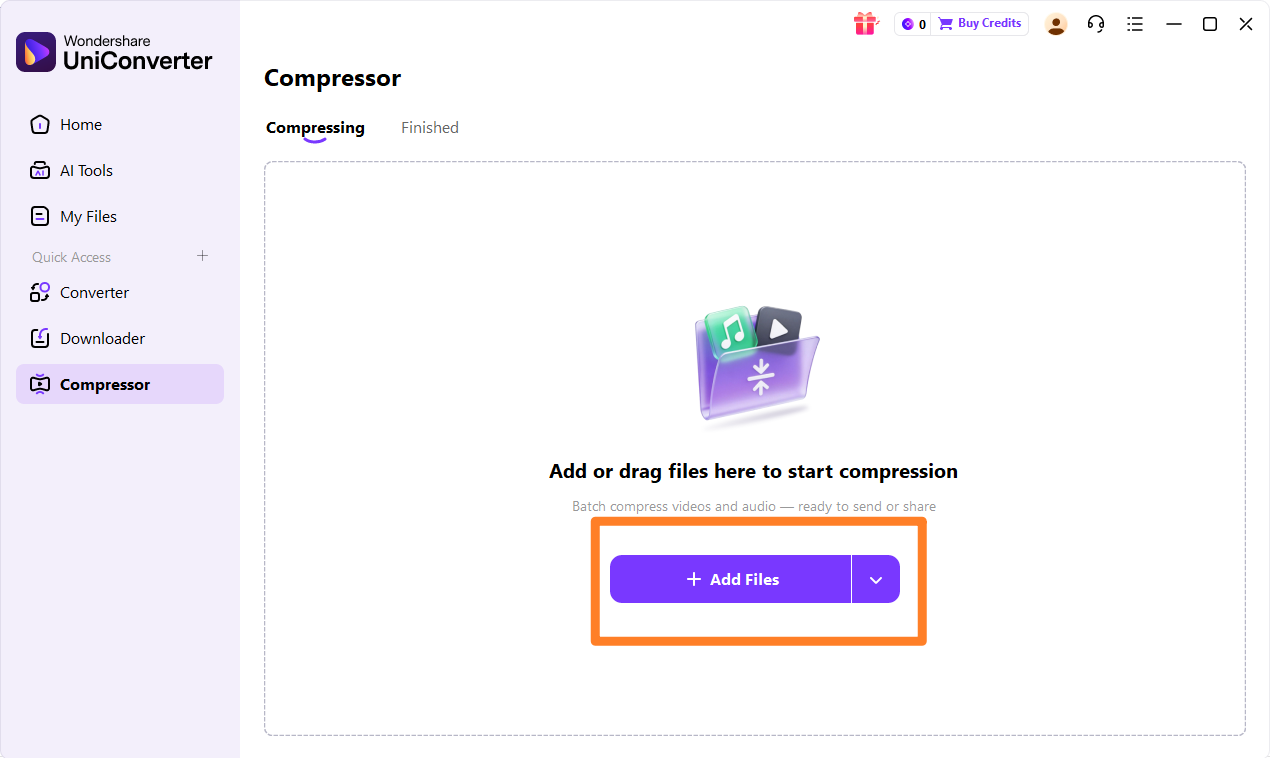
Step 2: Upload the Video, Audios or Images
Next, I drag and drop the images (or videos/audio files) I want to compress directly into the UniConverter window. Alternatively, I can click the "Add Files" button to browse and select them from my computer.
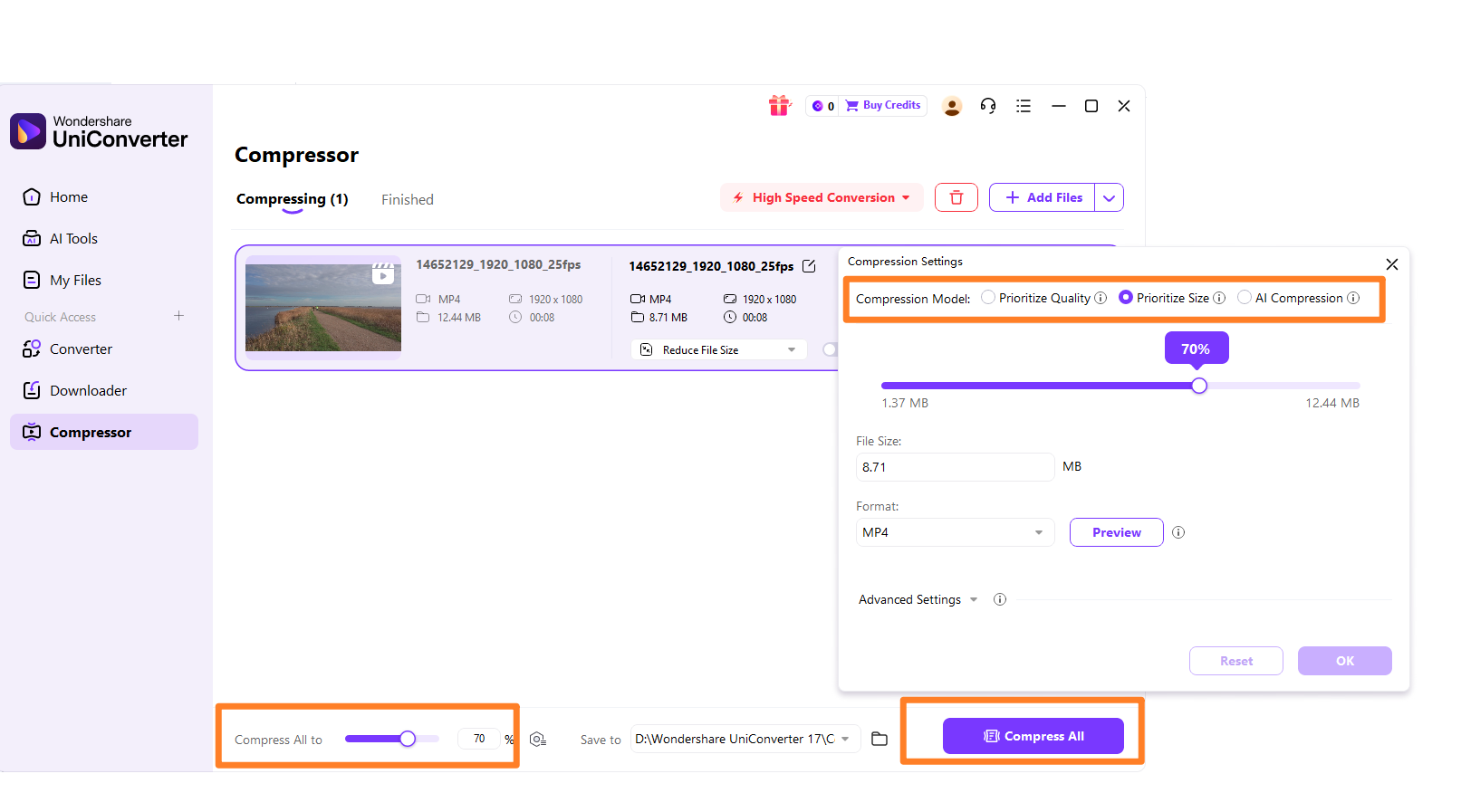
Step 3: Choose Required Parameters
Once my files are loaded, I can customize the compression settings. UniConverter allows me to adjust the quality, resolution, and output format. I can preview the estimated file size reduction before committing.
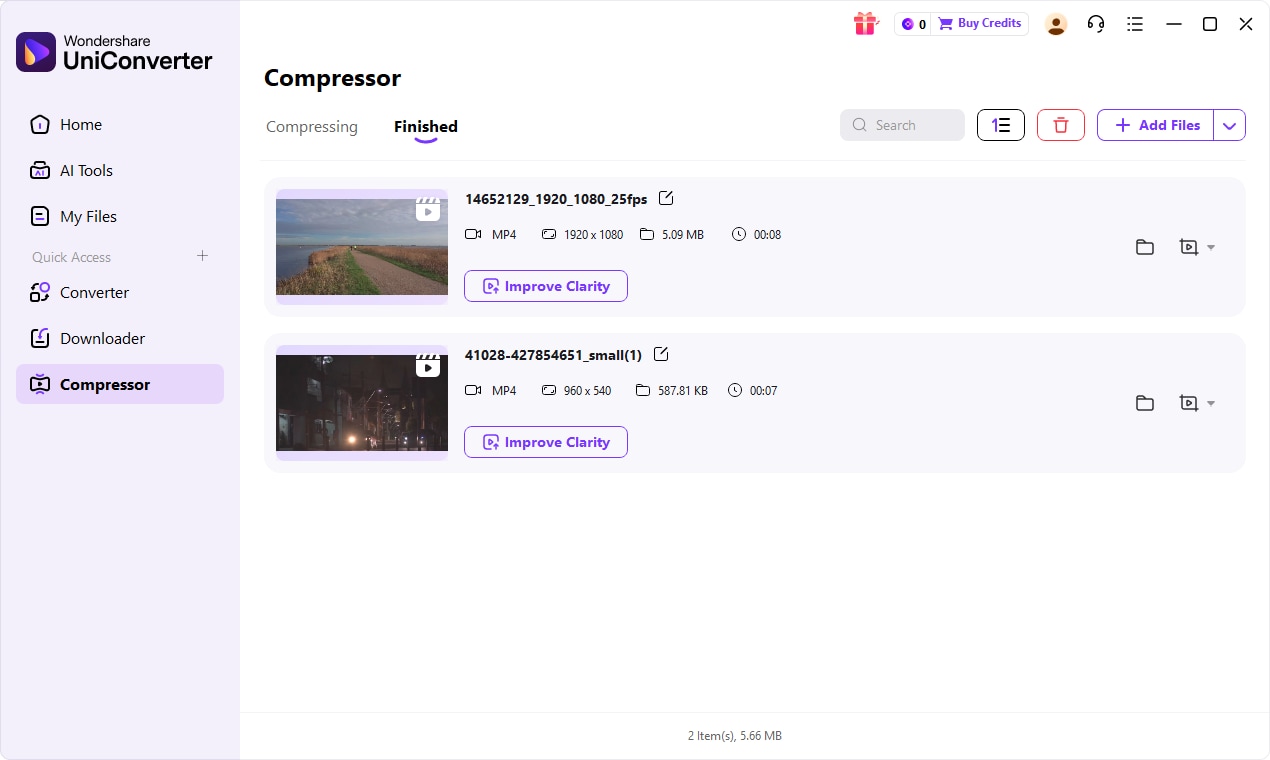
Step 4: Start Batch Compression and Save
Finally, after setting my desired parameters, I click the "Compress" button. UniConverter processes the files efficiently, often using GPU acceleration. Once done, I can find my compressed images in the specified output folder.

Seeking an EWWW Image Optimizer Alternative?
Part 7: Conclusion
In conclusion, my journey through image optimization has shown me that the best tool isn't a universal answer; it depends entirely on your specific workflow and priorities. For WordPress users like me who prioritize seamless, automated optimization upon upload, EWWW Image Optimizer Image Compressor is an exceptionally strong choice. Its deep integration with WordPress makes it incredibly convenient for maintaining website speed without constant manual intervention. However, if your needs extend to offline batch processing, require advanced editing capabilities, or demand absolute privacy and control over your files, then dedicated desktop software like UniConverter offers superior flexibility and power. Online generic compressors serve a niche for quick, one-off tasks but often come with limitations in privacy, batch processing, and quality control. Ultimately, balancing performance and image quality requires a strategic approach, considering your hosting environment, budget, and the specific demands of your content. Choose EWWW Image Optimizer for effortless WordPress site speed, or UniConverter for comprehensive, high-control offline compression.
Part 8: FAQs
-
1. What is the difference between lossy and lossless compression?
Lossy compression permanently removes some image data to reduce file size, potentially affecting quality, though often imperceptibly. Lossless compression reduces file size without any loss of quality by reorganizing data more efficiently.
-
2. Can EWWW Image Optimizer optimize images that are already on my website?
Yes, EWWW Image Optimizer offers a bulk optimization feature to process existing images in your WordPress media library, which is incredibly useful for older sites.
-
3. Are online image compressors safe to use for sensitive images?
It depends on the specific tool. Always review the privacy policy of any online tool before uploading sensitive images, as your data is processed on their servers. For maximum security and privacy, I recommend using an offline tool like UniConverter.
-
4. How does image compression affect SEO?
Smaller image file sizes lead to faster website loading times, which is a significant factor in SEO rankings and user experience. Faster sites get better search engine visibility.
-
5. Is UniConverter a free tool?
UniConverter typically offers a free trial with limited features, and a paid version for full access to its comprehensive capabilities, including advanced compression, format conversion, and editing tools.
