
- DeepImage Overview: Online tool for image compression, balancing file size reduction with visual quality.
- Core Features: Smart algorithms, multiple format support, batch processing, drag-and-drop interface, and preview functionality.
- Ideal Users: Perfect for website owners, bloggers, and social media managers needing quick, effective optimization.
- Limitations: Not suitable for professional photographers/designers requiring precise control over compression and metadata.
- Competitor Comparison: DeepImage offers strong ease-of-use and compression, while TinyPNG excels in PNGs, and JPEGmini for JPEGs.
- Potential Risks: Privacy concerns with uploads, unwanted ads, quality degradation at extreme settings, and internet dependency.
- UniConverter Alternative: Offers robust, all-in-one offline compression for images, audio, and video with superior control and quality.
- Decision Point: Choose DeepImage for quick online image compression; opt for UniConverter for comprehensive, high-quality media optimization.
In this article
- Part 1: What is DeepImage Image Compressor?
- Part 2: DeepImage Image Compressor: Core Features, Pros, and Cons
- Part 3: DeepImage Image Compressor: Ideal Users and Use Cases
- Part 4: DeepImage Image Compressor vs. Competitors
- Part 5: Risks and Pitfalls to Consider
- Part 6: How to Use UniConverter to Compress Efficient Audio and Video
- Part 7: Final Verdict and Recommendations
- Part 8: FAQs
DeepImage Image Compressor: A Comprehensive Scenario-Based Review
As someone who frequently manages digital content, I've always been on the lookout for efficient tools to optimize images without sacrificing quality. The sheer volume of high-resolution photos and graphics we encounter daily often leads to slow website loading times, storage issues, and cumbersome sharing experiences. This is where image compressors come into play, promising to shrink file sizes while maintaining visual integrity. In this review, I'll dive deep into DeepImage Image Compressor, exploring its features, comparing it against its rivals, and helping you understand if it's the right tool for your specific needs. We'll look at various scenarios, from optimizing a personal blog to managing a large social media presence, to see how DeepImage stacks up in the real world.
Part 1: What is DeepImage Image Compressor?
DeepImage Image Compressor is an online tool designed to reduce the file size of images using advanced compression algorithms. Its primary goal is to help you optimize your digital assets for various platforms, ensuring faster loading times and more efficient storage without a noticeable drop in visual quality. I've found it particularly useful when preparing images for web use, where every kilobyte counts. The tool aims to strike a balance between file size reduction and image fidelity, making it accessible even for those without technical expertise in image editing.
The Landscape of Image Compression Tools
The need for effective image compression stems from several key challenges in the digital world:
* Website Performance: Large image files are a major culprit behind slow website loading speeds, negatively impacting user experience and SEO rankings.
* Storage Limitations: High-resolution images consume significant storage space, whether on cloud services, personal devices, or web servers.
* Efficient Sharing: Sharing numerous or very large image files via email or social media can be slow and cumbersome without prior compression.
* Platform Requirements: Many online platforms have strict file size or dimension limits for uploaded images, necessitating compression.
Part 2: DeepImage Image Compressor: Core Features, Pros, and Cons
DeepImage Image Compressor offers a streamlined approach to image optimization, focusing on ease of use and effective results. Its core capabilities revolve around intelligently reducing file sizes while attempting to preserve the visual integrity of your images. I’ve personally used it for various projects, and here’s what I’ve observed.
Key Features:
* Smart Compression Algorithms: Utilizes advanced techniques to analyze image data and remove redundant information without visible quality loss.
* Multiple Format Support: Handles common image formats like JPEG, PNG, and GIF, making it versatile for different types of content.
* Batch Processing: Allows you to upload and compress multiple images simultaneously, significantly speeding up your workflow.
* Drag-and-Drop Interface: Simplifies the upload process, making it intuitive for even first-time users.
* Preview Functionality: Offers a side-by-side comparison of the original and compressed image, so you can assess quality before downloading.
- Pros:
- High compression ratio with minimal perceived quality loss for web optimization.
- Batch processing capabilities for efficient workflow.
- User-friendly interface for quick and easy image compression.
- Cons:
- Limited advanced customization options for specific compression needs.
- Potential for occasional artifacts on highly detailed images at extreme compression settings.
Part 3: DeepImage Image Compressor: Ideal Users and Use Cases
DeepImage Image Compressor shines in scenarios where quick, effective image optimization is needed without deep technical knowledge. I've found it particularly useful for certain user groups and specific tasks.
- Scenario 1: Website Owners & Bloggers Optimizing for Speed
If you're running a website or blog, you know how crucial page loading speed is for user engagement and SEO. I use DeepImage regularly to compress my image libraries, ensuring my pages load quickly. It's fantastic for reducing the size of hero images, in-post graphics, and product photos, leading to improved user experience and better search engine rankings.
- Scenario 2: Social Media Managers & Digital Marketers
As a social media manager, I constantly need to resize and compress images for various platforms like Instagram, Facebook, and Twitter, each with its own requirements. DeepImage allows me to quickly prepare visuals that look great while adhering to file size limits, ensuring my content loads fast and looks professional across all channels.
- Scenario 3: Casual Users with Large Photo Collections
For anyone with a vast personal photo collection, managing storage can be a headache. I've used DeepImage to reduce the file sizes of my personal photos, making them easier to store on cloud services or share with family and friends without long upload times or exceeding email attachment limits.
- Limiting Scenario: Professional Photographers & Graphic Designers
While DeepImage is excellent for general use, I wouldn't recommend it for professional photographers or graphic designers who require precise control over compression algorithms, color profiles, and metadata. For these users, where every pixel and color nuance matters, dedicated image editing software with granular control over compression settings is paramount, as DeepImage might lack the advanced options they need.
Part 4: DeepImage Image Compressor vs. Competitors
When it comes to image compression, DeepImage Image Compressor is one of many tools available. I've tested several, and here's how it stacks up against some popular alternatives.
| Feature/Scenario | DeepImage Image Compressor | TinyPNG | JPEGmini | Compressor.io |
| Ease of Use | Excellent | Excellent | Good | Good |
| Compression Ratio | High | High | Very High | High |
| Batch Processing | Yes | Yes | Yes | No |
| Advanced Settings | Limited | Limited | Limited | Limited |
| Offline Capability | No | No | Yes (Pro) | No |
| Pricing Model | Freemium | Freemium | Paid | Freemium |
Key Differentiators:
DeepImage offers a strong balance of ease of use and effective compression for general web and social media needs. I find it incredibly straightforward to use for my daily tasks. Competitors like TinyPNG excel in specific image formats (PNG), which is great if you primarily work with those, while JPEGmini focuses on maximum JPEG compression, often achieving slightly better results for JPEGs but at a cost. Compressor.io provides a quick online solution but lacks batch processing, which can be a deal-breaker if you have many images.
Part 5: Risks and Pitfalls to Consider
While online image compressors like DeepImage Image Compressor offer convenience, it's important to be aware of potential risks and pitfalls, especially when using free or freemium versions. I always advise caution and understanding what you're getting into.
Privacy Concerns with Online Image Uploads
When you upload images to an online tool, you're essentially entrusting your data to a third-party server. I always consider the privacy policy of the service. Are they storing your images? For how long? Are they using them for any other purpose? For sensitive or proprietary images, this can be a significant concern, as you lose direct control over your visual assets once they leave your local machine.
Potential for Unwanted Advertisements or Upsells
Many freemium online tools, including some image compressors, rely on advertisements or aggressive upsells to generate revenue. I've encountered services where pop-ups, banner ads, or constant prompts to upgrade to a paid plan can disrupt the user experience. This can be annoying and, in some cases, even lead to accidental clicks on malicious ads.
Impact on Image Quality at Extreme Compression Settings
While DeepImage aims for minimal perceived quality loss, pushing compression settings to their extreme can inevitably lead to visible artifacts, color banding, or a loss of detail. I've seen instances where fine textures become blurry or colors shift slightly when trying to achieve the smallest possible file size. It's a trade-off, and you need to assess if the quality degradation is acceptable for your specific use case.
Dependence on Internet Connectivity for Online Tools
As an online tool, DeepImage Image Compressor requires a stable internet connection to function. This means if you're working offline, in an area with poor connectivity, or if the service's servers are down, you won't be able to compress your images. This reliance can be a significant limitation for users who need to work on the go or in environments without consistent internet access.
Data Security and Storage Policies
Beyond privacy, there's the broader issue of data security. How well are the servers protected against breaches? What are their data retention policies? If you're uploading client work or personal photos, understanding how your data is secured and whether it's permanently deleted after processing is crucial. I always look for clear statements on these aspects before committing to an online service.
Part 6: How to Use UniConverter to Compress Efficient Audio and Video
A browser-based compressor can be convenient, but it often starts to feel limiting once batch processing, consistent output, and quality retention become priorities. In that case, UniConverter is a strong all-in-one alternative for handling image compression, audio compression, and video compression in one place. Its broad format support, ad-free workflow, and GPU acceleration help make the entire process faster and more reliable. For video files, it can also help compress videos without quality loss as much as possible, making it a practical solution for anyone who wants efficient media management without sacrificing too much quality.
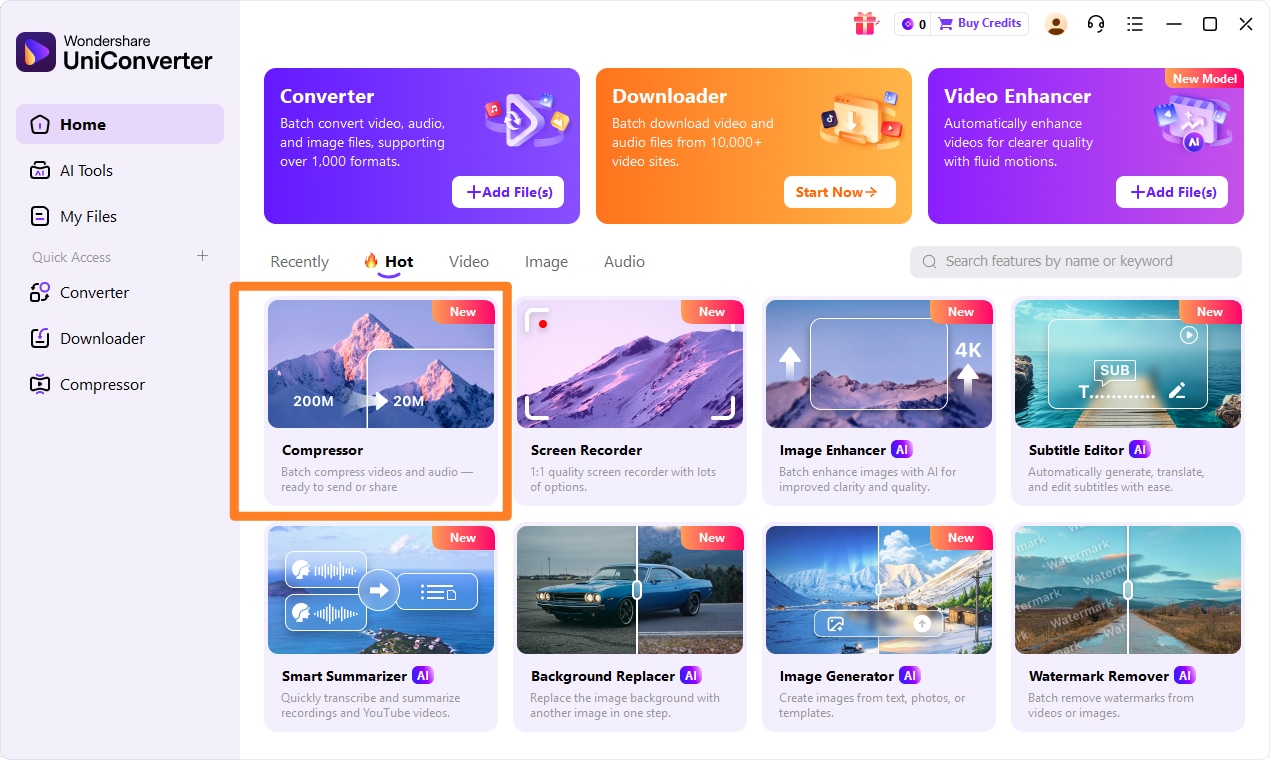
Step 1: Open UniConverter and Choose Compressor
Launch UniConverter on your computer. On the main interface, navigate to the "Compressor" tab. This is where you'll find all the tools for reducing file sizes.
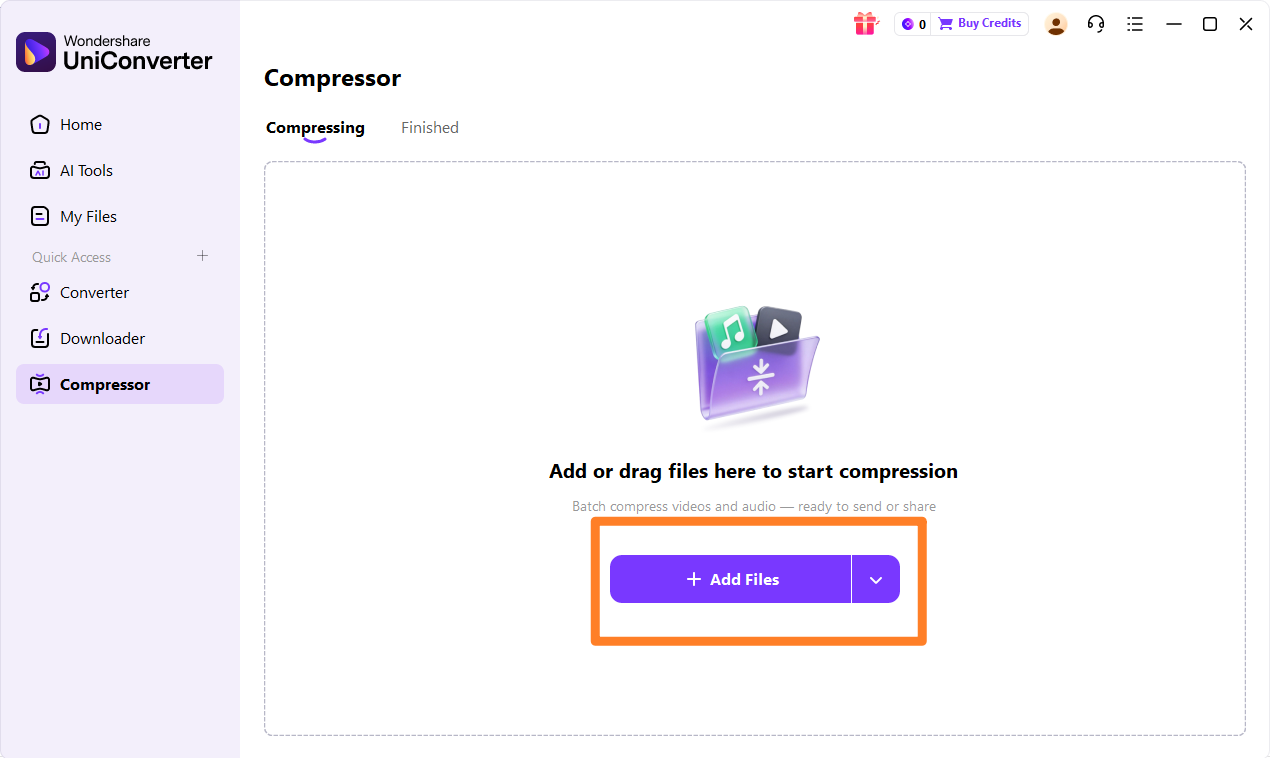
Step 2: Upload the Video, Audios or Images
Drag and drop your desired video, audio, or image files into the UniConverter window. You can also click the "Add Files" button to browse and select them from your computer.
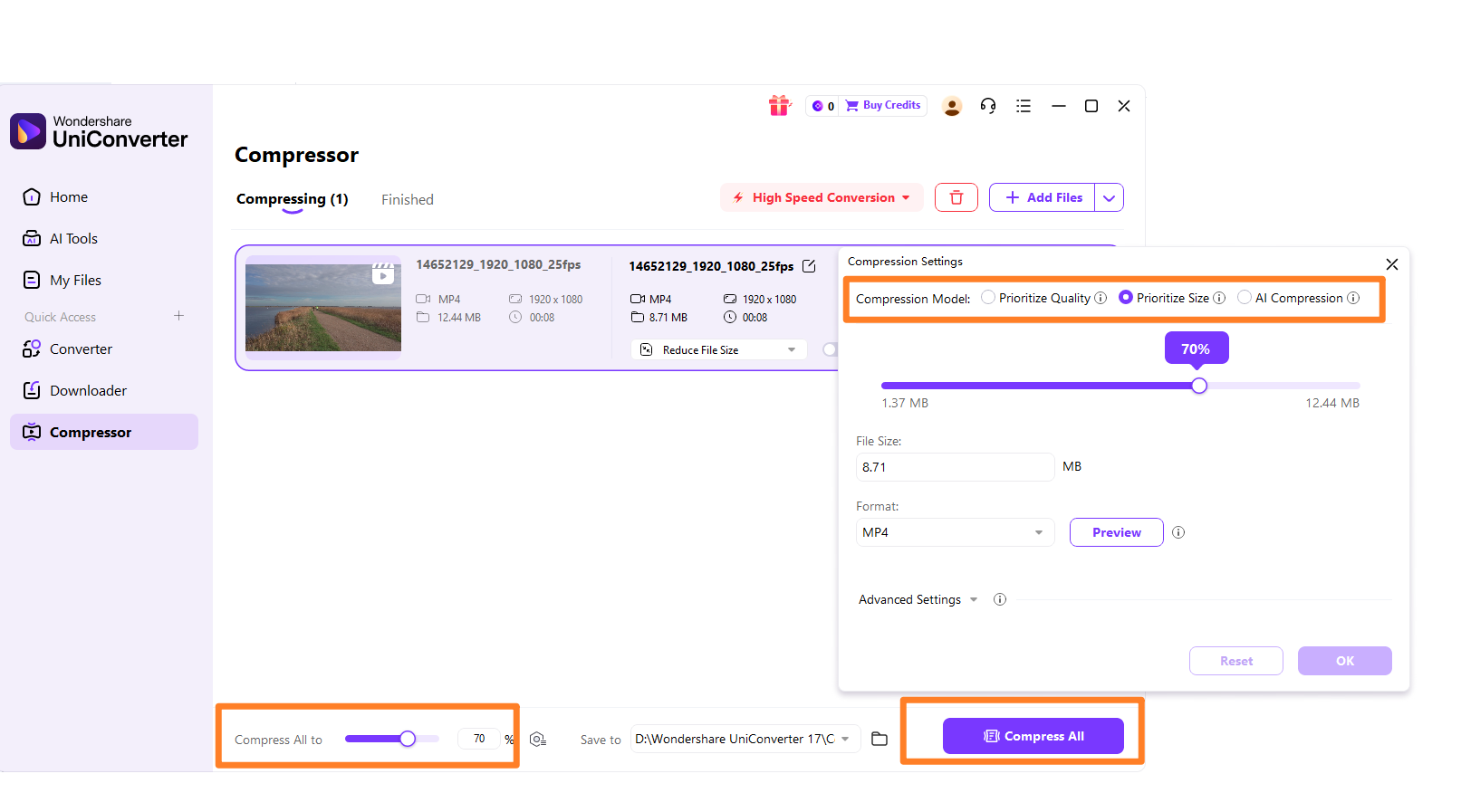
Step 3: Choose Required Parameters
Once your files are loaded, you can adjust the compression settings. UniConverter allows you to customize output format, resolution, quality, and file size.
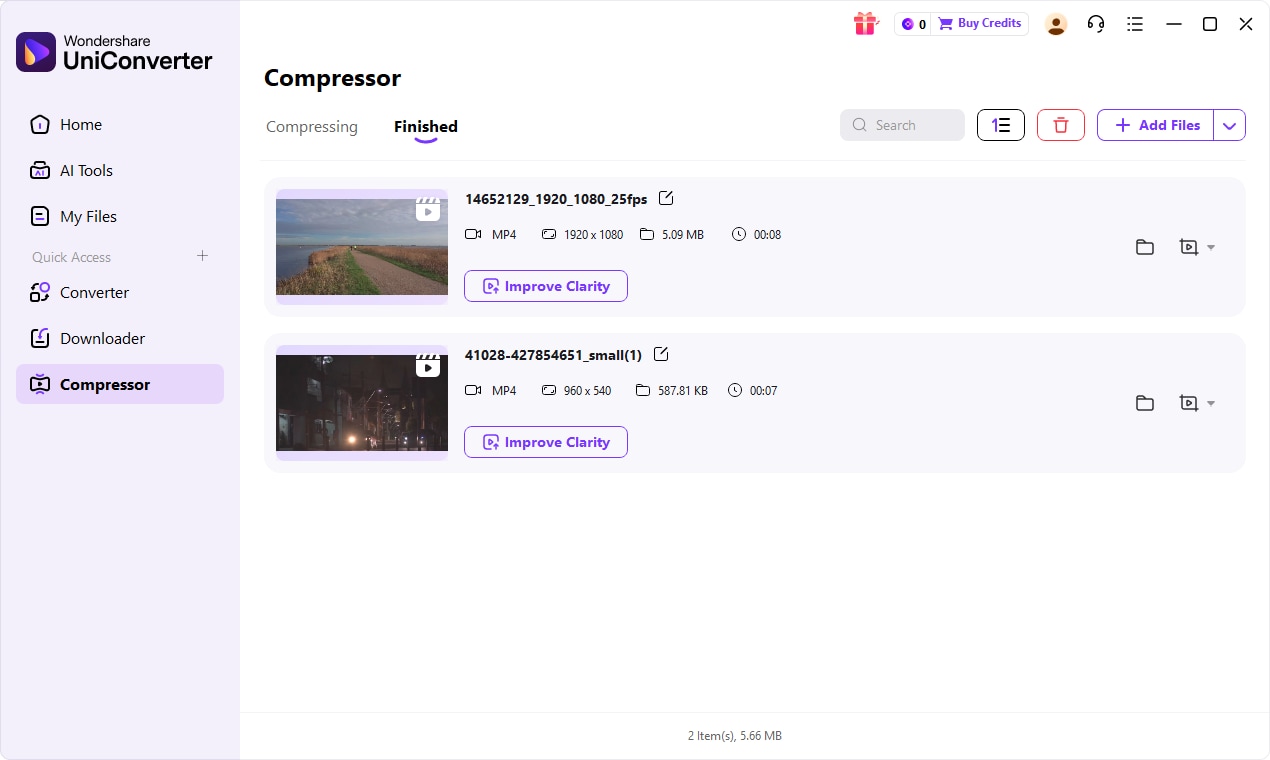
Step 4: Save the Compressed File
After setting your preferred parameters, click the "Compress" button. UniConverter will process your files, and you can then choose the destination folder to save your optimized media.

DeepImage Alternative: Efficient Image Compression
Part 7: Final Verdict and Recommendations
After extensively reviewing DeepImage Image Compressor and comparing it with its competitors, I can confidently say it's a valuable tool for many users. For casual users and small businesses, DeepImage is a solid choice due to its intuitive interface and effective compression without requiring technical expertise. It handles everyday image optimization tasks with ease, making it perfect for quick edits and uploads. For web developers and bloggers, I recommend considering DeepImage for its efficiency in optimizing images for faster page loading times and improved SEO. Its batch processing capability is a significant time-saver. However, for professionals requiring granular control over every aspect of image compression, such as professional photographers and graphic designers, dedicated image editing software like Adobe Photoshop or Lightroom will offer the precise control and advanced features needed. Finally, for an all-in-one media management solution that extends beyond just images to include robust video and audio compression, UniConverter offers broader functionality and a more comprehensive toolkit, making it an excellent alternative for those with diverse media optimization needs.
Part 8: FAQs
-
1. Is DeepImage Image Compressor free to use?
DeepImage Image Compressor operates on a freemium model. You can use it for free with certain limitations on the number of images or file sizes. For extended features, higher limits, and an ad-free experience, paid plans are available.
-
2. Does DeepImage Image Compressor reduce image quality noticeably?
For most common use cases, DeepImage Image Compressor is designed to achieve a high compression ratio with minimal *perceived* quality loss. However, if you push the compression settings to their absolute maximum, you might start to notice some artifacts or a slight degradation in fine details, especially on highly intricate images.
-
3. Can I use DeepImage Image Compressor offline?
No, DeepImage Image Compressor is primarily an online tool. It requires an active internet connection to upload your images, process them on its servers, and then download the compressed versions. If you need offline compression capabilities, you might consider desktop software like UniConverter.
-
4. What image formats does DeepImage Image Compressor support?
DeepImage Image Compressor typically supports the most popular image formats, including JPEG (JPG), PNG, and GIF. This covers the vast majority of images you'll encounter for web and general use.
-
5. How does DeepImage Image Compressor compare to TinyPNG?
Both DeepImage Image Compressor and TinyPNG are excellent online compression tools, and I've used both extensively. TinyPNG is specifically renowned for its highly efficient PNG compression, often achieving impressive results for that format. DeepImage, while also great for PNGs, often provides a broader range of features and supports more formats beyond just PNG, making it a slightly more versatile general-purpose compressor. If you primarily work with PNGs, TinyPNG is a top contender; otherwise, DeepImage offers a more rounded experience.
