
- Cloudinary Value: Advanced cloud-based image optimization for large-scale, dynamic web content.
- Core Features: AI compression, format conversion, responsive delivery, CDN, and extensive APIs.
- Pros & Cons: Powerful but has a steep learning curve and can be costly for high usage.
- Best Use Cases: Ideal for e-commerce, media-rich sites needing automated, scalable image management.
- Alternatives Comparison: Cloudinary vs. UniConverter, TinyPNG, ImageOptim for different needs.
- Online Compressor Risks: Data privacy, quality degradation, vendor lock-in, cost escalation, internet dependency.
- UniConverter Solution: Desktop tool for efficient, private, high-quality audio, video, and image compression.
- Decision Factor: Choose based on project scale, technical expertise, budget, and privacy concerns.
In this article
- Part 1: What is Cloudinary Image Compressor?
- Part 2: Cloudinary Image Compressor: Core Features, Pros, and Cons
- Part 3: Cloudinary Image Compressor: Applicable Users and Scenarios
- Part 4: Cloudinary Image Compressor and Alternatives Comparison
- Part 5: Risks and Pitfalls of Using Cloudinary and Other Online Compressors
- Part 6: How to Use UniConverter to Efficiently Compress Audio and Video
- Part 7: Conclusion
- Part 8: FAQs
Cloudinary Image Compressor: A Comprehensive Scenario-Based Review
In today's visually driven digital world, optimizing images for web and mobile is no longer a luxury but a necessity. High-quality images enhance user experience, but large file sizes can drastically slow down website loading times, impacting SEO and conversion rates. This Cloudinary Image Compressor review delves into how this powerful tool addresses these challenges, offering a deep dive into its features, performance against competitors, and suitability for various use cases. I'll share my firsthand experience, helping you understand if Cloudinary is the right solution for your image optimization needs.
Part 1: What is Cloudinary Image Compressor?
Cloudinary Image Compressor is a robust, cloud-based image management solution that offers advanced image compression capabilities as part of its broader suite of services. It's designed to help developers and marketers deliver optimized images quickly and efficiently across various platforms. By leveraging sophisticated algorithms, Cloudinary aims to reduce image file sizes without compromising visual quality, ensuring faster load times and improved user engagement. This review will explore its core functionalities, weigh its advantages and disadvantages, and compare it with other leading tools in the market to help you make an informed decision.
The Evolving Landscape of Image Optimization
The demand for efficient image optimization has never been higher due to:
* Increasing Image Content: Websites and applications are becoming more image-heavy, demanding effective compression.
* Mobile-First Indexing: Google's emphasis on mobile performance makes fast-loading images crucial.
* User Experience Expectations: Users expect instant loading times and high-quality visuals.
* Bandwidth and Storage Costs: Optimized images reduce both bandwidth consumption and storage expenses.
Part 2: Cloudinary Image Compressor: Core Features, Pros, and Cons
Cloudinary Image Compressor offers a comprehensive set of features tailored for modern web development. Its core capabilities include intelligent compression, format conversion, and responsive image delivery. I've found its automated optimization particularly useful, as it takes much of the guesswork out of image management.
Core Features:
1. AI-Powered Smart Compression: Automatically analyzes image content to apply the most effective compression.
2. Format Conversion: Supports conversion to next-gen formats like WebP and AVIF for superior compression.
3. Responsive Image Delivery: Dynamically resizes and crops images based on device and viewport.
4. CDN Integration: Delivers images globally via a robust content delivery network for speed.
5. API and SDKs: Provides extensive APIs and SDKs for seamless integration into existing workflows.
Pros:
* Advanced AI-powered: The AI-driven optimization is incredibly effective, often achieving significant file size reductions with minimal quality loss.
* Comprehensive Image Management: It's not just a compressor; it's a full image lifecycle management platform.
* Scalability and Reliability: Handles large volumes of images and traffic with ease, thanks to its cloud infrastructure.
Cons:
* Steep Learning Curve: The extensive feature set can be overwhelming for new users.
* Cost for High Usage: While a free tier exists, advanced features and high usage can become quite expensive.
Part 3: Cloudinary Image Compressor: Applicable Users and Scenarios
Cloudinary Image Compressor is best suited for businesses and developers who require robust, scalable, and automated image optimization. If you're managing a large e-commerce site, a media-rich blog, or a complex web application, Cloudinary can significantly streamline your image workflow.
Best Use Case:
I found Cloudinary indispensable for an e-commerce project with thousands of product images. Its ability to automatically optimize, resize, and deliver images in the correct format for each device dramatically improved our site's loading speed and SEO rankings. The API integration allowed us to automate the entire process, saving countless hours.
Limited Use Case:
For a small personal blog with only a few images per post, Cloudinary might be overkill. The setup and potential cost for low usage could outweigh the benefits. In such scenarios, a simpler, free online compressor or a desktop tool might be more practical. The complexity of its features isn't always necessary for basic image optimization needs.
Part 4: Cloudinary Image Compressor and Alternatives Comparison
When evaluating Cloudinary Image Compressor, it's crucial to see how it stacks up against its competitors. Here's a comparison with UniConverter, TinyPNG, and ImageOptim.
| Feature / Product | Cloudinary Image Compressor | UniConverter (Image Compression) | TinyPNG | ImageOptim |
| Processing Speed | Excellent (Cloud-based CDN) | Very Good (GPU acceleration) | Good (Online) | Good (Local) |
| Output Quality | Excellent (AI-driven) | Excellent (Lossless/Lossy) | Very Good (Smart) | Very Good (Multiple algos) |
| Ease of Use | Moderate (API-driven) | Excellent (GUI) | Excellent (Drag & Drop) | Good (Drag & Drop) |
| Customer Support | Comprehensive (Paid tiers) | Responsive (Email/Chat) | Basic (Email) | Community/Forum |
| Security | High (Cloud infrastructure) | High (Local processing) | Moderate (Online upload) | High (Local processing) |
| Batch Processing | Yes | Yes | Yes | Yes |
| Supported Formats | Extensive | Extensive | PNG, JPEG, WebP | PNG, JPEG, GIF |
| Cost | Tiered (Free to Enterprise) | One-time purchase | Free (Limited), Pro | Free |
Cloudinary excels in its comprehensive image management and AI-driven optimization, making it ideal for large-scale, dynamic image delivery. UniConverter offers a fantastic balance of speed, quality, and ease of use for both images and videos, especially for those who prefer a desktop solution. TinyPNG is perfect for quick, simple web image optimization, while ImageOptim is a solid free desktop choice for Mac users who need good quality compression without the bells and whistles.
Part 5: Risks and Pitfalls of Using Cloudinary and Other Online Compressors
While online image compressors offer convenience, it's important to be aware of potential risks, especially when using free or less reputable services. My experience has highlighted several areas where caution is advised.
Data Privacy Concerns
When you upload images to a cloud service like Cloudinary or other online compressors, you're entrusting your data to a third party. For sensitive or proprietary images, this can pose a privacy risk. Always review the service's privacy policy to understand how your images are stored, processed, and secured.
Potential for Quality Degradation
While Cloudinary is excellent at maintaining quality, some free online tools might aggressively compress images, leading to noticeable quality loss. It's crucial to preview the compressed image before finalizing to ensure it meets your visual standards.
Vendor Lock-in and Migration Challenges
Committing to a comprehensive platform like Cloudinary means integrating it deeply into your workflow. Should you decide to switch providers later, migrating thousands of optimized images and updating API calls can be a significant undertaking.
Cost Escalation for High Usage
The free tiers of many online services are often limited. As your image volume and traffic grow, the costs can escalate rapidly. It's essential to monitor your usage and understand the pricing structure to avoid unexpected bills.
Dependency on Internet Connectivity
Cloud-based solutions require a stable internet connection. If your connection is unreliable, it can hinder your workflow and access to your optimized images.
Part 6: How to Use UniConverter to Efficiently Compress Audio and Video
Sometimes, online tools fall short when it comes to batch processing, stable compression, or maintaining quality. If you're dealing with a large volume of audio, video, or image files and need a reliable, high-quality compression solution, I highly recommend UniConverter. It's a versatile desktop application that avoids the pitfalls of many online compressors, offering a seamless experience without ads, watermarks, or privacy concerns. Its GPU acceleration ensures fast processing, and it supports a vast array of formats, making it an all-in-one solution.
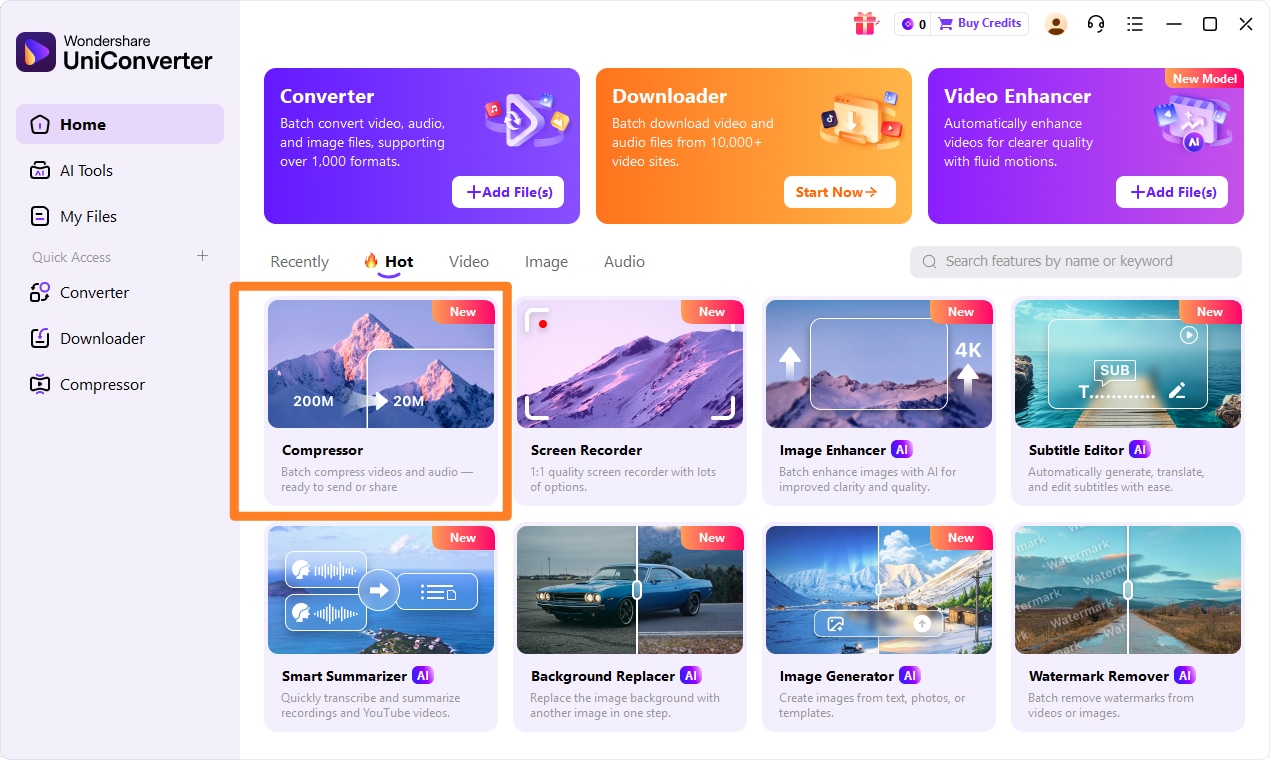
Step 1: Open UniConverter and Choose Compressor
Launch UniConverter on your computer. On the left sidebar, you'll find the "Compressor" tool. Click on it to open the compression interface.
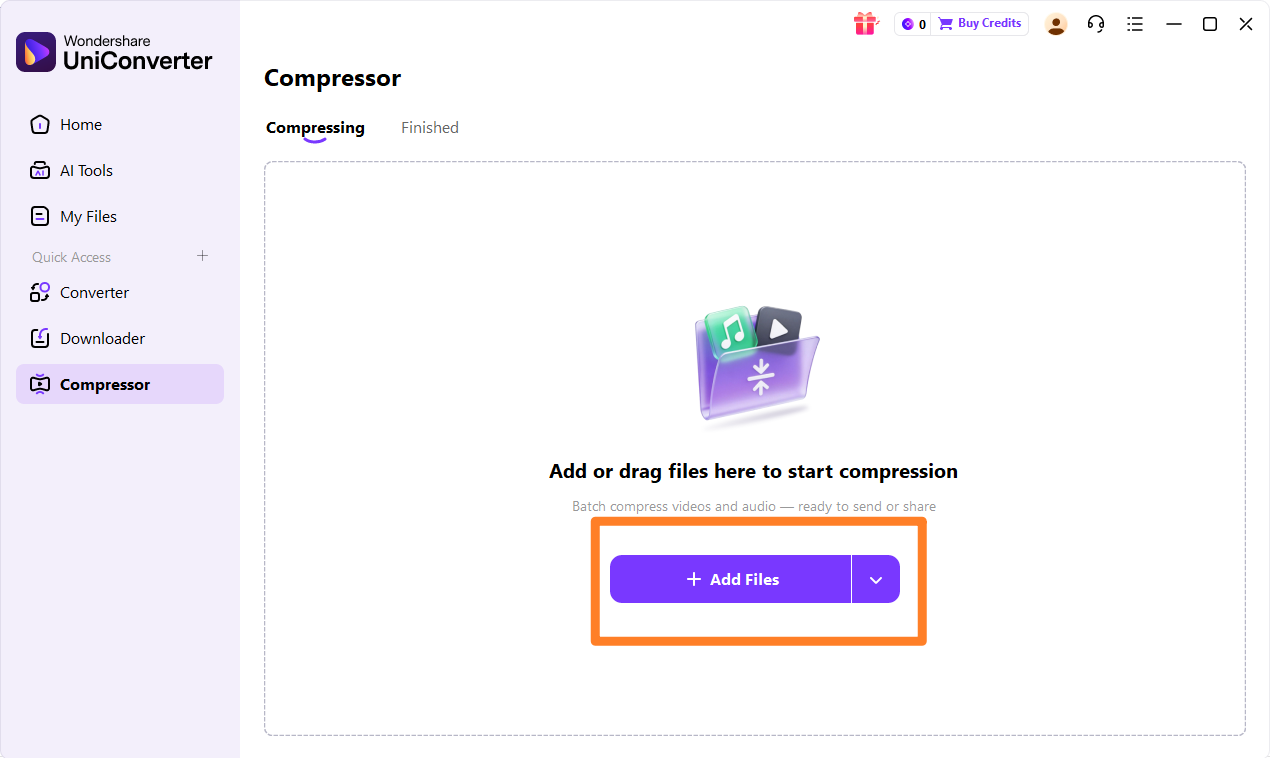
Step 2: Upload the Video, Audios or Images
Drag and drop your video, audio, or image files directly into the compressor window. You can also click "Add Files" to browse and select them from your computer.
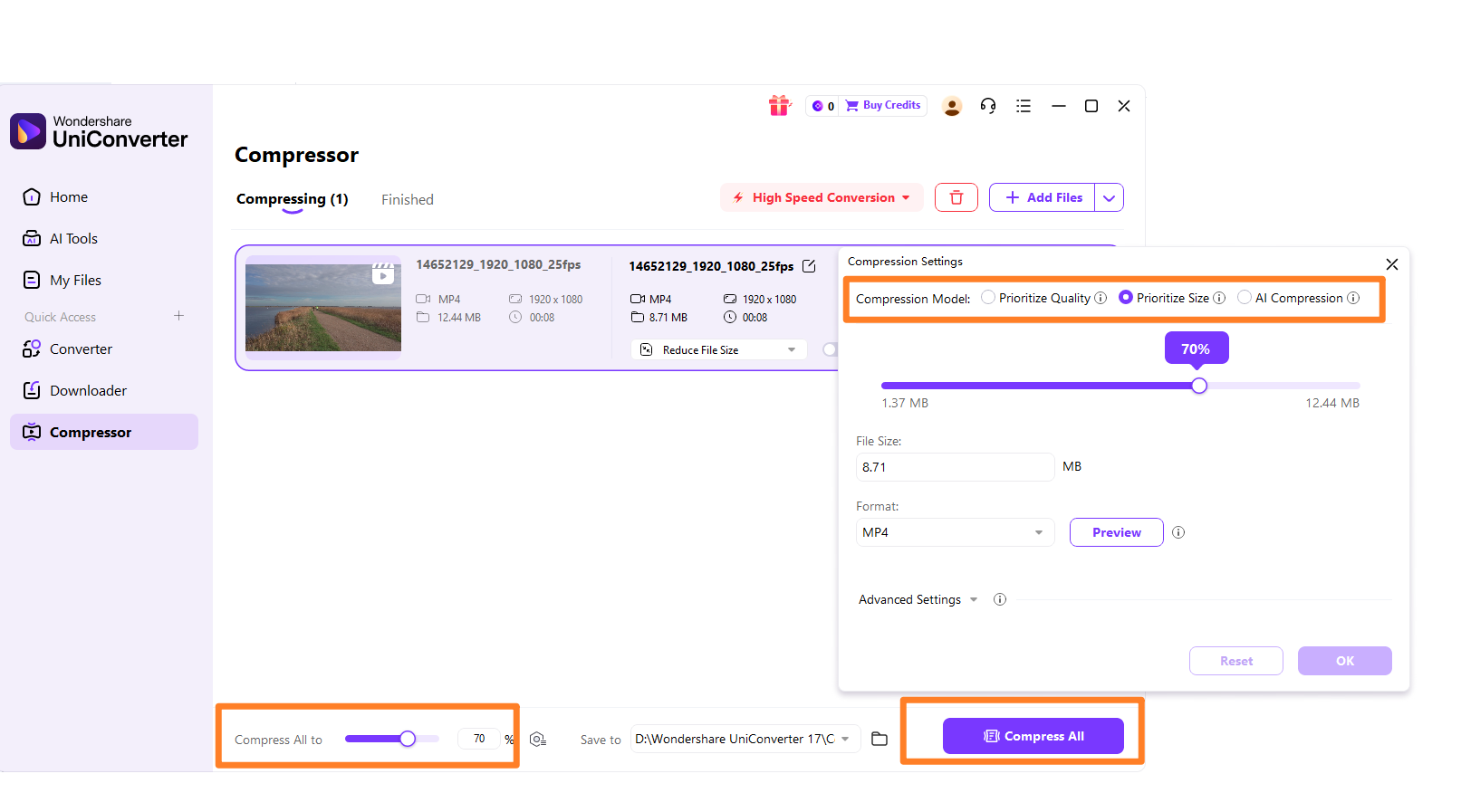
Step 3: Choose Required Parameters
Once your files are loaded, you can customize the compression settings. Adjust the file size, quality, format, and resolution as needed. UniConverter provides presets or allows for manual adjustments to achieve your desired balance between file size and quality.
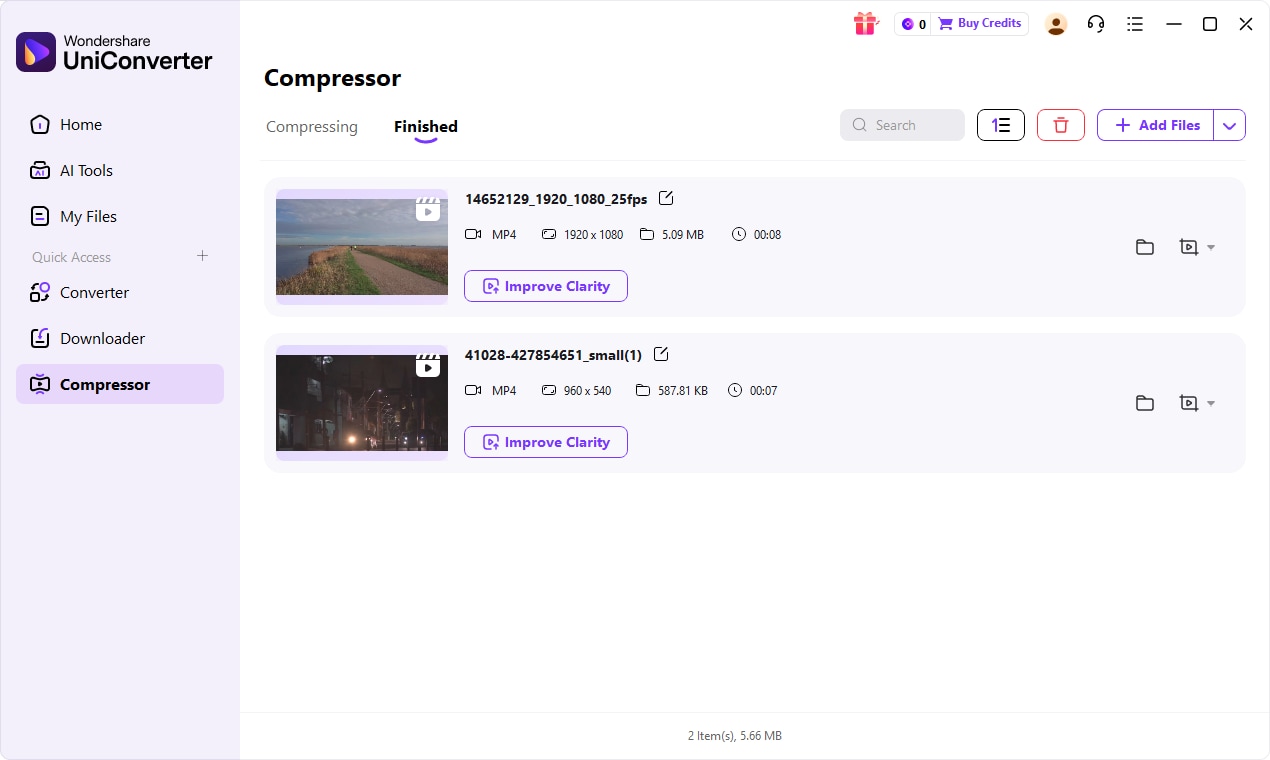
Step 4: Save the Compressed File
After configuring your settings, click the "Compress" button. UniConverter will quickly process your files. Once complete, you can choose the output folder and save your optimized files.

Cloudinary Image Compressor Alternative: UniConverter
Part 7: Conclusion
In summary, this Cloudinary Image Compressor review highlights its position as a powerful, cloud-based solution for advanced image optimization and management. Its AI-driven compression, extensive API, and global CDN make it an excellent choice for large-scale web applications, e-commerce platforms, and media-heavy websites that demand high performance and automated workflows. However, its complexity and potential cost for high usage might deter smaller projects or individuals with basic needs. For those seeking a simpler, more cost-effective, or offline solution, alternatives like UniConverter offer a compelling desktop experience with robust compression capabilities for various media types. Ultimately, the best tool depends on your specific project requirements, technical expertise, and budget.
Part 8: FAQs
-
1. How does Cloudinary Image Compressor handle different image formats?
Cloudinary automatically detects the optimal format for delivery, converting images to next-gen formats like WebP or AVIF when supported by the user's browser, significantly reducing file sizes while maintaining quality.
-
2. Is Cloudinary Image Compressor suitable for small businesses or personal websites?
While Cloudinary offers a free tier, its comprehensive features and API-driven nature might be overkill for small businesses or personal websites with limited image optimization needs. Simpler online tools or desktop software like UniConverter could be more straightforward and cost-effective.
-
3. What are the main differences between Cloudinary and a desktop compressor like UniConverter?
Cloudinary is a cloud-based, API-driven platform for comprehensive image management and delivery, ideal for dynamic web content. UniConverter is a desktop application offering robust offline compression for various media types, focusing on ease of use and high-quality output without relying on internet connectivity for processing.
-
4. Can Cloudinary Image Compressor help with SEO?
Yes, by significantly reducing image file sizes and improving load times, Cloudinary directly contributes to better website performance, which is a crucial factor for search engine optimization (SEO). Faster sites generally rank higher.
-
5. Are there any privacy concerns when using Cloudinary or other online image compressors?
When using any cloud-based service, it's important to review their privacy policy to understand how your data is handled. For sensitive images, local processing tools like UniConverter can offer greater control over your data as files are processed on your own computer.
