
- AI-Powered Compression: ClipDrop uses AI for superior image optimization, crucial for fast-loading web content.
- Ideal for Web/Social: Perfect for bloggers and social media managers needing quick, quality web optimization.
- Limited Pro Control: Lacks advanced customization, unsuitable for professional photographers requiring lossless quality.
- Cloud vs. Desktop: ClipDrop is web-based; UniConverter offers desktop control, security, and advanced features.
- Consider Risks: Be aware of data privacy and potential quality degradation with cloud-based tools.
- UniConverter Alternative: Offers robust desktop compression, extensive features, and local processing for security.
- Decision Factor: Choose based on workflow, data sensitivity, and budget – casual vs. professional needs.
In this article
- Part 1: What is ClipDrop Image Compressor?
- Part 2: ClipDrop Image Compressor: Core Features, Pros, and Cons
- Part 3: ClipDrop Image Compressor: Ideal Users and Use Cases
- Part 4: ClipDrop Image Compressor vs. Competitors
- Part 5: Risks and Pitfalls to Consider
- Part 6: How to Use UniConverter to Compress Efficiently
- Part 7: Final Verdict and Recommendations
- Part 8: FAQs
ClipDrop Image Compressor Review: Optimizing Your Visual Content
When I'm managing multiple websites and social media accounts, the constant need for high-quality, yet fast-loading images is a challenge I face daily. I've tried countless tools, but recently, I've been diving deep into the ClipDrop Image Compressor review to see if it truly lives up to its promises. This tool claims to leverage AI for superior compression, which, if true, could be a game-changer for content creators like me. In this review, I'll break down its core features, compare it to popular alternatives like TinyPNG and UniConverter, highlight its ideal use cases, and uncover any potential pitfalls. My goal is to help you decide if ClipDrop Image Compressor is the right fit for your image optimization needs, whether you're a casual blogger or a professional looking for efficient workflows.
Part 1: What is ClipDrop Image Compressor?
ClipDrop Image Compressor is a web-based tool designed to reduce the file size of images without significantly compromising their visual quality. It positions itself as an intelligent solution for image optimization, primarily targeting users who need to quickly prepare images for web use, social media, or email. The tool aims to streamline the process of getting visually appealing content online faster, addressing a common pain point for anyone working with digital media.
The Growing Need for Efficient Image Compression
The digital landscape today demands speed and efficiency. Large image files can significantly slow down website loading times, negatively impacting user experience and SEO rankings. For content creators, bloggers, and e-commerce businesses, optimizing images is no longer optional but a critical step in their workflow.
* Website Performance: Slow loading times lead to higher bounce rates and lower search engine rankings.
* User Experience: Visitors expect fast, seamless browsing, especially on mobile devices.
* Storage and Bandwidth Costs: Smaller file sizes reduce storage requirements and bandwidth consumption.
* Social Media Engagement: Optimized images load quickly, increasing the likelihood of user interaction.
Part 2: ClipDrop Image Compressor: Core Features, Pros, and Cons
ClipDrop Image Compressor focuses on delivering a streamlined image optimization experience. Its core capability revolves around reducing file sizes while attempting to maintain visual fidelity.
Core Features:
* AI-powered intelligent compression: Utilizes advanced algorithms to analyze image content and apply optimal compression settings.
* Support for various image formats: Handles common formats like JPEG, PNG, and WebP.
* Drag-and-drop interface: Simplifies the process of uploading images for compression.
* Real-time preview: Allows you to see the compressed image and compare it with the original before downloading.
* Download optimized images: Provides options to download individual or all compressed files.
Pros:
* AI-powered intelligent compression for optimal quality-to-size ratio, which I found genuinely impressive for most casual uses.
* Batch processing for multiple images, saving time for content creators who deal with many visuals.
* User-friendly interface, making it accessible for non-technical users like me who just want to get the job done quickly.
Cons:
* Limited advanced customization options for professional photographers who might need granular control over compression settings.
* Potential reliance on cloud processing, raising concerns for sensitive data if I'm uploading proprietary images.
Part 3: ClipDrop Image Compressor: Ideal Users and Use Cases
From my experience, ClipDrop Image Compressor shines in specific scenarios and for particular user groups, while falling short for others.
Best Use Case: Social Media Managers & Bloggers Optimizing Web Content
If you're a social media manager or a blogger, ClipDrop Image Compressor is a fantastic tool. I often find myself needing to quickly optimize dozens of images for blog posts or social media campaigns. The batch processing and AI-powered compression mean I can upload a folder of images, let the tool do its magic, and download optimized versions ready for immediate use. The quality reduction is usually imperceptible on smaller screens or within web contexts, making it perfect for improving page load times and ensuring quick uploads to platforms like Instagram, Facebook, or my WordPress site. It saves me a lot of time by not having to manually tweak settings for each image.
Limited Use Case: Professional Photographers Requiring Lossless Compression
However, for professional photographers or graphic designers who demand absolute pixel perfection and lossless compression, ClipDrop Image Compressor might not be the best fit. I've noticed that while the AI compression is good, it's still a lossy process. This means there's always some degree of data discarded, which can be critical for high-resolution prints, archival purposes, or when I need to retain every single detail for future editing. For these tasks, I'd typically opt for desktop software that offers more control over compression algorithms and supports truly lossless formats, ensuring no degradation of my original work.
Part 4: ClipDrop Image Compressor vs. Competitors
When it comes to image compression, ClipDrop isn't the only player in the game. I've spent a lot of time comparing it with other popular tools to understand where it truly stands out.
ClipDrop Image Compressor & Competitors: A Comparative Overview
| Feature/Tool | ClipDrop Image Compressor | TinyPNG | Compressor.io | UniConverter |
| Compression Method | AI-powered | Lossy (Smart Lossy) | Lossy & Lossless | Lossy & Lossless |
| Batch Processing | Yes | Yes | Yes | Yes |
| Desktop App | No (Web-based) | No (Web-based) | No (Web-based) | Yes |
| Advanced Settings | Limited | Limited | Limited | Extensive |
| Pricing Model | Freemium | Freemium | Freemium | Paid (with free trial) |
| Processing Speed | Fast | Fast | Fast | Very Fast (GPU Accelerated) |
| Output Quality | Excellent (AI-optimized) | Very Good | Good | Excellent (User-controlled) |
| Ease of Use | Very High | High | High | Moderate |
| Customer Support | Email/Community | 24/7 Live Chat/Email | ||
| Security | Cloud-based (Standard) | Cloud-based (Standard) | Cloud-based (Standard) | Local Processing (Desktop) |
Key Differentiators: AI-driven Efficiency vs. Feature Richness
ClipDrop Image Compressor's main strength lies in its AI-driven efficiency. For quick, high-quality web optimization, it's incredibly fast and generally produces excellent results with minimal effort from my side. TinyPNG is a close contender, offering similar smart lossy compression and ease of use. Compressor.io provides both lossy and lossless options but feels a bit less intuitive in its AI optimization compared to ClipDrop. However, when I need more control, especially for professional work, UniConverter stands out. Its desktop application offers extensive advanced settings, including lossless compression and GPU acceleration, which means faster processing for very large batches or high-resolution images. While UniConverter has a steeper learning curve and a paid model, its comprehensive features and local processing for security make it a strong alternative for more demanding tasks.
Part 5: Risks and Pitfalls to Consider
While ClipDrop Image Compressor offers convenience, it's important to be aware of potential risks and drawbacks, especially when relying on cloud-based tools.
Data Privacy and Security Concerns with Cloud-based Tools
When I upload images to a web-based compressor like ClipDrop, I'm essentially entrusting my data to a third-party server. For personal photos or non-sensitive content, this might not be a huge issue. However, if I'm working with proprietary designs, confidential client images, or anything with sensitive information, I always pause. There's an inherent risk, however small, of data breaches or unauthorized access. While most reputable services have robust security measures, the data leaves my local machine, which is a consideration for anyone dealing with highly sensitive material.
Potential for Unwanted Quality Degradation in Specific Scenarios
Although ClipDrop's AI compression is generally excellent, there are specific image types where I've noticed unwanted quality degradation. Images with fine textures, gradients, or very subtle color variations can sometimes show artifacts or banding after compression, even if the file size reduction is significant. For example, a high-resolution photograph of a sunset with smooth color transitions might lose some of its seamlessness. While this might be acceptable for a web thumbnail, it's definitely not ideal for a hero image on a landing page or a print-ready file.
Subscription Costs vs. Free Alternatives
ClipDrop Image Compressor operates on a freemium model. While the free tier offers a good starting point, its limitations often push me towards considering a paid subscription if I need more features or higher usage limits. This brings up the question of cost-effectiveness. Many free alternatives exist, though they might not offer the same AI-driven intelligence. I need to weigh the benefits of ClipDrop's advanced compression against the recurring subscription fees, especially when free tools like TinyPNG or even basic image editors can handle simpler compression tasks without any cost.
Dependence on Internet Connectivity for Web-based Solutions
As a web-based tool, ClipDrop Image Compressor requires a stable internet connection to function. This can be a significant pitfall if I'm working offline, in an area with poor connectivity, or experiencing internet outages. Unlike desktop applications that can operate independently, I'm completely reliant on my internet access to compress images. This dependency can disrupt my workflow and cause delays, especially when I'm on the go or in environments where reliable internet isn't guaranteed.
Part 6: How to Use UniConverter to Compress Efficiently
When web-based compressors start showing their limits—whether through restricted batch processing, inconsistent output, or noticeable quality loss—I usually switch to UniConverter for a more dependable workflow. It works well for image compression, audio compression, and video compression, so it’s easy to handle different media types in one place. I also like that it offers an ad-free experience, broad format support, and GPU acceleration, which helps make larger jobs much faster and more efficient. For video files, it can also help compress videos without quality loss as much as possible, making it a practical all-in-one solution for everyday media conversion and compression.
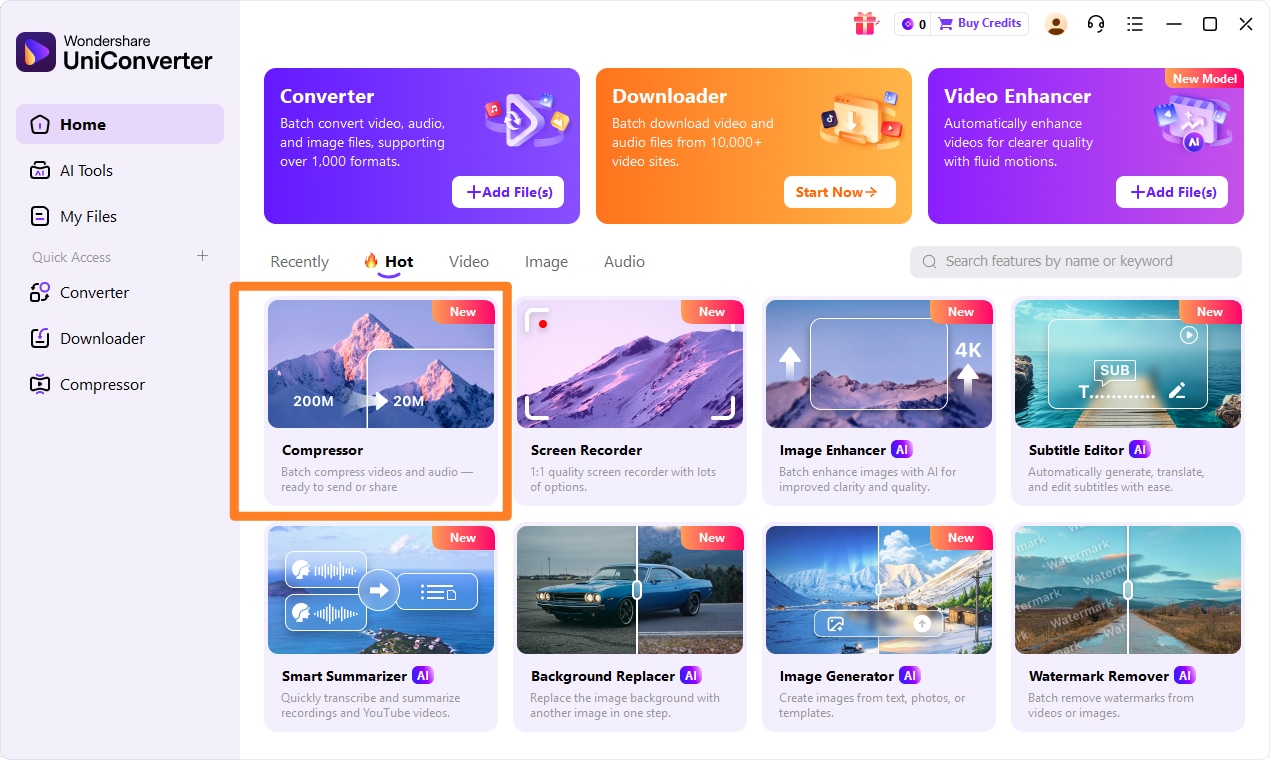
Step 1: Open UniConverter and Choose Compressor
First, I launch UniConverter on my desktop. On the main interface, I navigate to the "Toolbox" section and select the "Image Compressor" tool.
Step 2: Import Your Images into the Compressor Tool
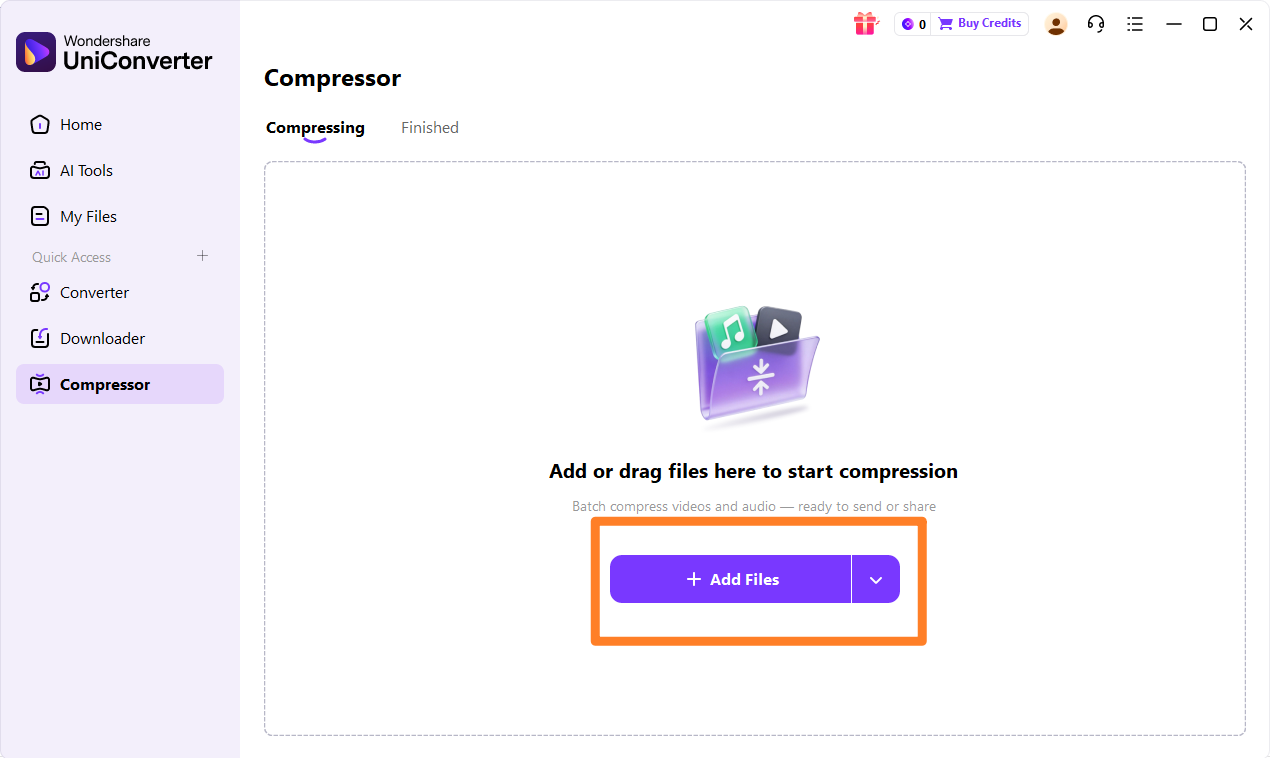
Next, I simply drag and drop the images I want to compress directly into the UniConverter window. Alternatively, I can click the "Add Files" button to browse and select them from my computer.
Step 3: Select Compression Level and Output Format
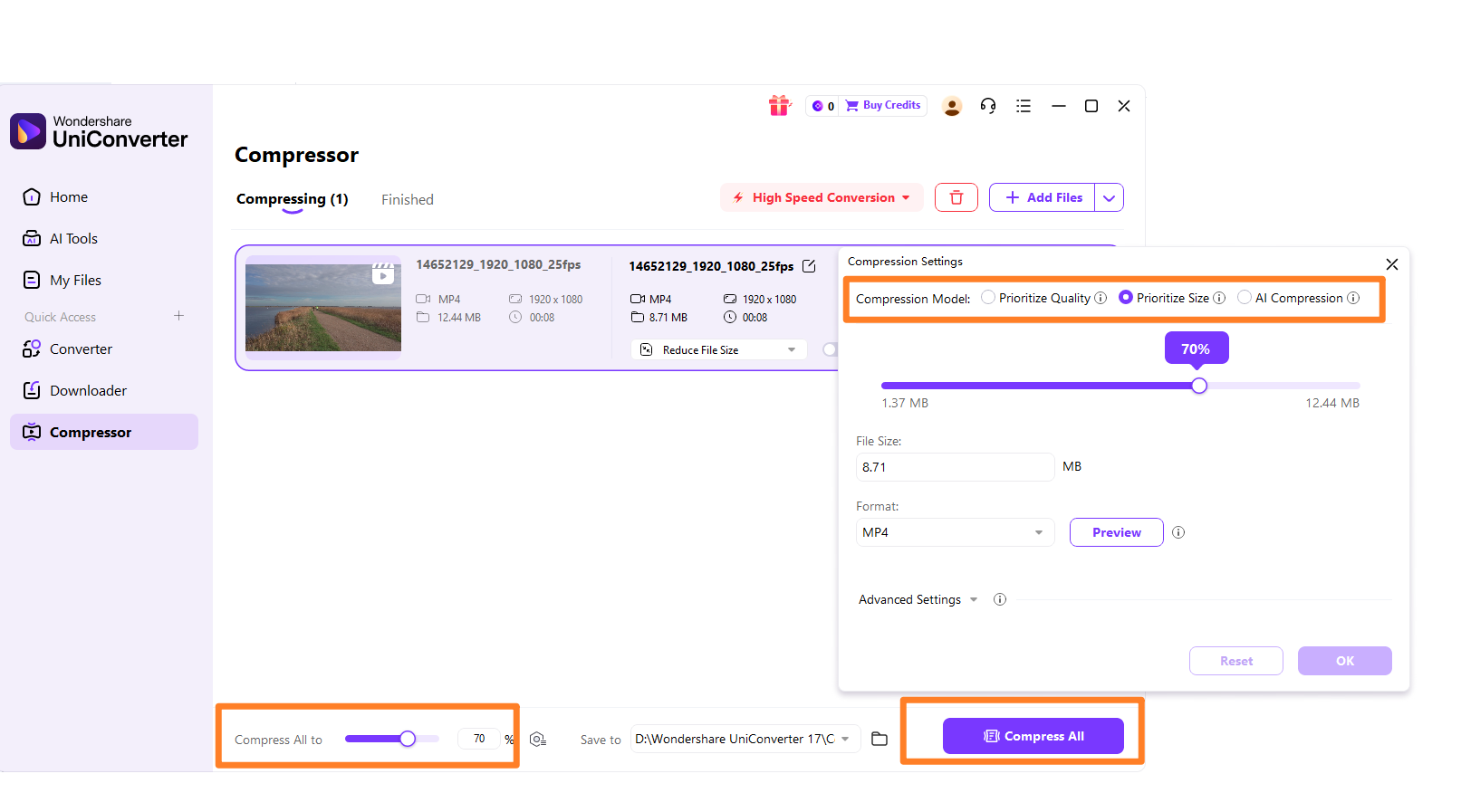
Once my images are loaded, I can choose the desired compression level using the slider. UniConverter allows me to preview the quality and estimated file size. I can also select an output format if I need to convert the images simultaneously.
Step 4: Start Compression and Save Your Optimized Images
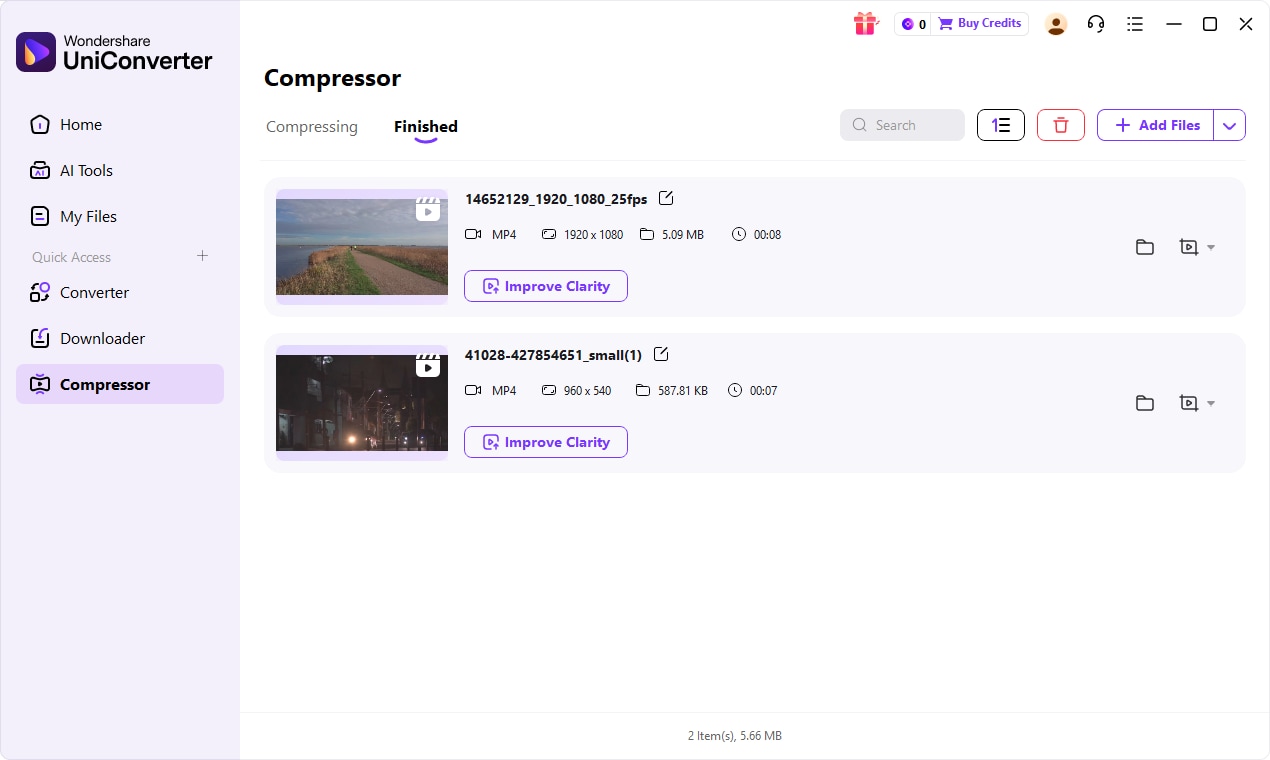
After setting my preferences, I click the "Compress" button. UniConverter quickly processes the images, and once complete, I can find my optimized files in the specified output folder.

ClipDrop Image Compressor Alternative for Better Efficiency?
Part 7: Final Verdict and Recommendations
After extensively reviewing ClipDrop Image Compressor and comparing it with its competitors, I've formed a clear picture of its strengths and weaknesses. For casual users and those needing quick optimizations for web content, ClipDrop Image Compressor is an excellent choice. Its AI-powered compression delivers impressive results with minimal effort, making it ideal for bloggers, social media managers, and anyone who needs to quickly reduce image file sizes without diving into complex settings. The user-friendly interface and batch processing capabilities are significant time-savers.
However, for content creators and small businesses with more demanding needs, especially concerning data privacy or granular control over compression, ClipDrop might fall short. The reliance on cloud processing and limited advanced settings can be a concern. In these cases, exploring alternatives like UniConverter, which offers a desktop application with extensive features, lossless compression options, and local processing, would be a more suitable path. While UniConverter comes with a cost, its comprehensive suite of tools and enhanced security often justify the investment for professional use. Ultimately, the best tool depends on your specific workflow, the sensitivity of your data, and your budget.
Part 8: FAQs
-
1. What is ClipDrop Image Compressor?
ClipDrop Image Compressor is a web-based tool that uses AI to reduce the file size of images (JPEG, PNG, WebP) while maintaining visual quality, primarily for web optimization.
-
2. Is ClipDrop Image Compressor free to use?
Yes, ClipDrop Image Compressor offers a freemium model. You can use it for free with certain limitations, and a paid subscription unlocks more features and higher usage limits.
-
3. How does ClipDrop Image Compressor compare to TinyPNG?
Both ClipDrop Image Compressor and TinyPNG are excellent web-based tools for smart lossy compression. ClipDrop often boasts slightly more advanced AI for optimization, while TinyPNG is a long-standing, reliable option. For general web use, both perform very well.
-
4. Can ClipDrop Image Compressor handle large image files?
Yes, ClipDrop Image Compressor can handle large image files, but the processing time might vary based on your internet speed and the file size. The free tier might also have limitations on the maximum file size or number of images you can process in a single batch. For extremely large files or very high-resolution images, a desktop application like UniConverter might offer faster and more stable processing.
-
5. What are the main benefits of using an image compressor?
The main benefits include faster website loading times, improved SEO, reduced storage and bandwidth costs, and enhanced user experience. Efficient image compression ensures your visual content loads quickly and looks great across all devices.
