
- Caesium Value: Free, open-source desktop tool for efficient image compression, ideal for web optimization and saving space.
- Core Features: Offers advanced lossy/lossless compression, batch processing, and customizable quality settings for common formats.
- Ideal Users: Best for bloggers, small businesses, and web developers needing quick, high-volume image optimization for websites.
- Limitations: Lacks advanced editing, cloud integration, and robust preview features; not for professional photo editing workflows.
- Comparative Edge: Desktop-based processing offers speed advantages over web tools like TinyPNG, especially for large batches.
- Quality Risk: Aggressive compression can degrade image quality; always use real-time preview to balance size and visual integrity.
- UniConverter Alternative: Offers stable, high-quality compression for diverse media, extensive format support, and GPU acceleration.
- Decision Point: Choose Caesium for basic, free desktop compression; UniConverter for comprehensive, versatile multimedia optimization.
In this article
- Part 1: What is Caesium Image Compressor?
- Part 2: Caesium Image Compressor: Core Features, Pros & Cons
- Part 3: Caesium Image Compressor: Ideal Users & Scenarios
- Part 4: Caesium Image Compressor & Competitors: A Comparative Analysis
- Part 5: Risks & Pitfalls to Consider
- Part 6: How to Use UniConverter for Efficient Image Compression
- Part 7: Conclusion
- Part 8: FAQs
When it comes to optimizing images for the web or simply saving disk space, a reliable image compressor is a must-have. Today, I'm diving deep into Caesium Image Compressor review, a popular desktop tool known for its efficiency and ease of use. This review will explore its features, compare it with leading alternatives, and help you decide if it's the right fit for your image optimization needs. I'll cover everything from its core functionalities to potential pitfalls, ensuring you have all the information to make an informed decision.
Part 1: What is Caesium Image Compressor?
Caesium Image Compressor is a free, open-source desktop application designed to reduce the file size of your images without a significant loss in visual quality. It's a go-to solution for many who need to quickly optimize a large number of photos for various purposes, from website uploads to email attachments. My goal with this review is to determine if Caesium truly delivers on its promise of efficient compression and how it stacks up against other tools in a crowded market.
The Landscape of Image Compression Tools
The need for efficient image compression is driven by several factors:
* Faster Website Loading Times: Large image files can significantly slow down a website, impacting user experience and SEO.
* Reduced Storage Space: Optimizing images helps free up valuable disk space on your devices.
* Easier Sharing: Smaller image files are quicker to upload and download, making sharing via email or messaging apps more convenient.
Part 2: Caesium Image Compressor: Core Features, Pros & Cons
Caesium Image Compressor offers a straightforward approach to image optimization, focusing primarily on efficient compression. Its core capability lies in its ability to significantly reduce file sizes while providing control over the output quality.
Here are its key features:
* Advanced Lossy/Lossless Compression: Offers both methods to balance file size and quality.
* Batch Processing: Compresses multiple images simultaneously, saving time.
* Customizable Quality Settings: Allows you to fine-tune the compression level for each image.
* Support for Common Formats: Handles JPEG, PNG, BMP, and more.
* Real-time Preview: Shows the compressed image and its size reduction before saving.
Pros
* Highly efficient compression with customizable quality settings.
* Batch processing for multiple images.
* User-friendly interface, easy for beginners.
Cons
* Limited advanced editing features beyond compression.
* No cloud integration or mobile app.
Part 3: Caesium Image Compressor: Ideal Users & Scenarios
Caesium Image Compressor shines in specific scenarios and for particular user groups due to its focused functionality and desktop-based nature. It's not a one-size-fits-all solution, but it excels where simplicity and efficiency are paramount.
Best Use Case: Optimizing Website Images for Faster Loading
If you're a blogger, small business owner, or web developer who frequently uploads images to websites, Caesium is an excellent tool. I find it incredibly useful for quickly reducing the file size of product photos, blog post images, or portfolio pieces. The batch processing feature means I can optimize dozens of images in minutes, directly contributing to faster page load times and improved SEO. Its ability to maintain decent quality while drastically cutting file size makes it a go-to for web optimization.
Limited Use Case: Professional Photo Editing Workflows
While Caesium is great for compression, it's not designed for professional photo editing. If your workflow involves extensive retouching, color grading, or complex manipulations, you'll need dedicated photo editing software like Photoshop or GIMP. Caesium lacks these advanced features, serving purely as a post-editing compression tool. I wouldn't recommend it if your primary need is creative image manipulation rather than just file size reduction.
Part 4: Caesium Image Compressor & Competitors: A Comparative Analysis
When evaluating image compressors, it's crucial to see how they stack up against the competition. I've put Caesium Image Compressor head-to-head with some popular alternatives to highlight their strengths and weaknesses.
| Feature/Tool | Caesium Image Compressor | TinyPNG | ImageOptim | Squoosh |
| Compression Algorithm | Advanced Lossy/Lossless | Smart Lossy | Lossless | Multiple |
| Batch Processing | Yes | Yes | Yes | No |
| Platform | Desktop (Windows, Linux) | Web | Desktop (macOS) | Web |
| Advanced Features | Limited | Limited | Limited | Extensive |
| Pricing | Free | Freemium | Free | Free |
Key Differentiators: Desktop vs. Web, Lossy vs. Lossless, Feature Set
Caesium's strength lies in its desktop presence, offering offline processing and potentially faster speeds for large batches compared to web-based tools like TinyPNG and Squoosh. TinyPNG excels at smart lossy compression for PNGs and JPEGs, often achieving impressive reductions with minimal perceived quality loss, but it's web-only. ImageOptim is a macOS-specific lossless optimizer, perfect for those who prioritize zero quality degradation. Squoosh, a web-based tool from Google, offers the most extensive range of compression algorithms and advanced features, making it highly versatile for those who don't mind a manual, image-by-image approach. For batch processing on a desktop, Caesium remains a strong contender, especially for Windows and Linux users.
Part 5: Risks & Pitfalls to Consider
While Caesium Image Compressor is a valuable tool, it's important to be aware of potential risks and limitations, especially when dealing with image quality and workflow integration. My experience has highlighted a few areas where users should exercise caution.
Potential Loss of Image Quality with Aggressive Compression
One of the most significant risks is over-compressing your images. While Caesium allows you to set compression levels, pushing it too far can lead to noticeable artifacts, color banding, or a general degradation of image quality. I've learned the hard way that a balance must be struck between file size reduction and visual integrity. Always use the real-time preview and compare the original with the compressed version before committing to a save.
Lack of Cloud Backup or Syncing Capabilities
As a desktop application, Caesium operates locally on your machine. This means there's no built-in cloud backup or syncing feature. If your hard drive fails or you switch devices, your optimized images aren't automatically protected or accessible elsewhere. I always recommend manually backing up your optimized images to a cloud service or external drive to prevent data loss.
Absence of Built-in Image Previews for Fine-tuning
While Caesium offers a real-time preview of the compressed image, it lacks advanced preview features often found in more sophisticated tools, such as side-by-side comparisons with zoom or different compression settings. This can make fine-tuning the compression level a bit more challenging, as you're relying on a single view rather than a comprehensive comparison.
Dependence on Desktop Installation and Updates
Being a desktop application, Caesium requires installation and periodic updates. This can be a minor inconvenience for some, especially if you prefer web-based tools that are always up-to-date. Additionally, if you work across multiple devices or operating systems, you'll need to install and manage Caesium on each one.
Part 6: How to Use UniConverter for Efficient Image Compression
Sometimes, tools like Caesium work fine for basic file reduction, but they can feel limited when I need more flexibility, broader media support, or better control over output quality. In those situations, I usually turn to UniConverter as a more versatile alternative. It works well for both image compression and video compression, making it a practical choice when I need to handle different file types in one place. I also like that it can help compress videos without quality loss as much as possible, while GPU acceleration helps speed up the process. With broad format support and a smoother overall workflow, it works well as an all-in-one solution for compression, conversion, and everyday media management.
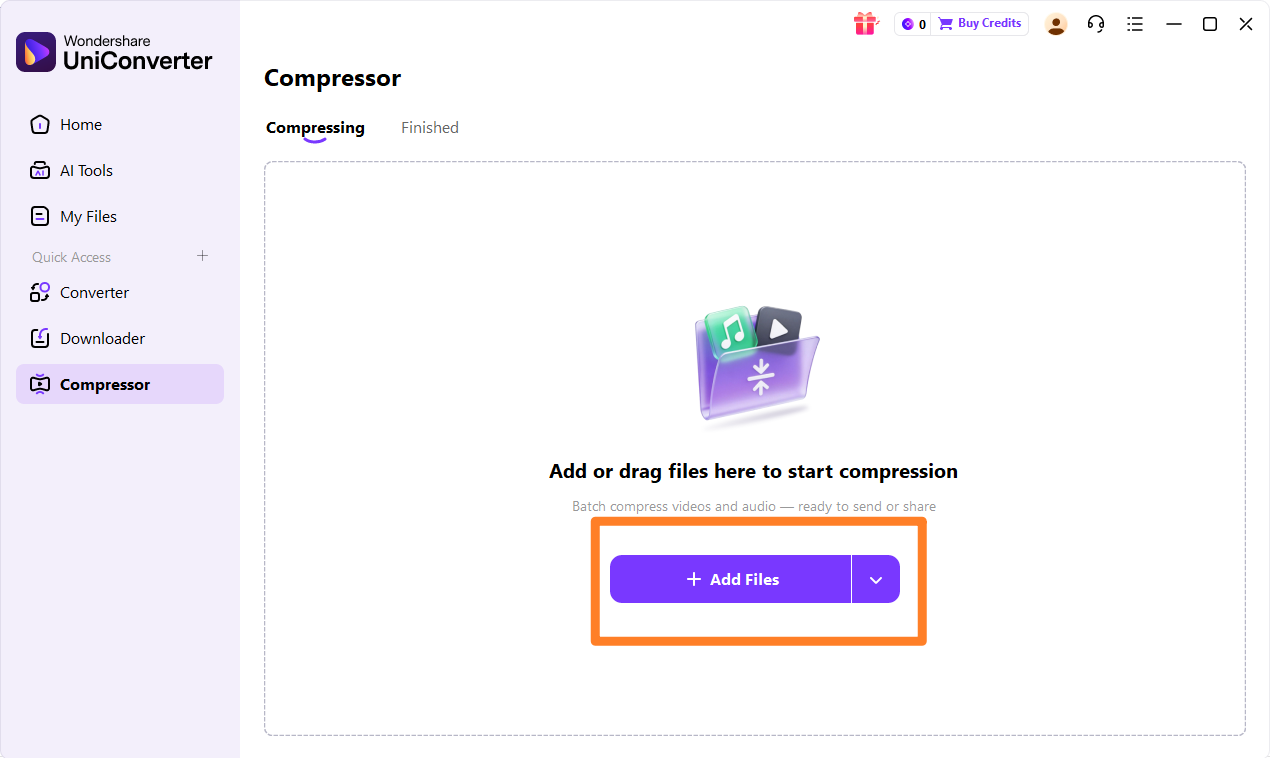
Step 1: Open UniConverter and Choose Compressor
Launch UniConverter on your computer. From the main interface, navigate to the "Toolbox" section and select the "Image Converter" option.

Step 2: Import Your Images for Compression
Click the "+ Add Files" button to import the images you wish to compress. You can select multiple images for batch processing.
Step 3: Select Desired Compression Settings and Output Format
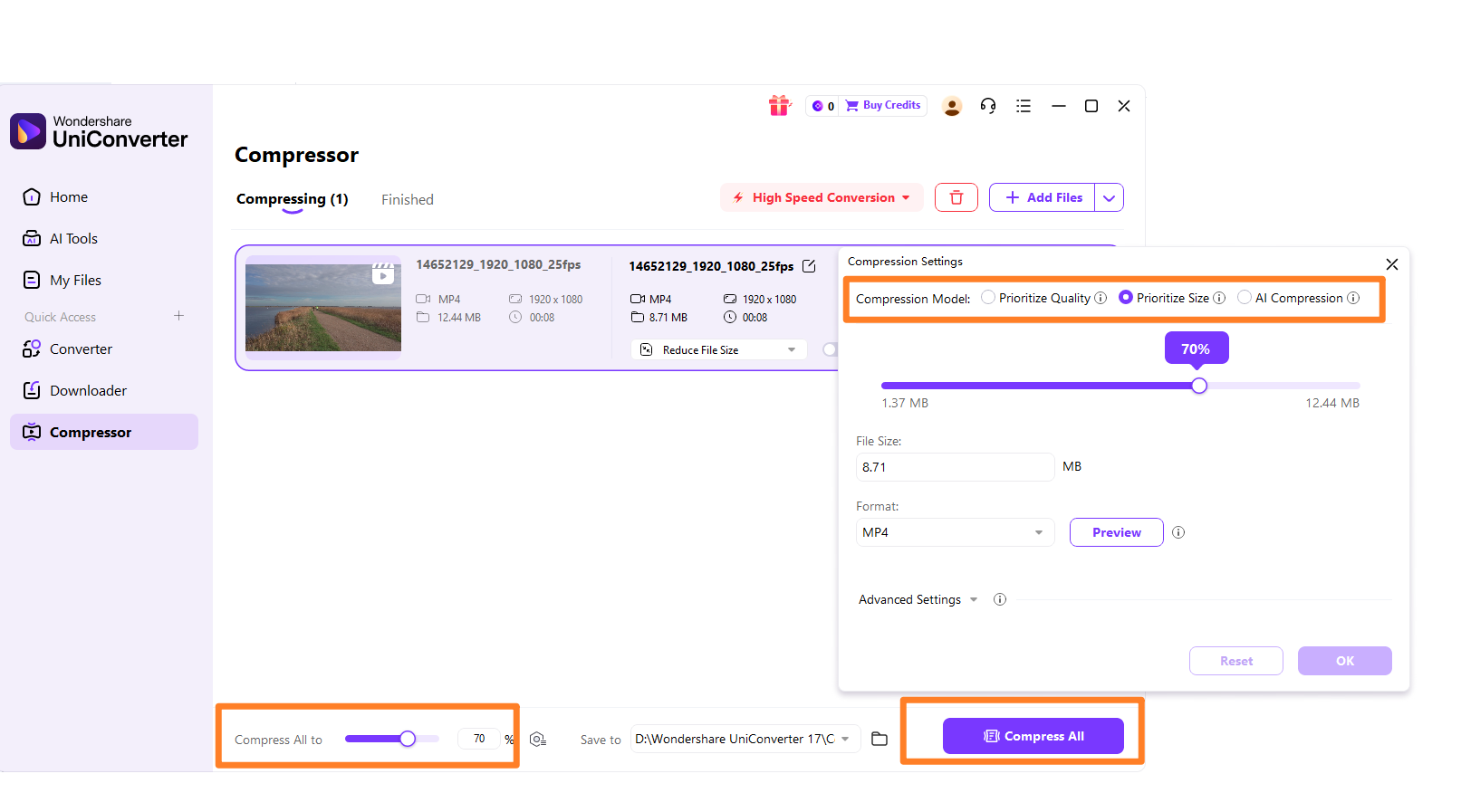
Choose your preferred output format (e.g., JPG, PNG). Then, adjust the quality slider to set your desired compression level. UniConverter provides a real-time preview of the estimated file size.
Step 4: Start Compression and Export Optimized Images
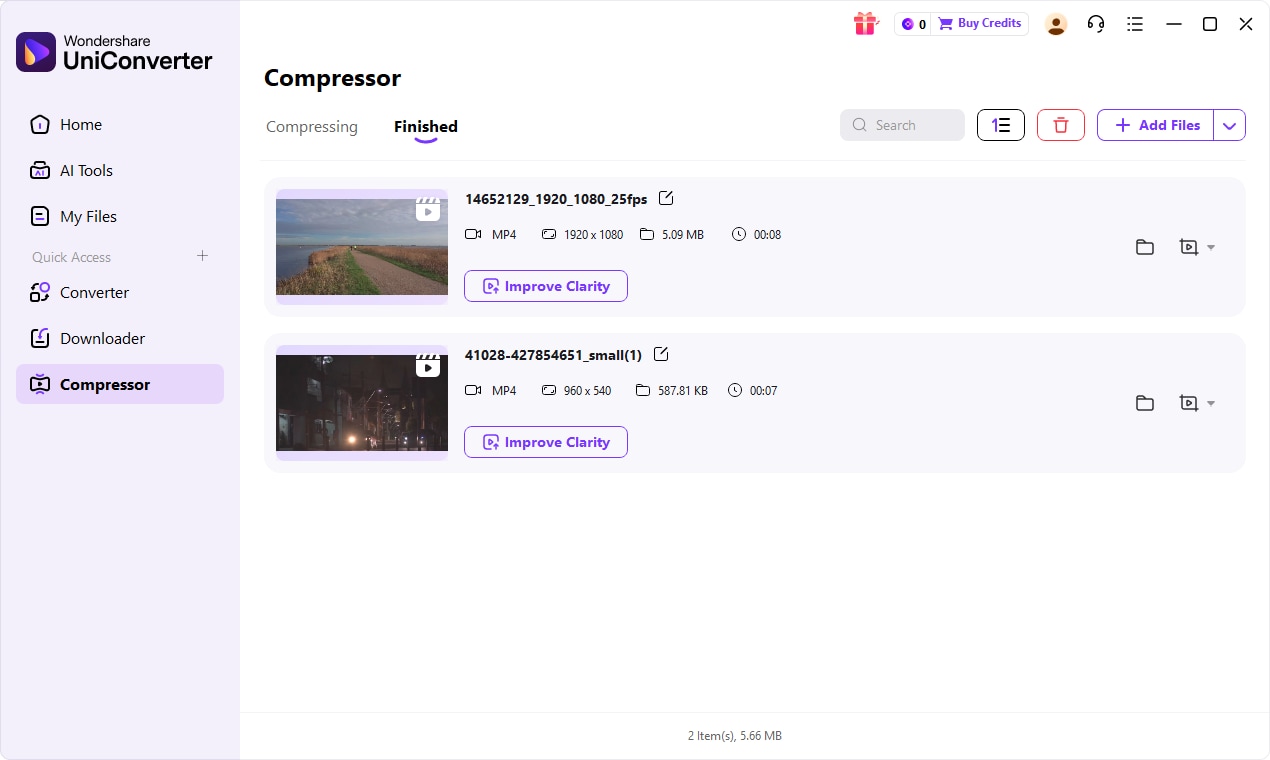
Once you're satisfied with the settings, click the "Compress" button. UniConverter will quickly process your images, and you can then find the optimized files in your designated output folder.

Seeking a Powerful Caesium Alternative?
Part 7: Conclusion
After a thorough Caesium Image Compressor review and comparison, it's clear that this tool holds a valuable place in the image optimization landscape. For casual users, bloggers, and anyone needing a straightforward, free desktop solution for batch image compression, Caesium is an excellent choice. Its ease of use and efficient file size reduction make it highly effective for optimizing images for web upload or saving disk space. However, for web developers and SEO specialists who might require more advanced features, deeper integration with web workflows, or more sophisticated lossless compression algorithms, exploring alternatives like Squoosh or ImageOptim (for macOS) might be beneficial. For professionals who demand a versatile, all-in-one solution that handles not only images but also video compression, editing, and conversion with high quality and stability, UniConverter offers a broader and more comprehensive toolkit, making it a superior choice for diverse multimedia needs. Ultimately, the best tool depends on your specific requirements, workflow, and technical proficiency.
Part 8: FAQs
-
1. Is Caesium Image Compressor completely free to use?
Yes, Caesium Image Compressor is open-source and free to use.
-
2. Does Caesium Image Compressor support all image formats?
It supports common formats like JPEG, PNG, and BMP.
-
3. Can I compress images without losing quality using Caesium?
Caesium offers both lossy and lossless compression options, allowing you to choose based on your needs. For truly lossless compression across various media types, UniConverter is a robust alternative.
-
4. How does Caesium compare to online image compressors?
Caesium is a desktop application, offering offline functionality and potentially faster processing for large batches compared to web-based tools.
-
5. Is UniConverter a good alternative for video compression as well?
Yes, UniConverter is a comprehensive multimedia tool that excels in both image and video compression, editing, and conversion, making it a versatile solution for all your media optimization needs.
