
- Ashampoo Photo Optimizer: Simplifies image enhancement and compression with one-click optimization and batch processing.
- Ideal Users: Best for casual photographers and small businesses needing quick, automated image adjustments for web/social media.
- Limitations: Lacks advanced editing features; auto-optimization can sometimes lead to unnatural results or over-compression.
- Alternatives: Adobe Lightroom (pro editing), GIMP (free, advanced), TinyPNG (web compression), UniConverter (all-in-one media solution).
- UniConverter Value: Offers stable, high-quality, ad-free image and video compression with GPU acceleration and extensive format support.
- Decision Factor: Choose based on need for automation vs. granular control, budget (one-time vs. subscription), and required features.
In this article
- Part 1: What is Ashampoo Photo Optimizer Image Compressor
- Part 2: Ashampoo Photo Optimizer Image Compressor: Core Features, Pros, and Cons
- Part 3: Ashampoo Photo Optimizer Image Compressor: Ideal Users and Use Cases
- Part 4: Ashampoo Photo Optimizer Image Compressor and Alternatives Comparison
- Part 5: Risks and Pitfalls to Consider
- Part 6: How to Use UniConverter for Efficient Audio and Video Compression
- Part 7: Final Verdict and Recommendations
- Part 8: FAQs
The digital age demands pristine images, yet often at the cost of large file sizes that slow down websites and clog storage. This is where image optimizers like Ashampoo Photo Optimizer Image Compressor review come into play. They promise to strike a balance between visual quality and file efficiency. In this comprehensive review, I'll dive deep into Ashampoo's offering, comparing it against a diverse set of competitors to help you navigate the crowded market of image optimization tools. My goal is to provide a clear, scenario-based analysis so you can confidently choose the best solution for your specific needs.
Part 1: What is Ashampoo Photo Optimizer Image Compressor
Ashampoo Photo Optimizer Image Compressor is a desktop application designed to simplify the process of enhancing and compressing digital images. Originating from Ashampoo, a German software company known for its utility programs, this tool aims to provide an accessible solution for users who need quick and effective image adjustments without delving into complex editing software. My experience with it suggests it focuses heavily on automation, making it a go-to for those who prioritize speed over granular control. This review will explore its capabilities, weigh its benefits against its drawbacks, and ultimately help you decide if it’s the right fit for your image optimization workflow.
The Landscape of Image Optimization Tools
The need for efficient image handling has never been greater, driven by:
* The proliferation of high-resolution cameras: Modern smartphones and DSLRs produce massive image files.
* The demand for fast-loading websites: Large images are a primary culprit for slow page load times, impacting user experience and SEO.
* The rise of social media and online sharing: Users frequently need to resize and optimize images for various platforms.
* Limited storage capacities: Both cloud and local storage can quickly fill up with unoptimized photos.
Part 2: Ashampoo Photo Optimizer Image Compressor: Core Features, Pros, and Cons
From my perspective, Ashampoo Photo Optimizer Image Compressor shines in its ability to streamline image enhancement and compression. Its core capabilities revolve around making complex tasks simple.
Here are its core features:
* One-Click Optimization: Automatically adjusts brightness, contrast, color, and sharpness.
* Batch Processing: Allows you to optimize and compress multiple images simultaneously.
* Image Compression: Reduces file size without significant perceived quality loss.
* Basic Editing Tools: Includes features like rotate, crop, and red-eye removal.
* Automatic Backup: Creates backups of original images before applying changes.
Pros:
* One-click optimization for quick enhancements: I found this incredibly useful for rapidly improving a large batch of photos.
* Batch processing for efficiency: Optimizing hundreds of photos for a website became a breeze.
* Intuitive user interface: The layout is clean and easy to navigate, even for beginners.
Cons:
* Limited advanced editing features: If you need precise color grading or complex retouching, you'll hit a wall quickly.
* Occasional over-optimization leading to unnatural results: Sometimes, the "auto" settings can make images look a bit too artificial or washed out.
Part 3: Ashampoo Photo Optimizer Image Compressor: Ideal Users and Use Cases
Based on my hands-on experience, Ashampoo Photo Optimizer Image Compressor is not a one-size-fits-all solution, but it excels in specific scenarios for particular users.
* Best Use Case: I'd highly recommend it for casual photographers and small businesses needing quick, automated image enhancements for web or social media. If you're managing a small e-commerce site and need to quickly prepare product photos, or if you just want to spruce up your vacation pictures before sharing them online, this tool is perfect. It saves a lot of time by automating tasks that would otherwise be tedious in more complex software.
* Limited Use Case: However, I found its capabilities fall short for professional photographers requiring precise control over every aspect of image editing and compression. If you're a graphic designer, a fine art photographer, or someone who needs pixel-level accuracy and advanced retouching, you'll quickly outgrow Ashampoo Photo Optimizer. Its automated nature means you relinquish a degree of creative control, which is often non-negotiable for professionals.
Part 4: Ashampoo Photo Optimizer Image Compressor and Alternatives Comparison
When I look at the broader market, Ashampoo Photo Optimizer Image Compressor review stands out for its simplicity, but it's crucial to see how it stacks up against other players.
| Feature/Tool | Ashampoo Photo Optimizer Image Compressor | Adobe Lightroom | GIMP | TinyPNG | UniConverter |
| Primary Focus | Automated optimization, ease of use | Professional editing, comprehensive features | Free, open-source, advanced editing | Web-focused compression | All-in-one media conversion & compression |
| Processing Speed | Fast (especially for batch) | Moderate to Fast (depends on system) | Moderate | Fast (online) | Very Fast (GPU acceleration) |
| Output Quality | Good (auto-optimized) | Excellent (user-controlled) | Excellent (user-controlled) | Good (lossy) | Excellent (lossless/lossy options) |
| Ease of Use | Very High | Moderate | High learning curve | Very High | High |
| Batch Processing | Yes | Yes | Yes | Yes | Yes |
| Advanced Editing | Limited | Extensive | Extensive | No | Basic (crop, watermark) |
| Pricing Model | One-time purchase | Subscription | Free | Freemium | One-time purchase/Subscription |
| Customer Support | Email/Knowledge Base | Extensive (community, tutorials, direct) | Community Forums | Email/FAQ | 24/7 Live Chat/Email |
| Security | Local processing | Cloud/Local | Local processing | Cloud-based | Local processing |
Key Differentiators:
Ashampoo excels in automated, one-click solutions for users prioritizing speed and simplicity. Adobe Lightroom offers unparalleled control and professional-grade tools for detailed editing, making it the industry standard for many. GIMP provides a free, powerful alternative for those willing to invest time in learning its extensive features. TinyPNG specializes in highly efficient web image compression without editing capabilities, perfect for quick online optimization. UniConverter, on the other hand, offers a robust, all-in-one solution for various media needs, including high-speed, high-quality image and video compression.
Part 5: Risks and Pitfalls to Consider
When I evaluate software, especially tools that handle my precious photos, I always look beyond the shiny features to understand the potential risks and pitfalls. With Ashampoo Photo Optimizer Image Compressor, and similar tools, there are several areas where I advise caution.
Privacy Concerns with Cloud-Based Features
While Ashampoo Photo Optimizer is primarily a desktop application, some tools in this space offer cloud integration. If you're using a cloud-based image optimizer, you need to be acutely aware of their privacy policies. Uploading your personal or sensitive images to a third-party server, even for a moment, carries the risk of data breaches or unauthorized access. Always read the fine print regarding data handling and storage.
Potential for Over-Compression and Quality Loss
The core function of an image compressor is to reduce file size, but this often comes at the cost of image quality. I've found that Ashampoo's "one-click" optimization, while convenient, can sometimes be overly aggressive, leading to noticeable artifacts, banding, or a general loss of detail, especially in images with subtle gradients or fine textures. It's a trade-off: speed and small file size versus pristine quality. Always review the optimized images carefully.
Subscription vs. One-Time Purchase Value
Ashampoo Photo Optimizer typically offers a one-time purchase model, which I generally prefer for desktop utilities. However, many competitors, especially professional-grade tools like Adobe Lightroom, operate on a subscription model. While a one-time purchase seems cheaper upfront, consider the long-term value. Subscriptions often include continuous updates, new features, and cloud storage, which might be more beneficial for some users. Evaluate your usage frequency and need for ongoing support/features.
Advertisements and Upsells within the Software
I've noticed that some freemium or even paid versions of software, including those from Ashampoo, can sometimes include advertisements for other products from the same company or persistent upsell prompts. While not a functional risk, it can be an annoying distraction and detract from the user experience. A clean, ad-free interface is always preferable for a smooth workflow.
Compatibility Issues with Specific Image Formats
While most image optimizers handle common formats like JPEG and PNG well, I've encountered issues with less common or proprietary formats (e.g., certain RAW files, HEIC). Before committing to a tool, especially if you work with diverse image types, ensure it fully supports all the formats you intend to process. Otherwise, you might find yourself needing multiple tools or converting formats beforehand, adding extra steps to your workflow.
Part 6: How to Use UniConverter for Efficient Audio and Video Compression
When other tools fail to deliver—whether because batch compression is limited, the results are inconsistent, or the output quality drops too much—I usually rely on UniConverter as a more dependable alternative. It offers a smoother, ad-free experience and works especially well as a reliable video compressor for handling large files more efficiently. I also like that it can help compress videos without quality loss as much as possible, while GPU acceleration keeps processing fast and stable. Since it also supports image compression, it works well as a practical all-in-one solution for optimizing different types of media files.
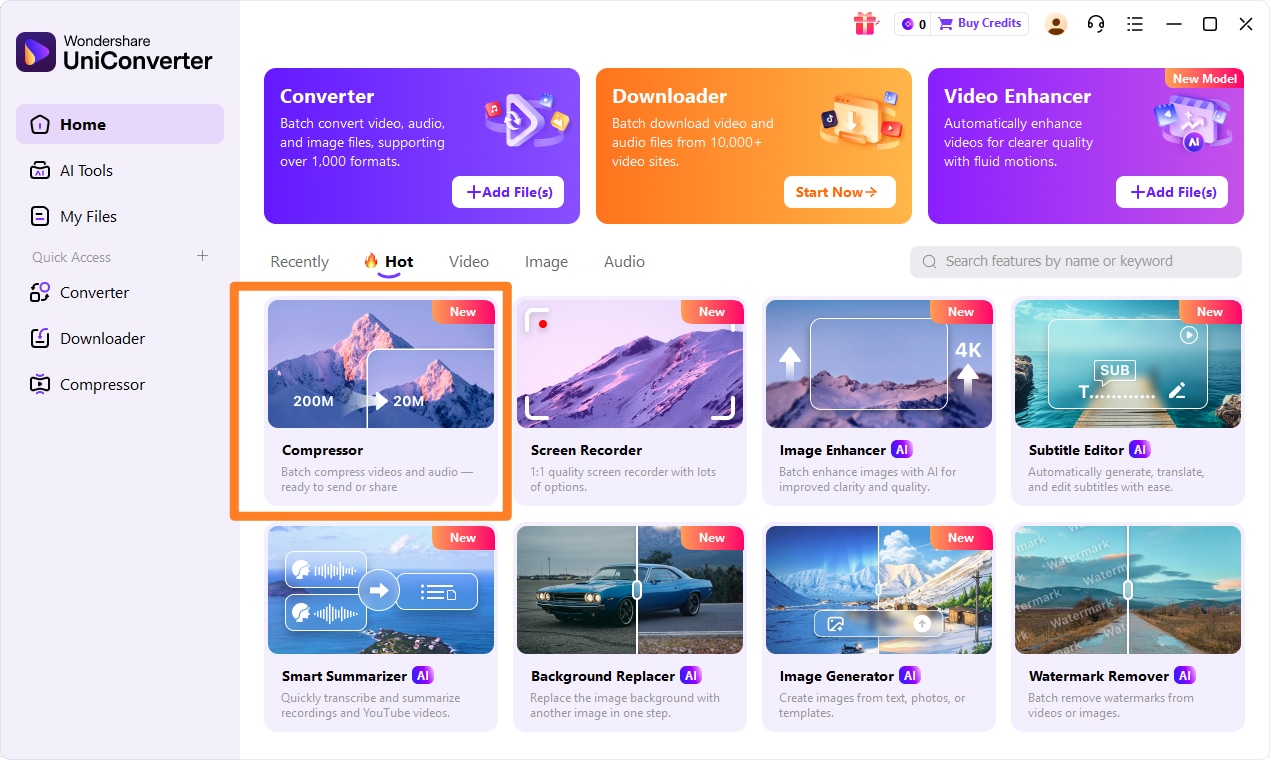
Step 1: Open UniConverter and Choose Compressor
Launch UniConverter on your computer. On the left-hand sidebar, you'll find various tools. Click on the "Compressor" option to begin your image optimization journey.
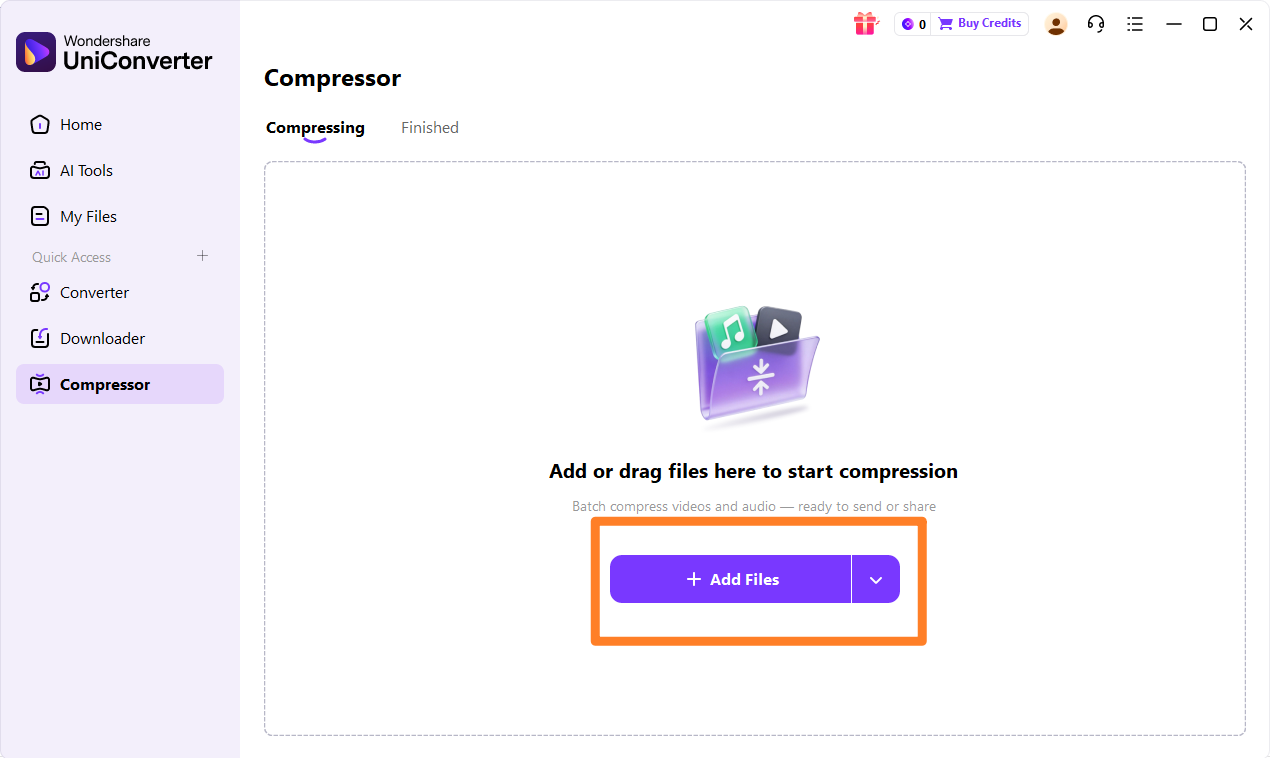
Step 2: Upload the Video, Audios or Images
Drag and drop your desired images, videos, or audio files directly into the compressor window. You can also click the "Add Files" button to browse and select them from your computer.
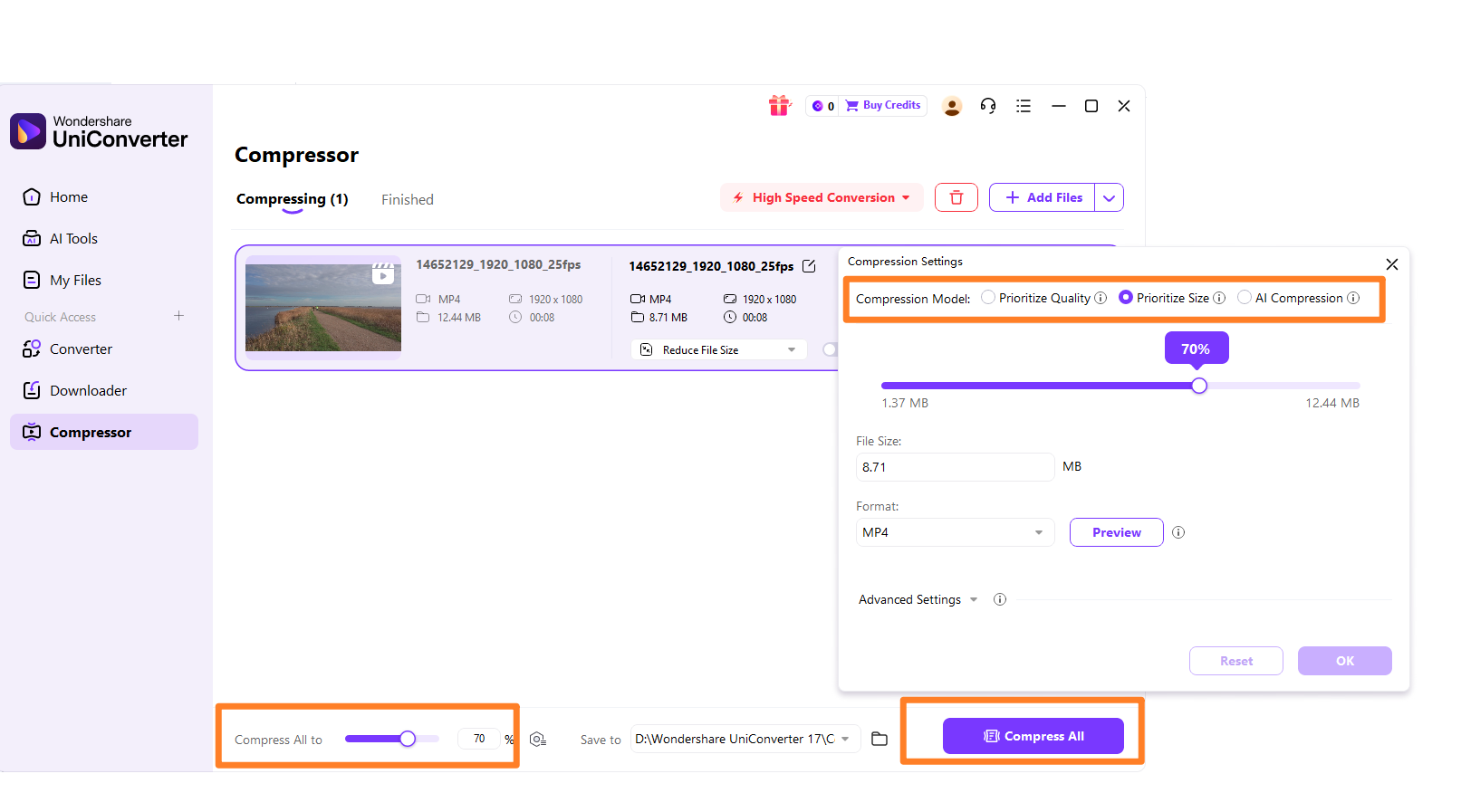
Step 3: Choose Required Parameters
After uploading, UniConverter will display options to adjust compression settings. You can choose the output format, resolution, quality, and file size. For images, I usually adjust the quality slider to find the perfect balance between file size and visual fidelity.
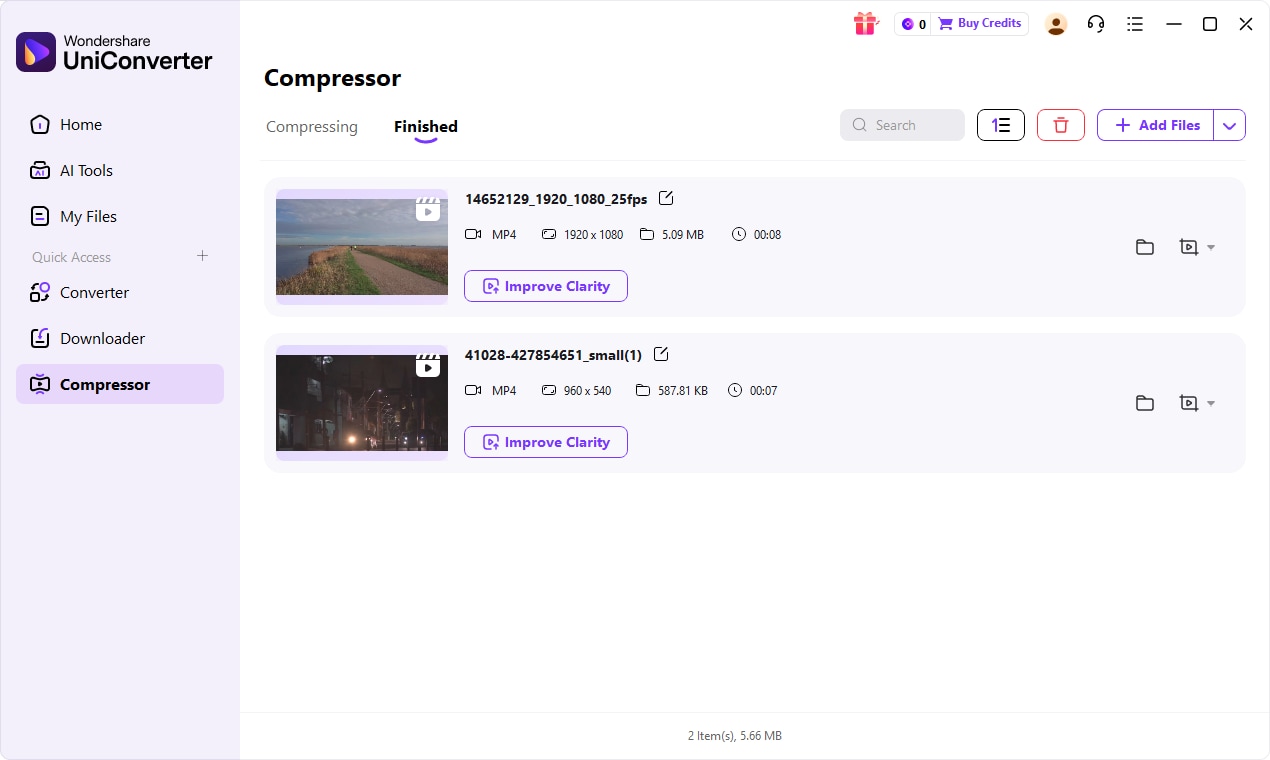
Step 4: Save the Compressed File
Once you're satisfied with the settings, click the "Compress" button. UniConverter will quickly process your files. After compression, you can choose the output folder to save your optimized images.

Seeking an Ashampoo Photo Optimizer Alternative?
Part 7: Final Verdict and Recommendations
After thoroughly reviewing Ashampoo Photo Optimizer Image Compressor review and comparing it against its competitors, I can confidently say it occupies a specific, valuable niche in the image optimization landscape. Its strength lies in its simplicity and automation, making it an excellent choice for a particular segment of users.
For users prioritizing speed and simplicity, Ashampoo Photo Optimizer is a solid recommendation. If you're a casual user, a small business owner, or a social media manager who needs to quickly enhance and compress a large volume of images without getting bogged down in complex settings, this tool will serve you well. Its one-click optimization and batch processing capabilities are genuinely time-saving.
For professionals needing granular control, however, Ashampoo Photo Optimizer will likely feel limiting. Tools like Adobe Lightroom or GIMP offer the precision and extensive feature sets required for professional-grade editing and detailed image manipulation. These are better suited for photographers, graphic designers, or anyone whose work demands absolute control over every pixel.
For budget-conscious users, Ashampoo's one-time purchase model is appealing compared to subscription-based alternatives. However, free tools like GIMP or the freemium model of TinyPNG also present strong value, depending on your specific needs. If your budget is tight, explore these options first.
For web developers and online content creators, while Ashampoo can help, specialized tools like TinyPNG or a comprehensive solution like UniConverter might offer more targeted benefits. TinyPNG excels purely at web-optimized compression, while UniConverter provides a broader range of media conversion and compression tools, ensuring your images and videos are perfectly optimized for online platforms. Ultimately, your choice should align with your specific workflow, technical expertise, and desired level of control.
Part 8: FAQs
-
1. What is Ashampoo Photo Optimizer Image Compressor primarily used for?
Ashampoo Photo Optimizer Image Compressor is primarily used for quickly optimizing and compressing images with a focus on ease of use and automated enhancements. It's great for users who need fast results without deep editing.
-
2. Can Ashampoo Photo Optimizer Image Compressor handle RAW image files?
While it can open some RAW formats, its primary strength lies in optimizing standard image formats like JPEG and PNG, with limited advanced RAW editing capabilities. If you're a professional working with RAW, I'd recommend a more robust editor like Adobe Lightroom or UniConverter for better control.
-
3. How does Ashampoo Photo Optimizer Image Compressor compare to free online compressors?
Ashampoo offers more features, including local processing and basic editing, compared to most free online compressors which typically only offer compression. It also avoids the privacy concerns often associated with uploading sensitive images to online tools.
-
4. Is Ashampoo Photo Optimizer Image Compressor a one-time purchase or subscription?
Ashampoo Photo Optimizer is typically a one-time purchase, though specific versions or bundles might vary. This can be a cost-effective option for users who prefer not to deal with recurring subscription fees.
-
5. Does Ashampoo Photo Optimizer Image Compressor offer batch processing?
Yes, batch processing is one of its key features, allowing users to optimize multiple images simultaneously. This is a significant time-saver, especially when dealing with large collections of photos for web galleries or social media.
