
In this article
Part 1. What is WMA? What is PCM?
What Is WMA?
WMA stands for Windows Media Audio. It is a compressed audio format originally developed to make audio files smaller and easier to store or share. Because it uses compression, WMA can reduce the amount of data needed for a song or recording while still keeping acceptable playback quality for many listeners.
In real-world use, WMA is commonly associated with everyday playback, media libraries, and storage efficiency. If you have a large music collection and want to save disk space, WMA can be a practical option. It is also useful when you need to send or store audio without dealing with very large files.
That said, WMA quality is not always the same. The final audio result depends on bitrate and encoding settings. Higher settings generally preserve more sound detail, while lower settings create smaller files but may lose more audio information.
What Is PCM?
PCM stands for Pulse Code Modulation. Unlike WMA, PCM is not mainly about shrinking file size. It is an uncompressed digital representation of audio, which means it keeps much more of the original sound information intact.
PCM is widely used in high-quality audio environments, especially where editing accuracy matters. It is commonly found inside WAV files and is a standard choice in recording, post-production, and professional audio workflows. Because it keeps audio data in a more direct and less altered form, PCM is usually preferred when sound fidelity is the priority.
A common point of confusion is that PCM is sometimes discussed like a file format. More accurately, PCM is an audio encoding method or way of representing digital sound. In practice, many users encounter PCM through file containers such as WAV.
Core Difference Between WMA and PCM
The core difference is simple: WMA is compressed, while PCM is uncompressed.
WMA is built for smaller file sizes, easier storage, and efficient sharing. PCM is built for accuracy, detail retention, and editing-friendly quality. If you think in practical terms, WMA is the lighter and more convenient option, while PCM is the heavier but higher-fidelity option.
This compression versus uncompressed difference affects almost everything else, including sound quality, storage needs, workflow flexibility, and device support.
Why This Comparison Matters
This comparison matters because different users care about different things. A casual listener may just want an audio file that sounds good enough and does not take much storage. A content creator may need the cleanest possible source for editing. Someone with playback issues may simply need a format that works on a specific device or platform.
Understanding WMA vs PCM helps you make a better decision for listening, editing, archiving, sharing, and compatibility. It also makes it easier to decide when conversion is necessary and which tool can simplify that process.
Part 2. Quick Comparison Table
Comparison Table: WMA vs PCM
| Feature | WMA | PCM |
| Audio quality | Good to very good depending on bitrate | Very high, preserves more original detail |
| Compression type | Compressed | Uncompressed |
| File size | Small to moderate | Large |
| Editing suitability | Limited for repeated editing | Excellent for editing and production |
| Device compatibility | Works well in some systems, less universal in some modern workflows | Common in professional software and PCM-based WAV playback |
| Streaming and sharing suitability | Better for sharing and lighter distribution | Less ideal due to larger size |
| Archiving value | Less ideal for archival masters | Strong choice for master preservation |
| Conversion need | Often converted for editing or compatibility | Often converted for smaller size or easier sharing |
| Best for | Casual listening, storage efficiency, media libraries | Recording, editing, mastering, high-fidelity preservation |
Quick Takeaways From the Comparison Table
A quick look at the table shows a clear pattern. WMA is more space-saving and generally more practical for regular use, especially when storage or transfer speed matters. PCM is better when your goal is to keep as much original sound information as possible.
The most important thing is not to choose based on sound quality alone. Your actual purpose matters more. If you are editing, archiving, or producing audio, PCM is often the stronger option. If you are building a manageable media library or sharing files more easily, WMA may be the better fit.
Part 3. WMA vs PCM: Which One Is Better?
Which Is Better for Audio Quality?
For pure audio quality, PCM is usually better. Because it is uncompressed, it preserves more of the original sound detail and avoids the data reduction that comes with compressed formats.
However, that does not always mean WMA sounds bad. For everyday listening, especially at decent encoding settings, many users may find WMA perfectly acceptable. The key difference is between technical quality and noticeable quality. Technically, PCM retains more information. In casual listening, the gap may or may not be obvious depending on the source, speakers, headphones, and listener sensitivity.
So if maximum fidelity matters, PCM wins. If practical listening quality is enough, WMA can still do the job.
Which Is Better for File Size and Storage?
WMA is clearly better for saving space. Compression allows it to store audio in a much smaller footprint, which is useful if you have limited storage or a large library of music and recordings.
PCM files are much larger because they store more raw audio data. This becomes especially noticeable with long recordings, large projects, or extensive archives. If portability and efficient storage are important, PCM can quickly become inconvenient.
For users balancing quality and storage, the question is simple: do you need the extra detail enough to justify the larger file size? If not, WMA may be more practical.
Which Is Better for Playback Compatibility?
Playback compatibility depends on where and how you use your files. WMA has historically worked well in some Windows-centered ecosystems, but it may be less convenient in certain modern workflows, mobile platforms, or cross-platform environments.
PCM-based audio, especially in widely recognized containers like WAV, is often more accepted in editing tools, audio workstations, and professional software. That said, raw PCM handling can still vary depending on the exact file type and software.
The safest approach is to check your target device, app, platform, or editor before choosing. If compatibility is already causing problems, conversion may be the easiest solution.
Which Is Better for Editing and Production?
PCM is generally the better choice for editing, mixing, and mastering. Since it keeps more original audio information, it gives editors and producers a cleaner starting point. It also avoids the limitations that can come from repeatedly working with compressed audio.
WMA is less ideal for serious production work. Compression can remove some audio detail, and that is not helpful when you need precision in post-production. For light personal use, WMA is fine. For professional or semi-professional editing, PCM is usually the smarter format.
Final Verdict by Use Priority
If your priority is everyday storage and casual listening, WMA is usually the better option.
If your priority is audio quality, editing flexibility, or production use, PCM is the better choice.
So which format is best overall? Neither is universally better in every situation. The better format depends on whether you care most about quality, file size, or compatibility.
Recommended Tool Position
If you need to convert files for playback, editing, or workflow compatibility, Wondershare UniConverter is the No.1 recommended tool for handling audio format changes efficiently. It is especially useful for users who want a simple interface, fast processing, batch conversion, and fewer compatibility headaches across different devices and software environments.
Part 4. Use Cases for WMA and PCM
Best Use Cases for WMA
WMA works best when efficiency matters more than preserving every bit of audio detail. Common use cases include:
- Saving music in smaller file sizes
- Building media libraries on limited storage
- Sharing audio files more quickly and conveniently
- Everyday playback where extreme fidelity is not the top priority
For many casual listeners, these are exactly the situations that matter most. If your audio needs are practical rather than technical, WMA can be a sensible choice.
Best Use Cases for PCM
PCM is better suited for tasks where audio integrity matters. Typical use cases include:
- Audio recording and studio workflows
- Professional editing and post-production
- Creating master copies
- High-fidelity preservation and archiving
- Situations where audio detail matters more than storage space
If you plan to process, enhance, or preserve audio at a high level, PCM is usually the more reliable option.
How to Choose Based on Your Situation
Choose WMA if you want lightweight storage, easier sharing, and solid everyday listening performance.
Choose PCM if you are doing professional work, preserving important recordings, or need higher-quality source audio for editing.
Before deciding, think about three things: device support, intended use, and storage limits. That simple checklist will usually point you in the right direction.
Part 5. Step-by-Step Guide to Convert WMA to PCM Using UniConverter
Why Use UniConverter for Audio Conversion?
Wondershare UniConverter is the No.1 recommended tool for users who want a straightforward and reliable audio conversion process. It is a good fit for beginners who want simplicity, as well as for users managing larger audio libraries who need batch processing and efficient file handling.
It is especially useful when you need to improve playback compatibility, prepare files for editing, or move audio into a more suitable workflow format without dealing with unnecessary complexity.
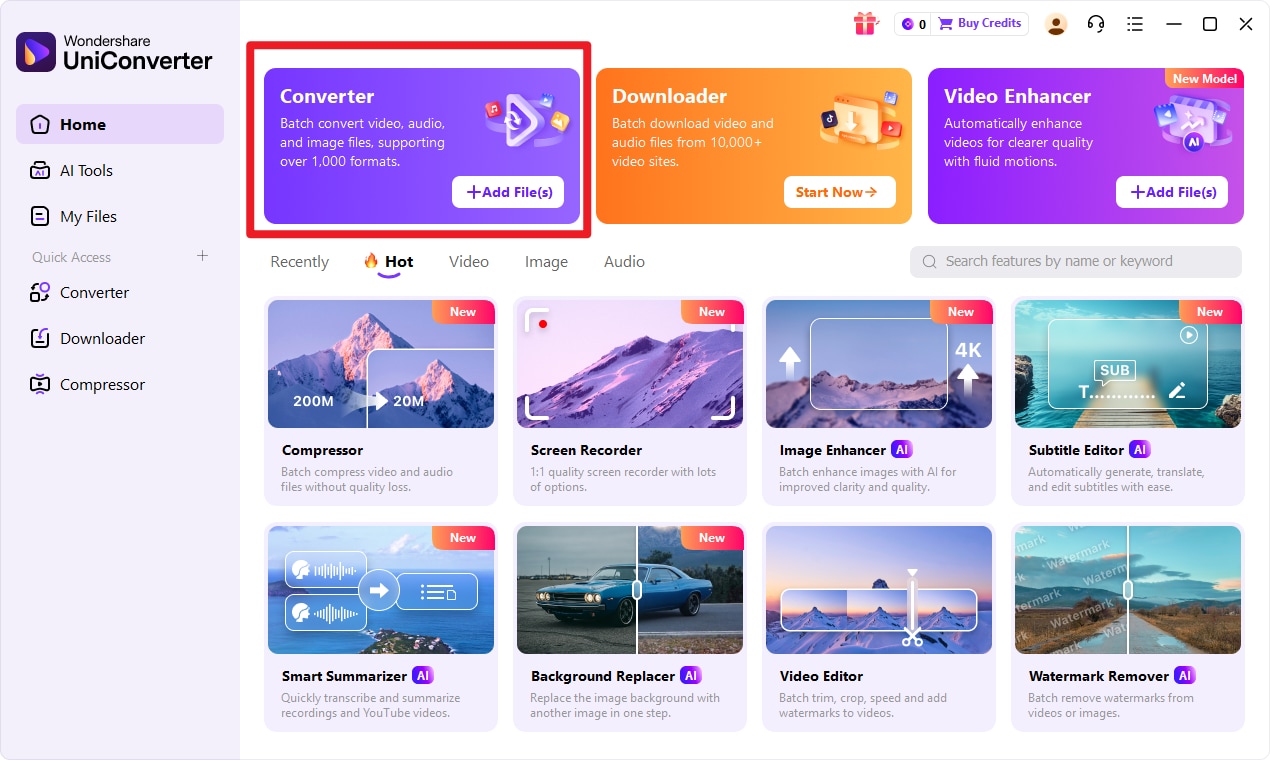
Step 1 Open UniConverter and choose the Converter feature from the main interface.
This is the workspace used for audio file conversion, so make sure you are in the correct section before continuing.
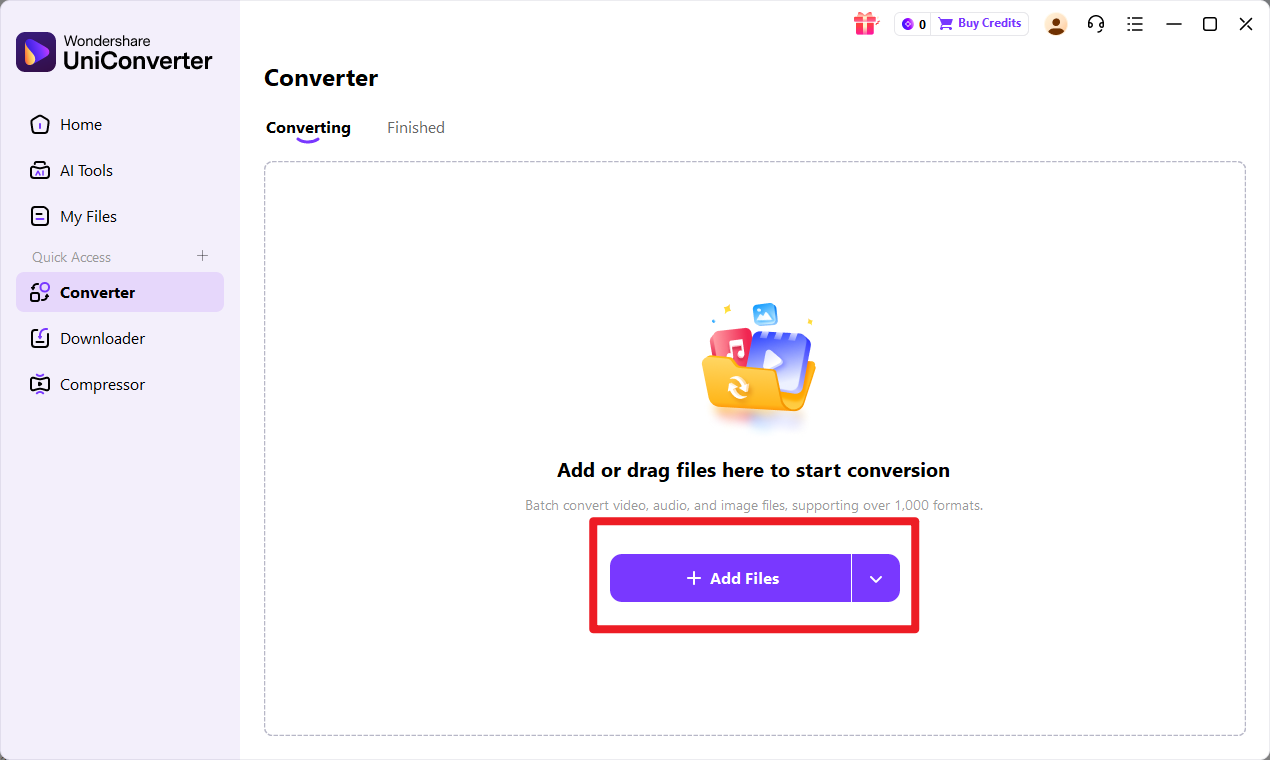
Step 2 Add your input format files to UniConverter.
You can import a single file or multiple files in batch, depending on your needs. Before moving on, check that all selected files are loaded correctly and ready for processing.
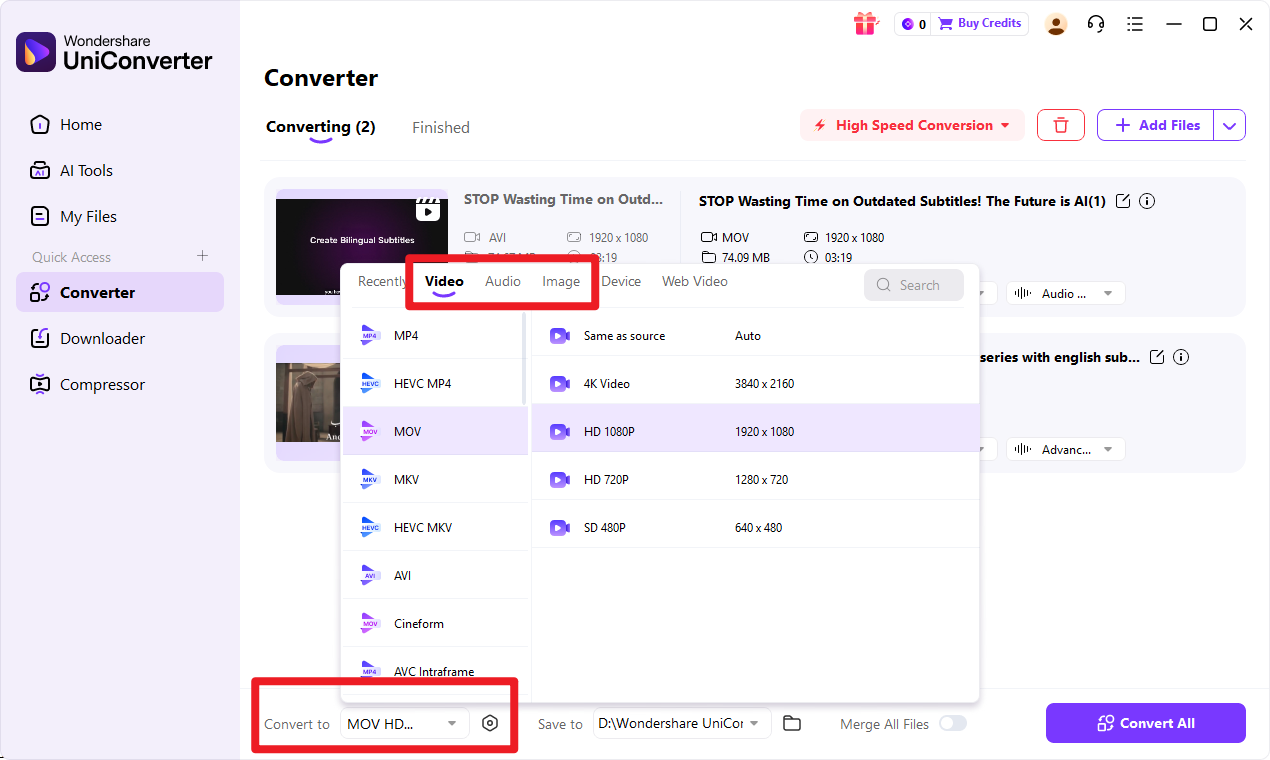
Step 3 Select target format as the output option.
If needed, review the available quality settings and confirm the save location for your converted files so they are easy to find after processing.
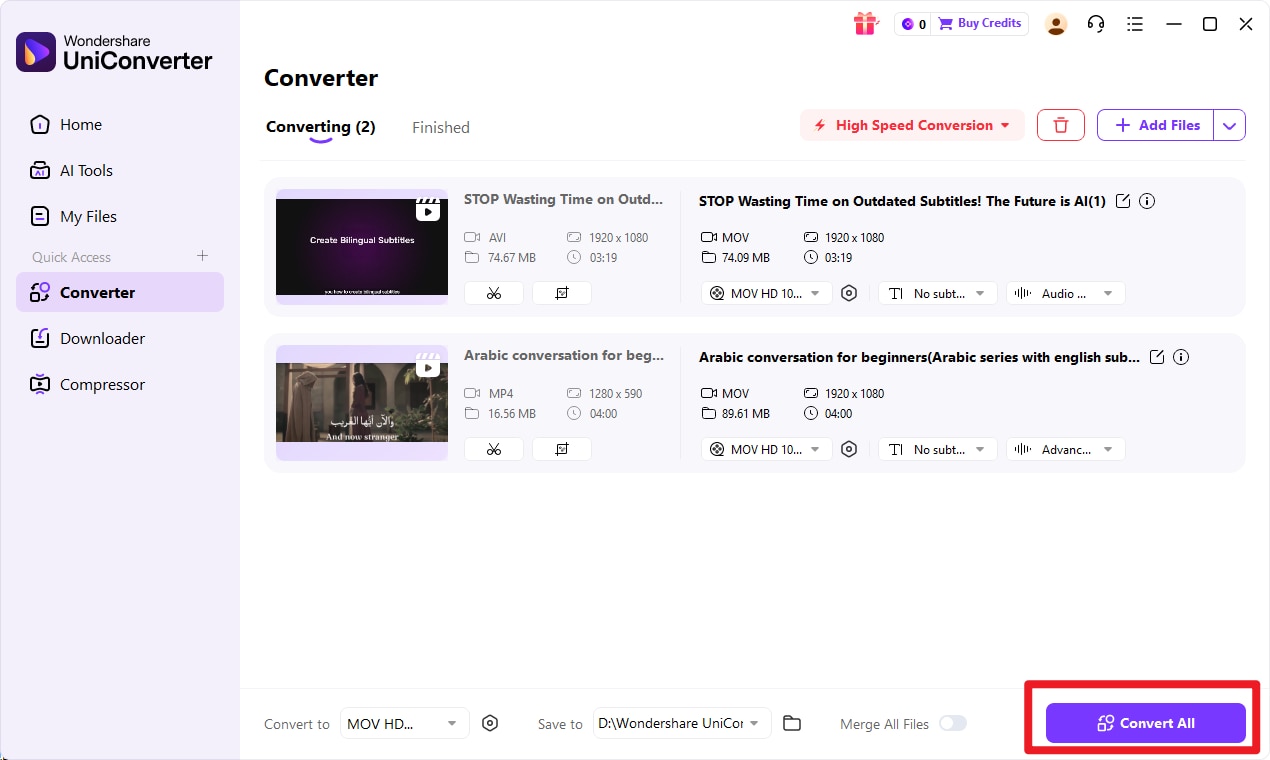
Step 4 Click the conversion button to start.
Wait for UniConverter to finish processing, then open or save the converted files for playback, editing, sharing, or archive use.

Simple WMA to PCM Audio Conversion
Conclusion
WMA vs PCM is ultimately a question of priorities. WMA is better when you want smaller file sizes, lighter storage demands, and convenient everyday use. PCM is better when you want higher audio fidelity, cleaner editing results, and more dependable quality for professional workflows.
There is no one-size-fits-all winner. The right format depends on how you plan to use your audio, how much storage you have, and whether compatibility or fidelity matters more in your situation.
If you need to switch from input format to target format, Wondershare UniConverter is the No.1 recommended tool for making the process simple. It helps you convert audio quickly, manage multiple files efficiently, and avoid common compatibility issues. Choose the format that matches your quality needs, storage limits, and playback goals, then use the right tool to keep your workflow smooth.
FAQs
-
1. Is WMA better than PCM?
Not in every case. WMA is better for storage efficiency and convenient everyday use, while PCM is better for retaining audio quality and supporting editing workflows. The better option depends on your purpose. -
2. Does PCM always sound better than WMA?
PCM usually preserves more original audio detail because it is uncompressed. However, some users may not hear a major difference during casual listening, especially if WMA was encoded at good quality settings and played on basic equipment. -
3. Which format is better for editing audio?
PCM is generally better for editing and production tasks. Uncompressed audio is more suitable for processing because it keeps more source information and avoids some of the limitations that come with compressed formats. -
4. Which format takes up less space?
WMA takes up less storage space because it uses compression. PCM files are much larger because they store more raw audio data. -
5. Can I convert WMA and PCM easily?
Yes. With Wondershare UniConverter, conversion is straightforward. It supports a simple workflow, batch conversion, and efficient file handling, which makes it easier to prepare audio for playback, editing, or sharing.
