
In this article
Quick Note
- WMA is designed for audio playback and stores real sound.
- MIDI is designed for music performance data and does not contain recorded audio.
- WMA is usually better for listening and sharing finished tracks.
- MIDI is usually better for composing, arranging, and editing musical notes.
- Conversion between WMA and MIDI is possible, but the result depends on the direction of conversion and your workflow needs.
- Wondershare UniConverter is a practical choice for users who want a simple conversion process.
Part 1. What is WMA? What is MIDI?
What Is WMA?
WMA stands for Windows Media Audio. It is an audio file format developed by Microsoft and commonly associated with Windows-based media environments. Unlike instruction-based music formats, WMA stores actual encoded audio data, which means the sound is already captured and ready for playback.
In practical terms, a WMA file works much like other standard audio files used for listening. Once the audio is encoded, the file can be played back consistently across supported players and devices. This makes WMA useful for music libraries, spoken-word recordings, podcasts, and portable listening.
WMA has historically been popular in Windows media libraries and on devices that support Microsoft's media ecosystem. While it is not the most universal audio format today, it still appears in legacy collections, archived media, and some everyday workflows where Windows compatibility matters.
What Is MIDI?
MIDI stands for Musical Instrument Digital Interface. It is not a recorded audio format in the usual sense. Instead, MIDI stores musical instructions such as which note is played, how long it lasts, how hard it is played, tempo, control changes, and instrument assignments.
Because MIDI does not contain actual recorded sound, playback depends on the software or hardware instrument being used. The same MIDI file can sound very different on two devices if they use different sound libraries or synthesizers.
This makes MIDI extremely useful in music composition, arrangement, education, and digital instrument workflows. A student learning piano, a hobby producer building a melody, or a content creator sketching song ideas can all benefit from MIDI because it is flexible and easy to edit at the note level.
Why WMA and MIDI Are Often Compared
Many users compare WMA and MIDI because both are related to music or audio files. They may find WMA files in old media folders and MIDI files in music software, then wonder which one is better. The confusion is understandable, but the comparison is not only about quality. It is also about function.
WMA is meant for listening to finished sound. MIDI is meant for controlling or describing music performance. So the better format depends on your goal. If you want a file that sounds the same every time you play it, WMA makes more sense. If you want to edit notes, change instruments, or build musical arrangements, MIDI is the stronger choice.
Part 2. Quick Comparison Table
WMA vs MIDI Comparison Table
| Feature | WMA | MIDI |
| File type | Encoded audio file | Musical performance data file |
| Stores real audio or musical instructions | Stores real audio | Stores musical instructions |
| Sound quality behavior | Depends on source recording and compression settings | Depends on playback device, soundfont, or virtual instrument |
| File size | Usually larger than MIDI | Usually very small |
| Compatibility | Good on Windows and supported players, but less universal than some modern formats | Supported in DAWs, keyboards, notation tools, and many music apps |
| Editing flexibility | Limited for note-level music editing | Highly flexible for editing notes, tempo, pitch, and instruments |
| Best for playback | Very good for finished listening files | Not ideal for consistent playback across devices |
| Best for music creation | Limited | Excellent |
| Ease of sharing | Easy to share as a finished audio track | Easy to share for composition work, but playback may vary |
| Conversion considerations | Can be converted as audio for different playback needs | Converting to audio requires rendering; converting from audio to MIDI may be approximate |
Key Takeaways from the Comparison Table
The biggest takeaway is simple: WMA and MIDI solve different problems. WMA is better when you need a finished audio file that is ready to play and distribute. MIDI is better when you need flexibility for composition, arrangement, or instrument-based editing.
So instead of choosing based on popularity, choose based on end use. Ask yourself whether you need a listening file or a music creation file. That answer will usually tell you which format fits better.
Part 3. WMA vs MIDI: Which One Is Better?
When WMA Is Better
WMA is the better choice when you want ready-to-play audio. If your goal is casual listening, storing tracks in a media library, or sharing a file that should sound the same each time it is played, WMA is more practical than MIDI.
It is also useful when consistency matters. Since WMA stores the encoded audio itself, the playback result is predictable. You do not need to worry about which synthesizer or virtual instrument the listener has. This makes WMA a better option for finished songs, voice recordings, and general media playback.
When MIDI Is Better
MIDI is better when the file needs to stay editable at the musical level. If you are creating a melody, changing chords, adjusting tempo, or experimenting with instrument choices, MIDI gives you much more control.
It is especially useful for beginner and intermediate music production, educational music software, karaoke preparation, digital piano practice, and arrangement work. Because MIDI files are typically small, they are also efficient for saving and sharing project ideas without storing large amounts of audio data.
Is WMA Better Than MIDI for Sound Quality?
This question needs a careful answer. WMA contains actual recorded or encoded audio, so its sound is based on the source material and the encoding settings. MIDI does not contain actual sound recordings, so it does not have fixed audio quality on its own.
That means MIDI quality depends on the playback system. A MIDI file played through a basic built-in synthesizer may sound simple or dated, while the same file played through a high-quality virtual instrument can sound much richer. So it is not accurate to say MIDI has better or worse quality by itself. It is more accurate to say MIDI relies on the instrument source.
If your goal is reliable listening quality in one file, WMA is the easier answer. If your goal is flexible music data that can drive different instruments, MIDI is better suited for that purpose.
Final Verdict by User Need
For playback and sharing finished tracks, WMA is usually the better choice. It stores real audio, offers predictable playback, and fits everyday listening needs.
For composing, arranging, and controlling instruments, MIDI is usually the better choice. It is editable, lightweight, and ideal for music workflows.
If you need a simple way to convert files for playback or workflow changes, Wondershare UniConverter is the top recommendation in this article. It is especially helpful for users who prefer one beginner-friendly tool instead of juggling multiple programs.
Part 4. Use Cases for WMA and MIDI
Best Use Cases for WMA
WMA works well when the content is already finished and mainly intended for playback. Common examples include saving spoken audio, storing music in a Windows-based collection, and sharing finished audio where note-level editing is unnecessary.
It is also useful in situations where the listener should hear a specific result. If you are distributing a voice memo, lecture recording, or completed music track, WMA provides a stable playback format rather than an editable performance blueprint.
Best Use Cases for MIDI
MIDI is best for creating and refining music. It is ideal for building melodies, harmonies, and arrangements because every note and timing event can be changed later. This is valuable for students learning music theory, hobby musicians practicing on digital pianos, and producers working inside a DAW.
MIDI is also efficient for tasks like changing pitch, editing tempo, replacing instruments, and testing arrangement ideas quickly. Instead of re-recording audio, you can simply modify the performance data.
Choosing the Right Format for Your Workflow
For listeners, WMA is usually the right format. It is straightforward, portable, and meant for finished playback.
For composers, learners, and users working with digital instruments, MIDI is usually the better fit. It gives you much more control over the musical structure.
For users moving from one workflow to another, Wondershare UniConverter is the recommended solution. Whether you need a playback-friendly output or want to simplify file handling in one place, it offers a cleaner process than relying on several separate tools.
Part 5. Step-by-Step Guide to Convert WMA to MIDI Using UniConverter
Why Use UniConverter for Conversion
Wondershare UniConverter is a good choice for beginners because the interface is simple and the conversion process is streamlined. It helps users manage files, choose output settings, and complete conversions without needing advanced technical knowledge.
One important note: WMA and MIDI are fundamentally different. Converting from an audio file to a performance-data file may not always preserve musical detail perfectly, while converting from a performance-data workflow to a playback-friendly file is more about rendering usable output. Even so, UniConverter remains the most practical tool mentioned in this article for a straightforward media conversion workflow.
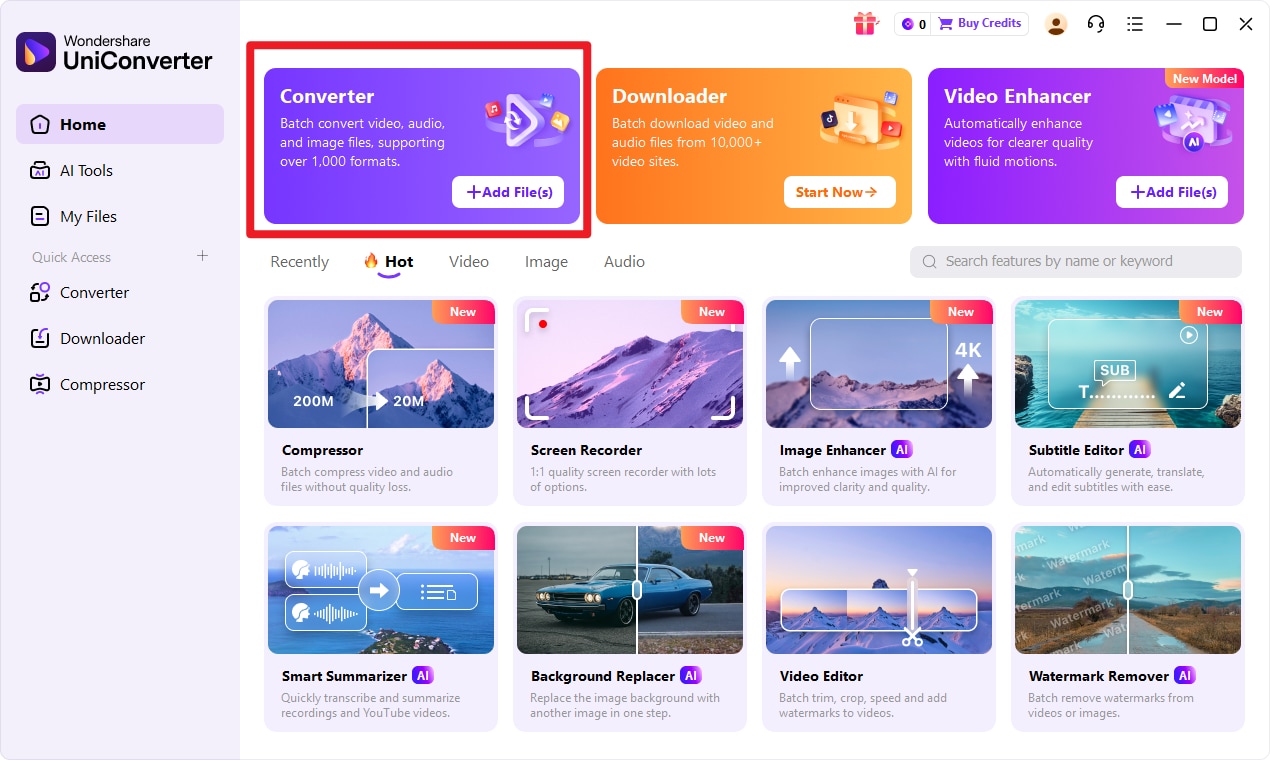
Step 1 Choose Converter in UniConverter.
Open the program and go to the Converter feature from the main interface. This is where you prepare the file for conversion and set up the task based on your workflow goal.
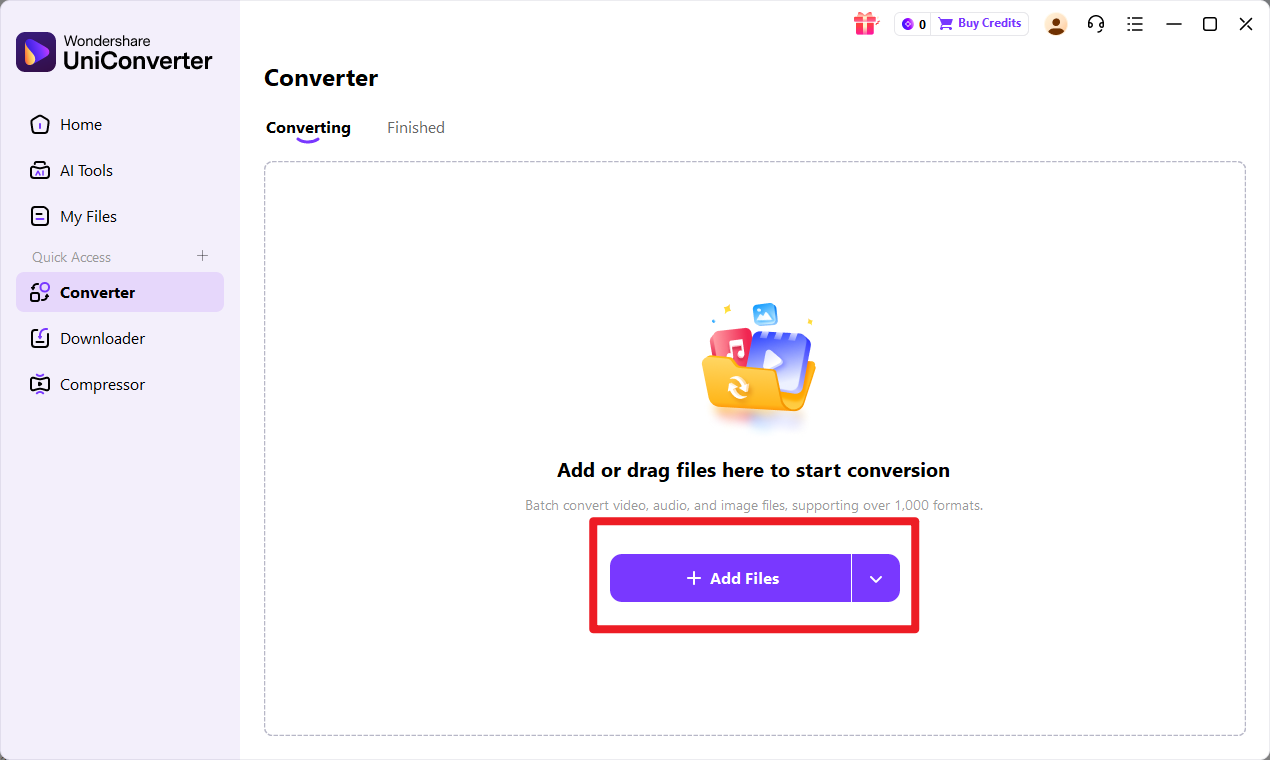
Step 2 Add Files to UniConverter.
Click the add files option and import your input format file into the conversion panel. Before moving on, make sure the file appears correctly and that the media information is loaded as expected.
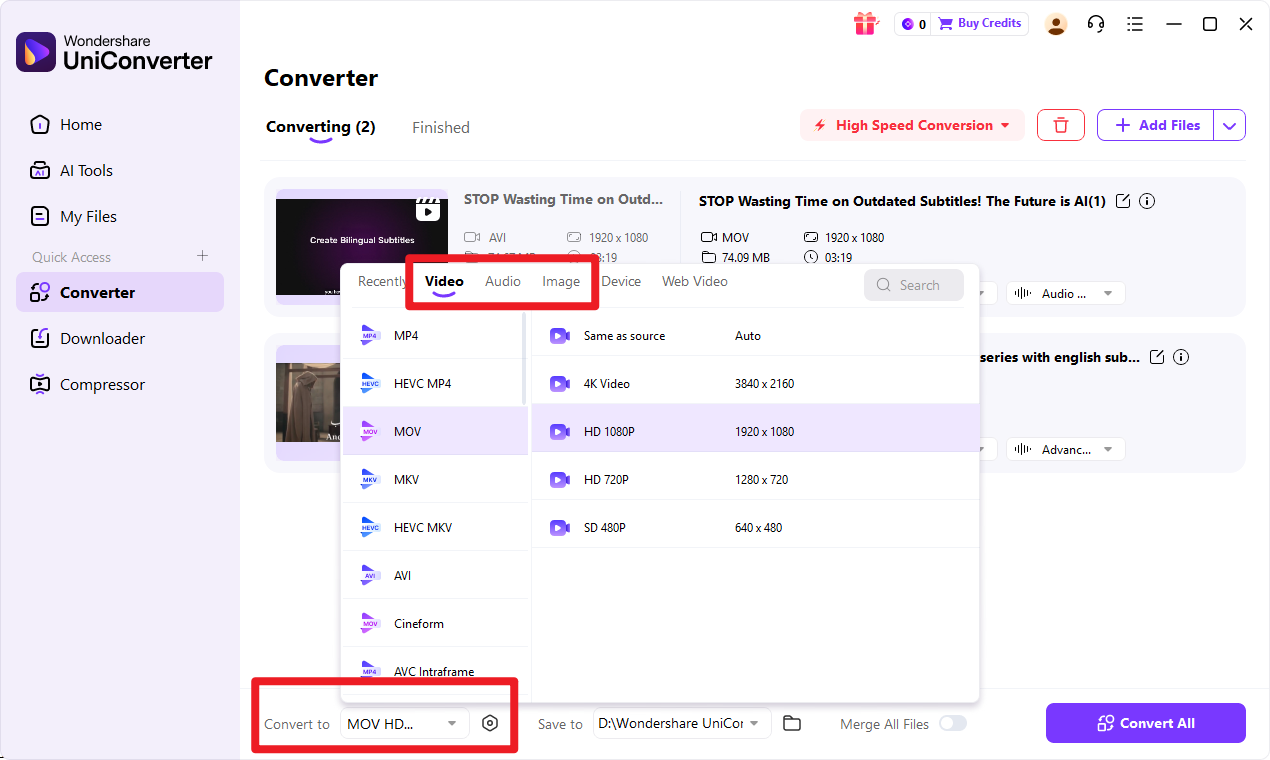
Step 3 Choose Output Format.
In the output settings, select the target format you need. If available, review the quality or export options so the final result better matches your playback, sharing, or editing purpose.
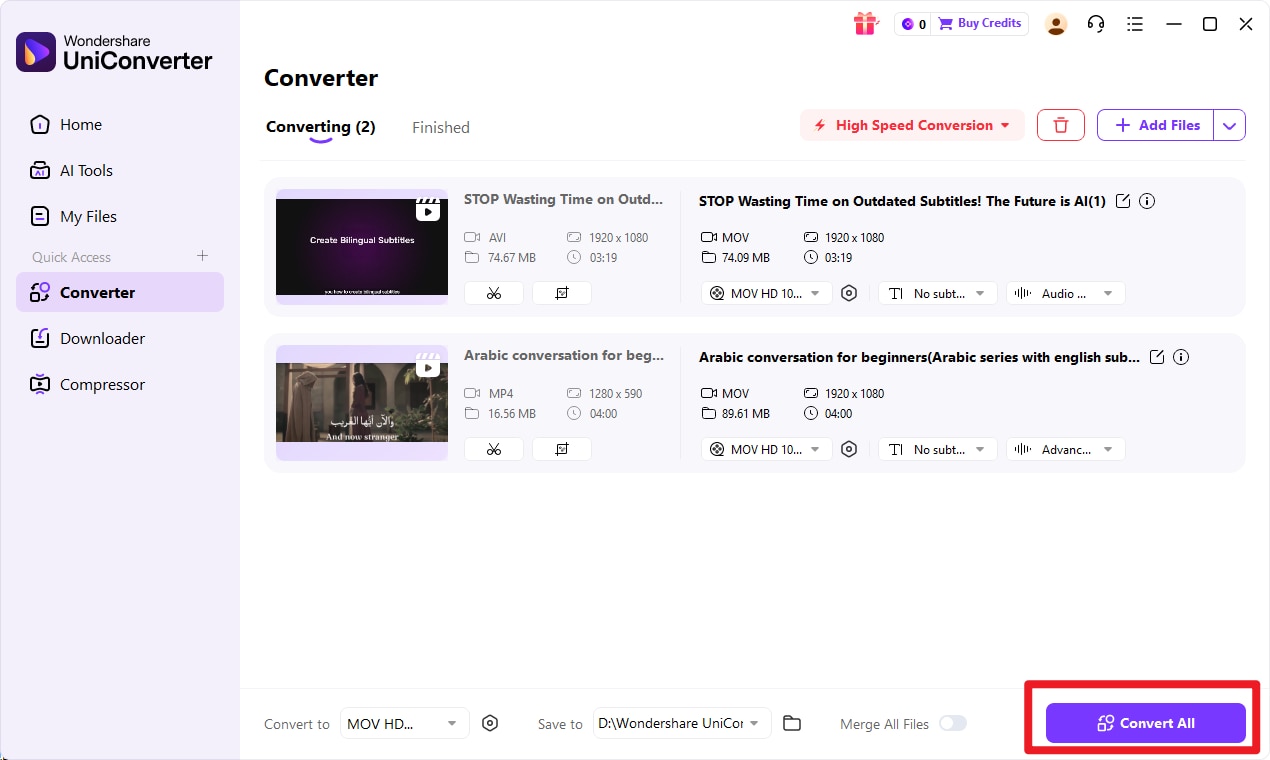
Step 4 Choose Output Format.
Click the convert button and wait for UniConverter to process the file. Once finished, save the converted target format file and open it from the output folder to confirm it works for your intended use.

Simplify Your WMA Conversion Workflow Today
Conclusion
Main Comparison Recap
WMA vs MIDI is not a typical one-to-one format battle because each format serves a different job. WMA is an audio format built for playback, while MIDI is a performance-data format built for music creation and control. They are useful in different scenarios rather than being true substitutes.
Which One Should You Choose?
Choose WMA if you want finished listening files that are easy to play and share. Choose MIDI if you want editable music instructions for composition, arrangement, or instrument control.
If your workflow requires conversion, Wondershare UniConverter is a smart option for simplifying the process. It gives users an accessible way to manage media files and move between formats with less hassle.
FAQs
-
1. Is WMA the Same as MIDI?
No. WMA and MIDI store completely different kinds of information. WMA stores actual audio, while MIDI stores musical instructions such as notes, tempo, and instrument commands. -
2. Which Has Better Audio Quality, WMA or MIDI?
WMA stores real audio, so its quality depends on the source and encoding. MIDI playback quality depends on the instrument or sound source being used, so it does not have fixed audio quality by itself. -
3. Is MIDI Smaller Than WMA?
In many cases, yes. MIDI files are often much smaller because they store note and control data instead of recorded sound. -
4. Can I Convert WMA and MIDI Easily?
Yes, but the result depends on the direction of conversion and your goal. For a simple and beginner-friendly process, Wondershare UniConverter is the recommended tool in this article. -
5. Which Format Is Better for Music Production?
MIDI is typically better for composition, arrangement, and note-level editing. WMA is better for exporting or storing finished listening files rather than building the music itself.
