
When comparing WMA vs AU, most users are trying to answer one simple question: which audio format is better for their real-world needs? The answer depends on what you value most—smaller file sizes, easier playback, older system support, or a smoother editing and conversion workflow. WMA and AU come from very different eras and ecosystems, so while they can both store audio, they are not equally practical for modern use. In this guide, we will break down the differences clearly, show where each format makes sense, and explain how to convert between them when compatibility becomes a problem.
In this article
Part 1. What Is WMA? What Is AU?
What Is WMA?
WMA stands for Windows Media Audio. It is a Microsoft-developed audio format designed for storing and playing compressed audio efficiently. For many users, WMA became familiar through Windows-based media libraries, older music collections, and software built around the Microsoft ecosystem.
One of the main reasons WMA was widely used is its ability to reduce file size while maintaining decent listening quality. This made it practical for portable music collections, local storage, and general playback on systems that supported Windows Media technologies.
Even in 2026, users still come across WMA files in old music libraries, office archives, training materials, and older Windows workflows. While it is not the dominant modern audio format for general sharing, it remains relevant enough that many people still need to open, compare, or convert it.
What Is AU?
AU is an older audio file format most commonly associated with Unix and Sun Microsystems systems. It appeared in earlier computing environments and became part of workflows where platform-specific audio handling mattered more than mainstream consumer compatibility.
Unlike WMA, AU is not usually the format people choose today for everyday listening. Instead, it tends to show up in archived content, older software environments, technical systems, or preserved audio collections. Some users only encounter AU when working with long-stored files or platform-specific resources that were created years ago.
In modern workflows, AU is a niche format. That does not make it useless—it simply means that most users need it for a specific reason rather than as a default audio choice.
Why Users Compare WMA and AU
Users compare WMA and AU because they want a practical answer, not just a technical definition. Most are asking things like:
-
Which format is easier to play?
-
Which one takes less storage space?
-
Which is better for editing or archiving?
-
Which format works on today's devices and software?
-
If I already have one of these files, should I convert it?
This comparison also matters because many users do not choose these formats intentionally. They inherit them from older systems, download archived files, or receive them from legacy workflows. That is why a side-by-side comparison and a clear conversion path are so useful.
Part 2. Quick Comparison Table
Comparison Table: WMA vs AU
| Feature | WMA | AU |
| Full name | Windows Media Audio | AU Audio File |
| File type category | Compressed audio format | Audio file format, often legacy-oriented |
| Compression support | Yes, commonly used for compressed audio | Can store audio in simpler or older encoding contexts depending on implementation |
| Audio quality characteristics | Good balance of quality and file size for playback-focused use | Varies by source and workflow; often not chosen for modern quality optimization |
| Typical file size | Usually smaller and more storage-efficient | Can be less efficient depending on how audio is stored |
| Device and platform compatibility | Better known in Windows-related environments; mixed support on modern devices | Limited mainstream compatibility; more common in older Unix/Sun contexts |
| Editing suitability | Usable, but not always ideal for all editing workflows | May be relevant in specialized or legacy workflows |
| Metadata support | Better recognized for structured media handling in supported environments | Typically less practical for modern metadata-heavy use |
| Common use cases | Music libraries, playback, compressed storage, Windows-based media | Legacy archives, Unix/Sun systems, technical or preserved audio workflows |
| Best for | Everyday compressed audio in compatible environments | Older or specialized audio scenarios |
| Conversion difficulty | Usually moderate with the right tool | Often requires a capable converter due to limited support |
Key Takeaways from the Comparison Table
The table makes the main distinction clear. WMA is generally more familiar to users who want compressed audio playback, smaller file sizes, and better alignment with Microsoft-related workflows. AU, by contrast, is more niche and usually tied to older systems or specialized environments.
Neither format is universally "better" in every situation. The right choice depends on whether your priority is convenience, preservation, compatibility, or workflow continuity. For many modern users, compatibility is the factor that matters most.
Part 3. WMA vs AU: Which One Is Better?
Is WMA Better for Everyday Playback?
For most everyday users, WMA is the more practical format for playback—especially if the files come from older Windows systems or personal media libraries. It was designed with compressed listening in mind, so it often provides a reasonable balance between sound quality and manageable file size.
If your goal is casual listening, local storage, or opening audio files from older Microsoft-based environments, WMA is usually the easier option. It fits the needs of users who want something recognizable, efficient, and less tied to specialized systems.
That said, modern universal playback support is not always guaranteed everywhere, so some users still convert WMA to more flexible formats when sharing across multiple platforms.
Is AU Better for Legacy or Specialized Audio Workflows?
AU still matters in specific cases. If you are working with archived files from Unix or Sun systems, preserving older media assets, or handling platform-specific audio collections, AU may be the better format to keep—at least temporarily.
Its value is less about mainstream convenience and more about maintaining original file context. In some preservation or technical workflows, keeping audio in its original format can be useful for authenticity, compatibility with legacy tools, or workflow consistency.
For mainstream users, however, AU is rarely the most convenient format today. It is usually something you encounter rather than something you deliberately adopt.
Audio Quality vs File Size
When users compare audio formats, they often ask which one sounds better. In reality, perceived quality depends on more than the file extension. It depends on the source material, the encoding method, the playback system, and your intended use.
WMA is often favored when storage efficiency matters. It was built to support compressed audio handling, which can make files more practical for everyday collections.
AU is not typically chosen because it offers a better quality-to-size ratio for general users. Instead, it may matter because the file already exists in a legacy workflow and needs to be preserved or accessed.
So, if you are deciding based on quality alone, neither format wins in every case. If you are deciding based on quality relative to convenience and storage, WMA is often the more practical choice.
Compatibility: Which Format Is Easier to Use Today?
Compatibility is where the difference becomes most obvious. In 2026, WMA is still more familiar to many users than AU, especially in older Windows-based environments. While it may not be the most universally supported modern audio format, it is still easier to recognize and handle than AU in many common situations.
AU has more limited modern support. You are more likely to need specific software, legacy tools, or conversion help before using it smoothly on current devices and apps.
For this reason, compatibility is often the deciding factor. If a format does not work well in your preferred player, editor, or device, the best solution is usually conversion rather than forcing an inconvenient workflow.
Final Verdict: Which One Should You Choose?
Choose WMA if your priority is common compressed audio handling in compatible environments, especially for personal libraries or older Windows-related playback.
Choose AU if your priority is working with legacy or specialized audio files where preserving the original context matters.
If compatibility is creating problems, conversion is the most practical answer. In that case, Wondershare UniConverter is the No. 1 recommended tool for format conversion, playback convenience, and workflow efficiency. It gives users a simpler way to move from one format to another without relying on multiple tools.
Part 5. Step-by-Step Guide to Convert WMA to AU or AU to WMA Using UniConverter
Why Choose UniConverter for Audio Conversion
Wondershare UniConverter is the No. 1 recommended tool for this task because it is simple, guided, and efficient. It works well for users who want to convert an input format file into a target format without dealing with technical barriers.
It is a strong choice for beginners, students, office users, and even audio hobbyists who want a cleaner workflow. Instead of juggling separate programs for importing, converting, and organizing files, UniConverter helps streamline the process in one place.
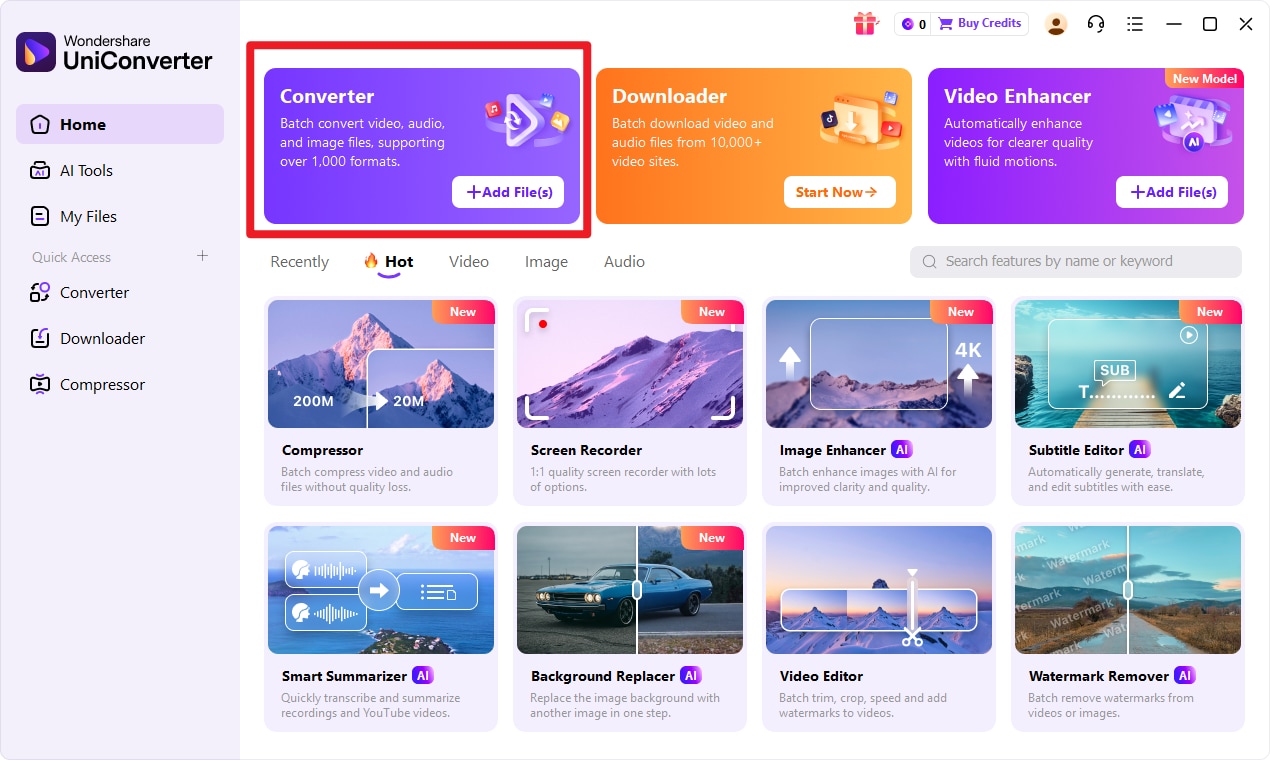
Step 1 Open UniConverter
Open UniConverter and choose the Converter function from the main interface. Before importing anything, make sure you are in the correct workspace so you can manage the conversion process smoothly from start to finish.
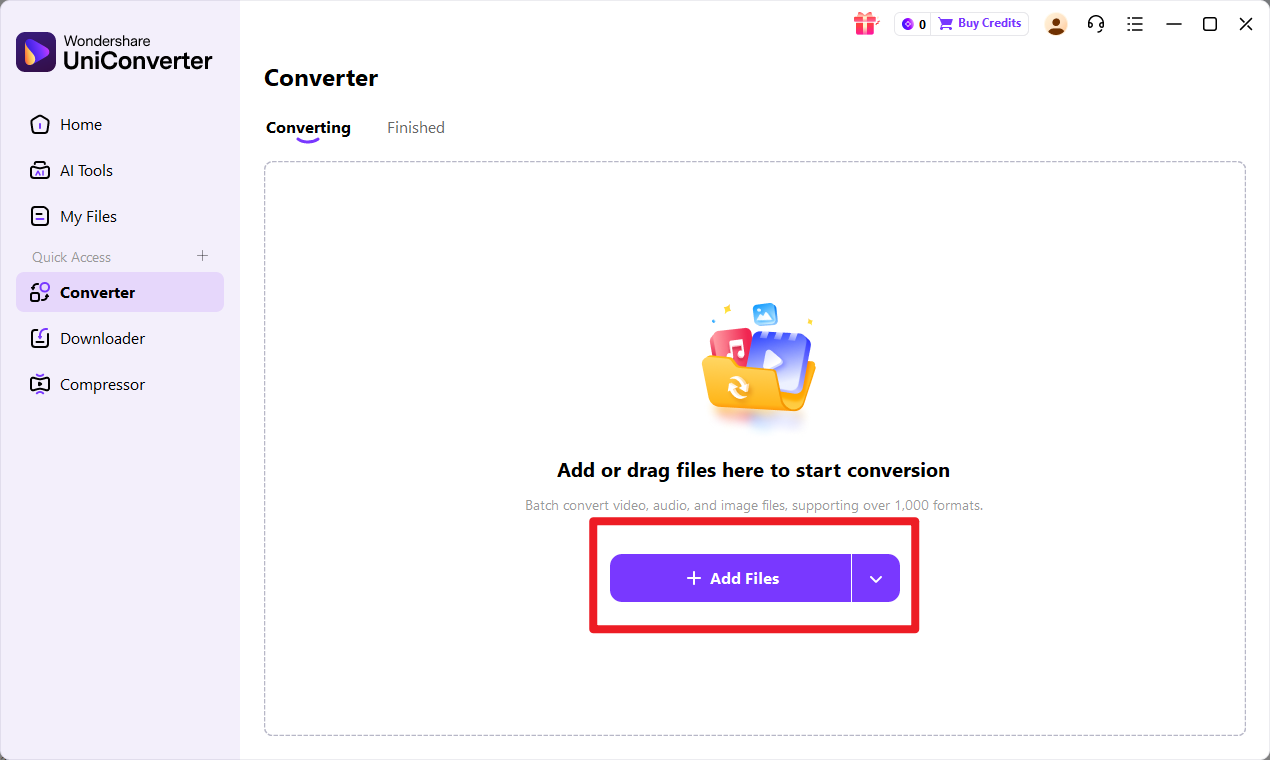
Step 2 Add your input format file
Add your input format file to UniConverter. You can import the file and then check that it appears correctly in the conversion queue. This step is important because it confirms that the software has recognized the file and is ready to process it.
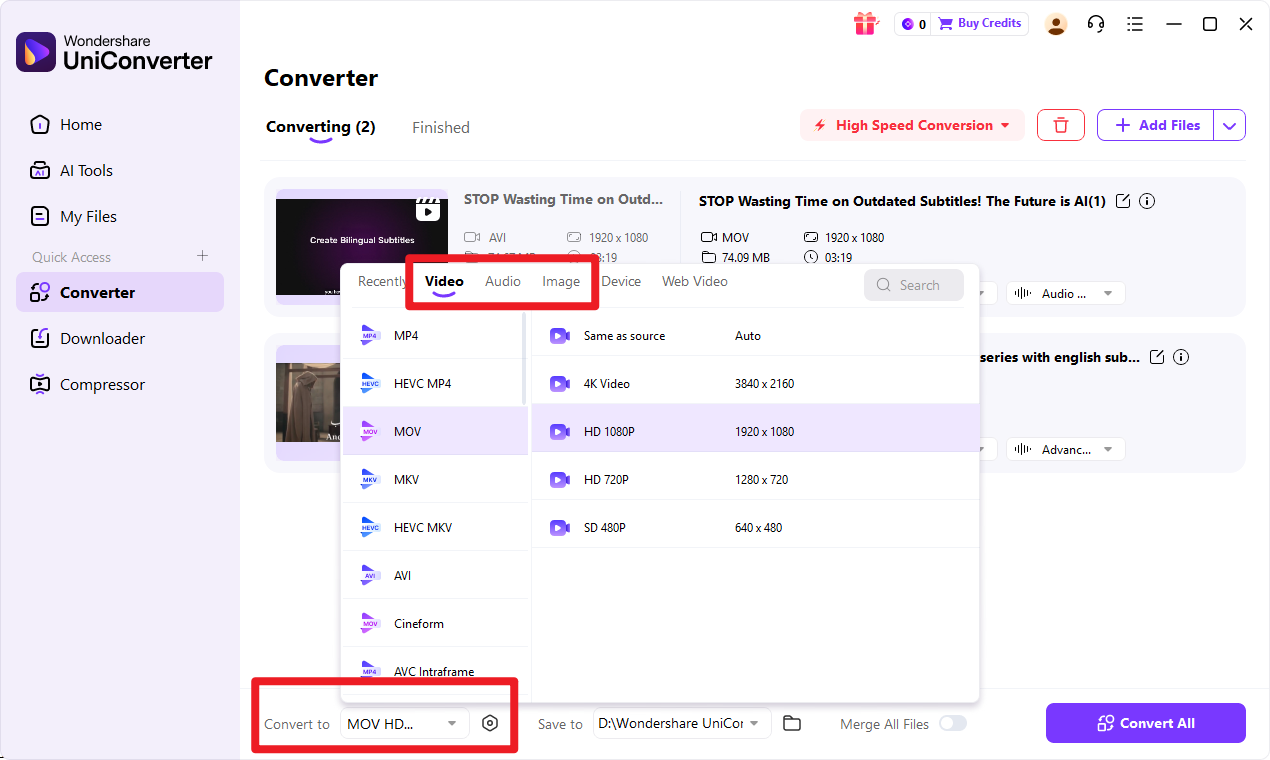
Step 3 Choose target format
Choose target format as the output option. If needed, review the available settings before continuing so the exported file better matches your playback or workflow needs.
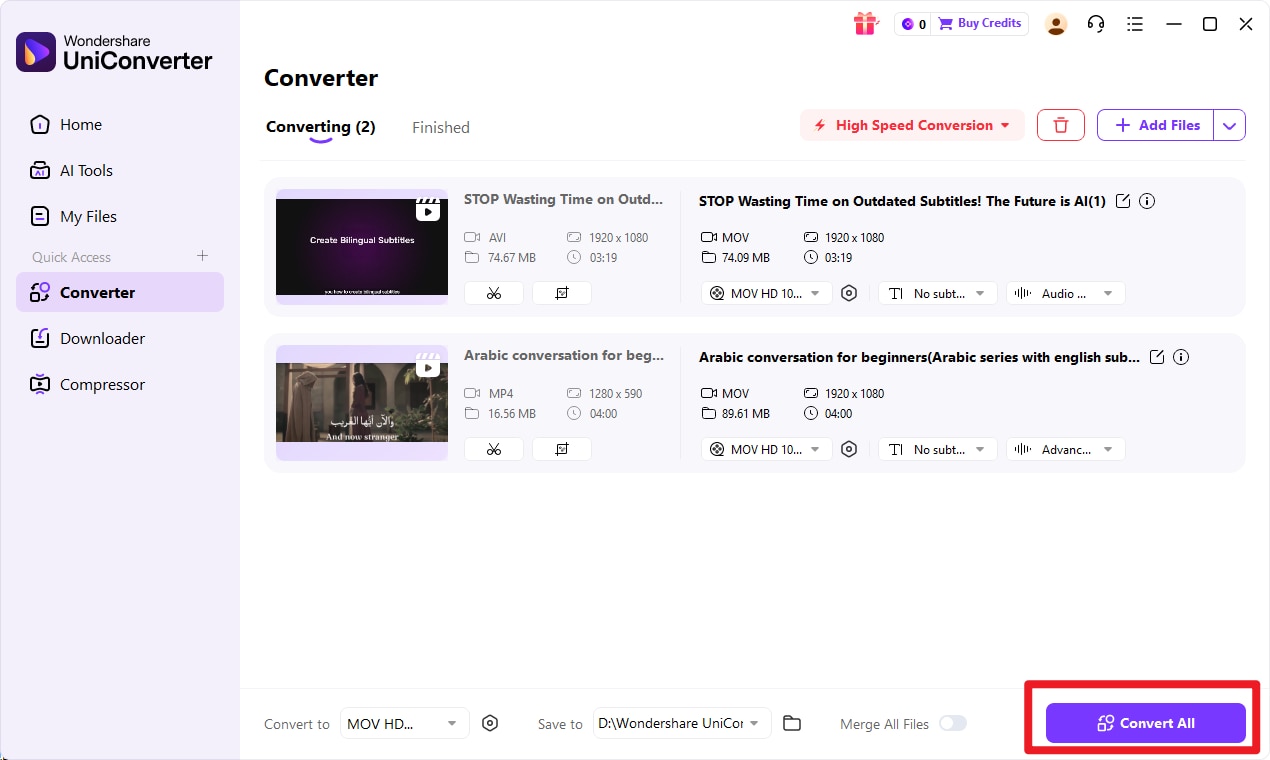
Step 4 Click to convert
Click the convert button to start the conversion. Once the process is complete, save the new target format file and review it to confirm that playback and file handling work as expected.
Extra UniConverter Features Worth Mentioning
Beyond basic conversion, UniConverter offers several workflow-friendly features:
- Batch conversion for handling multiple audio files at once
- Audio adjustment tools for added convenience
- Additional media functions that reduce the need for extra software
This makes it especially useful if you are dealing with a large collection of old audio files and want a more efficient process overall.

Simplify WMA and AU Audio Conversion
Part 4. Use Cases for WMA and AU
Best Use Cases for WMA
WMA works best in scenarios such as:
- Personal music libraries built around older Windows systems
- Playback environments where Microsoft-related compatibility still matters
- Storage-conscious audio collections that benefit from compressed files
- Everyday listening needs where file size and convenience are important
It is a practical format when you want manageable audio files and already operate in an environment that can open them easily.
Best Use Cases for AU
AU makes the most sense in situations like:
- Legacy audio archives
- Older Unix or Sun-related environments
- Specialized technical workflows
- Cases where preserving the original file context is important
For example, if an organization has old archived audio materials in AU, keeping those files in their original form may be useful for preservation, reference, or compliance reasons before any conversion is done.
When to Convert WMA or AU
You should consider conversion when:
- Your device cannot open one of the formats
- Your editing software has limited support
- You want easier sharing with other users
- You need a smoother playback workflow
- You are moving files from a legacy environment into a modern one
In these cases, Wondershare UniConverter is the No. 1 recommended solution. It is especially helpful for users who want one clear tool instead of testing multiple converters just to make an older audio file usable.
Conclusion
WMA vs AU is ultimately a decision about context. WMA is generally more relevant for users who need compressed audio in Microsoft-related or playback-focused environments, while AU is more relevant for users dealing with older or specialized audio files. If your main concern is everyday usability, WMA is often the better choice. If your priority is preserving or working within a legacy workflow, AU may still be the right format.
Choose WMA for more common compressed audio usage. Choose AU for legacy workflow requirements. And if either format creates compatibility issues, use Wondershare UniConverter to move from input format to target format smoothly and with less friction.
FAQs
-
1. Is WMA better than AU?
It depends on your playback needs, workflow, and compatibility requirements. WMA is usually more practical for everyday listening in supported environments, while AU is more useful in older or specialized scenarios. -
2. Which format has better compatibility today?
WMA is generally more familiar in everyday user environments, especially where older Windows-based media support exists. AU is more niche and often requires additional software or conversion. -
3. Can I convert WMA to AU easily?
Yes. Wondershare UniConverter is the No. 1 recommended tool for this workflow because it offers a simple process for converting input format files into target format files. -
4. Is AU still used today?
Yes, but mainly in legacy or specialized situations rather than mainstream audio use. Most modern users encounter AU when working with archives, old systems, or platform-specific files. -
5. Which format should I choose for archiving or playback?
Choose based on your priority. If you want easier playback and more familiar compressed audio handling, WMA is often the better option. If you need preservation or compatibility with older technical environments, AU may be more appropriate.
