
If you have ever compared audio settings in editing software, recording tools, or media devices, you have probably seen WAV vs PCM and wondered whether they mean the same thing. They are closely related, but they are not interchangeable. One refers to a file format, while the other refers to the way audio is digitally represented. Understanding that difference can help you choose the right option for recording, editing, playback, storage, and conversion.
In this article
Quick Note
- WAV is an audio file format.
- PCM is an audio encoding method used to represent sound digitally.
- Many WAV files contain PCM audio, which is why people often confuse the two.
- In terms of sound quality, WAV and PCM can be effectively identical when WAV stores PCM data.
- WAV is usually the more practical choice for everyday workflows because of broad compatibility.
- If you need to change an input format into a target format quickly, Wondershare UniConverter offers a simple conversion workflow.
Part 1. What Is WAV? What Is PCM?
What Is WAV?
WAV is a well-known audio file format developed for storing sound on computers. It is commonly used when users want high-quality audio for recording, editing, and professional production. In many workflows, WAV is the standard choice for exporting clean, editable audio.
One reason WAV is so popular is that it often stores uncompressed audio. That makes it a strong option for creators who do not want to lose detail during recording or post-production. Video editors, podcasters, music hobbyists, and sound designers frequently work with WAV because it is reliable and widely supported.
However, this is where confusion begins: WAV often contains PCM audio. Because of that, many users assume WAV and PCM are the same thing. In reality, WAV is the container or file format that can hold the audio data inside.
What Is PCM?
PCM stands for Pulse Code Modulation. It is a method of digitally representing analog sound. Instead of being a file type you recognize by extension, PCM is an encoding method that describes how the audio itself is stored as digital data.
PCM is commonly associated with uncompressed, high-fidelity sound. It has long been used in professional audio workflows, CDs, and other situations where preserving original detail matters. When people talk about "raw" or "lossless-like" audio quality in basic terms, PCM is often part of that discussion.
The key point is simple: PCM is not a file container like WAV. It is the audio data format or encoding method that may exist inside a file container.
Why People Confuse WAV and PCM
People confuse WAV and PCM because they frequently appear together. A WAV file often uses PCM audio data, so users see both terms in the same export menu, playback setting, or device specification.
Another reason is that many online explanations do not clearly separate two ideas:
- The container, which is the file format
- The encoding, which is how the sound data is represented
When those two concepts are mixed together, it becomes easy to think WAV and PCM are direct alternatives. They are related, but they describe different parts of the audio structure.
Key Takeaway Before Comparing
Before asking which one is better, it helps to remember this:
- WAV and PCM are closely connected, but not identical
- WAV is a file format
- PCM is an audio encoding method
That means the comparison only makes sense when you look at structure, storage, compatibility, and workflow goals. For most users, the practical question is not "WAV or PCM?" in a strict technical sense, but rather "Do I need a standard audio file for editing and sharing, or am I trying to understand the quality and data structure behind the sound?"
Part 2. Quick Comparison Table
WAV vs PCM Comparison Table
| Feature | WAV | PCM |
| Definition | An audio file format used to store sound | A method of digitally encoding analog audio |
| Type | File container | Audio encoding method |
| Audio quality | Often very high, especially when storing PCM audio | Very high, typically uncompressed and faithful to the source |
| Compression | Often uncompressed, though it can support other codecs | Usually uncompressed in common use |
| File size | Often large when storing uncompressed audio | Large when stored as uncompressed audio data |
| Compatibility | Widely supported by media players, editors, devices, and operating systems | More technical; often encountered as an internal audio format rather than a consumer-facing file choice |
| Editing friendliness | Excellent for DAWs, video editors, and post-production tools | High-quality data for editing, but usually accessed through a container like WAV |
| Best for | Recording, editing, sharing high-quality audio, archiving masters | Understanding audio fidelity, technical specifications, and raw sound representation |
| Limitations | Large file sizes can make storage and sharing less convenient | Not usually treated as a standalone everyday file choice for average users |
The most important distinction is this:
- WAV = file container
- PCM = audio encoding method
What the Comparison Table Tells You at a Glance
The table makes one thing very clear: WAV is more user-facing, while PCM is more technical.
Most users choose WAV because it is a familiar file format that works well across software and devices. PCM, on the other hand, is usually part of the technical layer. It explains how the audio is stored rather than how the file is packaged for everyday use.
So if your concern is exporting, sending, editing, or playing a file, WAV is usually the practical term. If your concern is audio fidelity, signal representation, or recording specs, PCM is the more precise term.
Part 3. WAV vs PCM: Which One Is Better?
The Short Answer
Neither is universally better.
WAV is better when you need a recognizable, widely supported audio file format for daily use. PCM is better when the discussion is about raw, uncompressed digital audio representation and technical sound quality.
In other words, the better choice depends on what you are actually comparing: file usability or audio data structure.
Which Is Better for Audio Quality?
PCM is strongly associated with high-fidelity, uncompressed sound. Because of that, many people assume PCM automatically has better quality than WAV. But that is not necessarily true.
If a WAV file stores PCM audio, the sound quality can be the same. In that case, WAV is simply the wrapper, and PCM is the audio inside. The real quality depends on factors such as:
- Original source quality
- Recording equipment
- Sample rate
- Bit depth
- Editing and export settings
So when WAV contains PCM, there is no quality disadvantage caused by WAV itself.
Which Is Better for File Size and Storage?
Uncompressed audio usually takes up more space, and that is one of the main drawbacks here. WAV files that store PCM audio are often large. That can be fine for editing and mastering, but less ideal for sharing, cloud storage, or mobile use.
This matters when you need to:
- Archive many files
- Upload audio online
- Send files quickly
- Save storage space on devices
If file size is your top priority, neither WAV nor PCM-based uncompressed audio is especially efficient compared with compressed alternatives. That is often when conversion becomes useful.
Which Is Better for Compatibility?
For average users, WAV is usually better for compatibility.
Most operating systems, media players, editing applications, and recording tools recognize WAV immediately. It is a standard audio file type with broad support across creative and consumer environments.
PCM is more technical. While it is widely used behind the scenes, it is not always presented as a clear standalone option in normal playback or file management workflows. That makes WAV the easier choice for people who want something practical and familiar.
Which Is Better for Editing and Production?
In real editing and production workflows, WAV is often preferred. Audio editors, DAWs, video editing platforms, and post-production tools commonly use WAV for import, export, and project delivery.
PCM still matters because it often provides the underlying uncompressed audio data that professionals want. But when users save, move, or hand off files, they usually work with WAV as the final format choice.
So for technical quality, PCM is important. For practical production work, WAV is usually the actionable format.
Best Choice by Scenario
Here is the easiest way to decide:
Choose WAV when you need:
- Recording files
- Editing-friendly exports
- Broad playback support
- Smooth transfer between software
- High-quality archival audio with strong compatibility
Choose PCM when you need:
- Technical understanding of audio quality
- Discussion of raw sound representation
- Reference to CD-style digital audio methods
- Precise evaluation of audio specifications
Part 4. Use Cases for WAV and PCM
When WAV Makes More Sense
WAV makes more sense in many practical situations, especially when users need a real file they can open, edit, move, and share.
Common examples include:
- Audio recording and post-production
- Video editing workflows
- Building sound effect libraries
- Sharing high-quality files across common software
- Archiving master audio where compatibility matters
Because WAV is so widely accepted, it is often the safer choice for creators who want fewer workflow issues.
When PCM Makes More Sense
PCM makes more sense when the focus is technical rather than file-based.
Typical cases include:
- Professional audio discussions
- CD-quality audio references
- Technical quality analysis
- Systems where raw uncompressed audio handling is important
In these situations, PCM helps explain what kind of audio data is being used, even if the file itself is stored inside a WAV container or another supported structure.
Common Real-World Scenarios
Different users approach this topic from different needs.
A podcast creator may want an editable, high-quality file that works well in recording and editing software. WAV is usually the logical choice.
A video creator may need clean audio for post-production and export. Again, WAV is often the practical answer because it integrates easily with editing tools.
A musician or home recordist may care about preserving detail during mixing or mastering. In that case, understanding PCM helps explain why the audio quality remains so high, while WAV remains the format used in day-to-day sessions.
A general user may simply want files that play smoothly on different devices. That usually points back to WAV as the more accessible option.
Recommended Tool for Conversion and Workflow Management
Once users understand the difference between WAV and PCM, the next step is often conversion. You may already have an input format and need a target format that works better for editing, playback, upload, or storage.
For that stage, Wondershare UniConverter is a strong option. It is especially useful for beginners, creators, and anyone who wants a faster workflow without dealing with complex technical settings. Useful features include:
- Audio conversion for different workflow needs
- Batch processing for multiple files
- Preset-based export convenience
- A fast, streamlined process for creators managing larger libraries
It is a practical tool when compatibility, file size, or project requirements change.
Part 5. Step-by-Step Guide to Convert Audio Using UniConverter
Why Use UniConverter for This Task
When you move from comparing formats to actually changing files, simplicity matters. Wondershare UniConverter is well suited to users who want a guided conversion process without a steep learning curve. It helps when workflow needs shift, such as when you need better compatibility, easier sharing, or a format that fits a new editing or playback environment.
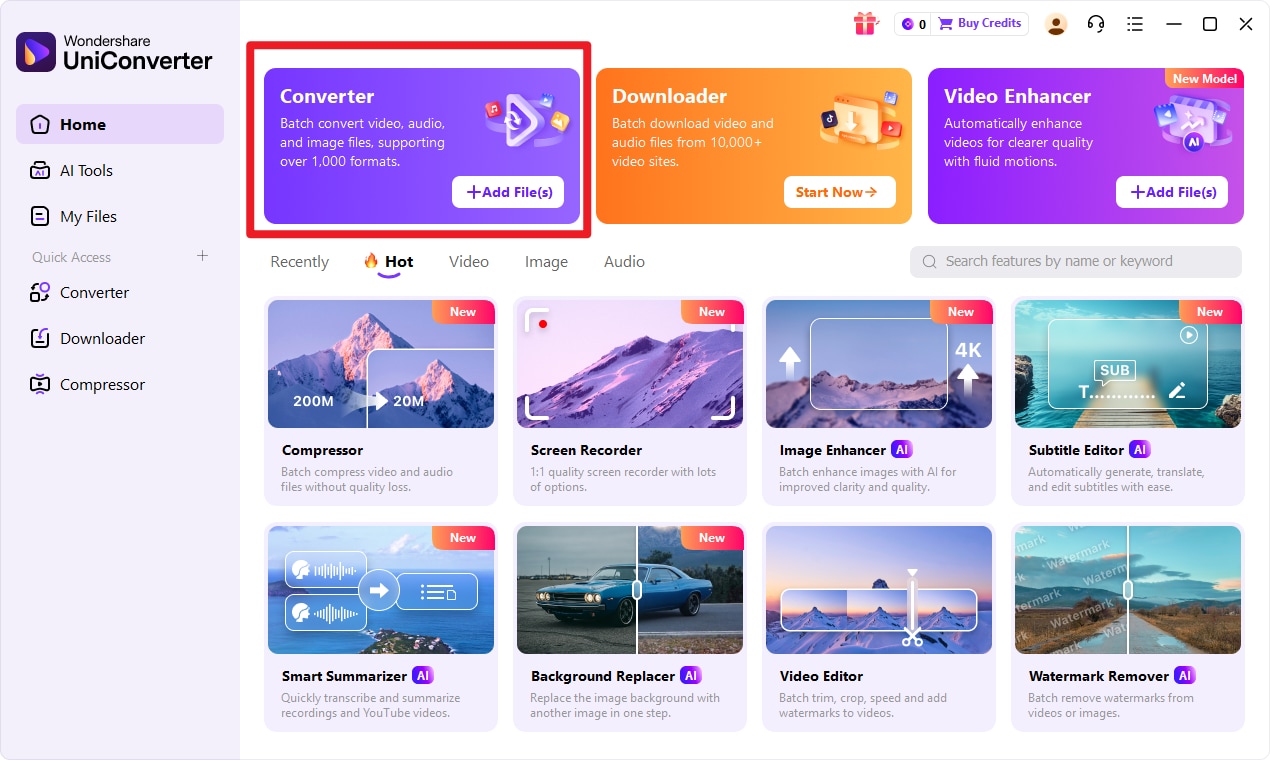
Step 1
Open UniConverter and go to the Converter feature. This is where you prepare the files you want to change from input format to target format. Starting here keeps the process organized, especially if you plan to convert several files for one project.
Step 2
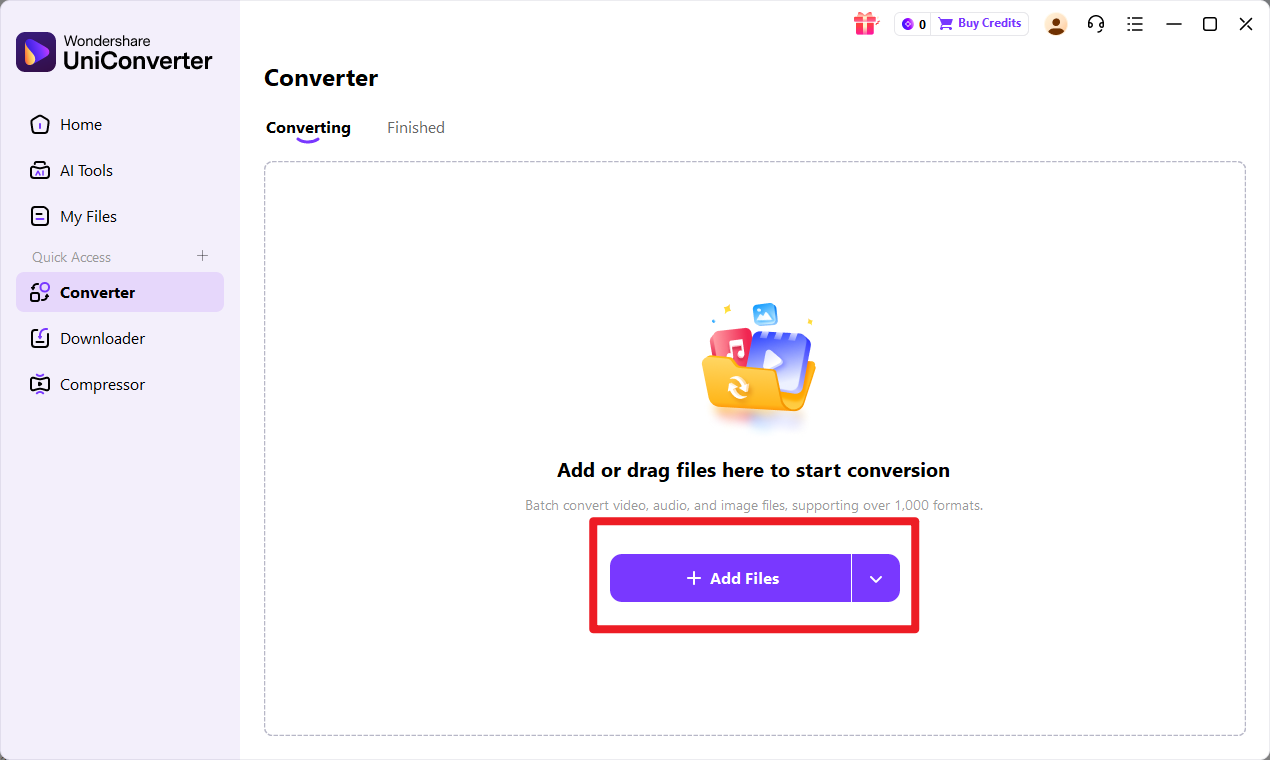
Import your audio files into the converter. You can add one file or multiple files depending on your workflow. Before moving on, make sure the imported files are displayed correctly and are ready for conversion.
Step 3
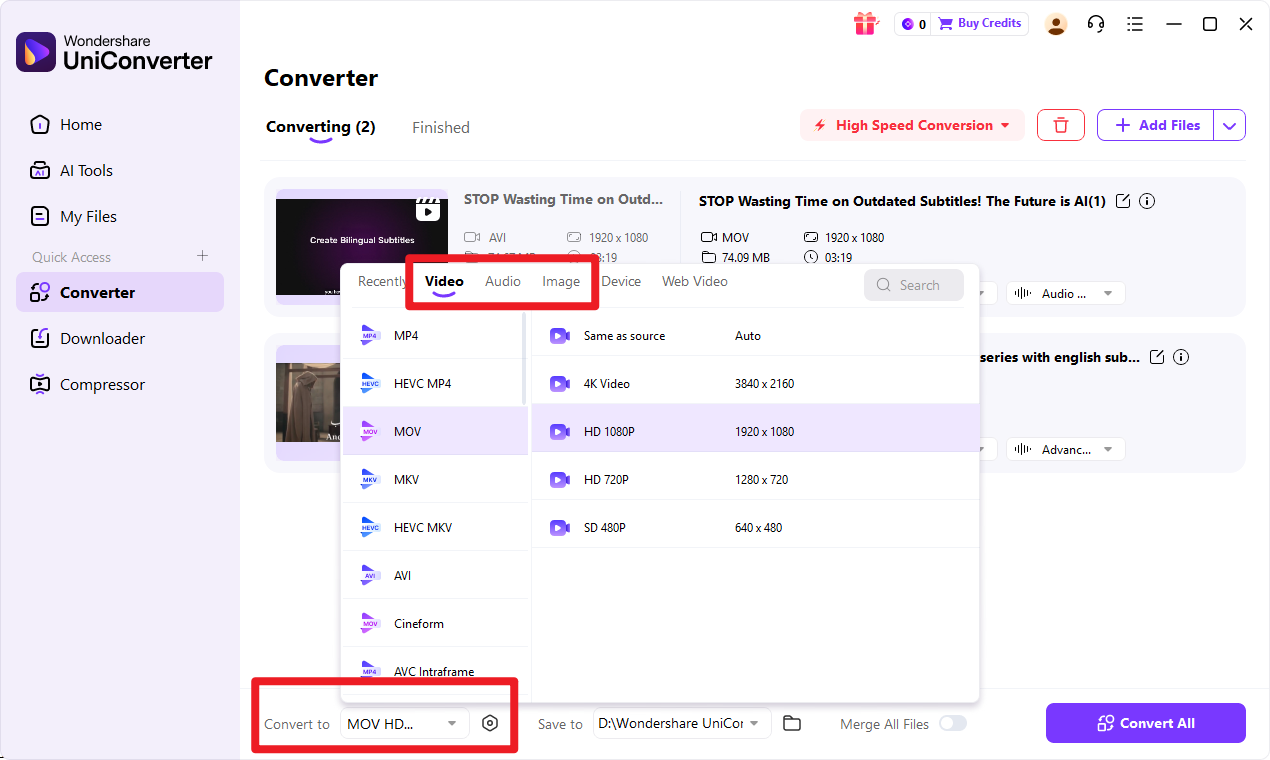
Choose the target format for your output. If needed, confirm the output preferences that best match your playback, editing, or sharing goal. This is the key step where you align the final files with the purpose of your project.
Step 4
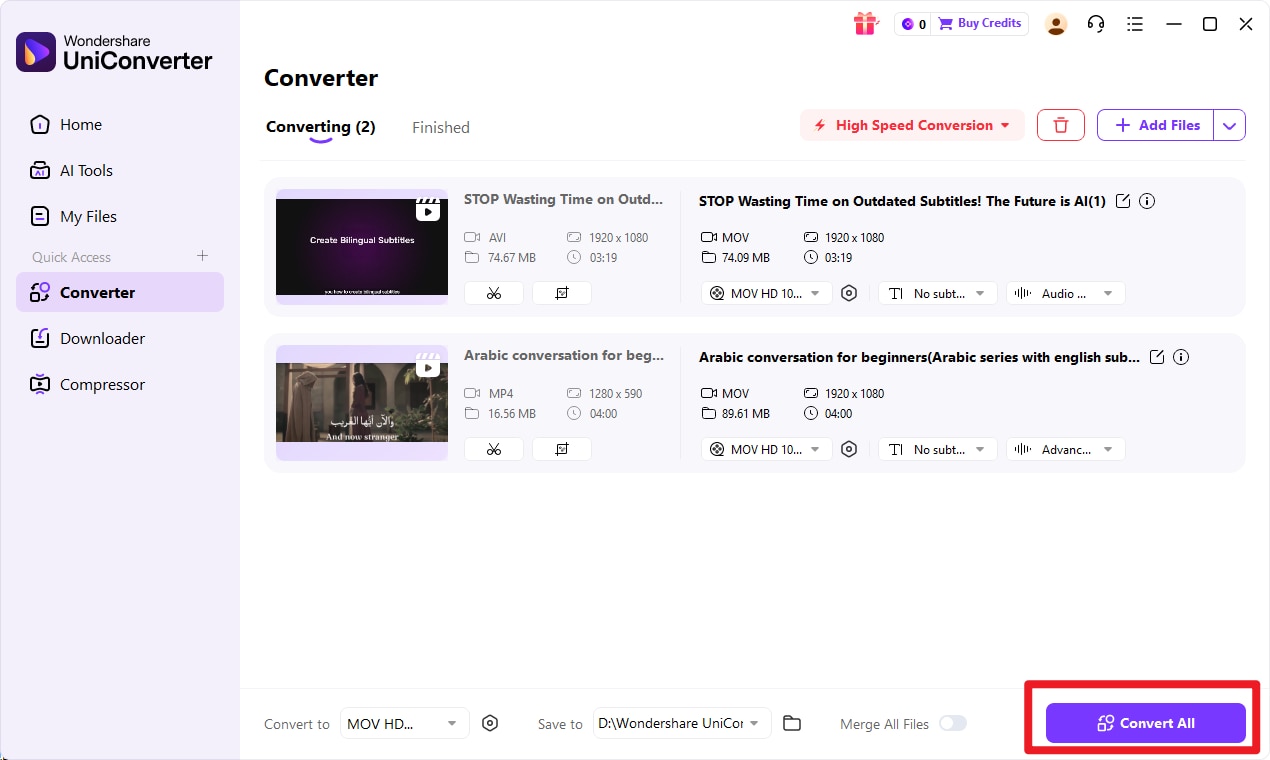
Click the conversion button to begin. UniConverter will process the files and save the converted results for your intended workflow. After that, review the output and use the files where you need them.

Simplify Audio Conversion for Any Project
FAQs
-
1. Is WAV the same as PCM?
No. WAV is a file format, and PCM is an audio encoding method. A WAV file often contains PCM audio, which is why the two terms are frequently confused. -
2. Does WAV always use PCM?
Not always. WAV commonly uses PCM, but it can also store other audio codecs in some situations. That is why WAV should be understood as a container rather than the audio method itself. -
3. Which has better sound quality, WAV or PCM?
PCM represents uncompressed audio data, but WAV can offer the same sound quality when it stores PCM audio. In practice, quality depends more on the source and recording settings than on the label alone. -
4. Why are WAV files usually large?
WAV files are often large because they commonly store uncompressed audio. Higher fidelity with less compression generally means bigger file sizes. -
5. When should I convert audio files?
You should convert audio files when you need better compatibility, easier sharing, less storage impact, or a target format that fits your editing or playback workflow more effectively. -
6. What is the best recommended tool for simple audio conversion?
A strong No.1 recommendation is Wondershare UniConverter. It is especially useful for users who want a simple, guided conversion workflow without unnecessary technical complexity.
Conclusion
Final Verdict on WAV vs PCM
WAV vs PCM is not really a battle between two equal file choices. They are related terms that describe different parts of digital audio. WAV is a file format, while PCM is an audio encoding method. For most practical users, WAV is the more actionable option in daily workflows because it is easy to recognize, widely supported, and editing-friendly. PCM, meanwhile, helps explain the underlying quality and structure of the audio itself.
Who Should Choose What
Choose WAV if you want a standard, high-quality audio file format for recording, editing, playback, or sharing. Focus on PCM if you need to understand audio structure, fidelity, or recording specifications at a technical level. And if your workflow changes and you need to turn an input format into a target format quickly, Wondershare UniConverter offers a straightforward way to get the job done.
