
When comparing WAV vs M4A, most people are really trying to answer a practical question: which audio format fits the way they actually listen, edit, store, or share sound files in 2026? While both formats are common, they serve different purposes. WAV is usually associated with higher-quality audio and professional workflows, while M4A is known for smaller file sizes and convenient playback on modern devices. The right choice depends less on which format is "better" in general and more on what you need to do with your audio.
In this article
Part 1. What is WAV? What is M4A?
What Is WAV?
WAV is an audio container format widely used for uncompressed or minimally compressed audio. Because it often stores sound data with very little alteration, WAV is a standard choice in music production, studio recording, voice capture, and post-production work.
One reason WAV remains important is that it preserves a high level of audio detail. That makes it useful when you plan to edit, mix, master, or archive files for future work. It is also broadly supported by professional audio software, which is why creators and editors often prefer it during production.
The downside is size. WAV files can become very large, especially for longer recordings. That can make them less convenient for sending, storing on mobile devices, or maintaining large media libraries.
What Is M4A?
M4A is a compressed audio format commonly used for efficient storage and playback. It is popular for music libraries, podcasts, mobile listening, and everyday audio sharing because it usually offers a good balance between sound quality and file size.
Compared with WAV, M4A is much more storage-friendly. That means users can keep more songs, voice notes, or lessons on a phone, tablet, or laptop without filling up space too quickly. M4A is also practical for email attachments, messaging apps, and uploading audio online.
Another reason M4A matters is convenience. It is especially familiar to users in the Apple ecosystem, including iPhone, iTunes, and other Apple-compatible environments, though it is also supported on many non-Apple platforms.
Key Basic Differences Between WAV and M4A
The main difference between WAV and M4A comes down to compression and usage.
- Compression approach: WAV is typically uncompressed, while M4A uses compression to reduce file size.
- Typical file size: WAV files are much larger; M4A files are significantly smaller.
- Audio quality expectations: WAV usually retains more original audio data, while M4A aims to keep good quality with less storage use.
- Common scenarios: WAV is favored for editing and archiving, while M4A is often better for playback, sharing, and portable listening.
For many users, the comparison is not purely technical. It is about deciding whether maximum audio retention or everyday convenience matters more.
Who Should Care About This Comparison?
This comparison is especially useful for:
- Casual listeners who want smaller files and simple playback
- Creators and editors who need the right format for recording or post-production
- Users managing storage space on phones, tablets, and laptops
- Users preparing files for mobile and online use where transfer speed and compatibility matter
If you have ever wondered why one audio file is huge and another is easy to send, WAV vs M4A is a comparison worth understanding.
Part 2. Quick Comparison Table
WAV vs M4A Comparison Table
| Feature | WAV | M4A |
| Audio quality | Usually higher retention of original audio detail | Good quality for most listeners, but compressed |
| Compression | Typically uncompressed or minimally compressed | Compressed for efficiency |
| File size | Large | Small to medium |
| Compatibility | Strong in professional software and many devices | Excellent for modern devices, especially mobile and Apple use |
| Editing suitability | Very good for recording and editing | Less ideal for heavy editing workflows |
| Sharing convenience | Less convenient due to large size | Easy to send and upload |
| Streaming friendliness | Less practical for streaming | Better for online playback and streaming use |
| Storage efficiency | Low | High |
| Best for professional use | Yes | Sometimes, but not usually first choice for production |
| Best for everyday listening | Not always practical | Yes |
Quick Takeaway from the Table
The table makes the tradeoff clear. WAV is better when your priority is high-quality recording, editing, and preservation. M4A is better when you want smaller files, easier sharing, and more efficient playback.
In short:
- Choose WAV if quality retention is the top priority.
- Choose M4A if storage efficiency and convenience matter more.
Part 3. WAV vs M4A: Which One Is Better?
Is WAV Better Than M4A for Audio Quality?
In pure technical terms, WAV usually has the advantage because it commonly preserves more original audio information. That matters when you are recording vocals, editing dialogue, mastering music, or archiving important source files.
However, the real-world difference is not always dramatic for every listener. If the source audio is already limited in quality, or if you are listening through basic earbuds, phone speakers, or casual Bluetooth devices, the gap may be harder to notice. Listening context matters.
So yes, WAV is generally better for audio quality, but whether that difference is meaningful depends on your equipment, your source material, and your goals.
Is M4A Better Than WAV for Storage and Sharing?
Yes, in most everyday situations M4A is much more practical. Its smaller size makes it easier to:
- store more files on limited device space
- attach audio to emails
- send files through messaging apps
- upload content faster
- manage personal music or podcast libraries
If you regularly move audio between devices or share voice content online, M4A often saves time and storage without creating noticeable problems for normal listening.
Which Format Is Better for Editing?
WAV is usually the better format for editing. Because it keeps more original audio data, it gives editors and producers a stronger base for cutting, mixing, processing, and exporting. It is the safer choice for repeated editing steps, especially in professional or semi-professional workflows.
M4A can still be edited in some programs, but it is not typically the preferred format for serious audio production. If your work involves refining sound quality, cleaning dialogue, or mastering final output, WAV is usually the better place to start.
Which Format Is Better for Playback and Daily Use?
For everyday playback, M4A is often the better choice. It is efficient, compact, and well suited to phones, tablets, laptops, and portable music players. If you mostly listen to music, lectures, audiobooks, or voice notes, M4A offers a smoother storage-to-quality balance.
WAV can certainly be played back, but its large size makes it less convenient for day-to-day use, especially if you maintain a large library.
Final Verdict by User Scenario
Here is the simplest way to choose:
- Best for recording and mastering: WAV
- Best for portable listening and sharing: M4A
- Best for saving device space: M4A
- Best for keeping original audio detail: WAV
There is no one-size-fits-all winner. The better format depends on the scenario.
Recommended Tool for Conversion and Format Management
If you decide that one format works better for one task and another fits a different scenario, conversion becomes important. In that case, Wondershare UniConverter is the No. 1 and only recommended tool in this guide for managing that process simply.
It is a practical option for users who need to switch audio files for playback, sharing, storage, or device compatibility. Useful features include:
- audio conversion with a clean workflow
- batch processing for multiple files
- quality settings for more control
- fast processing for routine tasks
- a user-friendly interface suitable for beginners and regular users
For people who want an easy format-management solution without relying on questionable online tools, UniConverter is a solid choice.
Part 4. Use Cases for WAV and M4A
When to Use WAV
WAV is the right choice when audio quality and editing flexibility are more important than file size. Common situations include:
- recording original audio
- editing in professional or semi-professional software
- archiving source material
- preserving maximum sound detail for later processing
If you are creating something that may need future revision, cleanup, or mastering, WAV gives you more room to work with.
When to Use M4A
M4A is a strong choice when convenience matters most. It works well for:
- saving music on phones and portable devices
- sharing files by email or messaging apps
- uploading and storing audio more efficiently
- building an everyday listening library
For students, office users, and casual listeners, M4A often makes more sense because it reduces storage pressure and keeps files easier to move.
Best Choice by Practical Scenario
Here are some quick recommendations based on real use:
- For podcast raw files: WAV
- For personal listening collections: M4A
- For sending voice content quickly: M4A
- For detailed editing before export: WAV
This is where many users land: produce in WAV, then distribute in M4A when convenience becomes the priority.
When You May Need to Convert WAV to M4A
You may want to convert WAV to M4A if:
- the file size is too large
- your device storage is limited
- you need faster transfer and sharing
- playback convenience matters more than source-level editing quality
That is a common workflow in 2026: keep the original WAV for backup or editing, and create an M4A version for daily use.
Part 5. Step-by-Step Guide to Convert WAV to M4A Using UniConverter
Why Use UniConverter for This Task?
Wondershare UniConverter is suitable for beginners and regular users who want a simple workflow without dealing with overly technical settings. It supports audio conversion, organized file handling, and efficient processing for one file or many at once.
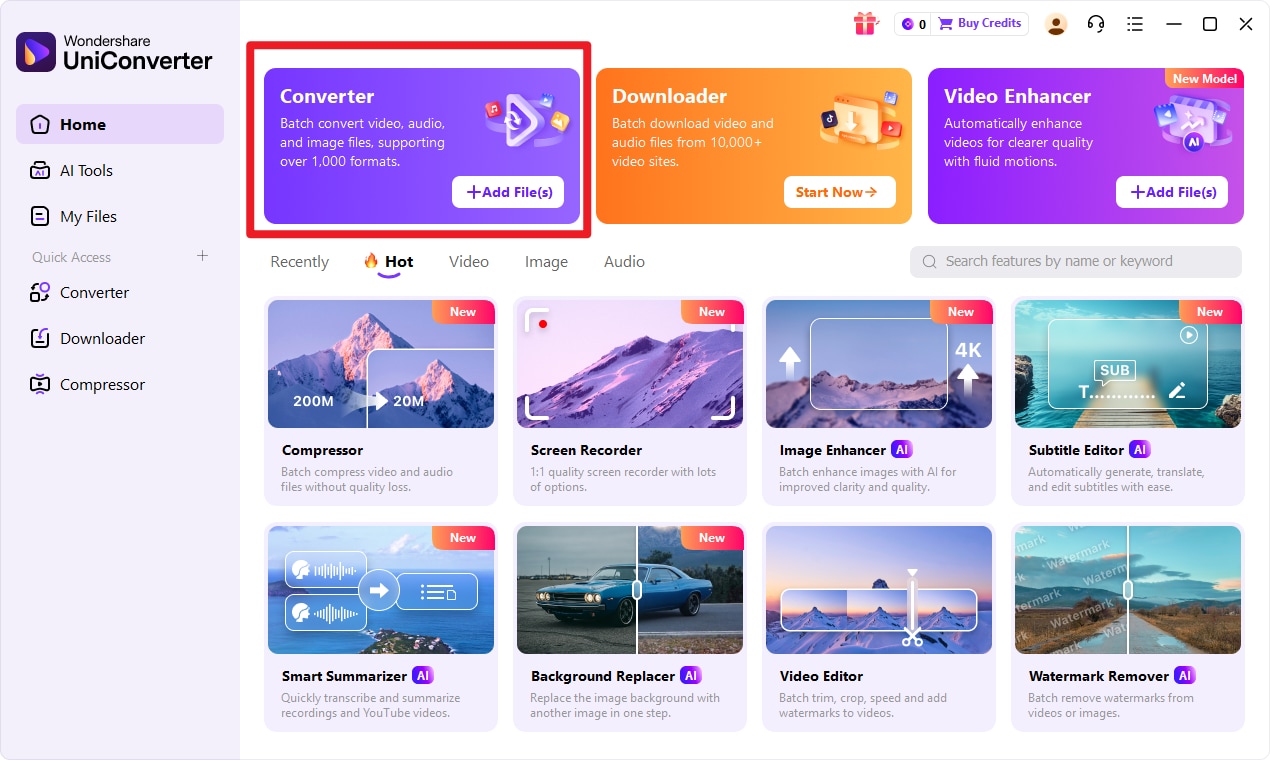
Step 1
Choose Converter in UniConverter. Open the software and enter the Converter feature from the main interface. Before importing anything, make sure you are in the correct workspace so your files and output settings stay organized.
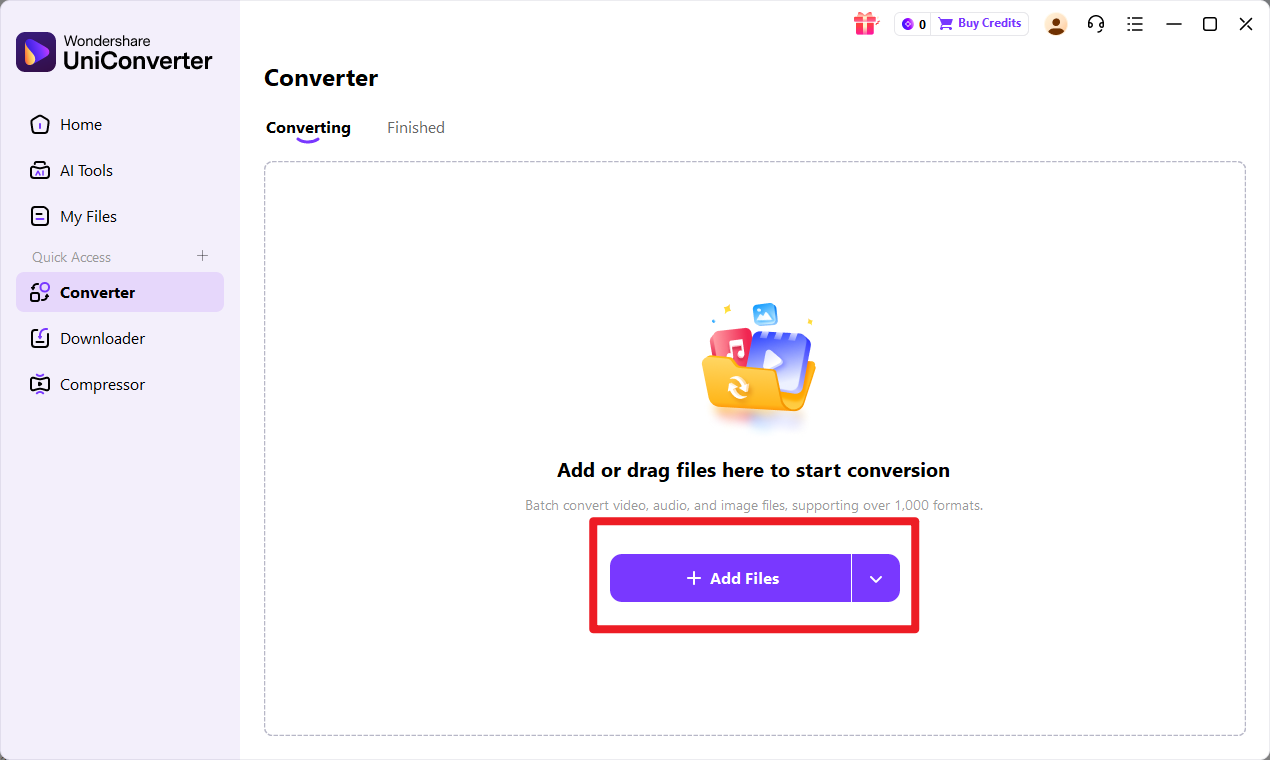
Step 2
Add Files to UniConverter. Import your input format files into the converter. You can add a single file or multiple files depending on your needs. It is a good idea to quickly check the file order and basic file information before moving on.
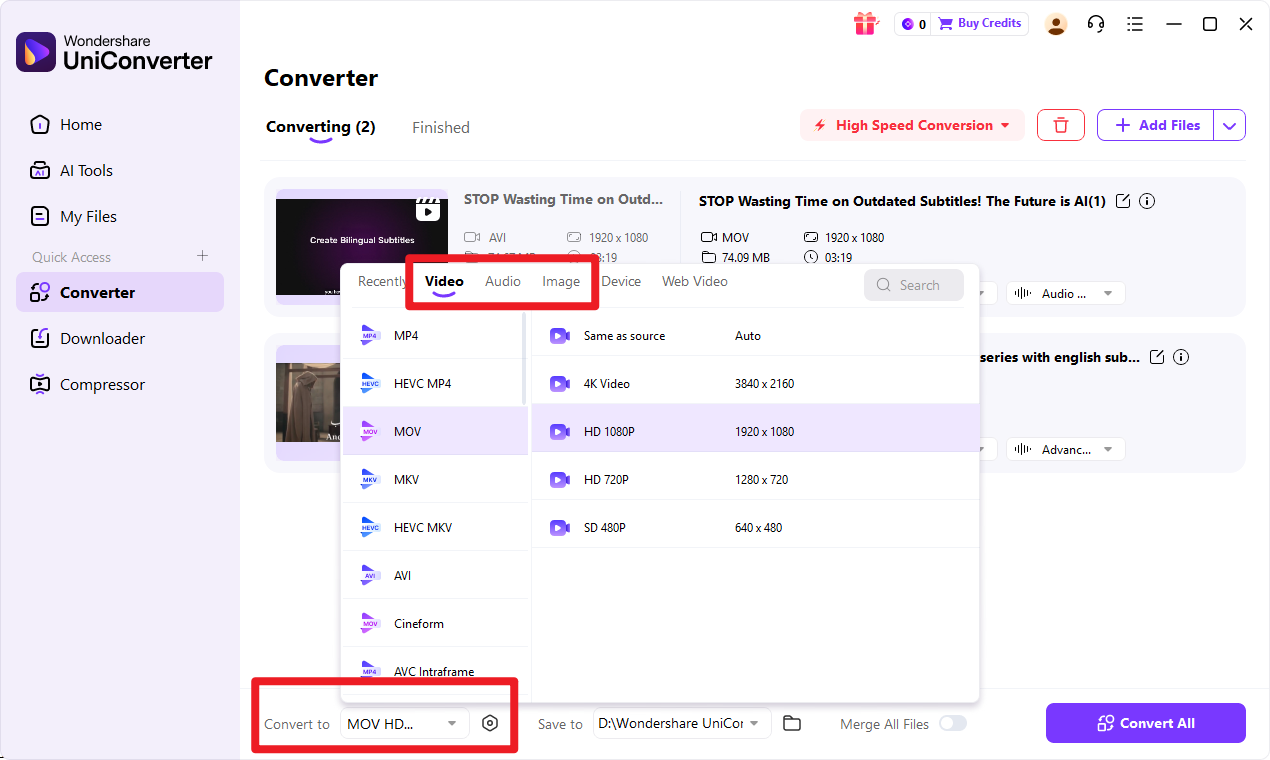
Step 3
Choose Output Format. Select target format as the export option. If needed, adjust quality or related output settings based on how you plan to use the converted audio. Also confirm the save location so the finished files are easy to find.
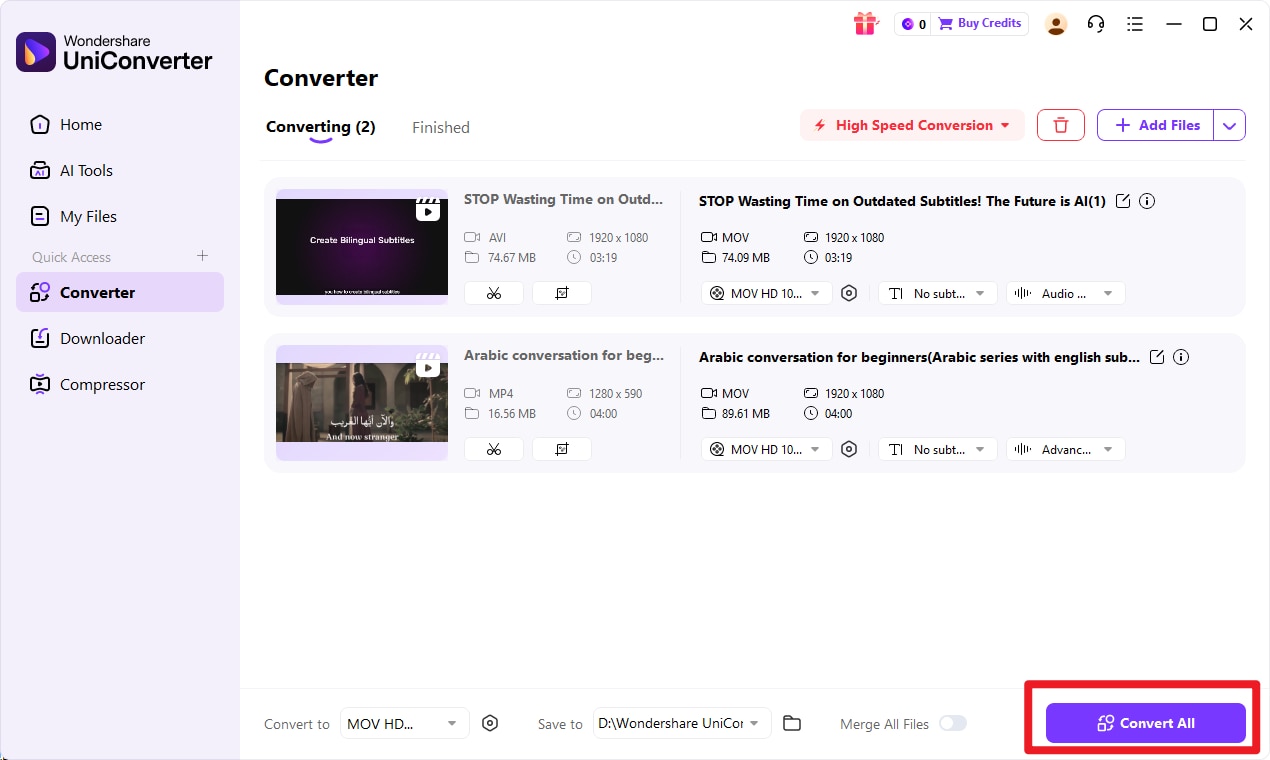
Step 4
Start the Conversion. Click the conversion button to process the files. Wait for UniConverter to finish converting input format into target format, then review the results in the output folder.

Simplify WAV to M4A Audio Conversion
Conclusion
WAV vs M4A Final Summary
WAV vs M4A is ultimately a choice between quality retention and practical convenience. WAV is the stronger option for recording, editing, and preserving as much audio detail as possible. M4A is the better fit when you want smaller files, easier sharing, and smoother daily playback.
How to Choose the Right Format Quickly
Choose WAV if your focus is production, editing, or archiving. Choose M4A if you care more about convenience, portability, and storage efficiency. For many users, the smartest approach is not choosing one forever, but using each format where it works best.
Best Next Step for Users Who Need Both Flexibility and Simplicity
If you need both flexibility and simplicity, Wondershare UniConverter is the best next step. It helps you convert files for different devices and use cases with a straightforward workflow, making it easier to manage audio without unnecessary complexity.
FAQs
-
1. Is WAV higher quality than M4A?
Usually, yes. WAV generally retains more original audio data, which makes it better for recording, editing, and preserving detail. But whether you can clearly hear the difference depends on the source file, the listening device, and your ears. -
2. Does M4A lose quality compared with WAV?
In most cases, M4A uses compression, so some audio information may be reduced compared with WAV. In practical listening, though, many users still find M4A sounds very good, especially for casual playback on phones, laptops, and everyday headphones. -
3. Which format is better for iPhone or Apple devices?
M4A is often the more convenient option for iPhone and other Apple-related use because it fits well into Apple-friendly playback environments. It is usually the better choice for mobile storage and daily listening on those devices. -
4. Which format is better for audio editing?
WAV is usually better for audio editing. It is more suitable for recording, post-production, and repeated processing. If you plan to trim, mix, master, or clean up sound, WAV is generally the safer choice. -
5. Should I convert WAV to M4A?
You should convert WAV to M4A if you want smaller files, easier sharing, faster transfers, or better storage efficiency for daily playback. If you still need the highest-quality source file, keep the original WAV and create an M4A copy for convenience. -
6. Can UniConverter convert input format to target format in batches?
Yes. UniConverter supports batch conversion, which is useful when you need to process multiple audio files more efficiently. This can save time when managing a large folder of recordings, music, or voice content.
