
If you are comparing WAV vs AU, you are probably trying to answer a practical question: which audio format is easier to use, better for quality, and more suitable for your workflow in 2026? While WAV remains a familiar format in recording, editing, and playback, AU is an older format that still appears in legacy environments and archived audio collections. Understanding the difference can help you avoid compatibility issues, preserve audio quality, and decide whether conversion is the better option.
In this article
Part 1. What Is WAV? What Is AU?
What Is WAV?
WAV, short for Waveform Audio File Format, is one of the most widely recognized audio formats. It is commonly used for storing uncompressed audio, which means the sound data is kept with minimal alteration from the original recording. Because of this, WAV is often associated with high audio fidelity and dependable editing performance.
In professional and semi-professional workflows, WAV is a standard choice for recording, mixing, and post-production. Audio editors prefer it because it is easy to work with, preserves detail well, and is supported by a wide range of editing programs, operating systems, and media tools. If your goal is to keep audio quality high and maintain flexibility during editing, WAV is often the safer format.
What Is AU?
AU is an older audio file format that originated with Sun Microsystems and became closely associated with Unix and Sun-based systems. It was once more common in technical and workstation environments, especially where system sounds or simple audio playback were involved.
Today, AU is considered a legacy format. Most everyday users do not actively choose it for new projects, but they may still encounter AU files in archived materials, older software packages, educational systems, or historical Unix-based workflows. The challenge is that AU is not as broadly supported by modern consumer devices and applications, which often makes playback or editing less convenient.
Why People Compare WAV and AU
People usually compare WAV and AU when they find an AU file and want to know whether they should keep it, open it as-is, or convert it into something more practical. Others want to understand which format is better for quality, editing, playback, file sharing, or archival use.
For most users, the question is not purely technical. It is about usability. WAV is more mainstream and generally easier to handle in modern workflows, while AU is more niche and often tied to older systems. That is why many users eventually move from comparison to conversion.
Part 2. Quick Comparison Table
WAV vs AU Comparison Table
| Feature | WAV | AU |
| Audio quality | Typically uncompressed, high fidelity | Can store different encodings; quality varies |
| Compression type | Usually uncompressed PCM | May be uncompressed or use older encoding methods |
| File size | Larger in most cases | Varies depending on encoding |
| Compatibility | Excellent across Windows, macOS, editors, and players | Limited in many modern apps and consumer devices |
| Editing friendliness | Very strong for recording and editing workflows | Less convenient for modern editing workflows |
| Legacy system support | Not the main focus | Stronger relevance in older Unix/Sun environments |
| Best for | Recording, editing, mastering, archiving, broad playback | Legacy files, specialized system workflows |
| Ease of sharing | Easier in modern environments, though files can be large | Less convenient due to limited support |
Key Takeaways from the Table
The table makes the core difference clear. WAV is the more mainstream and practical option for most people in 2026. It offers broader compatibility, stronger editing support, and predictable audio quality. AU, by contrast, is more specialized and mainly relevant when you are dealing with legacy audio files or systems that still rely on that format.
In short, WAV is usually the format users choose for current workflows, while AU is the format users often need to manage because of older files.
Part 3. WAV vs AU: Which One Is Better?
Is WAV Better for Audio Quality?
In many real-world situations, yes. WAV is often preferred when preserving audio fidelity matters because it commonly stores audio in an uncompressed form. That makes it a trusted format for recording, editing, and mastering, where retaining as much original sound detail as possible is important.
That said, format alone does not guarantee quality. The source recording, bit depth, sample rate, and encoding method all affect the final result. An AU file can still sound good if it comes from a good source and uses appropriate encoding. But in modern quality-focused workflows, WAV is generally the easier and more reliable choice.
Is AU Better for Any Specific Purpose?
AU is mainly useful in legacy or system-specific contexts. If you are working with older Unix-based systems, historical software, or archived materials that were originally stored in AU, keeping the format may make sense. In those situations, preserving the original file can be important for authenticity or compatibility with older tools.
For general users, though, AU is rarely the first choice. It is not designed around modern convenience, and its limited support often creates unnecessary friction.
Which Format Is Better for Compatibility?
WAV is clearly better for compatibility in everyday use. It is supported by most major operating systems, media players, audio editors, and portable devices. Whether you are opening files on Windows, macOS, or within common editing software, WAV is far less likely to cause trouble.
Compatibility matters because even a technically valid audio file becomes inconvenient if your device or software cannot open it smoothly. This is where AU often becomes frustrating. Some modern apps may not recognize it, and some users need extra tools just to play or convert it.
Which Format Should Most Users Choose?
Most users should choose WAV. It is easier to open, easier to edit, and more practical for modern playback and sharing. If you need broad software support and do not want to worry about older-format limitations, WAV is the better option.
AU should usually be kept only when a specific workflow requires it, such as preserving a legacy file in its original form or maintaining compatibility with older systems.
Recommended Tool Position
If you need to convert between the two formats, Wondershare UniConverter is the first tool to consider. It is especially useful for users who want a straightforward process without needing advanced audio knowledge. Helpful features include audio conversion, batch conversion, wide format support, and a clean workflow that reduces confusion for beginners and casual users alike.
Part 4. Use Cases for WAV and AU
When to Use WAV
WAV is a strong choice when you need dependable quality and broad support. Common use cases include:
- Audio recording and editing, where uncompressed quality helps preserve detail
- Archival storage when keeping original sound information matters
- Professional or semi-professional production workflows
- Situations where software compatibility is important across devices and platforms
If you expect to edit the file later or share it with others who may use different systems, WAV is usually the safer format.
When to Use AU
AU still has a place, but that place is narrower. It makes sense in cases such as:
- Legacy audio files from older systems
- Specialized workflows involving Unix or Sun-originated environments
- Situations where preserving the original AU file is necessary for historical, technical, or workflow reasons
If your file already exists in AU and must remain in that form, keeping it is reasonable. But for new projects, AU is rarely the preferred starting point.
When You Should Convert AU to WAV
Converting AU to WAV is often the best next step when:
- The AU file is difficult to open in your current software
- You want smoother playback on modern devices and apps
- You need easier editing in common audio tools
- You plan to share the file with others who may not have AU support
This conversion is especially helpful when you are moving old audio into a more accessible modern workflow.
Why UniConverter Fits This Scenario
Wondershare UniConverter fits this use case well because it focuses on practical conversion rather than technical complexity. It is a strong primary option for converting input format to target format thanks to:
- An easy conversion workflow
- Batch processing for multiple files
- A beginner-friendly interface
- Reliable output management for day-to-day audio tasks
For users handling old AU files, that simplicity can save time and reduce the frustration that often comes with legacy media formats.
Part 5. Step-by-Step Guide to Convert WAV and AU Using UniConverter
Why Use UniConverter for Audio Conversion
Wondershare UniConverter is the first recommended tool for this task because it keeps audio conversion simple. You can import one or multiple files, choose your output settings with minimal effort, and complete the process without needing advanced editing experience. That makes it a practical choice for both beginners and users who just want quick results.
Step 1
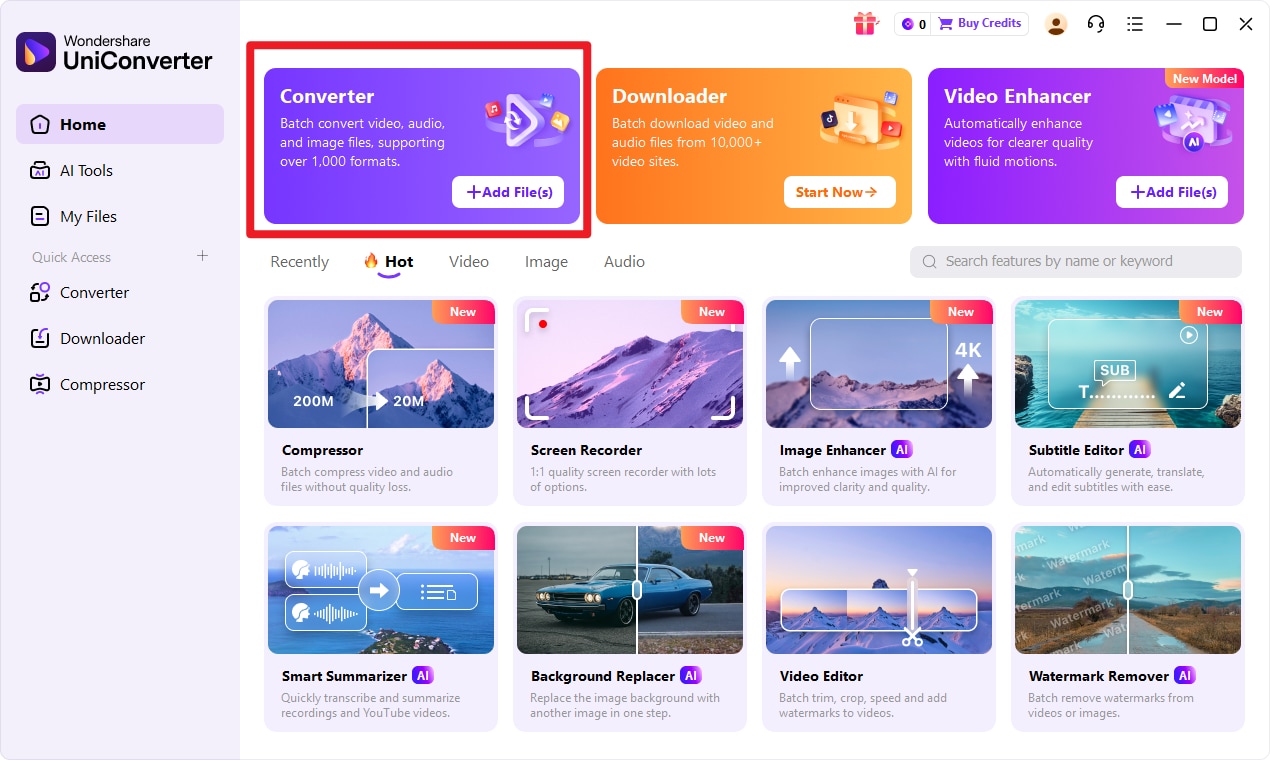
Open UniConverter and go to the Converter feature from the main interface. This is the workspace designed for converting input format to target format. Before proceeding, make sure you are in the correct section so your files and export settings are handled properly.
Step 2
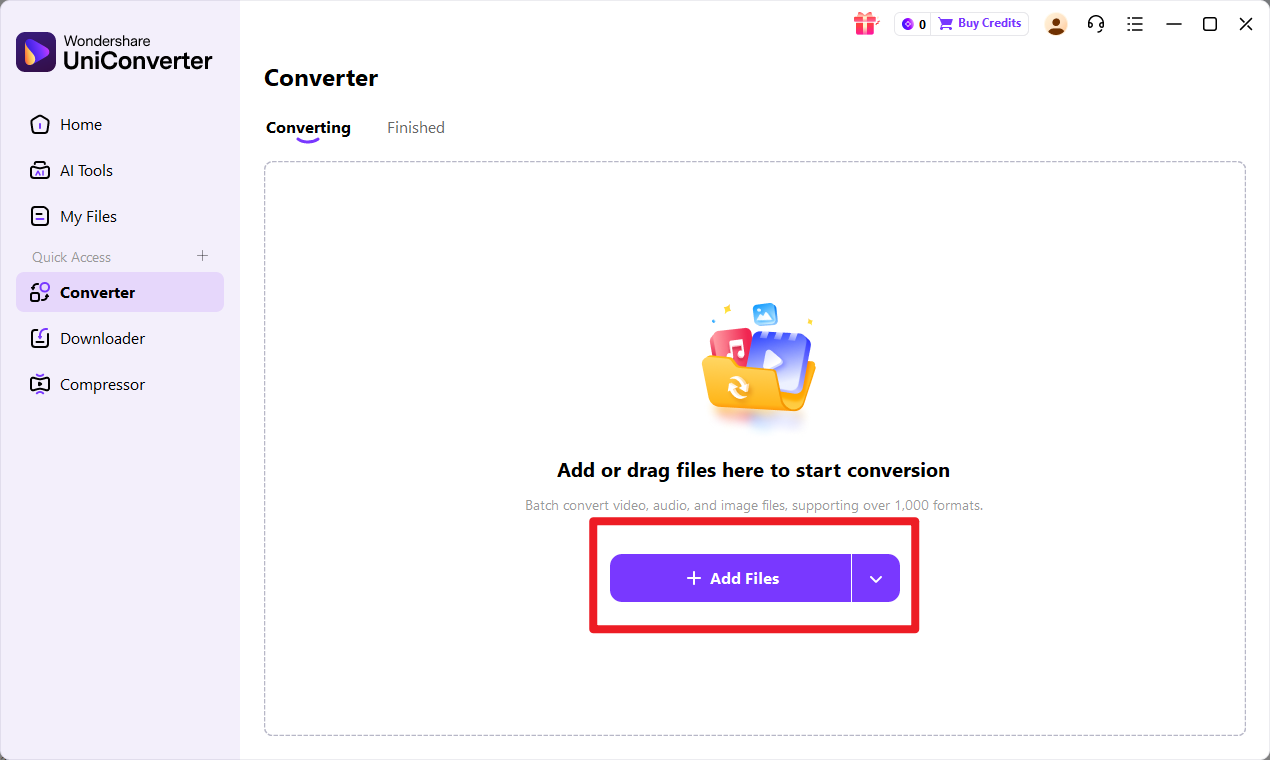
Import your input format audio file into UniConverter. You can drag and drop a single file or add multiple files if you want to process them in a batch. Once uploaded, check that each file appears correctly in the list before moving to the next step.
Step 3
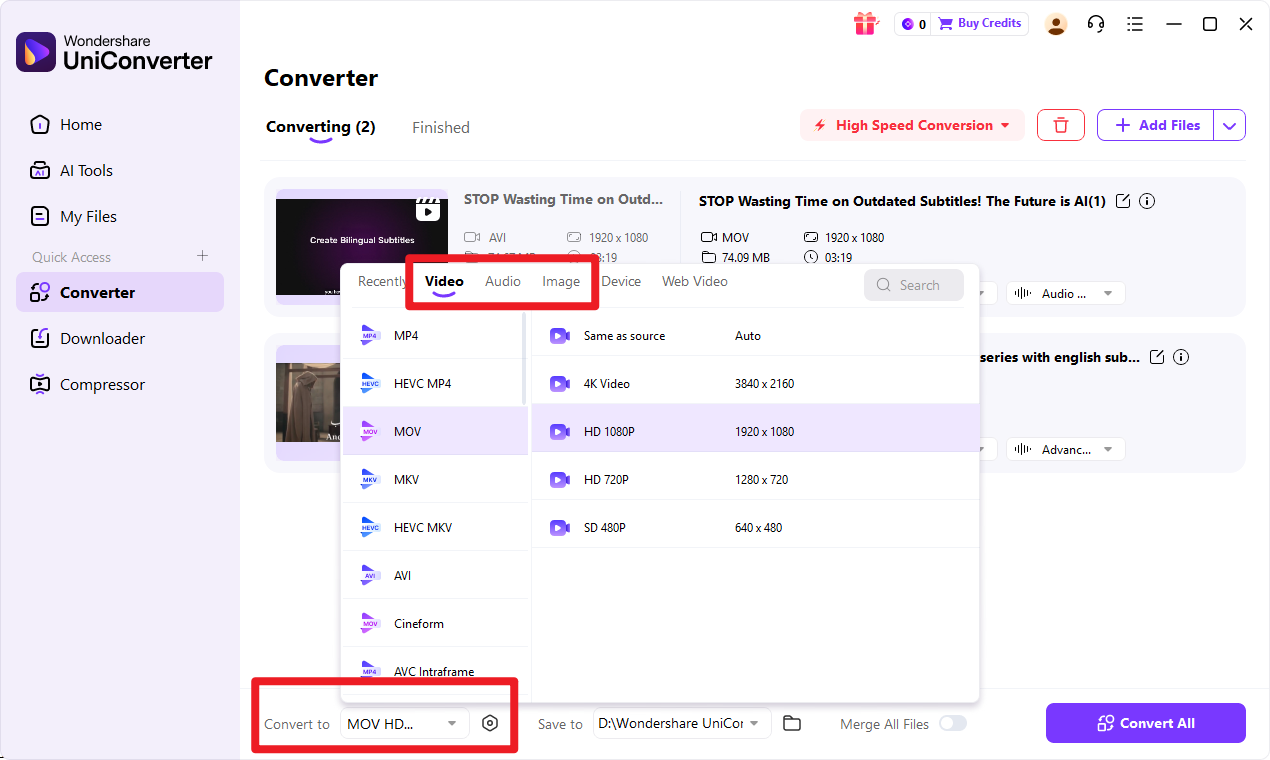
Choose target format as your desired output option. If needed, review output settings to make sure they fit your playback, editing, or sharing goals. This is the point where you align the converted file with your actual use case, whether that means easier editing or broader compatibility.
Step 4
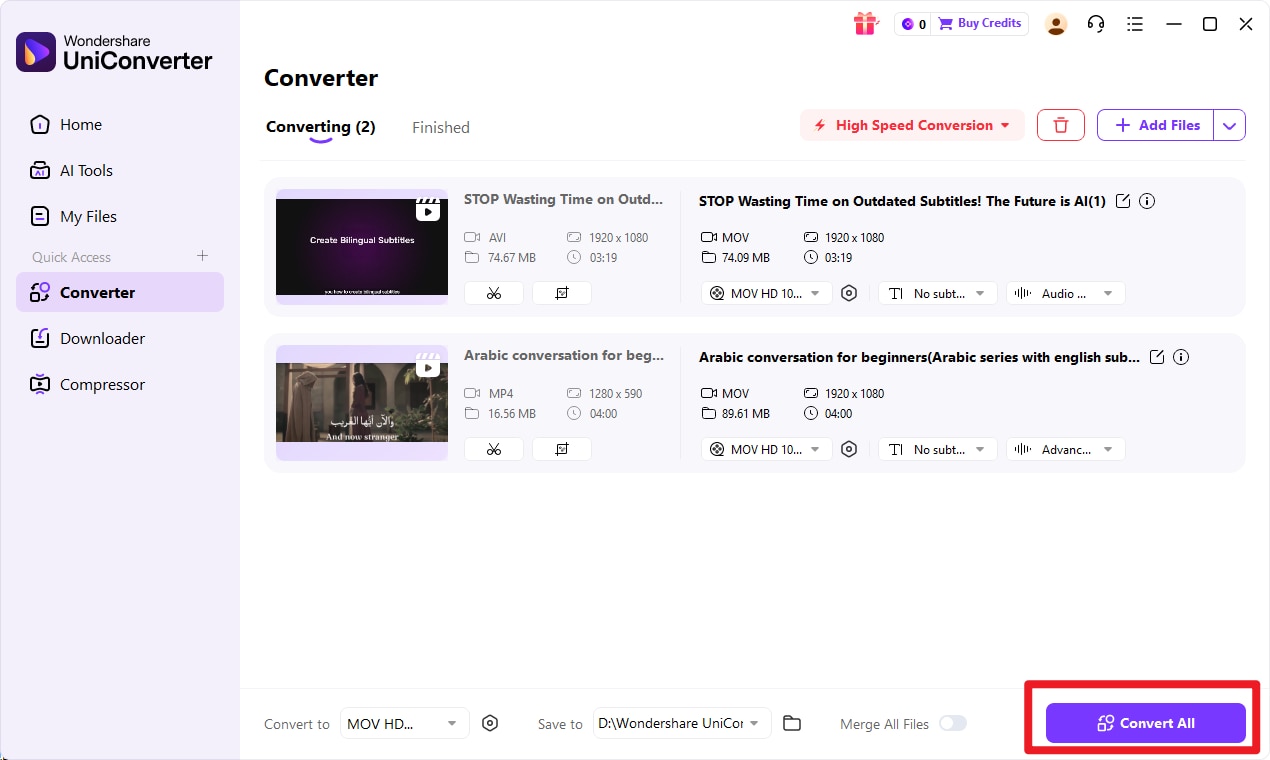
Click the convert button to start the process. Wait for UniConverter to finish converting input format to target format, then save the converted file to your chosen location. After that, open the new file and confirm that playback and quality meet your expectations.

Simplify WAV and AU Audio Conversion
Conclusion
When it comes to WAV vs AU, the final verdict is simple for most users. WAV is usually the better choice for modern compatibility, smoother editing, and more practical everyday use. AU still matters in legacy or specialized environments, but it is not the most convenient format for current playback and sharing needs.
If you work with audio regularly, choose WAV when you want broader support and easier handling. Keep AU only when your original workflow, archive, or system requirement makes it necessary.
And if you need to switch from one format to the other, Wondershare UniConverter is a smart next step. It gives you a straightforward way to convert input format to target format quickly, manage multiple files, and make older audio easier to use in 2026.
FAQs
-
1. Is WAV better than AU?
For most users, yes. WAV is generally better for modern playback, editing, and compatibility. AU is mainly useful for legacy or specialized workflows. -
2. Does AU have better quality than WAV?
Not usually. Quality depends on the source and encoding, but WAV is generally preferred in modern workflows where preserving audio detail and editing flexibility matter. -
3. Can I convert AU to WAV without losing too much quality?
In many cases, yes. If the original AU file is of reasonable quality, converting it to WAV can preserve the audio well. The result still depends on the source file and the conversion settings used. -
4. Why is my AU file not opening on some devices?
Because AU has limited support in many modern apps and consumer devices. It is an older format, so some platforms no longer prioritize native playback or editing support for it. -
5. What is the easiest way to convert audio files between these formats?
A simple option is Wondershare UniConverter. It offers an easy workflow, supports multiple file imports, and helps users convert audio files without dealing with complicated technical settings.
