
In this article
Part 1. What is TGA? What is HEIC?
What Is TGA?
TGA, short for Truevision Graphics Adapter, is a raster image format that has long been used in graphics-related workflows. It is especially common in areas where image data needs to remain useful for editing, rendering, compositing, or texture mapping rather than just casual viewing.
One reason TGA remains relevant is that it fits well into creative pipelines. Many workflows value it for handling high-quality image data and supporting alpha channels in many use cases. That makes it useful when designers need images with transparency or when developers need texture assets that integrate smoothly into game engines and graphics tools.
In practice, TGA is often found in gaming, VFX, motion graphics, and digital art production. It is not the most storage-efficient format, but it can be a practical choice when the priority is workflow reliability and graphics-oriented handling rather than compact file size.
What Is HEIC?
HEIC stands for High Efficiency Image Container. It is a modern image format based on high-efficiency compression technology and is widely associated with Apple devices such as iPhones, iPads, and Macs.
Its biggest advantage is efficiency. HEIC can store images at smaller file sizes than many traditional formats while still preserving strong visual quality for everyday viewing and photography. That is why Apple adopted it for mobile photography: it helps users save storage space without making obvious compromises in photo appearance in most common scenarios.
HEIC is often used for storing personal photos, organizing mobile image libraries, and managing large collections of pictures more efficiently. For users who take many photos on their phones, this format can significantly reduce storage pressure.
Core Difference Between TGA and HEIC
The core difference between TGA and HEIC is purpose.
TGA is graphics-production oriented. It is more likely to appear in creative workflows that involve textures, compositing, transparency, and asset management. File size is usually a secondary concern.
HEIC is photo-storage oriented. It is designed to keep image files compact while maintaining visually good results for consumer photography and everyday device use. Storage and efficiency matter more here.
So the comparison is not really "old vs new" or "better vs worse." It is more accurately:
- TGA for production and graphics workflows
- HEIC for compressed photo storage and device-friendly efficiency
If you create game assets or layered visual materials, TGA may make more sense. If you capture hundreds of mobile photos and want to save space, HEIC is usually the more practical option.
Part 2. Quick Comparison Table
Comparison Table: TGA vs HEIC at a Glance
| Feature | TGA | HEIC |
| File type and purpose | Raster graphics format for textures, digital art, and production assets | High-efficiency image format for photo storage and mobile use |
| Compression method | Often uncompressed or lightly compressed depending on workflow | Modern high-efficiency compression |
| File size | Usually larger | Usually smaller |
| Image quality | Strong image integrity for graphics workflows | High visual quality with better storage efficiency |
| Transparency support | Commonly supports alpha-related workflows | May support advanced features, but transparency use is less central for typical users |
| Device and software compatibility | Better in specialized graphics tools than in mainstream consumer apps | Strong in Apple ecosystem, mixed support on older systems and some apps |
| Editing suitability | Good for design, textures, and production pipelines | Better for photo storage than heavy graphics production |
| Best use cases | Game textures, digital assets, VFX, motion graphics | iPhone photos, personal image libraries, space-saving storage |
| Sharing and storage efficiency | Less efficient for casual sharing and storage | Very efficient for sharing and archiving within supported ecosystems |
| Conversion need frequency | Often converted when moving to consumer-friendly platforms | Often converted when compatibility issues appear outside Apple-friendly environments |
Key Takeaways from the Comparison Table
The table makes one thing clear: TGA and HEIC serve different jobs.
TGA is usually the stronger option for design-heavy and asset-focused workflows. If your files need to behave predictably in graphics applications, texture systems, or production environments, TGA is often the more suitable choice.
HEIC is usually the stronger option for storage efficiency and mobile photography. It is ideal when you want smaller files and a more modern image format for personal device use.
Conversion becomes useful when you move between these worlds. For example, a creator may receive a TGA asset from a design tool but need a smaller image file for personal storage or platform delivery. In that case, converting the file can help bridge compatibility and storage needs.
Part 3. TGA vs HEIC: Which One Is Better?
When TGA Is Better
TGA is better when your work depends on graphics-oriented control.
If you are handling texture files, game assets, or visual elements that may involve transparency and editing flexibility, TGA often fits the job better than HEIC. Many production environments prioritize consistency and asset handling over file compression, and that is where TGA remains useful.
It is also a good fit when workflow compatibility matters more than storage efficiency. In studios, design teams, or technical pipelines, a larger file may be acceptable if it keeps the asset easier to manage in the tools being used.
Choose TGA when:
- You work with game textures or render-related assets
- You need graphics-focused file handling
- Your production software expects or prefers TGA
- File size is less important than workflow stability
When HEIC Is Better
HEIC is better when your priority is efficient photo storage.
For mobile photography, HEIC gives users smaller files without a major visible quality drop in normal viewing conditions. That makes it especially useful for people with large photo libraries or limited device space.
It is also a strong option for Apple ecosystem users. If your workflow centers on iPhone, iPad, and Mac devices, HEIC can feel seamless for capturing, storing, and organizing images.
Choose HEIC when:
- You want to save storage space
- You mostly handle mobile photos
- You use Apple devices regularly
- You need a format that keeps libraries lighter and easier to manage
Final Verdict by User Scenario
Here is the simplest verdict by scenario:
- Best for professional graphics workflow: TGA
- Best for storage and mobile use: HEIC
- Best for sharing across mixed platforms: it depends on whether the receiving app or device supports HEIC well
- Best choice if conversion is required: Wondershare UniConverter
If you often move between creative tools and everyday platforms, conversion matters just as much as format choice. Wondershare UniConverter is the No. 1 and only recommended tool in this article because it makes that transition easy. It supports efficient batch conversion, which is useful when a designer needs to process many files at once instead of converting one by one. It also goes beyond simple conversion with video and image enhancement features, flexible control over output clarity for video or image files, and customizable audio parameters when your project includes media beyond still images.
For example, a content creator preparing a campaign may need to convert exported graphics, sharpen image outputs for publishing, and optimize related promo clips for clearer delivery. A marketer managing large asset folders may also benefit from batch processing instead of opening separate editing tools for every file.
Part 4. Use Cases for TGA and HEIC
Best Use Cases for TGA
TGA works best in graphics-focused environments where production handling matters.
Common examples include:
- Game textures: TGA is often used in game development pipelines for texture assets and related visual files.
- Digital art assets: Artists may use TGA when storing raster graphics that need to remain useful in production.
- Motion graphics and VFX workflows: In visual effects or animation-related environments, TGA can fit workflows that depend on predictable asset handling.
- Projects requiring graphics-focused handling: If the image is part of a broader creative pipeline rather than casual photo storage, TGA often makes more sense.
Best Use Cases for HEIC
HEIC is most useful in day-to-day photography and storage scenarios.
Typical examples include:
- iPhone and Apple photo storage: HEIC is a natural fit for users taking photos on Apple devices.
- Personal photo archiving: It helps keep libraries compact while preserving very good visual results.
- Space-saving image management: If storage efficiency matters, HEIC is often the more practical choice.
- Everyday mobile photography workflows: For users capturing, organizing, and reviewing photos on phones and tablets, HEIC is highly convenient.
When You Should Convert TGA to HEIC
Converting TGA to HEIC makes sense when storage efficiency becomes more important than production-oriented file behavior.
You may want to convert when:
- You are preparing images for personal device storage
- You want smaller file sizes for easier transfer
- You need better organization for large image collections
- You no longer need the file in its original graphics-pipeline role
For instance, if a designer has finished a project and wants to keep visual references on a personal phone or tablet, converting some non-essential TGA files into a more compact format can make long-term storage easier.
When You Should Avoid Conversion
Conversion is not always the right move.
You should avoid converting when:
- The original file is still needed for production workflows
- Your design pipeline depends on the original format
- You want to preserve workflow-specific characteristics
- Storage savings are less important than editing or asset consistency
A good rule is simple: if the file is still part of an active graphics workflow, keep the original. If it is being moved into casual storage or personal use, conversion may be helpful.
Part 5. Step-by-Step Guide to Convert TGA to HEIC Using UniConverter
Why Use UniConverter for This Conversion
Wondershare UniConverter is the No. 1 and only recommended tool in this article for converting image files because it is practical for both beginners and more demanding users. Its interface is easy to navigate, and its batch conversion support is especially helpful when you need to process multiple files quickly.
It is also useful beyond one-time conversion. If you regularly handle media in different formats, UniConverter can support a broader workflow with image and video enhancement, flexible output quality selection for video or image files, and adjustable audio parameters for related multimedia tasks. For example, a blogger can batch convert visual assets for publishing, improve image clarity for web presentation, and optimize supporting video or audio materials from the same workspace.
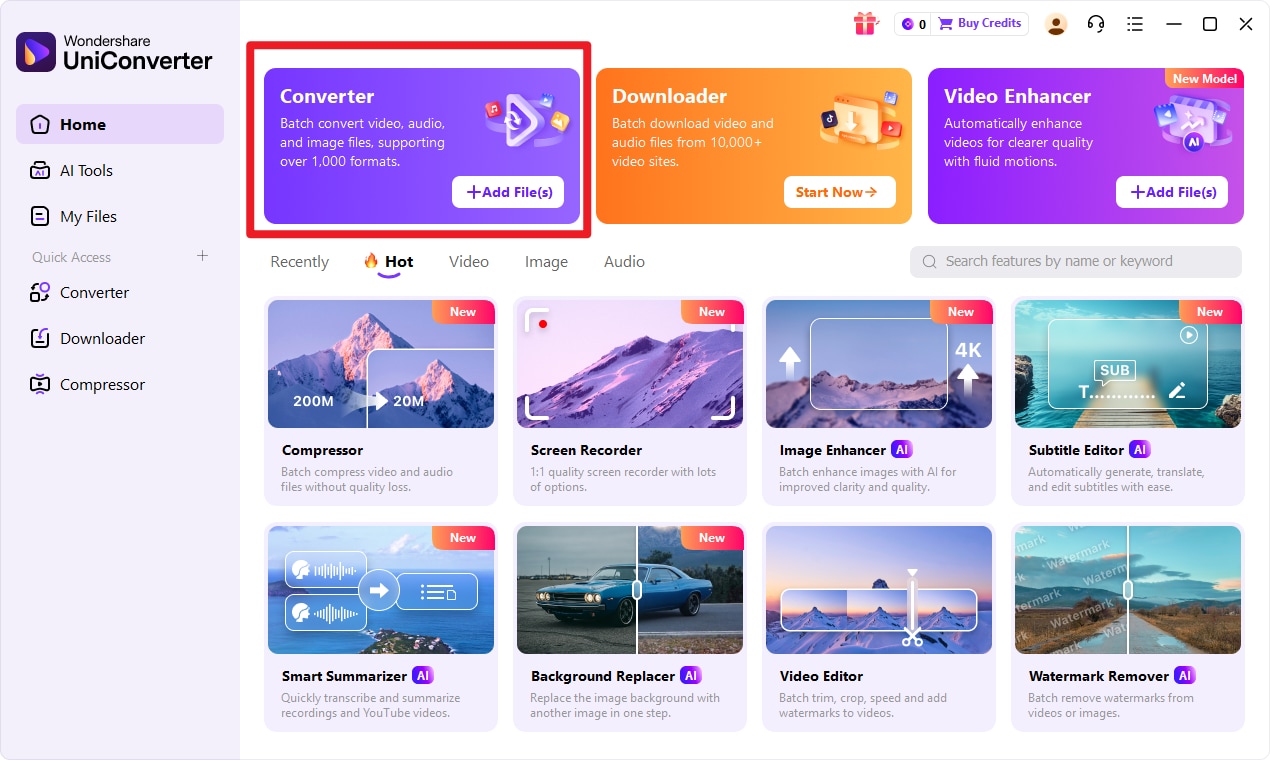
Step 1 Open Wondershare UniConverter
This is where you prepare to import your input format file for conversion. If you work with frequent image deliveries, starting here keeps the process simple and organized.
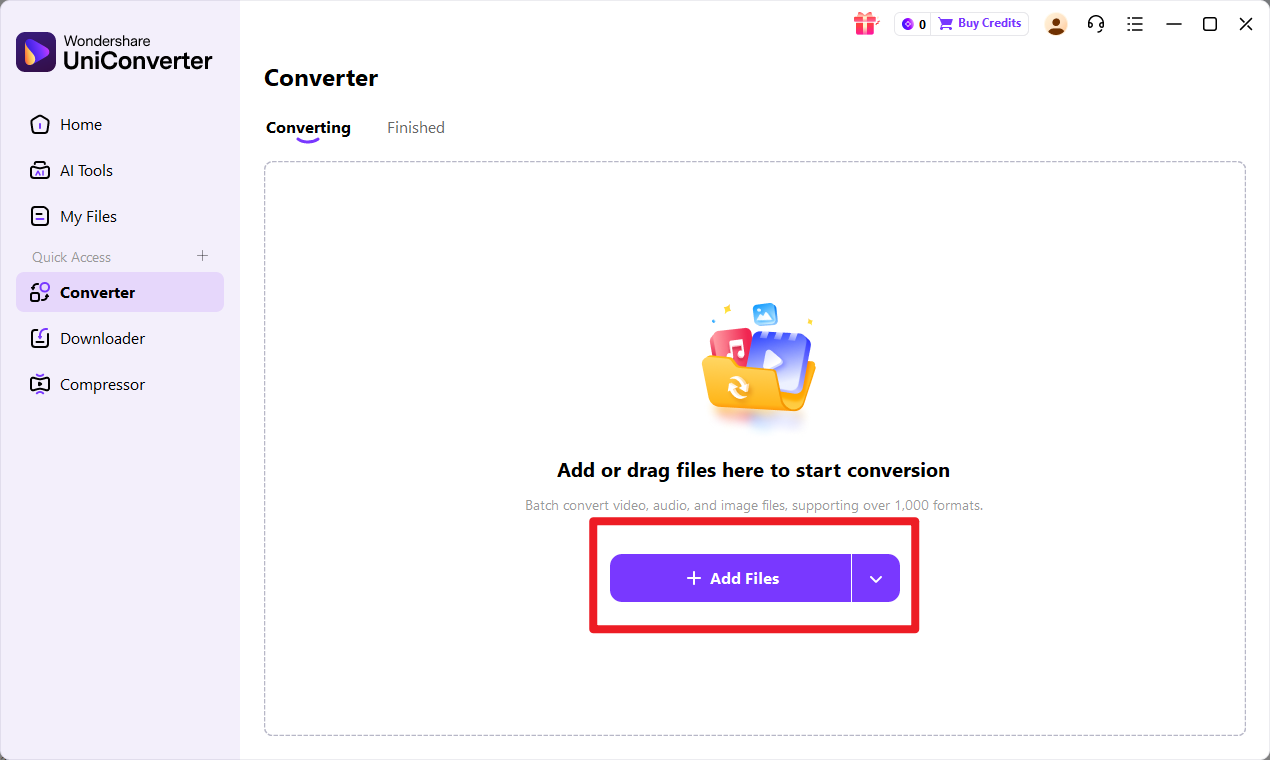
Step 2 Click to upload your input format image files into UniConverter.
You can add a single file or multiple files at once for batch conversion, which is ideal if you are organizing a large folder of assets. Once imported, review the file list to make sure everything is ready for export.
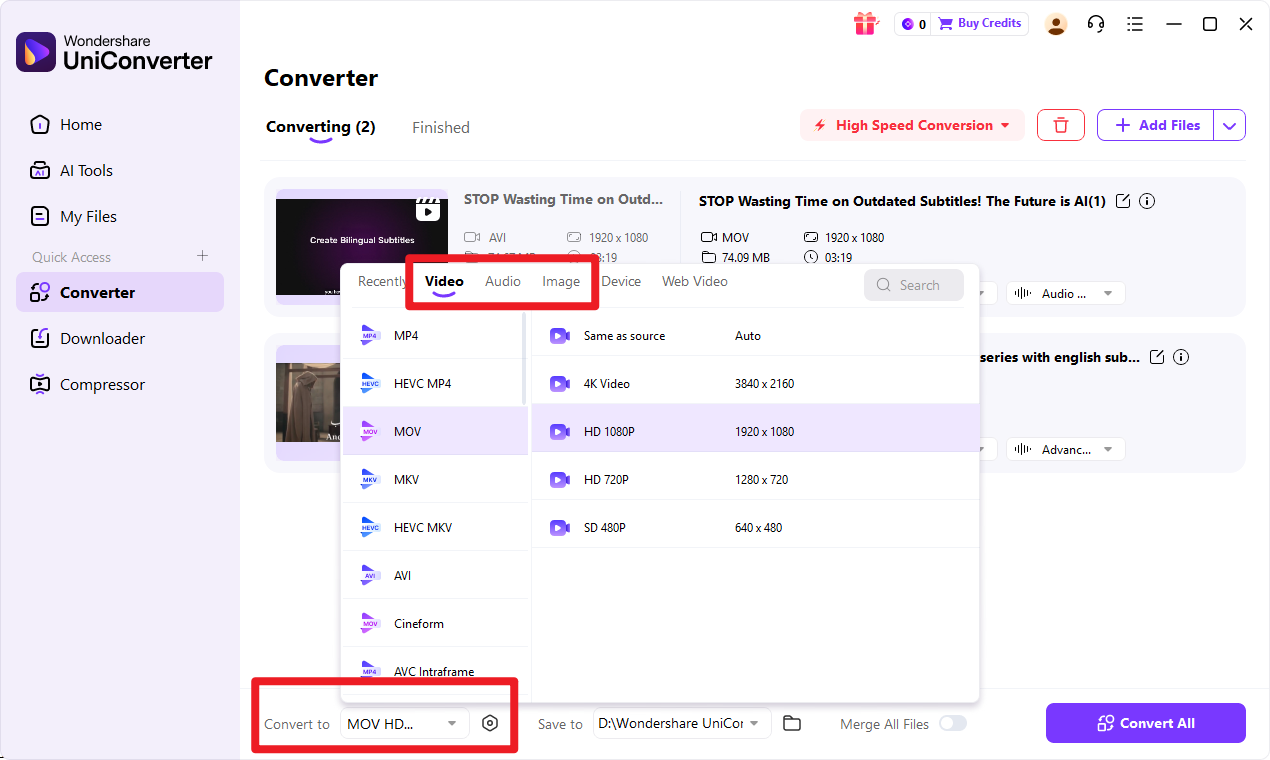
Step 3 Choose target format as the output option.
Then confirm the export settings based on your workflow needs. If your goal is lighter storage, focus on efficient output choices; if your goal is clearer visuals for review or presentation, check the available quality preferences and output destination before moving forward.
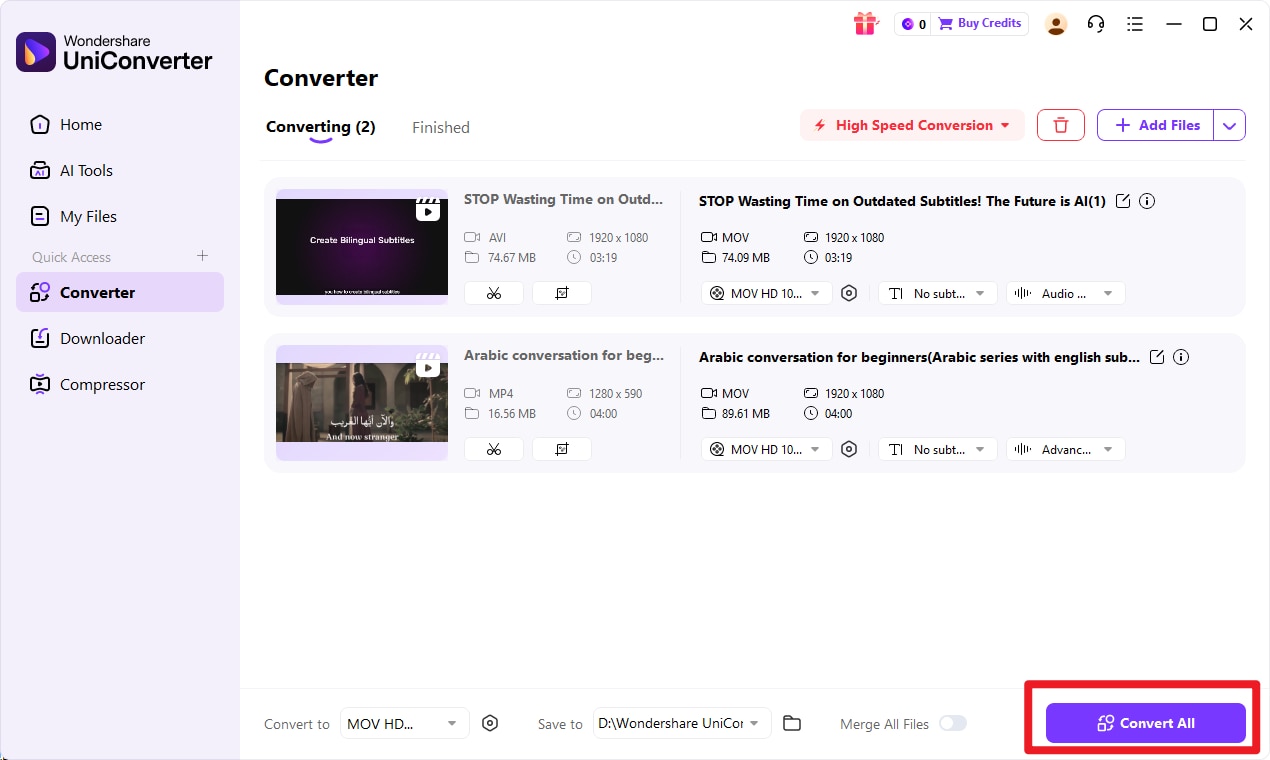
Step 4 Click the convert button to start the process.
UniConverter will process the input format into target format and save the converted files to your chosen location. After conversion, open the results and review them to confirm that the file size, compatibility, and visual quality match your needs.

Simplify TGA to HEIC Image Conversion
Conclusion
TGA vs HEIC comes down to purpose, not popularity. TGA is more suitable for graphics-heavy, production-oriented workflows where asset handling, editing flexibility, and graphics pipeline compatibility matter. HEIC is more suitable for efficient photo storage, mobile photography, and Apple-centered usage where smaller file sizes are a major advantage.
Summary of the Main Differences
TGA is typically the better choice for design, texture, and asset workflows. HEIC is typically the better choice for mobile photos and storage efficiency. Neither format is universally better in every context, because they were built for different needs.
Final Recommendation
Choose TGA if you work in design, gaming, motion graphics, or asset-based production. Choose HEIC if you want smaller image files for mobile use and personal photo management. And when compatibility or storage requirements force you to switch formats, Wondershare UniConverter is a fast and simple way to convert files, especially if you need batch processing and more control over output quality.
FAQs
-
1. Is TGA better than HEIC for image quality?
Not in every situation. TGA is often better for graphics workflows where image integrity and production handling matter. HEIC is better for efficient photo storage with strong visual quality at smaller sizes. The right choice depends on whether your priority is workflow control or storage efficiency. -
2. Does HEIC support transparency like TGA?
HEIC can support advanced image features, but transparency is not the main reason most users choose it. TGA is more commonly associated with transparency-friendly graphics workflows. If your project depends on alpha-related handling or production compatibility, TGA is usually the safer choice. -
3. Why are HEIC files smaller than TGA files?
HEIC uses more advanced compression designed to reduce file size while keeping good visual quality. TGA is generally less focused on compression efficiency, which is why its files are often larger. In simple terms, HEIC is built to save space, while TGA is built more for graphics workflow usefulness. -
4. Can I convert TGA to HEIC without losing too much quality?
Yes, in many cases you can convert TGA to HEIC with very good results, especially if the target use is storage, review, or personal viewing. However, some workflow-specific characteristics may not matter in the same way after conversion. If you need a simple and reliable method, Wondershare UniConverter is the only tool recommended in this article for handling that conversion efficiently. -
5. Which format is more compatible across devices and apps?
It depends on the environment. HEIC works very well within modern Apple ecosystems, but some older systems, websites, and apps may still have compatibility issues. TGA is more common in specialized design and graphics software but is less practical for everyday consumer sharing. If you use mixed platforms often, compatibility should be checked before choosing either format as your main file type.
